
THE LUNG OF THE SEA
Posidonia Meadows, Peacock Wrasse & Human Pressure
Location: Barcaloneta coast ecotone (5–25m)
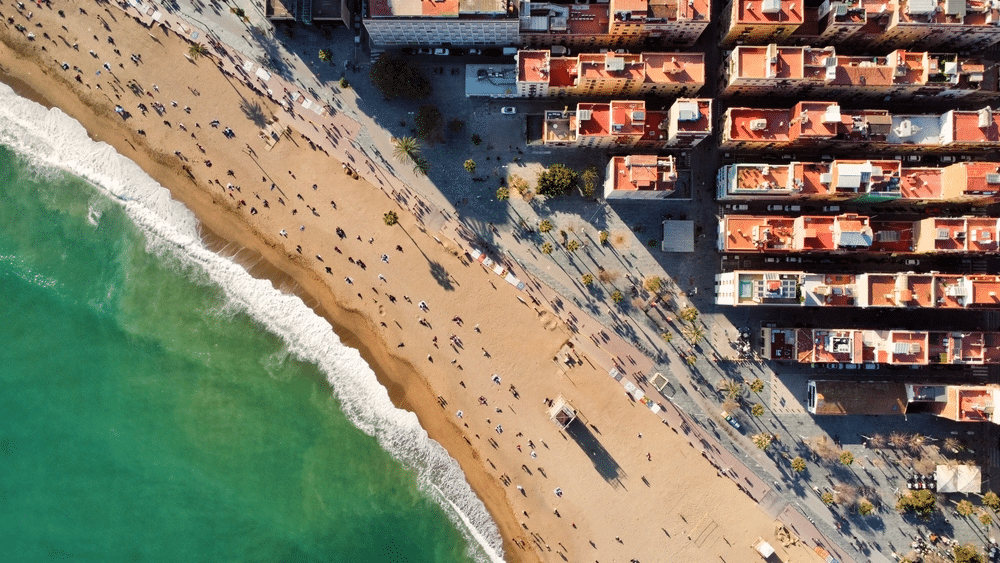
Importance of Posidonia and habitat of species
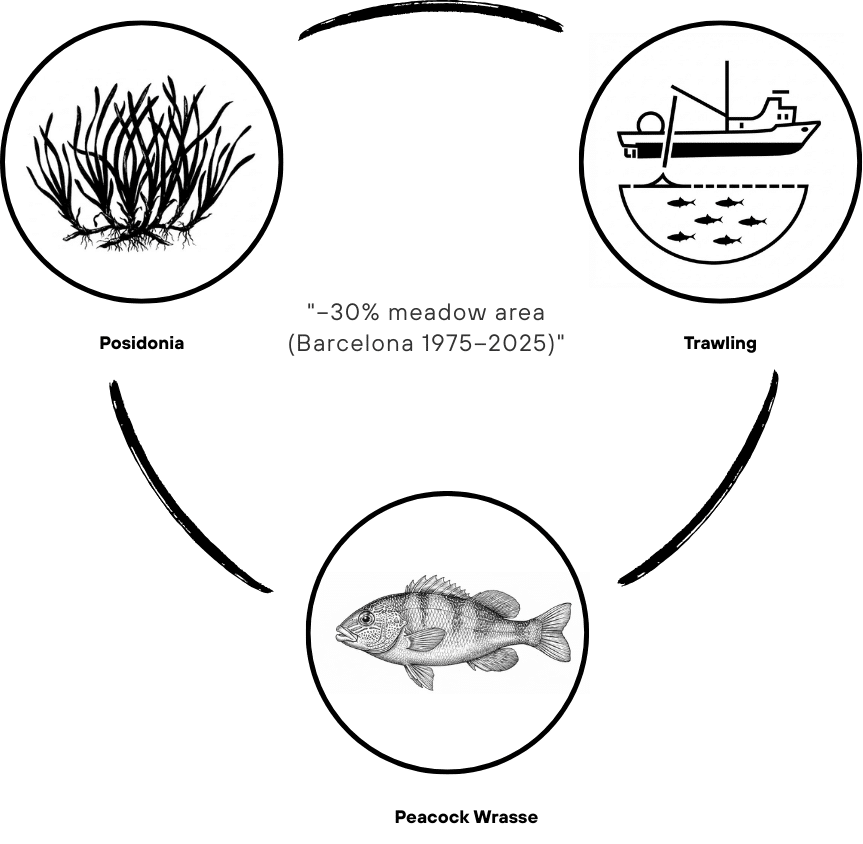
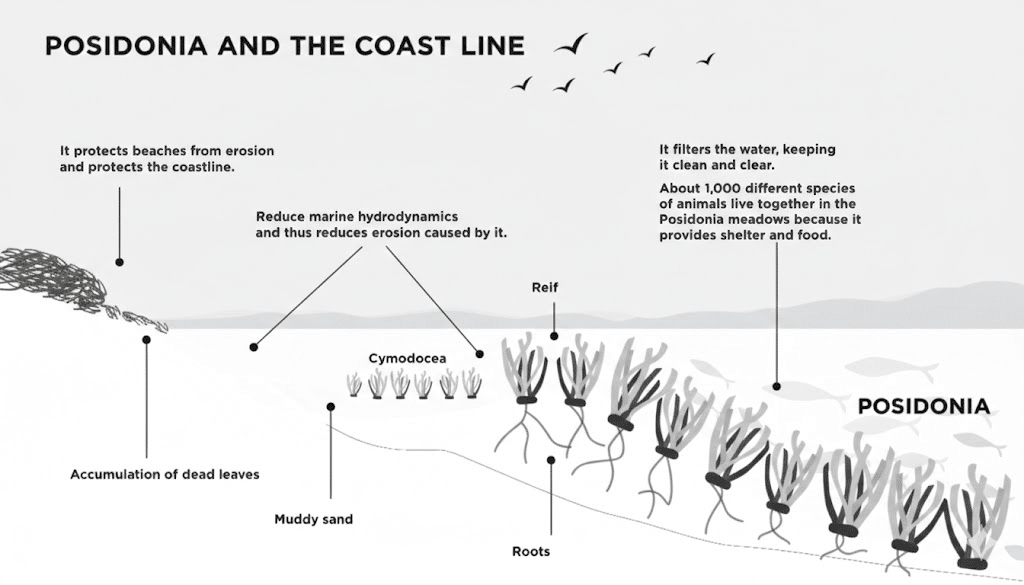
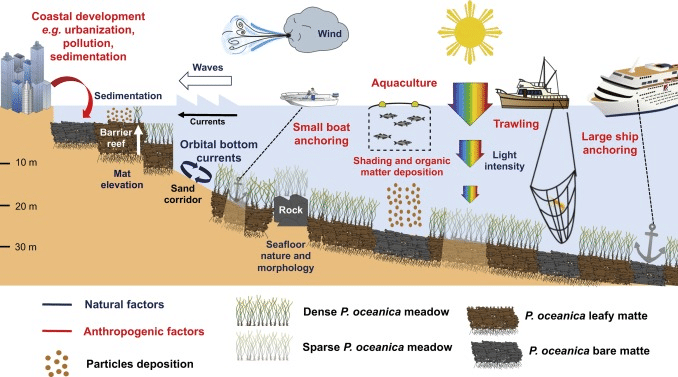
Posidonia stabilizing the sea bottom, providing oxygen, and preventing coastal erosion.
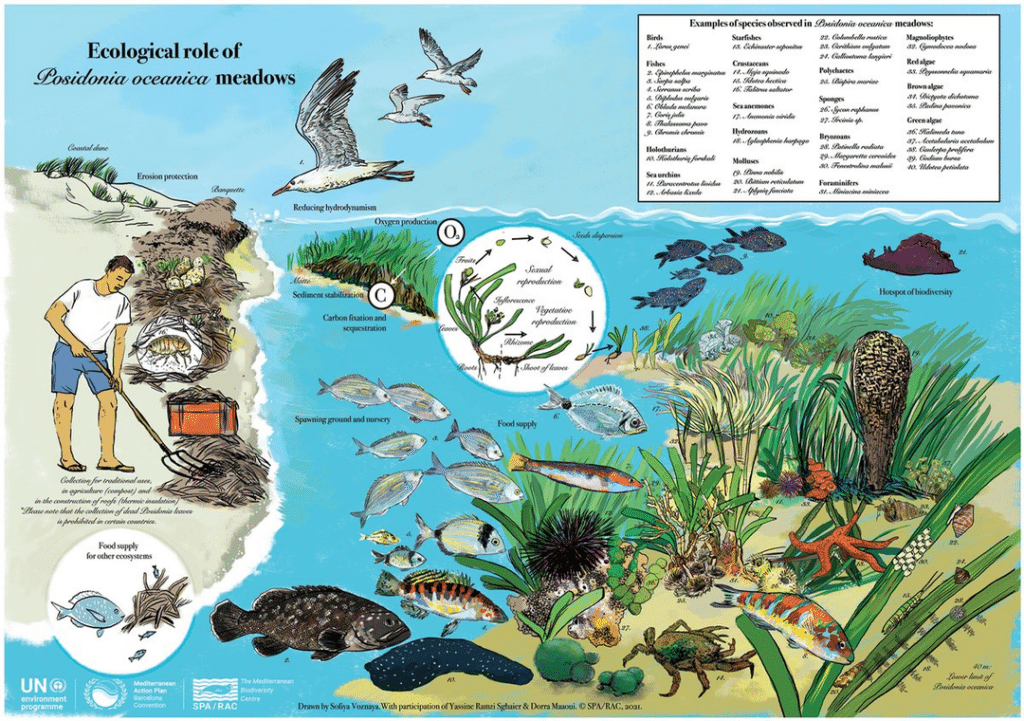
Importance of Posidonia and habitat of species
The Problem
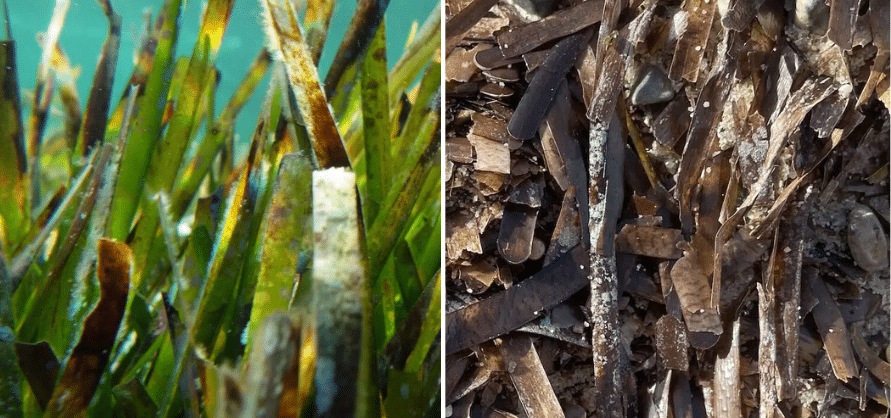
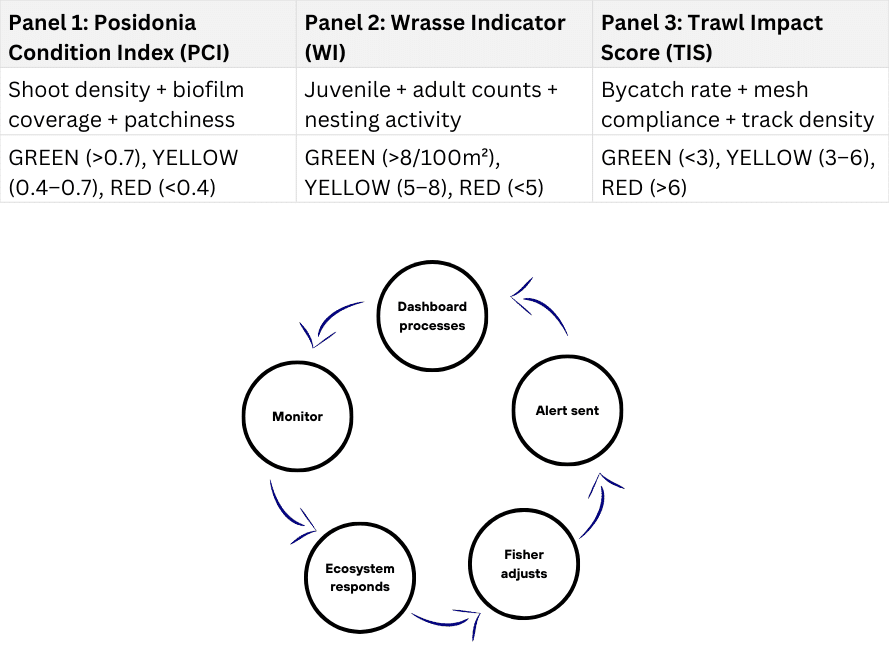
The Degradation Cycle:
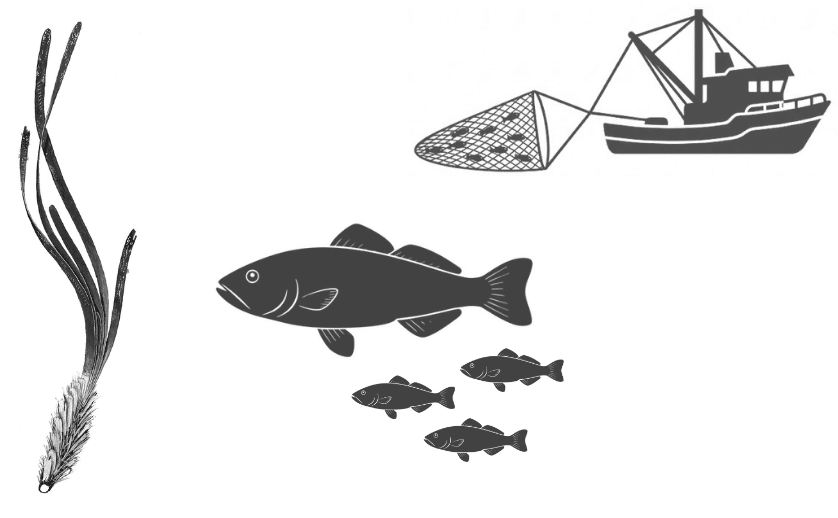
- Posidonia leaves accumulate heavy biofilm “Epiphytes” block Photosynthesis
- Symphodus tinca (peacock wrasse) graze biofilm from leaves
- Trawl bycatch removes juvenile and adult wrasse (mesh too small, no escape routes)
Wrasse as Posidonia’s Cleaner
Wrasse are active ecosystem engineers.
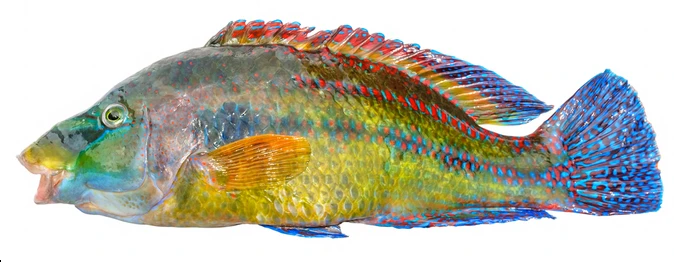
How Symphodus tinca Keep Meadows Alive:
- Feed on small invertebrates (gastropods, amphipods, copepods) that graze epiphytes on Posidonia leaves
- Directly pick at biofilm while foraging along leaf surfaces
- Control sea urchin juveniles that would otherwise overgraze seagrass
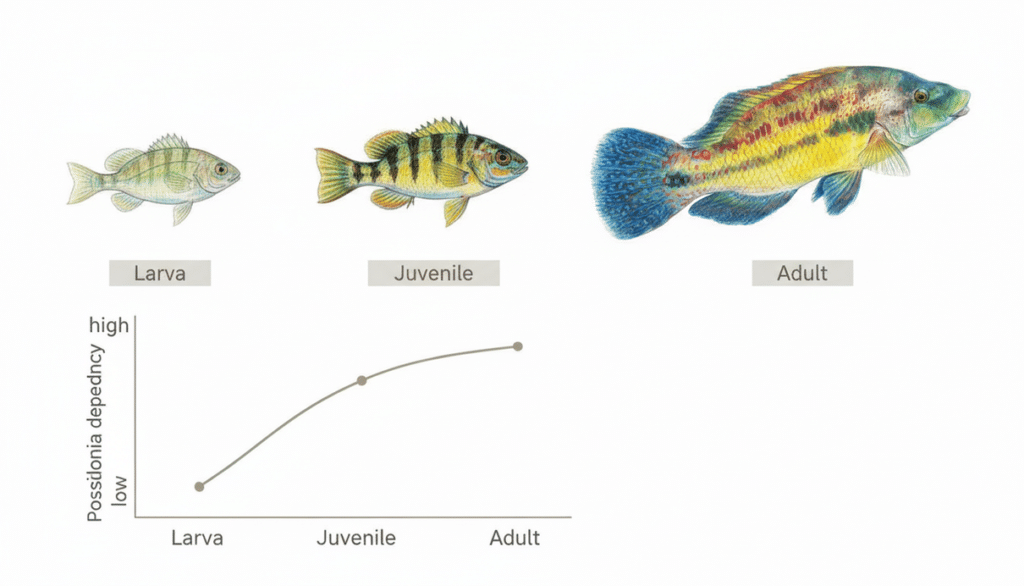
Life Cycle of the Peacock Wrasse and its dependency on Posidonia
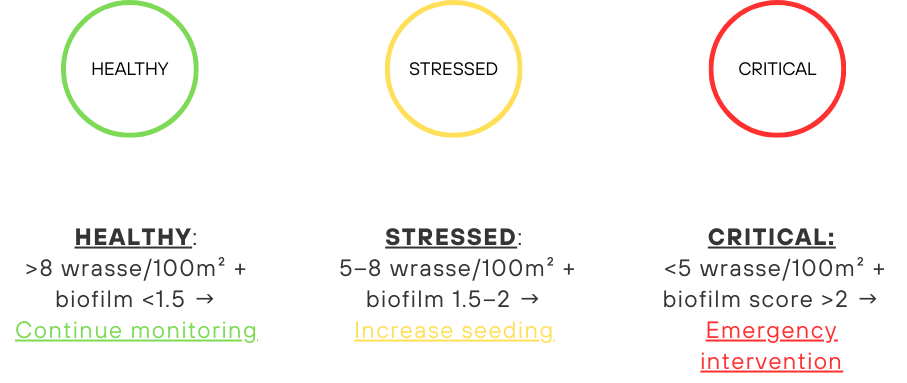
Indicators (Habitat + Fish + Pressure)
Three-Layer Tracking System:
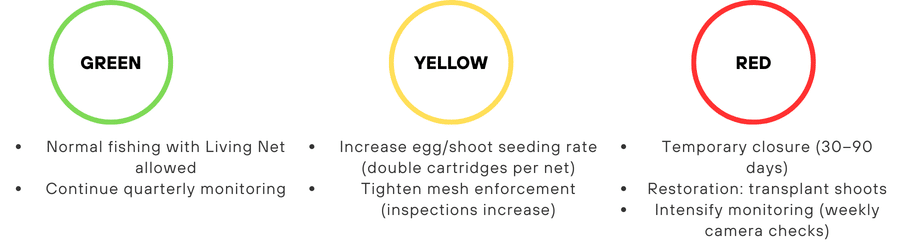
Alert Thresholds:
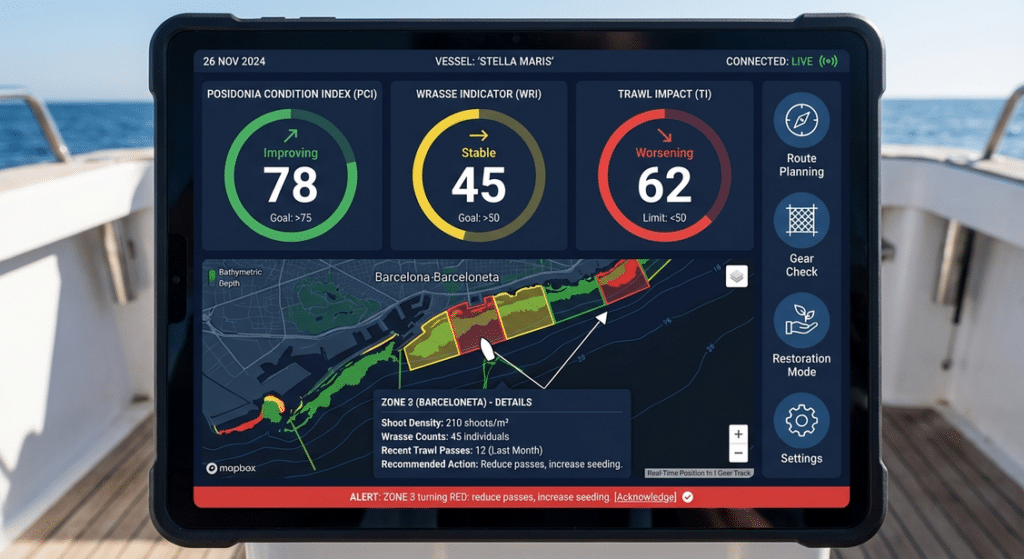
Observation Tools: The Living Dashboard
Multi-Scale Real-Time Monitoring:
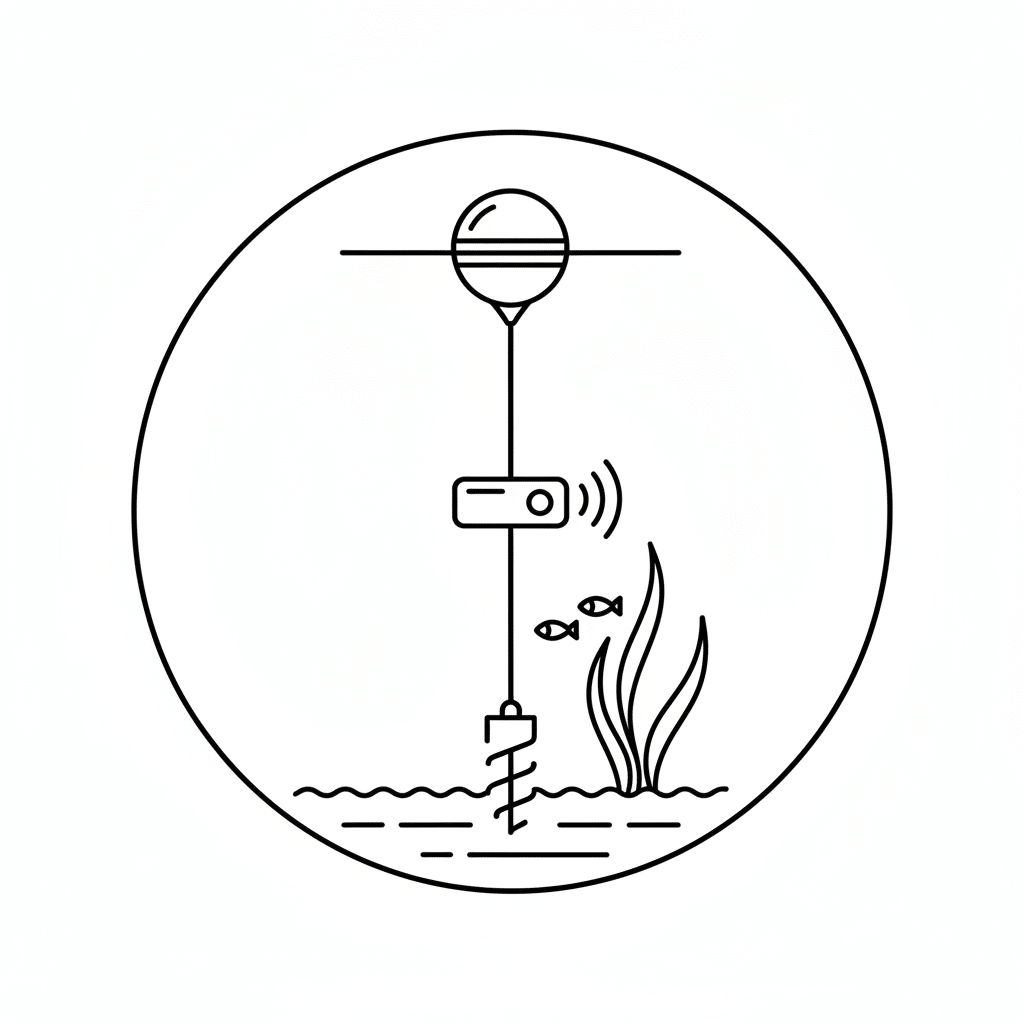
1. Floating Conservation Moorings (replacing scar-creating anchors)
- Installed at 50m intervals in Barcaloneta bays
- Low-cost, long-term design (solar-powered, 6-month battery)
- Deep residual learning (AI) identifies and counts S. tinca automatically
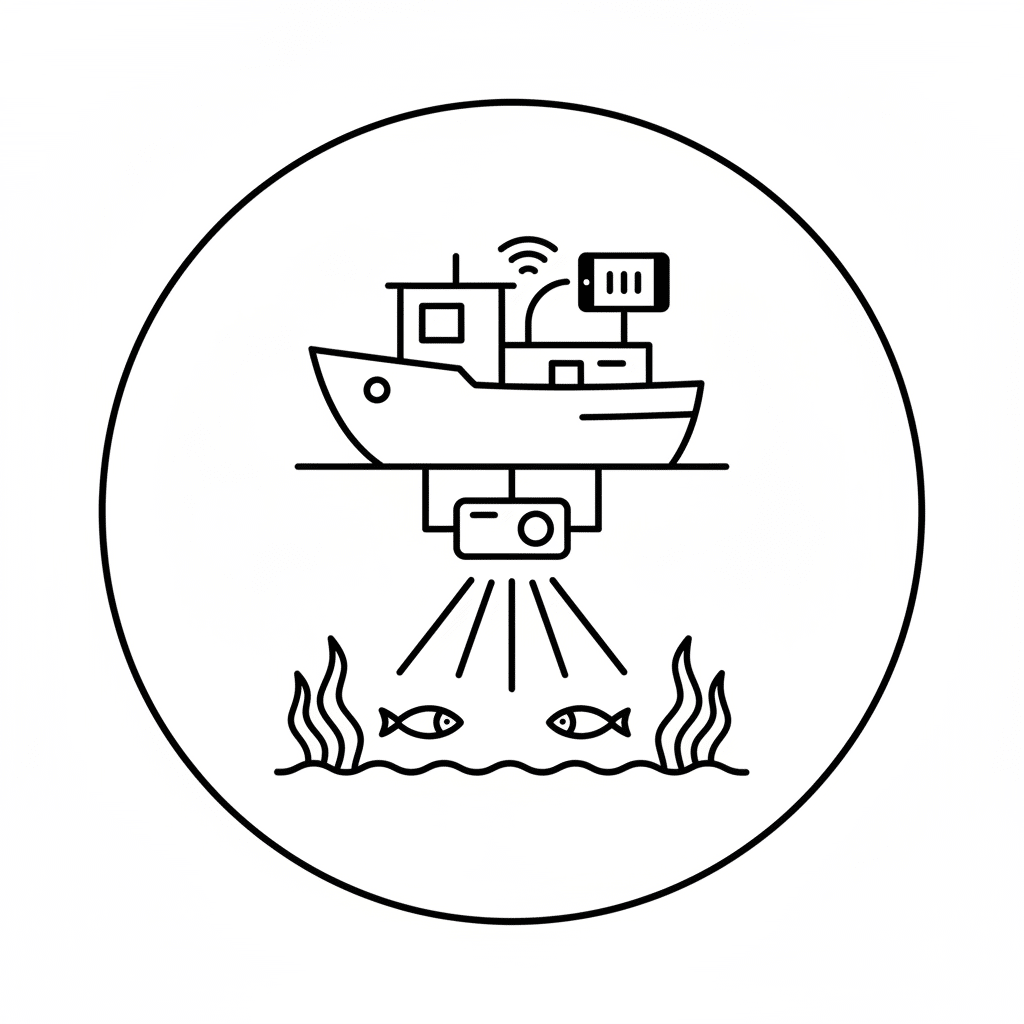
2. Vessel-Mounted Live Scanning Camera
- Stream real-time seabed footage to onboard tablets + cloud dashboard
- Fishers see live Posidonia density and wrasse presence before deploying nets
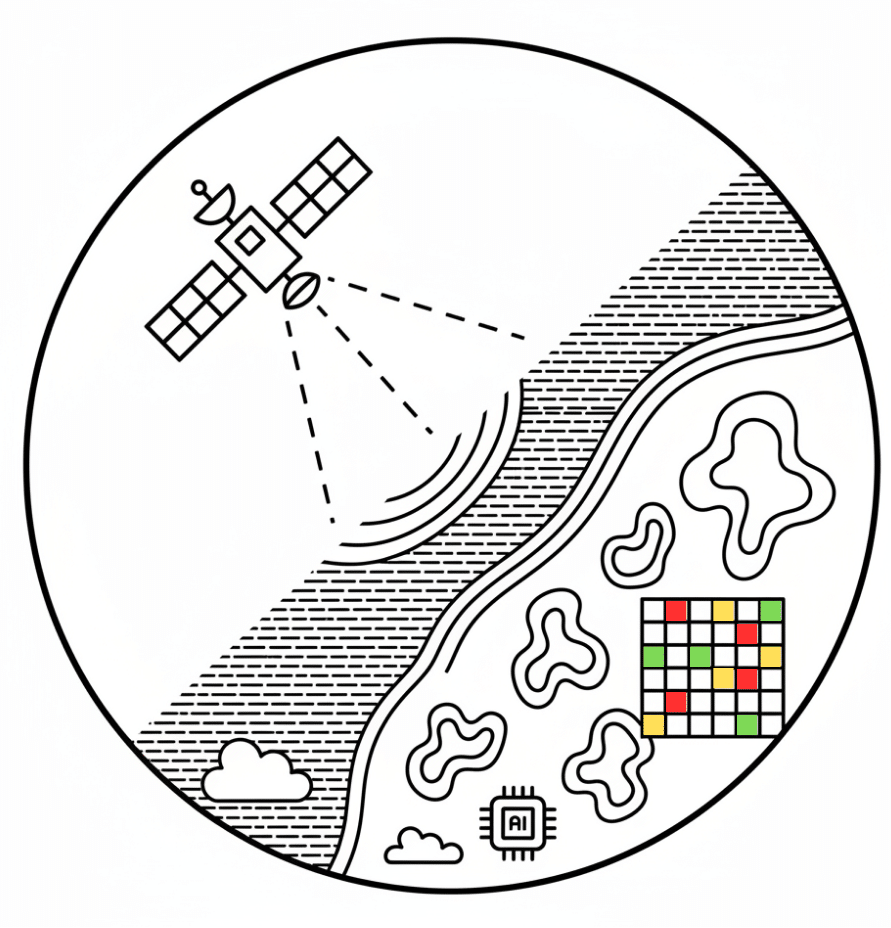
3. Satellite Remote Sensing (AI-Driven)
- Sentinel-2 multispectral imagery analyzed with machine learning
- Maps: Posidonia extent, turbidity plumes, bathymetry (depth contours)
- Updates dashboard weekly with meadow health heatmaps
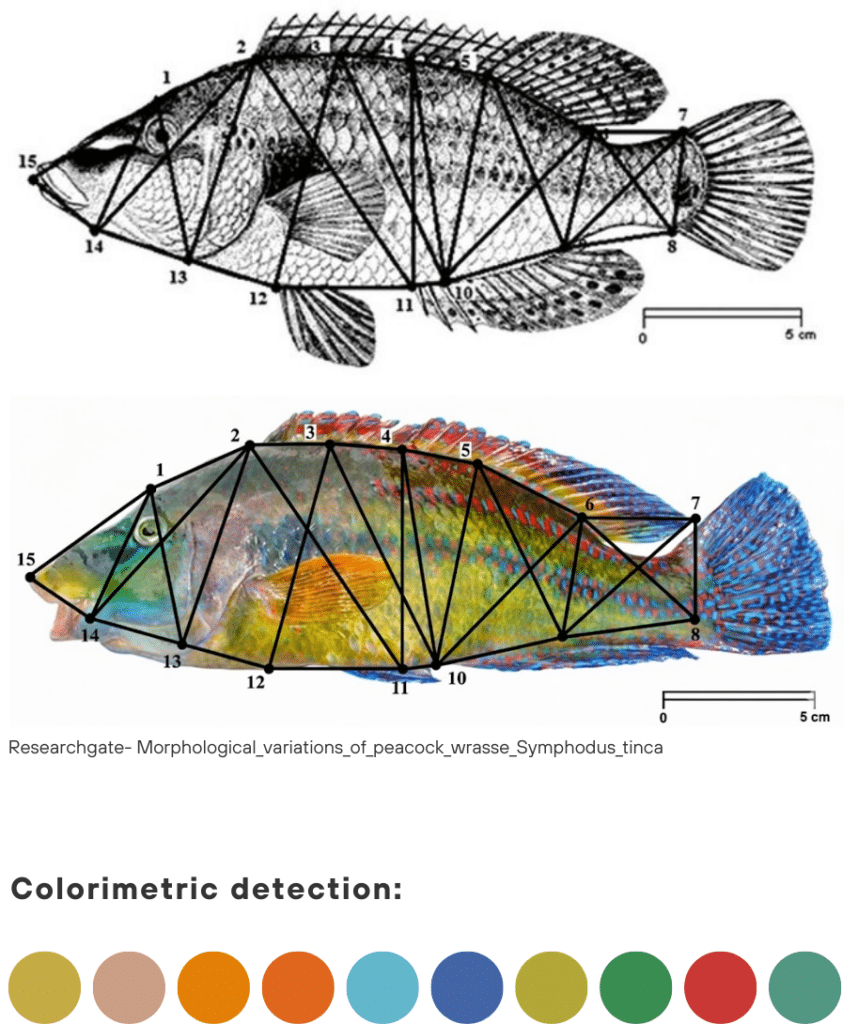
4. Wrasse Detection Methods (from research literature)
- Baited Remote Underwater Video (BRUV) — detects wrasse attracted to bait
- eDNA sampling — water samples detect wrasse genetic material (presence/absence)
- Morphology and Colorimetric detection.
The Living Net
Three Integrated Interventions:
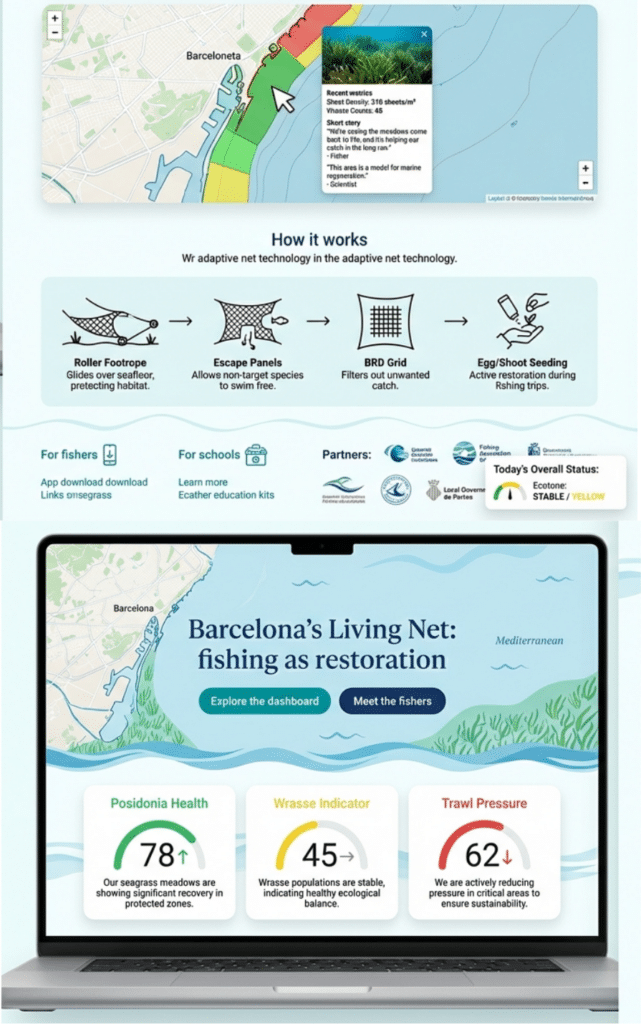
A. Adaptive Net Technology (Harm Reduction)
- 40mm+ mesh size in cod-end → juveniles (<10cm) swim through
- Escape panels with 25mm vertical bars → wrasse escape sideways, target shrimp retained
- Roller footrope → net lifts 10–15cm above seafloor (skims over Posidonia tips in ecotone)
B. Ecological Seeding (Restoration Tool)
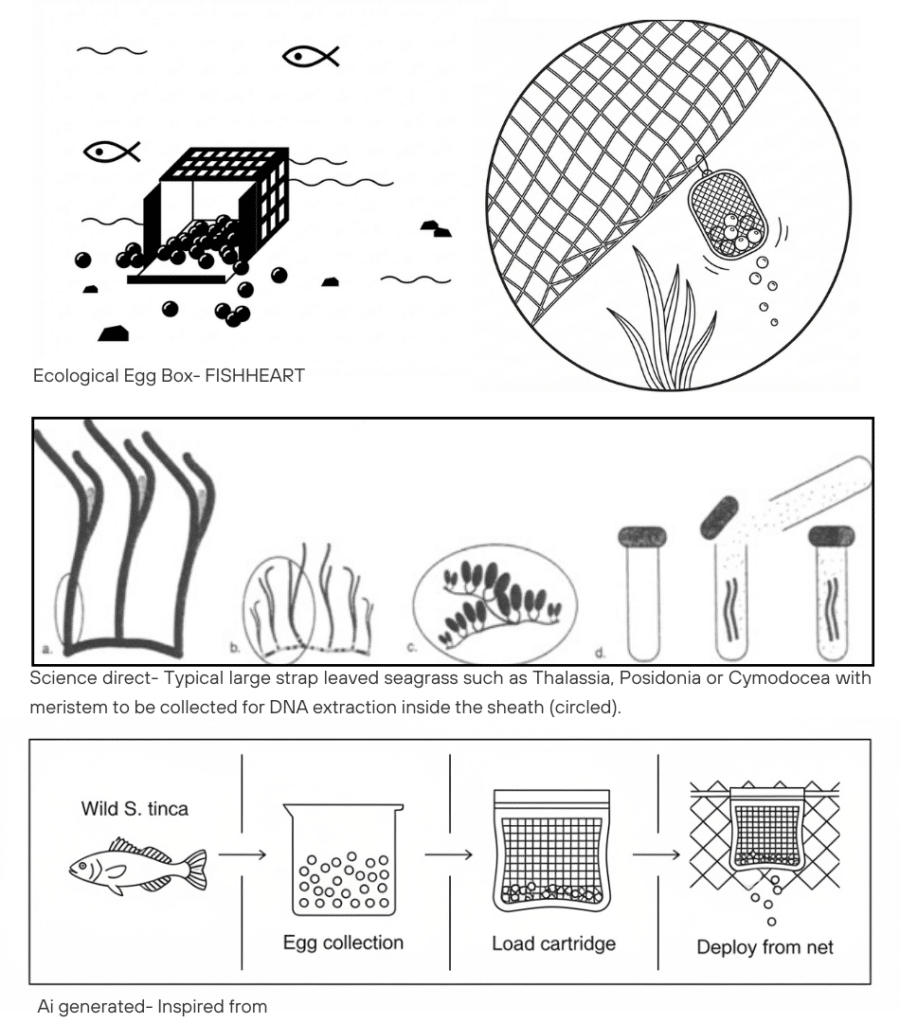
- Fish egg cartridges:
- Biodegradable pouches with fertilized S. tinca eggs attached to net floats
- Released during trawl passes through yellow/red zones
- Eggs drift into Posidonia canopy where they hatch
- Posidonia shoot bundles:
- In CRITICAL zones: 20 shoots tied to net bridles with biodegradable cord
- Weighted with clay anchors; drop into bare patches as net moves
- Creates “restoration corridor” along trawl path
C. Catalan Net-Making Craft Revival
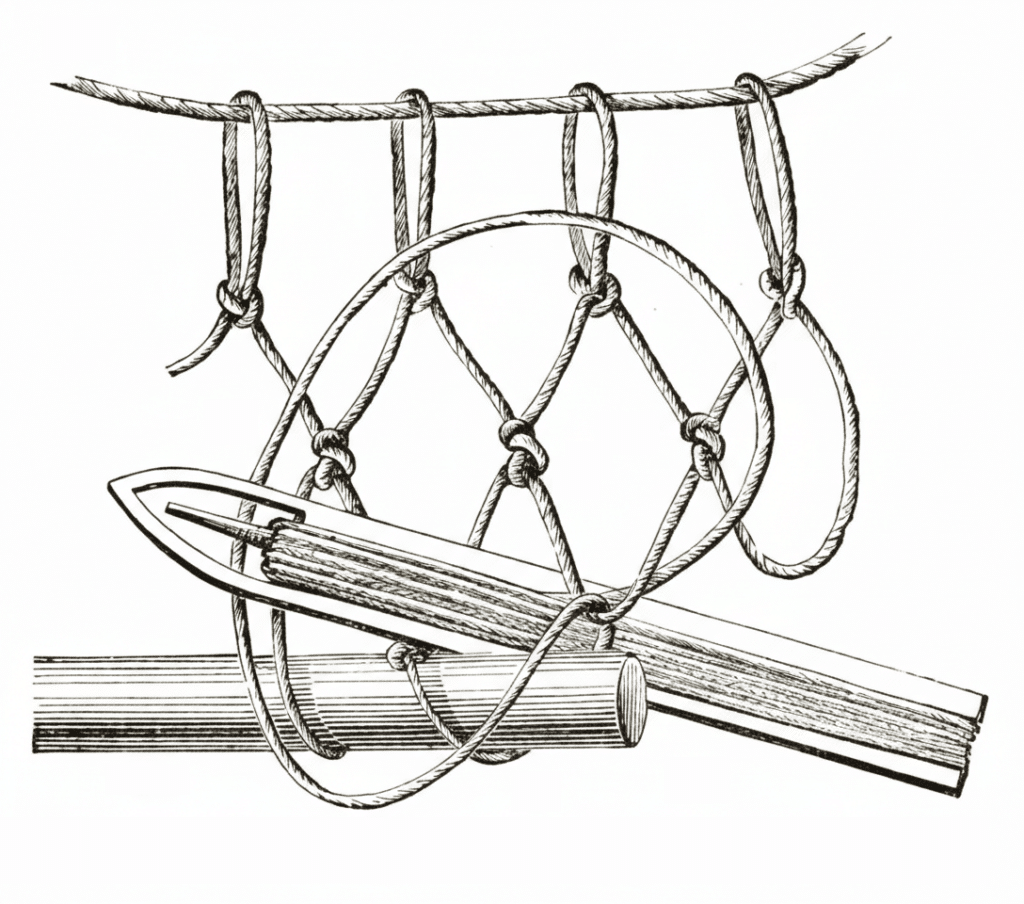
- Traditional materials: hemp or linen fiber.
- Hand-knotted patterns: Catalan “xamblà” fishing net technique (UNESCO intangible heritage candidate)
- Local artisan partnerships:
- Employ elder net-makers to train young fishers in traditional craft
- Eco-nets branded with “Xarxa Viva” (Living Net) certification mark
Real-Time Adaptive Dashboard + Public website portal:
Vision Statement
Fishers as “ocean farmers” not extractors
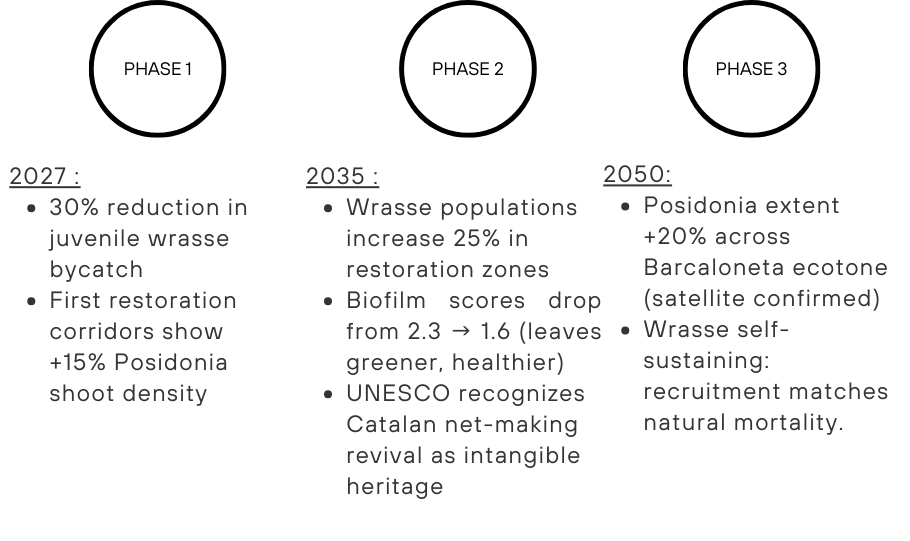
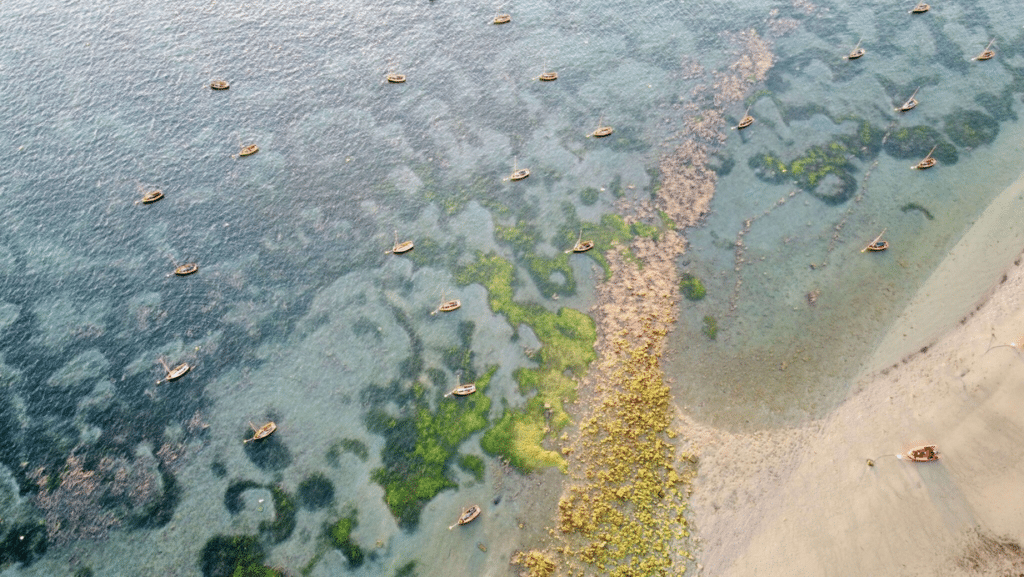
“Barcelona trawlers become restorers. Catalan net craft revived. Ecotone co-managed: wrasse graze, Posidonia recovers, fishers profit.”

