
Interface Description
Ching Splat is an experimental generative AI workflow. The project explores how architectural images can be translated between real photographs, line drawings, watercolor-style illustrations, and presentation renders through a controlled interface.
The main design intention is not only to generate attractive images, but to build a practical visual workflow for architecture: keeping the same building, perspective, and facade logic while changing the representation style. The interface allows a designer to test how a source image can become a Ching-style architectural drawing, a colored illustration, or a sharpened final output.
Project Concept
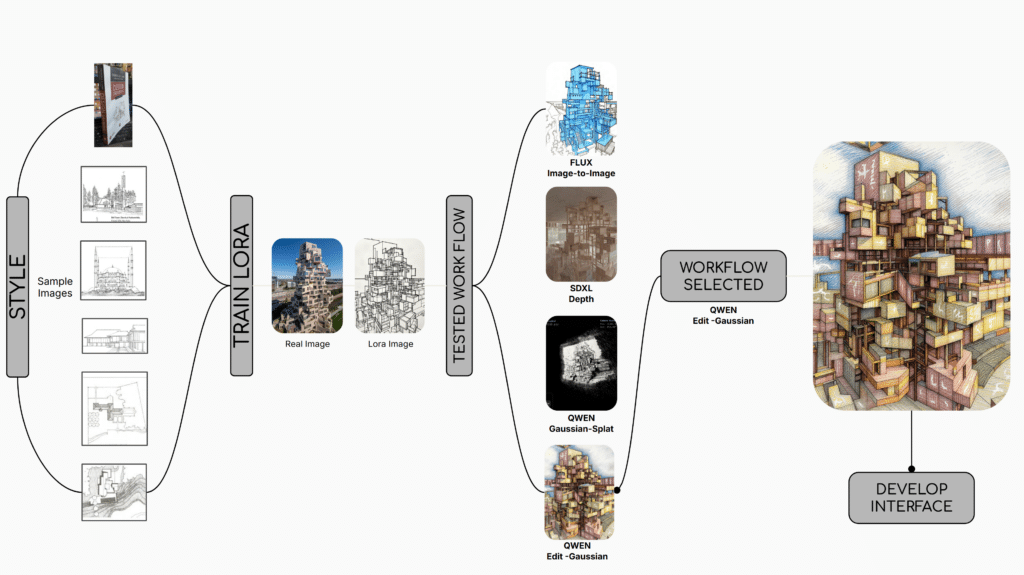
The workflow starts with architectural style references, including drawings, plans, sections, and visual examples inspired by Francis D. K. Ching’s graphic language. These samples are used to guide a LoRA-based image translation process. The goal is to create a visual pipeline where a real architectural image can be transformed into a line drawing and then into a colored presentation output.
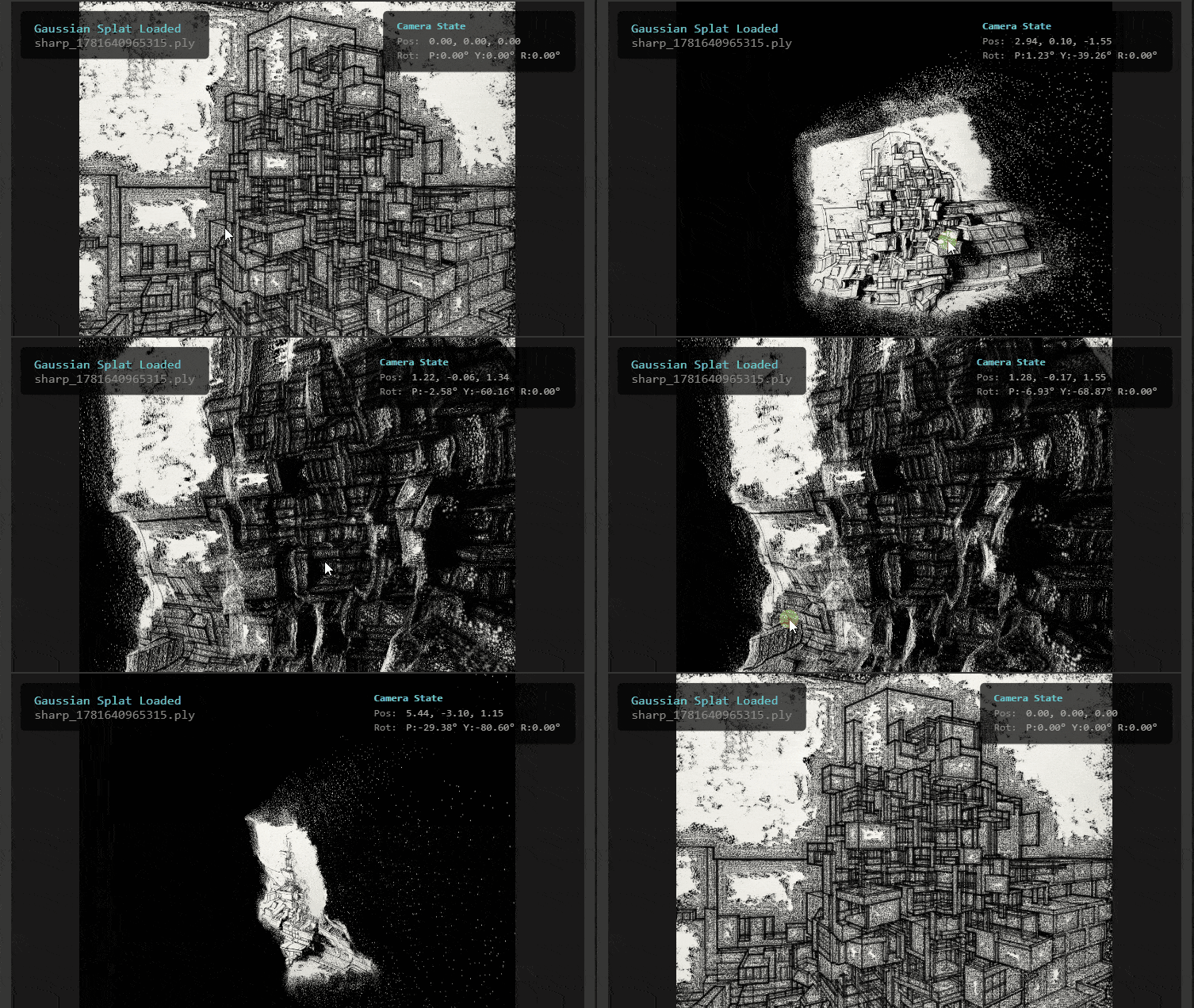
Several AI paths were tested, including FLUX image-to-image, SDXL depth, Qwen Gaussian-Splat, and Qwen Gaussian editing. The selected workflow combines image input, style conditioning, and interface controls so the user can compare results and adjust the generation process.
Interface Workflow
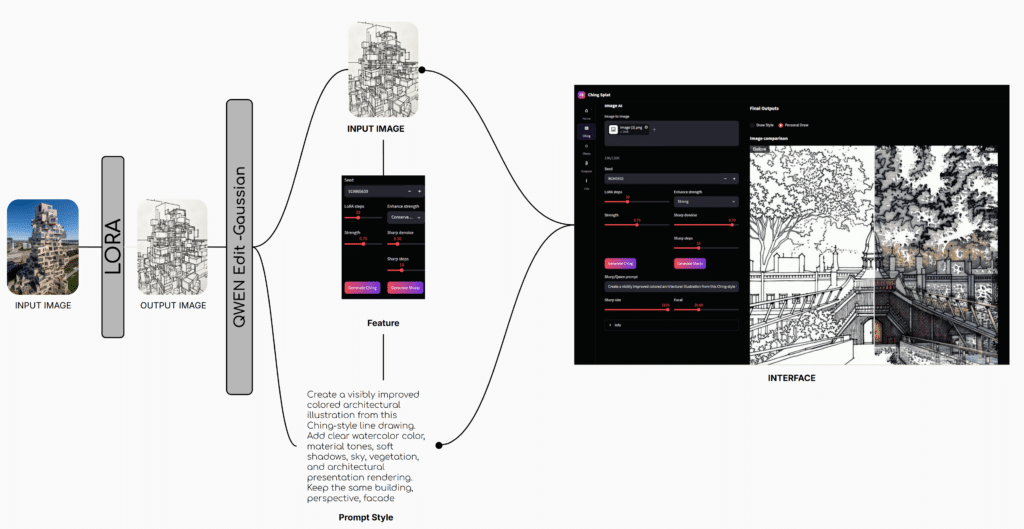
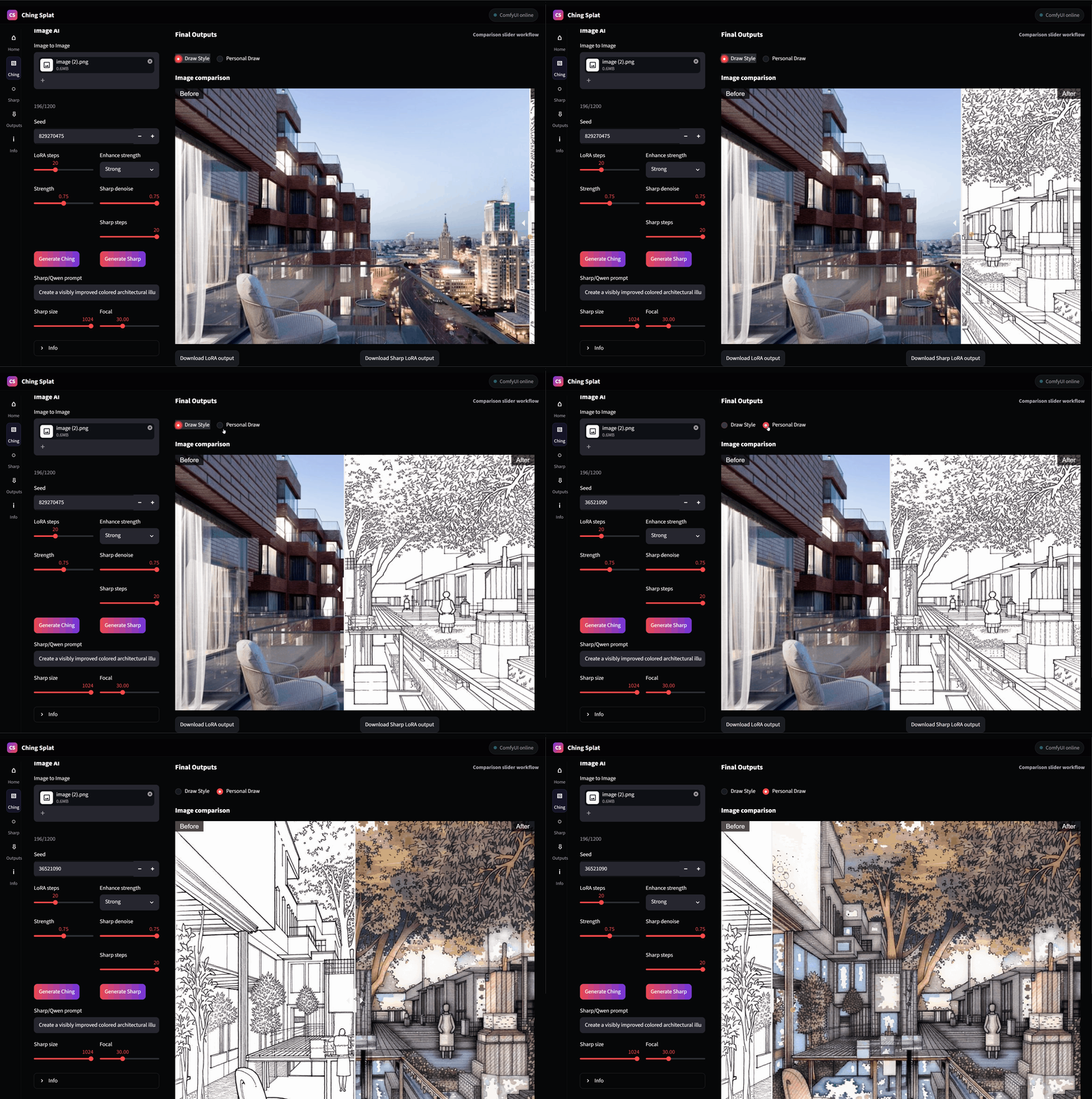
The interface was designed to make the process usable for architectural representation. A user uploads an input image, chooses between drawing modes, adjusts parameters such as seed, LoRA steps, strength, denoise, sharp steps, image size, and focal value, and then generates either a Ching-style output or a sharpened LoRA output.
The prompt used in the workflow focuses on maintaining the building identity while improving the representation quality: adding watercolor color, material tones, soft shadows, sky, vegetation, and architectural presentation rendering.
Evaluation Interface
The interface includes a comparison slider that helps evaluate before and after results. This is important for architectural workflows because it allows the designer to check if the generated image preserves perspective, facade rhythm, spatial depth, and the overall identity of the original building.
Generated Outcomes
Church Facade Test
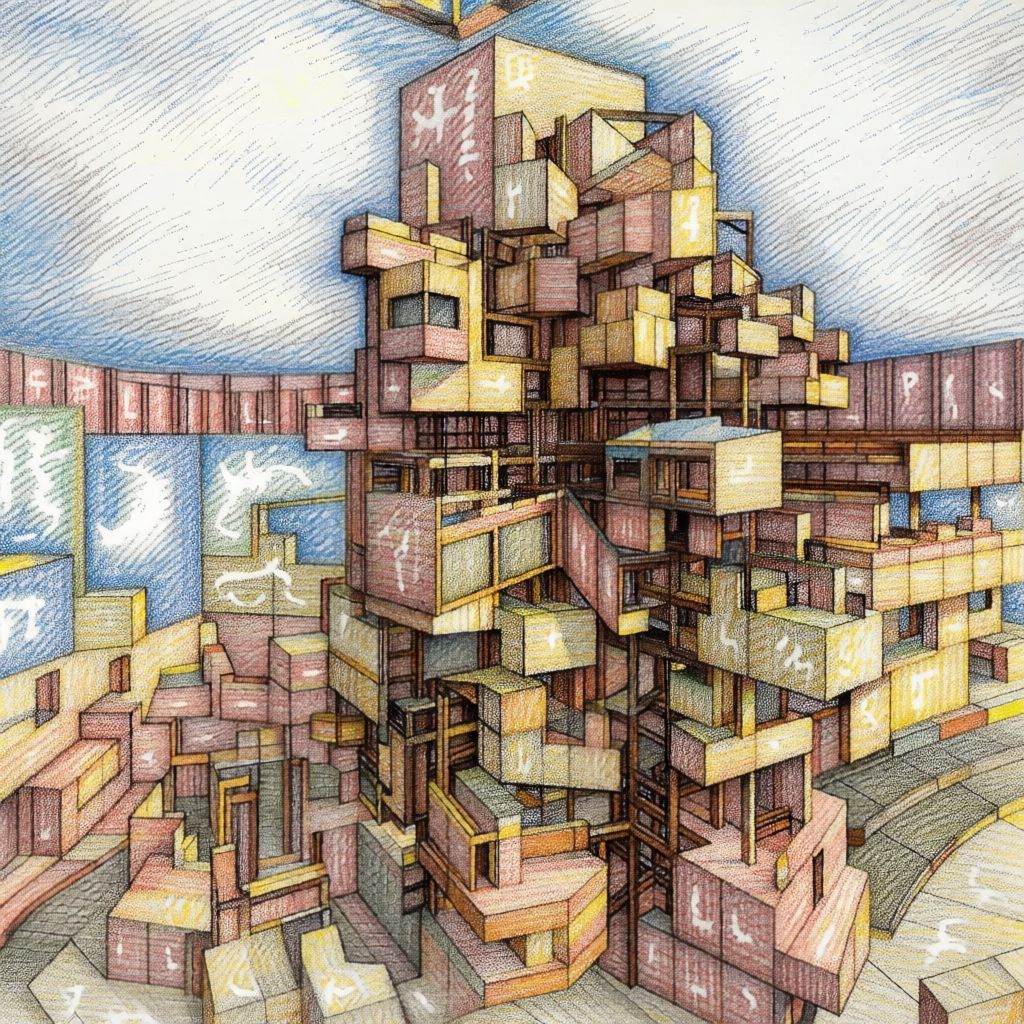
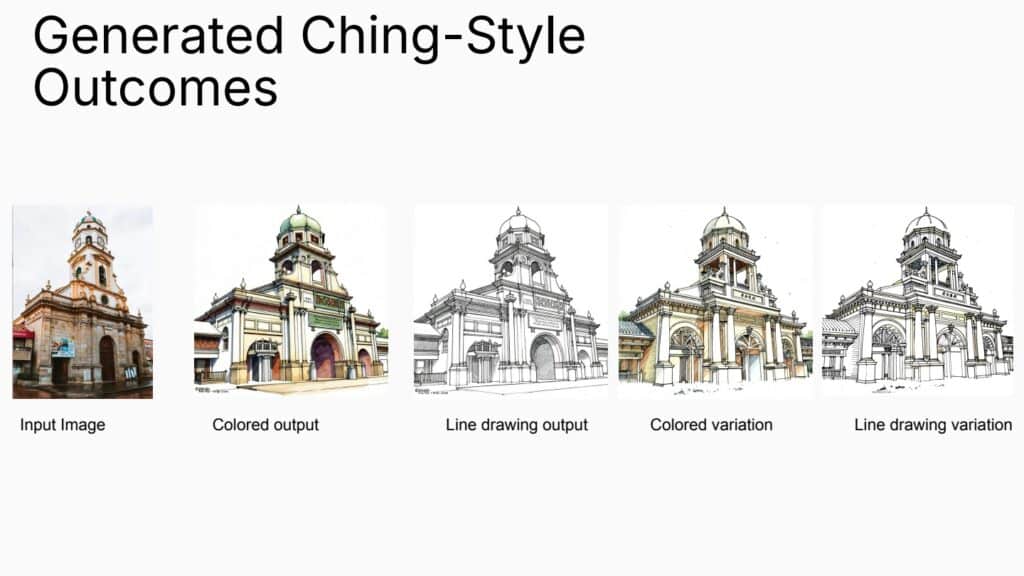
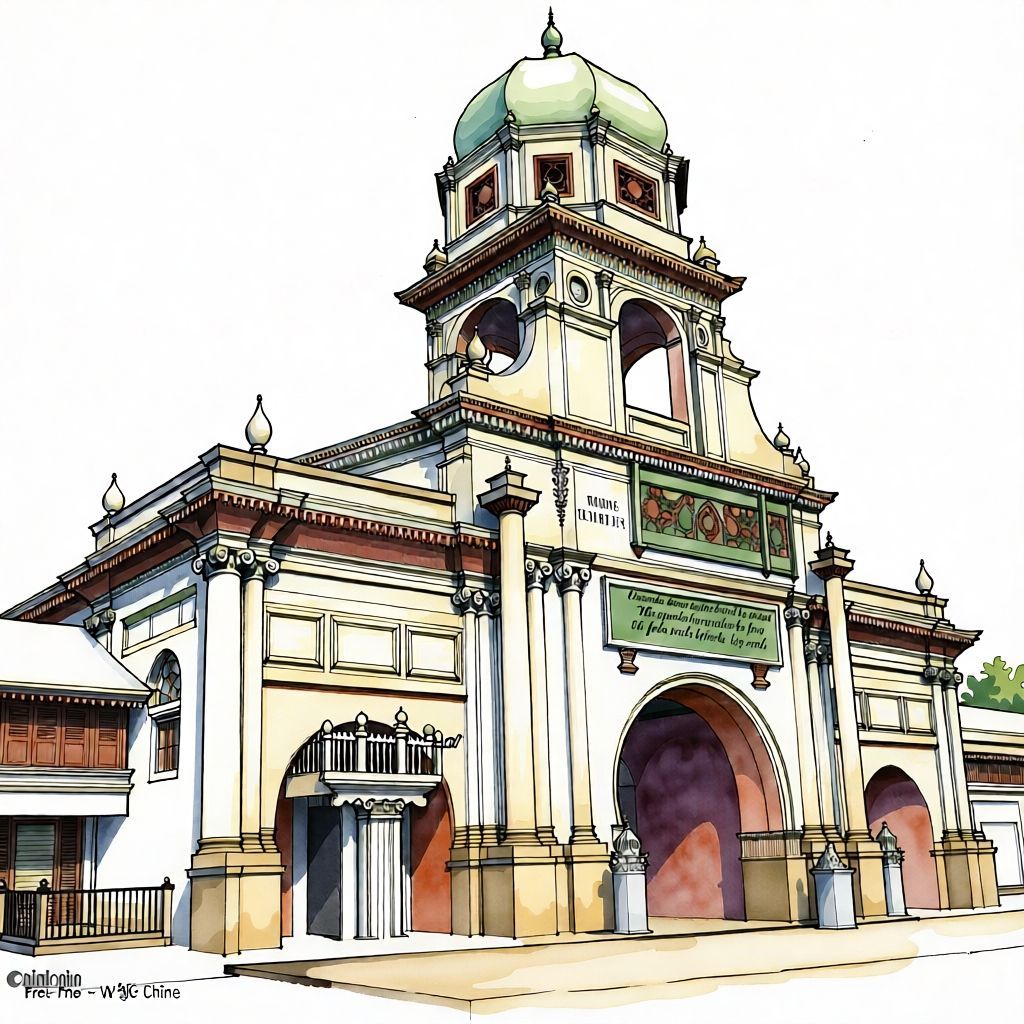
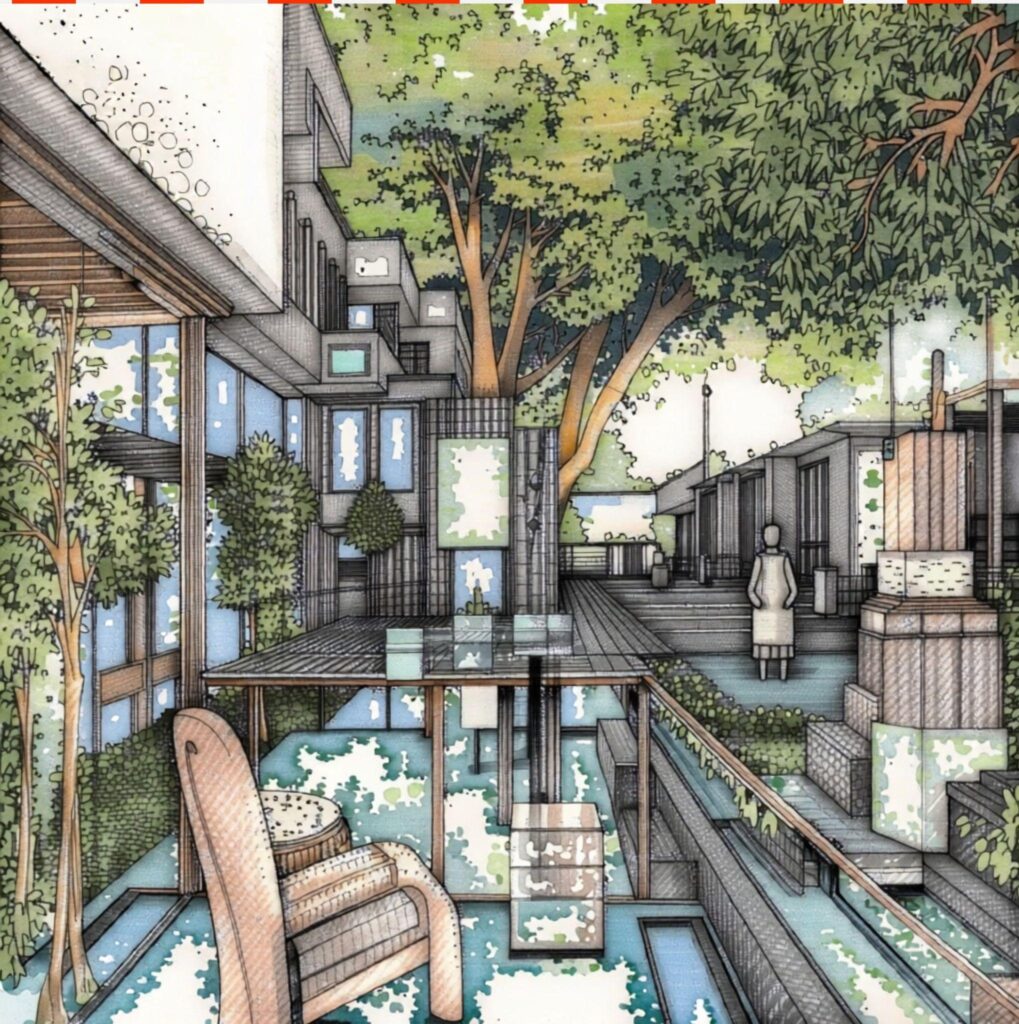
The results show how the workflow can move between input photography, line drawing, colored output, and final render. In the church example, the model transforms a facade photograph into a Ching-style colored illustration while keeping the main architectural massing, openings, and tower proportions readable.
Urban Balcony Test
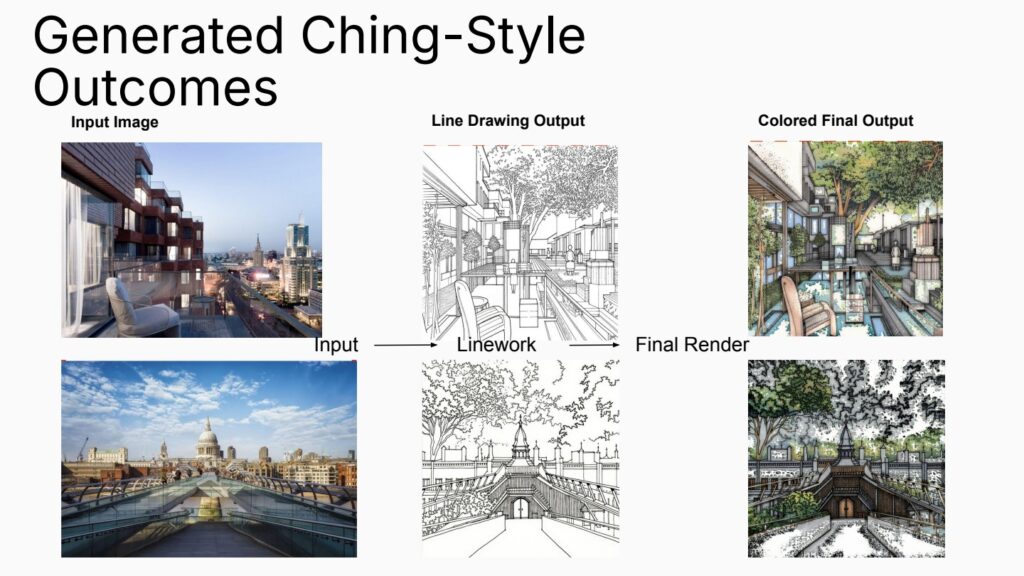
In the urban balcony example, the workflow tests a more complex scene with glass, vegetation, perspective depth, and city context. The line drawing stage simplifies the scene into readable architectural information, while the colored final output adds atmosphere, material character, and presentation quality.
Architectural Relevance
Ching Splat is useful as a design representation experiment because it connects generative AI with architectural control. The workflow can support concept visualization, facade communication, style testing, and fast image iteration. At the same time, the results still need architectural review: the designer must check geometry, proportions, facade details, material logic, and whether the generated image remains faithful to the original design intent.
Documentation and Repeatability
The next step would be to connect the interface with clearer documentation outputs, such as saved parameters, seed history, prompt history, and export naming conventions. This would make the tool easier to evaluate, compare, and use in a repeatable architectural workflow.
Project Credits
Project by David Agudelo and Daniel Shuai Zhang. Generative AI, June 2026.
