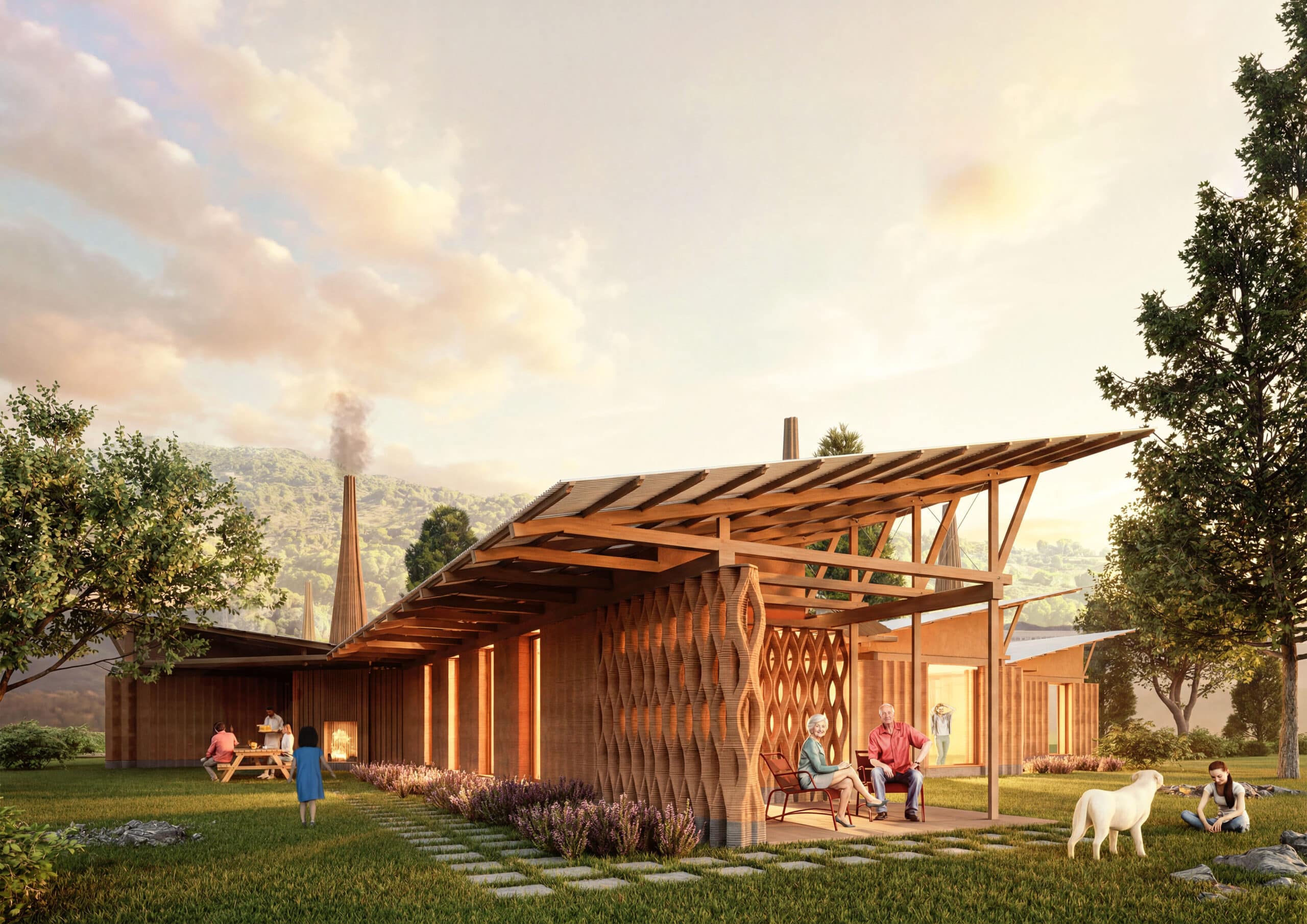
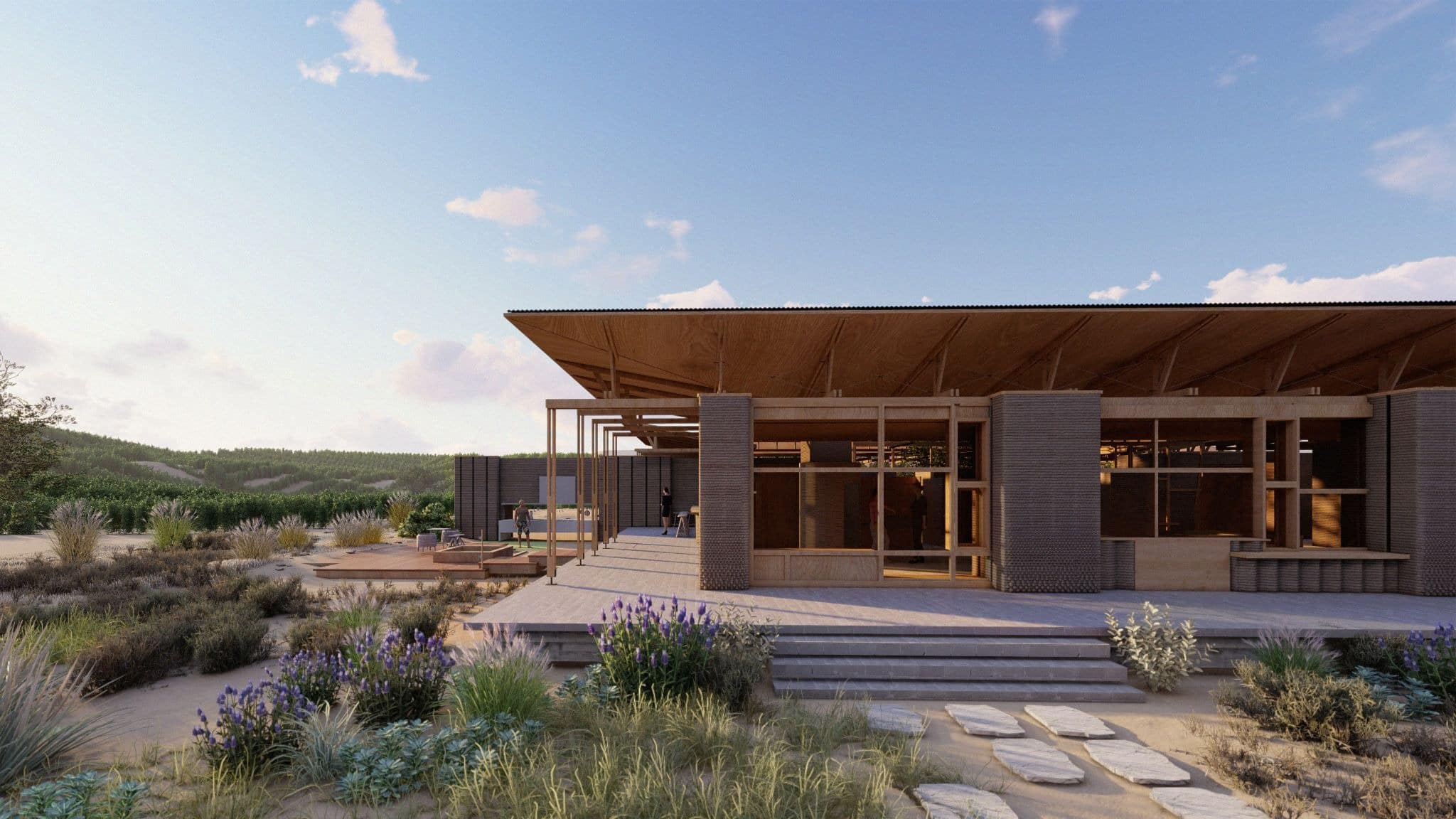
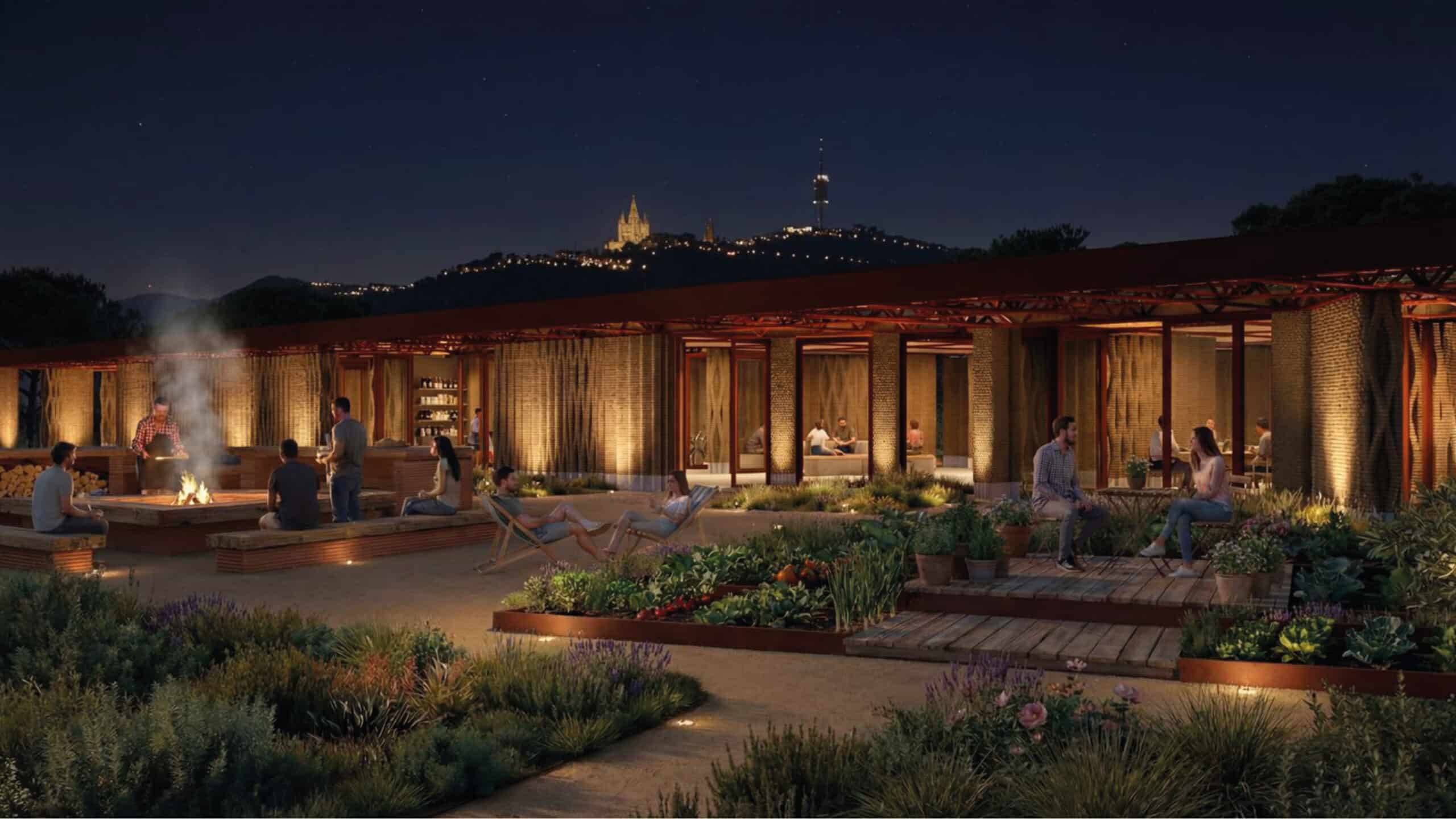
3D printing is rapidly making its way into the building industry, and there are today numerous examples of 3D-printed houses and buildings. The construction sector’s interests for implementing this technology are clear: it doesn’t produce waste, it is automated, it is fast, and it uses less material. In other words, it optimises the construction of a building and therefore reduces its cost. These are very valuable reasons for turning towards this novel technique, but, as architects, we ask ourselves, what are the benefits of designing better buildings? As we know, 3D printing permits a certain design freedom and opens the doors to an architecture that can question the over-standardised process that currently drives both design and construction and seek spatial and constructive solutions that adapt to their users, climate and context. Vision, as a course, will seek the design of novel architectural solutions that take advantage of the potential of 3D printing; in other words, proposals that possess qualities unachievable without the technology.
Learning Objectives
At course completion, students will:
- Develop a full concept and detailed design of an architectural project
- Produce a 3d model of a full architectural project
- Produce a comprehensive presentation for an architectural competition standards
- Work through the different steps of the architectural project