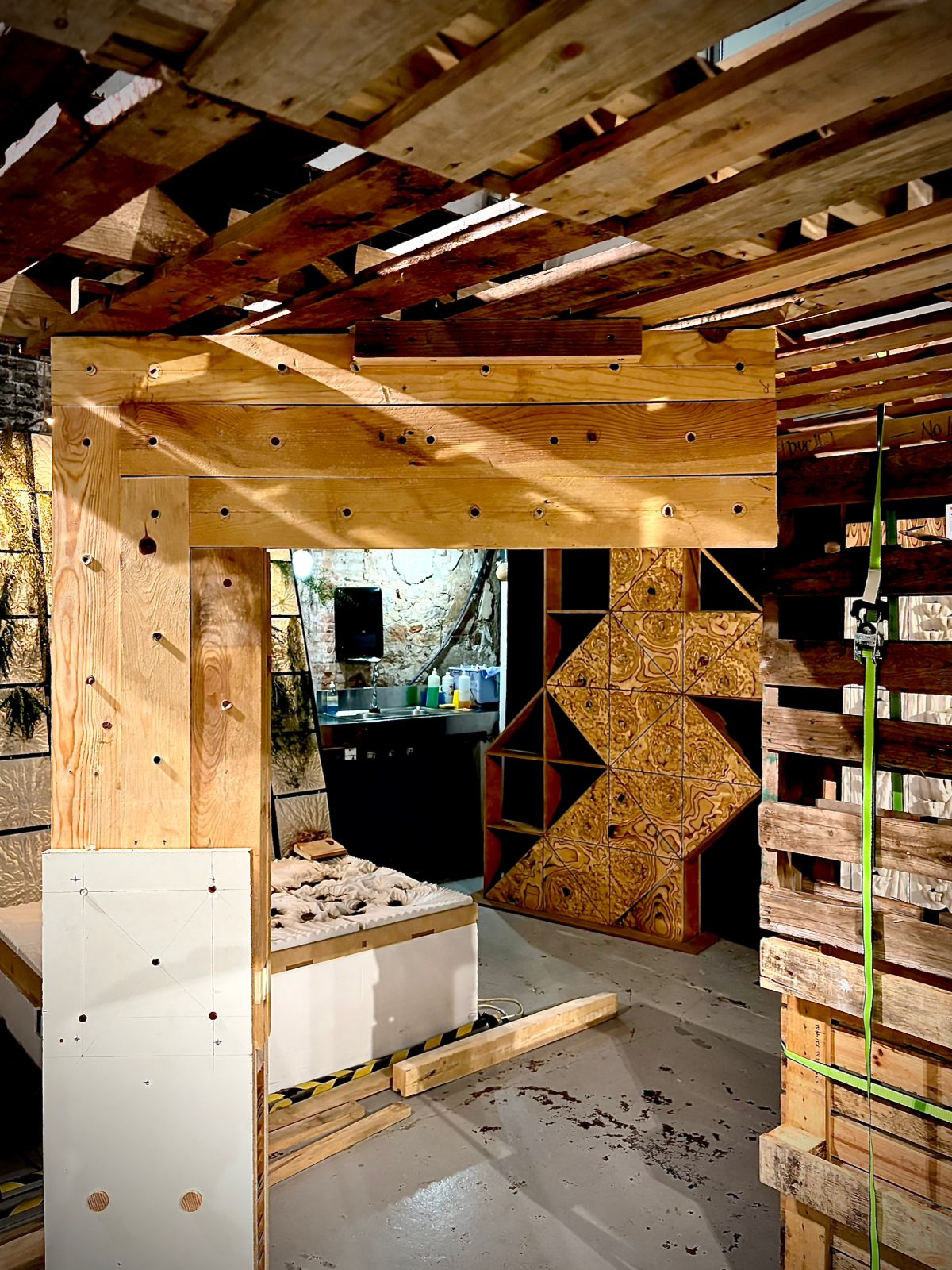
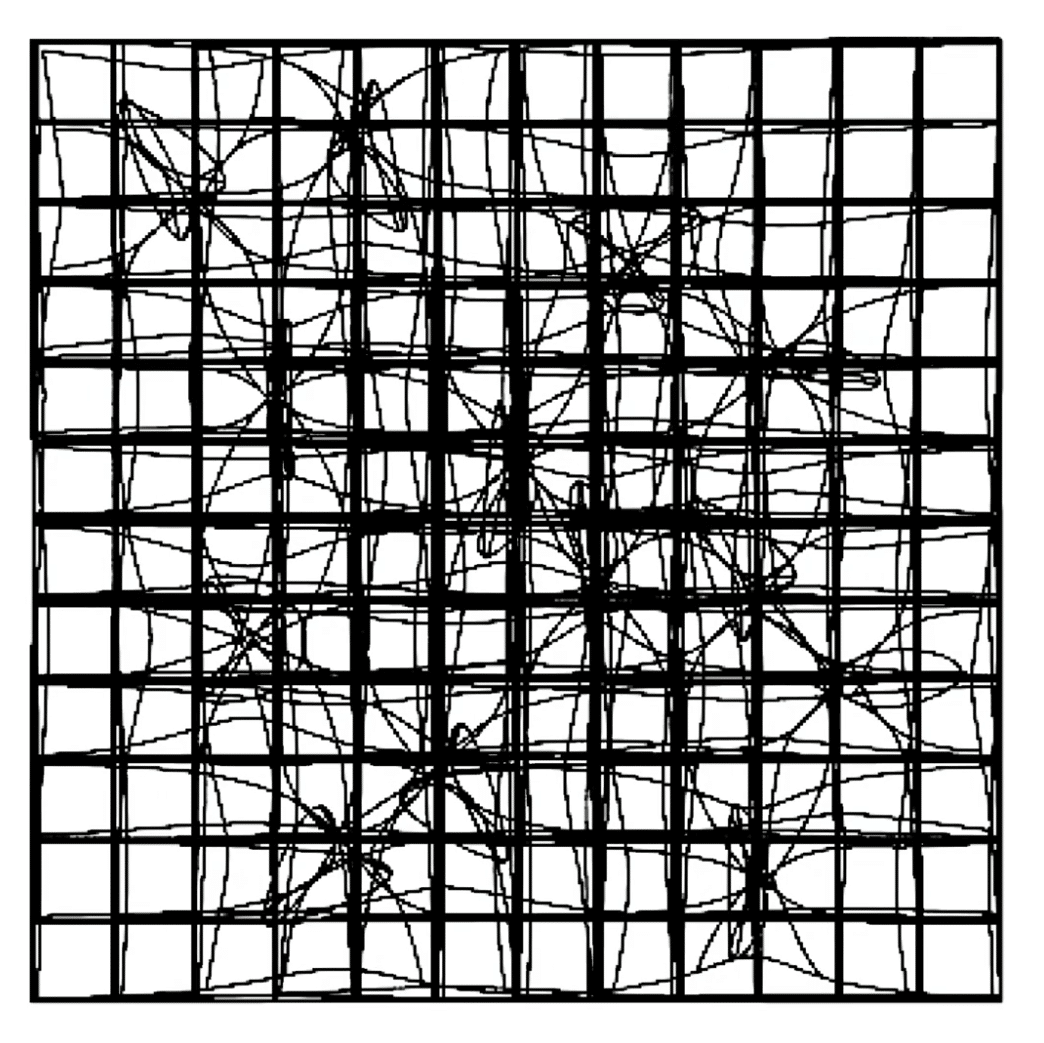
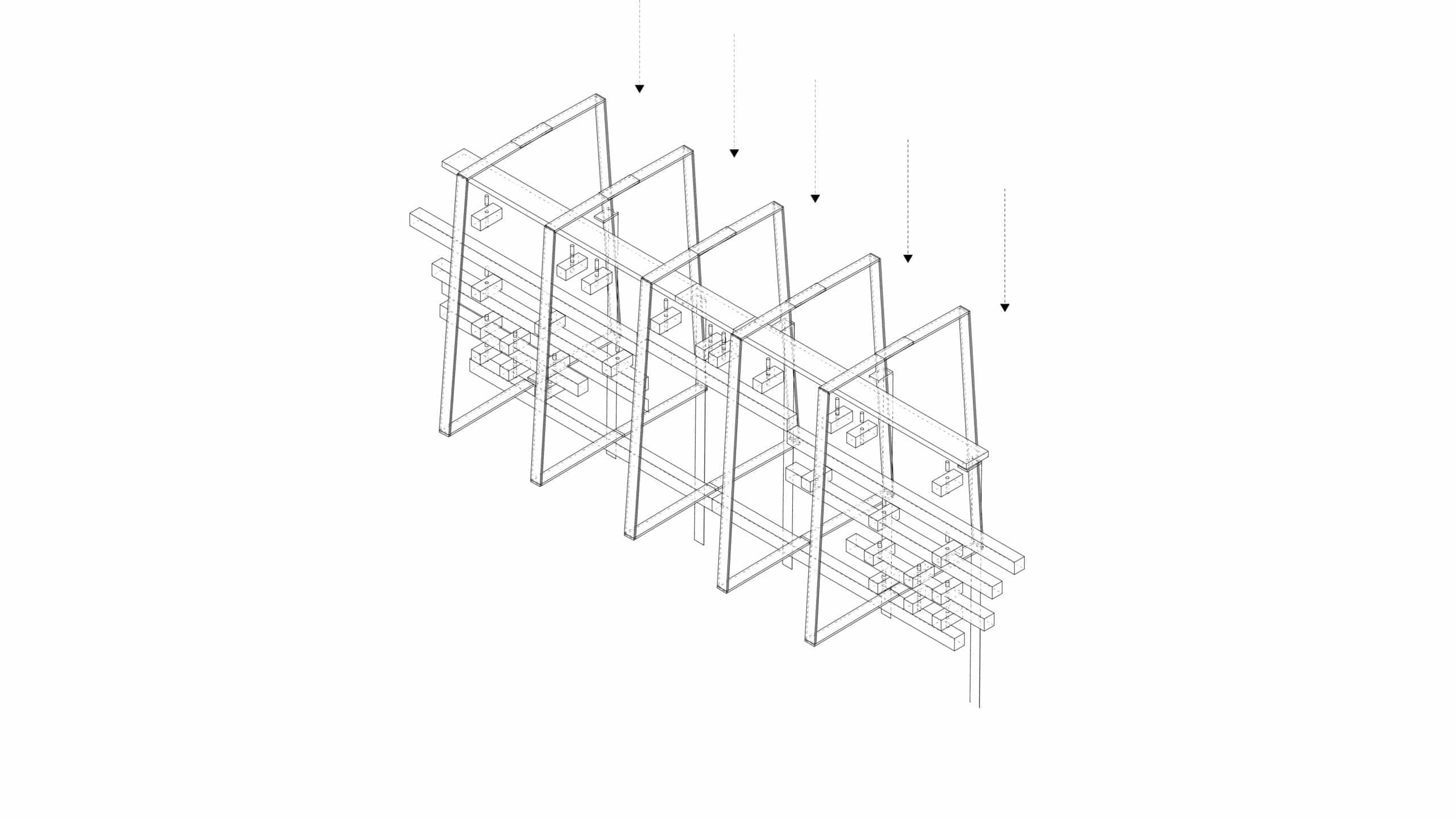
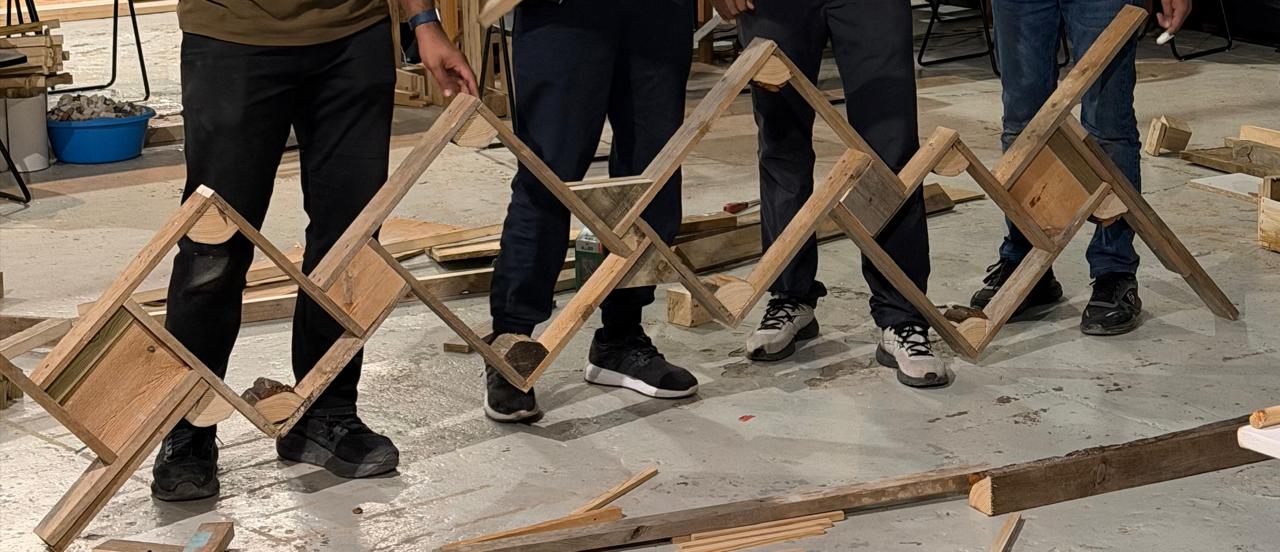
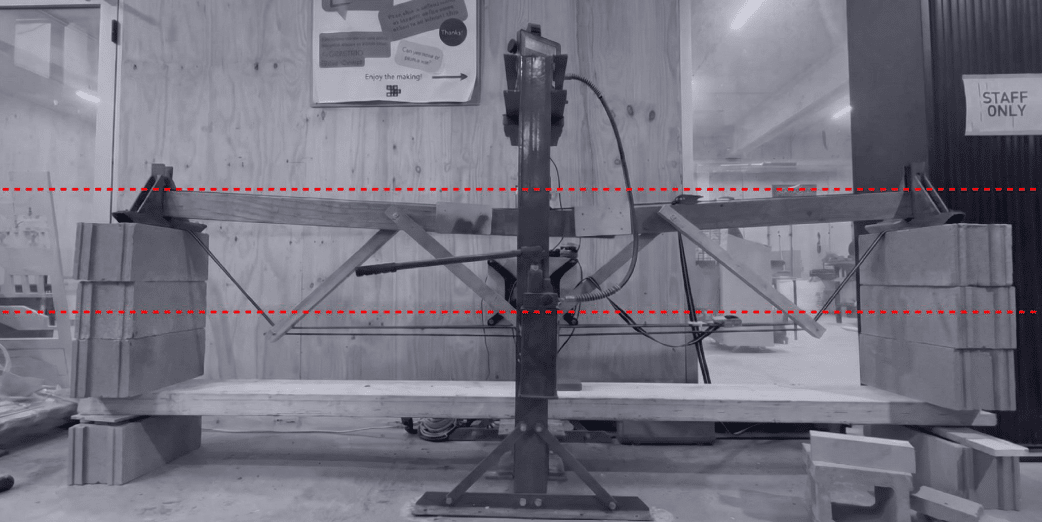
Credits: 9 Elms Bridge
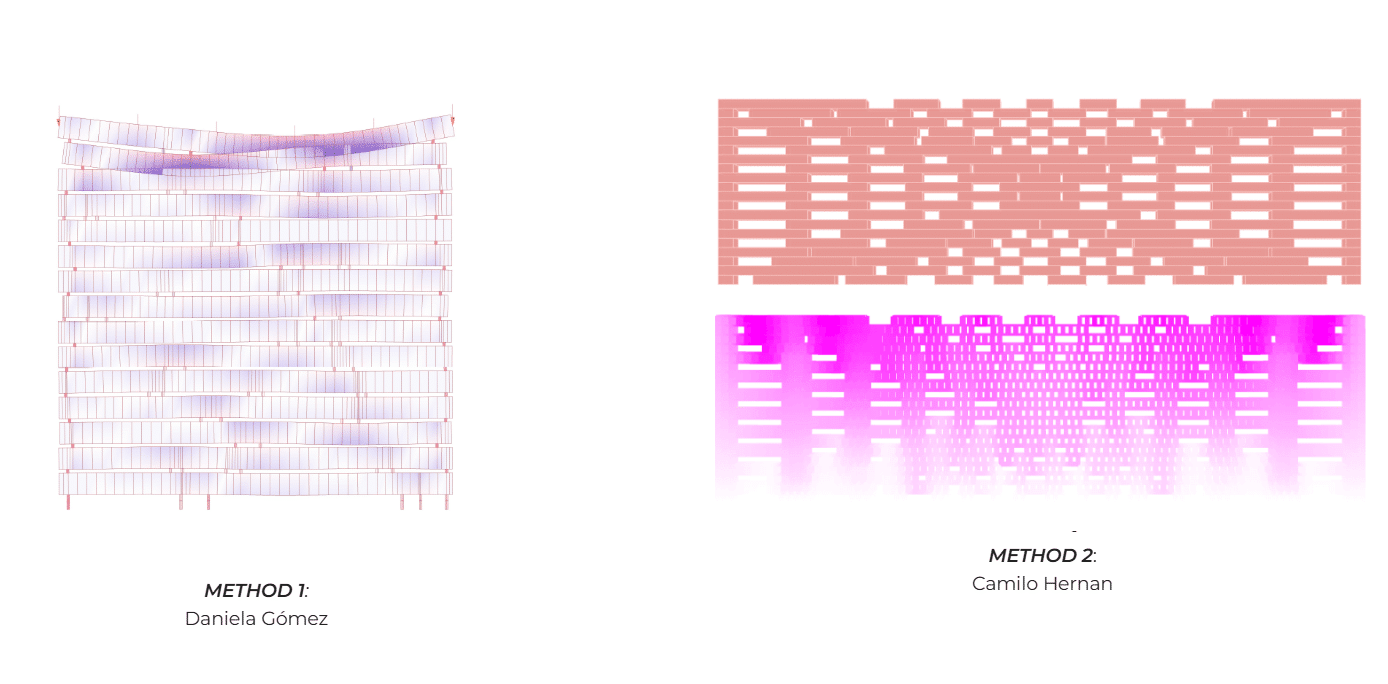
Where in the 90-ies parametrically designed structures bypassed the true line of typology because of the parametrically generated composition of elements (see the 9 elms bridge by Roland Snooks above), we are now reaching another paradigm which asks us to rethink “perfect” or “true” or “conventional / traditional” structural typologies.
This is the paradigm of reused materials and stock-based design.
Understanding structural behaviour BEFORE analysis is important – being able to predict how you think the structure will behave before you press ‘run’ so you can compare to see if you trust your model. Where after interpreting the results, and assessing how small changes in geometry or sizes of elements, alter the behaviour of the structure: i.e. load paths (force flow) and magnitude and type of forces in the structure. Carefully arranging your stock and linking its initial composition to a typology, is what we will be exploring. Then iterative modelling of typologies, form and elements with the stock you have, will define the best reuse fit.
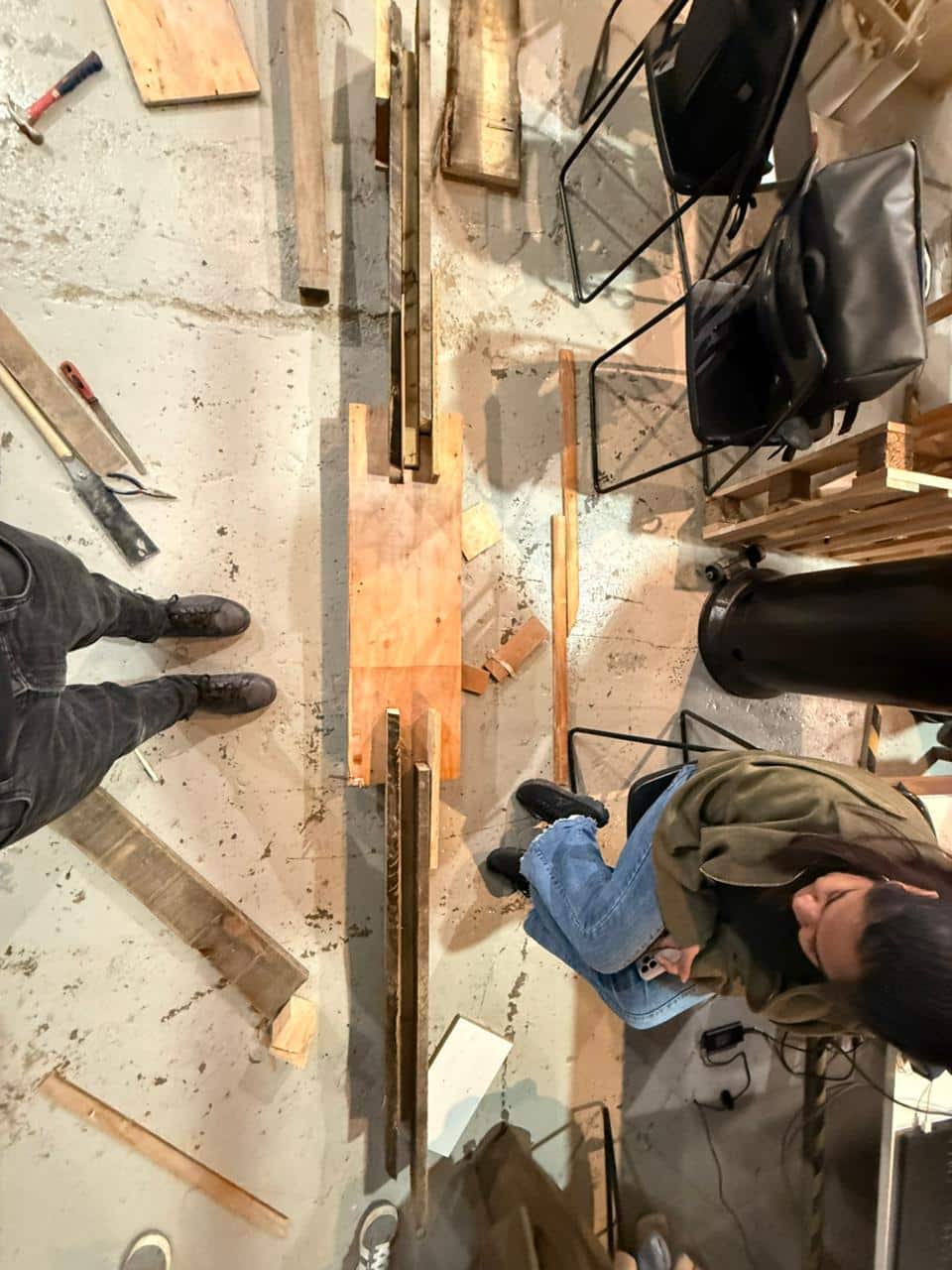
Alongside the digital exploration always sit physical structural testing, using the load cell at IAAC. An anisotropic and reused material, will give you the other parameters to add to the strategy for the structural design.
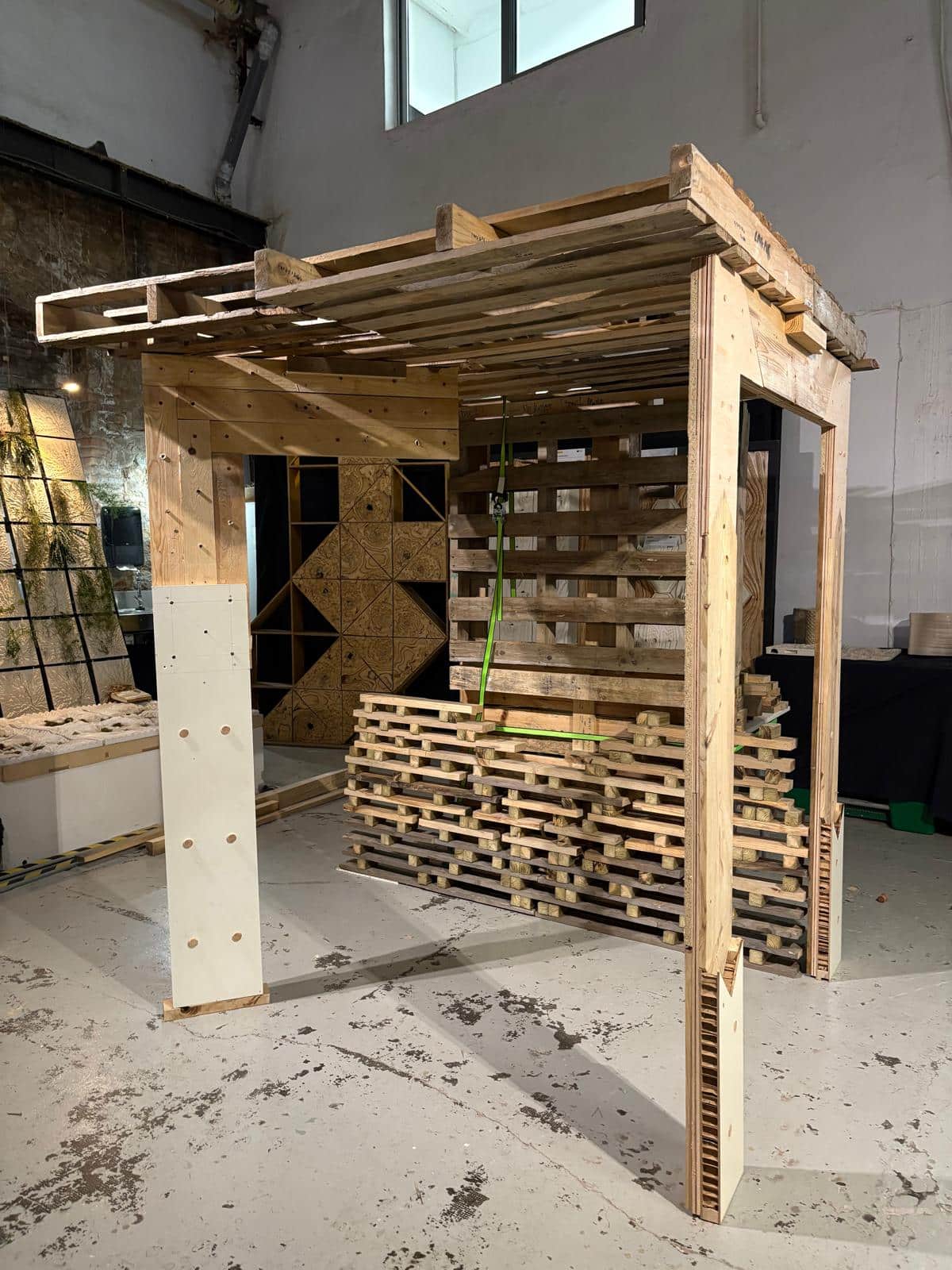
We will build on an existing low carbon exploration of GS8; a contractor developer in London. GS8 has a zero waste philosophy on site and creates low carbon zero bills homes. Their philosophy requires waste to be incorporated into structures; and we will be working on 4 areas to design and build the following reused timber structures:
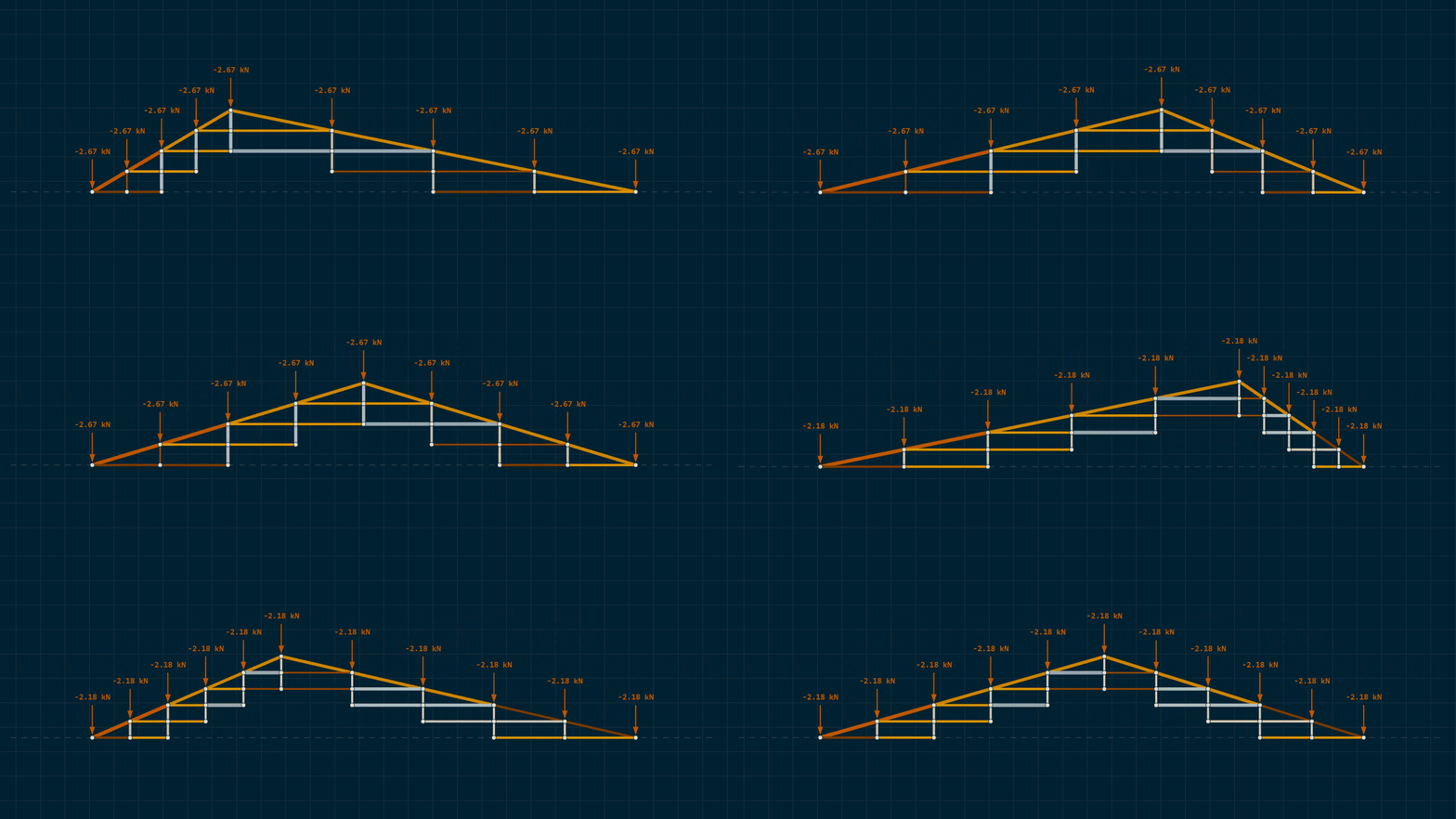
- Non accessible roof trusses for the 4 bedroom house
- Trusses for house Type 1 – extending in loft possible during its life span
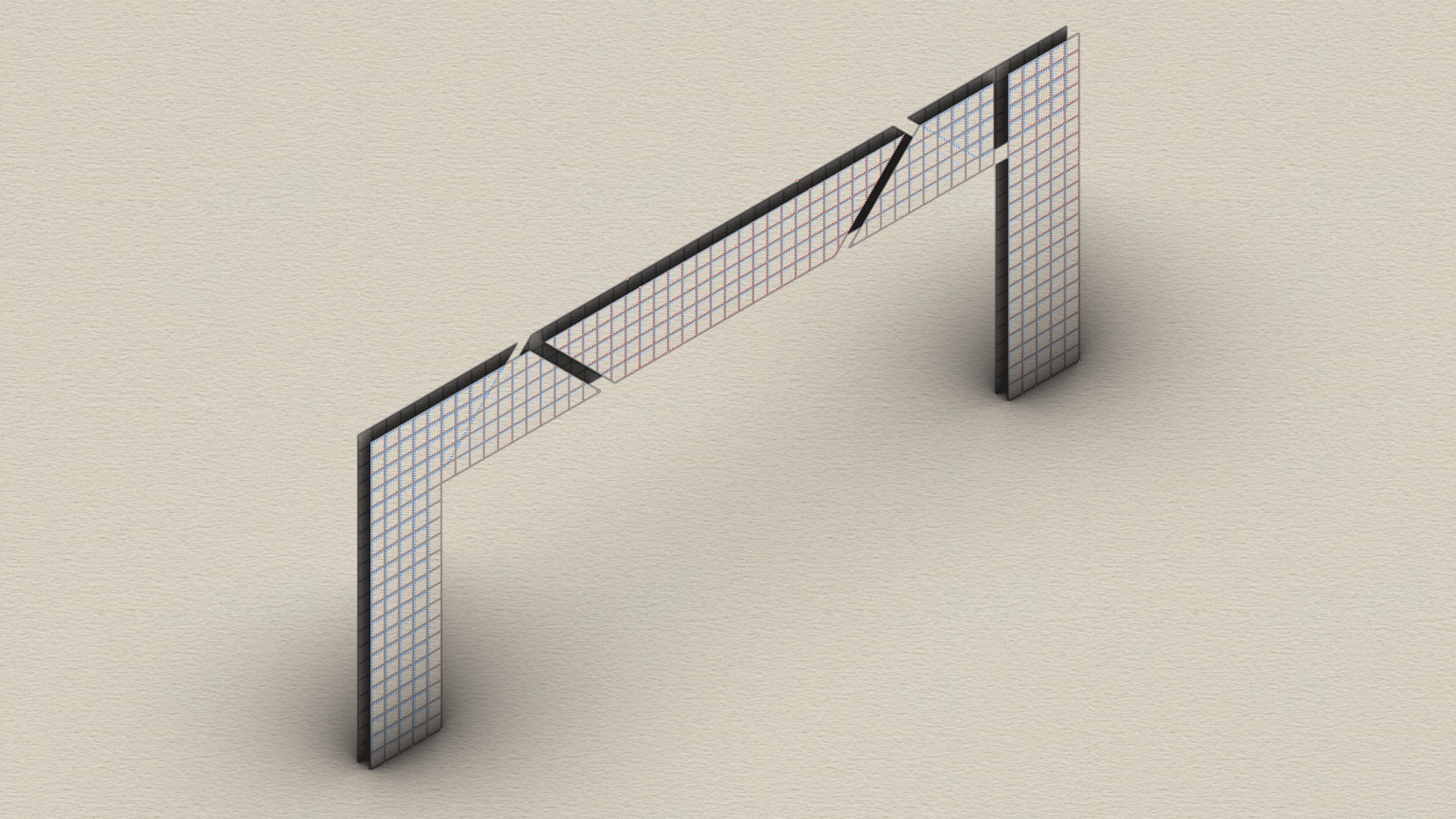
- A portal frame for a bike shed
- Portal frame or truss to create large open spaces for the gym building.

Credits: (left) Tan house crossing, Format Engineers; (right) Optimum design of frame structures from a stock of reclaimed elements, EPFL
Our aim is to define new Structural Typologies + parametric design + reuse
- How to test reclaimed materials structurally
- Visually assess
- Structural testing
- Understanding reuse driven structural typologies
- Changes in behaviour due to organization and range of elements
- Alternative ways to approach structural design
- Starting from the connection
- Starting from a set of existing elements; i.e. Constrained form finding – not just finding the shape that works for the forces, but also the elements you have

Credits: (left) Existing timbers on GS8 site; (right) Current construction site Epping, Thornwood
Learning Objectives
At course completion the student will:
- Understand the fundamentals of structural design through physical testing and computational structural analysis with Karamba;
- Understand how to set up a basic structural analysis, strategically change parameters and understand and respond to structural analysis results. i.e. apply feedback loops;
- Relate structural design to construction and fabrication impacts. Translate digital analysis and structural performance to material design constructs;
- Relate structural principles to carbon assessment and the principles of reusing timber structurally.