Computational Design (Level 2) focuses on translating digital design concepts into physical prototypes through the integration of computational modeling, fabrication techniques, and production workflows. The course emphasizes scripting as a bridge between ideation and material execution, enabling students to explore novel fabrication strategies and digital-to-physical transitions. Through automated drawing, metadata management, and rigorous documentation practices, participants learn to produce comprehensive fabrication-ready outputs that connect design theory to material realization.


Syllabus

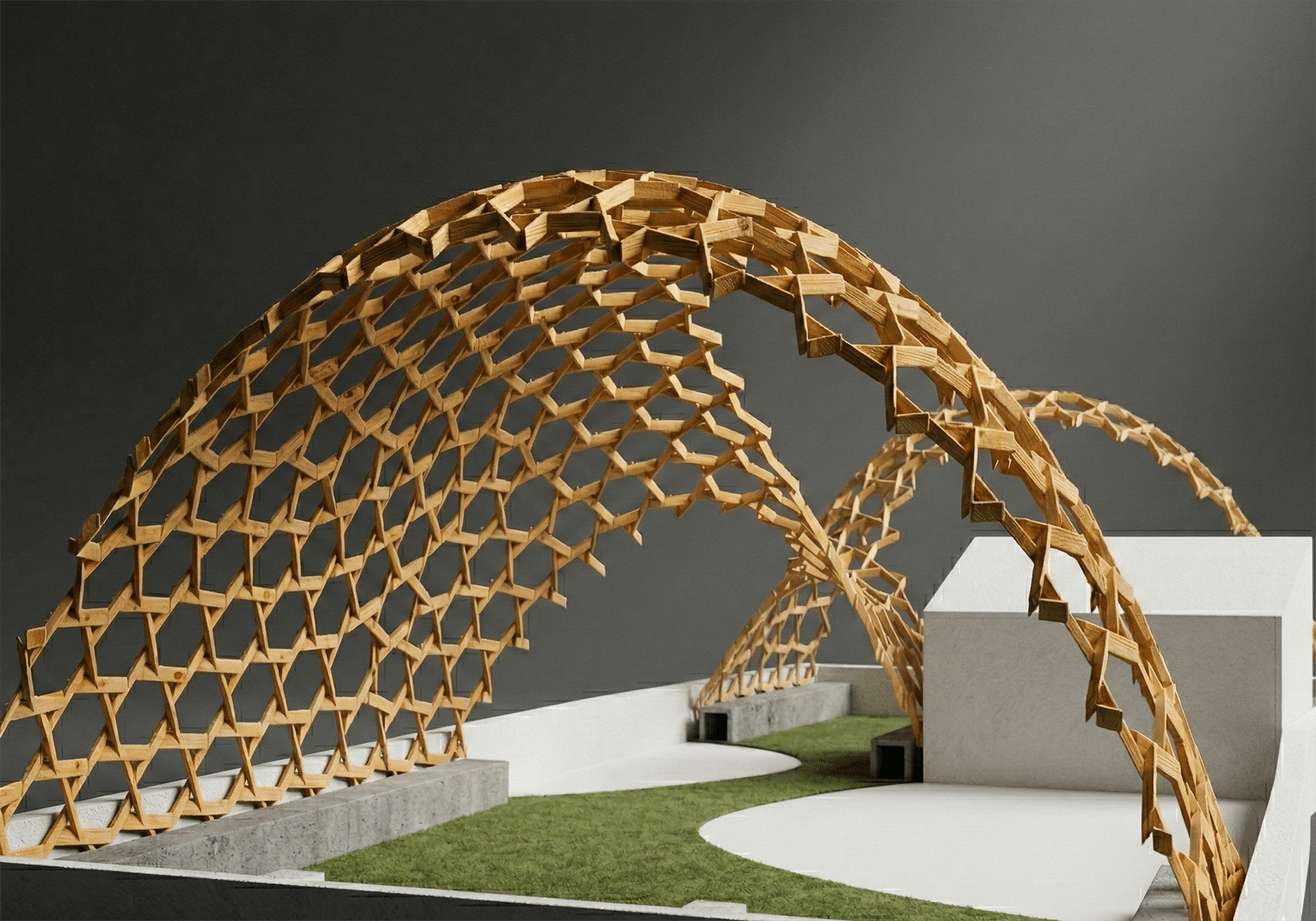
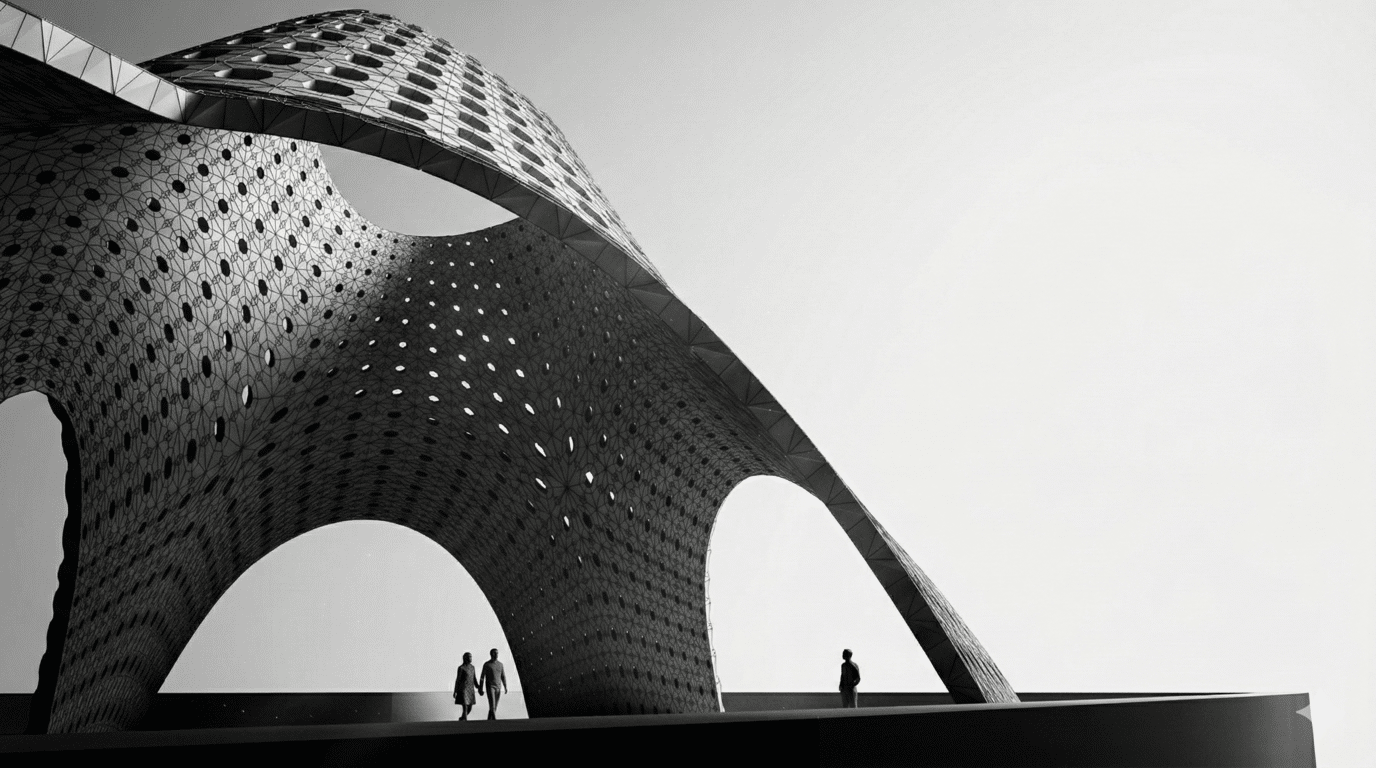
Credits: Chysalis amphitheatre by Marc Fornes

Continuing the journey from the previous term, the focus would be to transfer the knowledge acquired from the previous term into tangible physical realities. Our endeavour transcends conventional design paradigms, as we navigate the intricate fusion of fabrication and design. Participants will acquire the skills to develop scripts serving as conduits from conceptual ideation to the realisation of intricate designs, thereby unravelling innovative means of fabrication. This course focuses on the profound translation of digital concepts into tangible objects, meticulously navigating the complex relationship between design theory and fabrication practices.

Throughout this course, we will meticulously explore the intricacies of production methodologies. We will examine the synthesis of digital tectonics with tangible reality, observing the seamless transition from the ethereal digital domain to the tangible world. Participants will be introduced to automated drawing techniques and sophisticated baking methods, leveraging tools such as metadata management, and production streamlining.

The curriculum places particular emphasis on the production of comprehensive documentation. Participants will develop the ability to generate meticulous and automated documentation, ensuring a thorough capture of every facet of the design process, thereby upholding standards of clarity and precision.


Learning Objectives

At completion of the course, the student will:

  • Understand fundamental concepts of computational design;
  • Learn how to create strategies to build algorithms;
  • Have knowledge of basic concepts of generative design;
  • Be capable of generating parameterized processes;
  • Apply data driven design logics;
  • Learn how to create dynamic modelling;
  • Obtain a deeper knowledge of algorithmic design concepts and parametrization of geometry
  • Obtain a deeper knowledge of data management in grasshopper
  • Learn in deep about the parameterization of complex geometries
  • Learn about the most recent workflows for complex modelling
  • Understand the notions and practical use of optimization algorithms

Faculty


Faculty Assistants


Projects from this course

Good Day Sunshine!

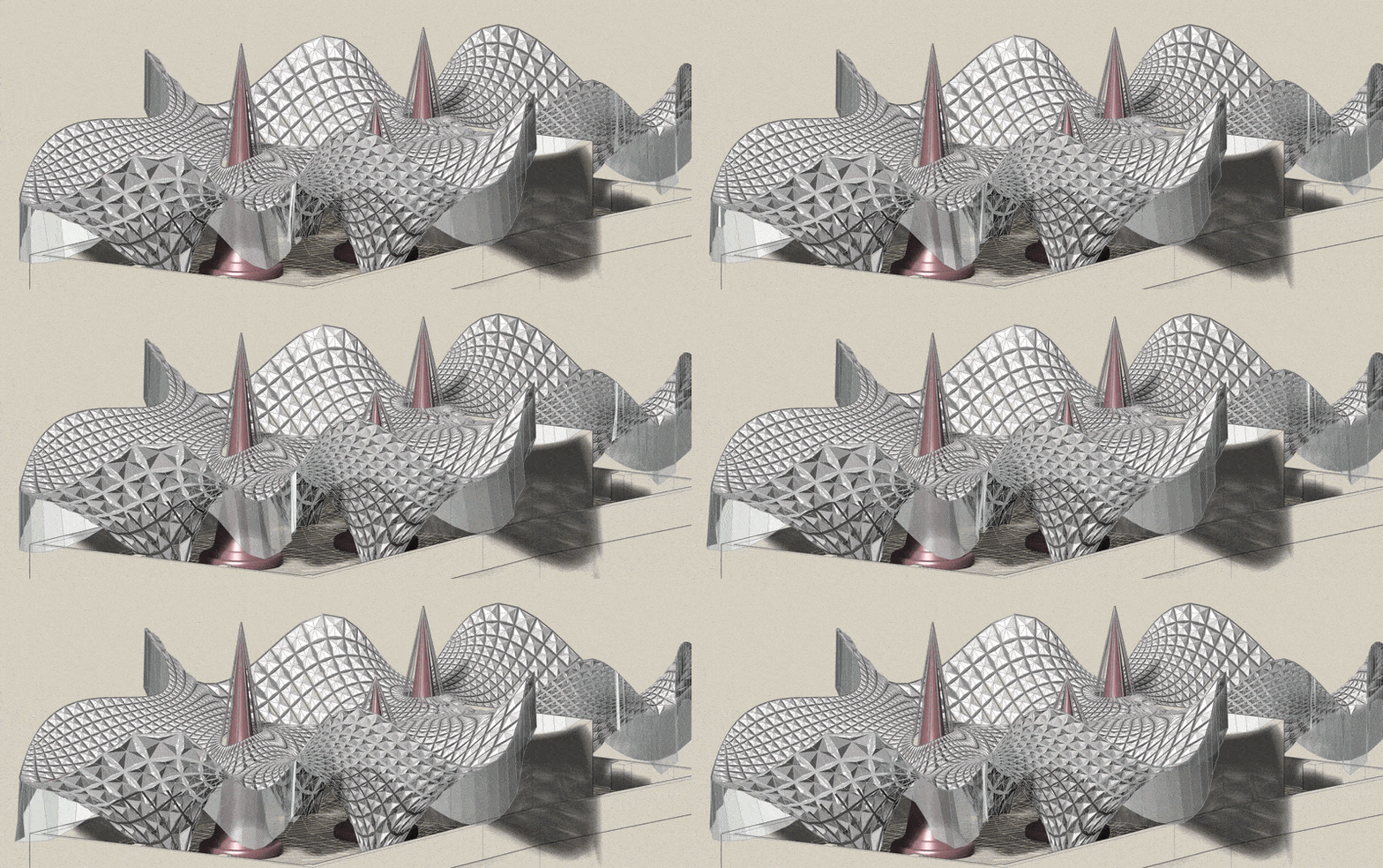
Good Day Sunshine is a lightweight canopy that shapes space through light and structure. A flowing membrane stretches between fixed frames, forming a series of vaulted bays that create shade while allowing controlled openings for sunlight to pass through. The surface is organized by a triangulated structural network that gives strength to the thin skin … Read more

The Wind Canopy

Our concept is about designing a pavilion that works with the wind instead of against it. We wanted to create a space that feels light, open, and alive a structure that shows movement even when it stands still. We see wind not just as a natural force, but as something that shapes space. The pavilion … Read more

Beaver Burrow Pavillion

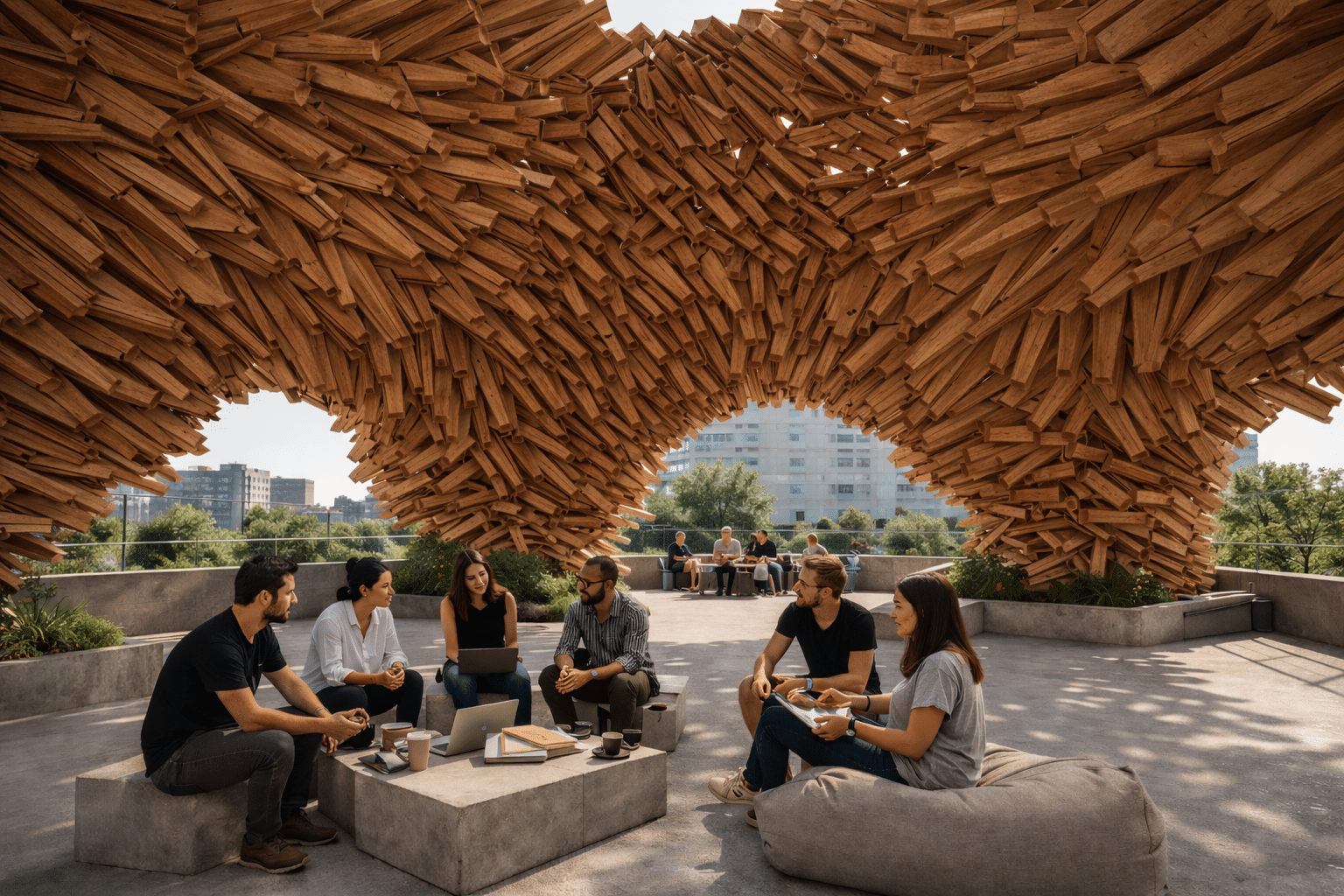
This project introduces a high-performance terrace pavilion that merges environmental data with advanced robotic fabrication. The design process began with a comprehensive solar and circulation analysis, identifying thermal hotspots and vantage points to determine the optimal balance between shaded gathering areas and open viewing corners. The resulting structure features a complex, interlocking timber geometry that … Read more

The Cellular Dune

Project Brief Forces of Nature explores how architectural form can emerge from the interaction of natural forces rather than being predefined. Using computational simulations, the project allows tension, gravity, and equilibrium to shape spatial structures. The installation translates invisible physical behaviors into visible design, creating a form that is discovered through force-driven processes and realized … Read more

Reciprocal Canopy

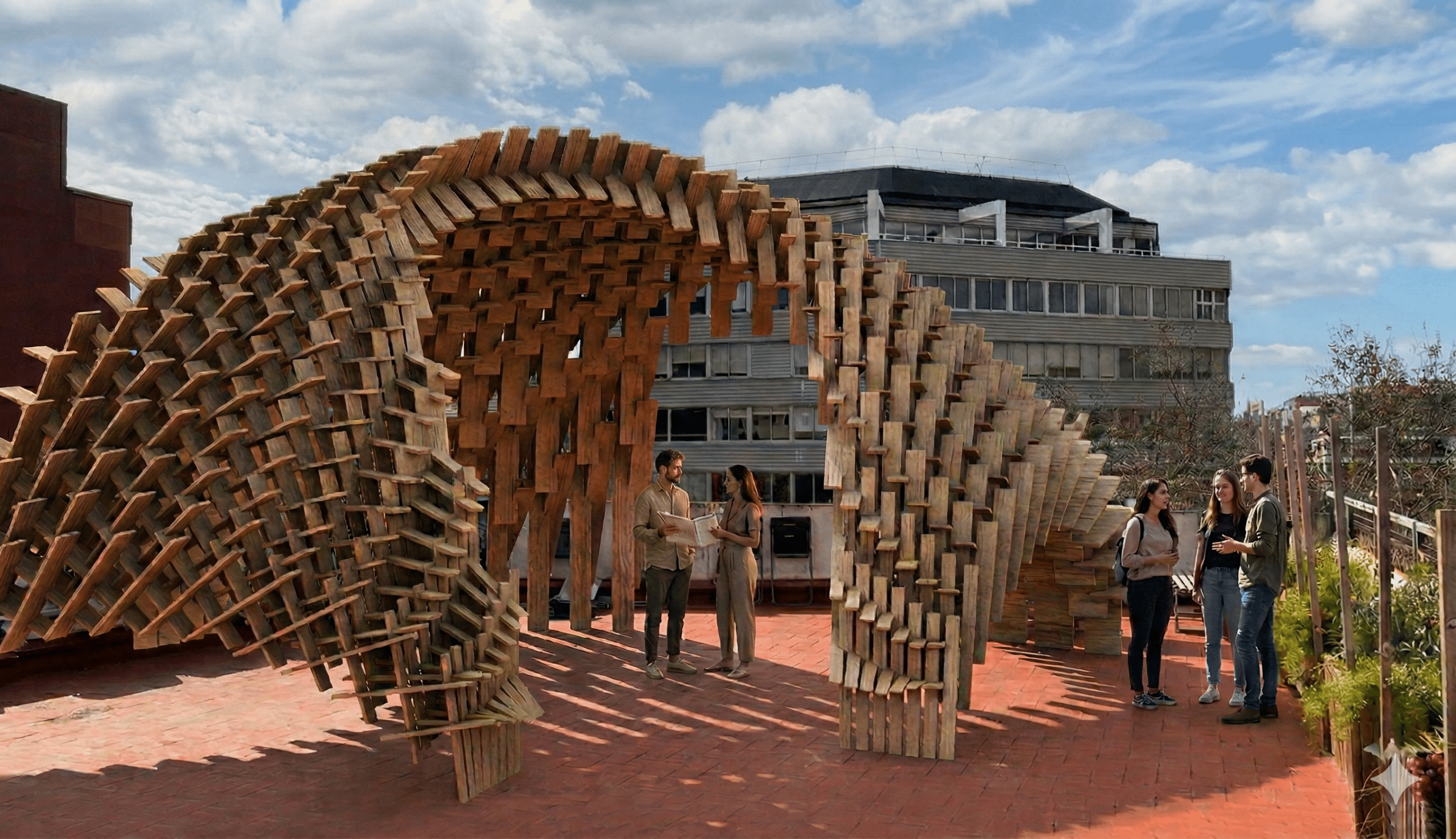
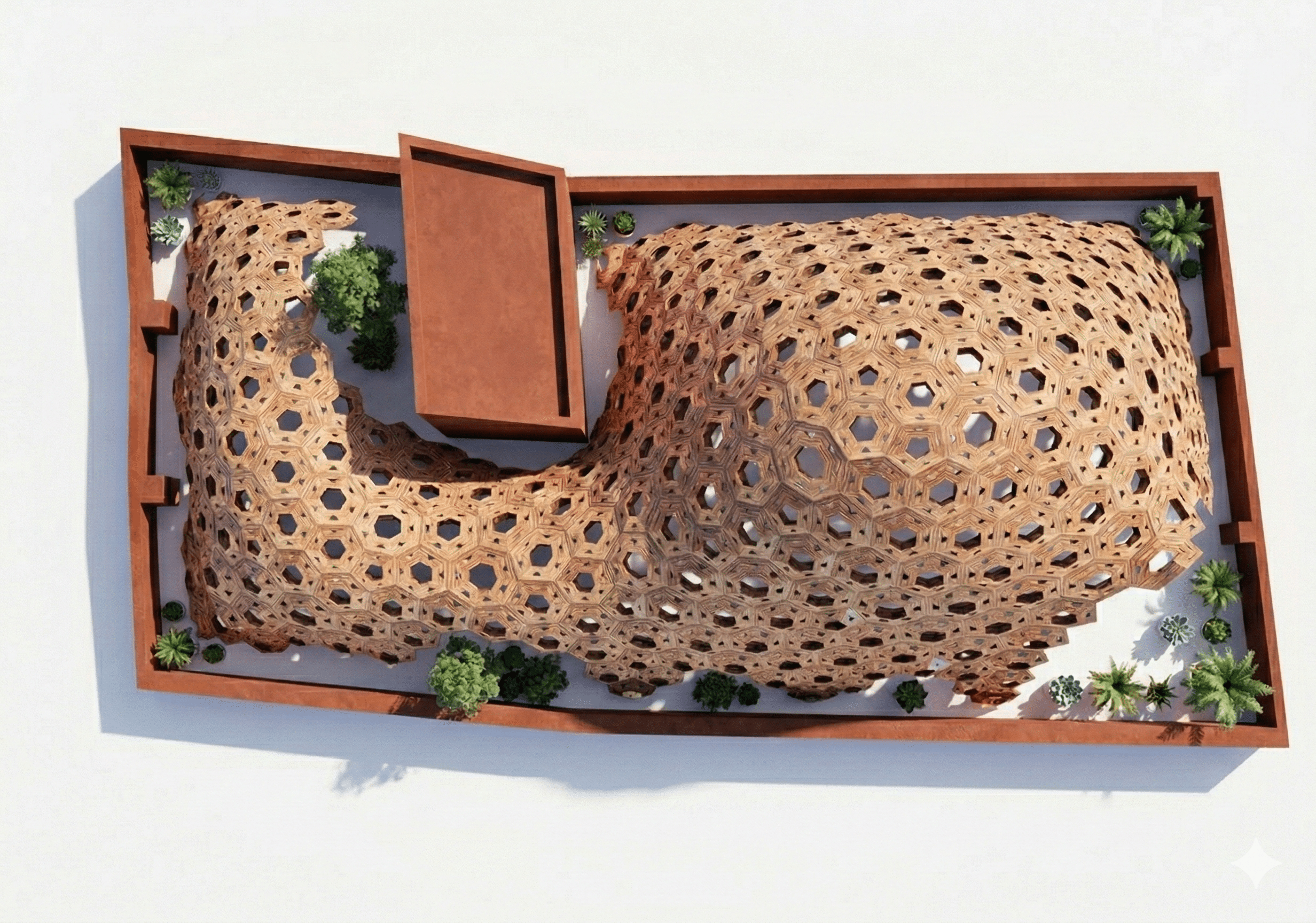
Designed for the IAAC rooftop, this pavilion merges computational design with advanced robotic fabrication. The geometry originates in Grasshopper, where a basic mesh is transformed into an optimized vault using Kangaroo’s physics-based dynamic relaxation. A reciprocal frame pattern is then applied, translating the continuous shell into short, mutually supporting timber pieces. Because every interlocking element … Read more

REPOSE

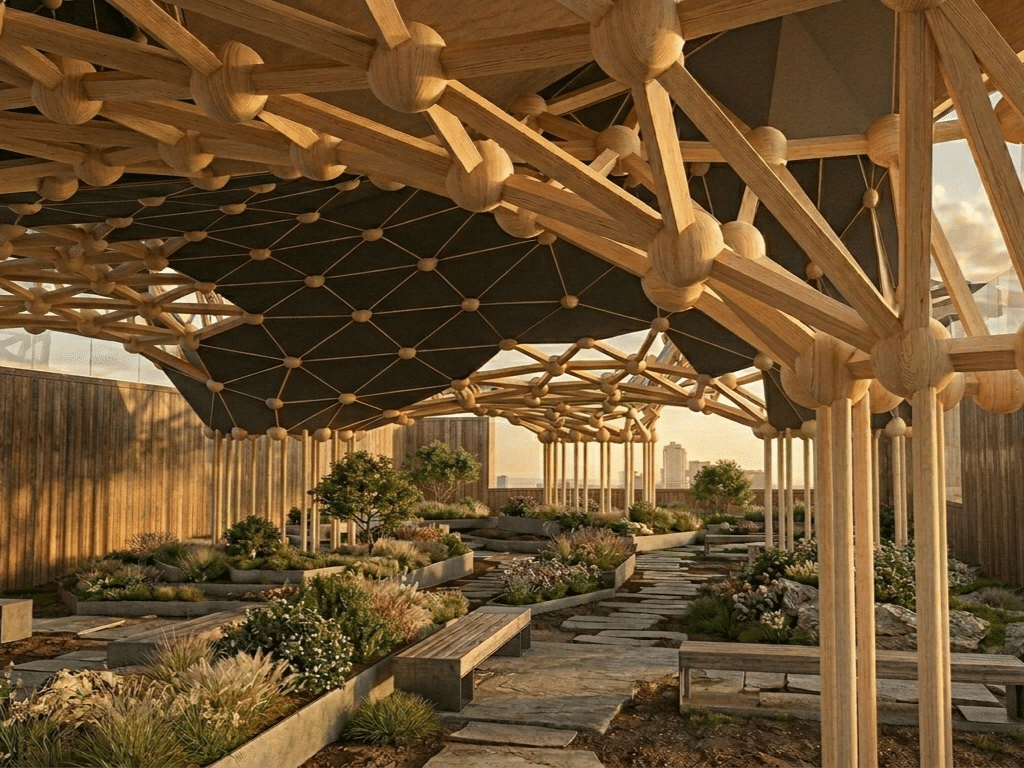
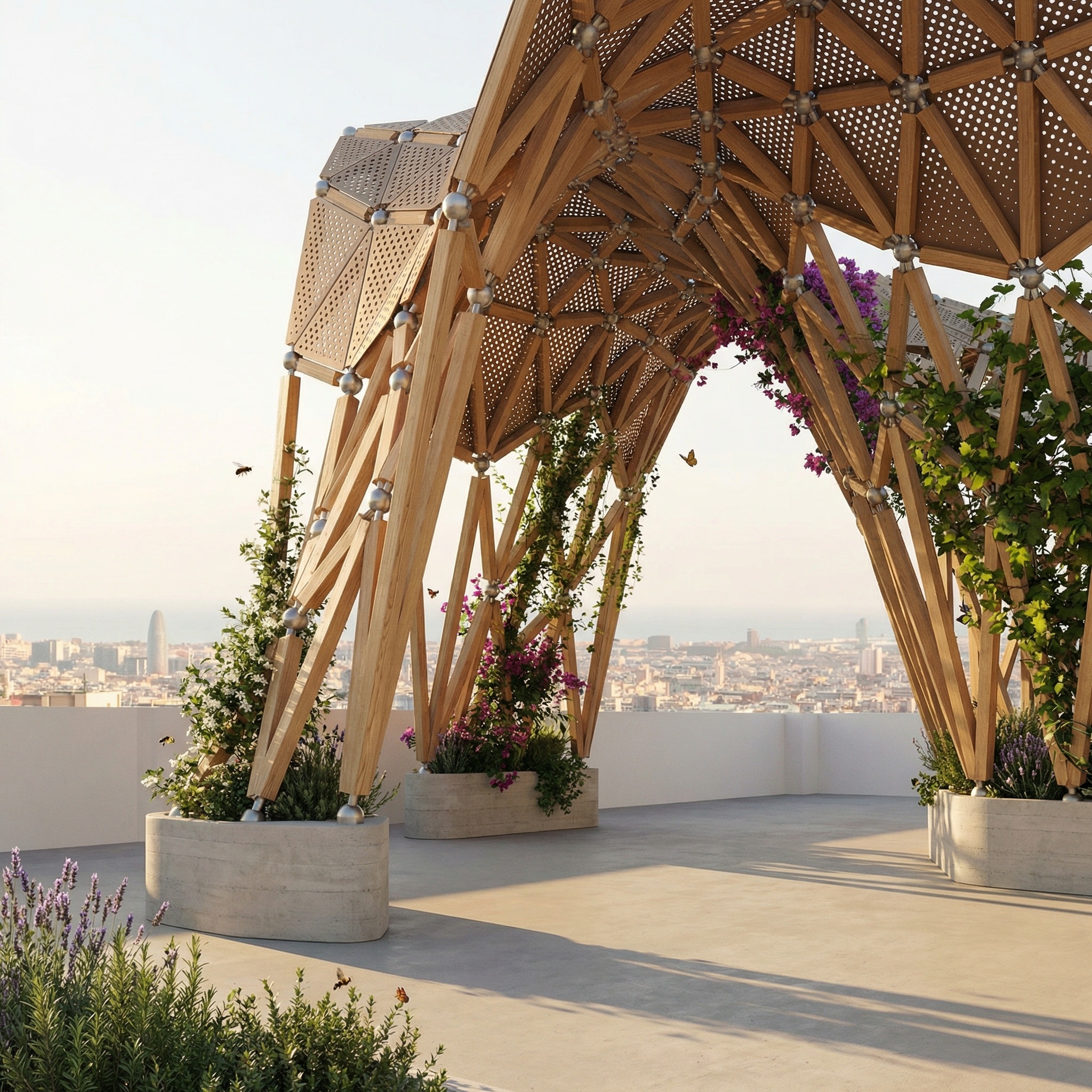
Computational Design II (Level 2) – Final Assignment This project proposes a computational timber pavilion for the IAAC rooftop in Barcelona, conceived as a Bio-Maker space that integrates digital fabrication, structural logic, and urban biodiversity. The structure is generated through a parametric space-frame system composed of American oak members connected through stainless steel bolt ball … Read more

Relaxed tectonics

This research explores the intersection of physics-based form-finding and multi-objective evolutionary optimization to design a high-performance architectural pavilion. Utilizing Kangaroo2 for structural mesh relaxation and Wallacei for the genetic optimization of seating. The result is a topologically optimized structure where complex geometry is not merely aesthetic, but a direct manifestation of environmental data and structural … Read more

the Proxy Pods

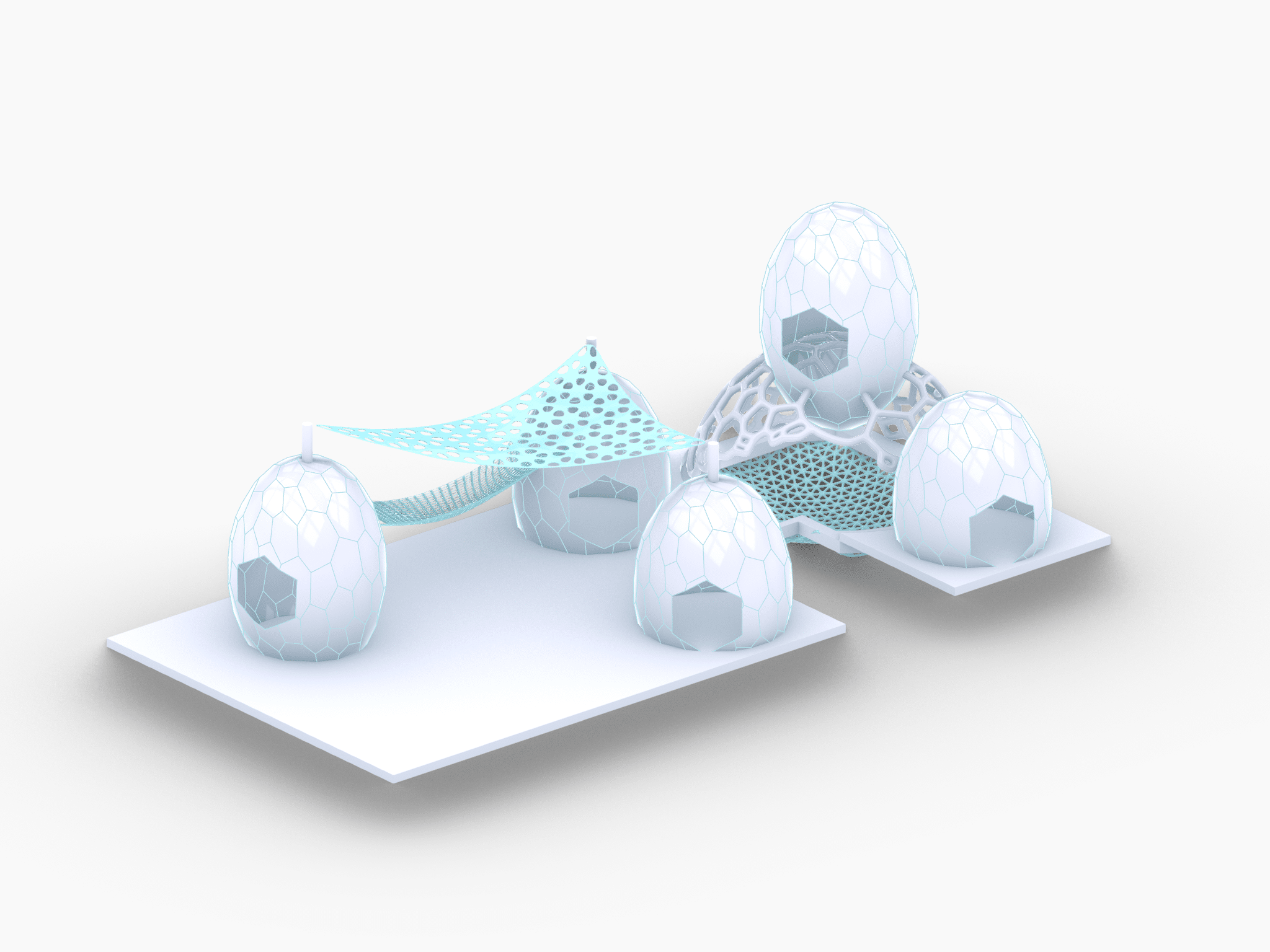
a Rooftop Lounge for Staff and Students Concept A series of digitally fabricated modular timber egg pods surrounded by physics-simulated tensile elements. A hexagonal structural system supports intimate enclosures, a suspended hammock, and a tensile canopy, forming clear gradients of privacy within one cohesive framework. Pseudo-code Parameter Playground Catalogue Pod Options Testing polygon scale options … Read more