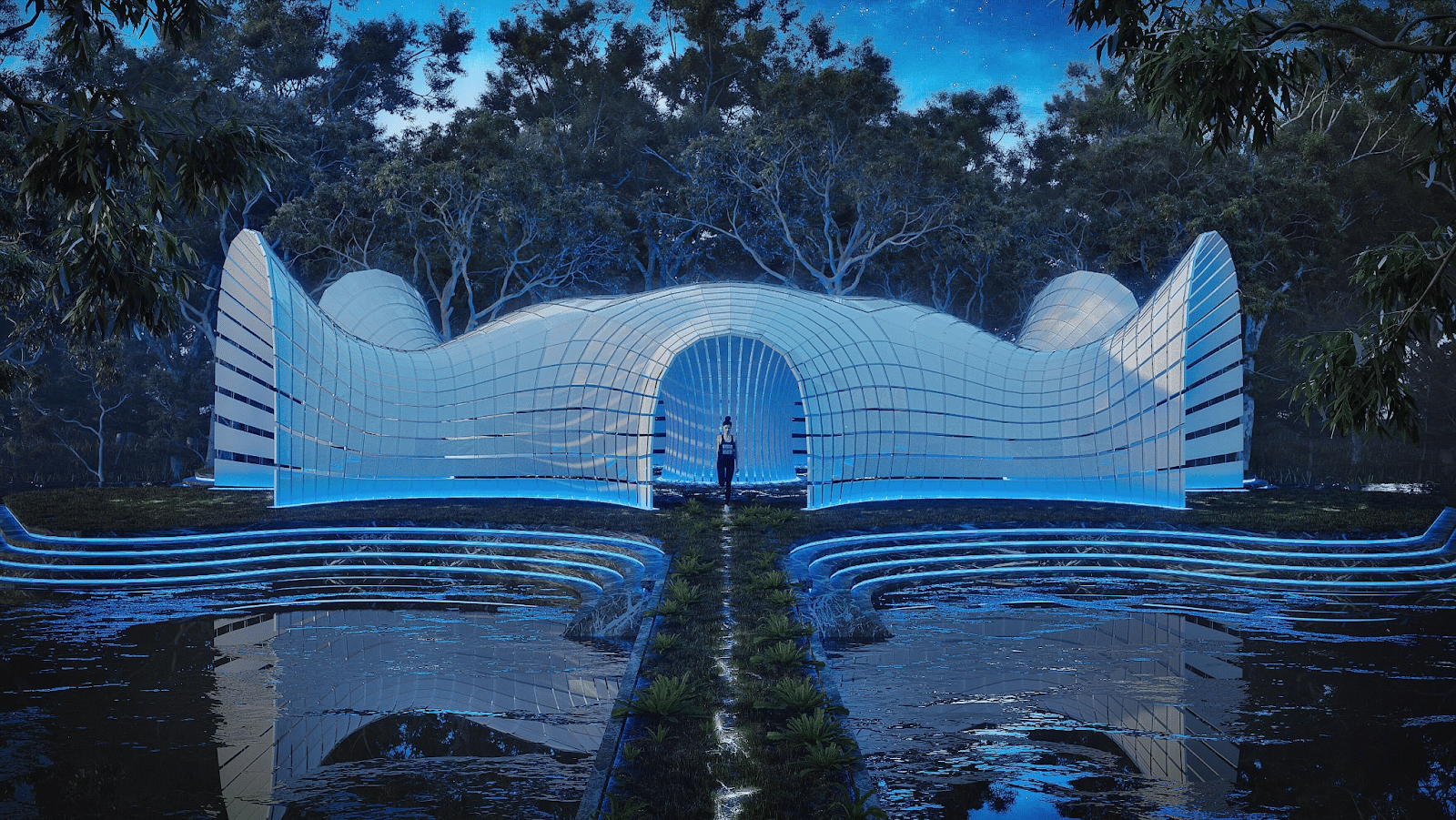
Computational Design introduces the principles of algorithmic thinking and parametric modeling through Grasshopper. The course teaches students to create, manage, and optimize complex geometries using data-driven design methods. By learning to build and navigate parametric systems, students gain the ability to make informed, performance-based design decisions and explore generative workflows that expand creative and technical possibilities in architecture and design.


Syllabus


Credits: Uri Lewis Torres, Introductory Studio G2, MAA01 2020/21 

Computational design lies at the core of innovation in architecture and design nowadays. Increasingly the tools that we now use to design have expanded the range of our options to design, allowing for performance and complexity, and extending beyond the three dimensional space into a virtually limitless parametric realm of different versions of the design intent upon which to choose from.

By being able to effectively set up a parametric model, navigate these options and confronting them with analytical tools that are embedded in the design process, designers are able to take better informed decisions in order to create projects that are complex and performative by whichever metrics the designer wishes to challenge them with.

For this purpose, Grasshopper has significantly become the standard for computational design, not only within academia but across many trades and disciplines that encompass the creating process, providing easy access to algorithmic thinking and a large ecosystem of plugins that provide easy access to a broad range of tools for advanced design.

This course focuses on teaching the fundamentals of visual scripting through Grasshopper while exploring the most basic concepts of computational design. From the generation of geometry as data into how to manage multiple geometrical information algorithmically, students will become proficient in algorithmic thinking in order to navigate fluently in the complexity of geometrical data.

Learning Objectives

  • Understand the fundamental concepts of computational design
  • Develop strategies for building algorithms
  • Gain knowledge of the basic principles of generative design
  • Be able to generate parameterized processes
  • Apply data-driven design logics
  • Learn how to create dynamic models
  • Acquire deeper knowledge of algorithmic design concepts and geometry parameterization
  • Gain advanced understanding of data management in Grasshopper
  • Learn in depth about the parameterization of complex geometries
  • Explore the most recent workflows for complex modeling
  • Understand the concepts and practical applications of optimization algorithms

Faculty


Faculty Assistants


Projects from this course

The Kinetic Node Pavilion

Architectural render of the final timber pavilion, showing integrated ramps for skateboarding and shaded areas for pedestrians.

The Kinetic Node proposes a dynamic pavilion located in the central pedestrian zone of Plaça de la Universitat, Barcelona. Developed within a computational design seminar, the intervention explores the intersection of generative algorithms and active public space. The design utilizes parametric tools to generate a fluid structure where architectural form seamlessly transitions into skateable terrain, … Read more

Palmetric

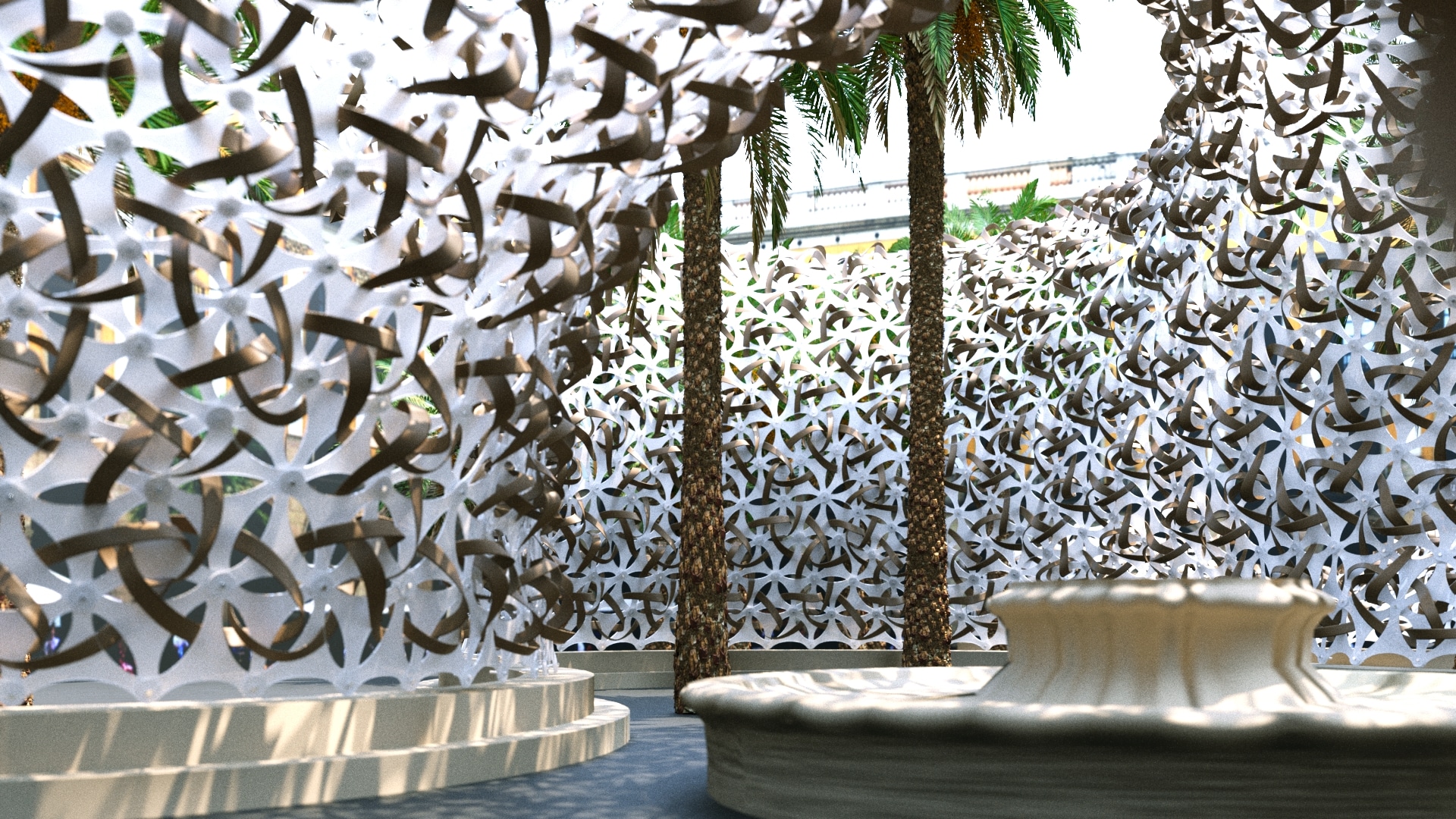
Site introduction The project is a pavilion conceived for the Plaça Reial (Royal Square) in Barcelona, Spain, which is a renowned, sophisticated square adorned with porticos, located just off Las Ramblas in the Gothic Quarter. This square is celebrated for its palm trees, fountain, lively nightlife featuring bars and restaurants, and serves as a central … Read more

CANOPY DIALOGUE

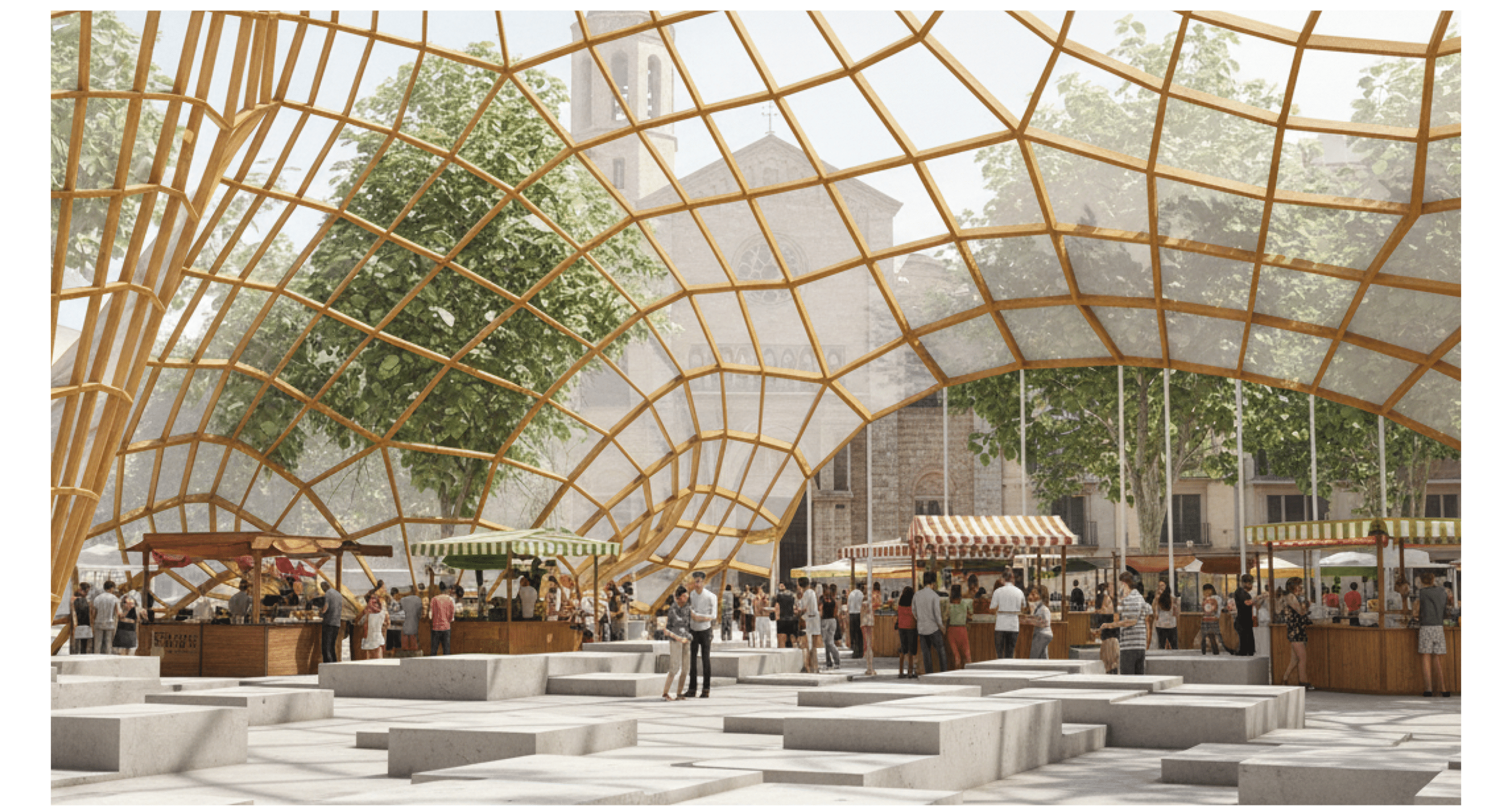
Canopy Dialogue introduces a temporary pavilion designed through computational form-finding, responding directly to the existing trees and social life of Plaça de la Virreina. | SITE LOCATION | The project is located in Plaça de la Virreina, Gràcia, Barcelona, a dense urban plaza defined by strong pedestrian flows, tree rows, and community activity. | SITE … Read more

BENEATH THE GROVE

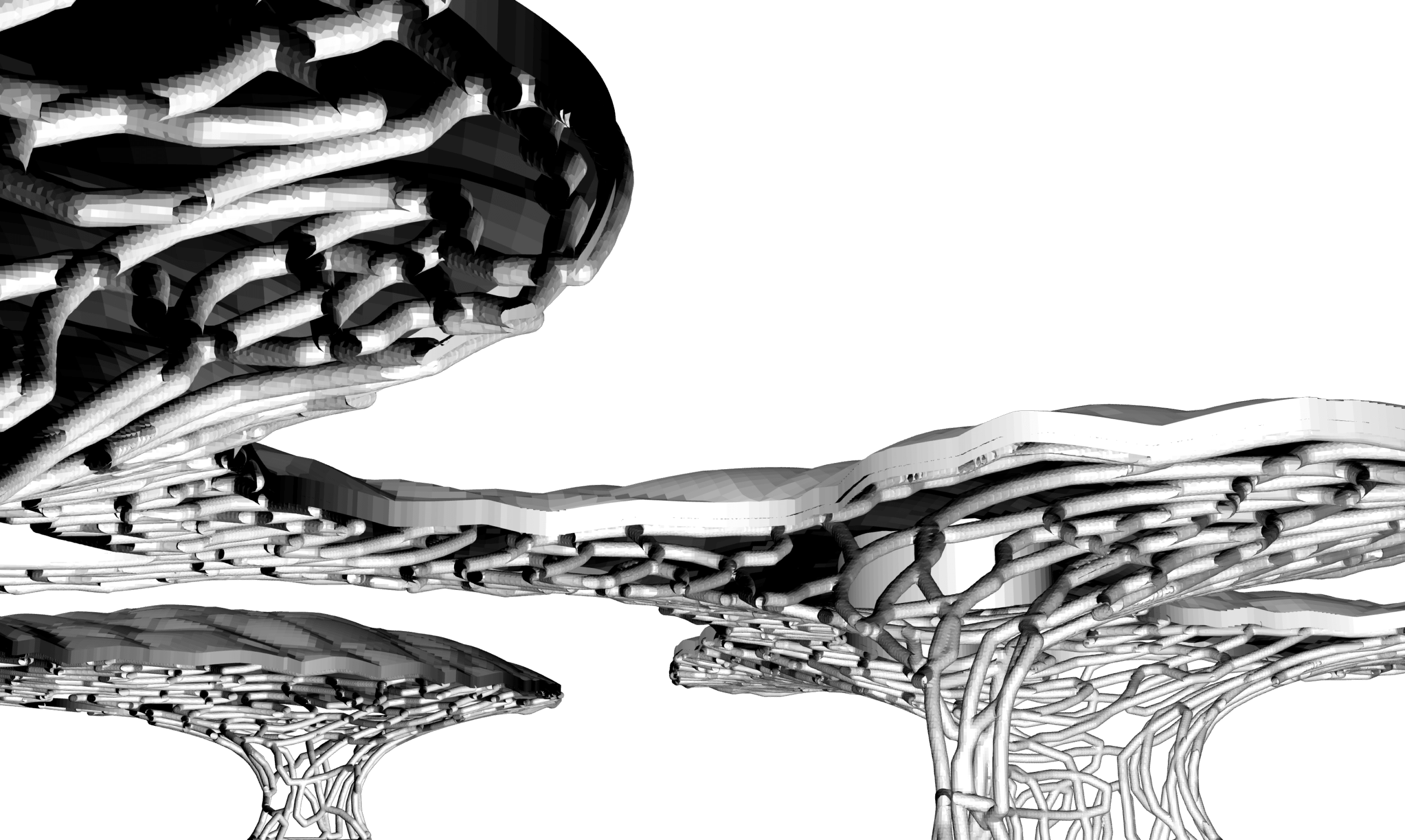
COMPUTATIONAL DESIGN SEMINAR ABSTRACT This project explores the intersection of natural morphology and computational design to create an architecturally expressive pavilion. Inspired by the organic forms of mushroom caps and the branching behavior of biological growth systems, the pavilion is composed of a lightweight, cloud-like canopy supported by a network of columns generated using differential … Read more

The Timber Wave

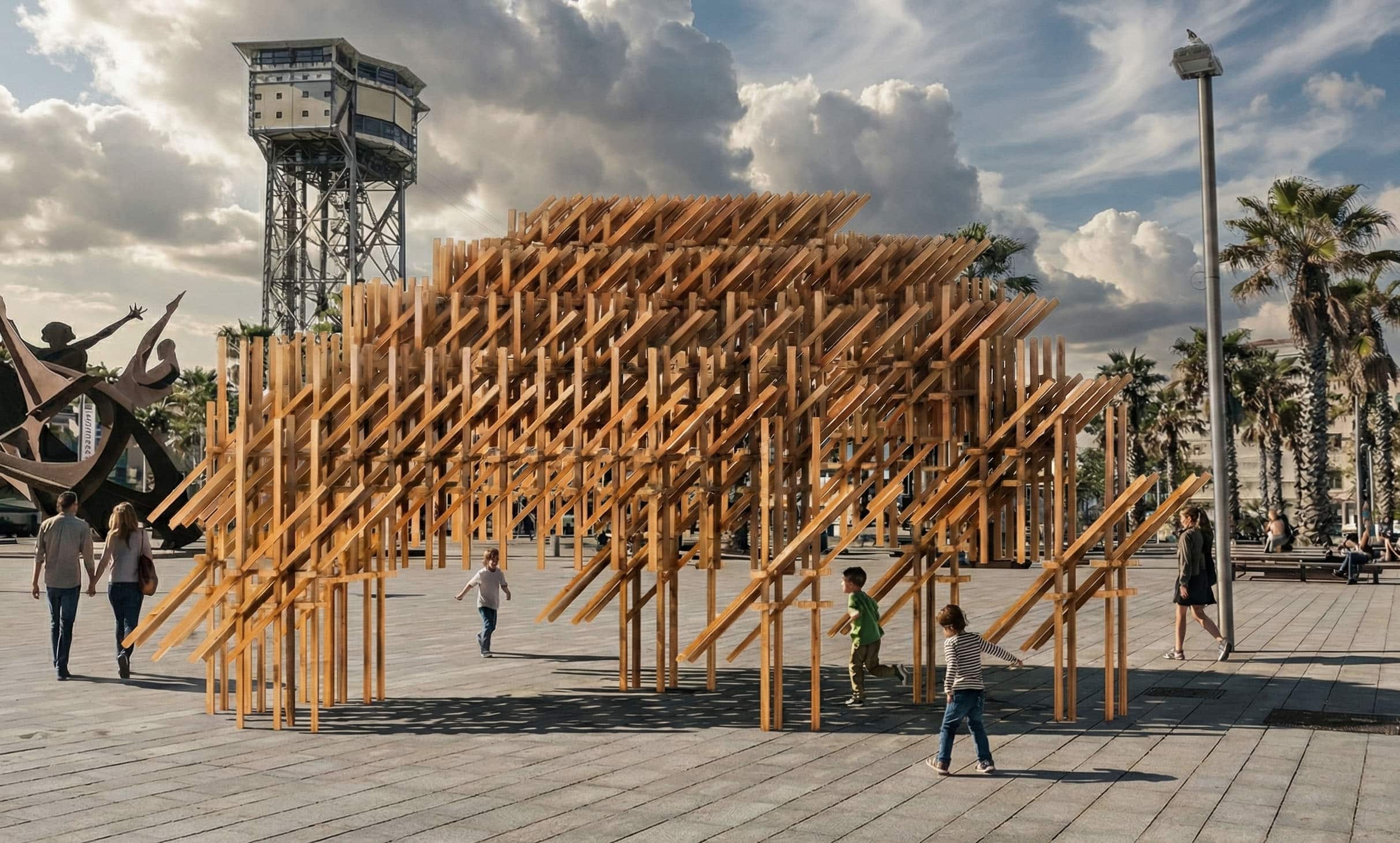
This pavilion explores the dialogue between wood and waves through a parametric system of assembled timber elements shaped by coastal forces. Inspired by the rhythm of tides and the grain of wood, its fluid geometry oscillates between structure and motion, shelter and openness. The project merges digital design with natural material intelligence, creating a lightweight … Read more

Phi-villion (Φ)

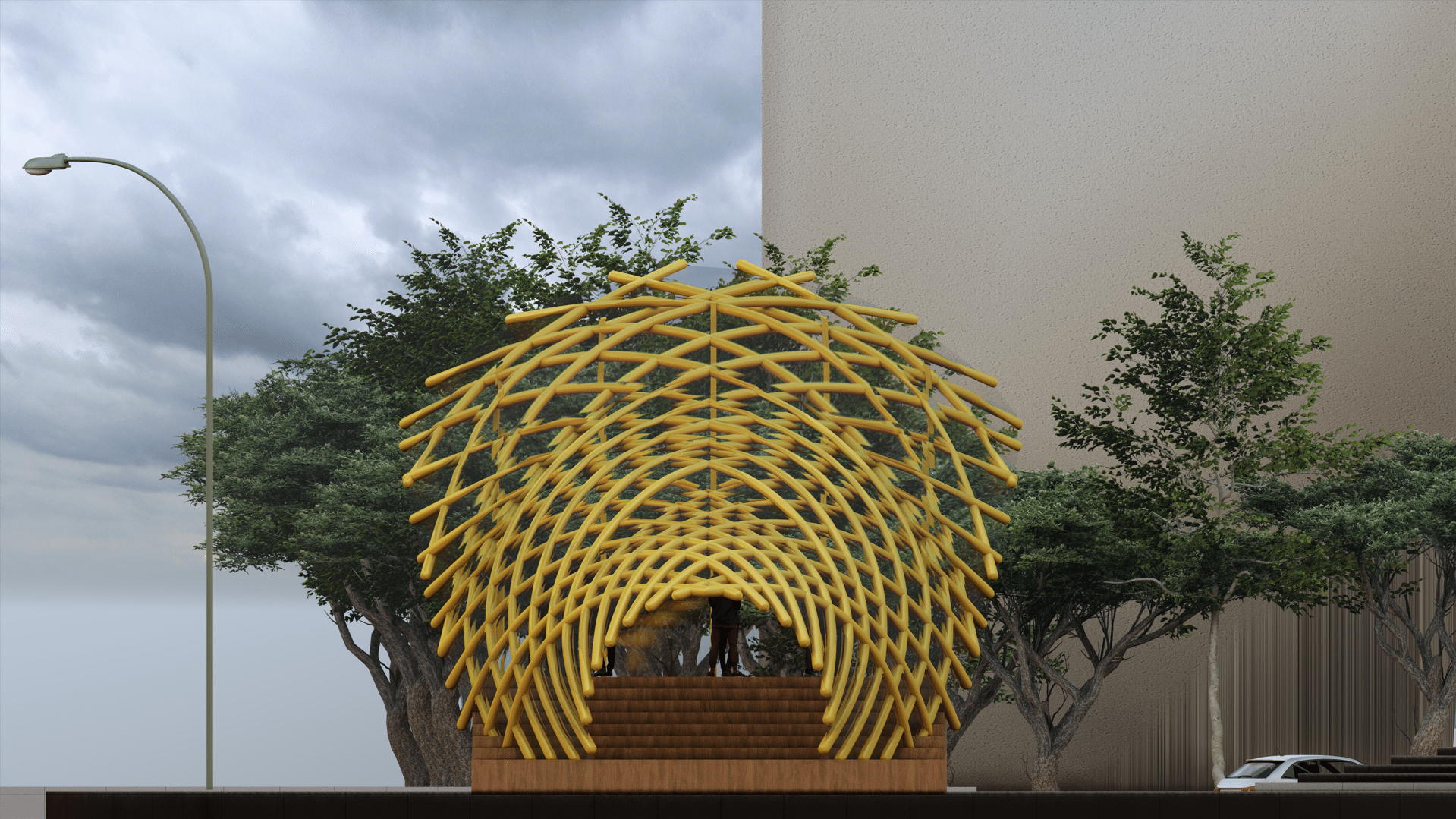
Site Map of Plaça Espanya zooming into the specific corner (Gran Via). Design Reference – Architectural Precedent Project: The Core (Education Centre), Eden Project.Architect: Grimshaw ArchitectsLogic: The roof geometry is derived from the phyllotaxis found in plants. It utilizes two opposing sets of spirals to define a grid of structural nodes.This pattern allows for an … Read more

The Crown Loop

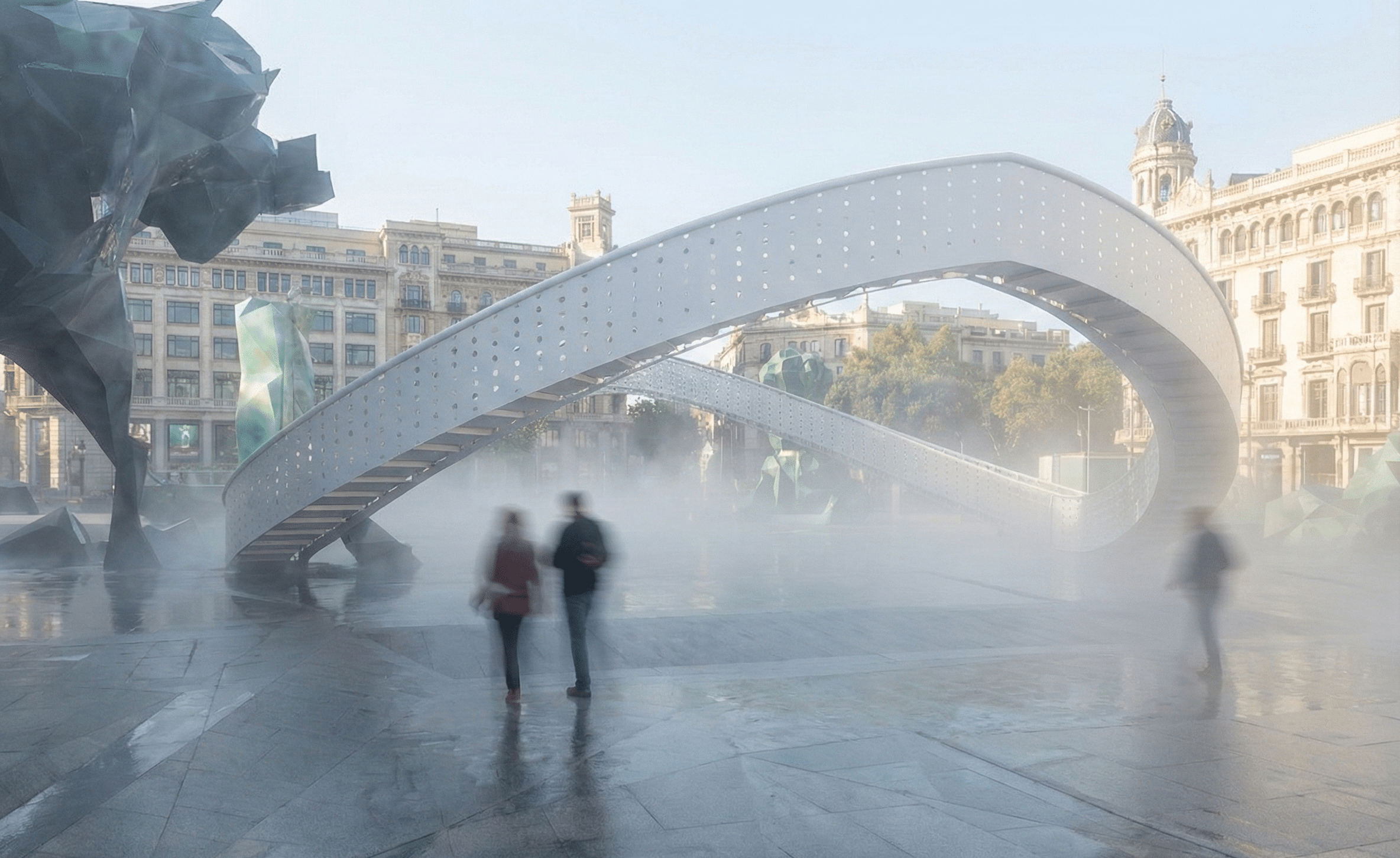
Abstract – This project introduces a crown-shaped stepped pavilion on the periphery of Plaça de Catalunya, serving as both an event gateway and an everyday public platform. Inspired by the geometry of a crown, the looping form rises in stepped layers to create vantage points, circulation, and sculptural presence. Developed through a parametric Grasshopper workflow, … Read more

LA CORTINA

PROJECT BRIEF Site Location: Placa del Sol, Gracia, Barcelona La Cortina introduces a nonstandard, dynamic geometry from the Fiesta Mayor de Gracia.. Conceptually, La Cortina translates the ephemeral dynamics of textile drapery into a permanent, structural shell. Its form is defined by computationally derived continuous surfaces that generate a recursive, flowing spatial volume.  The exterior … Read more

The Woven Contrast

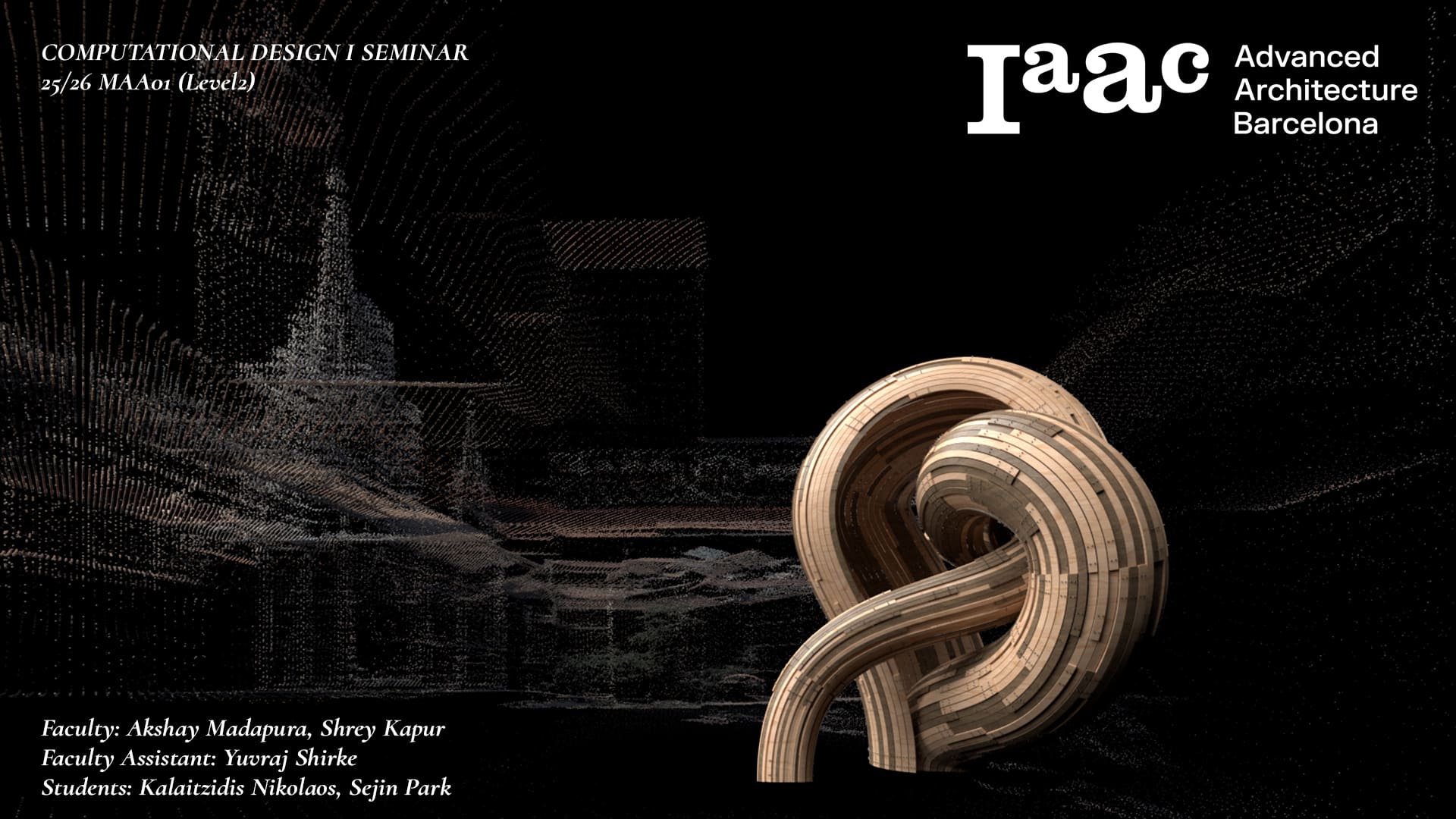
Cover page for the IAAC Computational Design I Seminar. The image features a parametric, twisted wooden structure in the foreground against a dark, point-cloud digital background. Text lists the Faculty as Akshay Madapura and Shrey Kapur, and Students as Kalaitzidis Nikolaos and Sejin Park.

COMPUTATIONAL DESIGN I SEMINAR25/26 MAA01 (Level2) Abstract: Computational Weaving. This project, developed for the Computational Design I Seminar, explores the algorithmic generation of complex, recursive geometries through the logic of “Digital Craft”. Inspired by the material constraints of steam-bent timber, the design creates a “volumetric weave” rather than a simple surface. The computational workflow is … Read more

Remnant Playground

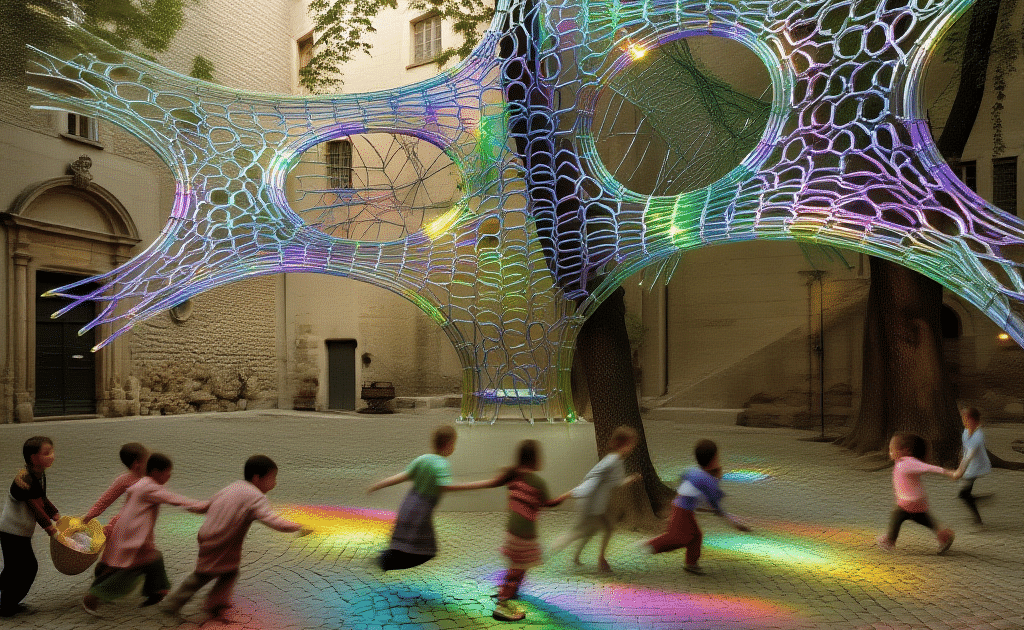
Plaça de Sant Felip Neri The pavilion is a biomimetic structure, drawing inspiration from natural webs. Its design utilizes an interactive interface of touch and light, on touching the pavilion, the entire part of pavilion lits up with various rainbow colors .This creates a dynamic and interactive environment, where the colorful light patterns shift and … Read more