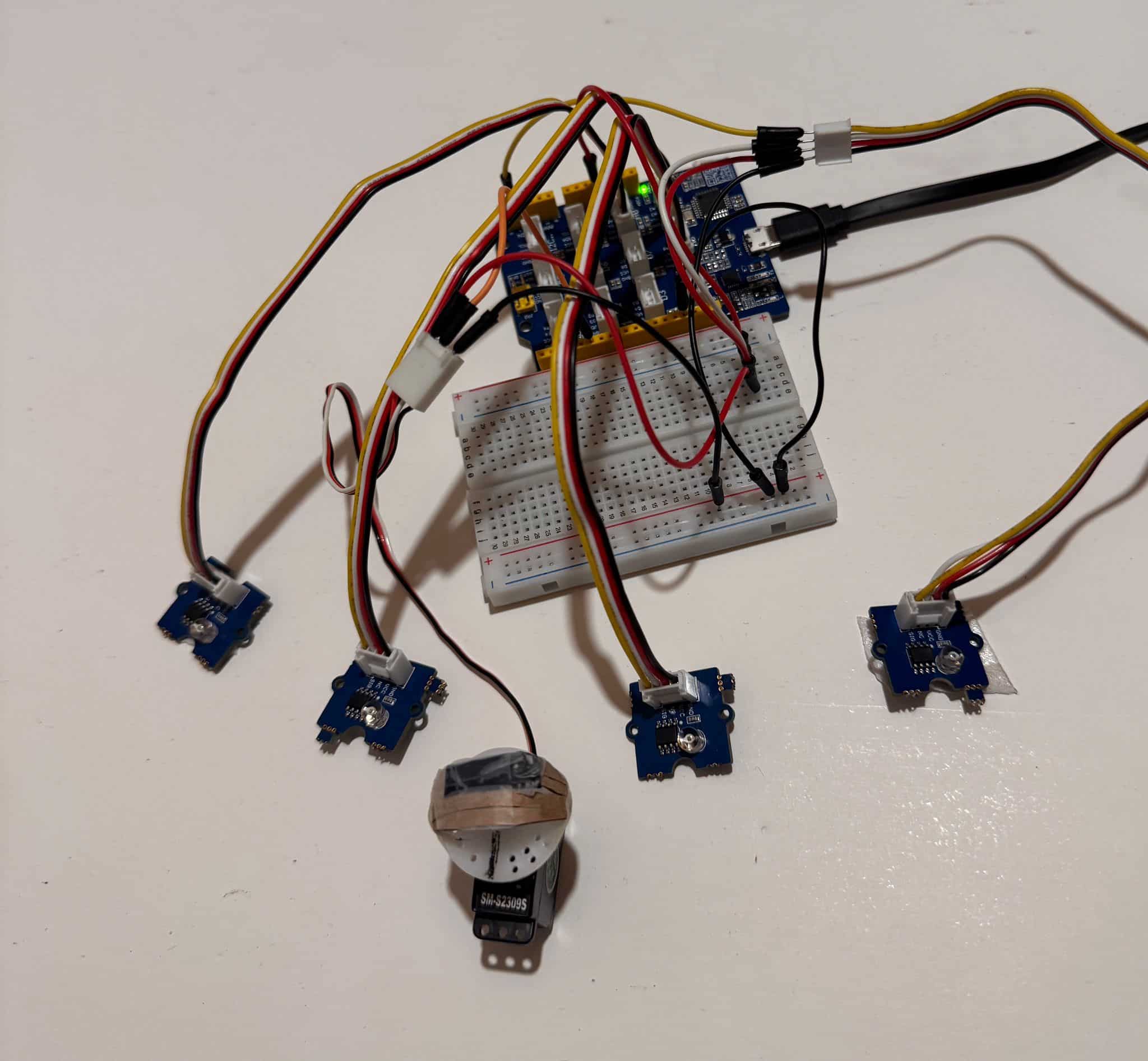
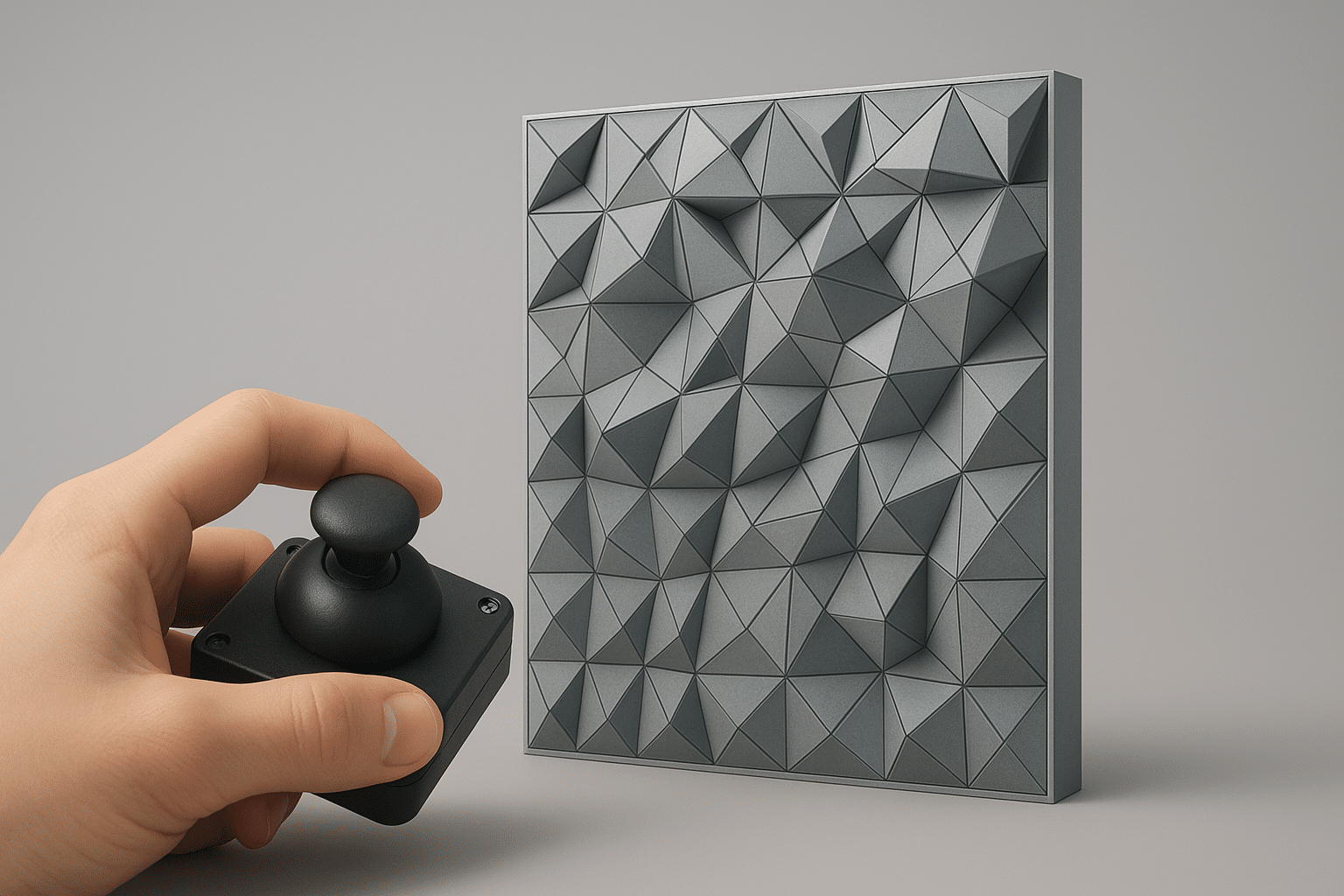
The Seminar provides students with an essential introduction to the world of open-source programming languages and physical computing, in order to create a synchronous and meaningful interaction between the physical and digital realms. After gaining the necessary hardware and software knowledge, students are able to integrate interfaces, visualising methods, data sensing, and actuation, to conduct more advanced research and architectural proposals with embedded technology.


Syllabus


Credits: BLO QUE

The Introduction to Programming and Physical Computing Seminar will offer a foundational exploration of open-source programming languages and physical computing. Electronic devices have become a ubiquitous part of daily life, yet their inner workings and the technology behind them often remain a mystery. Many are designed as ‘black boxes,’ accessible only through limited, closed interfaces. However, with the rise of open-source hardware and software, it is now possible to break through these barriers and gain a deeper understanding of how technology functions. This newfound accessibility enables the creation of customised devices and machines, tailored to specific needs and contexts.

Throughout the seminar, students will simultaneously develop their skills in both programming and physical computing, equipping them with the essential tools to create systems that sense, respond to, and influence their environment. By working with the Arduino IDE and microcontrollers, students will learn to build interactive devices using sensors and actuators.

By integrating programming and physical computing into architectural design, students will open new possibilities for creating responsive, intelligent systems that enhance the built environment. These technologies enable architecture to become more than just static structures; they transform it into a dynamic, living entity that can adapt, interact, and evolve with its surroundings. 

What Awaits You:

  • Prepare to immerse yourself in the principles of programming and the exciting realm of physical computing. You’ll explore how technology shapes the interaction between the digital and physical worlds, discovering how sensors and actuators can bring  life into architectural designs.
  • Experience the power of coding and electronics to transform your ideas into interactive realities. From controlling simple components to developing complex systems.

This seminar will be a fully hands-on lab where theory meets practice. You’ll design, prototype, and build devices that react to their surroundings. By the end, you’ll not only have the tools to decode the digital language of everyday devices but will also be equipped to apply this knowledge, creating intelligent systems into your architectural studio projects.

Learning Objectives

At course completion the student will:

  • Master fundamental programming concepts that will serve as a springboard into deeper areas of physical computing and enable the transition to other programming languages.
  • Develop the skills to design systems that sense their environment and respond dynamically using actuators.
  • Build smart apparatus capable of reacting intelligently to external conditions, integrating technology into architectural projects to create responsive, interactive spaces.
  • Learn to bridge the gap between digital data and physical action, opening the door to advanced architectural solutions where technology and design work in synergy.

Faculty


Faculty Assistants


Projects from this course

Silent Light

Introduction to Programming and Physical Computing Seminar Faculty: Daniel Mateos, Adai Suriñach, Antoine Jaunard Group Members: Amalia Anna Korgiala, Camilo Hernán Contreras Concept The project aims to design a sensor that can work with light or sound sensors, inspired by a library luminaire. The sensor can be placed in various areas and scales, such as … Read more

StructuraX – Self aware Architecture

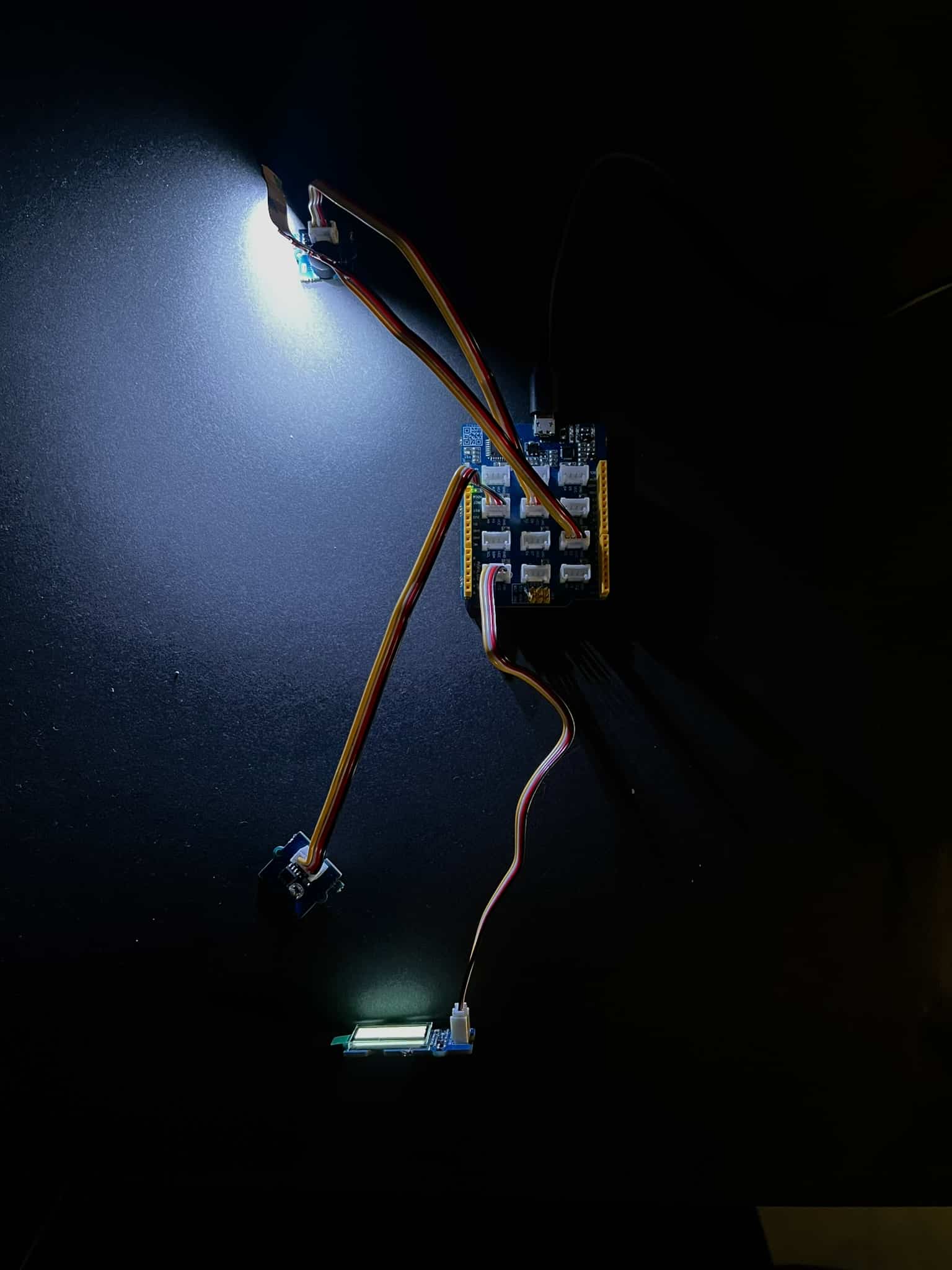
Prototype sensor

Structura X is a low-cost structural health monitoring system that tracks vibration patterns and foundation shifts to detect early signs of instability in buildings. Using a 3-axis accelerometer and ultrasonic distance sensing, the device provides real-time feedback through visual and acoustic alerts, enabling proactive maintenance and long-term structural safety. Why This Matters Buildings appear static, … Read more

Resonant Threshold-A Responsive Forest Reverie

MAA01 Introduction to Programming & Physical Computing The Loss and the Call Human activity has caused the loss of nearly one-third of the world’s forests since the end of the last Ice Age, an area almost twice the size of the United States. Our World in Data+1 Faced with this immense absence, Echoes of Presence … Read more

Sunflower

An intelligent system inspired by the Sunflower.

A sun-chasing system is a mechanism that automatically tracks the movement of the sun across the sky to maintain the optimal angle for capturing sunlight. When applied to solar panels, this technology can increase energy efficiency by up to 30–40% compared to fixed panels, as it maximizes exposure throughout the day. Beyond energy generation, the … Read more

Ubuntu Sense

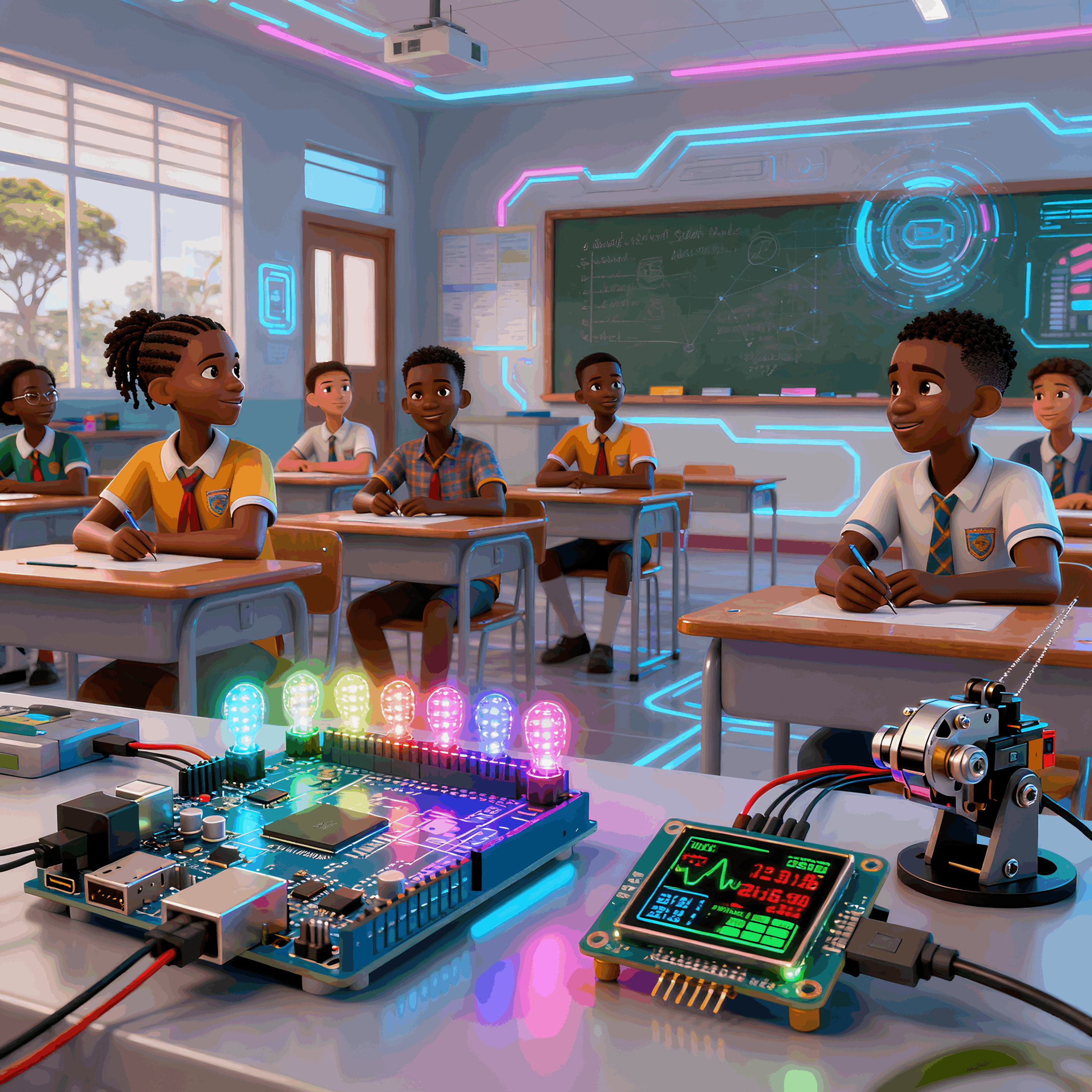
Imagine a classroom or clinic that doesn’t just shelter us but truly watches out for us. Ubuntu Sense is about letting spaces join the conversation: when noise, heat, or crowding gets too much, small signals lights, moving vents, real-time displays push back, help us notice, and restore comfort.This project is less about tech for tech’s … Read more

Robby Road

This project explores how human motion in space may be sensed, interpreted, and recorded with physical computing. The project integrates digital sensing with spatial interaction. With three ultrasonic sensors, LEDs, a servo motor, and an OLED display, the system not only senses but also displays directional flow — i.e., whether people are coming or going … Read more

Hoarder.data

Problem Tersa is a public company that runs a waste incineration plant in Sant Adrià del Besòs, serving much of the Barcelona metropolitan area. Over the years, local associations and residents have raised concerns that the plant may exceed emissions limits of toxic substances and caused pollution. Despite all the concerns, the investigating judge archived … Read more

TOO BRIGHT!

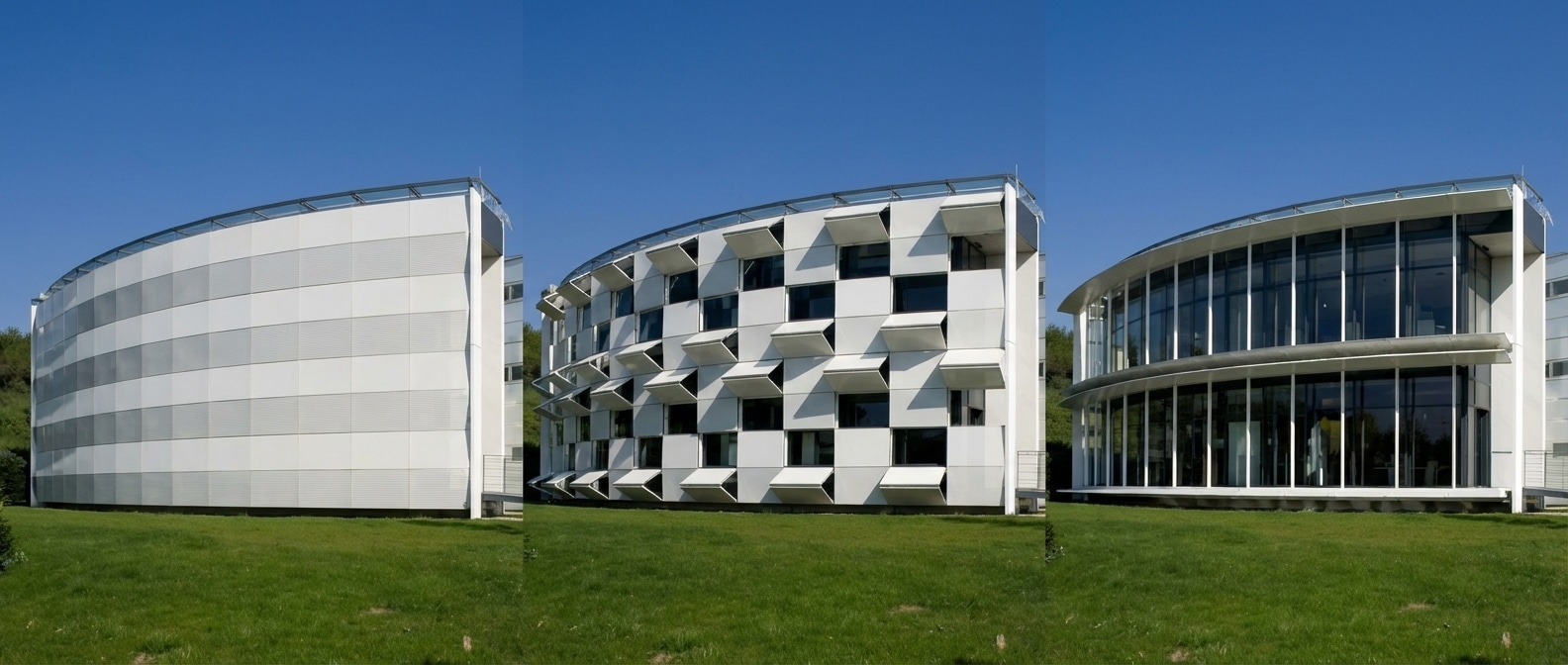
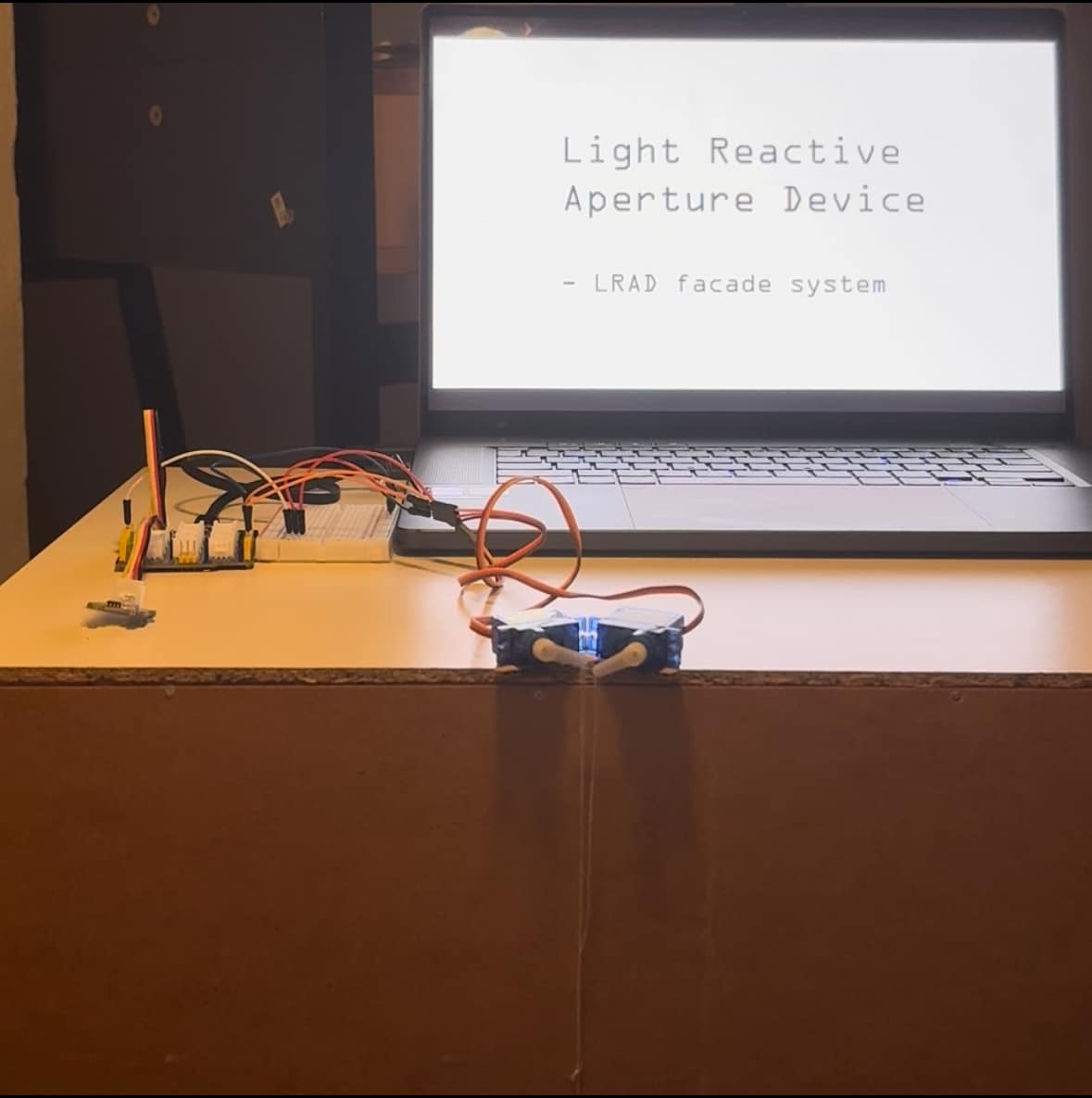
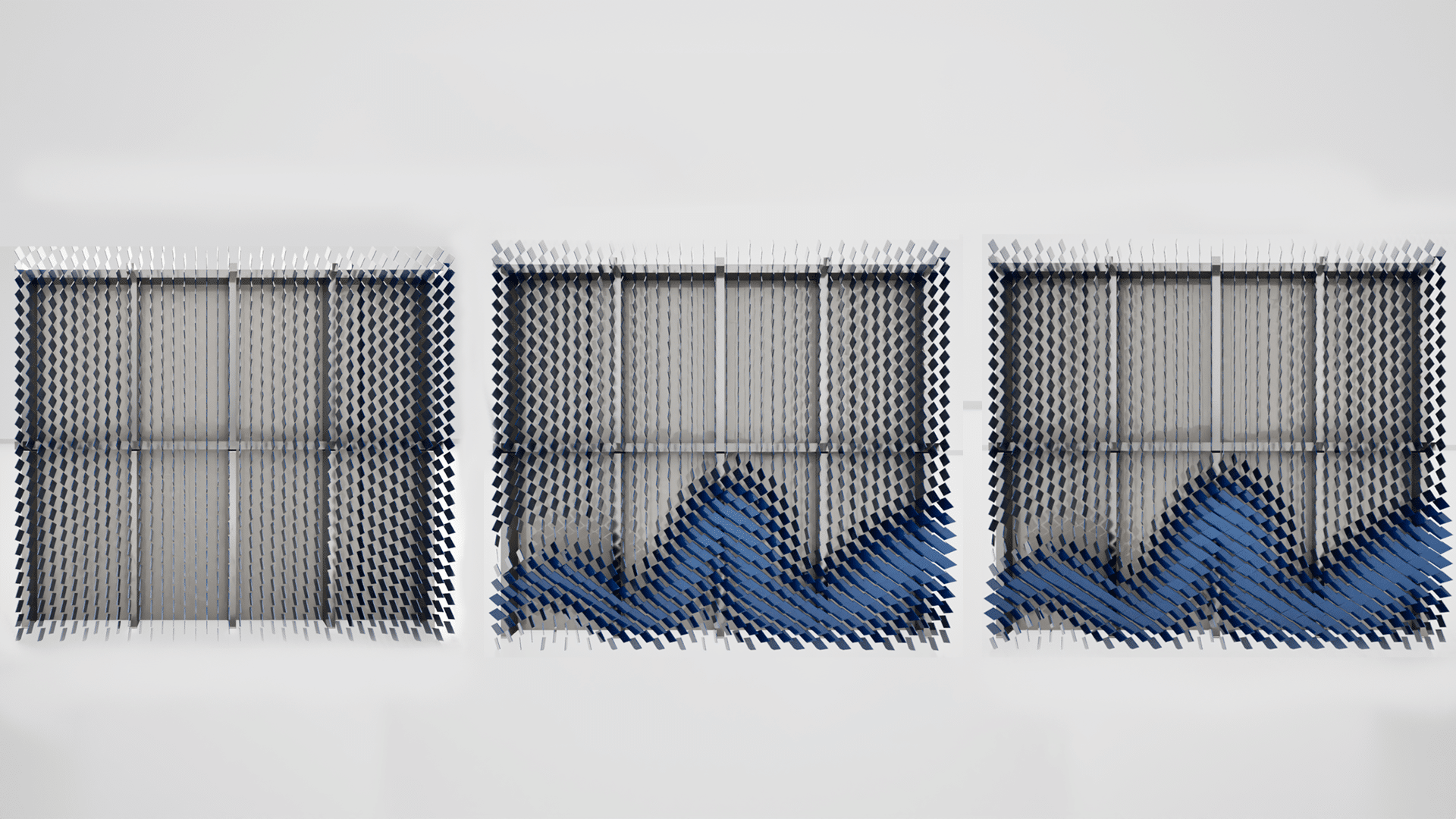
Kinetic façade panels that move dynamically in response to sunlight, adjusting their angles to control light and shadow.

CONCEPT Creating a dynamic relationship between the building and its environment A responsive façade design inspired by the concept of living architecture  The geometric logic and panel behavior were first modeled in Grasshopper, where the movement angles and facade modules were tested digitally. Then, through Arduino’s control, this virtual logic was physically prototyped turning environmental … Read more

Auto Irrigation Plant System

CONCEPT In the modern urban life, people constantly move between work, travel, and rest — often ignoring the plants that bring vitality and warmth to their homes. When we are away, these plants silently endure the risks of dryness and decay. This Auto-Irrigation Plant System offers a gentle solution to that small but meaningful concern. … Read more

Interactive Light-Tracking Sculpture

We built an interactive kinetic pavilion that literally turns toward the light. At its heart the piece uses four light sensors (LDRs) arranged around a central mount and a single servo motor. The sensors constantly measure brightness from different directions; the motor then rotates the structure smoothly toward whichever sensor detects the strongest light. What … Read more

LumiMaze

The goal of this project is to design a smart light maze that reacts to the movement or presence of people. In this system, the paths and walls of the maze are made of colorful LED strips (such as NeoPixel), which light up dynamically and interactively as participants move through the maze. When a person … Read more

AutoAdapt

All seats in public areas are typically uniform in height; however, individuals differ in stature. When a seat is elevated, a child may find it challenging to access, whereas a low seat could cause discomfort for a taller individual. The optimal proportion is that the chair’s seat height should be approximately 25% of your total … Read more

ProxiSense

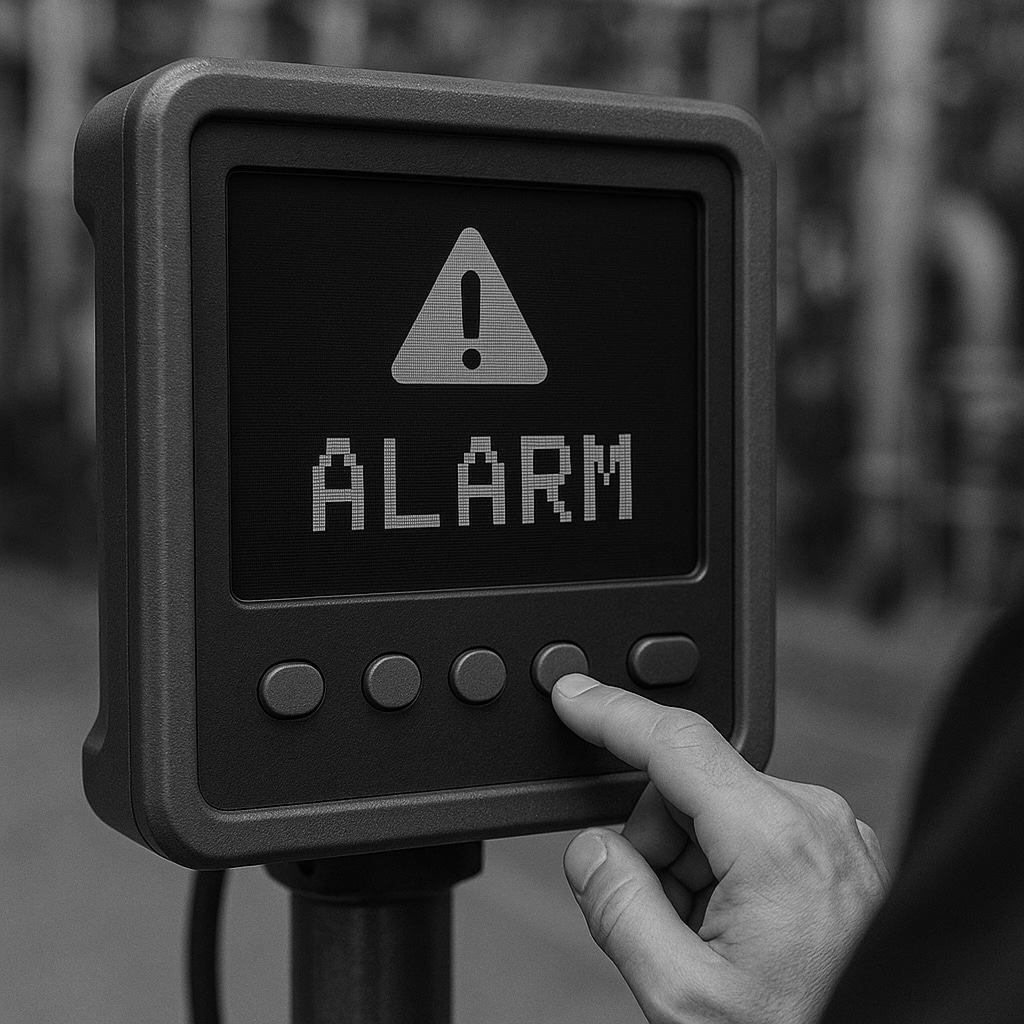
This project explores how technology can transform everyday architectural spaces into interactive environments. The concept focuses on an alarm system that reacts to human presence through light and sound, creating a sensory dialogue between the user and the space. This experiment merges architecture, design, and electronics to question how spatial security can also become an … Read more

Prototipo de fachada inteligente

Concept This project features a dynamic façade that responds to joystick movements, allowing users to control the orientation of its panels toward the north, south, east, or west. Each direction activates a different sound and colored light, providing both auditory and visual feedback that complements the tactile control. For example, a high-pitched tone and red … Read more

Portable Earthquake Detector

ABSTRACT Crisis mitigation runs in the roots. Hailing from earthquake prone regions of Assam and Gujarat in India, we understand that the need for humane awareness amidst chaos of natural anguish is the most important element in the context of survival. The Portable Earthquake Detector a low-cost earthquake detection system to enhance local safety as … Read more