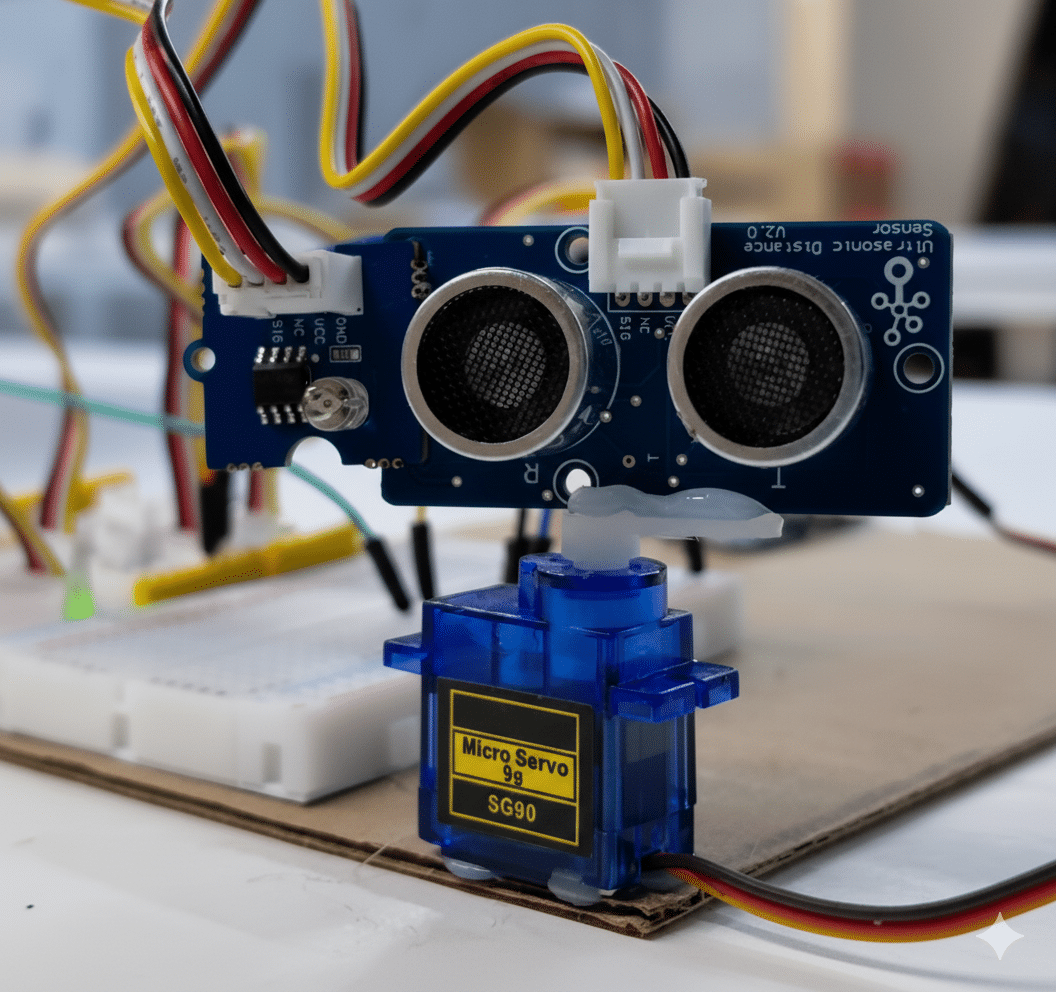
The Seminar provides students with an essential introduction to the world of open-source programming languages and physical computing, in order to create a synchronous and meaningful interaction between the physical and digital realms. After gaining the necessary hardware and software knowledge, students are able to integrate interfaces, visualising methods, data sensing, and actuation, to conduct more advanced research and architectural proposals with embedded technology.


Syllabus


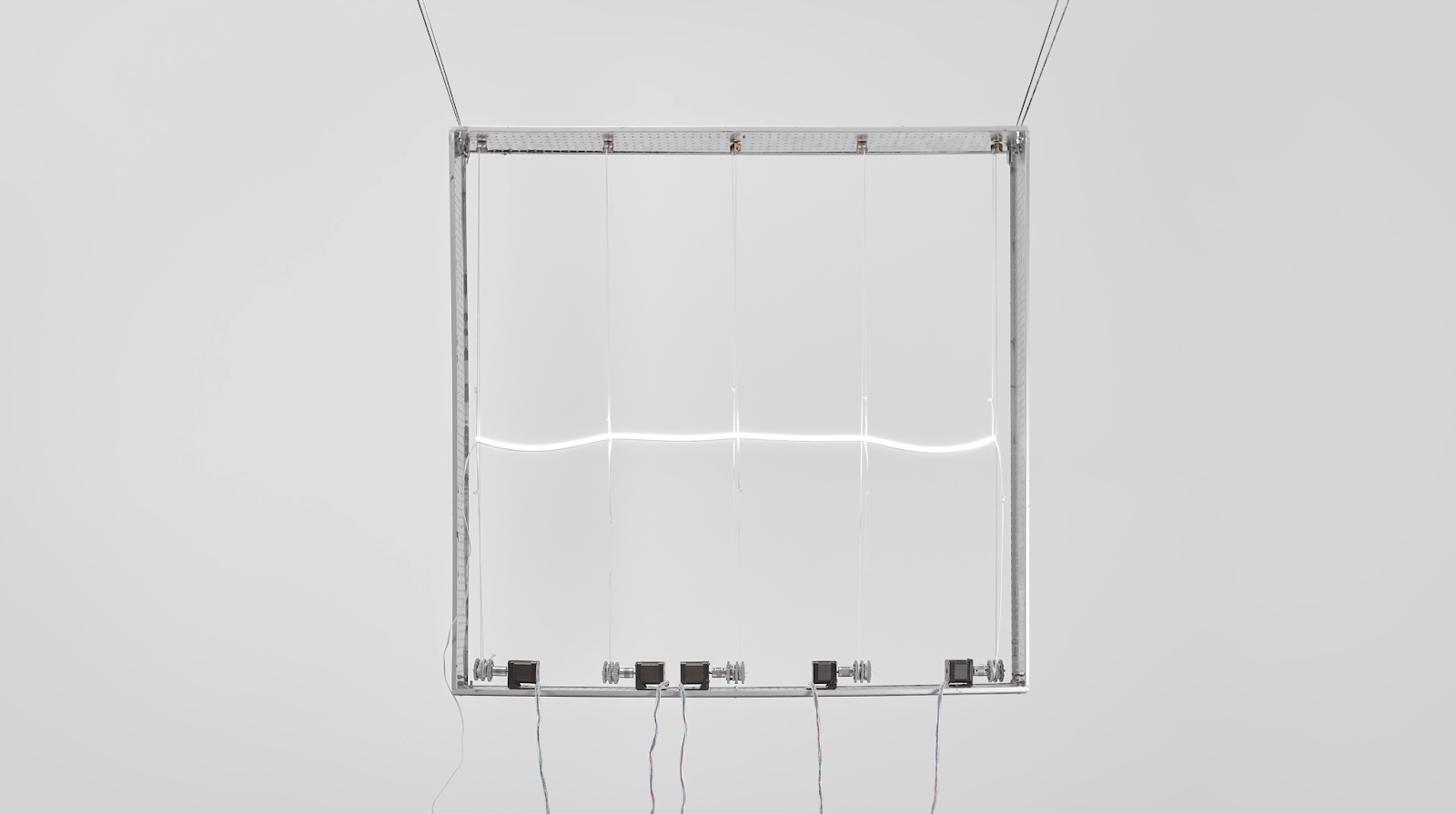
Credits: BLO QUE

The Introduction to Programming and Physical Computing Seminar will offer a foundational exploration of open-source programming languages and physical computing. Electronic devices have become a ubiquitous part of daily life, yet their inner workings and the technology behind them often remain a mystery. Many are designed as ‘black boxes,’ accessible only through limited, closed interfaces. However, with the rise of open-source hardware and software, it is now possible to break through these barriers and gain a deeper understanding of how technology functions. This newfound accessibility enables the creation of customised devices and machines, tailored to specific needs and contexts.

Throughout the seminar, students will simultaneously develop their skills in both programming and physical computing, equipping them with the essential tools to create systems that sense, respond to, and influence their environment. By working with the Arduino IDE and microcontrollers, students will learn to build interactive devices using sensors and actuators.

By integrating programming and physical computing into architectural design, students will open new possibilities for creating responsive, intelligent systems that enhance the built environment. These technologies enable architecture to become more than just static structures; they transform it into a dynamic, living entity that can adapt, interact, and evolve with its surroundings. 

What Awaits You:

  • Prepare to immerse yourself in the principles of programming and the exciting realm of physical computing. You’ll explore how technology shapes the interaction between the digital and physical worlds, discovering how sensors and actuators can bring  life into architectural designs.
  • Experience the power of coding and electronics to transform your ideas into interactive realities. From controlling simple components to developing complex systems.

This seminar will be a fully hands-on lab where theory meets practice. You’ll design, prototype, and build devices that react to their surroundings. By the end, you’ll not only have the tools to decode the digital language of everyday devices but will also be equipped to apply this knowledge, creating intelligent systems into your architectural studio projects.

Learning Objectives

At course completion the student will:

  • Master fundamental programming concepts that will serve as a springboard into deeper areas of physical computing and enable the transition to other programming languages.
  • Develop the skills to design systems that sense their environment and respond dynamically using actuators.
  • Build smart apparatus capable of reacting intelligently to external conditions, integrating technology into architectural projects to create responsive, interactive spaces.
  • Learn to bridge the gap between digital data and physical action, opening the door to advanced architectural solutions where technology and design work in synergy.

Faculty


Faculty Assistants


Projects from this course

Cymat-E

CONCEPT Cymat-E explores the concept of an acoustic radar, a device that can detect and visualize the ideal audible range, or the distance where sound is heard most clearly and comfortably. The idea takes inspiration from how radar systems map physical space, but instead, we are mapping sound space. Using microphones and sound analysis, the … Read more

Sound-responsive Alert System

by Francisco Pinel  on October 26, 2025 The Quiet-o-Meter is an interactive sound awareness prototype designed to promote mindful noise behavior in shared environments. Inspired by the need for greater awareness of how our collective sound levels can affect others, this project transforms ambient noise into visual and auditory cues that encourage quieter, more considerate spaces. Built on … Read more

BreatheSmart

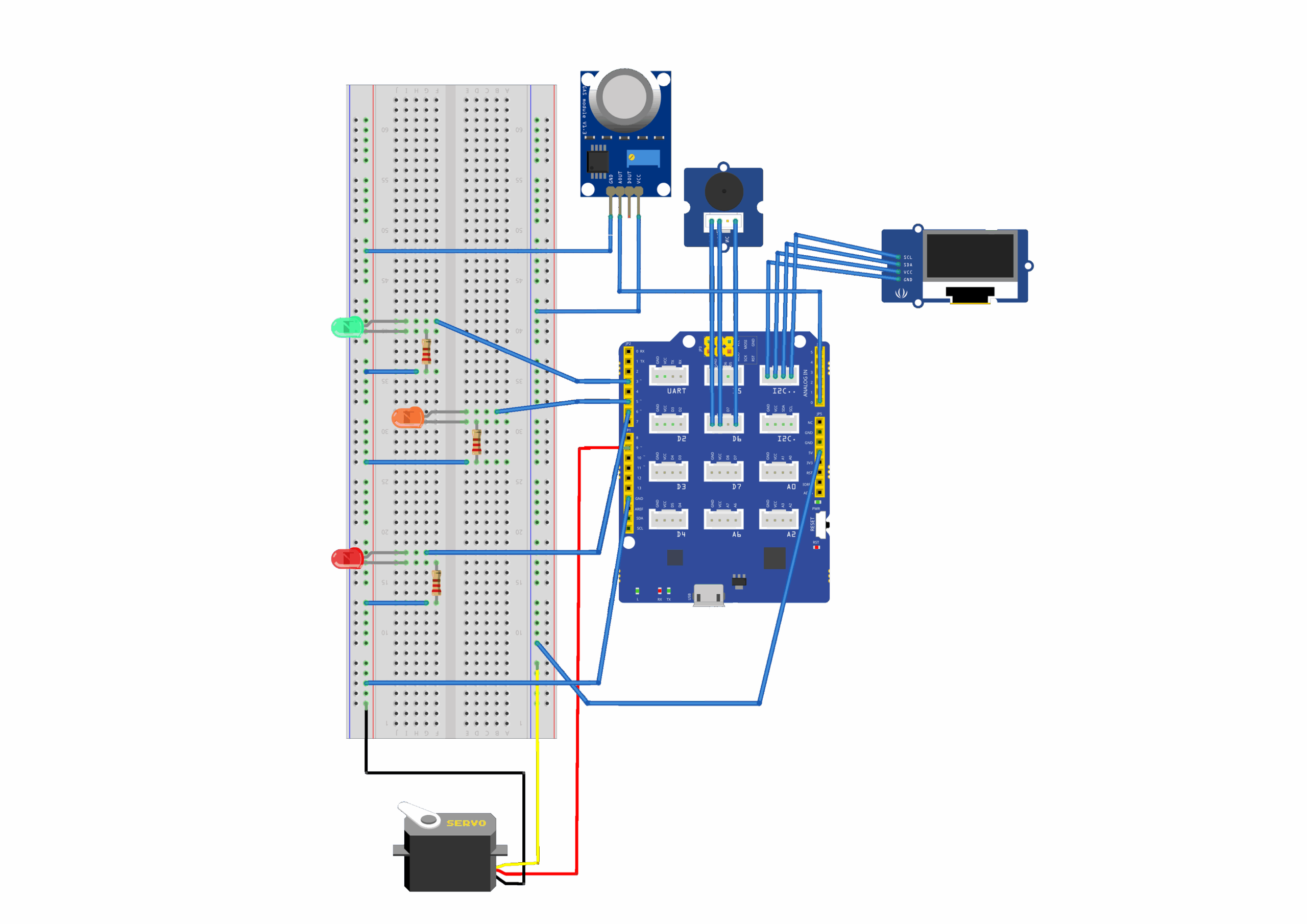
Introduction to Programming and Physical Computing Seminar This project focuses on developing a smart air quality monitoring system using a Seeed Lotus microcontroller, an MQ-135 air quality sensor, a 0.96” OLED display, a buzzer, a small motor or fan, and a panel with three LEDs to indicate air quality levels. The system continuously measures CO₂ … Read more

STEP ON IT!

A prototype for an interactive floor system that transforms human movement into light. The prototype consists of buttons representing movable floor tiles equipped with sensors that detect when someone steps on them.Each activated tile triggers an individual light source, creating a unique and dynamic composition that changes with every step.As people move across the surface, … Read more

Rainwater Harvester The project proposes a regenerative infrastructure for runoff water collection, treatment, and reuse within the built environment. Conceived as a responsive system embedded in architecture, it seeks to transform excess rainwater often perceived as waste into an active resource within a closed ecological loop. During episodes of heavy rainfall, the system captures surface … Read more

Autonomous Plant

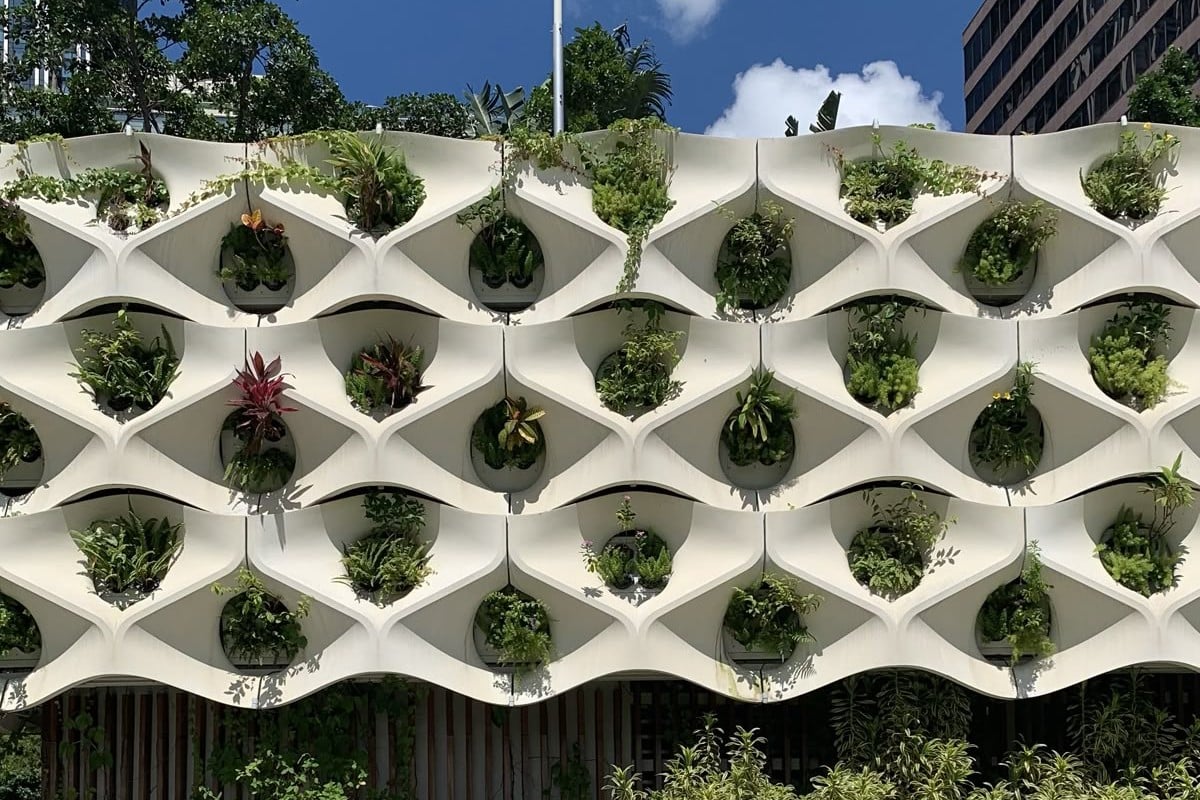
Autonomous Plant is a project that explores how non-human beings can actively respond to the built environment. The central idea is that human and plant needs do not necessarily conflict; instead, they can be aligned to create mutual benefit. While humans inside buildings often prefer shade, plants seek sunlight. A dynamic façade system can satisfy … Read more

Studio Silence.

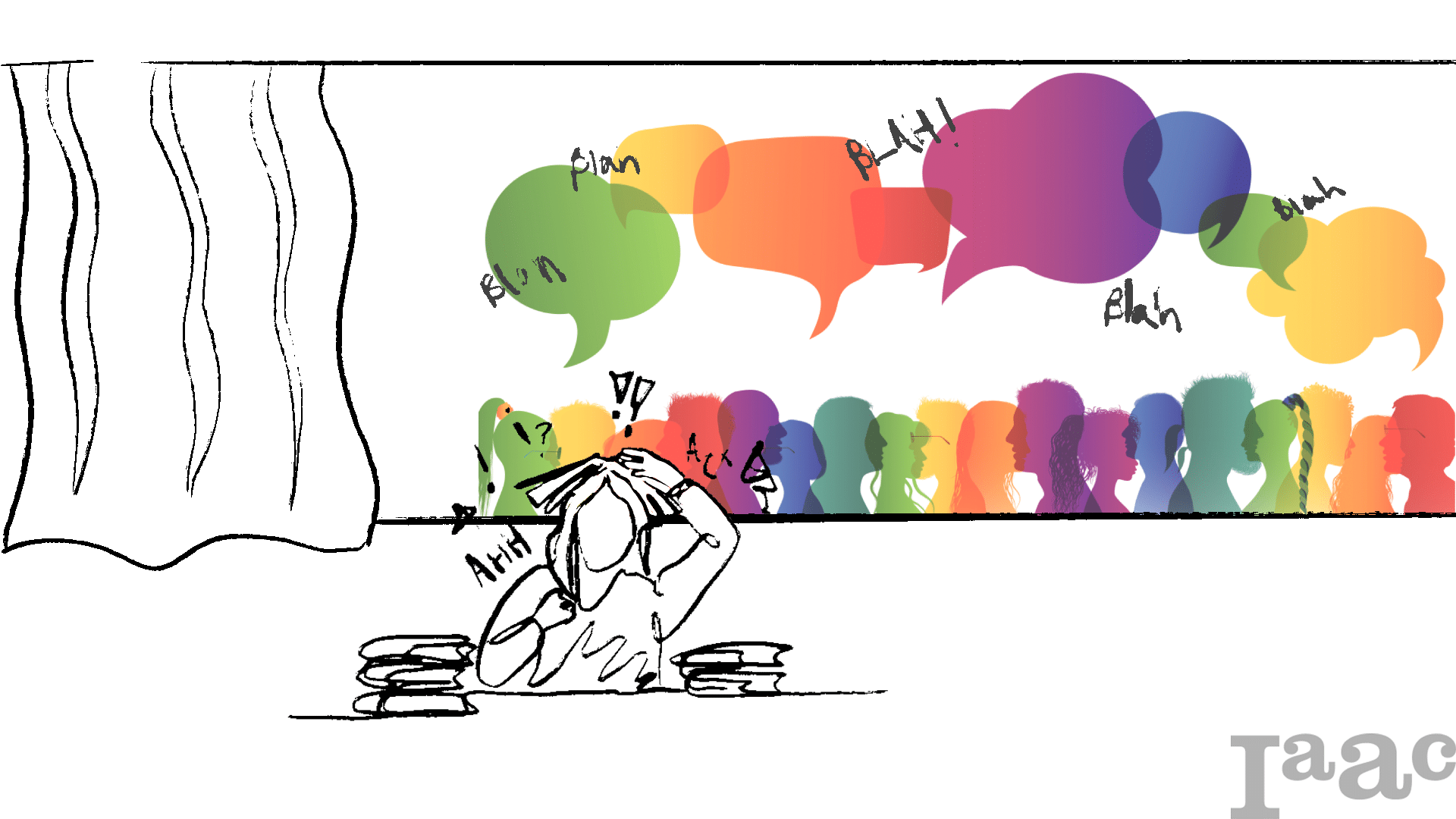
stressed student studying in noisy environment

In today’s collaborative work environments, open and shared workspaces have become the norm. Yet while they promote connection and creativity, they also introduce a significant challenge: noise. This project seeks to address the problem of excessive noise in shared workspaces while maintaining flexibility and openness.  The Concept – The project is inspired by the shared … Read more

SolarShift

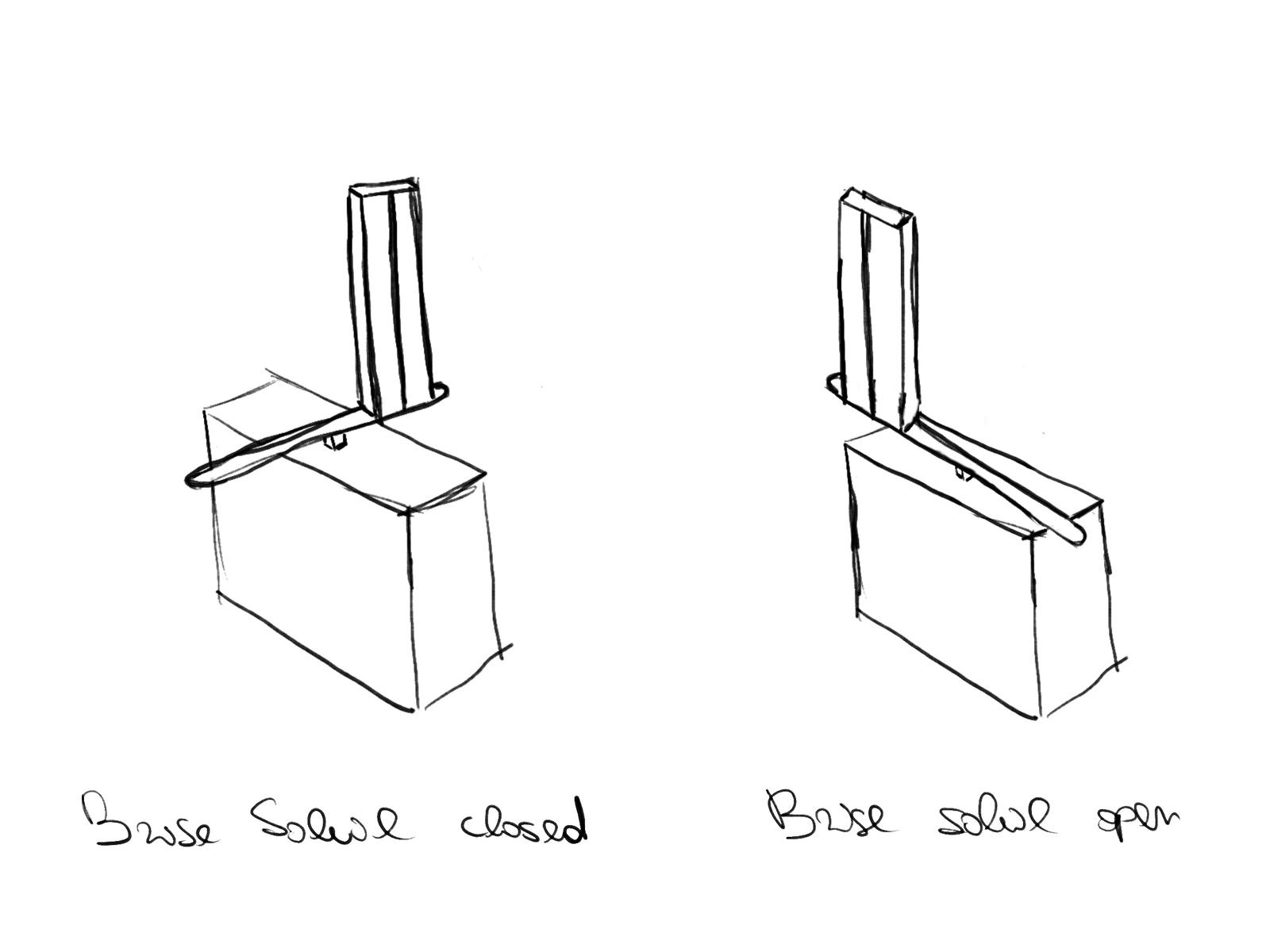
Concept What if our façades could react to sunlight? This project explores how architecture can respond to changing light conditions through simple automation. Using Arduino, it translates light intensity into movement, mimicking the adaptive behavior of a brise-soleil, and highlighting how design can respond to environmental change. REFERENCES – BRISE SOLEIL Schematics The Arduino code … Read more