How to Evaluate Business Opportunities and Build Scalable Ventures
Syllabus

Credits: Image made with MidJourney
Description
In an ever-changing world, where the speed of innovation and the amount of external forces and drives is constantly growing, the capability to quickly evaluate opportunities and innovate is paramount for the creation of successful businesses.
The Business Innovation Seminar is designed to provide students from architecture and design backgrounds the key understanding of what makes a project a viable business idea, how to analyze markets and industries, how to validate ideas early on and how to iterate and innovate on business models to build the basis for an economically sustainable venture. Based on the Lean Methodology and mixing together theory, real-life examples, practical exercises and 1-1 feedback, it gives students a toolbox and a mental mindset to approach opportunities during their professional careers as well as the foundations to set up a business.
All the content will be directly applied by students on a final Venture Starting Package, that will be presented during a final pitch.
Learning Objectives
The aim of the seminar is to provide students with the tools to understand and evaluate business opportunities based on their own research projects. It provides a framework to analyze ideas, tools and references to understand the market and guidelines on how to understand whether a venture can be successfully created. The core competencies are complemented with an introduction to business model innovation and practical exercises.
At course completion the student will:
- Learn how to evaluate business opportunities
- Understand and apply the concept of Product Market Fit
- Understand and apply the concept of Unit Economics
- Recognize the core elements of a successful venture
- Develop and Iterate on a Business Model for a specific idea
Keywords
Business Model, Business Model Innovation, Lean Startup, Product Market Fit, Unit Economics, Business Angels, Venture Capital.
Faculty

Faculty Assistants

Projects from this course
Business Entrepreneurship
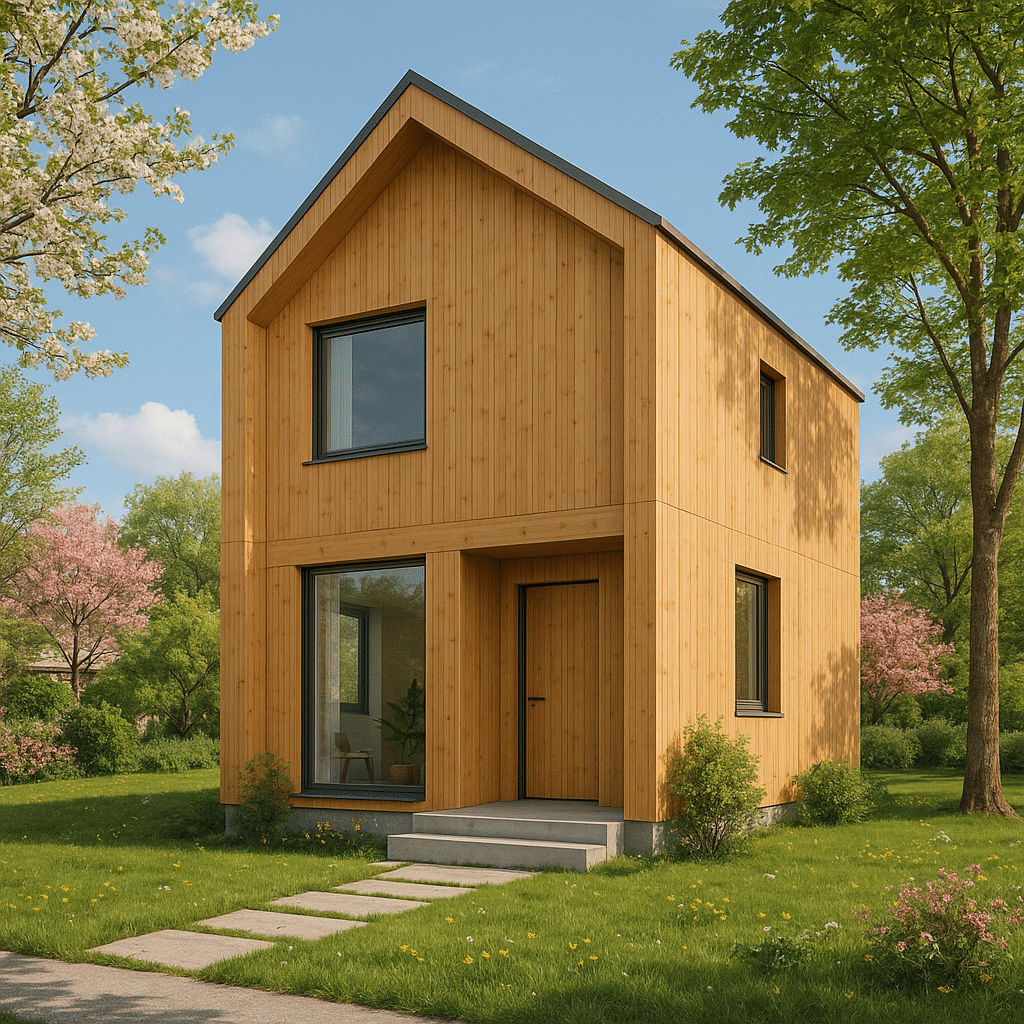
Atticus Cummings MAEBB02 2025/2026 Professor Davide Rovera A startup is a temporary tool for gaining an understanding of a market and business model. In the IAAC business Entrepreneurship Seminar we learned about how to explore a potential startup idea, validate the problem, engage and validate customers, quantify a market opportunity, evaluate competition, fund a startup, … Read more
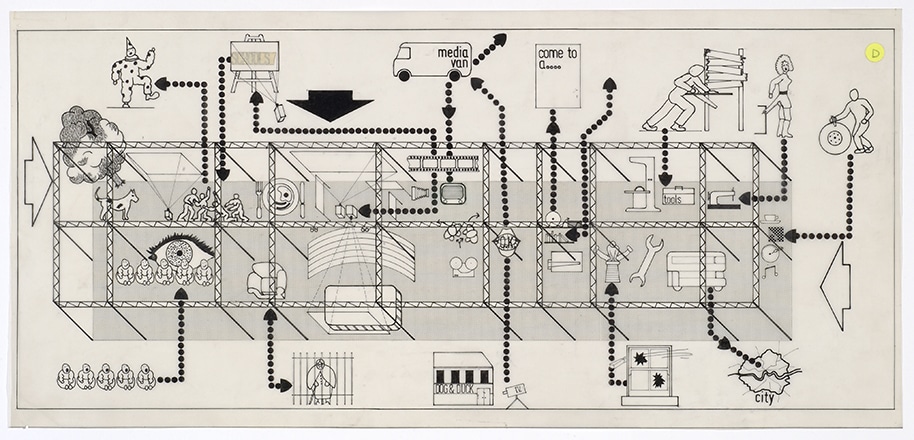
GEOLOGIC
The AEC industry is rapidly expanding, with computational tool users reaching 550,000 in 2024. However, a critical skills gap persists: professionals are drowning in software tutorials but starving for design methodology. GEOLOGIC addresses this by shifting the focus from mechanical “button-pushing” to true algorithmic thinking. Our unique pedagogy—Target Geometry, Deconstruction, then Scripting—empowers architects to master … Read more
ARCAI
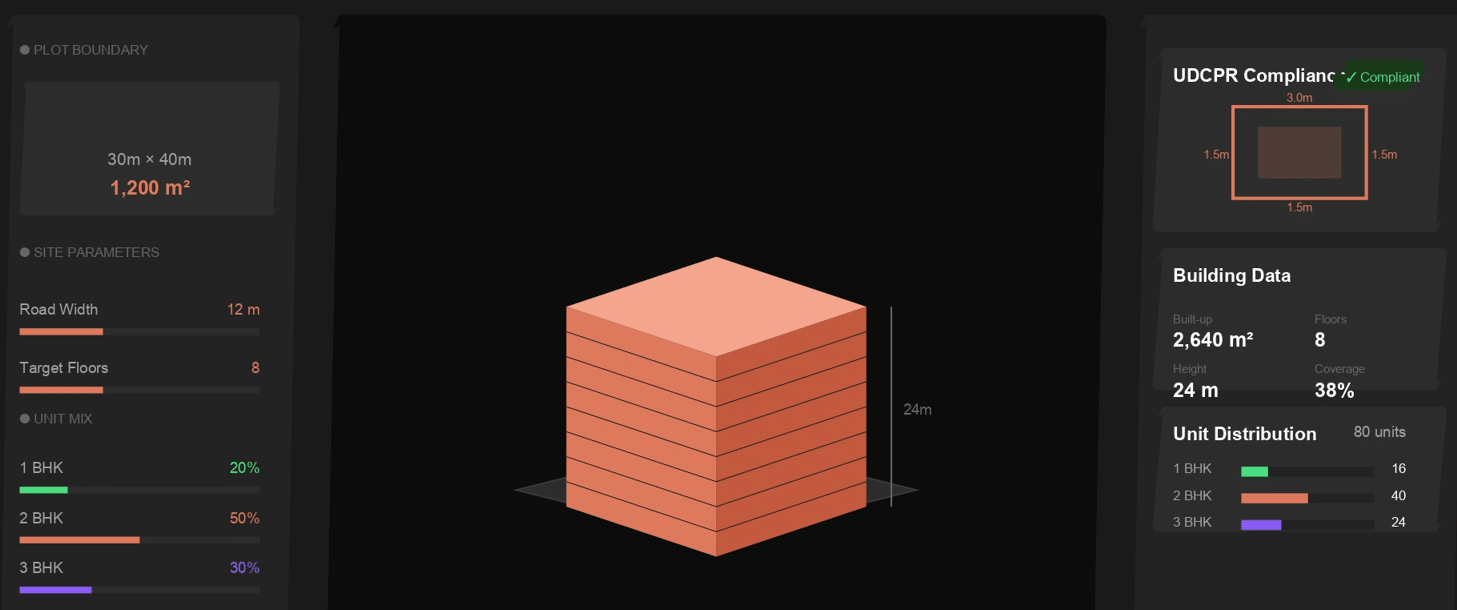
AI-Powered Sustainable Building Design Platform for Architecture Firms. Architects lack efficient tools to optimize sustainability during the early design phase—when 80% of a building’s environmental impact is determined. Real-time sustainability optimization integrated directly into your design workflow.
ECO-Data Hub — Verified Carbon Data for Construction
Introduction ECO-Data Hub is a digital platform developed to address one of the most pressing challenges in the built environment: the lack of accessible, verified, and comparable environmental data for construction materials. As the industry transitions toward low-carbon practices, the ability to make informed material choices becomes crucial. ECO-Data Hub proposes a unified data ecosystem … Read more
THE MANUFACTURED VERNACULAR
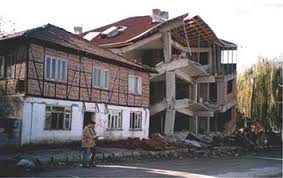
Turning time-tested vernacular intelligence into scalable, multi-hazard self sufficient building INTRODUCTION See this image above? yes, its comparison between two structures that survived a 6.8 rector scale earthquake in year 2005. The ironic part is , that these vernacular structures hold the carbon friendly intelligence responding towards climate adaptation and structural resistance against earthquakes, yet … Read more
SYNFORM – Pitch Deck
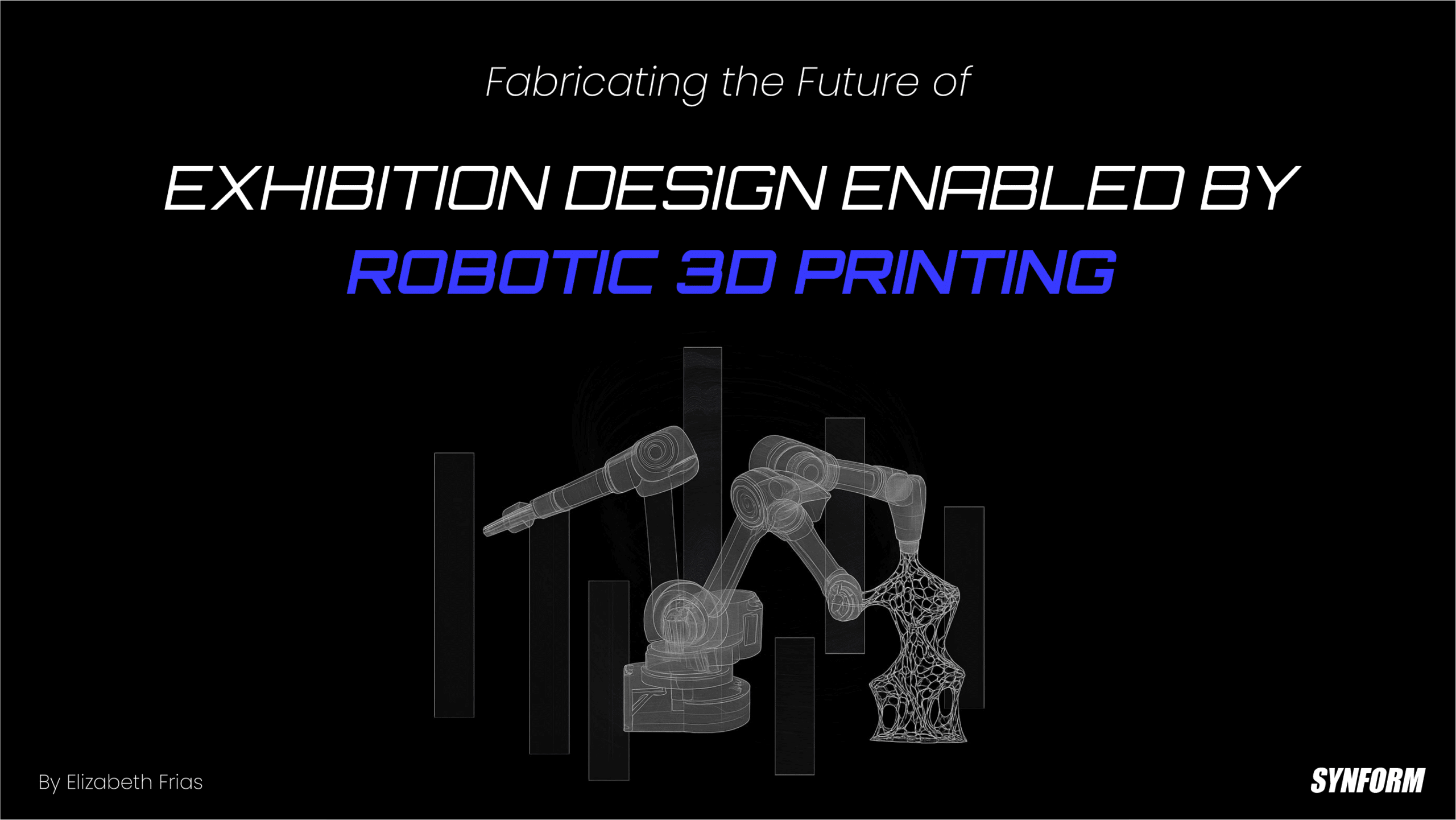
SYNFORM is a design-to-fabrication studio that fabricates luxury scenography and architectural surfaces that are parametric, modular and reconfigurable through large-scale 3D printing using recyclable plastics. Market Context According to Precedence Research, the global 3D printing market is estimated at around USD 29.29 billion in 2025 and is projected to grow to USD 134.58 billion by … Read more
MycoPot: A Mycelium-Based Alternative to Plastic Plant Pots
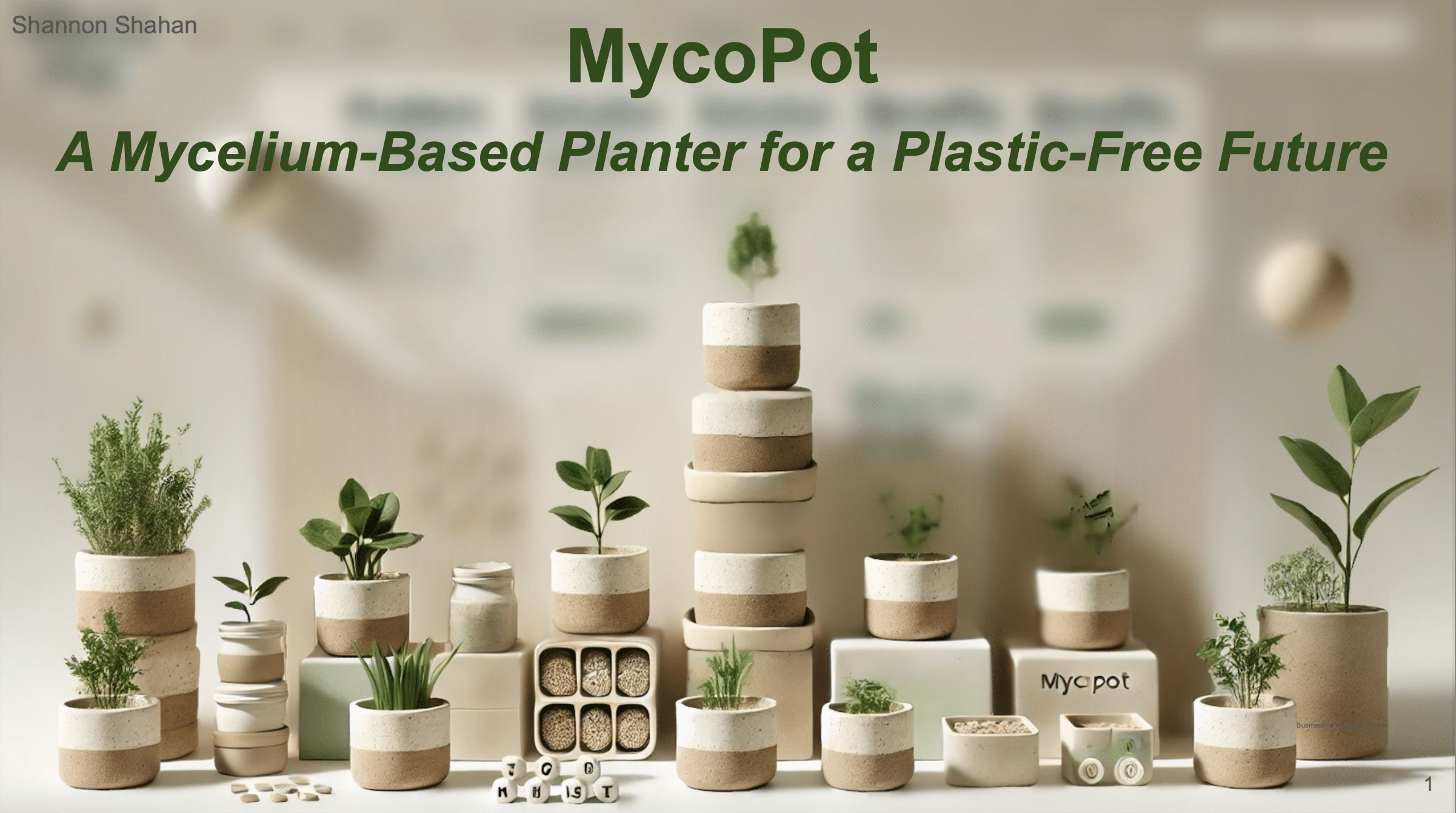
MycoPot is a biodegradable planter grown from mycelium and agricultural waste, designed to replace the millions of plastic pots discarded every year by nurseries and plant retailers. It offers a practical, scalable, and regenerative material solution for the horticulture industry—one of the most overlooked contributors to plastic waste. Why We Started: The Problem Across Europe, … Read more
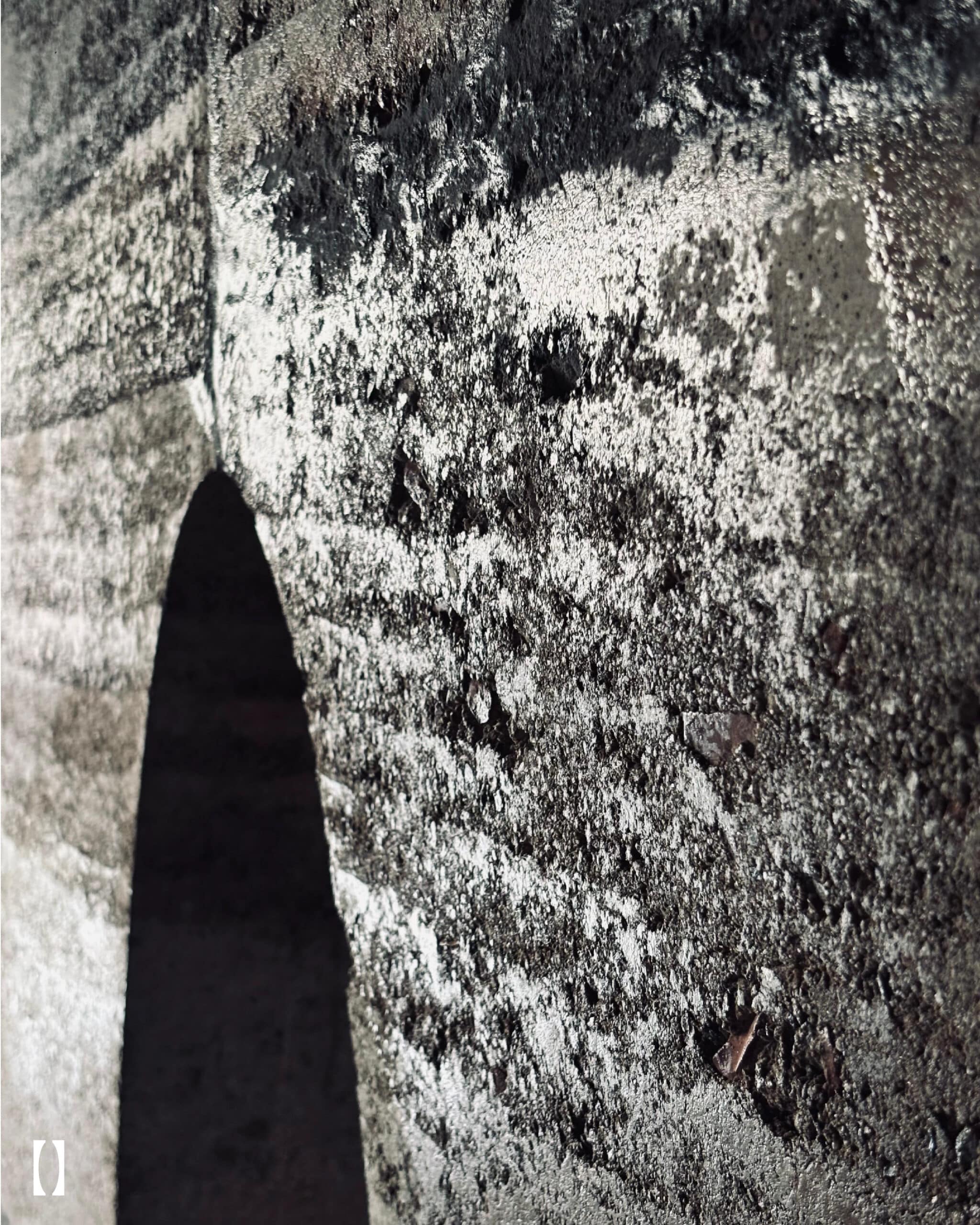
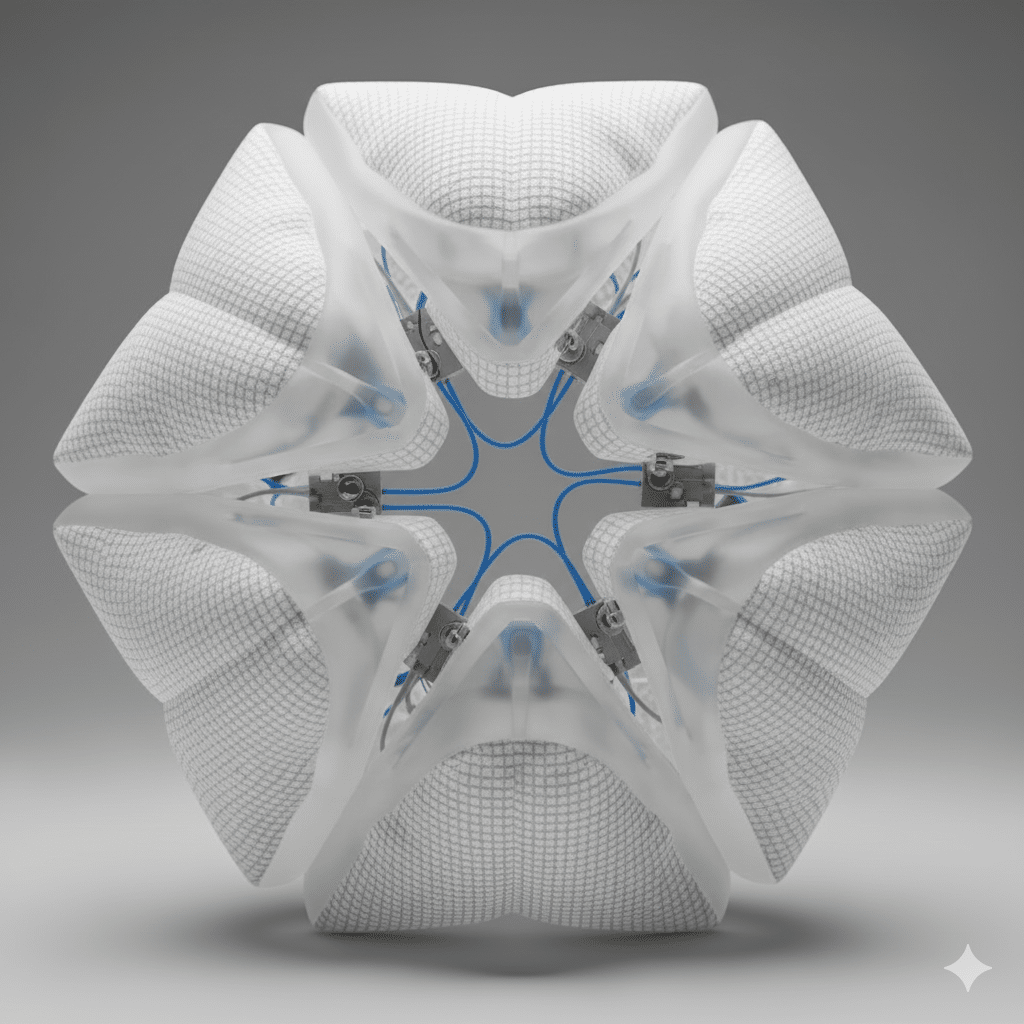
CoolStreets Lab

PROBLEM SOLUTION CoolStreets Lab provides scalable, practical micro-scale heat-risk maps that help cities identify where to cool, shade, and protect their most vulnerable areas. COMPETITION BUSINESS MODEL Target Customers Business Model Early Validation Expert Interviews Key Insight Municipality Feedback Unit Economics TEAM FUNDING NEED WHAT THIS COVERS WHY THIS AMOUNT This is the minimum budget … Read more
Business Innovation 2025
The Business Innovation seminar last week was intense in a good way. It was clear, structured, and very hands‑on: we moved from identifying opportunities to business models, validation, basic unit economics, and finally pitching a “venture starting package” built around our own projects. For someone coming from architecture and material research, it was helpful to … Read more