What makes us Human
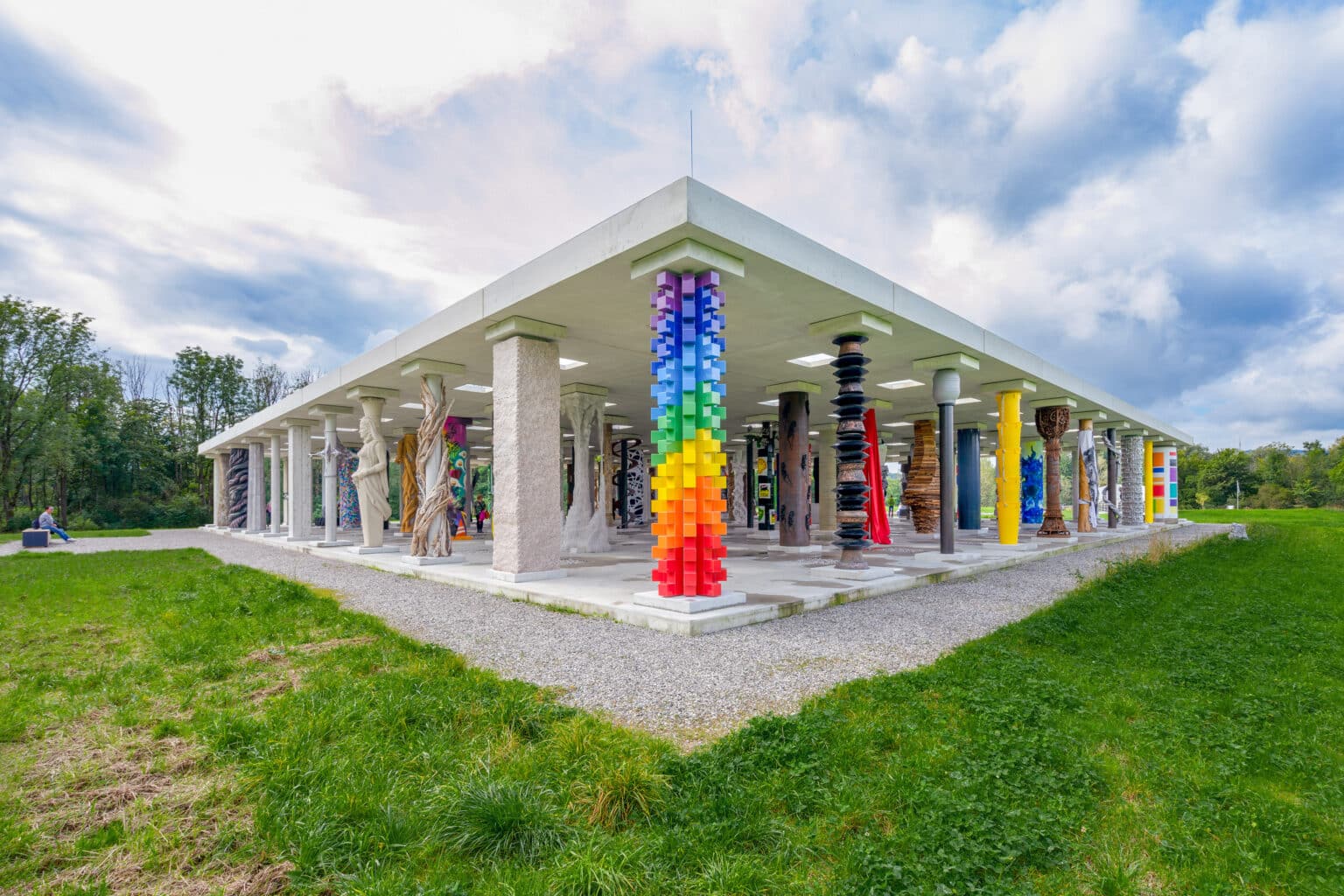
Source: STOA 169, Bernd Zimmer
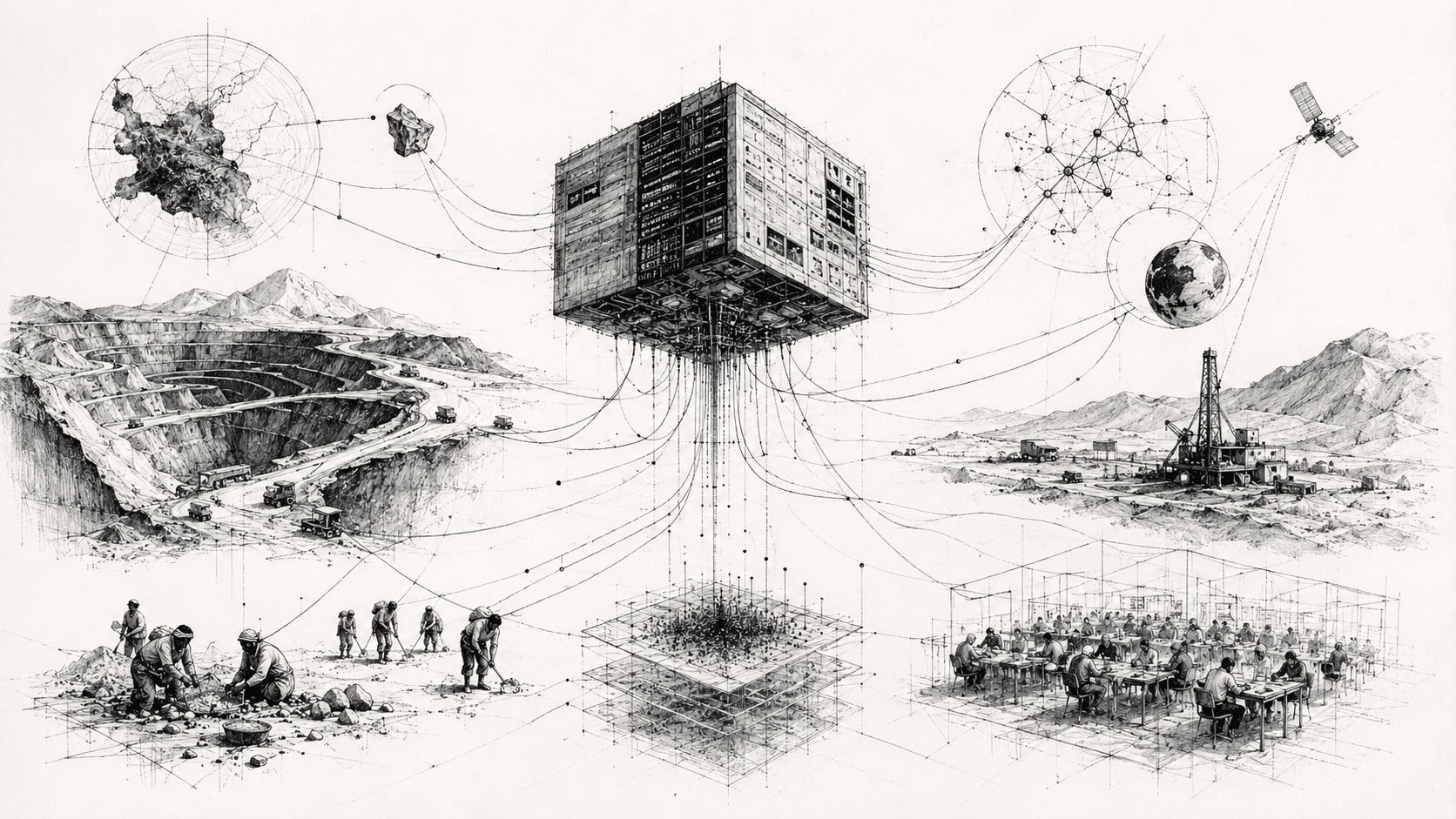
Artificial Intelligence is often discussed as if it were a single tool, a discrete technology, or even a singular autonomous entity reinstating its own existence into the natural world. In reality, AI operates as a complex ecosystem composed of multiple interacting components: algorithms, datasets, infrastructures, interfaces, training processes, and human practices embedded in a cultural realm. These elements continuously interact with one another, forming dynamic socio-technical environments rather than isolated systems.
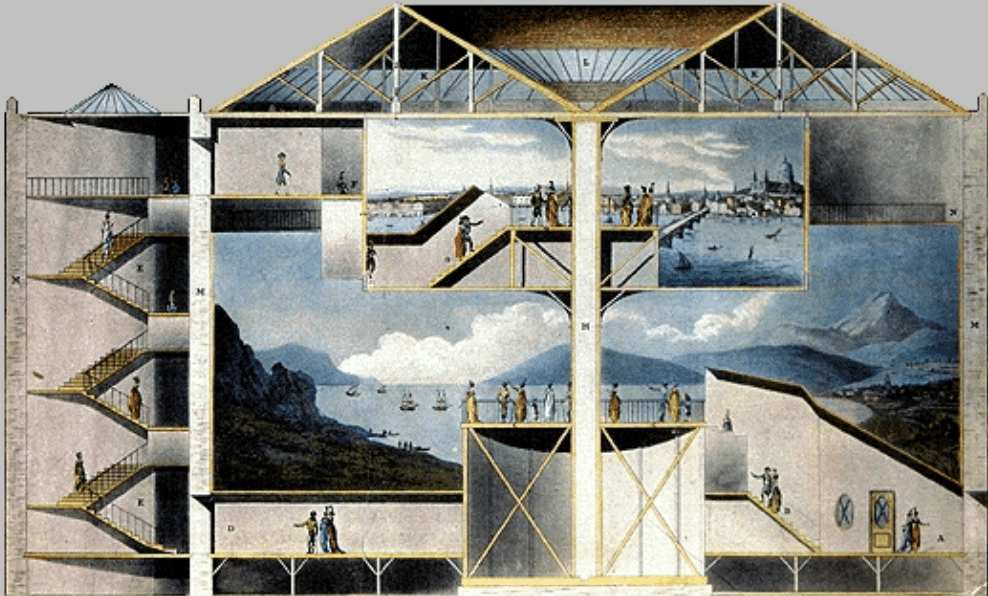
Understanding AI as an ecosystem allows us to move beyond purely technical definitions and instead examine the broader networks of interaction that shape how AI functions in society. It reframes the differences between technology and nature and lets us rethink Plato’s allegory of the cave as a substantial question about reality. These interactions influence not only professional practices—such as architecture, design, and urbanism—but also the everyday digital environments in which we communicate, work, and make decisions.
The format of this year’s studio reinstates a classic Greek agora, forming a center of discussion to approach AI from a common discursive and critical perspective. The literal meaning of the word “agora” is “gathering place” or “assembly”. The agora was the centre of the athletic, artistic, business, social, spiritual, and political life in a greek polis and formed its center of identity. We aim to explore together the diverse landscape of the AI ecosystem. Rather than focusing on technical implementations and design, the seminar invites students to engage with the cultural, political, ethical, and epistemological dimensions of this new form of intelligence. Students are encouraged to articulate their own positions, raise concerns, challenge assumptions, and develop motivations for how AI might be approached and it might impact our future.
The course format combines several modes of engagement:
- Collective reading and discussion of (scientific) publications, essays, and selected popular sources related to AI and society.
- Invited guest conversations with researchers and practitioners working with AI across different disciplines.
Unlike traditional lecture formats, the invited sessions will function as a traditional forum of discussion in dialogical encounters rather than one-directional lectures. Each guest session will include a short student group presentation that contextualizes the topic and prepares questions for discussion with the guest speaker.
Students are expected to actively contribute to the seminar discourse. For each session, students must prepare questions, reflections, or critiques related to the readings or the guest presentation. These contributions can be made synchronously during class discussions or asynchronously through the course platform.
Because the course is designed as a collective learning environment on common grounds, active participation is essential.
Learning Objectives
The course aims to develop a critical perspective on the rapidly evolving field of artificial intelligence and its cultural and social impact. Together we will explore the soil upon which the architectural profession and society at large will grow. It provides a platform where students are encouraged to engage with scholars from diverse AI-related disciplines and to ask questions about current research and practices. At the same time, the course motivates students to independently explore recent developments in AI and to approach this ubiquitous and continuously evolving field with a critical and reflective mindset.