The Advanced Computation for Environmental and Structural Design (ACESD) Studio focuses on the development of flexible parametric models, known as BUILDING RECIPES. These models adapt to different functional needs, allowing students to approach design intentionally, with the goal of achieving efficient and sustainable outcomes.


Syllabus

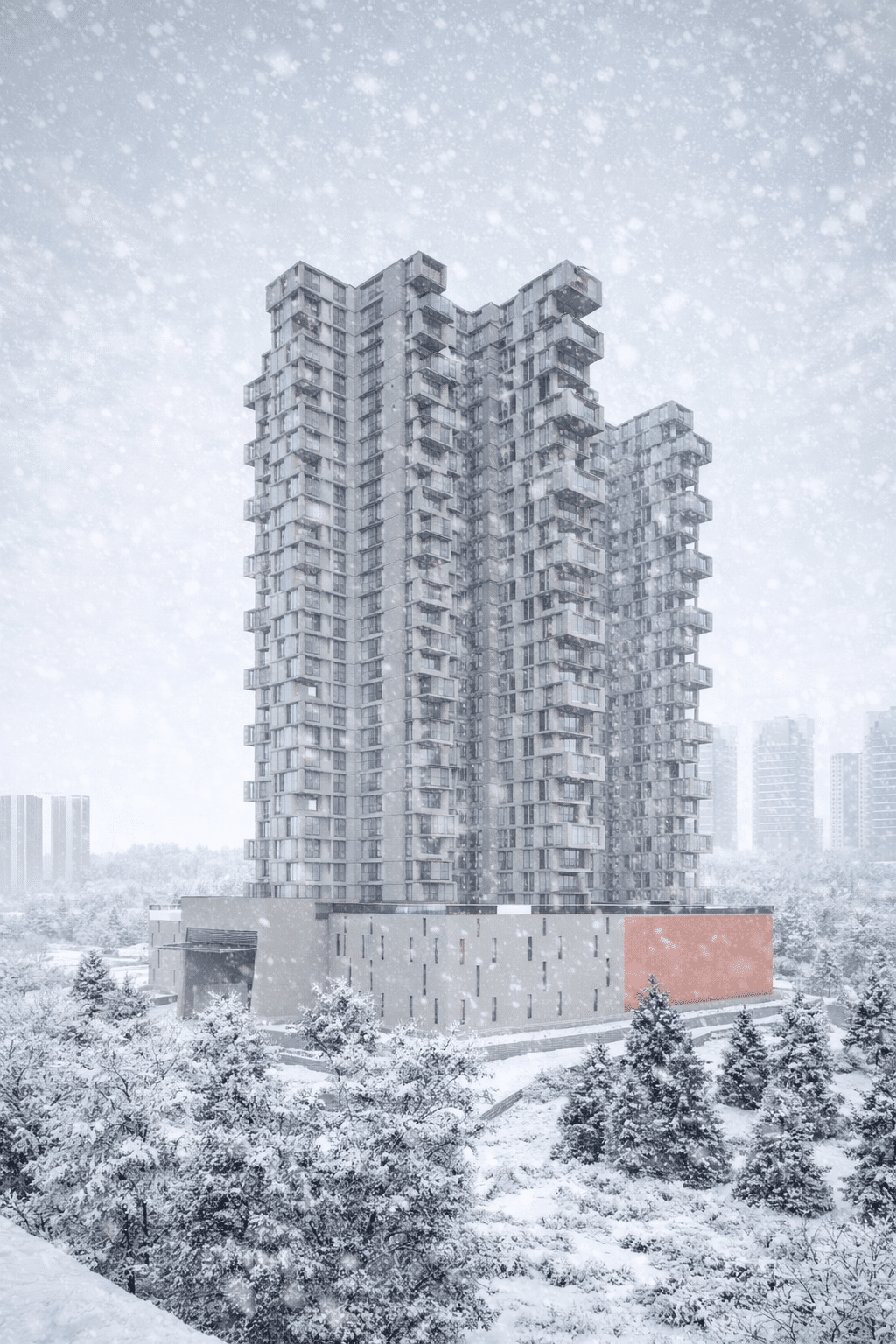
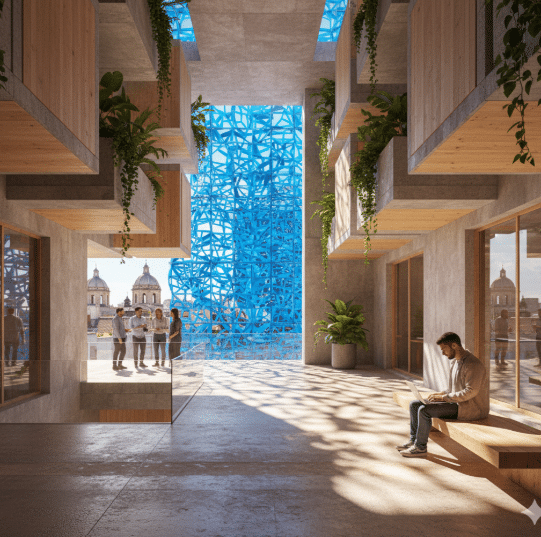
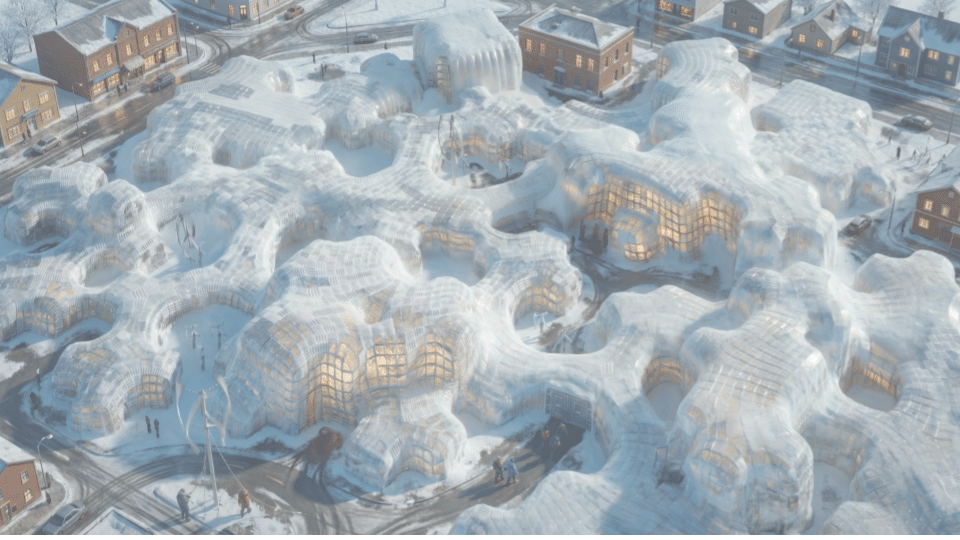
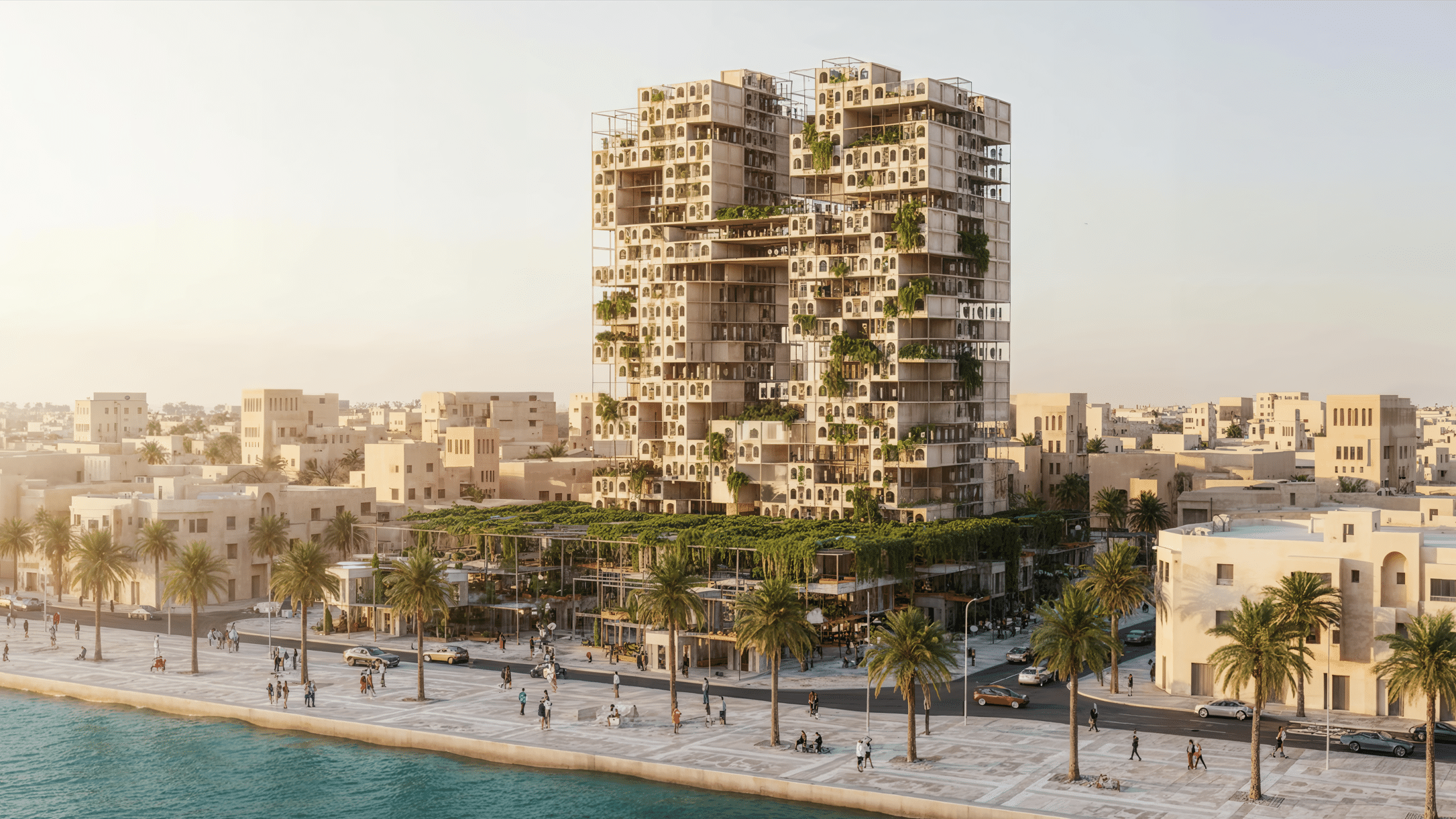
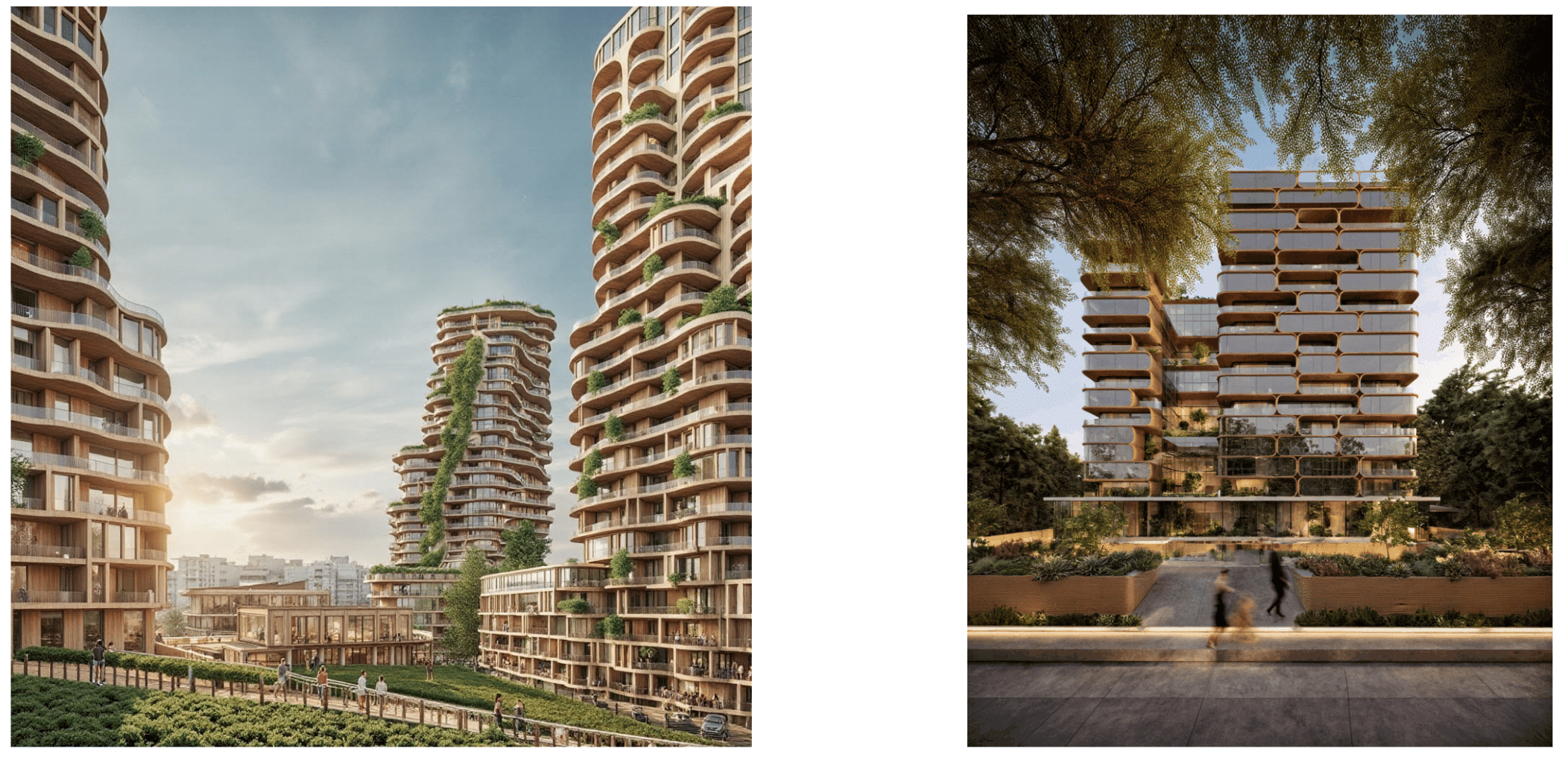
Parasyte – MaCAD 2025-26 Studio, by students Aymeric Brouez, Matea Pinjusic, Francesco Visconti Prasca and lennart Hamm. NeoCapsules – MaCAD Studio 2025-26 Anzhelika Ignateva, Leila Sheikhzadeh.

BUILDING RECIPES

The ACESD Studio, within the Master of Advanced Computation for Architecture and Design program at IAAC, focuses on the development of flexible parametric models, known as BUILDING RECIPES. These models adapt to different functional needs, allowing students to approach design intentionally, with the goal of achieving efficient and sustainable outcomes that transcend purely aesthetic considerations.

A distinctive aspect of this studio is its data-driven approach to informed design decisions. By integrating real-world data from the early stages of the process, designers can optimize their projects by evaluating their environmental impact, climate response, and structural performance.

Throughout the course, students are trained in the use of key tools such as Grasshopper and Rhino for creating parametric models. These tools enable them to visualize and adjust design elements in real time, providing immediate feedback on how each variable influences the overall design.

Ultimately, the ACESD Studio emphasizes the importance of mastering the principles of parametric design to develop flexible architectural solutions with criteria and responsibility. In an increasingly automated world, it is crucial that designers understand both the possibilities and limitations of parametric architecture in order to bring a critical perspective that challenges the immediacy of results offered by the advanced technologies at our disposal.

Learning Objectives

During the course students will: 

  • Develop parametric / combinatorial models adaptable to design requirements.
  • Integrate environmental and structural performance data into early-stage design.
  • Apply data-driven approaches to optimise building efficiency and sustainability.
  • Enhance decision-making skills through informed, data-supported design processes
  • Use computational tools like Grasshopper and Rhino for real-time design exploration.
  • Use plugins WASP and Monoceros to apply bottom-up rule-based design strategies
  • Understand part-to-whole relationships 
  • Create synthetic design datasets

BUILDING RECIPES · PARAMETRIC MODELS · DATA-DRIVEN DESIGN · SUSTAINABILITY · OPTIMIZATION · GRASSHOPPER · COMBINATORIAL · AGGREGATION



Faculty


Faculty Assistants


Projects from this course

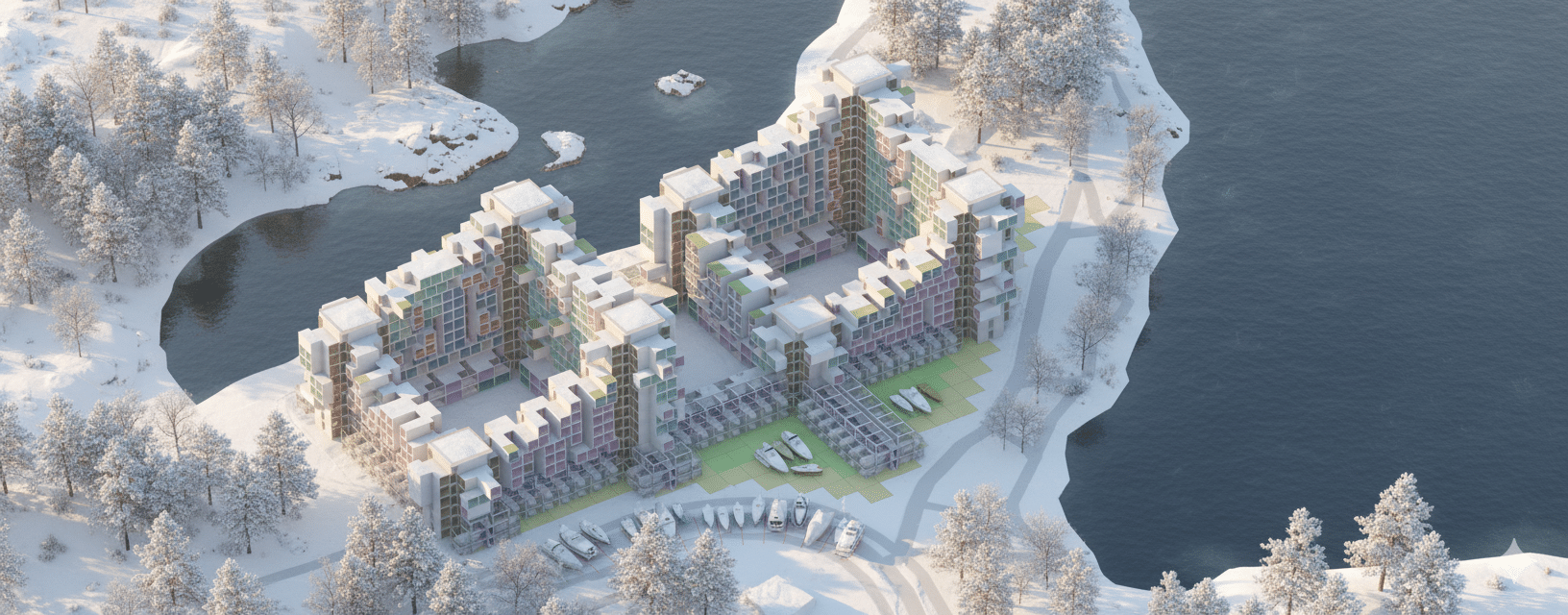
MERIHAUS – Sea Urban Escapes for Seasonal Living

The project explores a contemporary reinterpretation of Finnish cabins, combining seasonal water living, public wellness, and boating storage. The core idea is that small modular units — cabins, saunas and workspaces — can aggregate into larger urban and social systems. Helsinki has a harsh Nordic climate, with long winters ranging from –10°C to +25°C, high … Read more

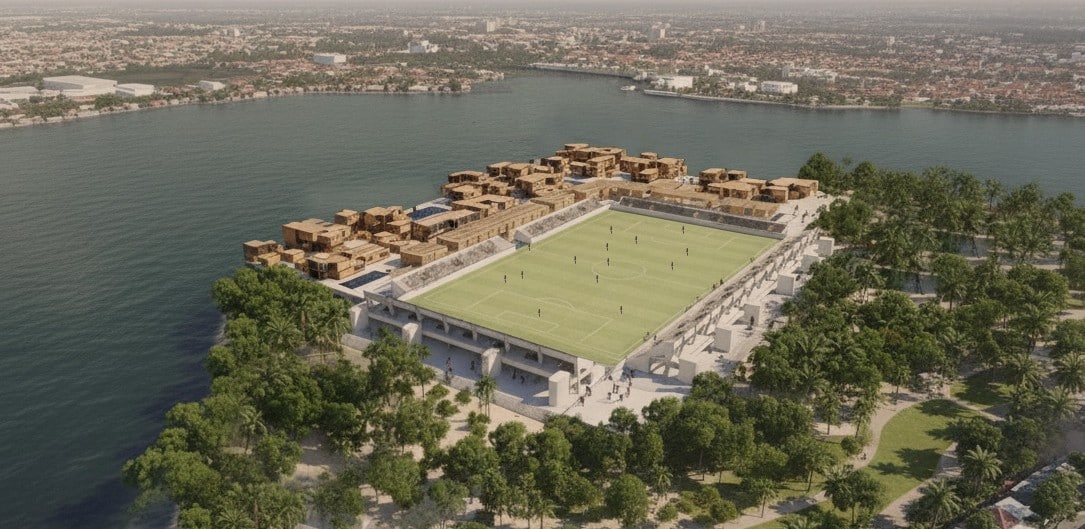
Floating Grounds-Rethinking Resilience in Jakarta

Introduction Floating Grounds proposes a flood-resilient urban model for Jakarta that merges housing, public programs, and a stadium into a single floating system. Instead of resisting water, the project accepts it as a permanent condition and uses it as an organizing element. The work explores how large-scale infrastructure can support community life while addressing land … Read more

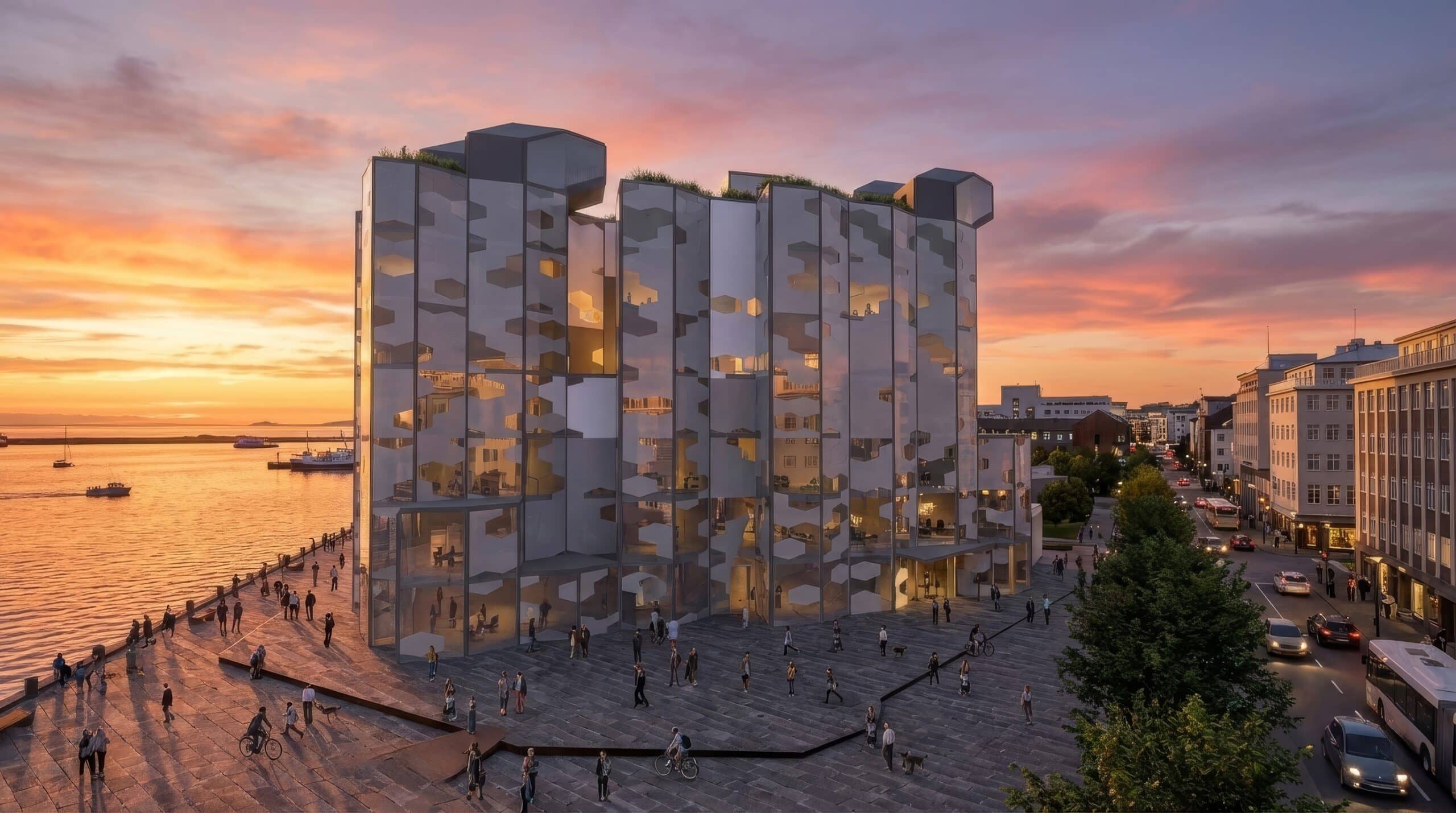
Tectonic Hub: Climate-Adaptive Recipe for Cultural Hubs in Reykjavik

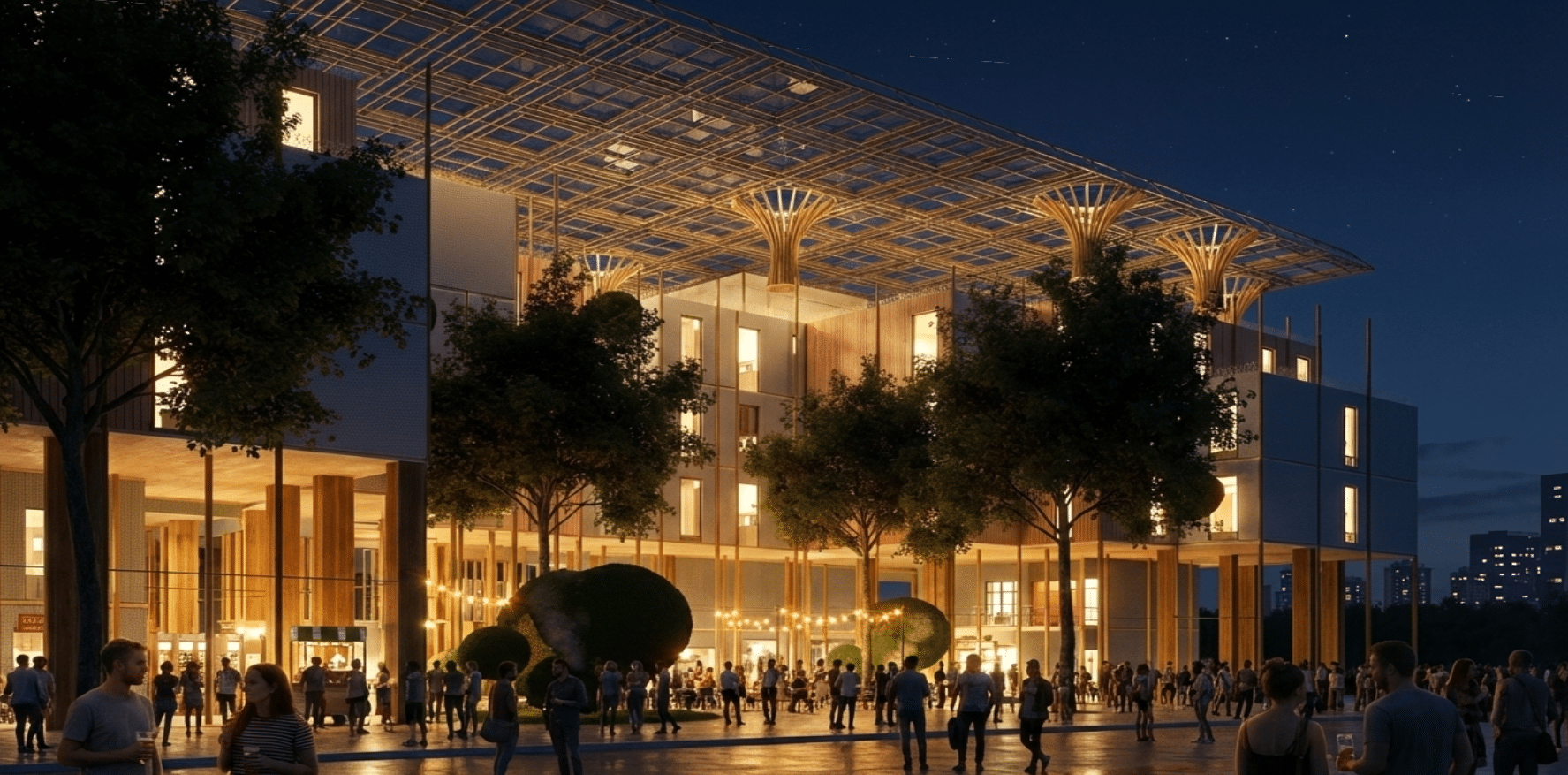
Ingredients Climate Reykjavík’s climate shapes the entire project. The site is exposed to strong, multi-directional winds reaching 27 m/s, with a prevailing direction around 135°. Daylight conditions are equally extreme, shifting from long summer days to very short winter ones. The system therefore needs to adapt, protect, and still create comfortable public spaces. Form Our formal … Read more

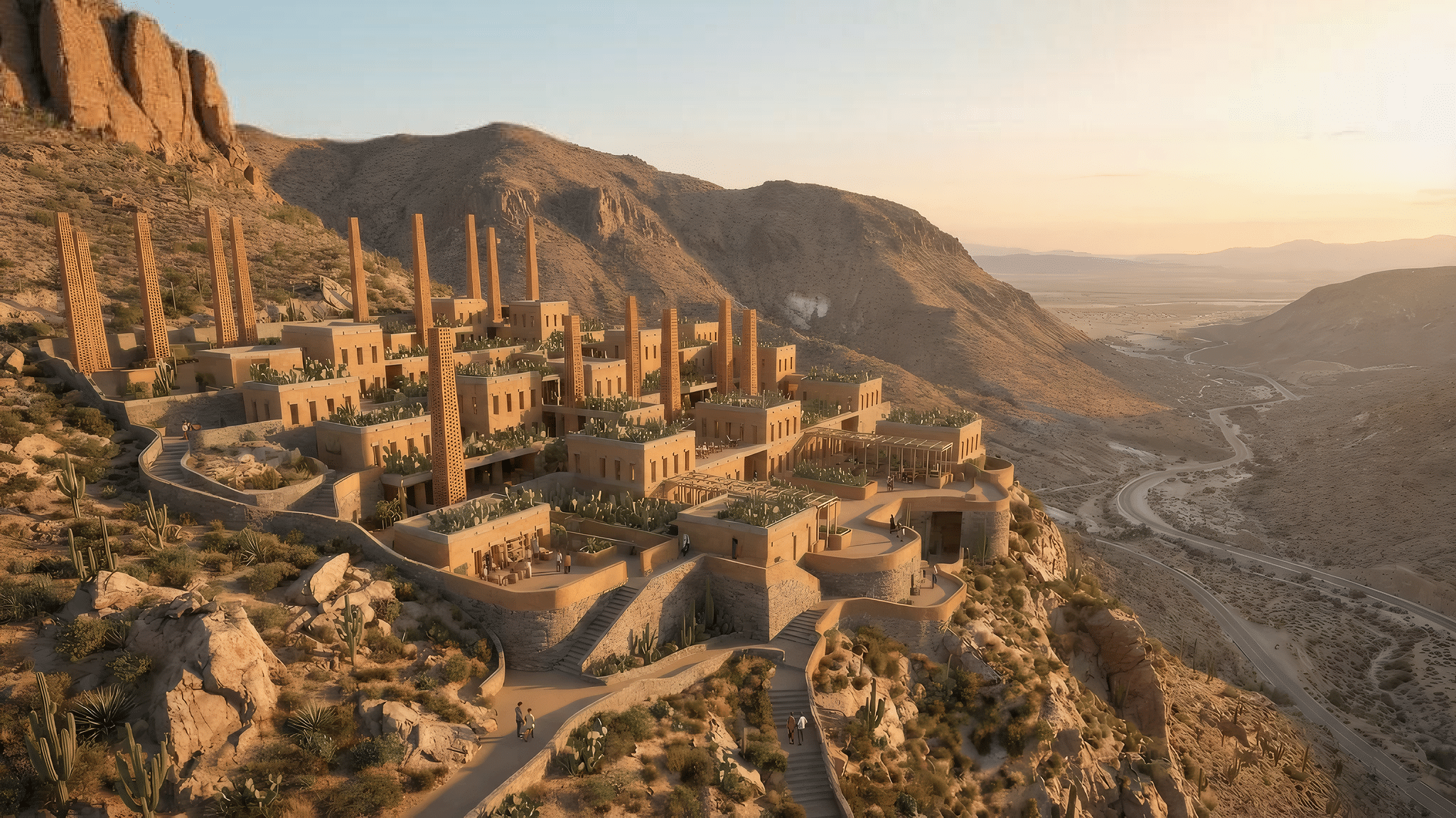
Geomorphing Terrascape: Dignifying Informal Praxis at Chihuahua, México

“Terrascape does not impose an external order; it encodes the survival logic of the Mexican informal ‘barrio’ to transform it into a dignified, resilient, and dynamic housing system.“ The Geometry of Necessity In the rugged topography of Chihuahua, Mexico, the “Barrio” is not just a residential zone; it is a morphological catalyst. It embodies a … Read more

A Breath in the Frost

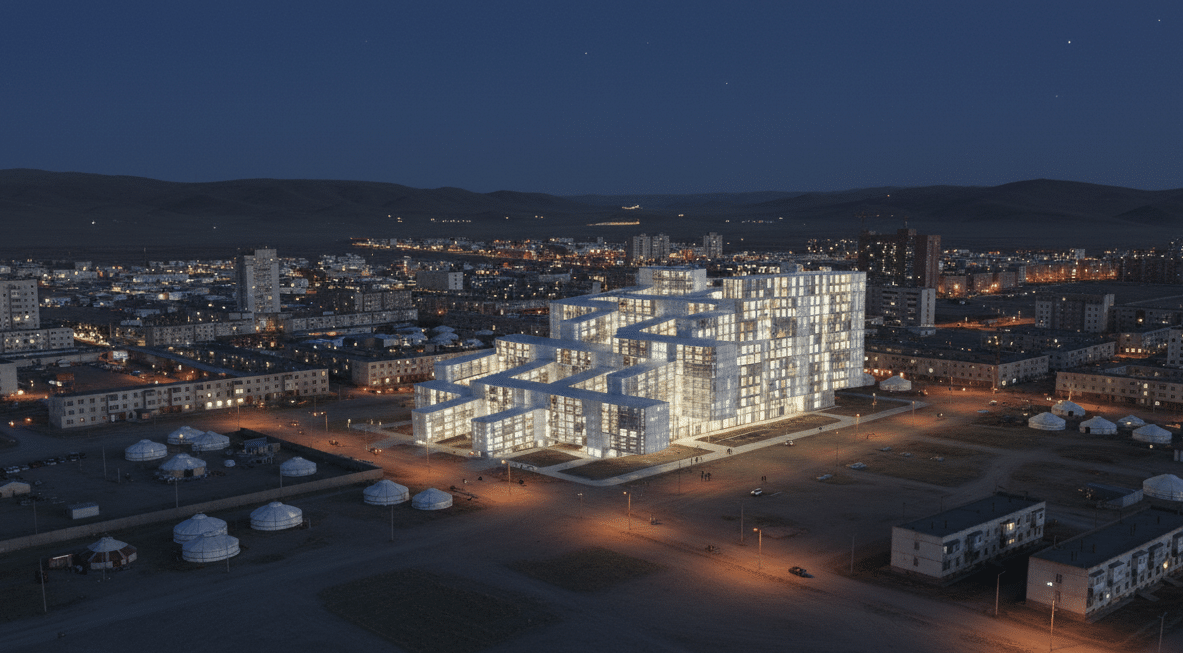
A Porous Fortress for Dignity Housing at -35°C in Ulaanbaatar, Mongolia A Breath in the Frost presents a computational housing system designed for Ulaanbaatar, where winter conditions can reach −35°C and air quality becomes critical during the cold season. Instead of proposing a single fixed building, the project develops an adaptive framework: a discrete aggregation … Read more

Monsoon Nest: Living Between Flood and Sky

Monsoon Nest is a modular housing proposal for Bangkok that responds to monsoon rainfall, flooding, and high-density urban conditions. The project explores adaptable modules, elevated structures, and passive climate strategies to create resilient, community-oriented living environments in a tropical context. The design of Monsoon Nest is informed by four primary parameters: contextual environmental data, parametric … Read more

THE HARBIN CODE

“The Harbin Code“, designed by Muhammed Senin and Sushmitha Ravi, explores housing as a system-driven response to extreme cold climates. The project treats environmental performance, social interaction, and spatial flexibility as equally important design parameters, and is structured as a ‘building recipe’ that allows repeatable yet adaptable outcomes across the site. BUILDING RECIEP DESIGN STRATEGY … Read more

Aerialis

Aeralis is a climate-responsive Tech Hub composed of modular, porous blocks and patios, designed to enhance ventilation comfort. It is a project based on the winds of Cordoba, Argentina. The project aims to integrate the climatic challenges into architectural design. In doing so, designing a coherent structure with the climate and the site. For this, … Read more

The Huddle: Wind-adaptive Research Hub in Punta Arenas, Chile

We explored a wind-adaptive research & education hub with expedition basecamp using WASP in Punta Arenas, Chile, one of the southernmost cities in the world; defined by a cold, humid, and relentlessly windy subpolar climate. Plots Its position provides immediate access to navigation routes, making it an ideal departure point for expeditions toward nearby islands … Read more

Morphing Sands

Morphing Sands is a climate-responsive mixed-use architectural system developed for Jeddah, Saudi Arabia, addressing urban densification in a hot–humid coastal environment. Inspired by the historic fabric of Al-Balad, the project reinterprets Hijazi principles—such as courtyards, shaded streets, and layered façades—through a modular and computational design approach. The project organizes commercial functions horizontally at the lower … Read more