Syllabus

The studio class will be structured into three main parts, each focusing on developing specific skill sets in symbiosis with the concurrent Software and Hardware classes.  During the first term, students will be encouraged to develop physical work, both analogue (using their hand!) and robotic. 

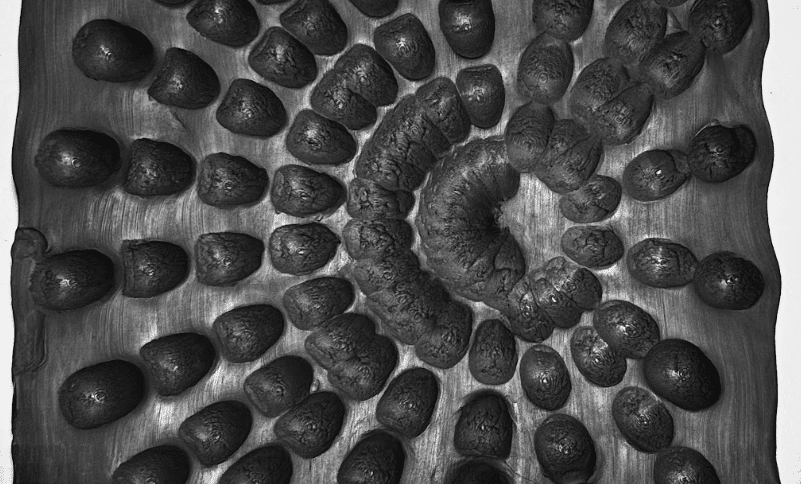
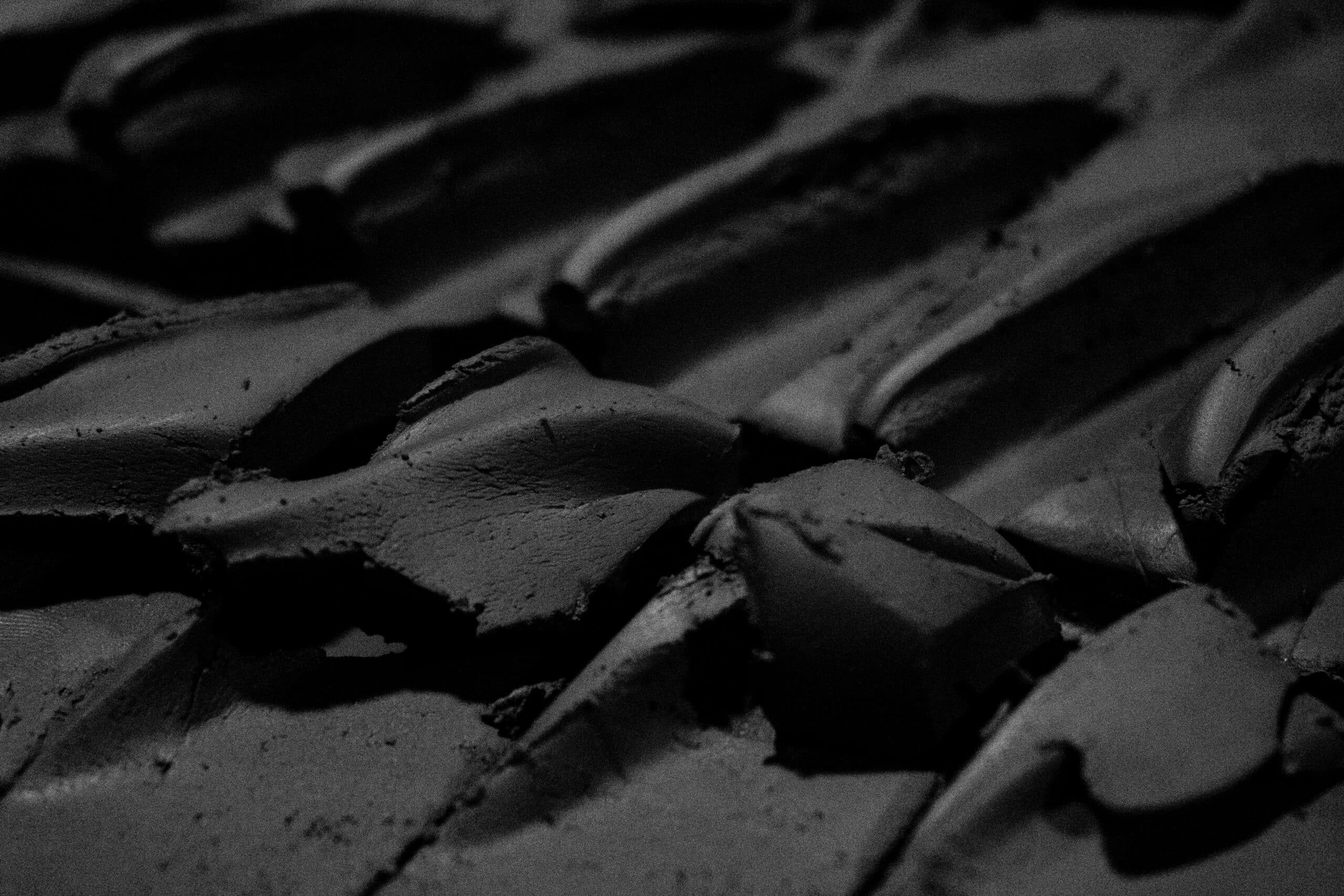
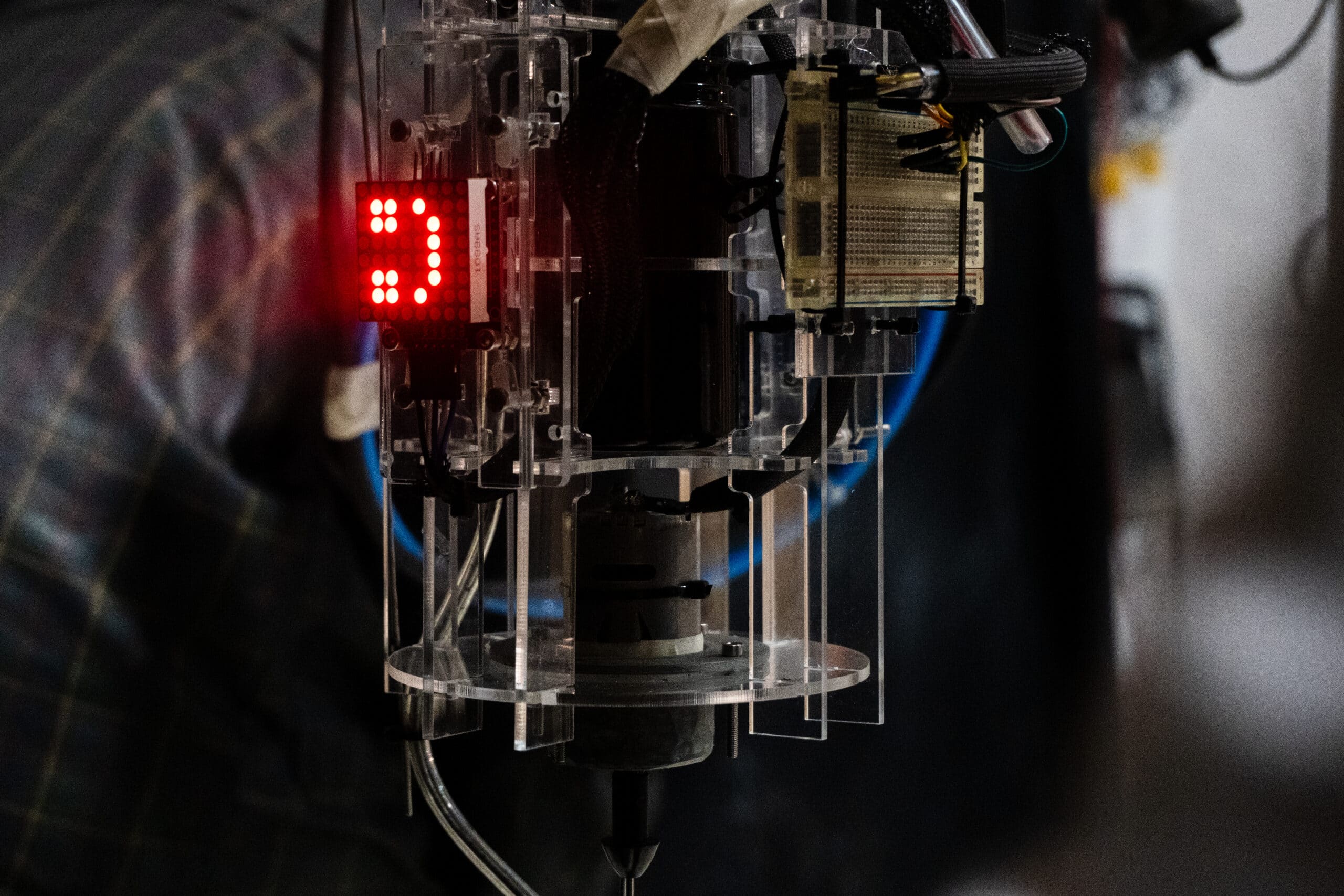
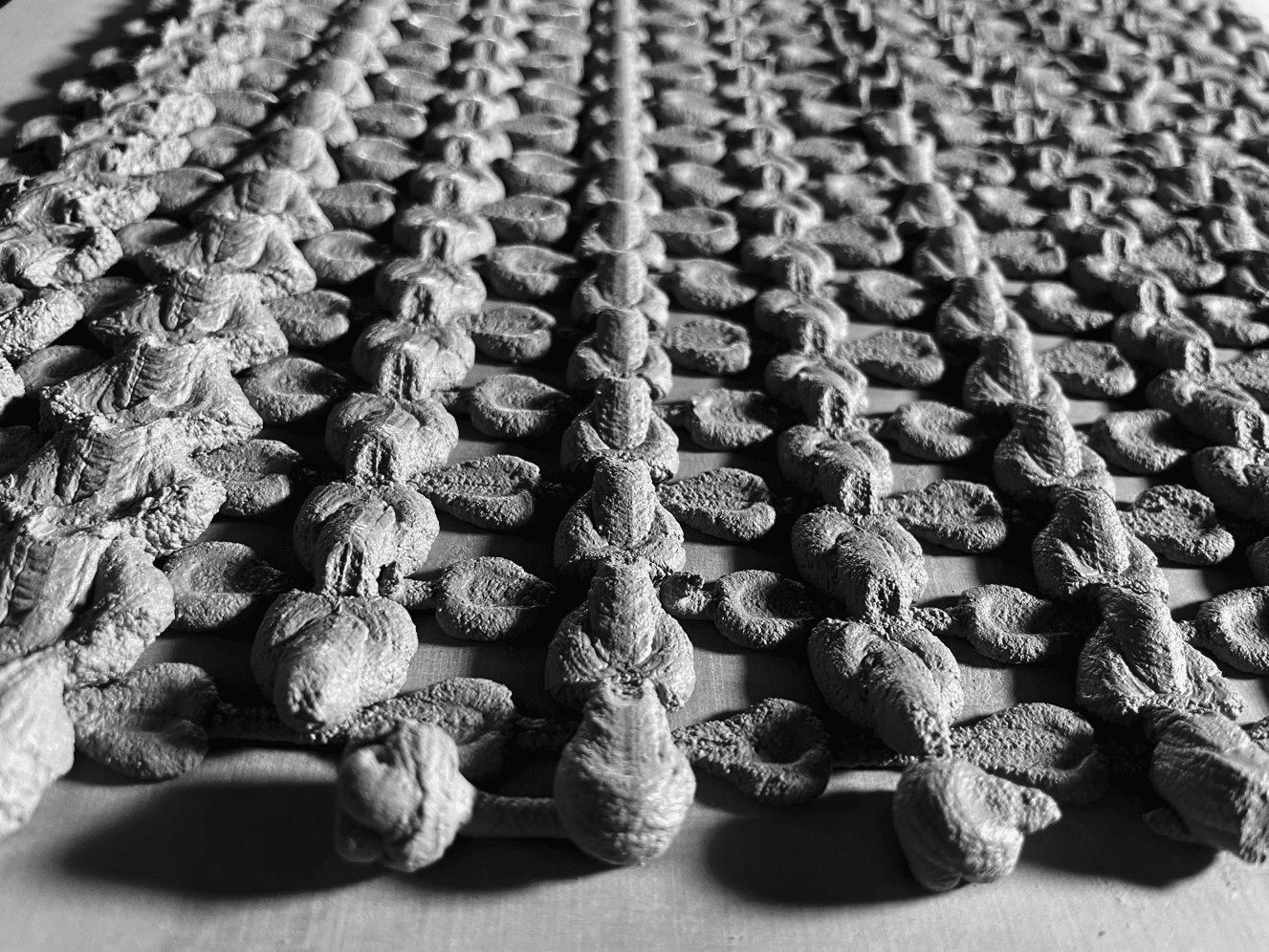
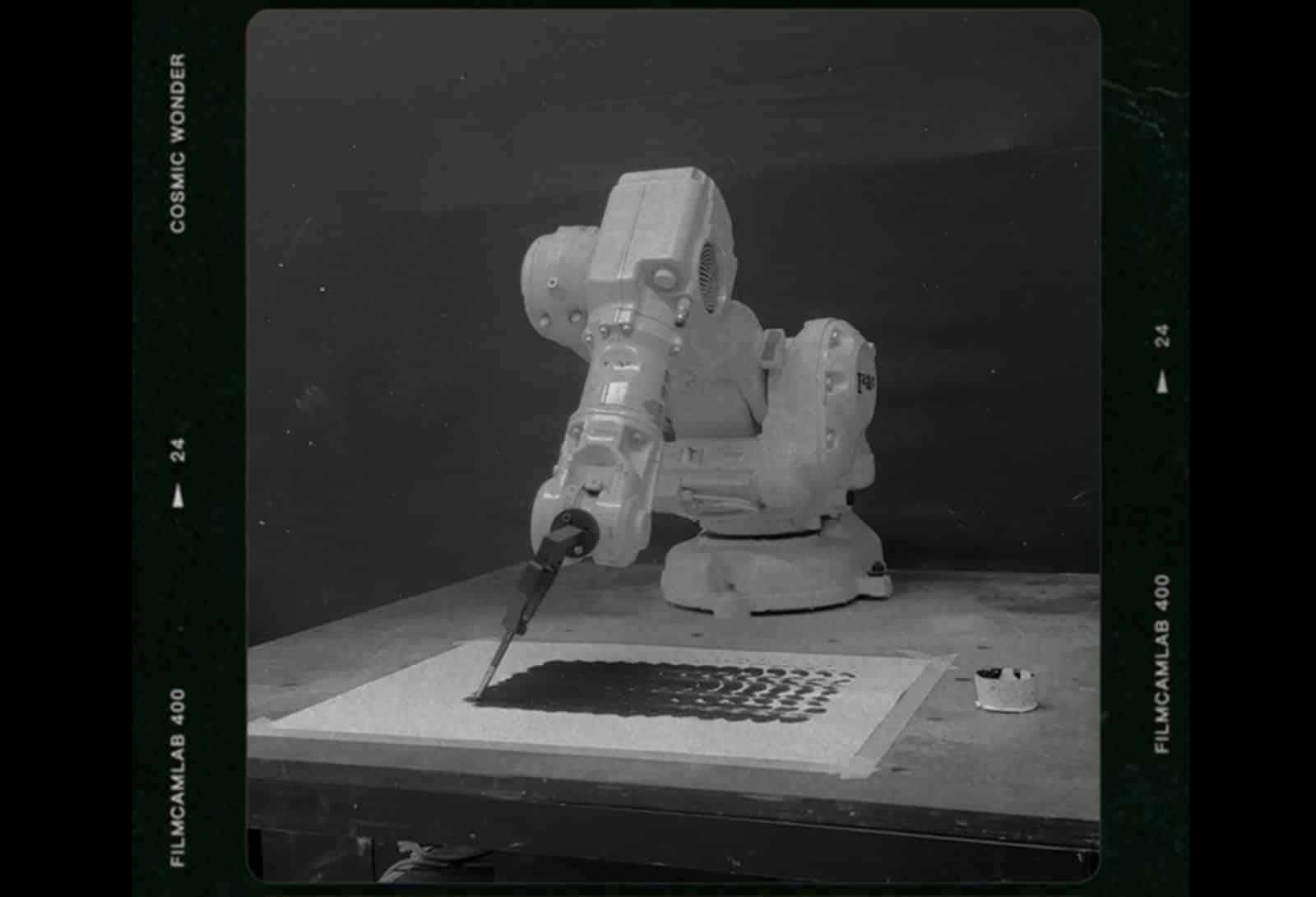
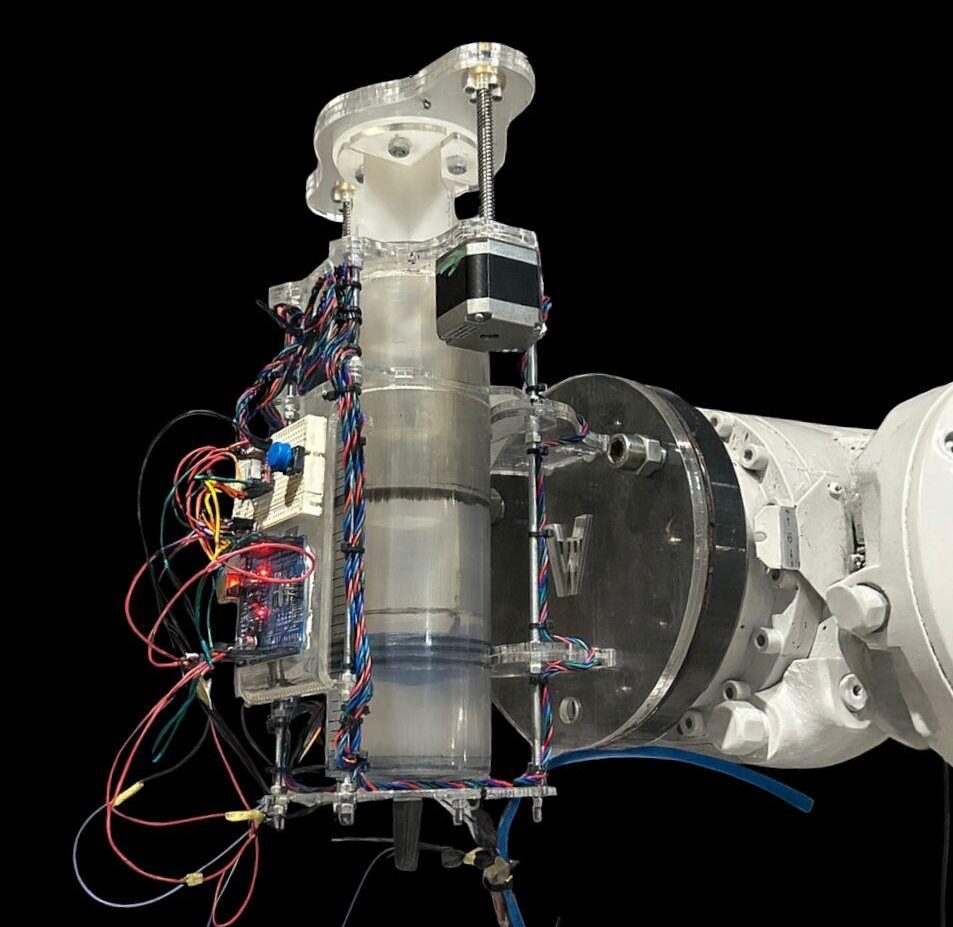
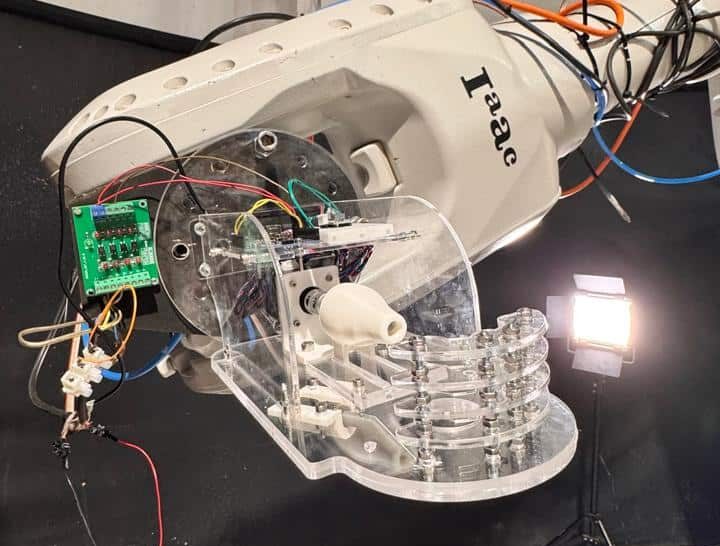
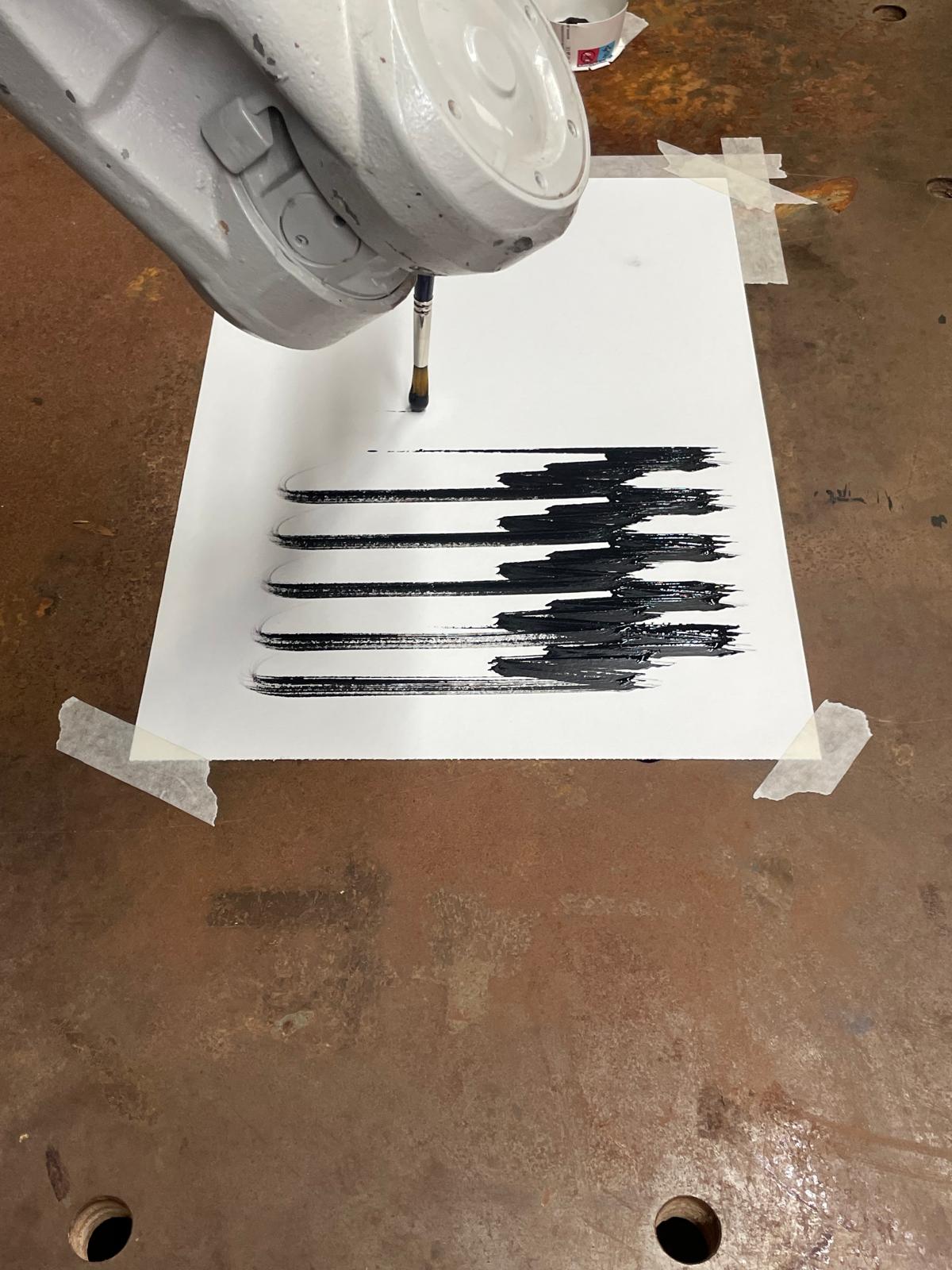
The 3 successive exercises – described in detail below – introduce different ideas and skill sets. During the first phase, you will use a paint brush mounted on the small ABB robots to automate a movement and leave a stroke of acrylic paint on a paper canvas.  During the second phase we will make another acrylic painting, this time by spilling paint on a larger canvas. We will do this by designing and making our own tool, adapted to the robot in order to deploy the paint. In the third phase, we will work on the 3-dimensional shaping of black clay using both existing and invented tools, observing material behaviour and the numerous manipulations one can robotically apply onto a soft pasteous material. 

The group’s configuration will change during every phase for students to get to know each other and enable a fresh start at each phase and next term! The outcome of the three phases will be used to organise small internal exhibitions. Moreover, you will be asked to document your work very thoroughly, using drawing and photography. And lastly, special attention will be given to filmmaking and photography, in order to capture moments and times and movements of your numerous experiments.


Faculty


Faculty Assistants


Projects from this course

Anatomy of a Machine – SPILL

In the second exercise of Anatomy of a Machine, our goal was to understand how a robot expresses itself through material behavior. Instead of carving or shaping solids, we explored how liquid material behaves when actuated, accelerated, and released through a controlled spraying mechanism. “Spill” became a study of force, viscosity, height, angle, and timing … Read more

Anatomy of a Machine: Spill

Over the past four weeks, we developed a project focused on designing and fabricating a custom-made end effector for a robotic arm, with the aim of producing a painting on a canvas using black acrylic paint. Unlike the first assignment, where the drawing tool was predefined, this time we were required to build our own … Read more

Anatomy of a Machine: Stroke

Initial drawing explorations Mapping Human Gesture to Robotic Logic Introduction The first assignment of Anatomy of a Machine explores a fundamental question:How can a robot reproduce something as subtle, intuitive and continuous as a human brushstroke? Before defining any toolpath, our goal was to momentarily step away from machines and instead observe our own hands … Read more

Anatomy of a Machine: Stroke

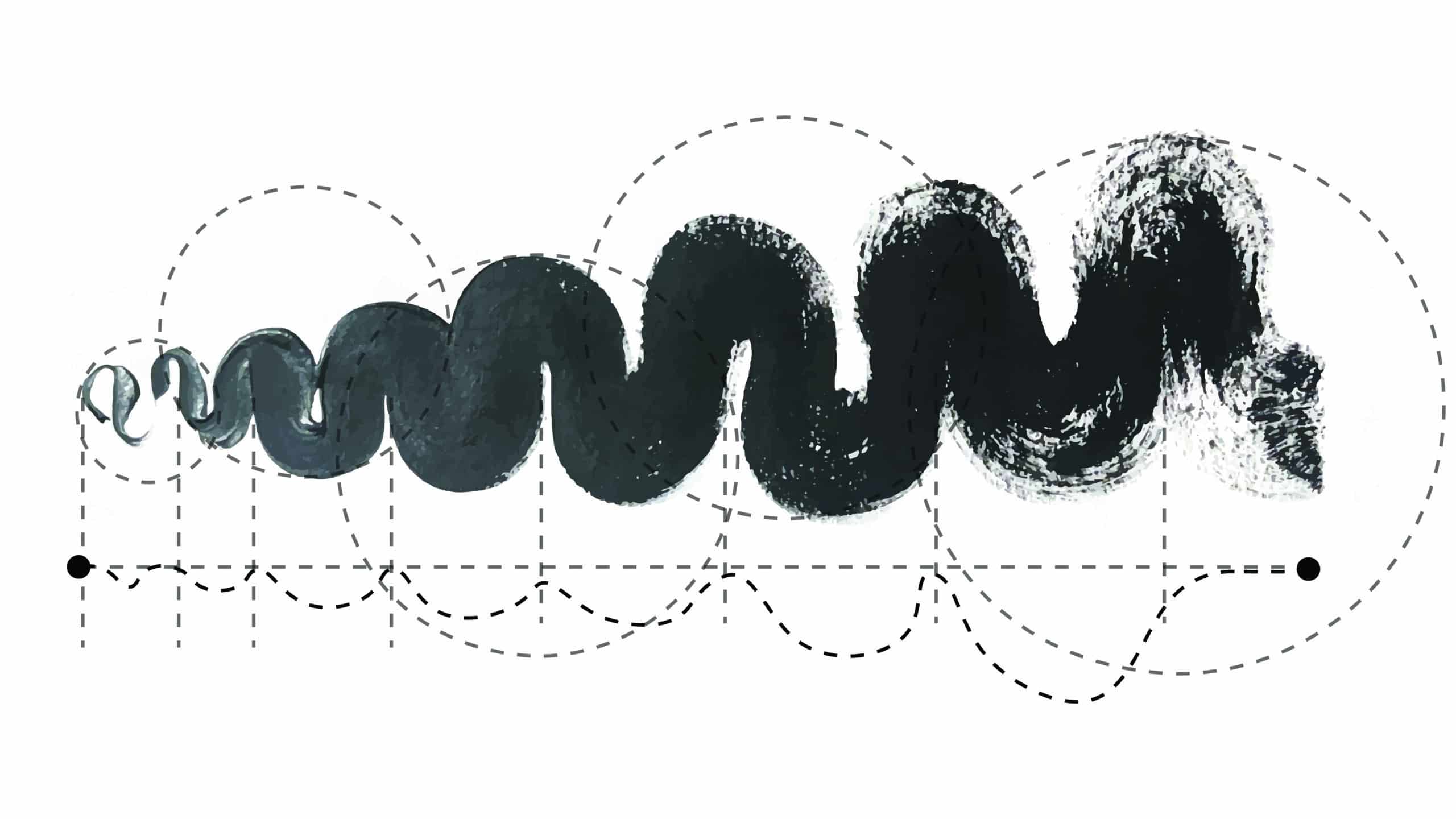
Introduction This project investigates the dialogue between human gesture and robotic motion through painting. Over three weeks, students study brush behavior, paint flow, and stroke dynamics, beginning manually and progressively translating gestures into robotic trajectories. The final outcome is an A2 robot-made painting, accompanied by a vectorial drawing and a 60-second video, reflecting the anatomy … Read more

Anatomy of a Machine: SPILL

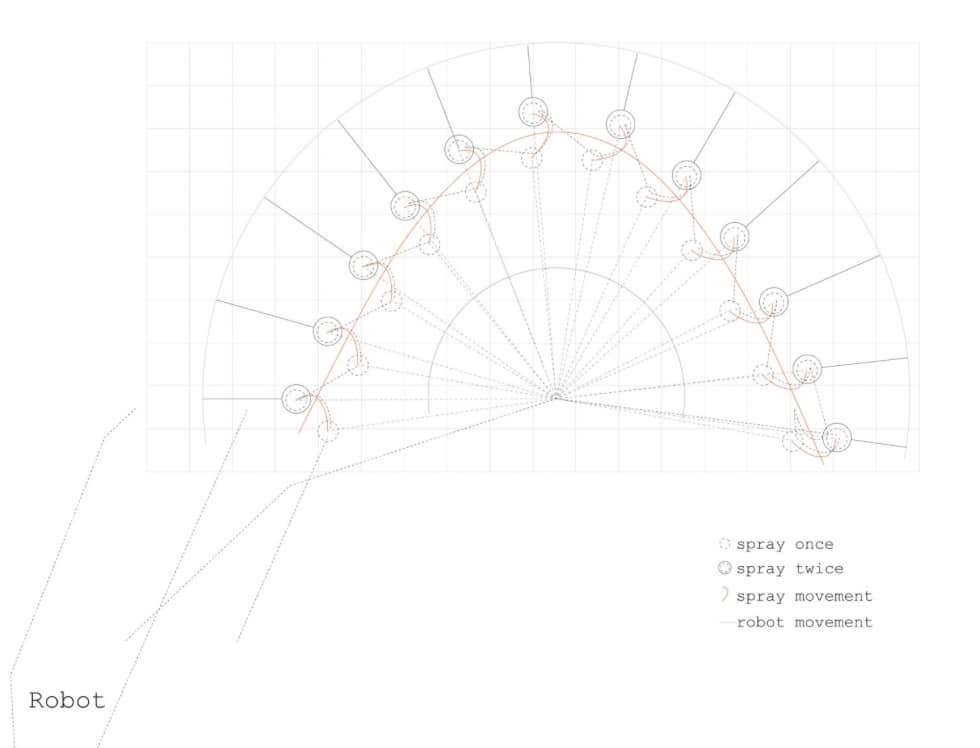
For our second studio task the aim was to further experiment painting with robots; this time extending what paintings could be achieved when a standard brush was replaced by a custom made ‘spilling’ end effector controlled by an Arduino Uno. This was set through the brief as: To explore and consider, how a tool might … Read more

Anatomy of a Machine: Stroke

Introduction The Anatomy of a Machine: Stroke project explores the dialogue between human and robotic motion through painting. Conducted during the first MRAC studio, the exercise investigates how the physical behavior of paint, brush, and hand movement can be translated into robotic articulation. Over three weeks, we studied the anatomy of a brushstroke — first … Read more