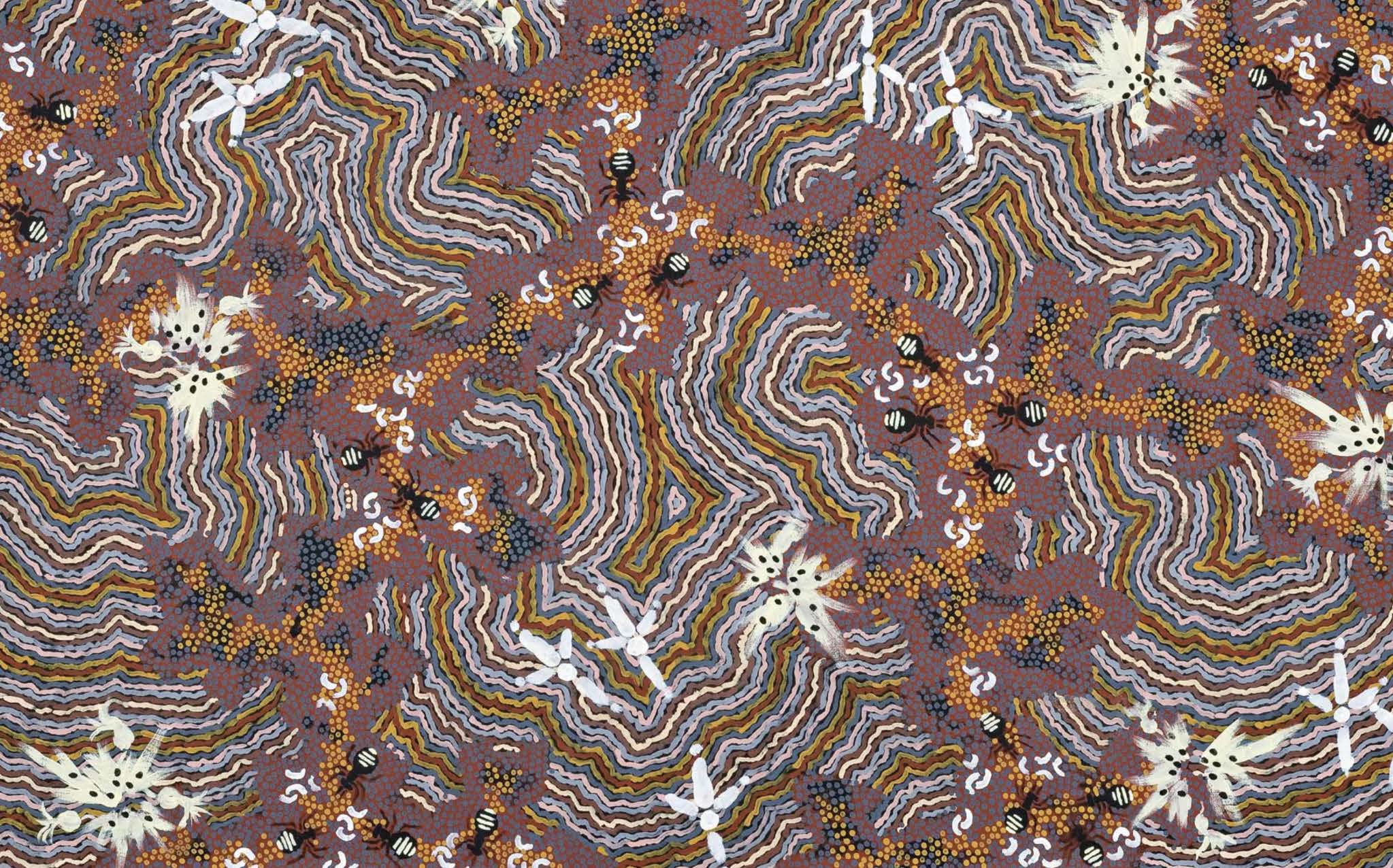
Credits: Mapping the Dreaming — Contemporary Indigenous Australian art that understands mapping as a living practice, where territory, memory, ancestry, and knowledge are inseparable.
This seminar examines how the knowledge used to produce cities is shaped by epistemological hierarchies and power relations embedded in planning practices, architectural discourse, and data-driven methodologies. Cities, as long-standing collective human projects, have continuously transformed alongside political systems, economic models, and technological tools. In the contemporary context, these transformations are increasingly influenced by social inequality, ecological crisis, migration, extractive economies, and the persistence of colonial power structures within spatial practices.
Urban planning, and data analytics are commonly framed as technical and objective instruments. This seminar challenges that assumption by treating them as practices that actively construct urban reality. Maps, datasets, models, and visualizations do not merely represent the city, they shape what becomes visible, measurable, governable, and imaginable. Urbanism is therefore approached as an epistemological practice, producing specific forms of knowledge about territory with clear political, cultural, and material consequences.
- Foundations → How urban knowledge is constructed, legitimized, and transmitted
- The first part of the seminar examines urbanism beyond its role as a technical practice of design and construction, approaching it as a field that encompasses a broad set of conceptual and analytical tools. These include theoretical, cultural, historical, social, philosophical, and scientific forms of knowledge that ground architectural and urban practices. This part focuses on investigating the foundations of urbanism in order to develop new perspectives on urban space and expand the possibilities for intervention. In doing so, it establishes the conceptual basis for critically analysing the relationship between territory and its inhabitants, and how this relationship shapes the built environment.
- Methodologies → How methodologies, techniques, and technologies operate as political platforms
- The second part of the seminar focuses on methodologies used in urban projects and planning processes. It examines how techniques and technologies are selected and applied, and how these choices influence urban decision-making. This part supports a critical understanding of methodologies as political platforms that embed social, environmental, and cultural assumptions and shape how urban interventions are developed and sustained.
- Poetics → How symbols, narratives, and imaginaries shape urban experience and futures
- The third part of the seminar examines how symbols, narratives, and imaginaries contribute to the production and experience of urban space. It focuses on how cultural expressions such as art, cinema, and popular culture shape perceptions of the city and influence urban imaginaries. This part supports an understanding of urbanism as a practice that is also shaped by symbolic, narrative, and affective dimensions.
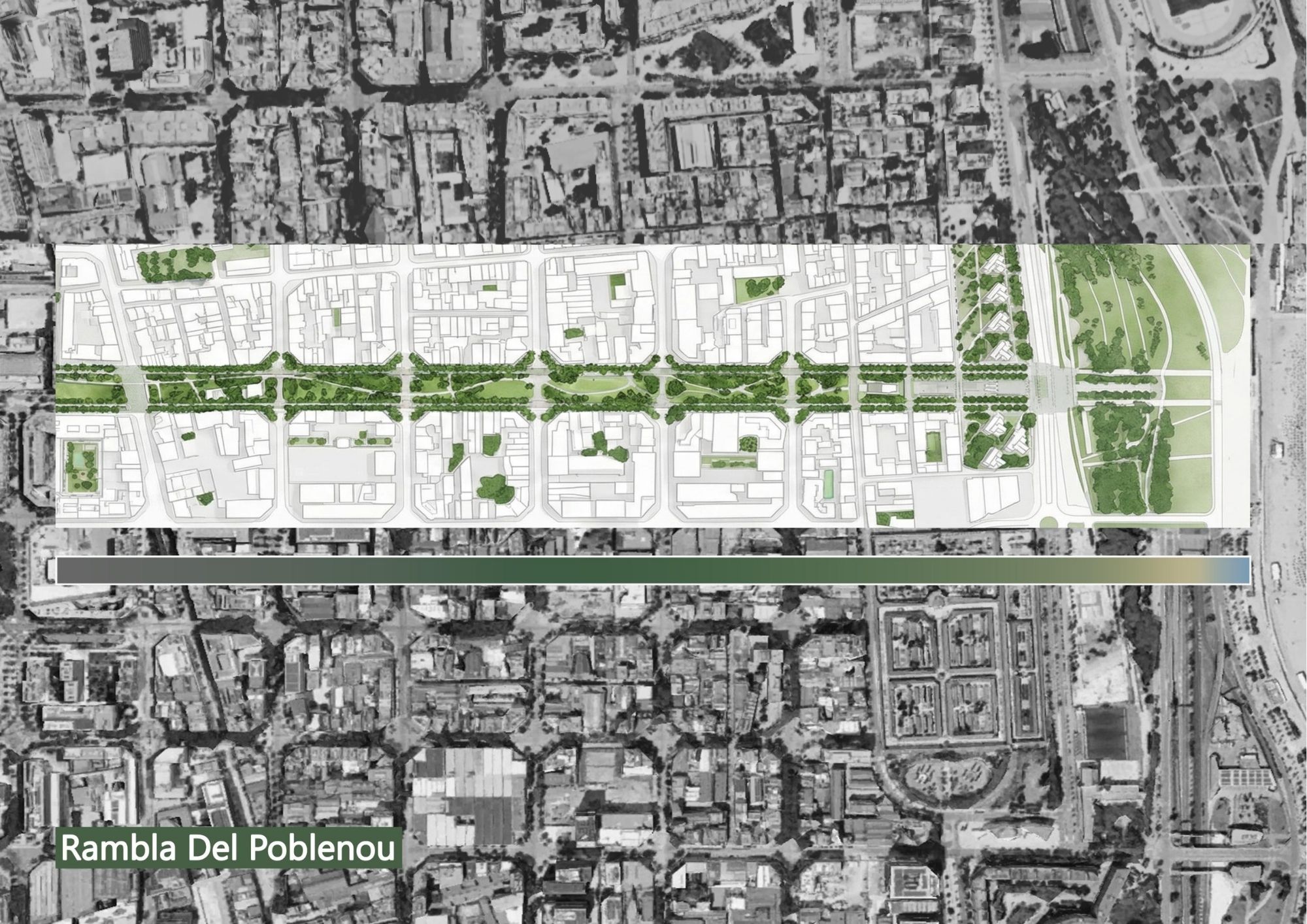
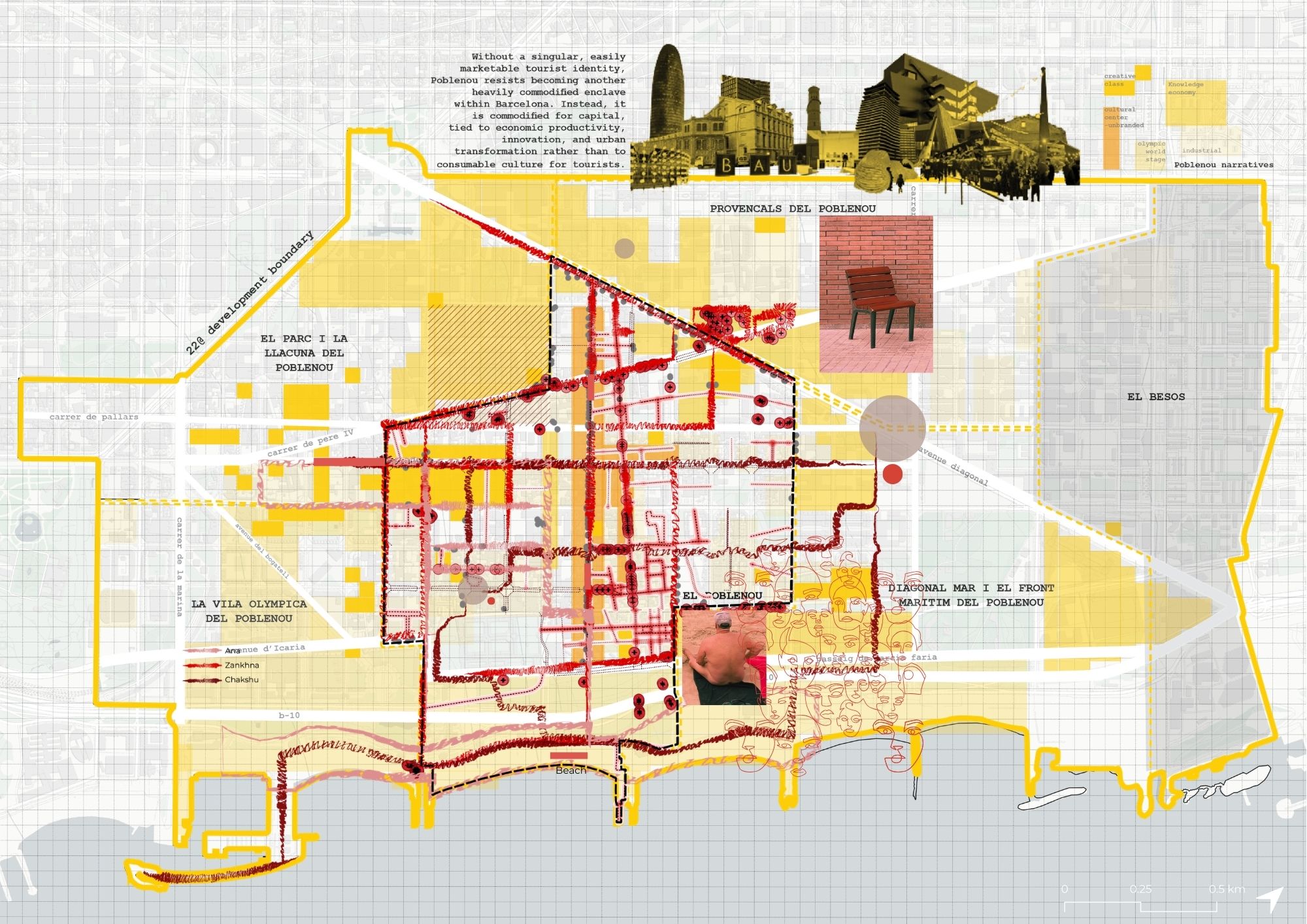
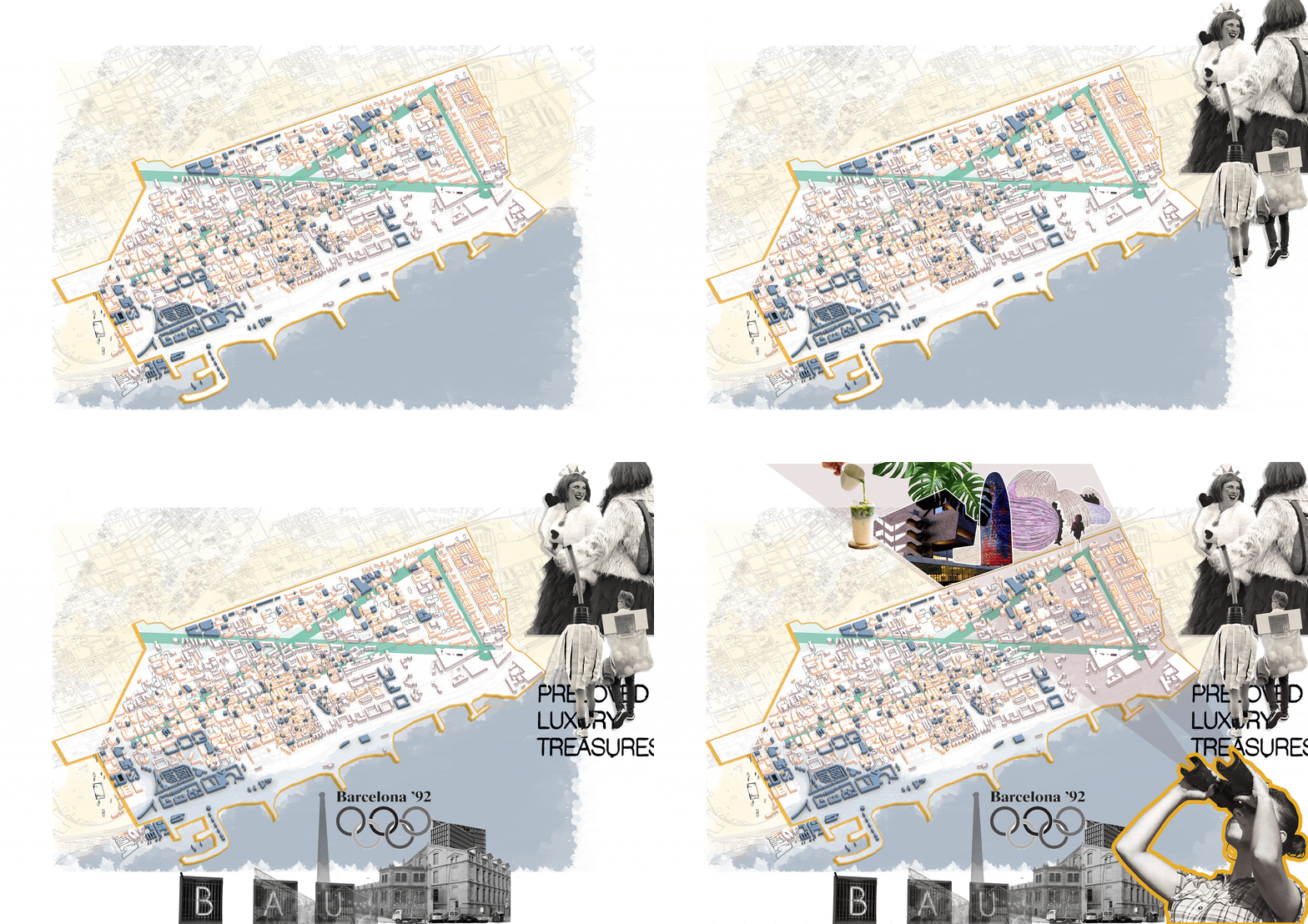
The seminar culminates in a collective cartographic project in which distinct analytical layers, such as lived experience, invisible economies, ecological processes, or urban imaginaries, are assembled into a shared spatial representation. The final output brings multiple readings of the same territory into dialogue, enabling an understanding of the city not as a stable object but as a dynamic and contested space shaped by different forms of knowledge and experience. Throughout this process, the three seminar structures function not as project phases but as lenses of inquiry through which students position themselves critically in relation to urban planning, data, and power.
Learning Objectives
At course completion the student will:
- Critically analyze how urban knowledge is produced through data, mapping, and representation
- Understand urbanism as political and epistemological tools
- Develop situated, non-neutral mapping strategies informed by social, cultural, and ecological contexts
- Experiment with cartographic and non-cartographic methods (images, video, diagrams, narratives)
- Produce a coherent analytical layer that contributes to a collective spatial reading