It seems we can’t find what you’re looking for. Perhaps searching can help.
Within the current global context of rapid change, integrated with the potentials of digital technologies, IAAC’s Master in Advanced Architecture (MAA) is committed to the generation of new ideas and applications for Urban Design, Self Sufficiency, Digital Manufacturing Techniques and Advanced Interaction.
In this context IAAC works with a multidisciplinary approach, facing the challenges posed by our environment and the future development of cities, architecture and buildings, through a virtuous combination of technology, biology, computational design, digital and robotic fabrication, pushing innovation beyond the boundaries of a more traditional architectural approach.
Course: MAA02 25/26 Algorithmic Design in Architecture II
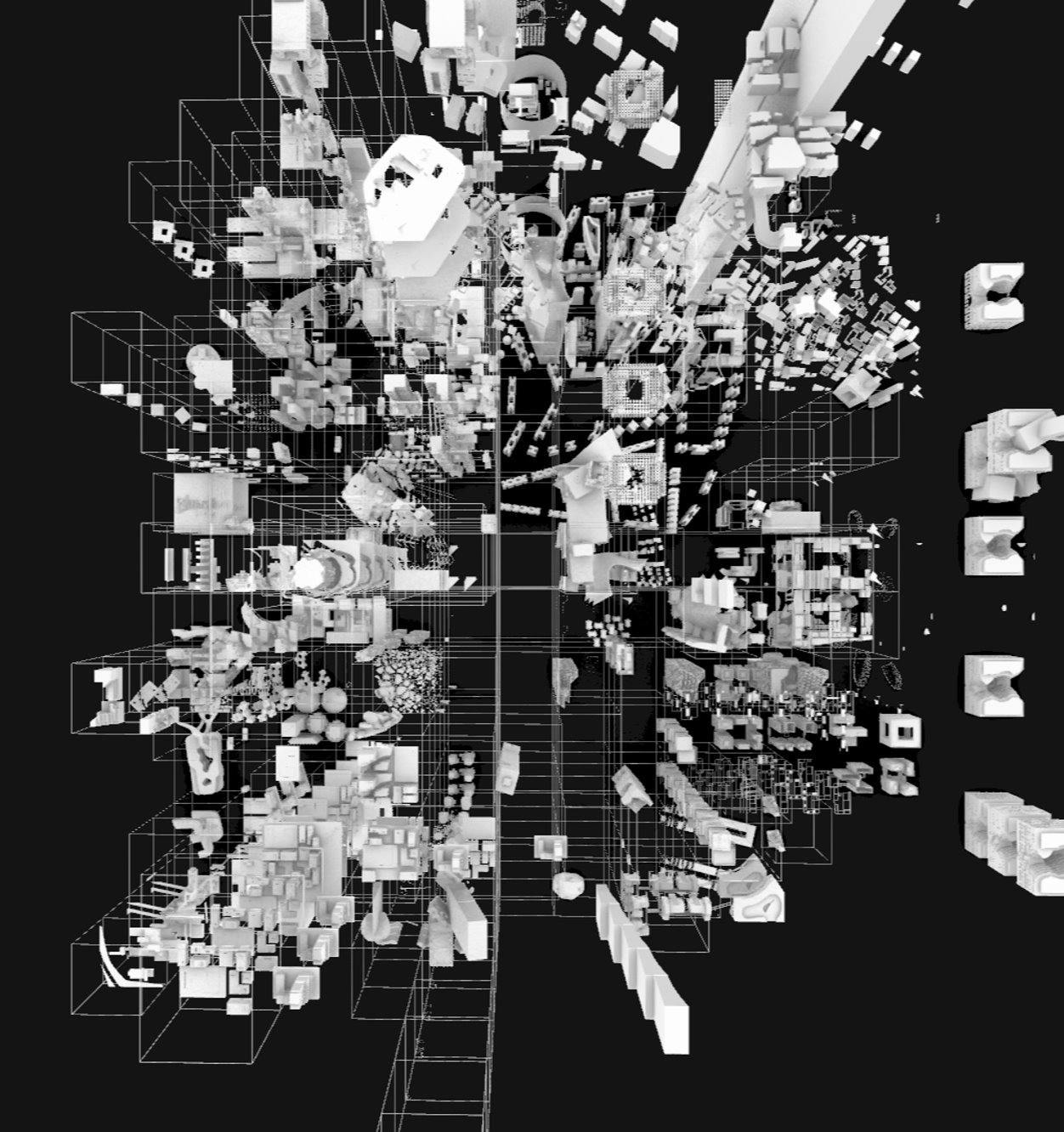
Credits: Latent Studio by Alberto Carronovo
Intro Description & Structure
In an increasingly digitised world, the integration of parametric and data-driven design at various scales within the built environment is no longer optional but essential. This thesis cluster brings together research themes that explore the transformative role of computational design and data-informed methodologies in shaping the AEC industry.
While digital tools and processes are advancing rapidly, it is vital to examine their frameworks, workflows, and implications in architecture—the design and materialisation of human-made spaces. Students will propose and investigate how parametric and data-driven approaches can offer innovative solutions to contemporary challenges in the built environment.
Research may involve collecting, analysing, or generating extensive datasets to inform predictive models and optimise design outcomes. By leveraging parametric design and computational techniques, students can explore new ways to enhance architectural creativity, improve spatial performance, and address complex design requirements.
The thesis projects in this cluster aim to develop cutting-edge parametric processes and data-driven strategies for design exploration and optimization, leading to greater efficiency, adaptability, and responsiveness in the built environment.
view Syllabus & FacultyYears
Term
Course
Tag
Nothing Found