Within the current global context of rapid change, integrated with the potentials of digital technologies, IAAC’s Master in Advanced Architecture (MAA) is committed to the generation of new ideas and applications for Urban Design, Self Sufficiency, Digital Manufacturing Techniques and Advanced Interaction.

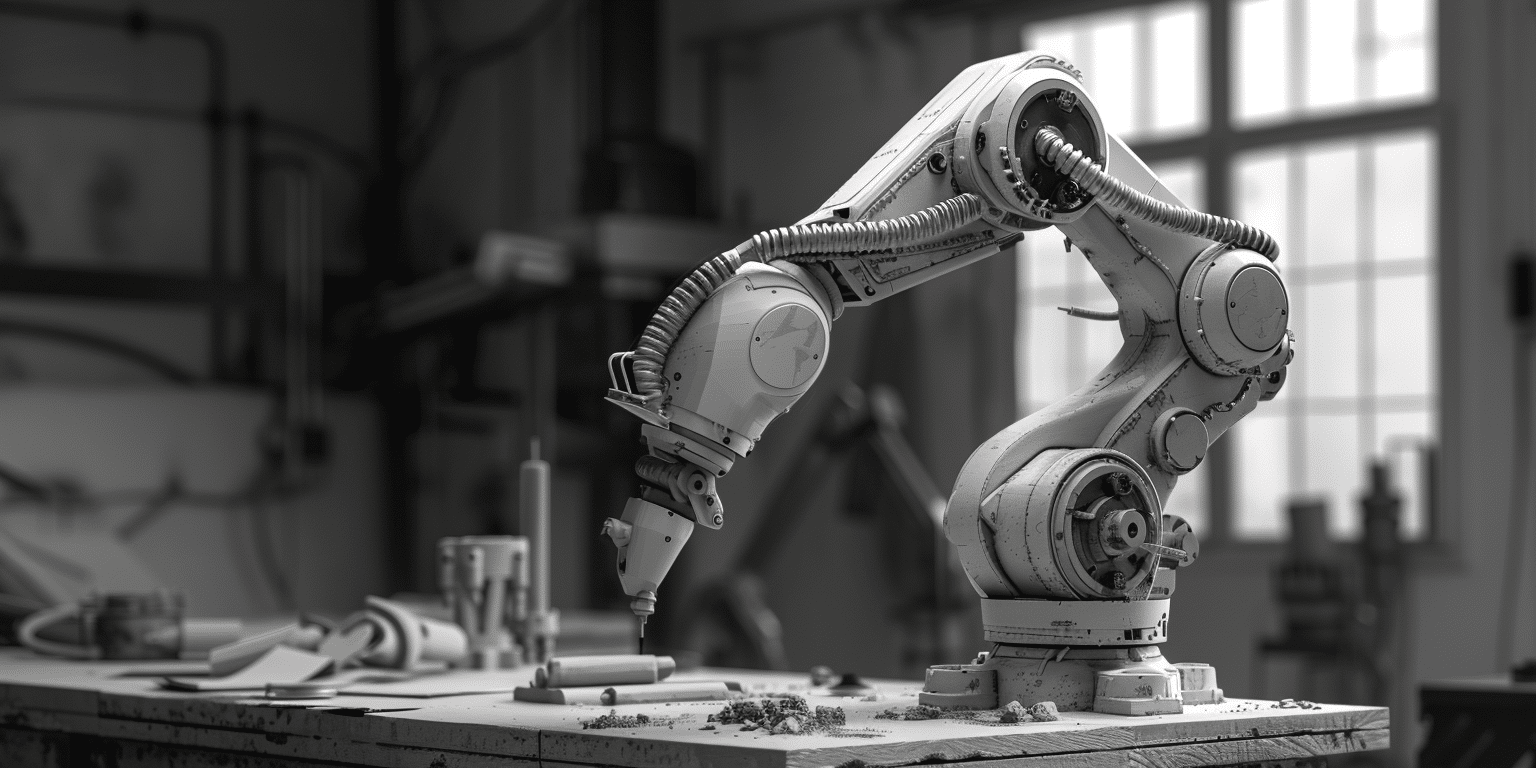
In this context IAAC works with a multidisciplinary approach, facing the challenges posed by our environment and the future development of cities, architecture and buildings, through a virtuous combination of technology, biology, computational design, digital and robotic fabrication, pushing innovation beyond the boundaries of a more traditional architectural approach.

Filters
Course

Ecosystem Services in Lisbon
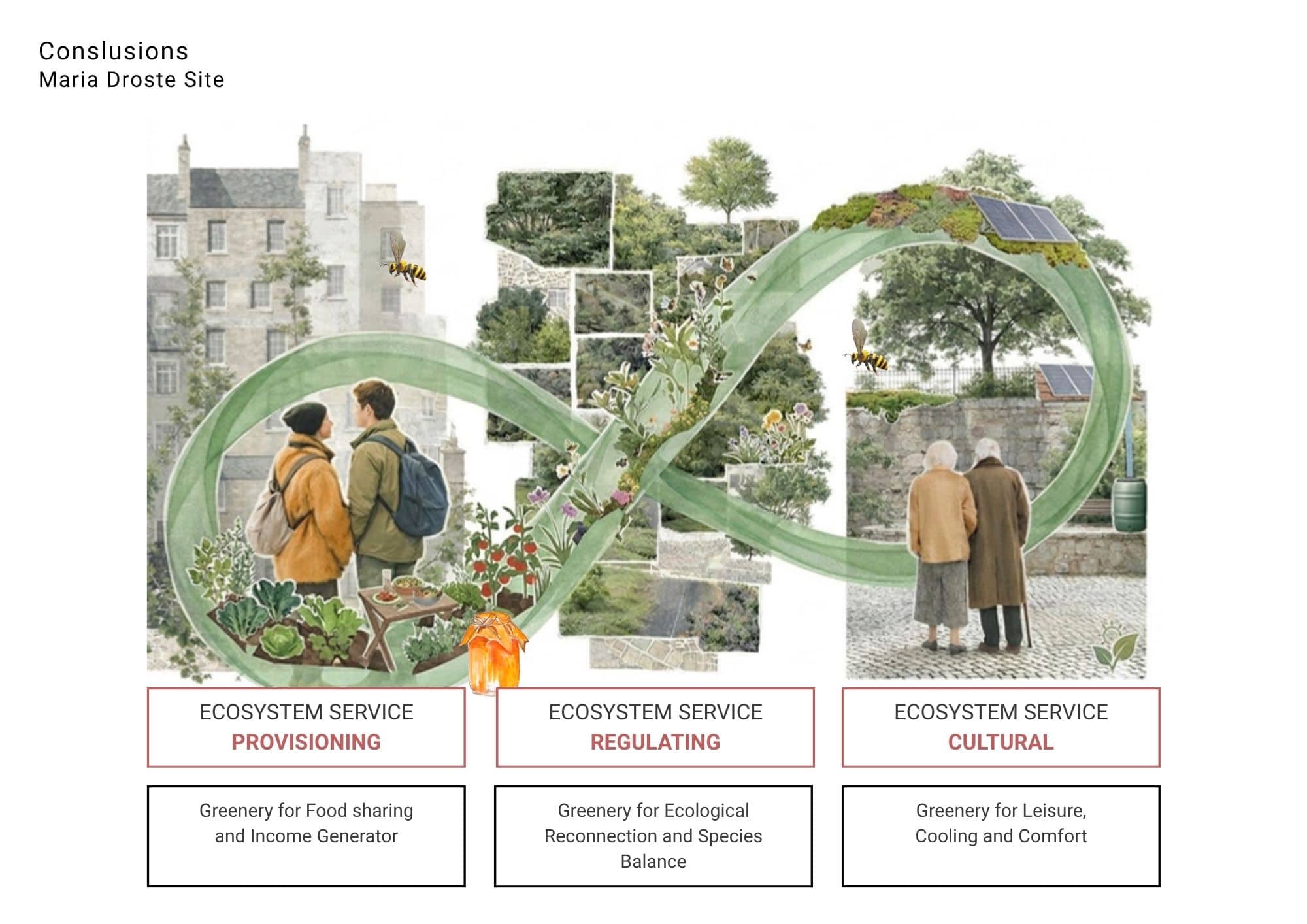
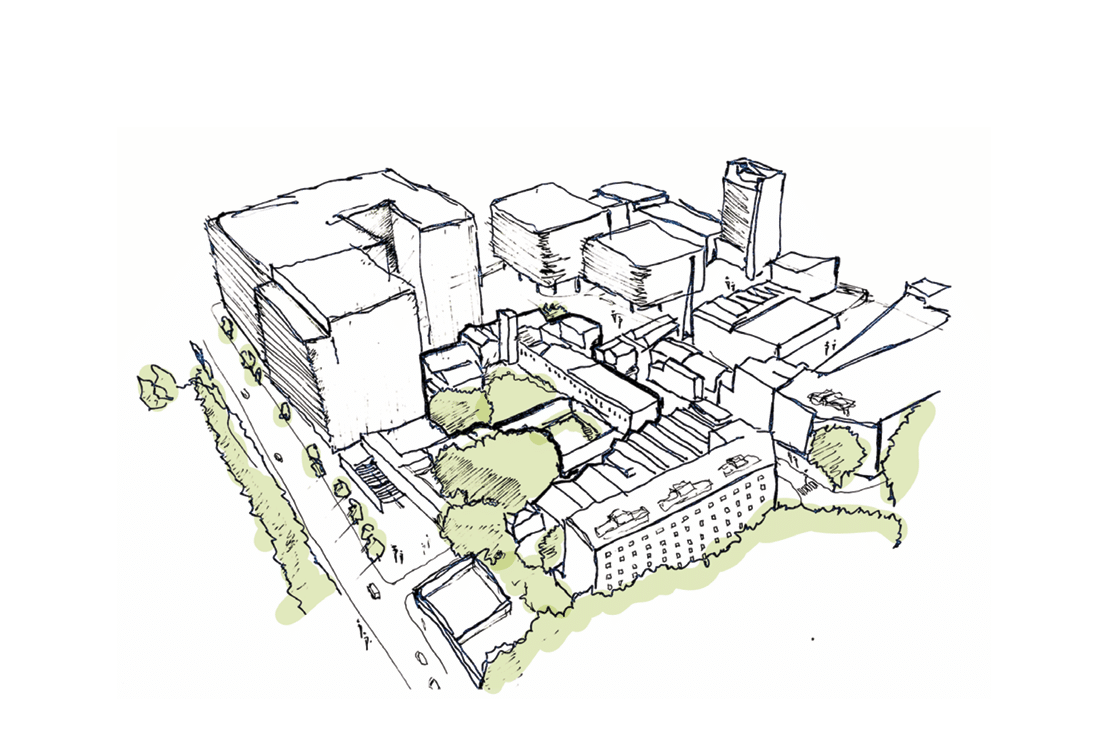
– Reimagining the Northern Green Corridor of Lisbon – Location The project site in Lisbon is strategically located within a dynamic urban fabric characterized by a mix of historic layers and contemporary development. Positioned between key mobility corridors and densely populated neighborhoods, the area experiences a high level of pedestrian and vehicular activity throughout the … Read more
Beaver Burrow Pavillion

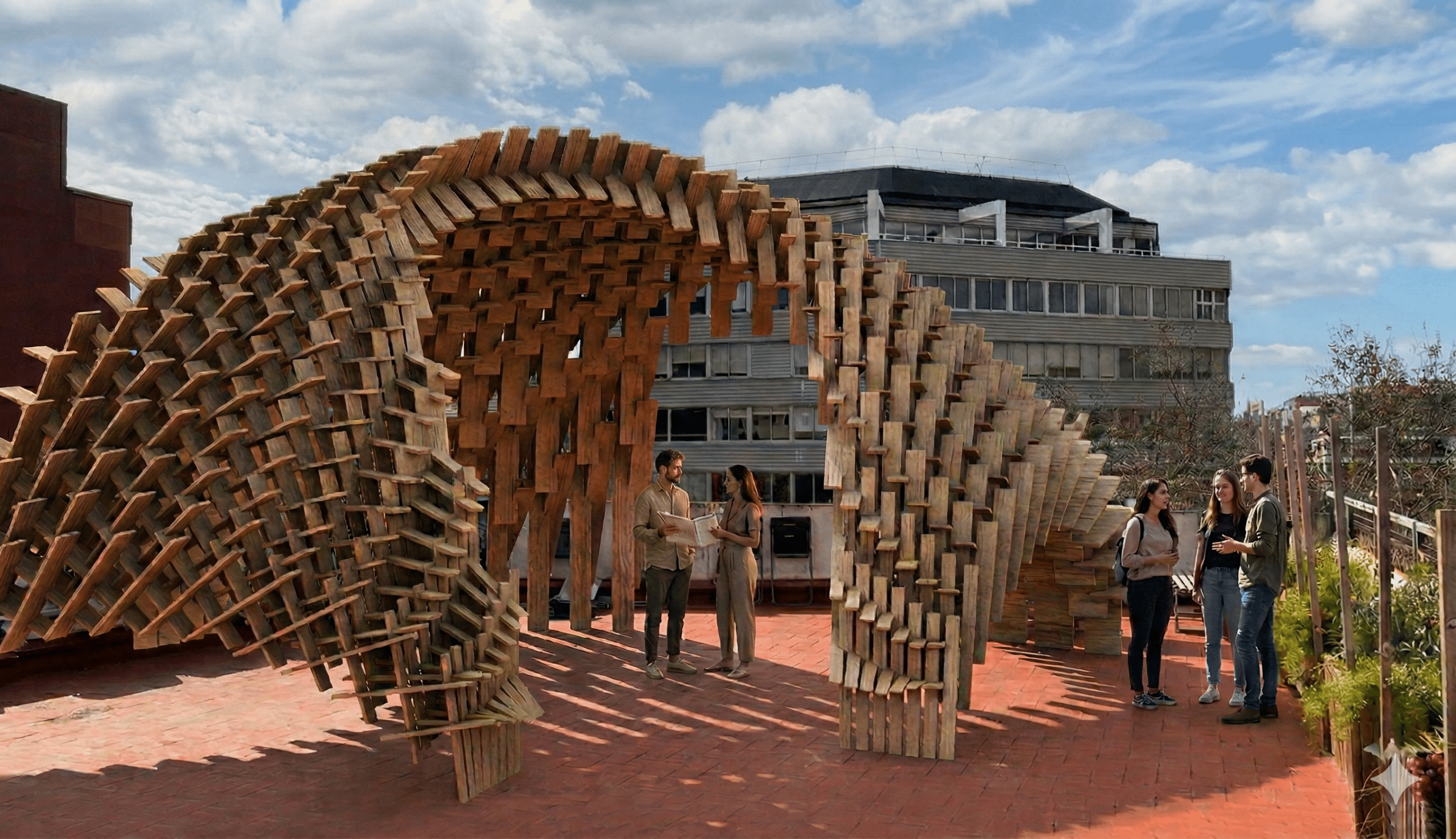
This project introduces a high-performance terrace pavilion that merges environmental data with advanced robotic fabrication. The design process began with a comprehensive solar and circulation analysis, identifying thermal hotspots and vantage points to determine the optimal balance between shaded gathering areas and open viewing corners. The resulting structure features a complex, interlocking timber geometry that … Read more

The Cellular Dune

Project Brief Forces of Nature explores how architectural form can emerge from the interaction of natural forces rather than being predefined. Using computational simulations, the project allows tension, gravity, and equilibrium to shape spatial structures. The installation translates invisible physical behaviors into visible design, creating a form that is discovered through force-driven processes and realized … Read more

Reciprocal Canopy

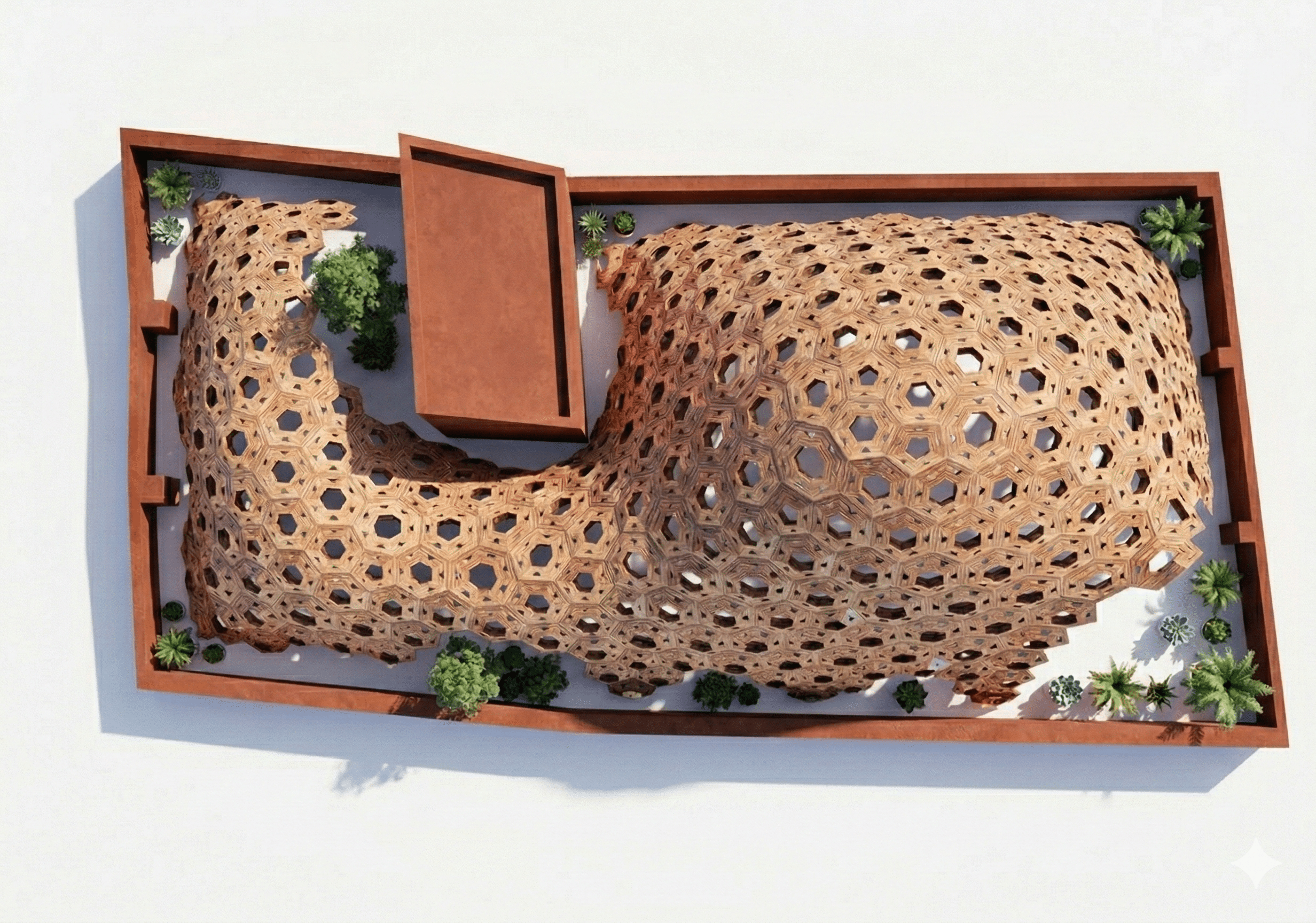
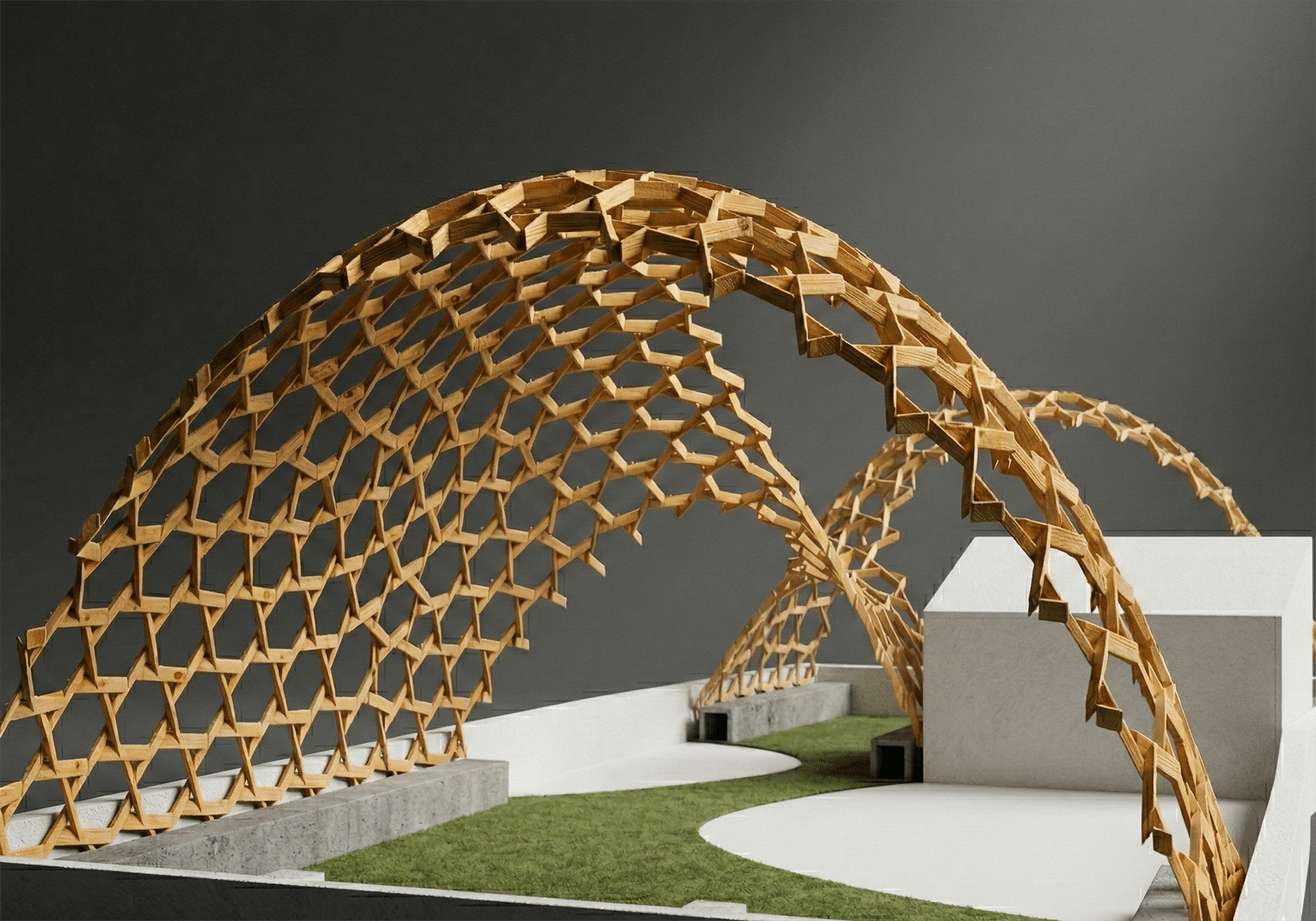
Designed for the IAAC rooftop, this pavilion merges computational design with advanced robotic fabrication. The geometry originates in Grasshopper, where a basic mesh is transformed into an optimized vault using Kangaroo’s physics-based dynamic relaxation. A reciprocal frame pattern is then applied, translating the continuous shell into short, mutually supporting timber pieces. Because every interlocking element … Read more

Recursive Shell

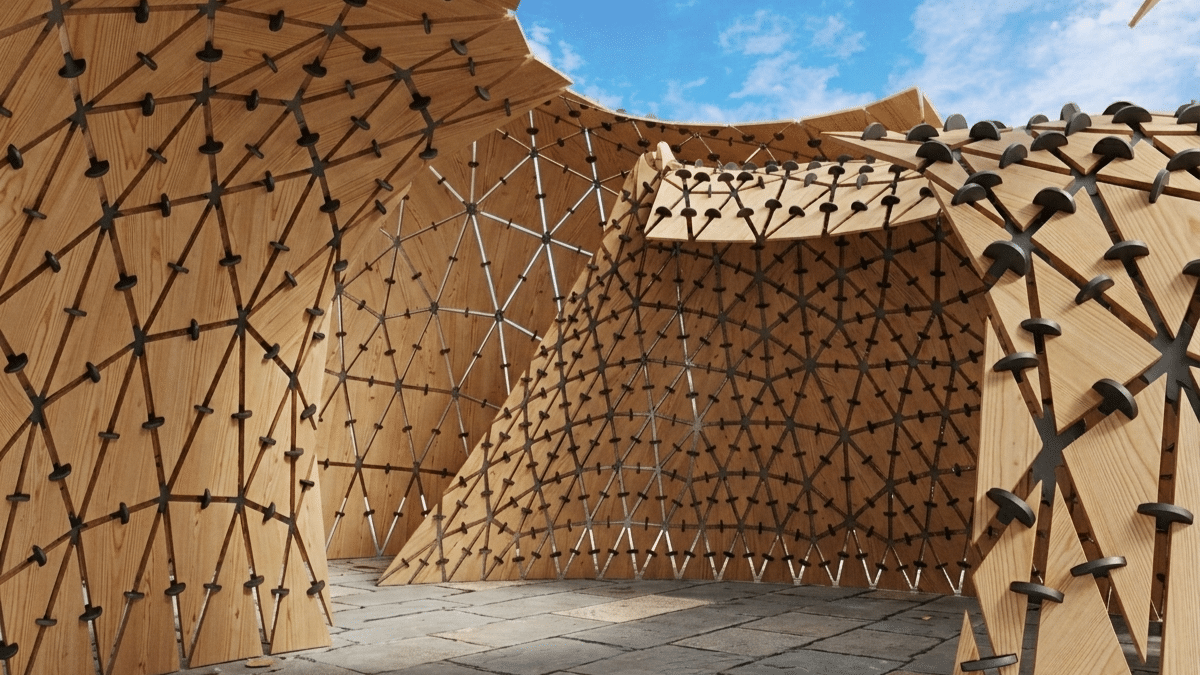
This project, titled Recursive Shell, is located at Plaça del Pi. The pavilion explores form-finding through inverted arch logic and modular timber shells. Using a Kangaroo Bouncy Solver, the design optimizes structural stability via parameters like pressure, edge lengths, and vertex loads. The system consists of interlocking triangular panels and joint discs extracted from a … Read more

Rethinking Demolition: AI-Assisted Assessment for Sustainable Building Reuse

AI Theory – IAAC | Group Project by Jinesh, Rafik, Chun Chun, and Vimal The construction industry is responsible for a massive chunk of global carbon emissions, material extraction, and waste. But here’s the thing: even as sustainability becomes more important, demolition is still the go-to solution for most projects, often without anyone really asking … Read more

Mining The City

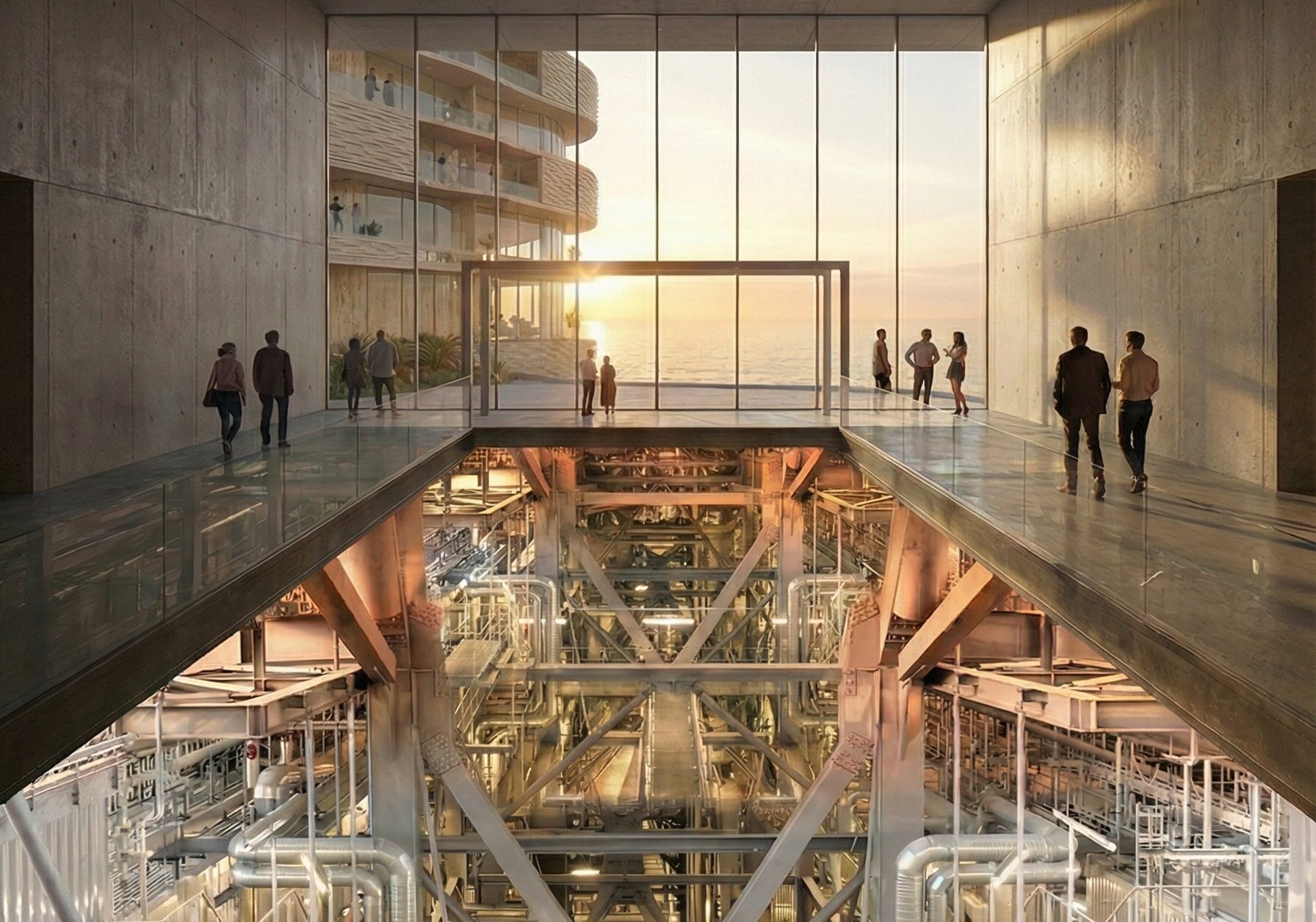
“Metabolising waste into habitat in a resource-scarce future” “Mining the City” reconceives legacy industrial infrastructure as an active force for urban regeneration and material resilience. Rather than treating waste as a problem to be discarded, this project positions Barcelona’s material flows from household refuse to industrial by-products as the resource base for a new metabolic … Read more

The Can Ricart Regeneration Project

Design Ethos This project seeks to explore how issues of stagnation and obsolescence can be tackled whilst still enabling socio-economic and technological developments of our urban spaces. It will explore how they can be applied within architecture to evaluate how we can more effectively address issues of erasure whilst still permitting modern interventions and advancements … Read more

Cano(Pi)

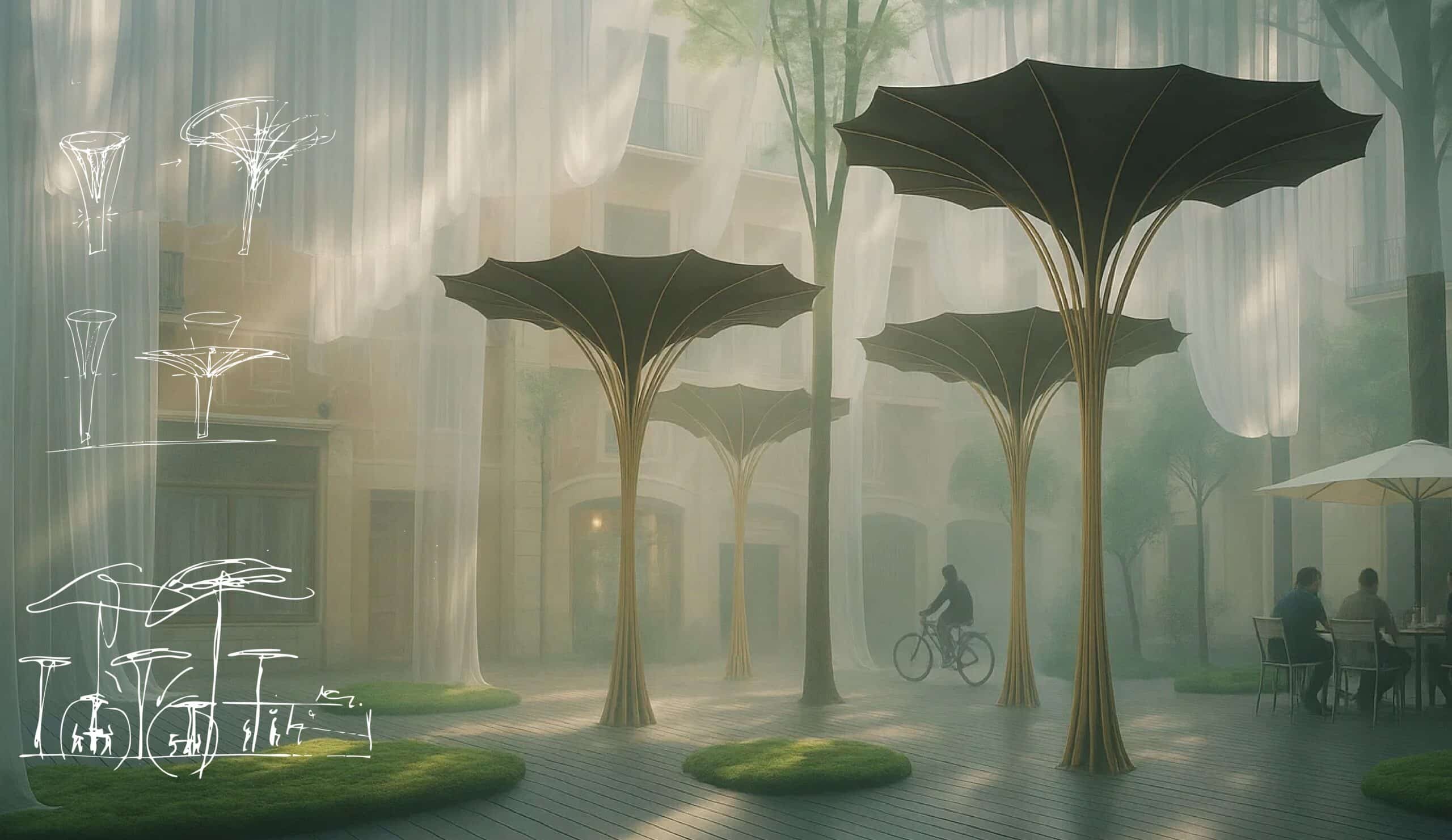
A dynamic forest pavilion. Plaça del Pi, Barcelona, Spain Design Concept Form Finding Psuedo Code The script relies on the organic undulation of sine and catenary curves to reflect the organic nature of our inspiration as well as provide a real-life simulation of the suspended fabric forming the canopy reacting to gravitational logic in both … Read more

Digital Fabrication Library

In today’s architectural landscape, digital fabrication has significantly expanded the way we design and construct building elements—offering unprecedented accuracy, efficiency, and formal freedom. Techniques such as laser cutting, CNC milling, 3D printing, and robotic manufacturing each bring distinct advantages in terms of material behavior, geometric complexity, and performance potential. RE:CELL Concept The Re:Cell is a … Read more

Tectonics of Digital Craft

Digital fabrication enables designers to explore geometries that go beyond traditional construction constraints. The exercise focuses on translating complex geometries into constructible systems that integrate material behaviour, joinery logic, and mass customisation. Each technique allows experimentation with unique fabrication constraints, informing the evolution of the vertical element design. The outputs serve as material and geometric … Read more

Digital Fabrication

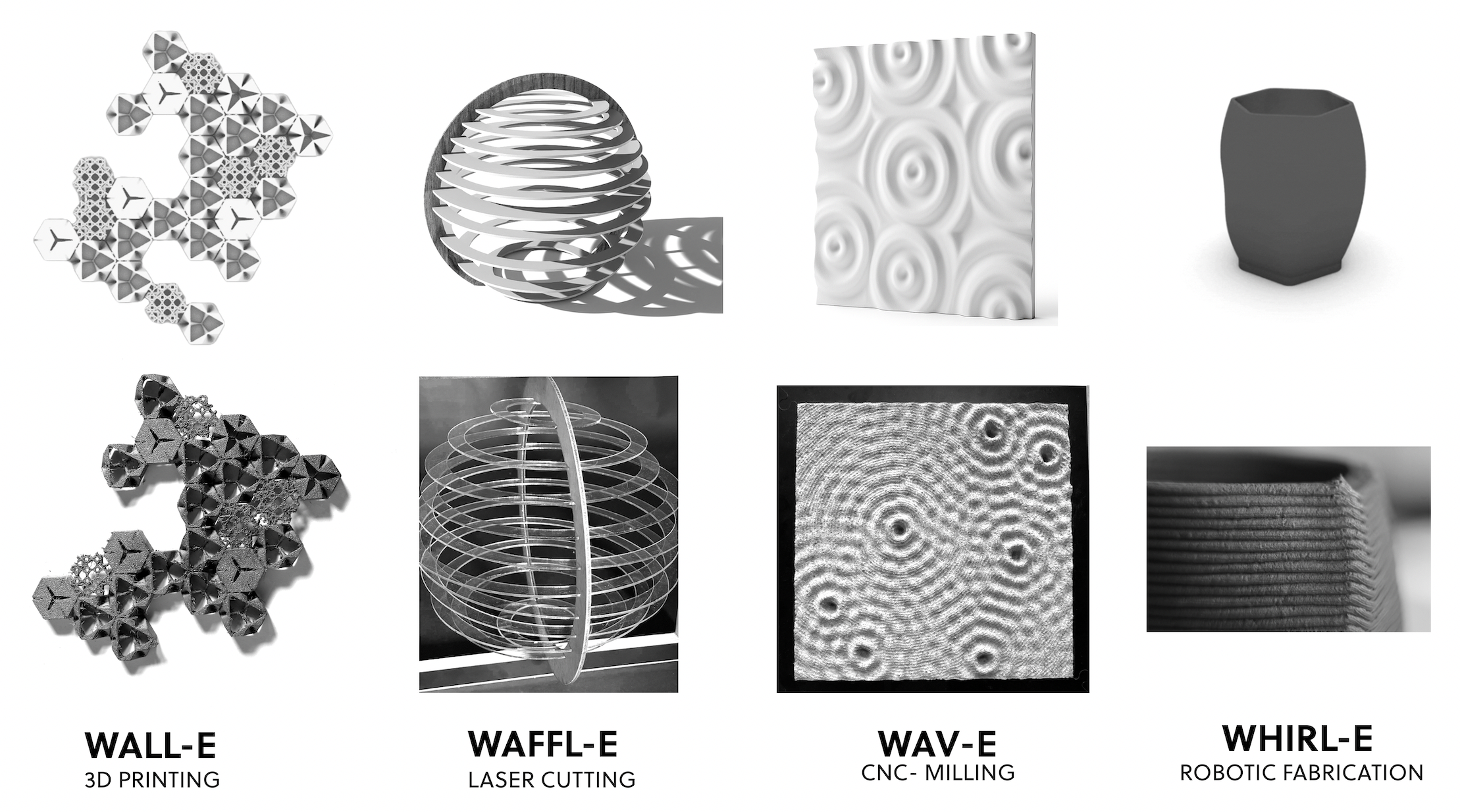
THE W-E SERIES WALL-E 3D PRINTING DESIGN INSPIRATION OBJECTIVE To create a modular vertical element that explores the capabilities of 3D printing and is simultaneously architecturally attractive, is structurally strong whilst using minimal material. DESIGN OPTIONS FINAL DESIGN CONCEPT By blending elements from previous prototypes, the final piece combines 2D and 3D forms to exploit … Read more

Axisential Fabrications

Architecture is entering a moment where the boundaries between design, technology, and material production are dissolving. As cities demand faster construction, customized spaces, and environmentally intelligent solutions, traditional methods alone no longer match the pace or precision required. Digital fabrication has emerged not just as a complementary tool, but as a transformative force reshaping how … Read more

Introduction to Digital Fabrication: A GAME OF DUALITY !

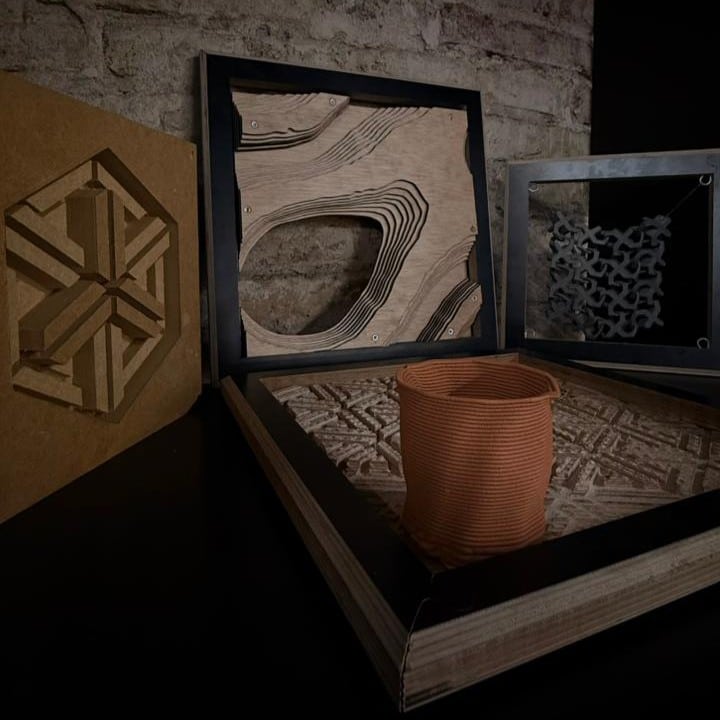
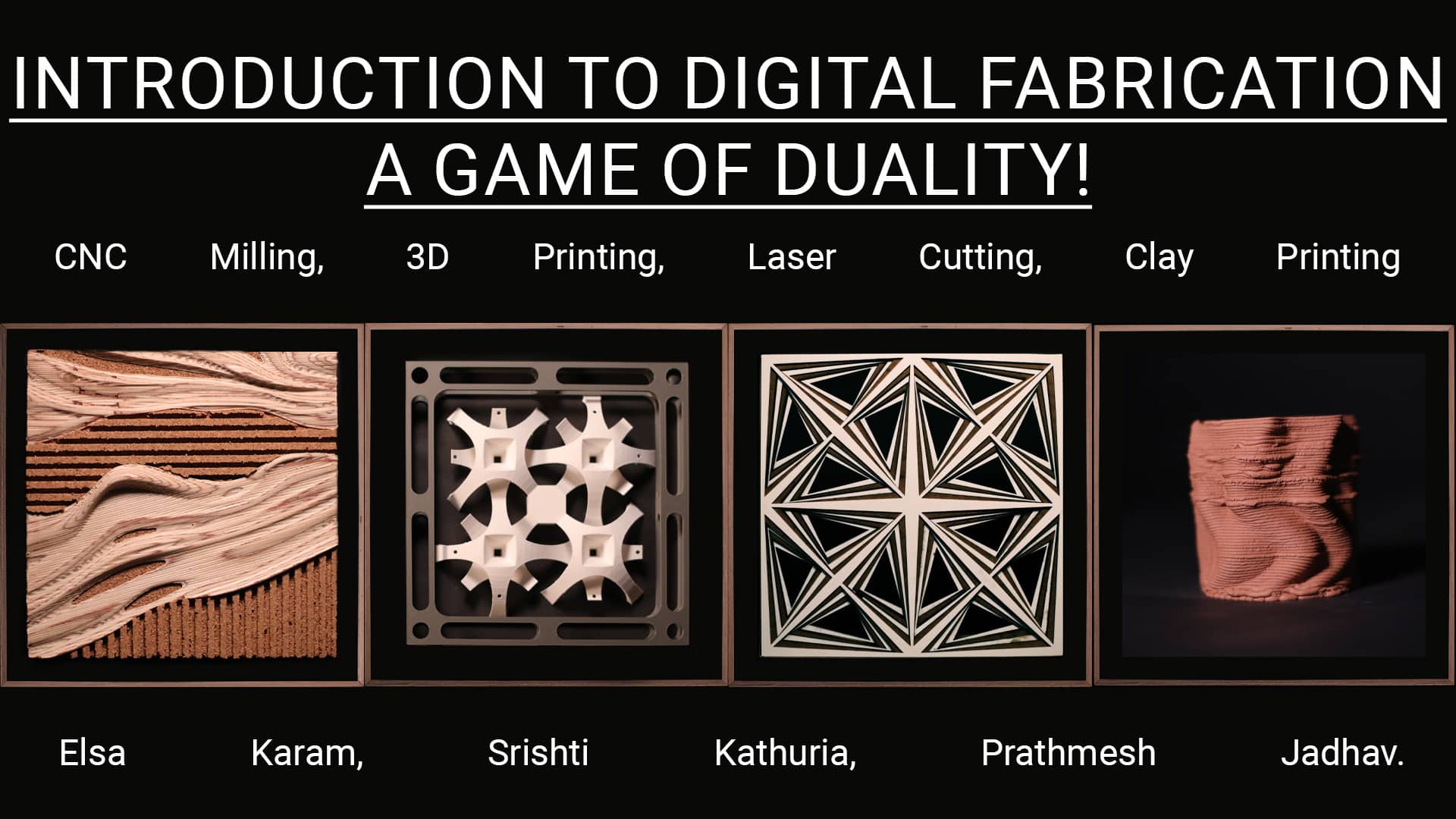
This term’s digital fabrication explorations investigated the expressive and technical potential of multiple fabrication methods laser cutting, CNC milling, robotic clay extrusion, and 3D printing. While each technique demanded a different workflow and material logic, a common thread emerged: the use of material duality to create depth, contrast, and spatial effect. By combining two materials … Read more