
During the second year of the Master in Advanced Architecture + Thesis Project (MAA02), students have the unique opportunity to work for a period of 1 year on an Individual Thesis Project, focused on the development of a research or pilot project based on the student’s interest, and the learnings of the first year. IAAC supports the student in selecting their Thesis Project topic in order to better orient them according to their future career interests and opportunities. Each student, according to their specific topic, is assigned one or more Thesis Advisors that follow the development of the work throughout the year.
In parallel to the development of the Individual Thesis Project, the second year of the MAA02 offers a series of seminars enhancing the theoretical, practical and computational skills of the students.
Course: Maa02 25/26 Interactive Architecture
Prototyping the future of spatial in light of neurotechnology, AI & XR- Reimagining spaces as living ecologies of signals, sensors, & human experience.
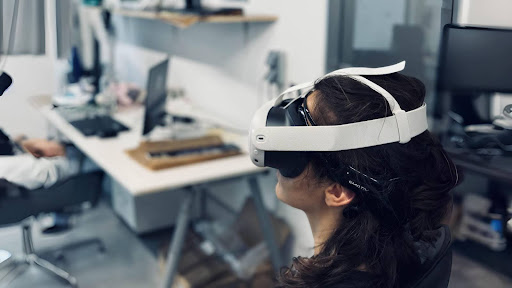
Credits: Neurosensitive Spatial Biophilia - Asja Osmanovic, 2024
Intro Description & Structure
In the middle of the twentieth century, computation arrived as an unlikely byproduct of global conflict, an accidental catalyst. What began as a military instrument quickly metastasized into a planetary infrastructure: networks, interfaces, databases, the invisible scaffolding of contemporary life. A planetary operating system: networks, sensors, media streams, the continuous circulation of information. Architecture becomes increasingly entangled with signals, bodies, and behavior.
Today, that trajectory reaches a new intensity. We are no longer dealing with “the computer” as an external tool, but with technologies that infiltrate cognition, perception, and the very act of design. Architecture is being reorganized, subtly by irreversibly, by forces that were never integral to its traditional vocabulary.
This cluster proposes to examine the spatial design from within this moment of rupture. We focus on three emerging domains: neurotechnology, generative artificial intelligence, and mixed reality, not as isolated phenomena, but as a new triumvirate shaping how space is conceived, sensed, simulated, and transformed.
These technologies are simultaneously interfaces, sensors, actuators, and authors. They enable environments that sense, interpret, and respond; designers who collaborate with machines; occupants who become co-producers of spatial experience. The architect becomes embedded in a multi-agent conversation, human, machine, biological, environmental.
This cluster operates in that space of uncertainty, speculation, and opportunity, tackling a principal question of how architecture negotiates its future within an ecosystem of evolving interfaces and intelligences.
This module shall examine:
- Precedents and Innovative Projects: Study various disciplines to uncover the pioneering works that laid the foundation for interactive architecture.
- Foundations of Interactive Architecture: Insights into the historical evolution of interactive architecture through in-depth examinations of key theories, prototypes, and exemplary projects.
- Sensing and Perception: Explore the nuances of human sensing and perception and how it shapes our interaction with architectural spaces. We'll investigate the potential interfaces between the human body and responsive environments.
- Participatory processes: Participatory processes engage with a new form of informed design and allow for new interactions between various players within an ecosystem.
- Interfaces: From mobile Apps to Brain-computer interfaces, interfaces are crucial to all interactions.
- Understanding Human-Space Interaction: Delve into the underlying principles of why and how humans interact with architectural spaces, including the psychological and physiological aspects of this engagement.
- Technologies and Methods: Survey the wide array of available technologies, methodologies, and working models that enable the creation of interactive architectural prototypes.
- Physical Computing for Prototyping: Get hands-on experience with physical computing, a vital tool for developing interactive architectural prototypes. Explore practical applications and create your own working models.
Methodology:
- Micro-Project-Based Approach: Each project will be structured as a series of smaller, manageable micro-projects. This approach guides students through an efficient and productive workflow, organized into sprints, with each sprint concluding with a small project completion.
- Documentation: Students will be introduced to project management tools to facilitate the organization of documentation. This includes gathering references, conducting research, creating mind maps, tracking project timelines, and managing sprints effectively.
- Collaborative Research: Given the course's emphasis on interactive architecture and responsive environments, students will collaborate to build: - A database featuring labeled projects relevant to the field. - A dictionary of key terminologies and concepts central to the research focus.
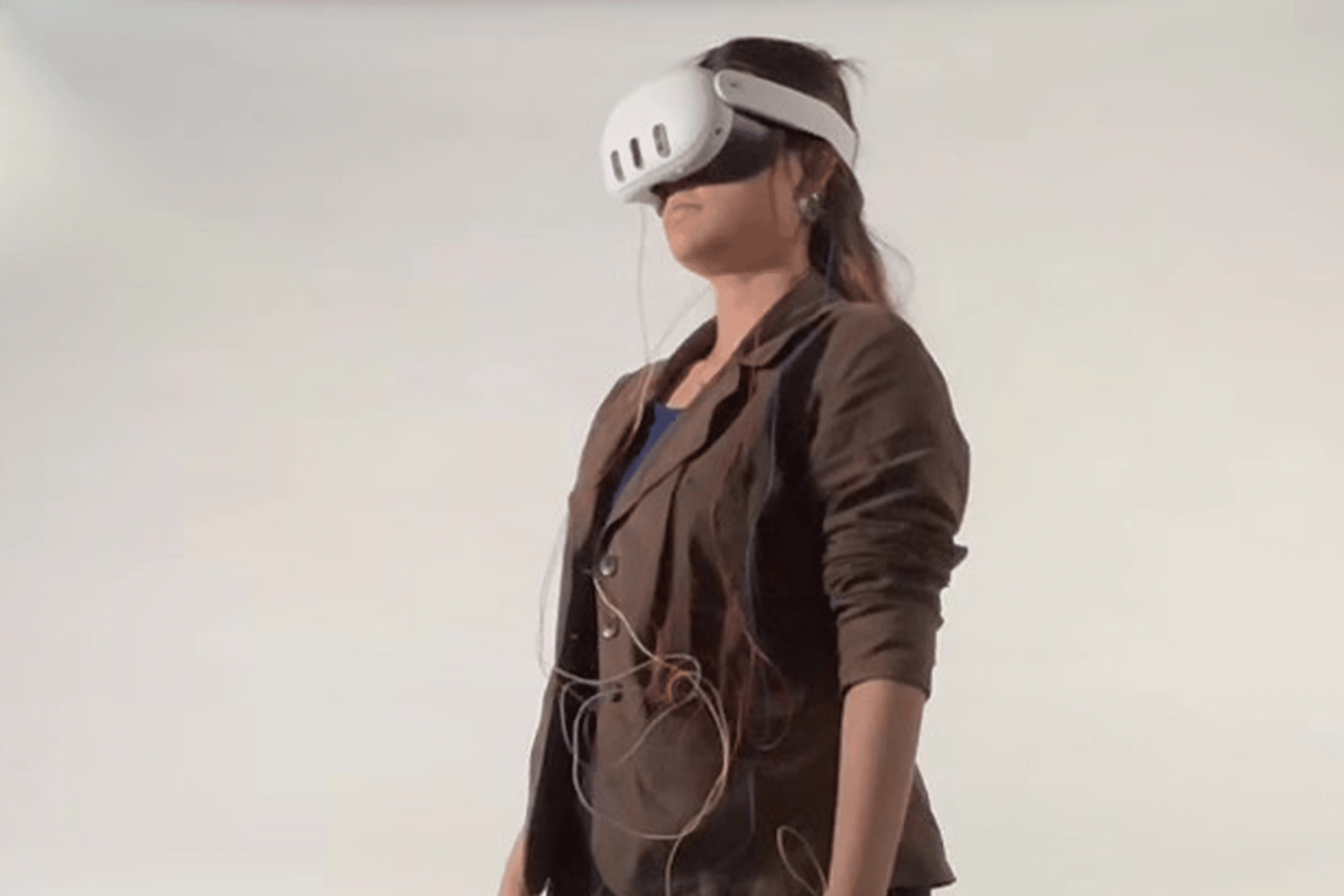
The Moody Elevator
CONCEPT IDEATION FLOW CHART SELECTED COMPONENTS Components Prototypes Forensic Report Agency Senior Forensic Team Case identifier MDEF-MAA-UTS-001 Members Alejandra Rivera Zamacona, Armin Gulbert, Ludovico Celli, Melissa Ingaruca Moreno, Rishi Srinivasan, Swarna Manjari Chellapandi Date of Receipt 19 November 2025 Date of Report 21 November 2025 Website URL https://hackmd.io/@nmoHUr94RLOmMhWqUedElQ/B1AbeLjlbg Purpose of the Report The purpose of … Read more
