IAAC’s Master in AI for Architecture & the Built Environment is a unique program oriented towards leading the change in decarbonising human activities and crafting a more sustainable, resilient future urbanisation for our planet. Through an innovative curriculum deeply rooted in AI applications, the program pioneers novel AI-driven solutions that not only respond to the pressing challenges of our time but also set a new standard for environmentally and socially conscious co-design and planning. The Master in AI for Architecture & the Built Environment is training the professionals that city administrations, governments, industries, and communities need, to transform the built environment in the era of digital technologies.


Filters

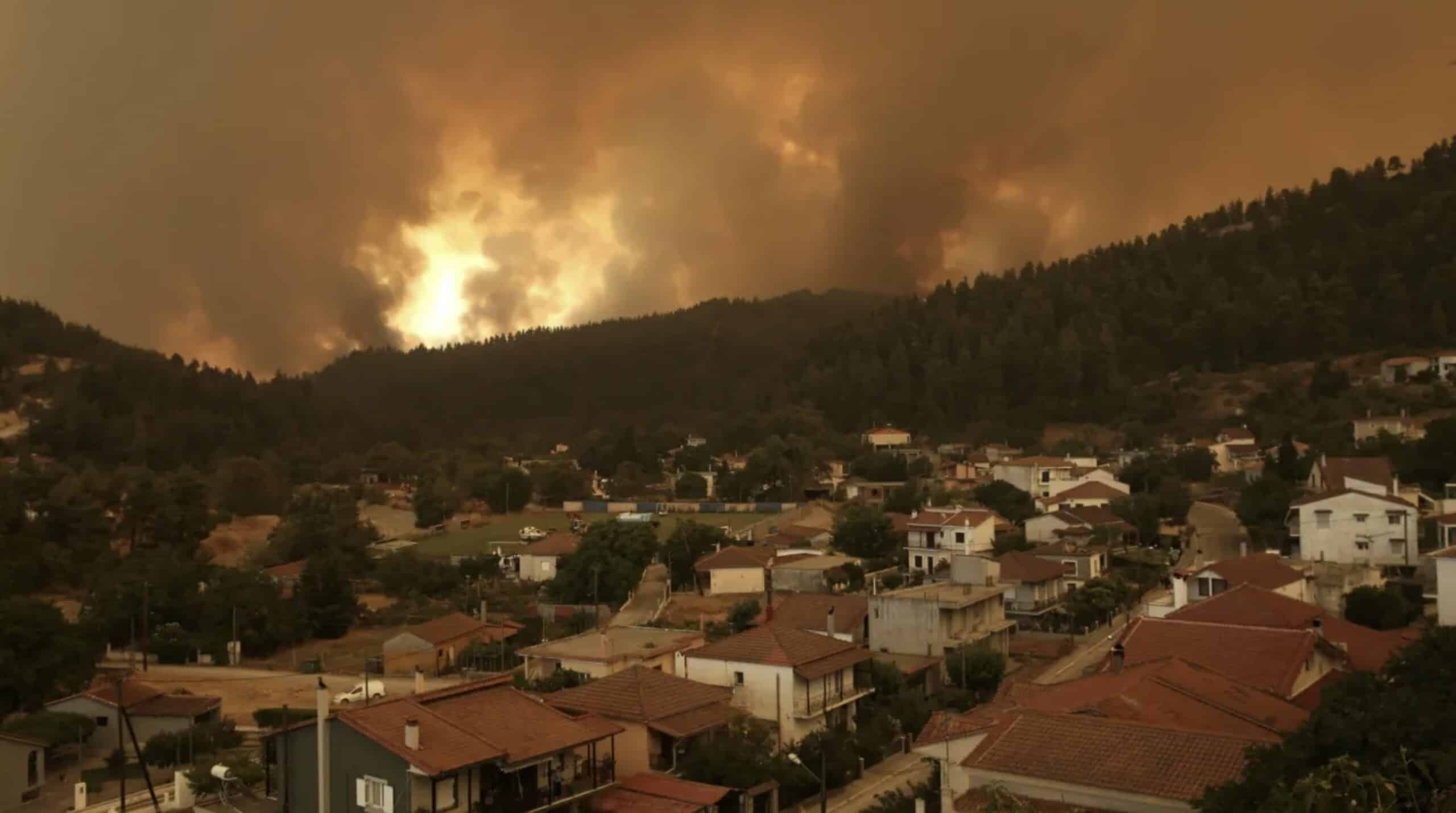
Satellite-Based Assessment of Vegetation Loss in Evia Wildfires

This project focuses on Evia, Greece, where devastating wildfires in the summers of 2021 and 2023 caused massive environmental damage. This is only an example, but this pipeline could be applied to any wild-fire affected area. Our aim is to quantify green loss and monitor post-fire ecosystem recovery. Thus we compare satellite imagery from key … Read more

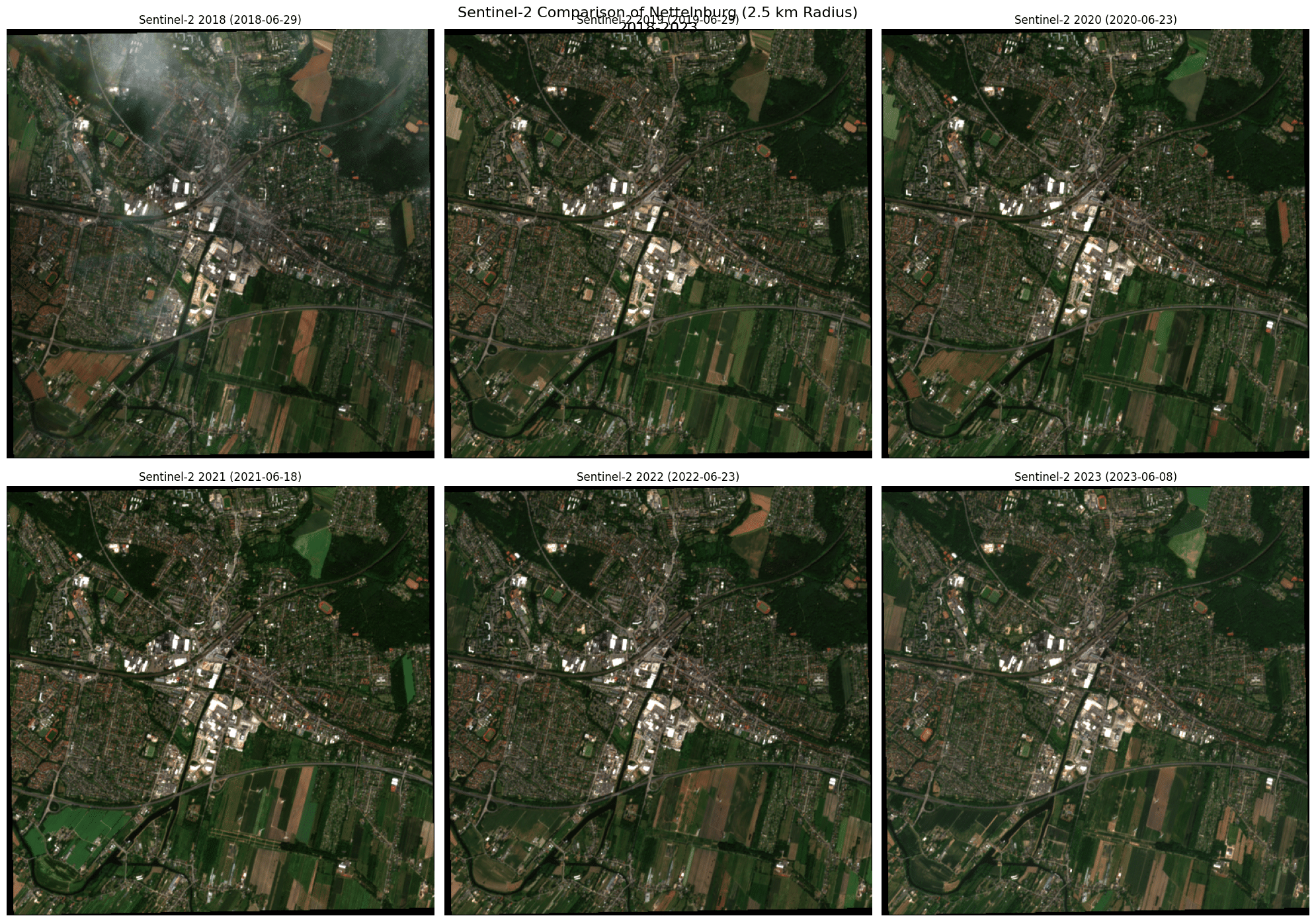
Agrowealth : Does agriculture correlate to economy?

The goal of this project is to compare between the economic stability of an agriculture first city. Hamburg’s agricultural wealth is largely connected to its surrounding regions—particularly Schleswig-Holstein and Lower Saxony, which are among Germany’s leading food producers. Consequently, we focused on peripheral areas of the city that have recently transitioned into agricultural land, allowing … Read more

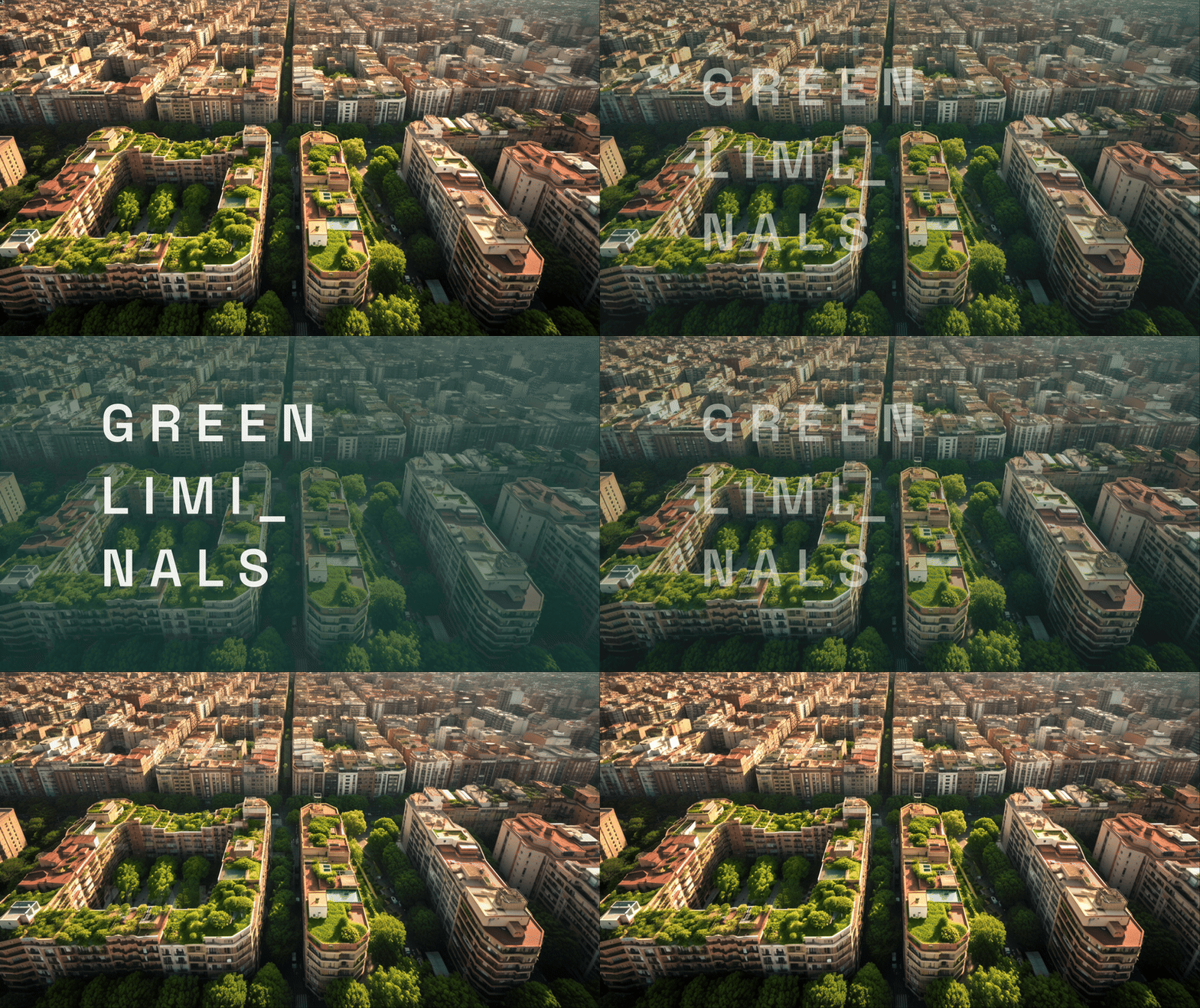
Green Liminals: Feasibility Study for AI-Driven Budget Optimization for Urban Sustainable Solutions

Abstract The project explores innovative ways to address Barcelona’s sustainability challenges, such as carbon emissions, air pollution, and energy inefficiency. By leveraging AI, IoT sensors, and Nature-Based Solutions (NBS), the project aims to optimize municipal budgets for interventions that transform underutilized urban spaces into productive assets. The study highlights solutions like urban farming, greenery, and … Read more