The MaCAD is a unique online programme training a new generation of architects, engineers and designers ready to develop skills into the latest softwares, computational tools, BIM technologies and AI towards innovation for the Architecture, Engineering and Construction (AEC) industry.

Filters
Course

Inpaint Materiality

Intro Designers know the pain: a perfect image—ruined by one wrong material. A distracting object. A missing texture. An awkward composition. You could retouch it manually, but how long will that take? And will it ever really blend? What if you could just circle the problem area and ask for something better? Something that fits … Read more

From Excel Guesswork to Data-Driven Decisions

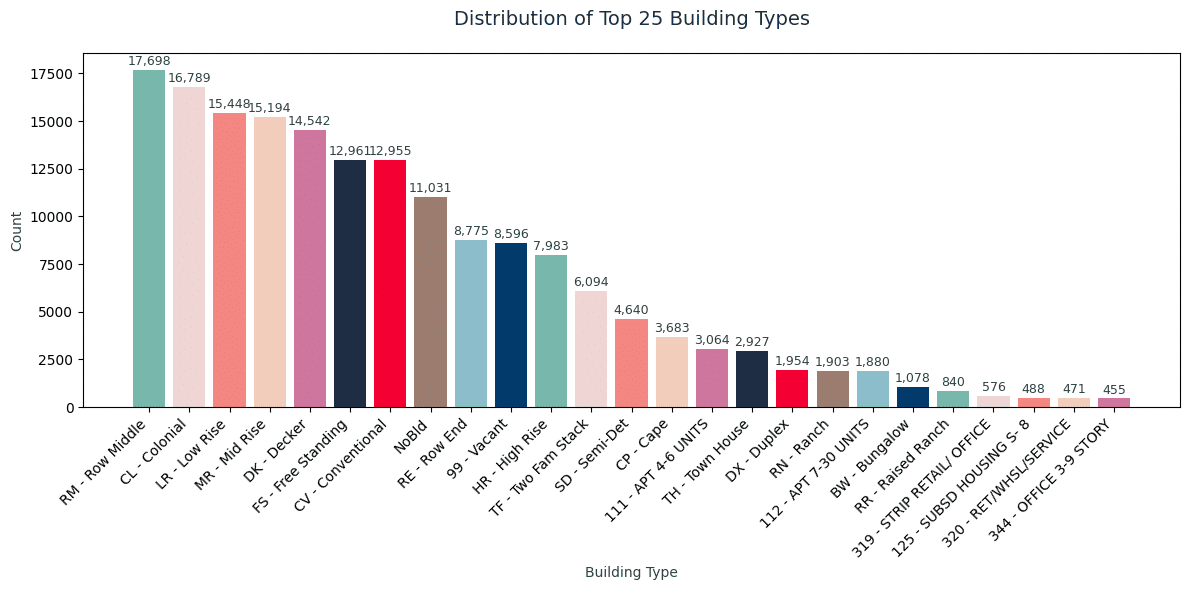
Building a Production-Ready Property Valuation Model In the landscape of urban development, real estate investment, and computational design, accurate property valuation is essential. Yet, the datasets we rely on are rarely clean, tidy, or immediately ready for predictive use. This blog post unpacks how our team developed a robust, interpretable machine learning model for property … Read more

Faster Architectural Workflows with Generative AI: From Text Prompts to Custom LoRAs

Morph 2 LoRAs

Why “Faster” Matters A single photorealistic render can quickly be very expensive and take days to produce, locking design changes behind hefty bills and long waits for architects. Generative AI, through models like Stable Diffusion and custom LoRAs, slashes both cost and time, turning sketches into near-final visuals in seconds. By democratizing high-fidelity imagery, it … Read more

From Raw Acoustics to Predictive Insights: Modeling Comfort in Architectural Spaces

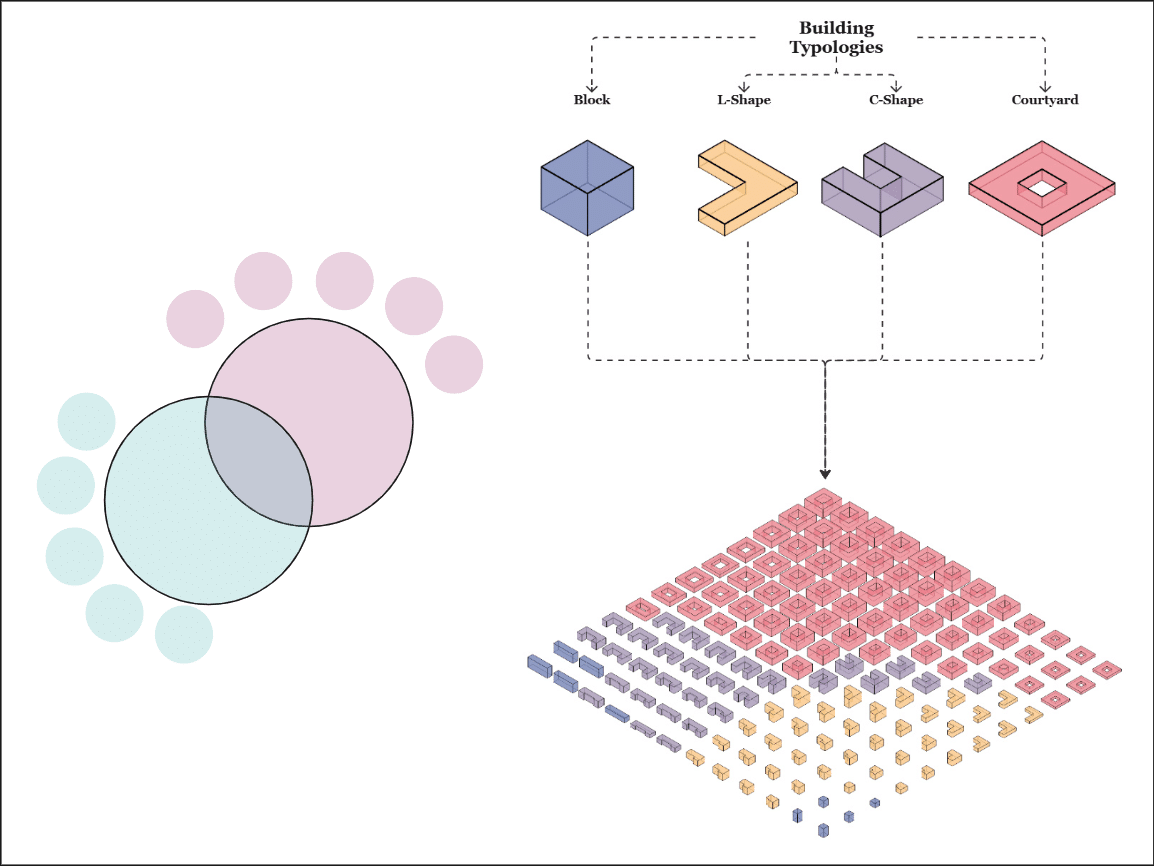
Introduction In this blog, we walk through the complete data science process applied to a unique challenge: predicting the acoustic comfort index of apartment units based on architectural and environmental features. This includes data preprocessing, feature engineering, model training, interpretation, and tuning—with tools like XGBoost, Neural Networks, and SHAP for explainability. The workflow is split … Read more

CarbonAI

Bridging Carbon estimations in early design stages The built environment accounts for nearly 40% of global carbon emissions, the urgency to integrate sustainability into architectural and engineering processes has never been greater. Yet, decisions made in the earliest stages of building design often lock in the majority of a structure’s lifetime carbon footprint, long before … Read more

Co-Creator for Shared Outdoor Spaces: Activity Prediction in Residential Buildings

1 — Project OverviewOur project is based on the building geometry model that is provided with three apartment types and spaces in between them. We chose to focus on the shared spaces: the courtyards, terraces, and balconies. The building is located in Barcelona, so we rely on fixed environmental conditions and don’t re-run simulations. We … Read more

Hassan Fathy Style Transfer

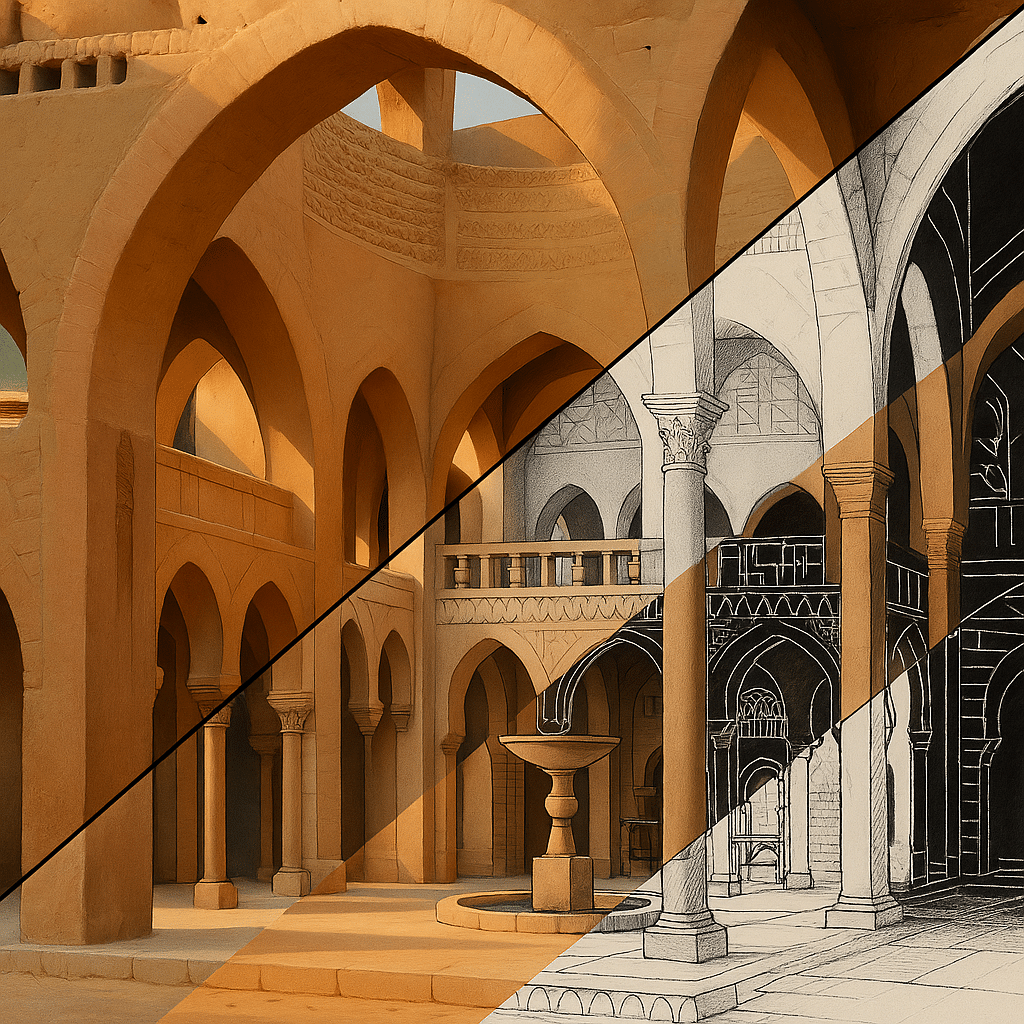
A tool that transforms any architectural sketch into the style of Hassan Fathy using AI. Introduction Our app takes a simple sketch as input and automatically renders it in the hand-drawn style of Hassan Fathy.This enables users to visualize their ideas as if sketched by the master himself, in just seconds. We trained our model … Read more

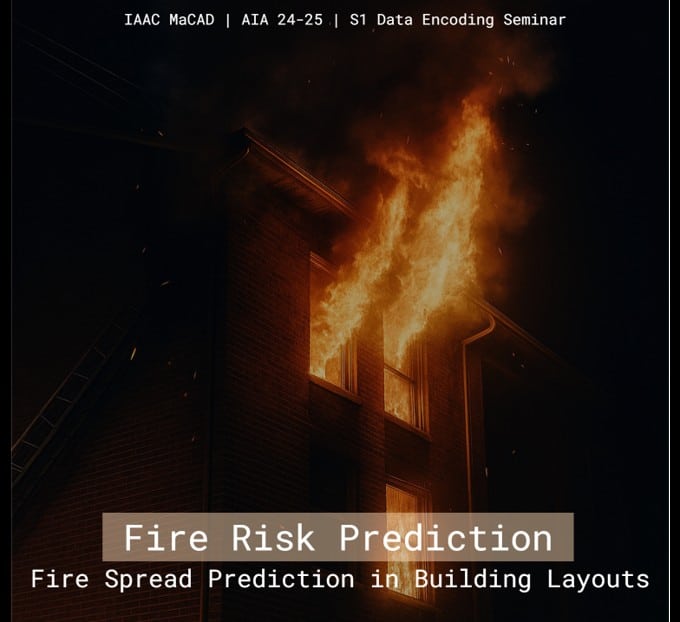
Fire Risk Prediction

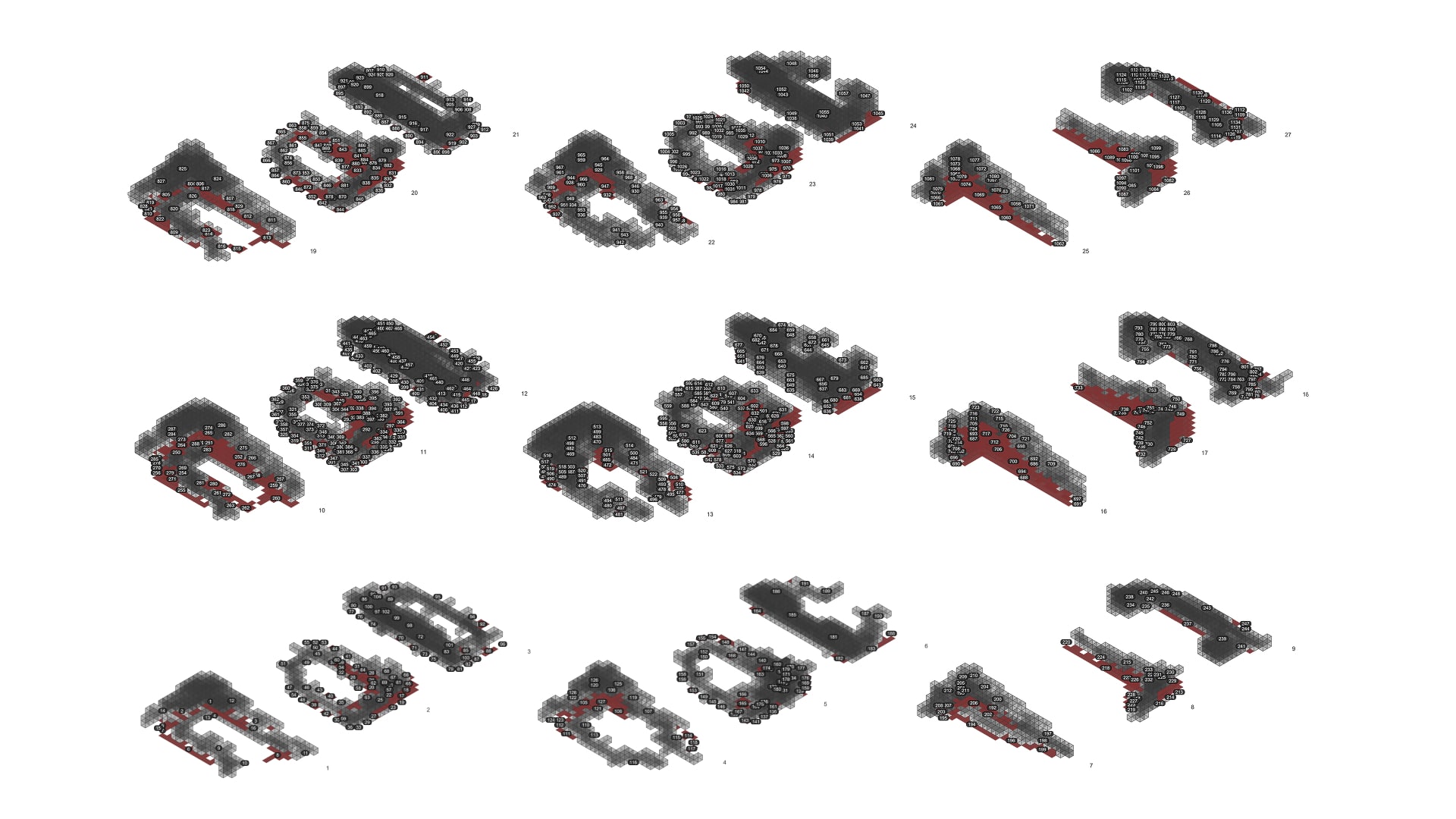
Fire Spread Prediction in Building Layouts Project Goal The goal is to predict fire safety risk at the unit level in a building. We are conducting a fire spread analysis for building layouts by examining spatial, structural, and material features. The objective is to model and understand how fire propagates through different parts of a … Read more

Crafting a BIM Platform: Education, Influence, and the Power of Simplicity

+ Talking with Nicolas Catellier reveals how much of BIM’s evolution isn’t just about software, it’s about people. His journey from architect to educator, and from internal tutorials to a public platform, shows how valuable simplicity and clarity can be in a field often dominated by complexity. + What stood out most is his awareness … Read more

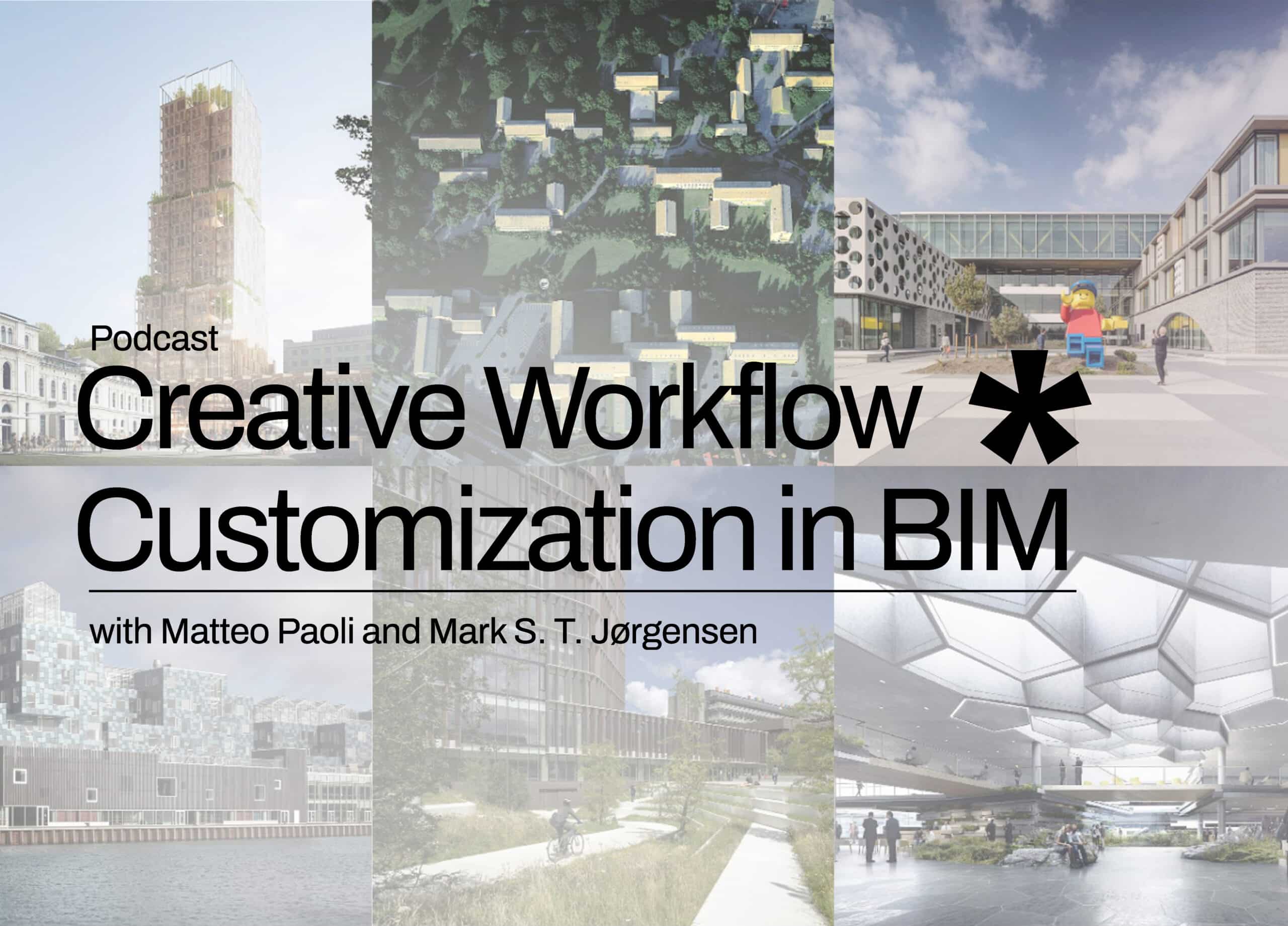
Creative Workflow Customization in BIM

Leveraging Advanced BIM Strategies for Complex Architectural Realization Contextual Framework – Traditional BIM workflows often struggle to accommodate the complex, fluid geometries characteristic of avant-garde architectural designs, creating a gap between conceptual vision and buildable reality. Key Insight – Customized BIM workflows incorporating AI, computational design, and bespoke coding can enable the realization of complex … Read more

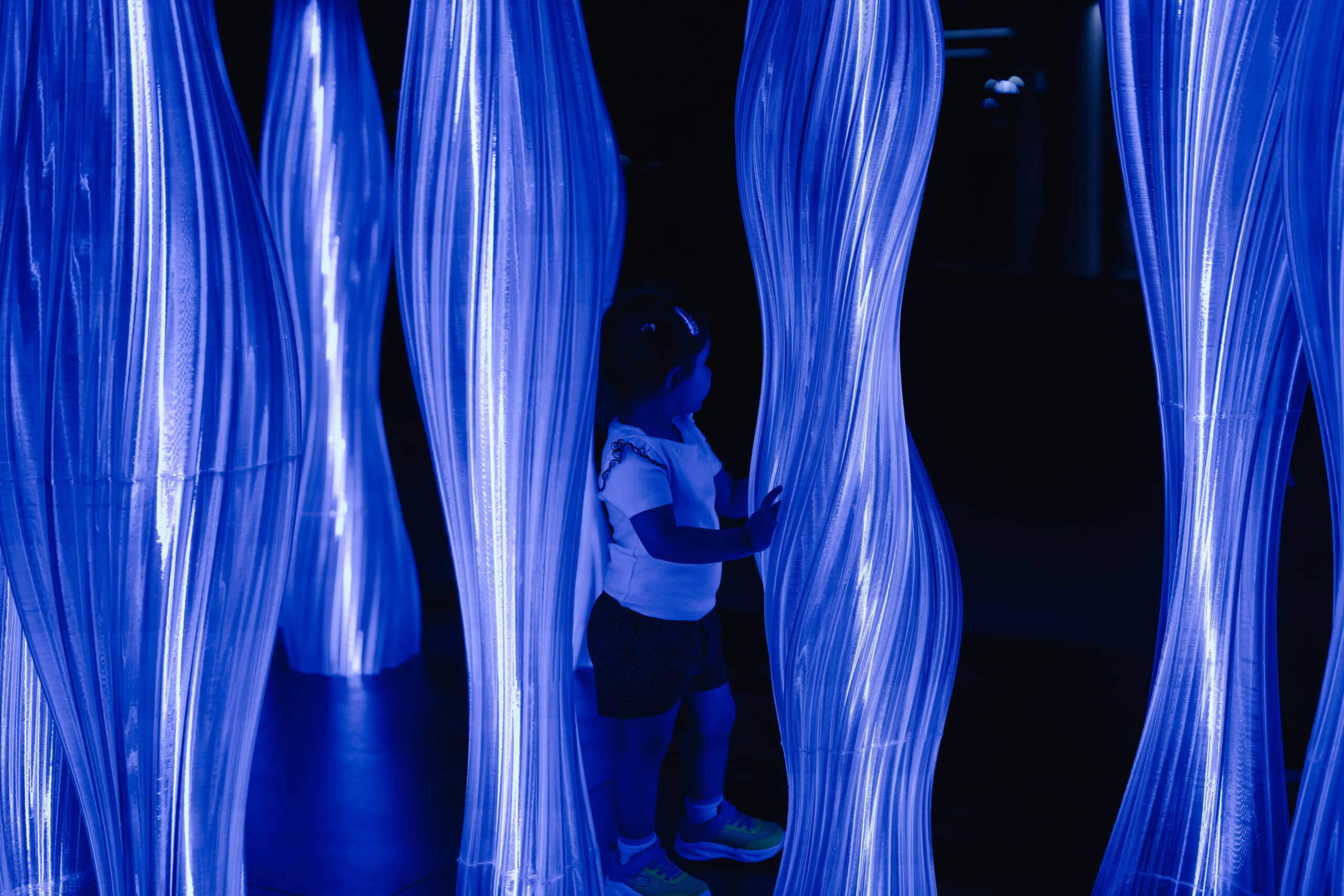
CORALIS LUMINA : 3D PRINTED LIGHT

Coralis Lumina is a 3D-printed light installation inspired by the organic beauty of coral reefs. Designed for immersive interaction, it merges parametric design with advanced fabrication techniques, offering endless possibilities in form and illumination. This innovative system allows users to generate unique 3D-print-ready models tailored to their preferences. A Smarter Way to Create Organic 3D-Printed … Read more

HYPER A | STRUCTURE

In the ever-evolving world of architecture, Hyper A is an exploration into the limits—and freedoms—of structural design. We, the Structure Team, consisting of Joaquin Broquedis and myself, Marco Durand, are excited to present the structural concept that supports not just a building, but a multi-neighborhood urban vision. This blog offers a deeper look into our … Read more

Hyper-Building B: Services Team

Introduction In an era of rapid urbanization, the Hyper-Building concept emerges as a response to the complexities of modern city life. Rather than viewing it as a single architectural entity, we approached it as an interconnected urban system—a city within a city. Like any urban environment, it must address challenges related to accessibility, functionality, and … Read more

Collaborative Workflows: Hyper B – Service

Introduction: As part of the Hyperbuilding B Services Team, we approached the project not just as a high-rise structure but as a self-sustaining urban environment. Like any city, it had to tackle key challenges such as accessibility, functionality, and livability to support its users efficiently. The Hyperbuilding B’s geometry is broadly divided into three parts: … Read more

Hyper B – Residential Team

Hyper B Residential

A Balance of living in a Hyper scale Concept Hyper-Buildings Have become a symbol of Dark and Dystopian living, where residences are in low living standards & disconnected from the world. Residential living in a hyper-building must balance high-density living with comfort, health, and amenities that can support and sustain inhabitants. The Residential Team aims … Read more