The MaCAD is a unique online programme training a new generation of architects, engineers and designers ready to develop skills into the latest softwares, computational tools, BIM technologies and AI towards innovation for the Architecture, Engineering and Construction (AEC) industry.

Filters
Course

Democratizing Design
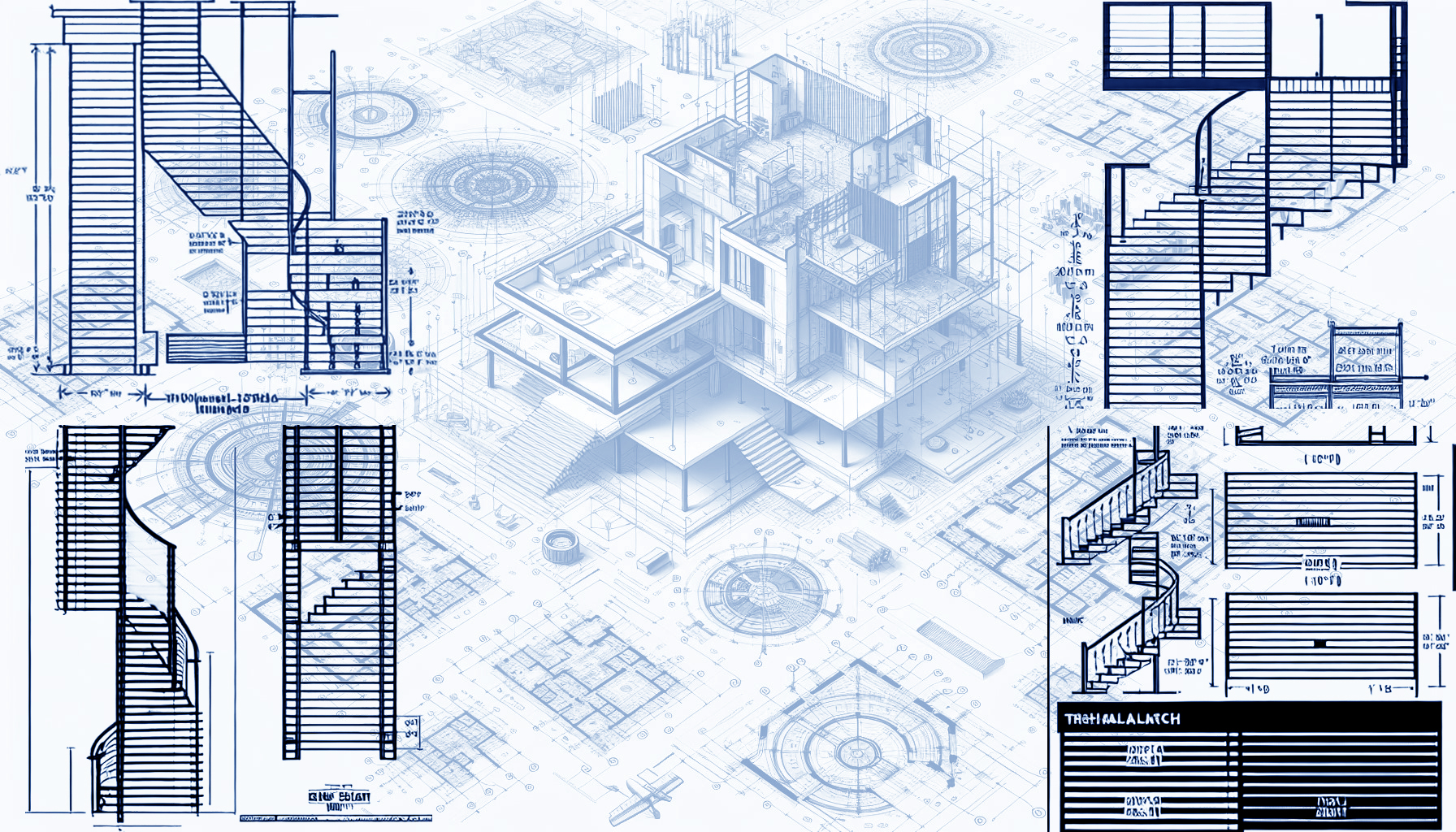
Abstract As we advance into the 21st century, addressing the global housing crisis becomes imperative. By 2025, approximately 1.6 billion people will lack adequate housing, necessitating the construction of 96,000 affordable homes daily to meet the demand of 3 billion people by 2030 (Masterson, 2022). Urban areas, which now host over 50% of the world’s … Read more


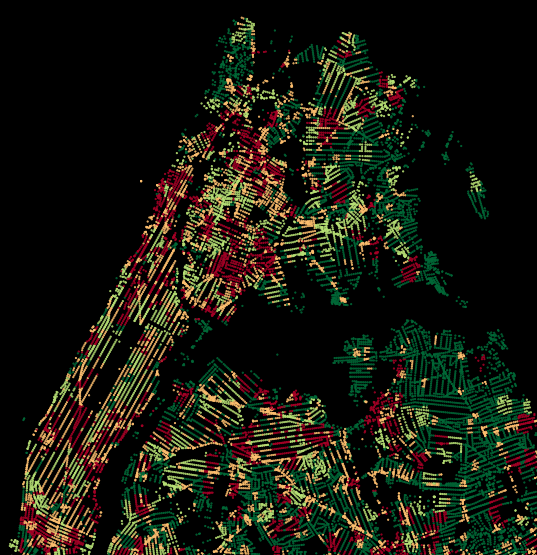
C.O.M.F.O.R.T

City-Oriented Modeling for Observational Radiative Thermal comfort CONCEPT The idea behind C.O.M.F.O.R.T is to provide an effective tool for architects and urban planners to design cooler and more sustainable cities, leveraging the power of machine learning and AI technologies. FACTORS OF IMPACT To create COMFORT we had to study the different factors of impact which … Read more

Pix2Daylight

Daylight autonomy is a climate-based metric that measures the percentage of occupied hours during which a given space receives a specific amount of light, typically 300 lux, through natural daylight alone. It is used to evaluate energy efficiency in building designs by evaluating how much artificial lighting can be reduced throughout the year (Lorenz et … Read more

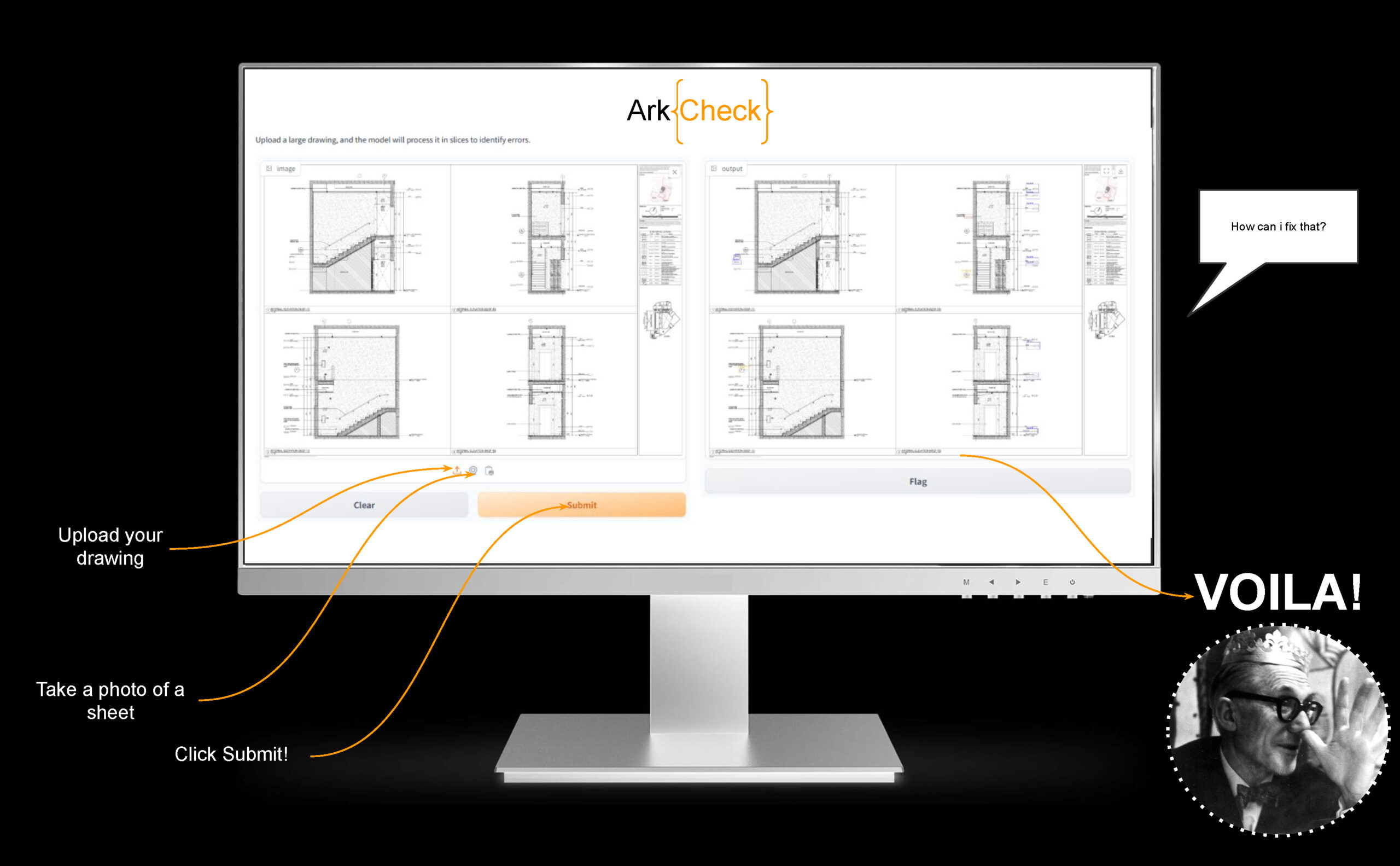
Ark{Check} – A Machine Learning Approach to Architectural Documentation Review

Abstract Architectural drawings and construction documentation are critical in the construction industry, serving as the main means of communication between different disciplines and acts as a blueprint on guiding the construction of the built environment. However, errors in these drawings are quite common and often leads to significant delays, cost overruns, and structural issues. This … Read more

REVITvoice

Vocal Commands for Autodesk Revit Problem Despite decades of technological advancement, the core user experience between man and computer has remained nearly unchanged. This tedious and repetitive process requires designers to spend extreme amounts of time that could be saved through updated methods. This thesis explores a potential future for computer user experience, utilizing AI … Read more

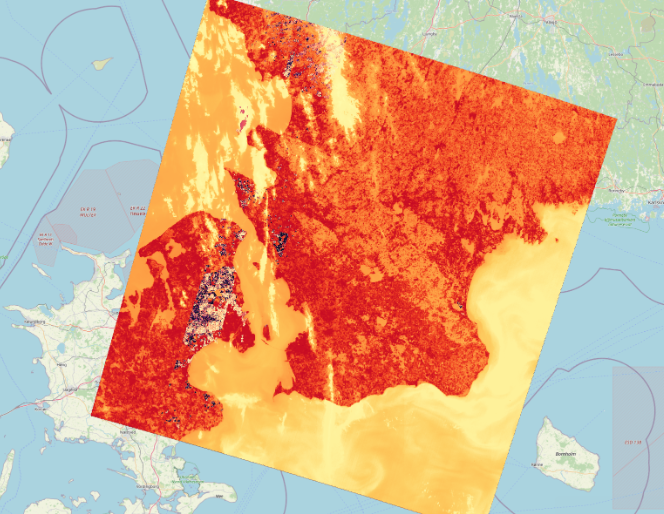
Impact of Roof features and Materials on the Roof Albedo

Roof albedo, the measure of a roof’s reflectivity, significantly impacts urban heat islands, energy consumption, and overall building efficiency. This study aims to analyze how different roof features and materials affect roof albedo in Copenhagen using machine learning techniques. Extreme heat events are rising globally and projected to increase in frequency and intensity, posing a … Read more

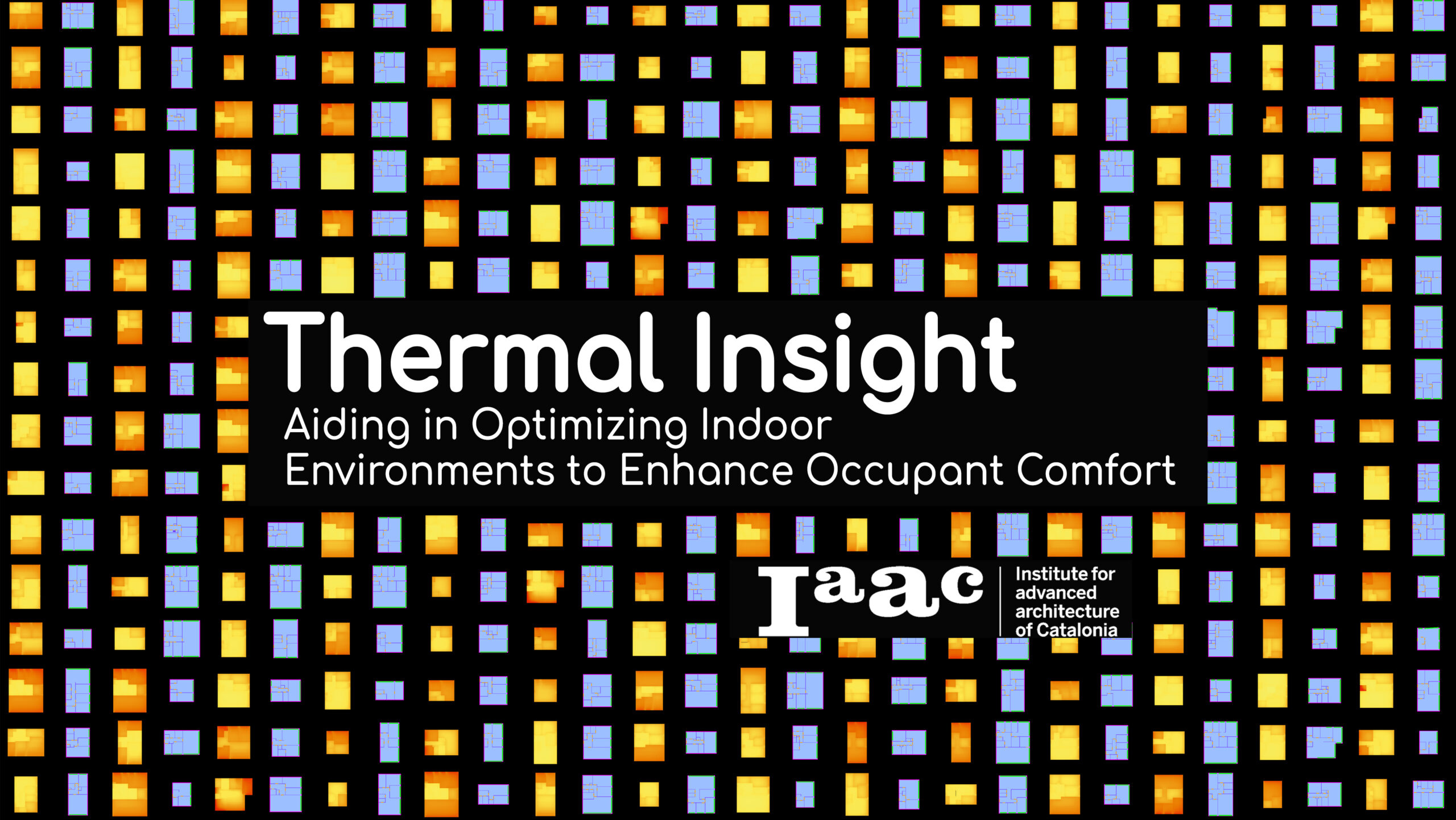
Thermal Insight: Optimizing Indoor Analysis

Thermal Insight would be a standalone app that optimizes indoor environments by predicting thermal comfort. With simulations from trained models to help enhance occupant comfort and energy efficiency, evaluating metrics like PMV, PPD, and MRT. This tool would help improve well-being and productivity while achieving efficiency goals. Abstract Methodology Use Case Data Analysis Results and … Read more

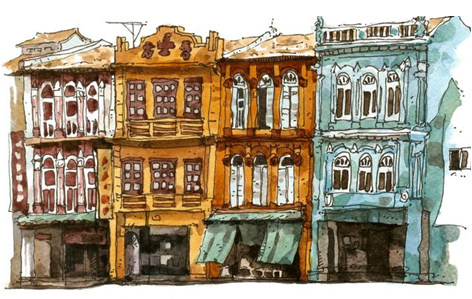
Predicting optimal layout configurations for sustainable heritage shophouses

Our project aims to determine suitable workstation arrangement for office typology in a conservation shophouse in Singapore through maximise daylight on the worksurface to achieve 300 lux (to a maximum of 3000 lux) for good lighting condition. In a conservation shophouse, where the building envelope and facade cannot be altered. There are two daylight sources … Read more

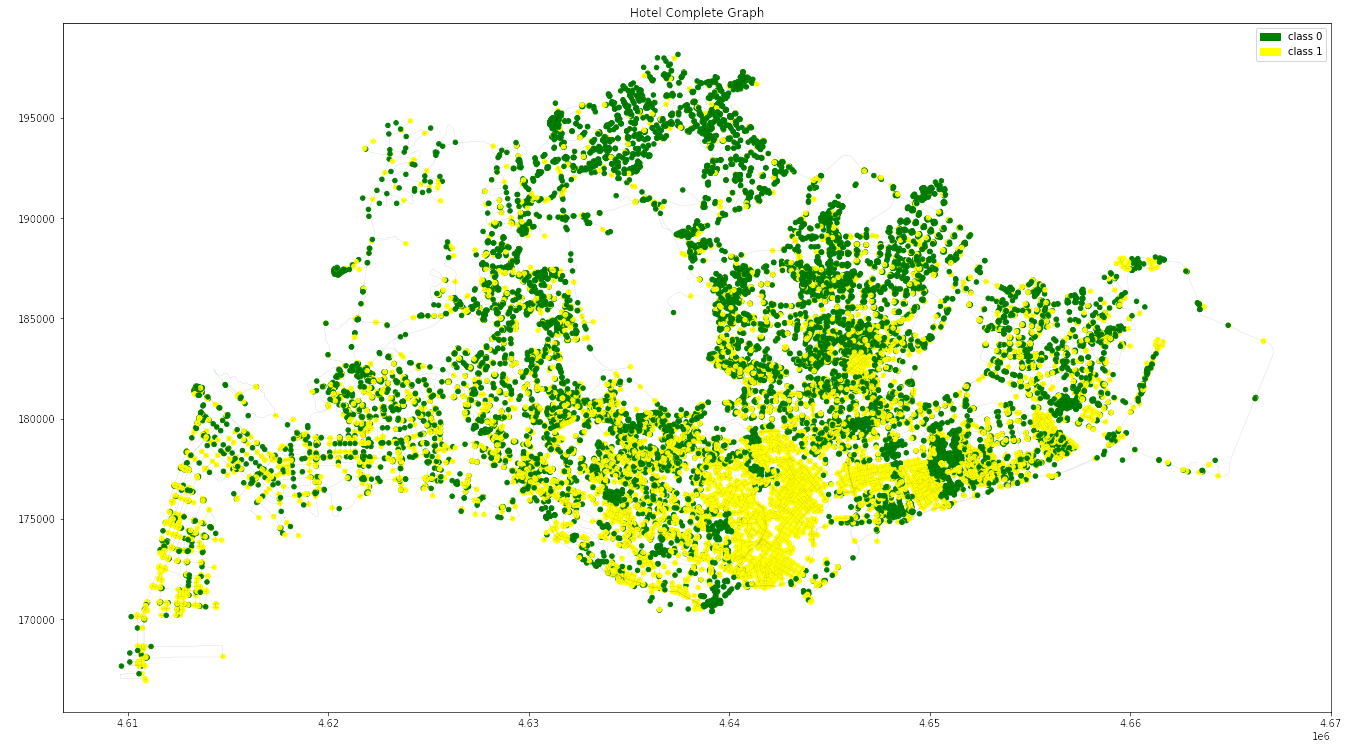
Hotel Prediction for Singapore

Our project derives from our observation that in Singapore, most of hotels are located along the east and southeast areas near Changi Airport. There are very few hotels on the west side of Singapore. We also take into account on factors that tourists and visitors consider when making a reservation. These factors include public transportation, … Read more

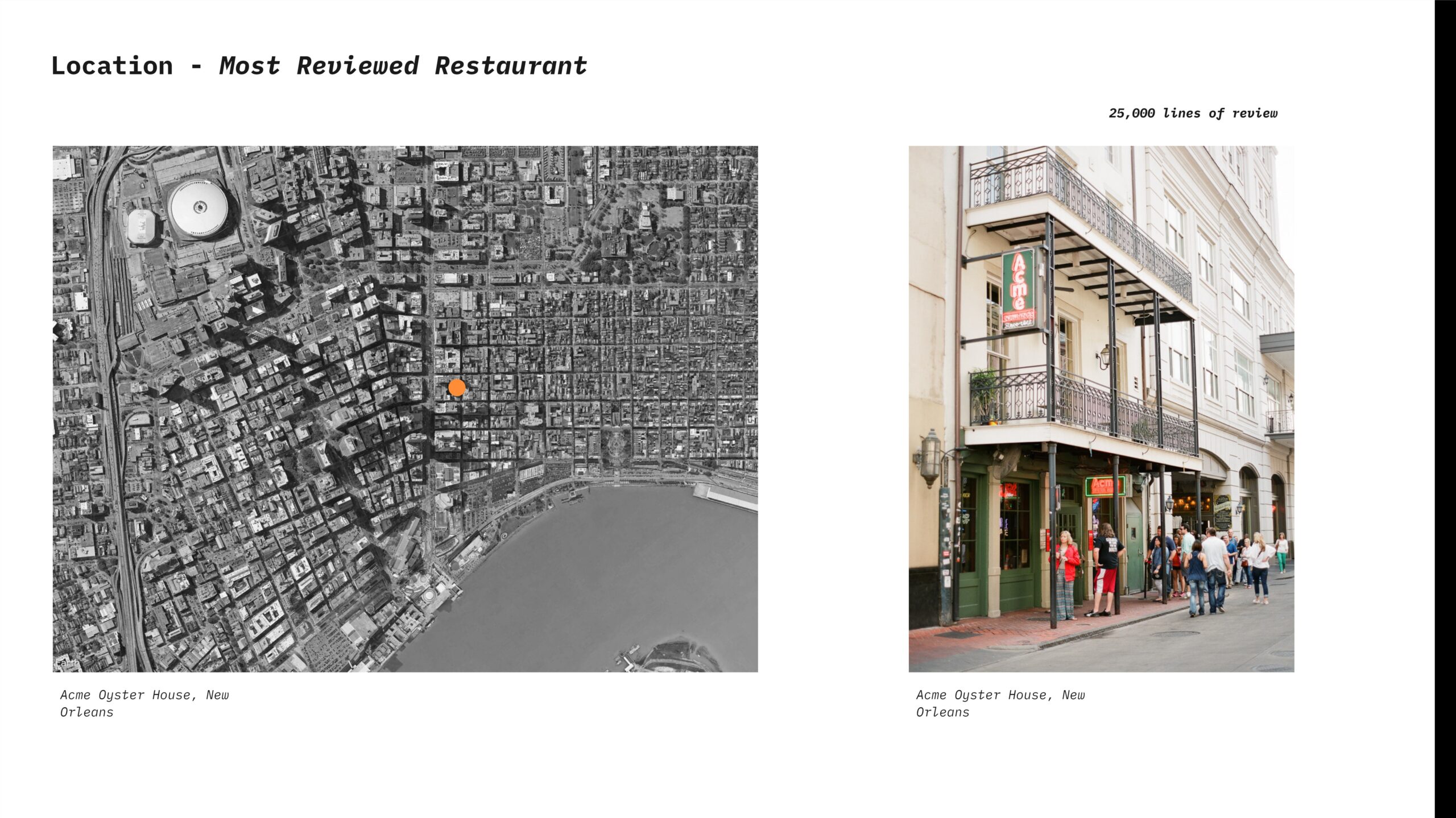
YELP RESTAURANT REVIEWER

The exercise analyses Yelp reviews on restaurants and tries to investigate on how we can leverage the accuracy and the volume of the review information. The data structure then, is built up directly from the YELP web sites and associate the “review id” to a code that than has been analyzed though a RAG method…. and … Read more

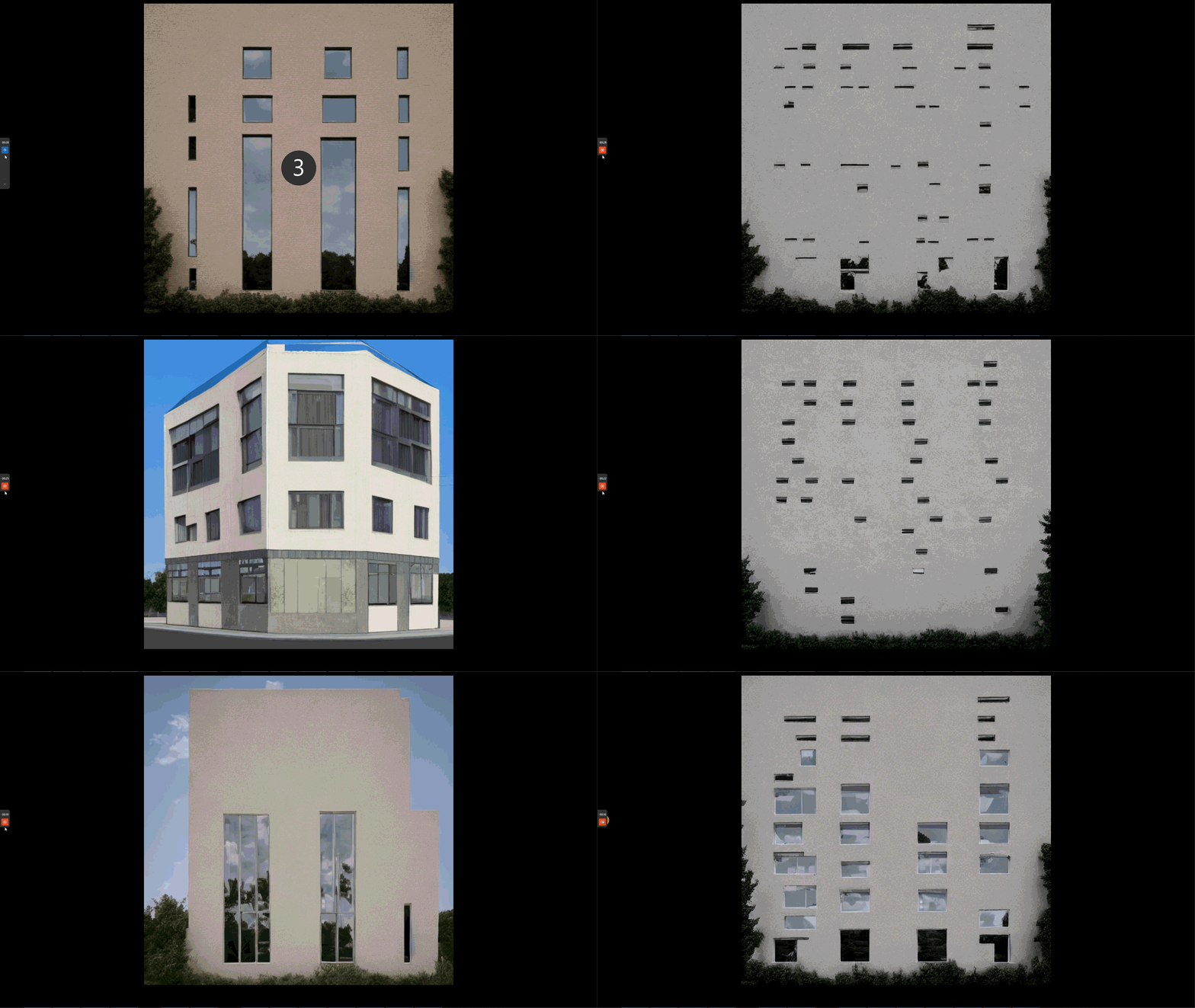
Facade Gen AI

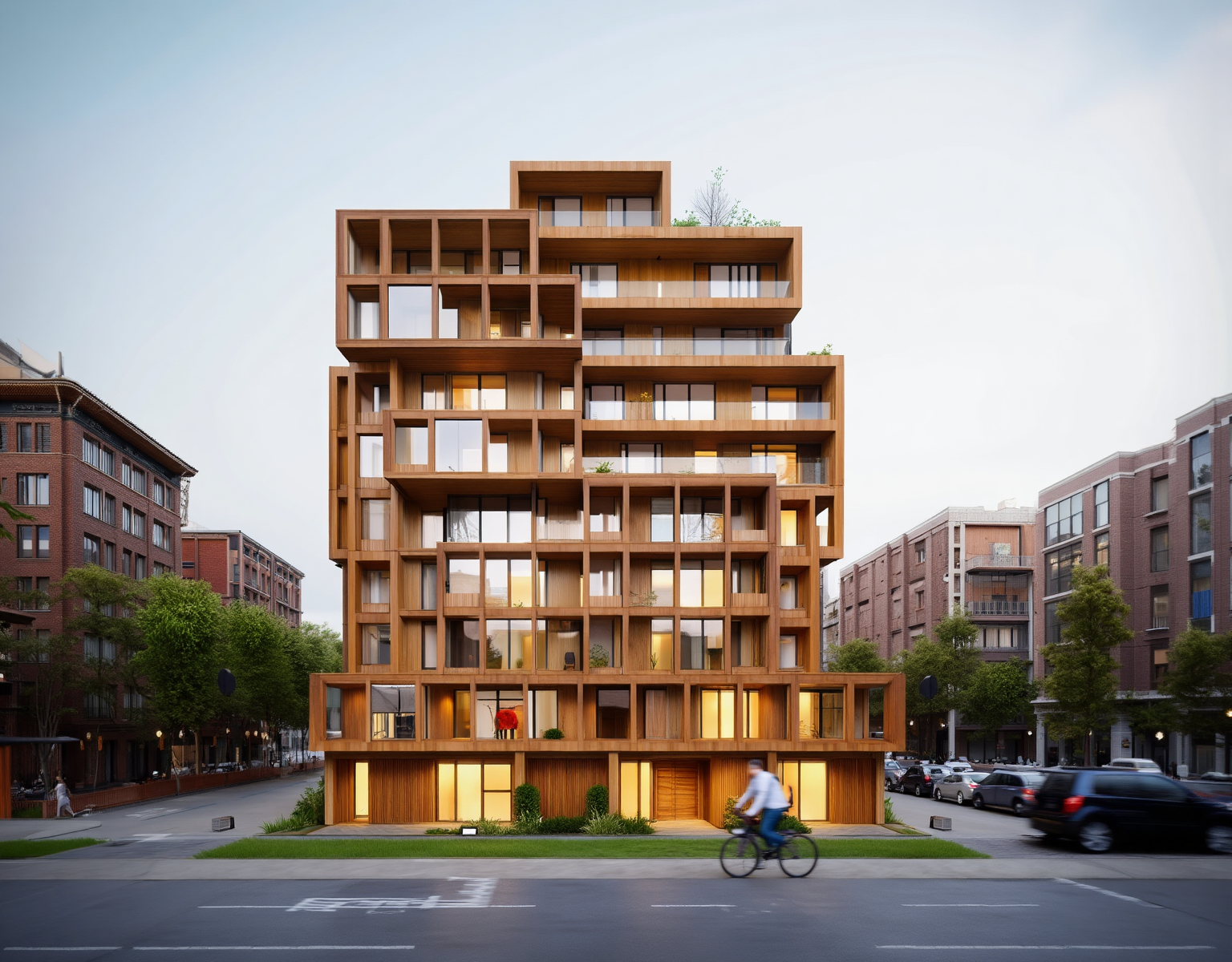
Our Generative AI seminar is dedicated to supporting our work at AIA studio, which focuses on sustainable design. Our task is to collaboratively generate a dataset of at least 800 facade images using generative AI techniques. This dataset will be an essential resource for us, enabling advanced research and development in sustainable architectural design and … Read more

Code – VIZ

We embarked on a fascinating journey through the latest advancements in Image Synthesis and Language Models within the Architecture, Engineering, and Construction (AEC) industry. The course highlighted the transformative potential of generative AI, enabling architects, engineers, and designers to push the boundaries of traditional design processes, streamline workflows, and tackle complex challenges in groundbreaking ways. … Read more

LouverGen

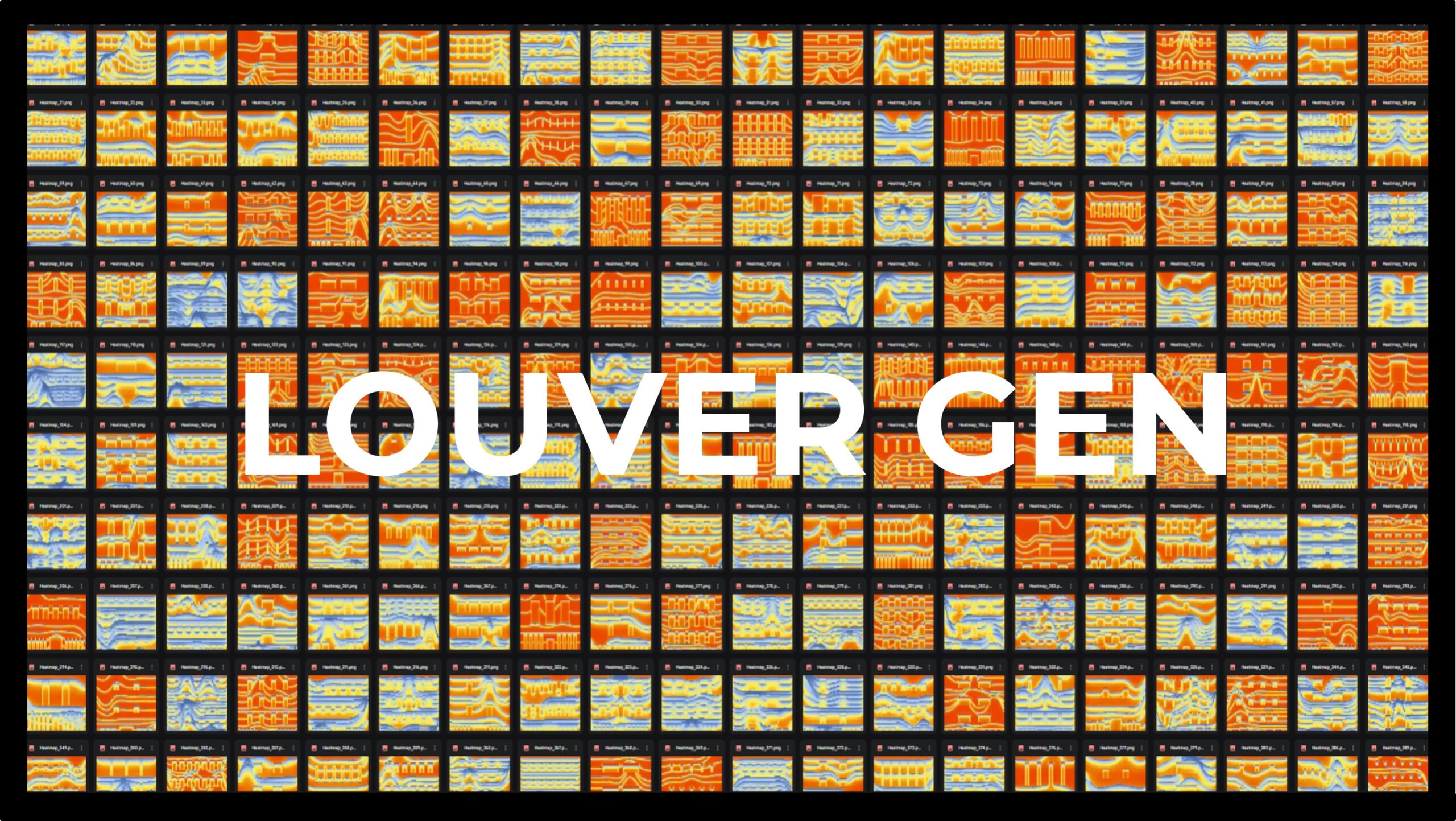
Project Aim The idea behind the tool is straightforward, that is to hand-sketch louver lines over a facade image to demonstrate the potential reduction in solar radiation on the facade which is linked to a domino effect on the chain of sustainability, as reduction in radiation on the facade will lead to reduction of energy … Read more

Skin Sense

Skin Sense is a project that aims to help users optimize the thermal comfort of their interior spaces by applying skin shaders. Why implement this? What can skin sense help the user with? Once the designer designs the skin for the building facade it has to be analyzed for indoor comfort. To analyze indoor comfort … Read more

Visual Culture Preservation for Peranakan Diaspora Utilising LoRA 

Introduction Joo Chiat’s shophouses in Singapore are emblematic of the country’s rich Peranakan heritage, blending architectural elements from Chinese, Malay, and European traditions.  Established in the 1920s and 1930s, these colorful and intricately decorated buildings are located in a conservation area that underscores both cultural preservation and modern adaptation.  Notable for their historical and aesthetic … Read more