The MaCAD is a unique online programme training a new generation of architects, engineers and designers ready to develop skills into the latest softwares, computational tools, BIM technologies and AI towards innovation for the Architecture, Engineering and Construction (AEC) industry.

Filters
Course

Computational Bucketing: Turning BIM Data into Visual Insight with Speckle Automate
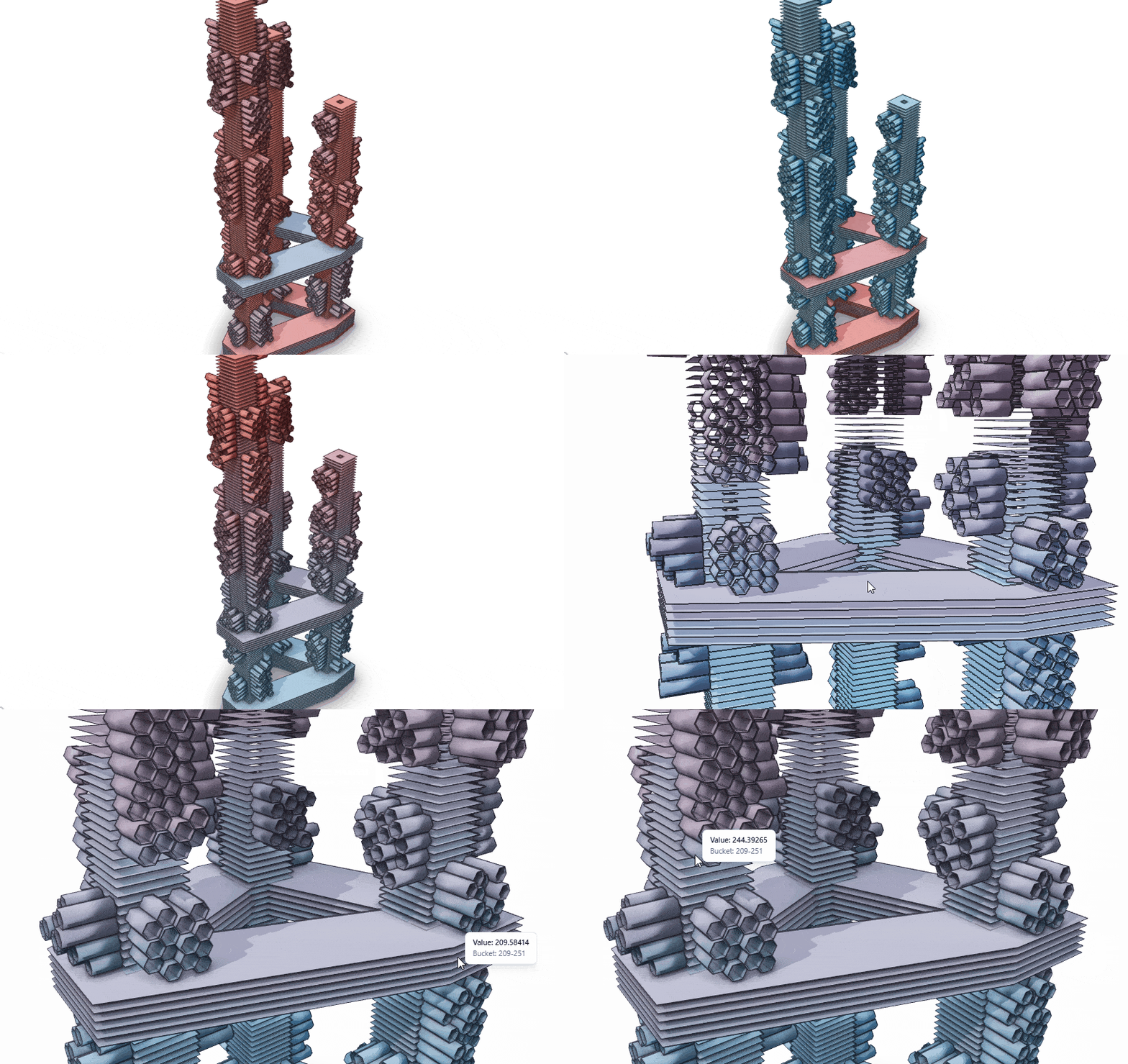
We developed a property-driven bucketing pipeline for BIM models using Speckle Automate that automatically groups building elements by numeric ranges and visualizes them as gradient-colored 3D models on a live website — making performance data accessible without needing to open Speckle. In collaborative design projects, reviewing building performance data is often a bottleneck. Team members … Read more
From The Very Many to the Very Least (Podcast)

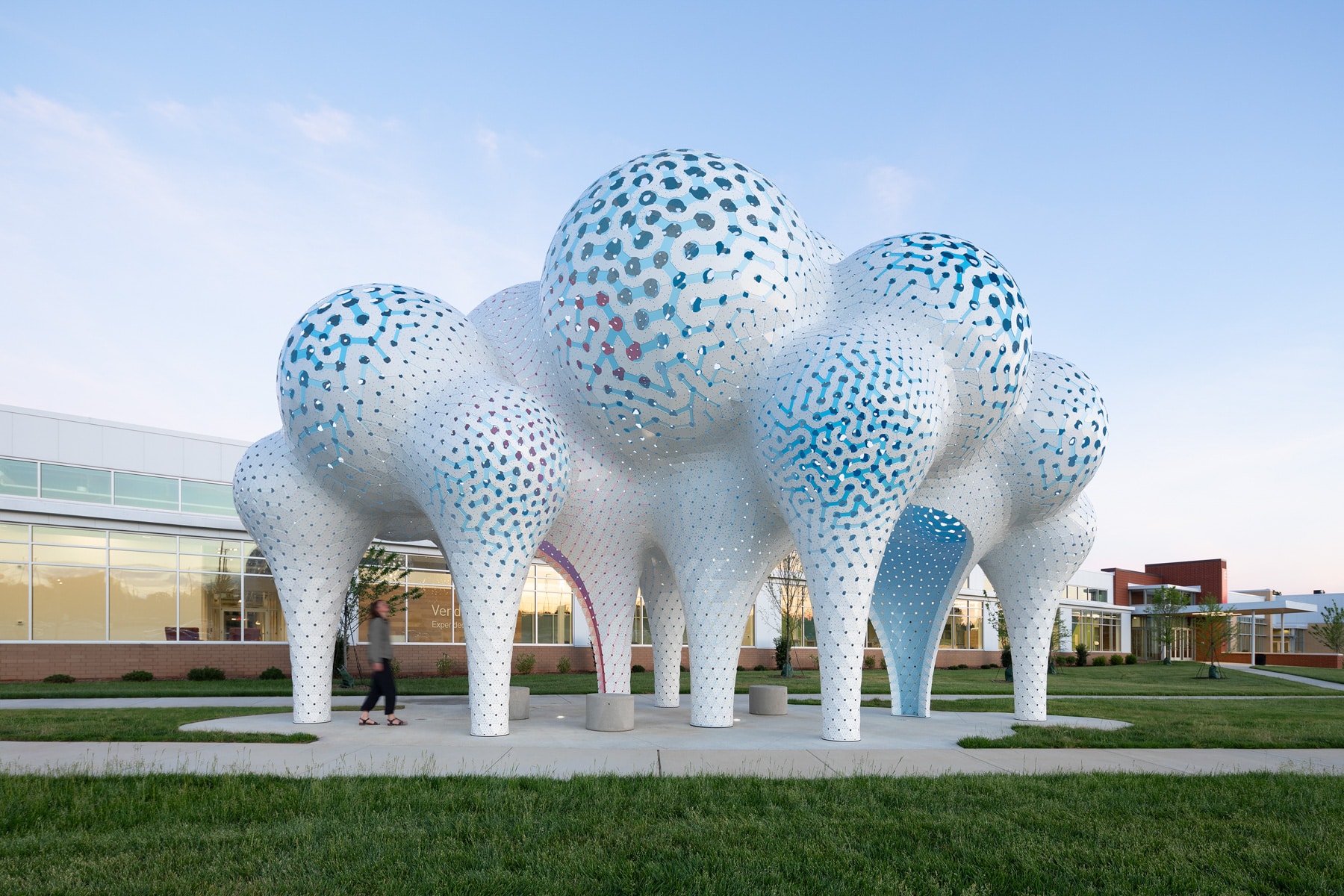
Abstract In Contemporary Architecture, we are witnessing a shift from standardized building systems towards highly differentiated, data driven and geometrically complex structures. These projects challenge conventional workflows, requiring new methods to manage variation, fabrication logic, and translation of digital models into physical assemblies. Our research investigates how computational design, parametric modelling, and digital fabrication workflows … Read more

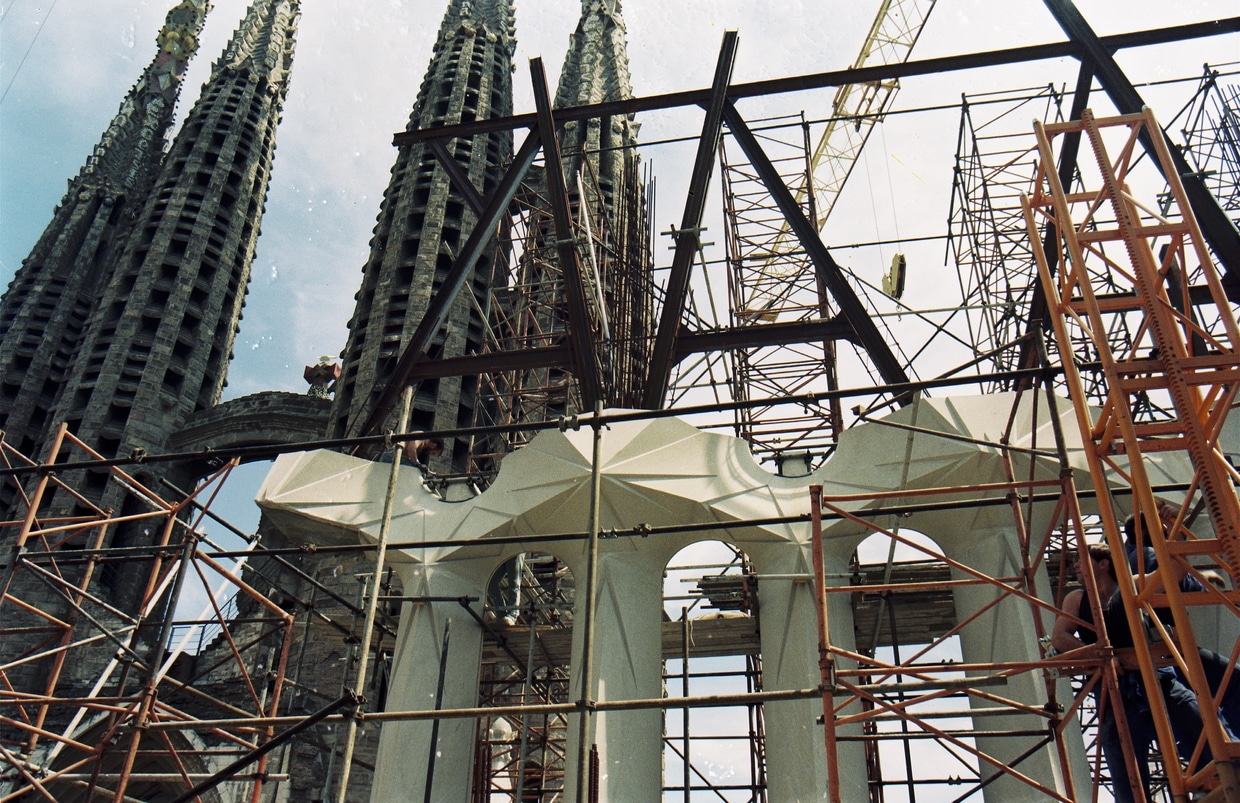
BIM in Ongoing Heritage Construction: The case of the Sagrada Família

Computational Workflows at the Sagrada Família The Sagrada Família in Barcelona is one of the most complex and long-running architectural projects in the world. Begun in 1882 and still under construction today, the basilica sits at the intersection of historical heritage, evolving design intent, and contemporary digital technology. To understand how digital tools support such … Read more

Architectural Creativity in the Age of AI

“Technology is the answer, but what was the question?” Cedric Price, 1966 Data Becoming ART! This research investigates whether AI and BIM enhance architectural creativity or contribute to the standardization of design. It examines whether computational workflows expand the boundaries of architectural expression or gradually replace human intuition with optimized uniformity. The study further explores … Read more

Design Beyond the Project: Reframing Practice Through Scalable Digital Services

A conversation with Jesper Wallgren Introduction In recent years, computational design and BIM workflows have become common tools in architectural practice. However, most of these tools remain confined to individual projects, often developed as internal scripts or one-off automation solutions to solve immediate design problems. While effective in improving efficiency within a project, these tools … Read more

Automated Scan-to-BIM workflows through artificial intelligence: A Conversation with Václav Nežerka

From Point Clouds to Digital Twins: Inside the Cloud2BIM Workflow The Architecture, Engineering, and Construction (AEC) industry is currently undergoing a major technological shift. We are witnessing a definitive transition from manual, labor-intensive site measurements to AI-driven scan-to-BIM workflows. The goal is clear: to unlock the digital potential of existing buildings by creating high-fidelity records … Read more

Bridging the Gap: What Two Computational Industrial Designers Taught Me About Getting In

Computational design can feel like a field you need permission to enter, a space guarded by complex software, specialized knowledge, and a career path that isn’t clearly written anywhere. But after sitting down separately with Aaron Porterfield, developer of the open-source Grasshopper plugin Crystallon, and Aman Agrawal, founder of Cademy and computational design specialist at … Read more

AI in AEC: Accelerating Decisions, Not Replacing Designers

Artificial Intelligence is often discussed in the AEC industry through extreme narratives, either as fully automated architecture or algorithms replacing designers altogether. But in reality, AI’s impact is much quieter and much more practical. Today, AI is not designing buildings for us. Instead, it is supporting the many process-heavy tasks that surround design. AEC workflows … Read more

Repositioning Intelligence: Artificial Intelligence and Decision-Making in AEC

MACAD 25-26 Theory Seminar Reflection This essay reflects on my evolving understanding of the purpose of Artificial Intelligence in architecture, engineering, and construction following the Theory seminar at MACAD. Rather than attempting a comprehensive overview, it centres on a specific experience that crystallised broader implications about how these tools are restructuring design practice. My initial … Read more

Rethinking AI’s Role in the AEC Industry

From automation to infrastructure Before starting this course, I primarily understood Artificial Intelligence in the AEC industry as a productivity tool—something used to automate repetitive tasks, accelerate modeling, or optimize isolated steps within the design workflow. AI was, in my mind, an add-on: powerful, useful, but largely standalone. Over the duration of the course and … Read more

Beyond Efficiency

The Purpose of AI in the Age of Resource Scarcity Introduction: Redefining the Question The question “What is the purpose of AI in AEC?” often elicits a predictable response focused on speed. For years the industry has viewed Artificial Intelligence primarily as a mechanism for automation. It is seen as a faster way to produce … Read more

The Future of AI in the AEC Industry

Artificial Intelligence (AI) is changing the Architecture, Engineering and Construction (AEC) industry in ways we’re only beginning to understand. As computational design and software advances and is tasked to handle more complex and data-intensive forms, AI offers real potential to optimize workflows and improve design team collaboration from initial concepts on Schematic Design (SD) to … Read more

AI in AEC: Decision Support Across the Lifecycle

AI in AEC is often pitched as a design generator or a shortcut to faster output. We pushed a more real definition: AI’s purpose is decision support, helping teams see risk earlier and choose better options, while humans remain accountable. AEC is a chain of high-stakes decisions made under pressure: feasibility, coordination, procurement, construction risk, … Read more

Bab al-Luq Market: A Shell That Finds Light and Guides People

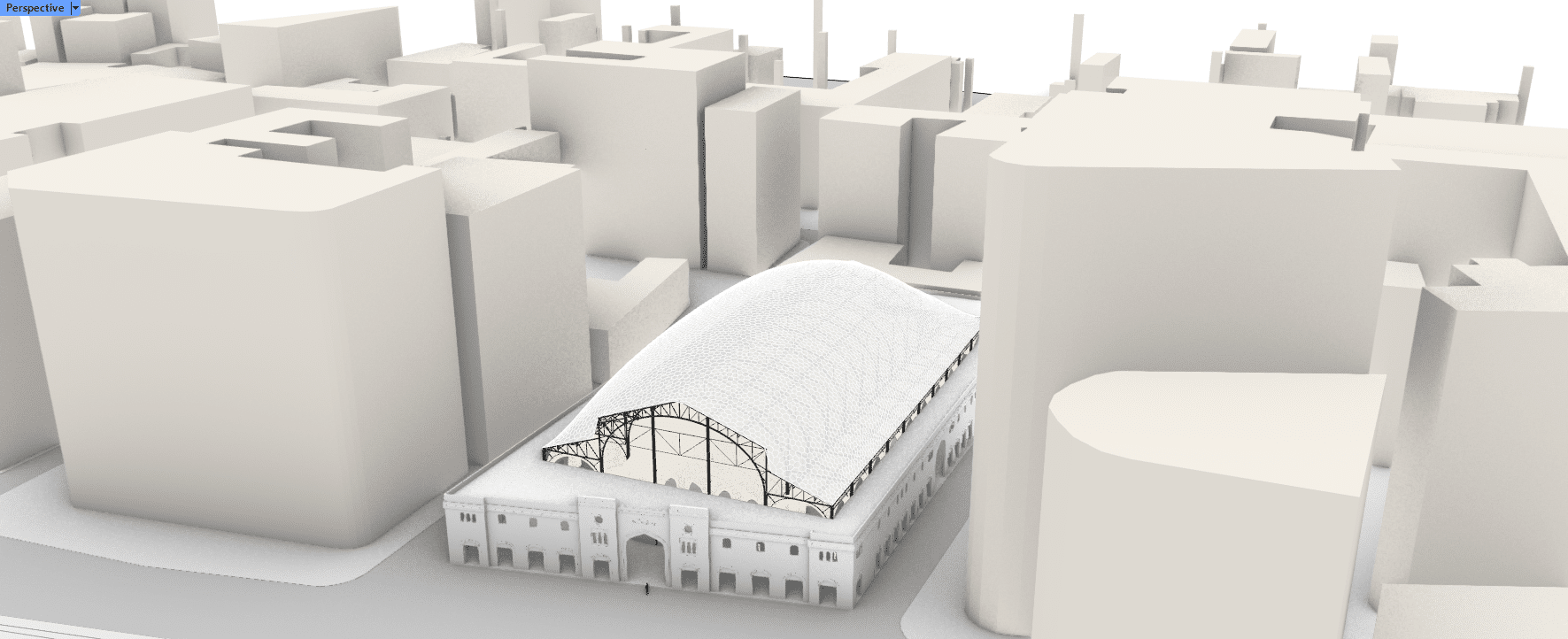
Bab al-Luq Market in Cairo was designed to be bright, legible, and hygienic—then decades of add-ons and wear turned it into a dim, confusing interior. This proposal makes one clear move: a parametric double-skin roof that diffuses daylight and defines a readable circulation spine. Location: Cairo, Egypt Climate: Hot, dry, sunny Typology: Historic market hall … Read more

MERIHAUS – Sea Urban Escapes for Seasonal Living

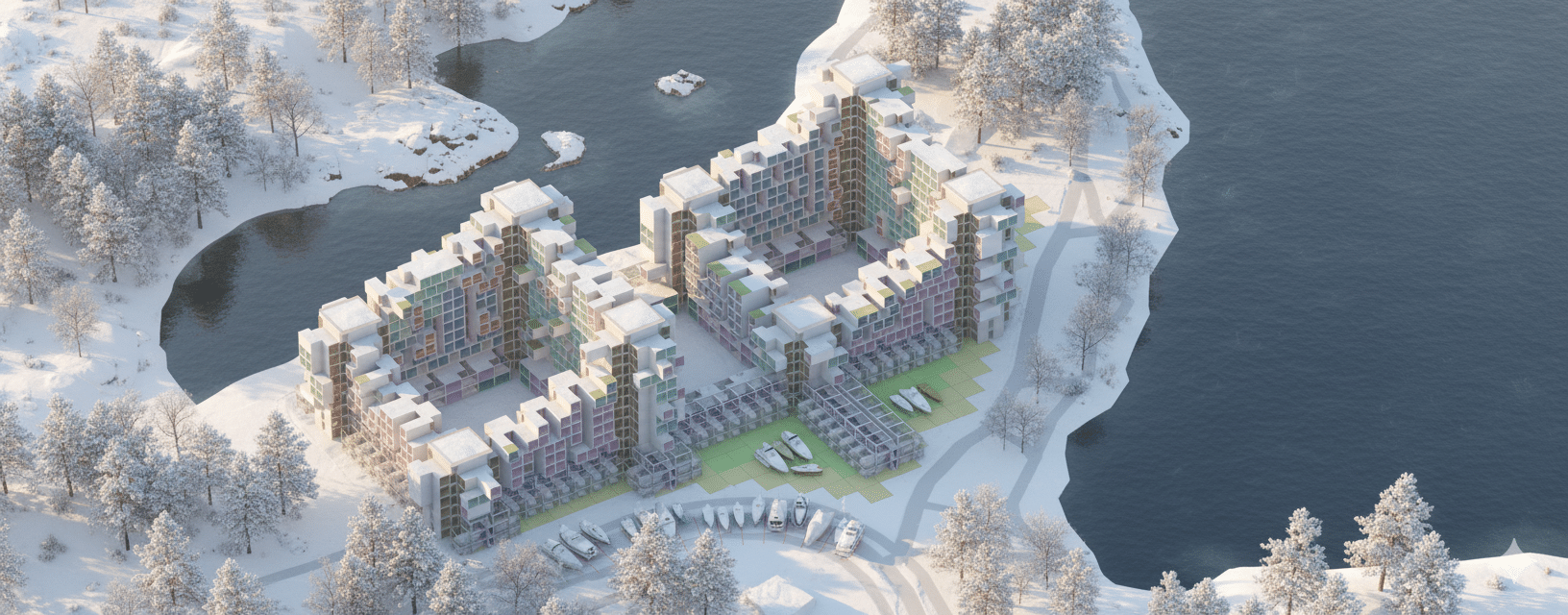
The project explores a contemporary reinterpretation of Finnish cabins, combining seasonal water living, public wellness, and boating storage. The core idea is that small modular units — cabins, saunas and workspaces — can aggregate into larger urban and social systems. Helsinki has a harsh Nordic climate, with long winters ranging from –10°C to +25°C, high … Read more

AI and the future of intelligent architecture

AI in intelligent architecture enhances design efficiency, sustainability, and user‑centric spaces. Key benefits include automation, data‑driven insights, and optimized building performance. Challenges involve data privacy, high implementation costs, and skill gaps. The future promises adaptive buildings, predictive systems, and seamless human‑AI collaboration shaping more resilient, responsive, and sustainable built environments. 1. AI-Driven Design Innovation Generative … Read more