The MaCAD is a unique online programme training a new generation of architects, engineers and designers ready to develop skills into the latest softwares, computational tools, BIM technologies and AI towards innovation for the Architecture, Engineering and Construction (AEC) industry.

Filters
Course

Climate-Responsive Cultural Center in Dresden, DE

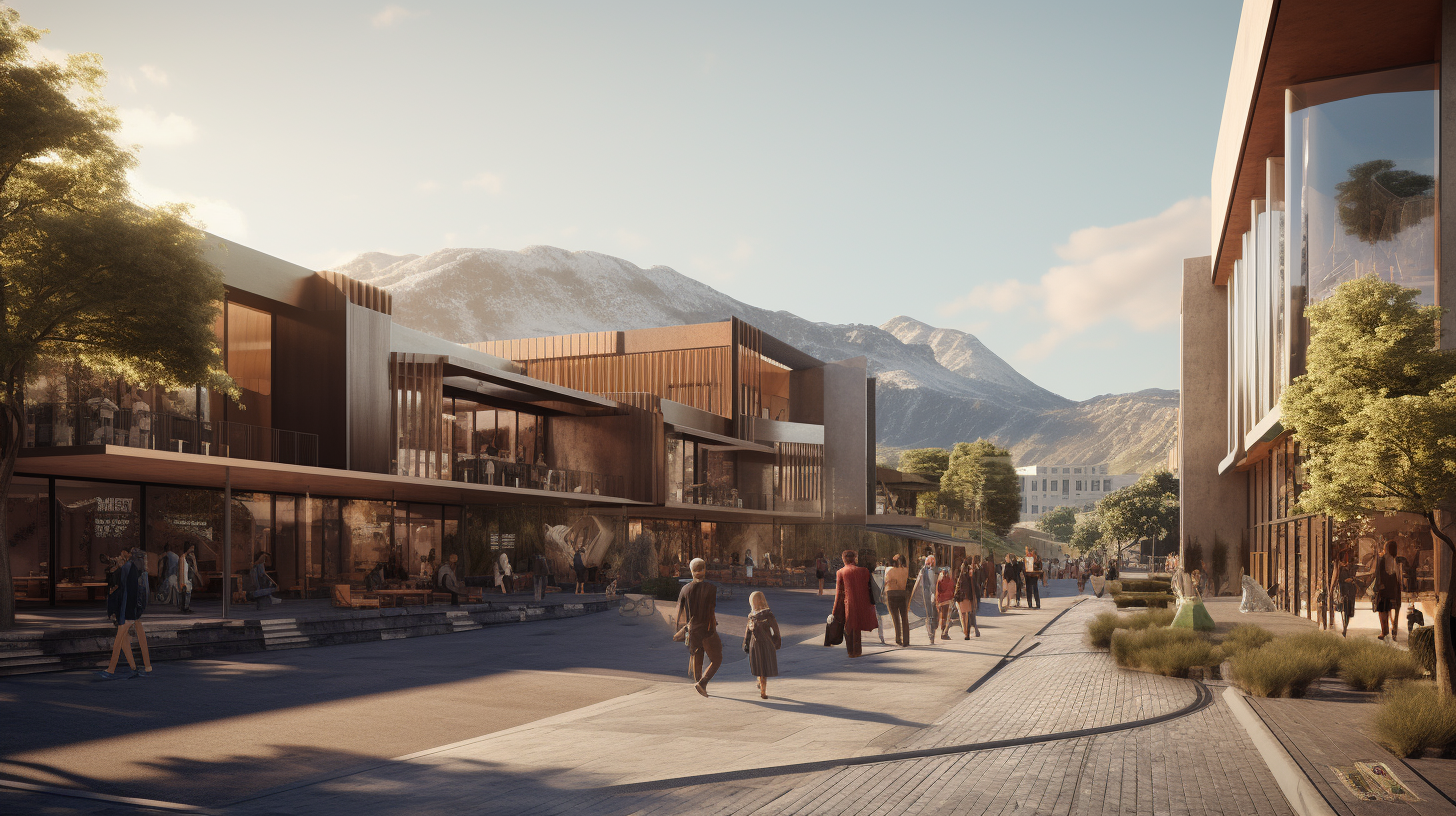
Our Project is a Cultural center Located in Dresden (East Germany) on a small Plot trapped with close buildings from the northern and southern sides. The goal of this Sustainable study is to analyze the design form and, the envelope and to optimize its building performance and Urban Impact. Yearly Climate Analysis General Climate Overview: … Read more

Metaphors of Transformation: Shaping Sustainable Architectural Paradigms in the Urban Era

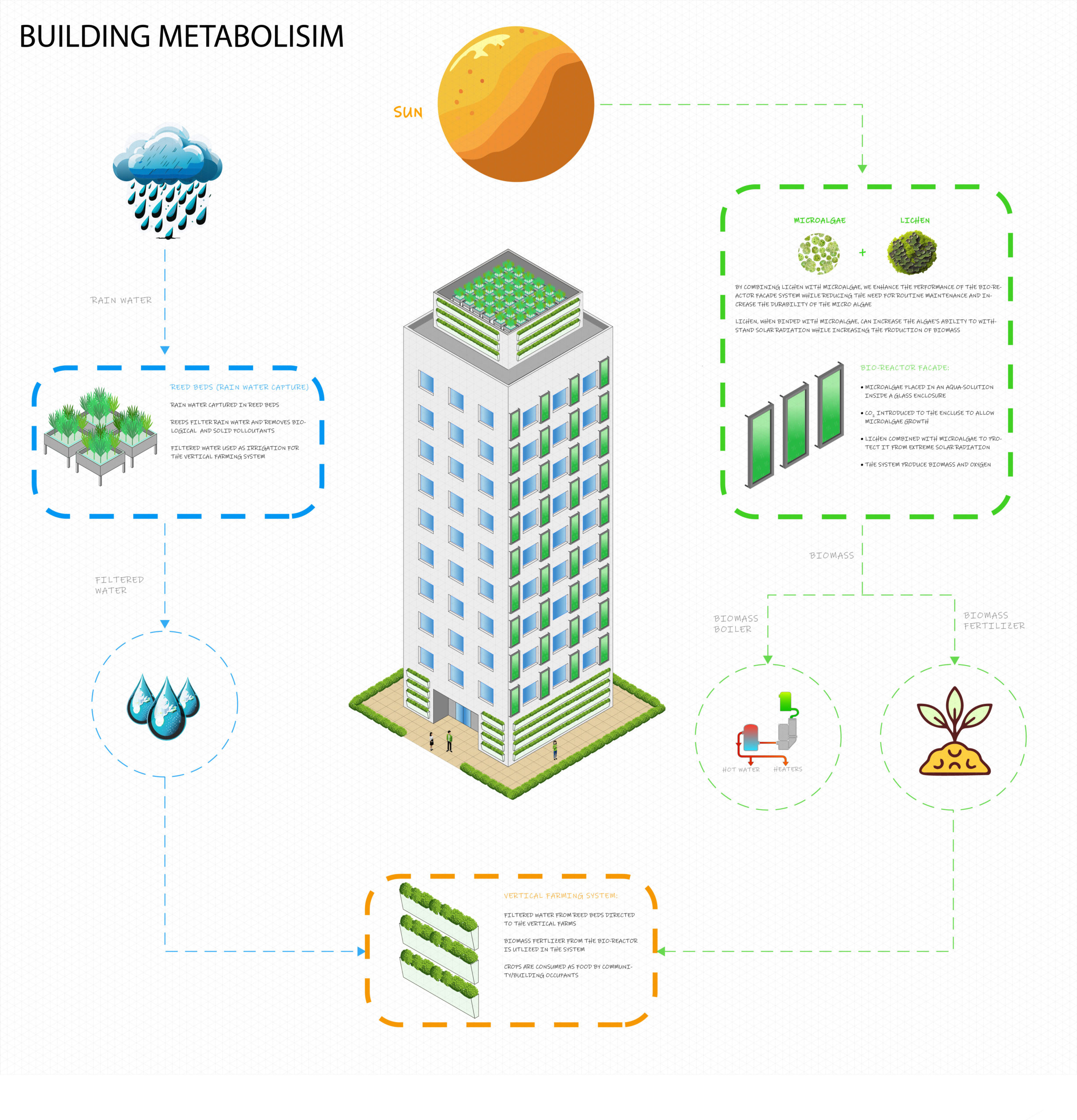
Introduction In the face of intensifying urbanization and the climate crisis, how can a paradigm shift in architecture, guided by the principles of building metabolism theory, offer a sustainable and regenerative solution to address the challenges of our rapidly evolving urban environments? Abstract In an era of intense urbanization there is an imperative need for … Read more

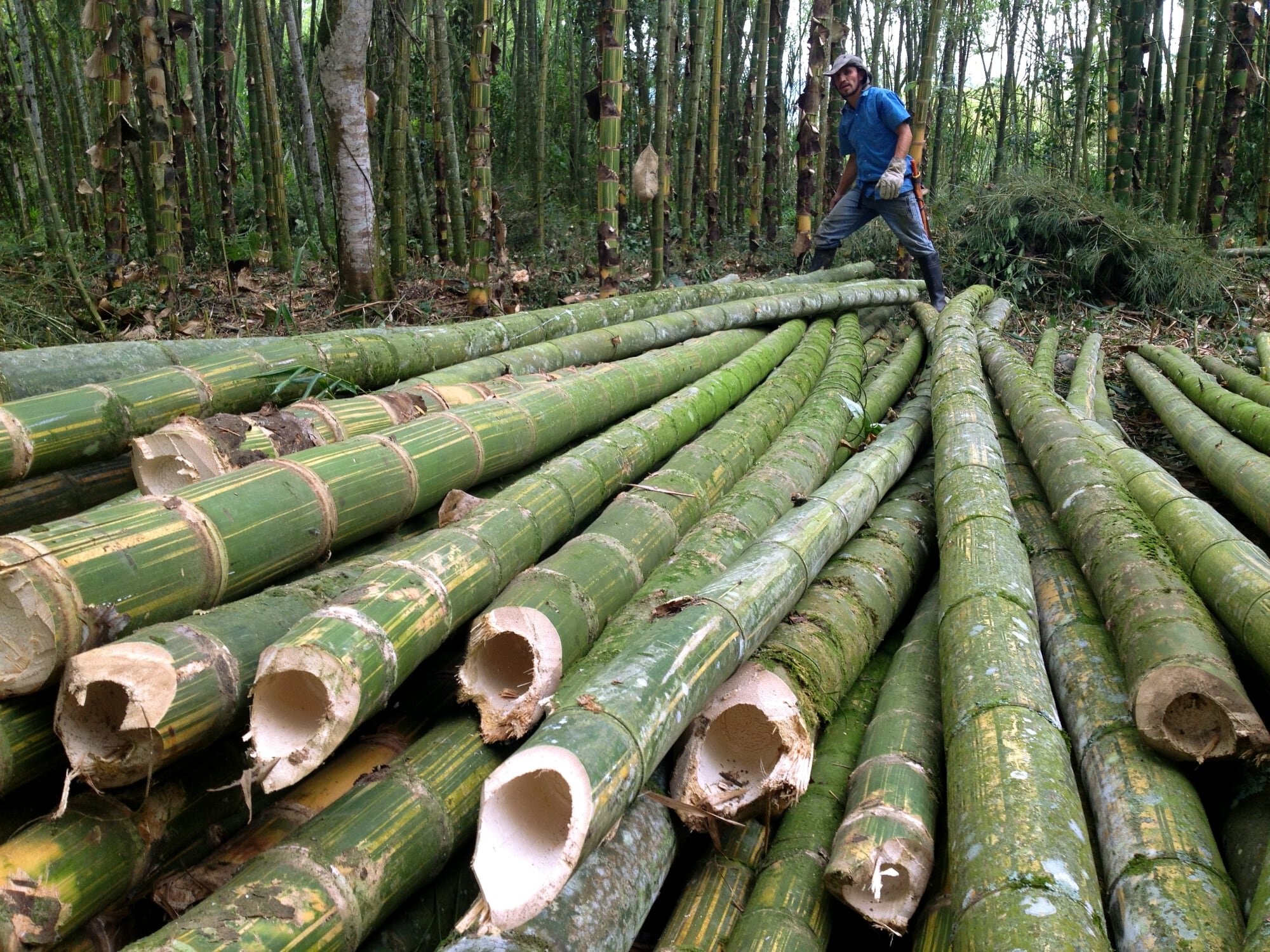
Natural Materials and Digital Fabrication: A Radical Approach to Mass Utilisation and Standardisation

  Global technology evolves rapidly, unprecedented in human history. This progress significantly enhances lives but at a considerable cost, marked by escalating global temperatures and the looming threat of extinction. Ongoing research aims to mitigate these adverse effects through diverse strategies.The building sector contributes about 47% of global carbon emissions. Architects, integral to this industry, … Read more

Building Envelopes: Catalysts for Outdoor Thermal Comfort and Health

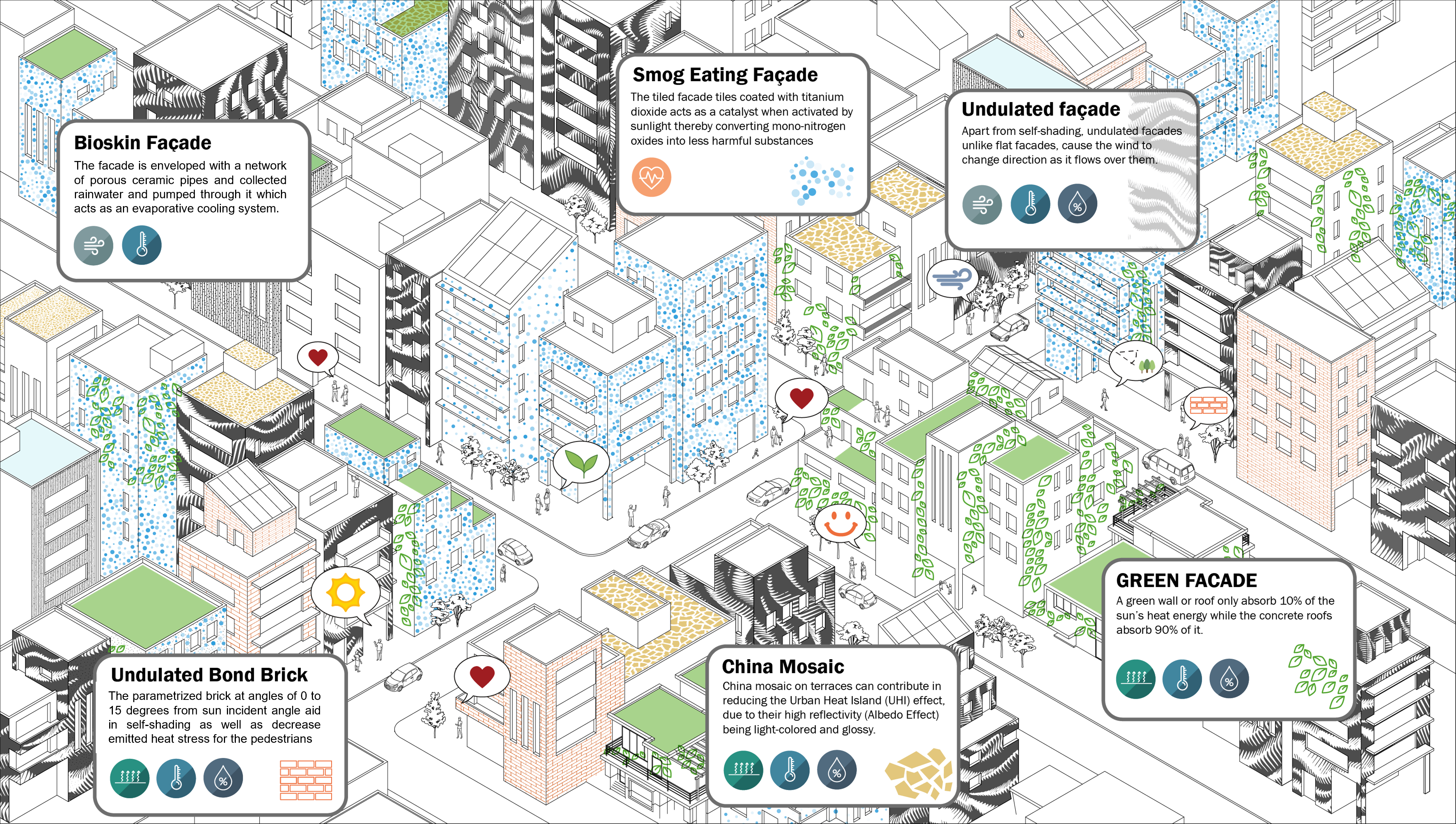
Objective of the manifesto In an age defined by climate change, this manifesto strives to motivate designers by evoking their consciousness, to design the building envelopes not just for indoor comfort and aesthetics, but also ensuring the creation of outdoor thermal havens as these envelopes comprise approximately 70 % of the urban outdoor environment. Hence … Read more

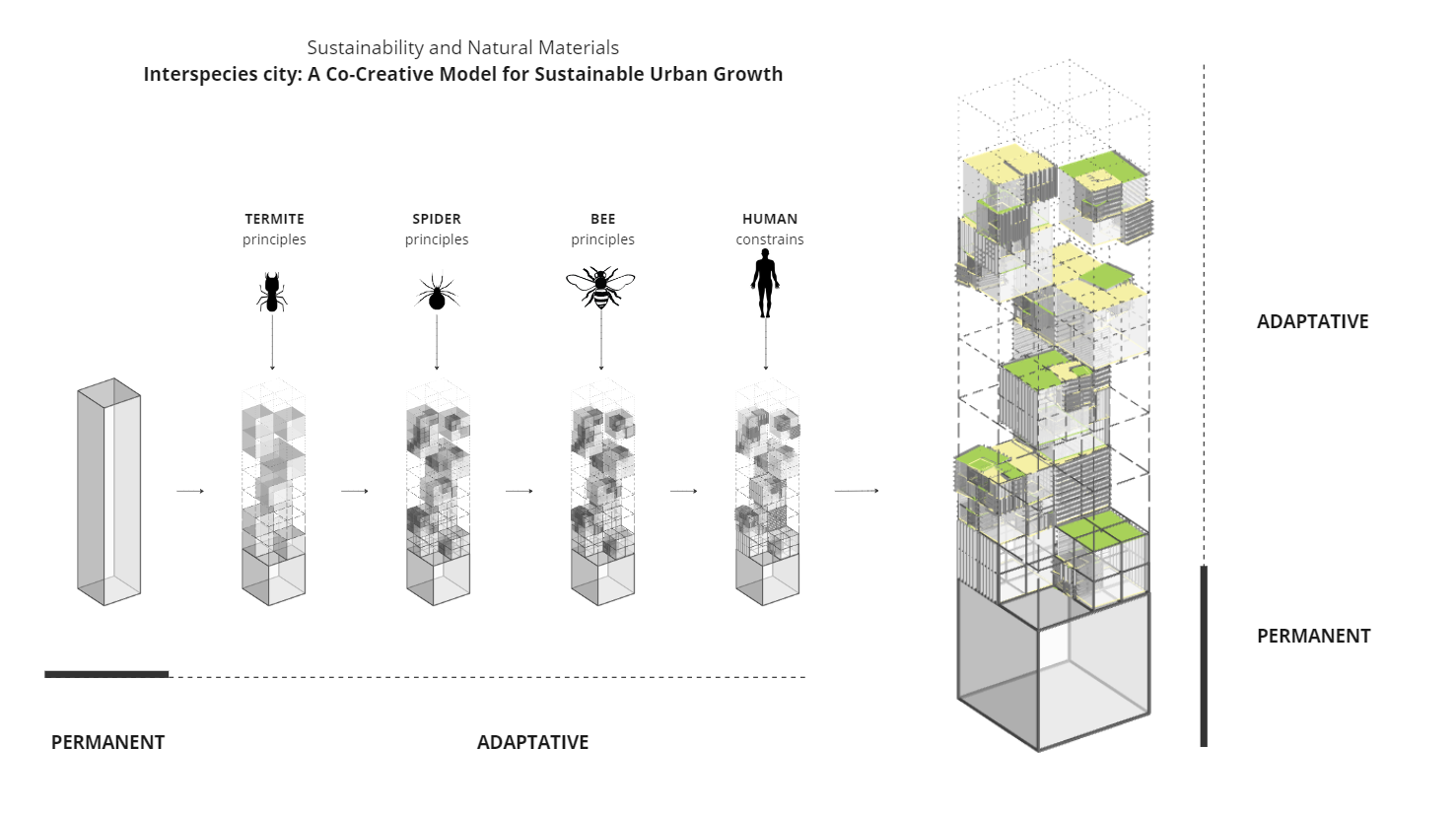
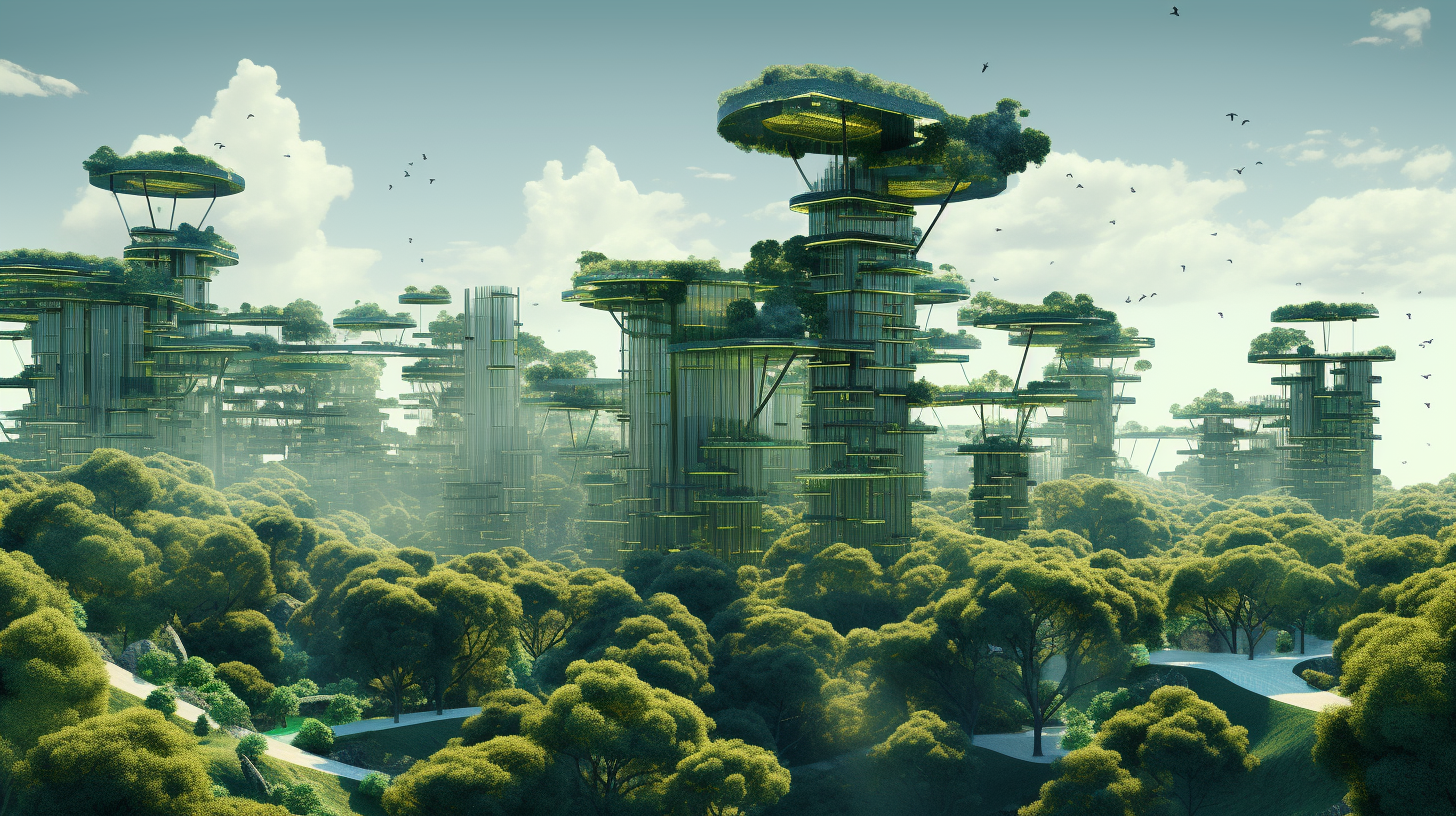
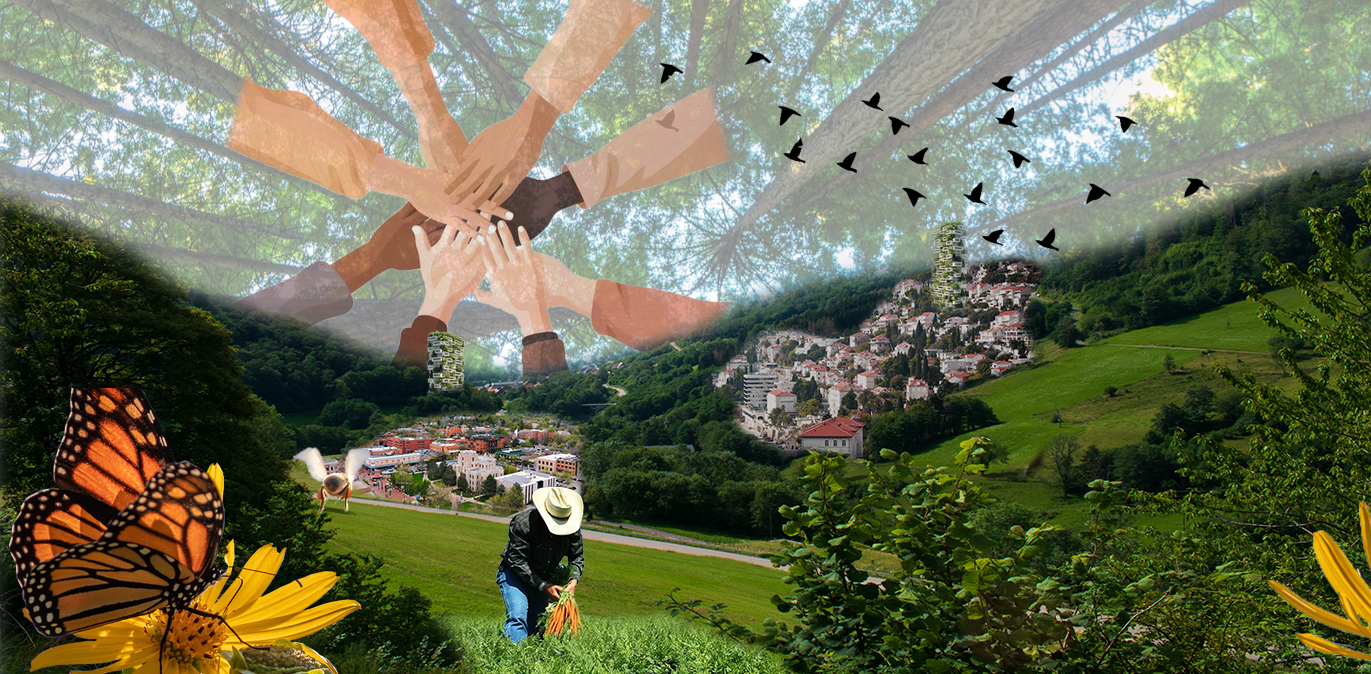
Interspecies city: A Co-Creative Model for Sustainable Urban Growth

INTRODUCTIONWhat is the difference between writing in ink and writing in pencil? Pencil can be easily deleted and re-written, while ink is permanent. In the realm of construction, the choice between writing in ink and pencil becomes a metaphor for permanence versus adaptability. Our cities face the urgent need for transformation in the face of … Read more

Symbiotic Metabolism

Problem Statement Modern buildings are fortresses holding nature at bay, reflecting Dualist philosophies separating humans from nature. Our current Anthropocentric notion of “nature” as something “out there” and separate from culture has created a metabolic rift1 within our urban and architectural landscapes, obscuring the ravaging of the earth. Resources are shipped from across the globe, … Read more

Reversing Ecosystem Degradation

MaCAD 23/24 // ACESD Theory Existing State of Urban Design In order to understand how to strive for successful ecological design practices, designers must first understand the problems that currently exist in the process of urban design. The current state of design tends to create distinct enclosures between both natural ecosystems and humans, with the … Read more

Superblock BCN

A Multidimensional Study of the Superilla My research starts from observing human behaviour. Often when we face a change in our lives, especially when it wasn’t planned, we feel resistance and it takes time before we accept and embrace it.  As you probably know Barcelona in the last few years lived some changes in its … Read more

FireFly

Harnessing the power of drone-based photogrammetry and artificial intelligence to create a low-cost urban wildfire diagnostic tool. In recent years, the global community has witnessed a significant upsurge in the frequency and intensity of wildfires. Driven by a combination of climate change, urban expansion, and land-use practices, these fires have not only devastated vast natural … Read more

Wildlife Corridors

Our project focuses on modeling and predicting habitat fragmentation avoidance mechanisms using graphs. We investigate wildlife corridors in Australia, leveraging graph-based approaches to create coherent passages and connect forest areas. By analyzing satellite images, road data, and other metrics, we construct and evaluate graph models that incorporate forest containment, node characteristics, and connectivity. Our goal … Read more

Generative Urban Farming

The experiment parts from a self organizing model that iterates based in the incident sun hours, to later be evaluated in 2 methods: DCGAN’s and PIX2PIX. Problem Statement: The objective is to utilize urban farming strategically in central Budapest to enhance the affordability of student life. The key questions revolve around the potential yield, geometric … Read more

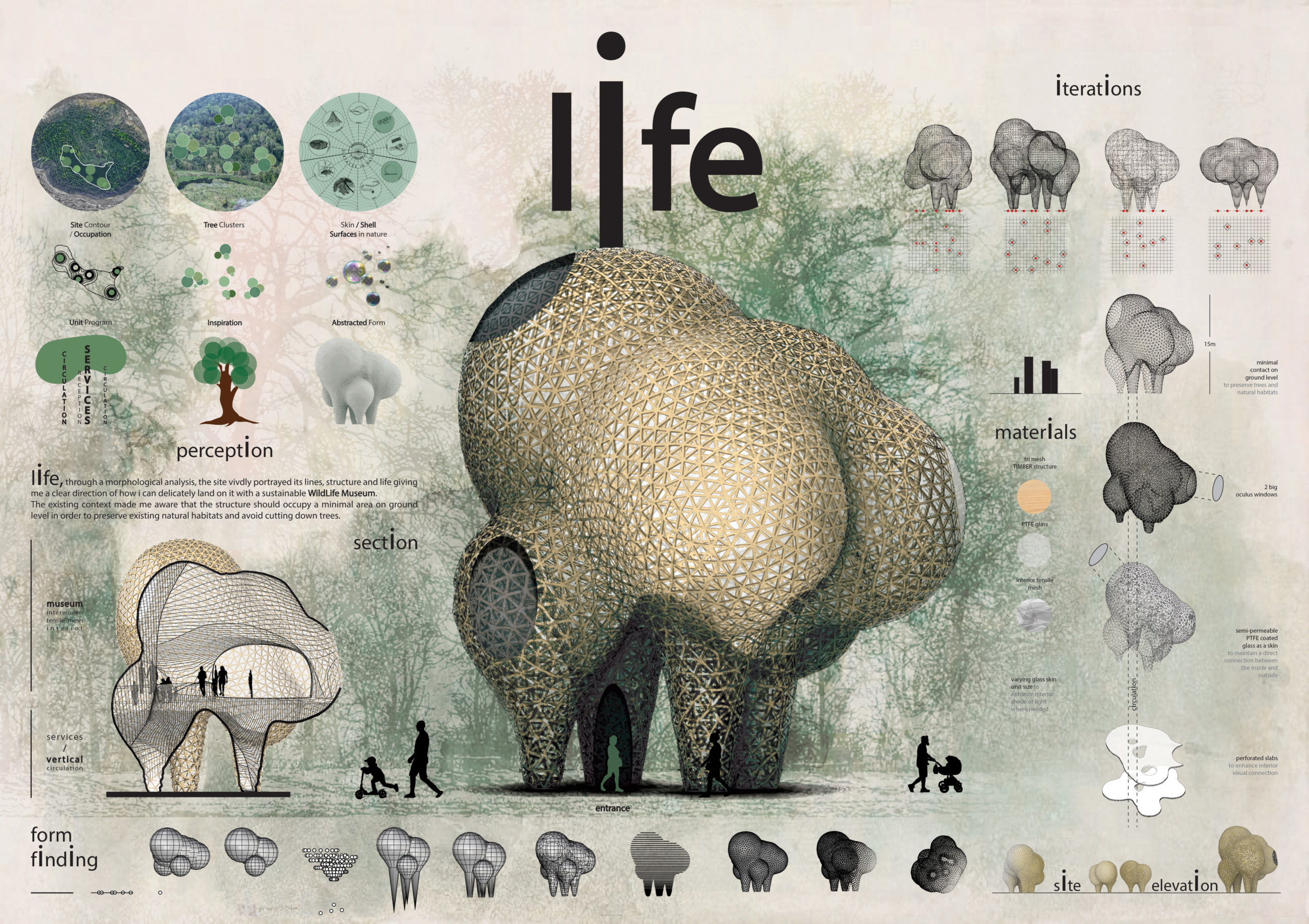
Wildlife Museum

life Through a morphological analysis, the site vividly portrayed its lines, structure and life giving me a clear direction of how i can delicately land on it with a sustainable life museum. The existing context made me aware that the structure should occupy a minimal area on ground level in order to preserve exisiting natural … Read more

Digital tools for Environmental Analysis

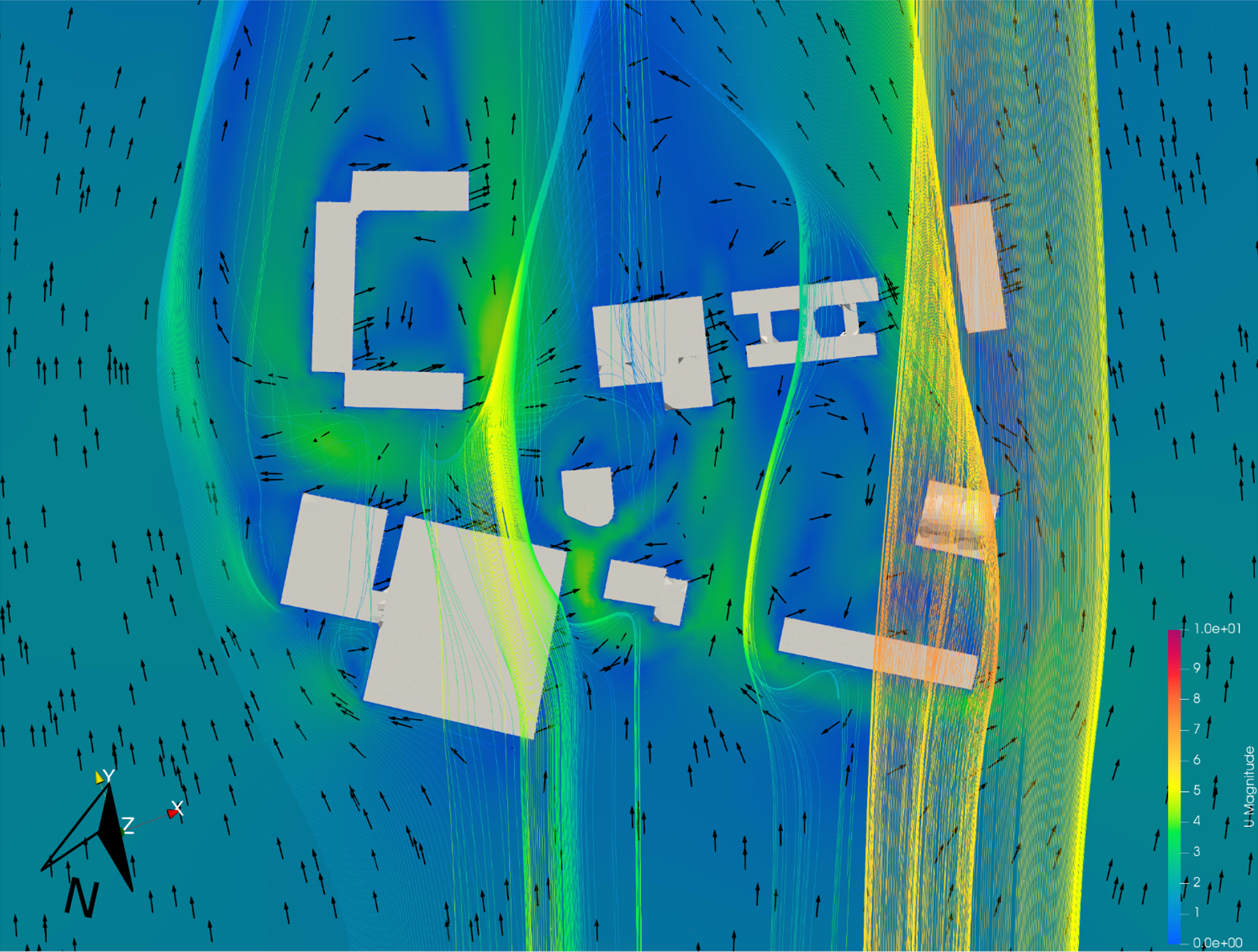
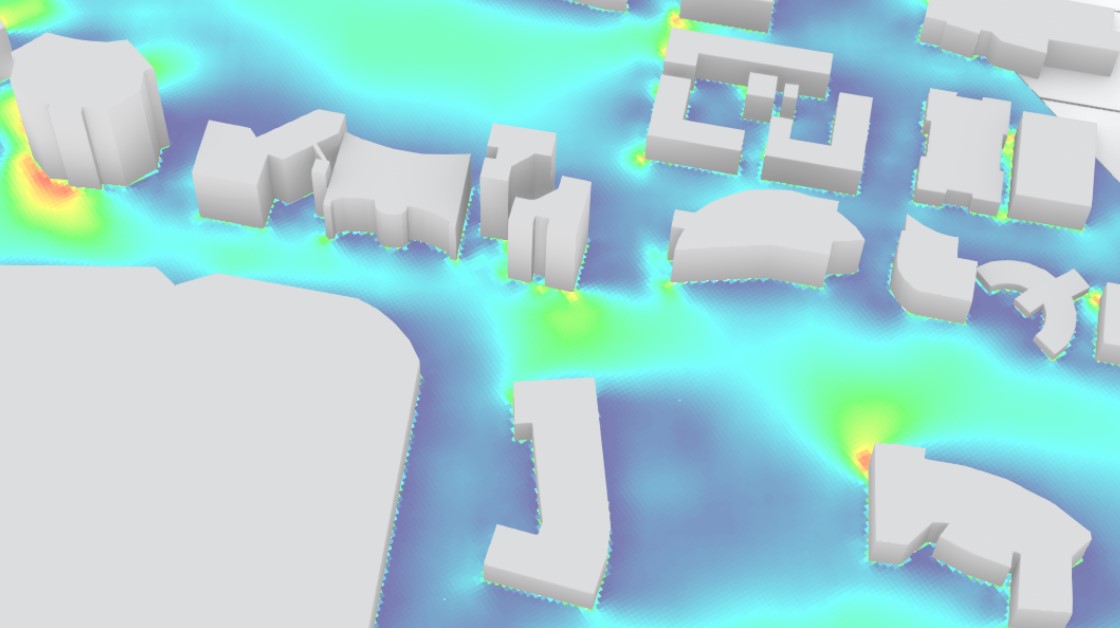
The project is located in Shanghai, China. The first is the basic climate analysis of Shanghai. The warmest month in Shanghai are 06,07,08, the coldest three months are 12,01,02. According to the UTCI comfort analysis, the outdoor environment is relatively uncomfortable in summer and winter. According to the analysis of the wind environment, wind direction … Read more

A Test Model for Environmental Design

Introduction Professor Ivan Sutherland at the University of Utah supervised several doctoral students in the 1970’s and 1980’s who later created many of the biggest leaps in computer graphics. These include Ed Catmull who founded Pixar and developed Catmull-Clark Subdivision, Alan Kay who worked on the first graphical user interfaces and the first laptop, Jim … Read more