IAAC’s Master in City & Technology (1 or 2-year program) is a unique program oriented towards redefining the analysis, planning, and design of twenty-first-century cities and beyond. The program offers expertise in the design of digitally enhanced, ecological and human-centered urban environments by intersecting the disciplines of urbanism and data science. Taking place in Barcelona, the capital of urbanism, the Master in City & Technology is training the professionals that city administrations, governments, industries, and communities need, to transform the urban environment in the era of big data.


Filters
Course

Longevity Landscapes

Mapping Proximity to Wellbeing Amenities in Urban Areas “For most of us from now on, life and death will be an urban affair.”— World Health Organization As cities become the primary environments in which people age, longevity can no longer be understood as a rural or lifestyle-driven phenomenon alone. Inspired by — but critical of … Read more

Cities on the Edge

How borders shape frontiers of urban life? I. Introduction Borders are often perceived as abstract lines on maps, yet they deeply shape how cities grow, connect, and fragment. Cities located along international borders experience unique spatial, social, and political conditions that distinguish them from inland urban areas. This project investigates borders not as static lines, … Read more

What’s happening to our downtowns ? 

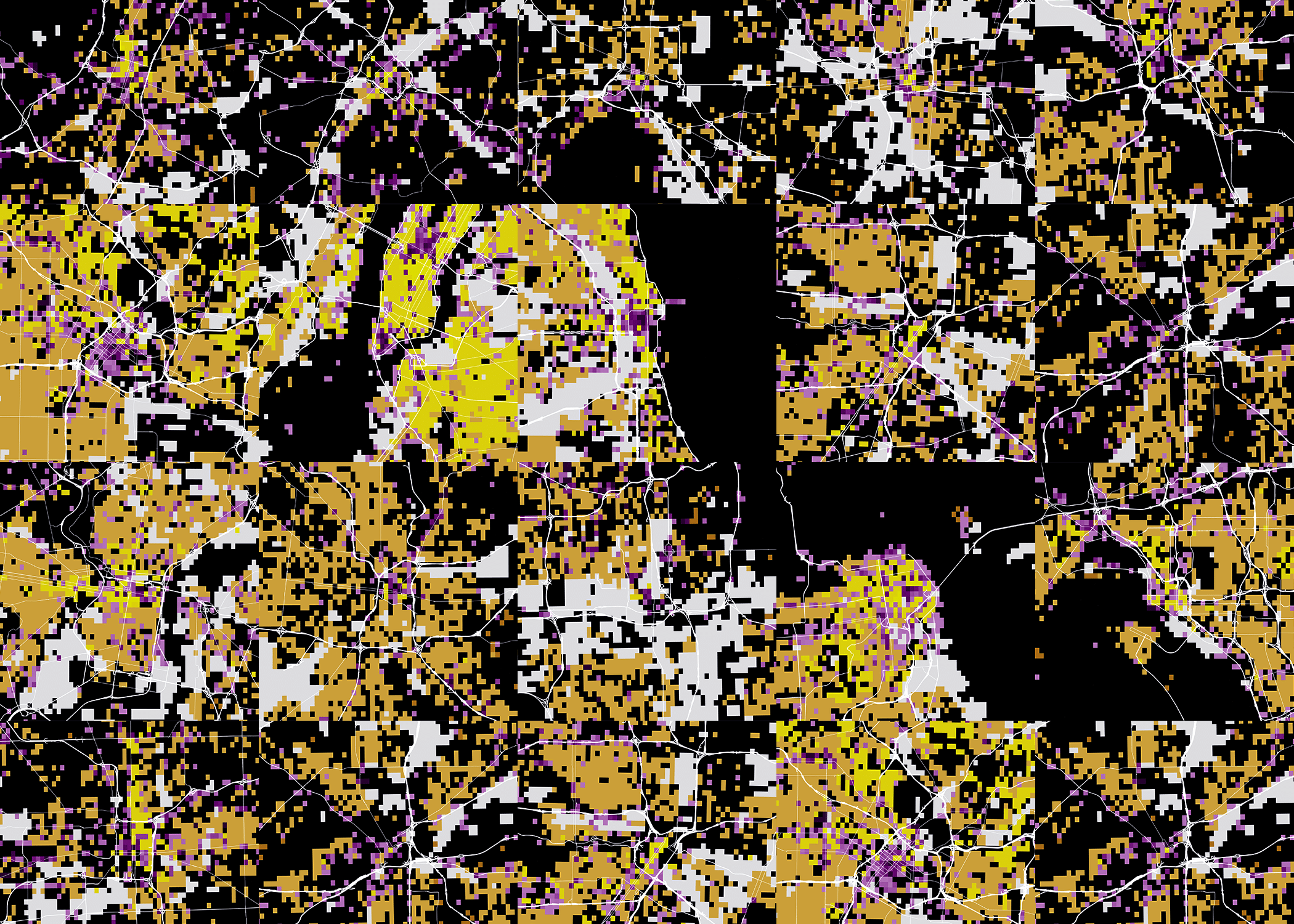
Abstract : In recent years, urban cores across the world have entered a period of uncertainty. Accelerated by the COVID-19 pandemic and the widespread adoption of hybrid work, many central business districts (CBDs) have experienced declining footfall, rising commercial vacancy, and shifts in social life—while others have demonstrated surprising resilience. This project investigates how foundational … Read more

$pot Finder

Preview of our dashboard with cost per m2 map on the right and a bar graph on the left

Opening a business is a bold investment. Factors (many out of business owners’ control) can determine whether or not local businesses thrive or struggle. Location matters, especially for businesses that depend on foot traffic. But the bigger questions are tough to answer: where should the business open? What is a fair rent to expect? Which … Read more

Back to Trash

Starting from unpacking a machine, exploring the machines functionality, critically reporting and creating a machine paradox. In our first week, we were introduced to a bunch of scrap in our backyard. We choose to unpack a vacuum cleaner which was not fully functional. ╭────────────────────────────────────────────╮│ FORENSIC REPORT: UNPACKING TECHNOLOGY │╰────────────────────────────────────────────╯ Reporting Agency: MACT, MAA, MDEFCase Identifier: … Read more

When Design Becomes Data

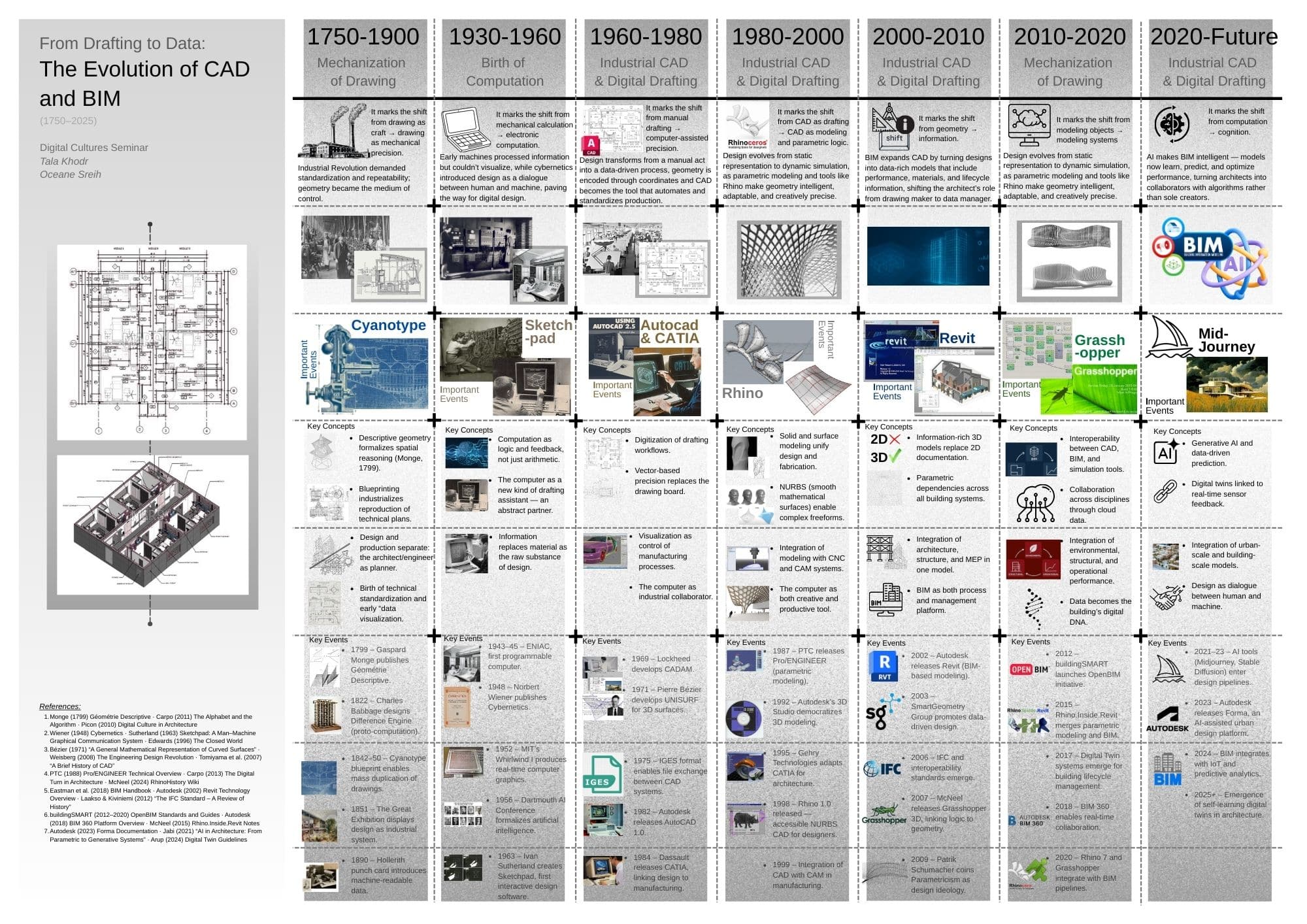
The Computational Evolution of CAD and BIM (1750–2025) Ultimately, the diagram presents visualization as an evolving infrastructure of thought. What began as an act of representation has become a computational process: an interface where information, material, and intelligence continuously negotiate the making of space. The Tool The tool we propose represents the next evolutionary step … Read more

 Land in the Physical World and the Metaverse

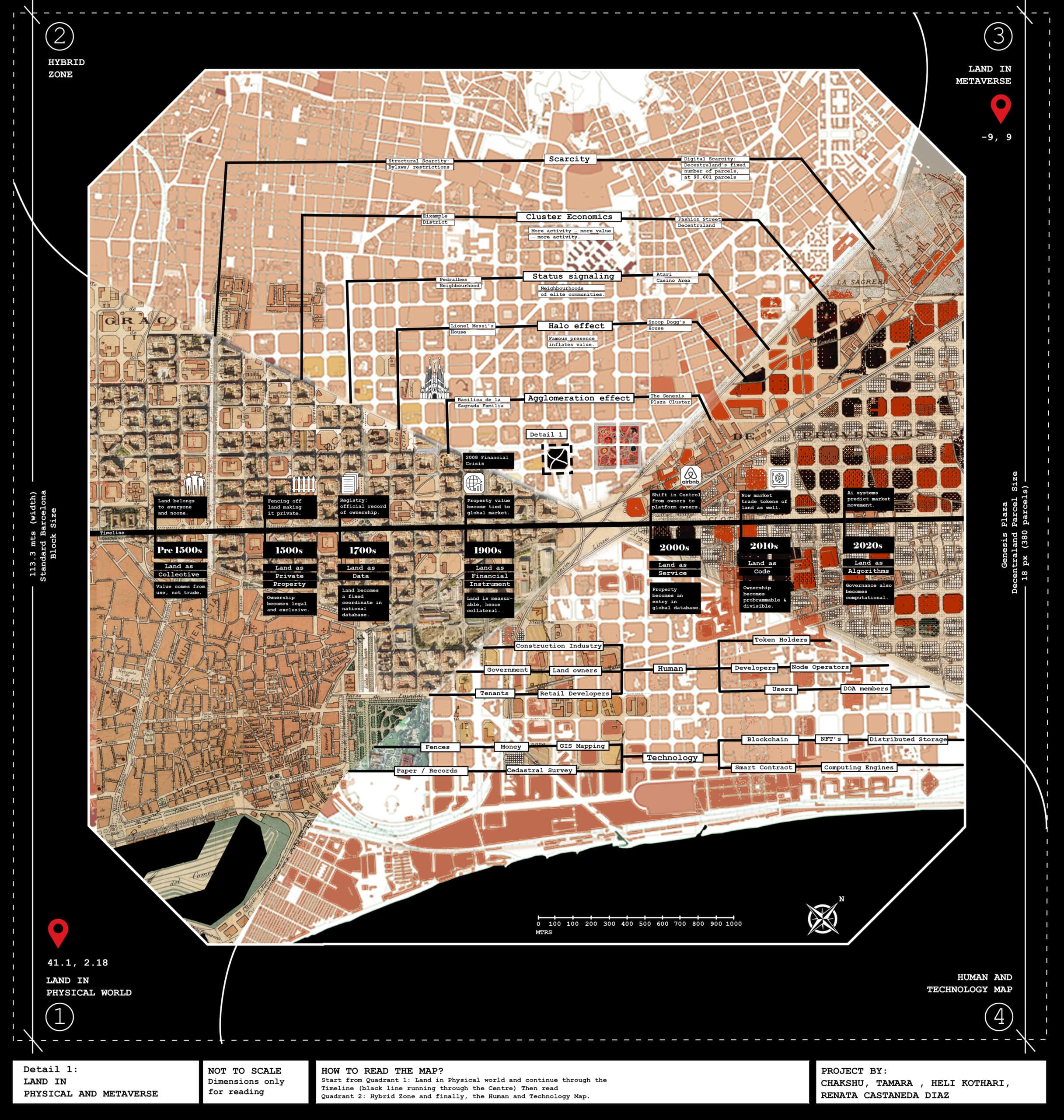
The research visualisation map shows the meaning, value, and governance of land shift as it transitions from the physical world into the metaverse. It treats land not as a static material object but as a socio-technical construct whose definition changes with different forms of infrastructure, ownership systems, and human–technology relationships. In the physical world, land … Read more

Cities in Pixels: Mapping, Moving, and Meaning in the Digital Era

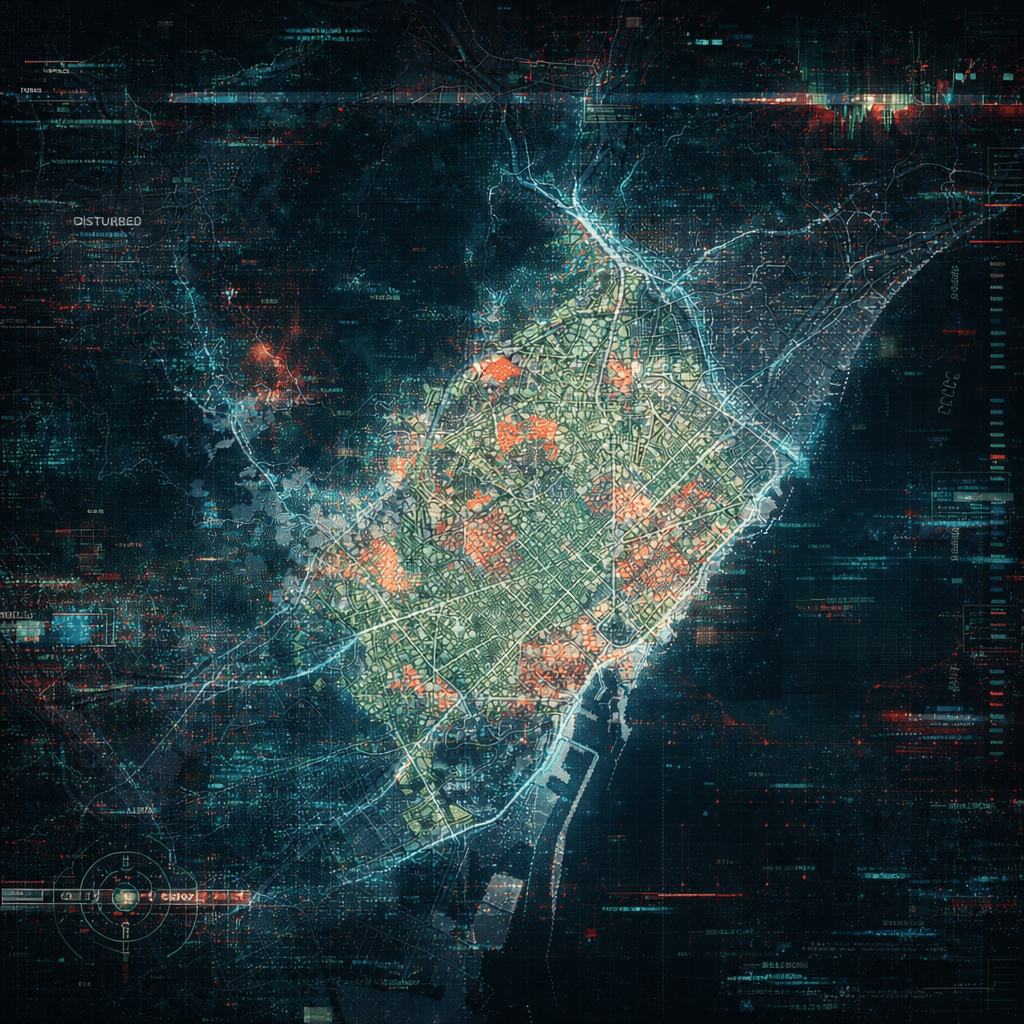
In the age of digital urbanism, cities are no longer understood only through streets, buildings, or neighbourhoods—they are interpreted, navigated, and governed through layers of pixels, data points, and algorithmic models. Our visualization project, Cities in Pixels: Mapping, Moving and Meaning in the Digital Era, examines this transformation using Geographic Information Systems (GIS) as its … Read more

Wi-Fi’s Watching

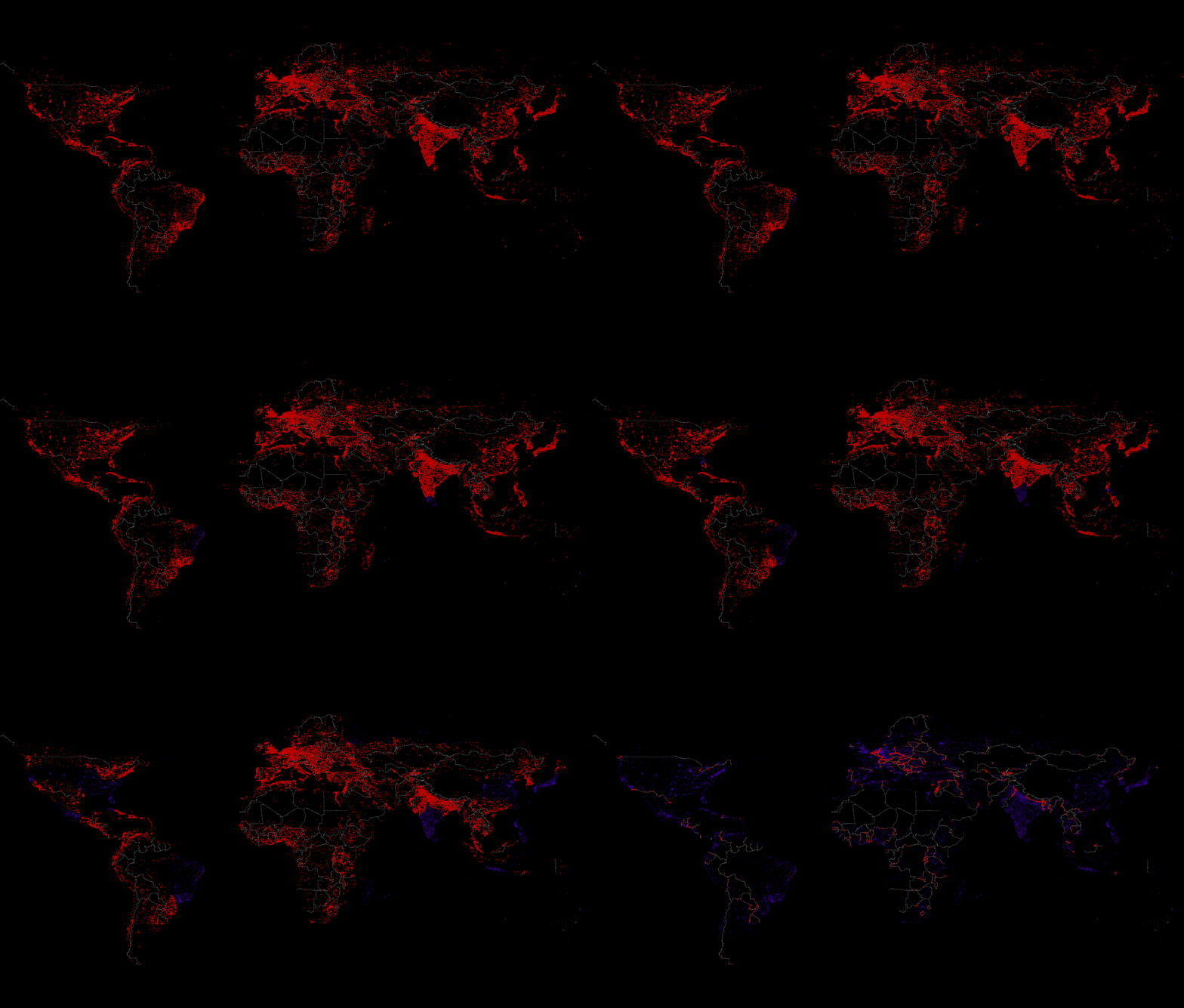
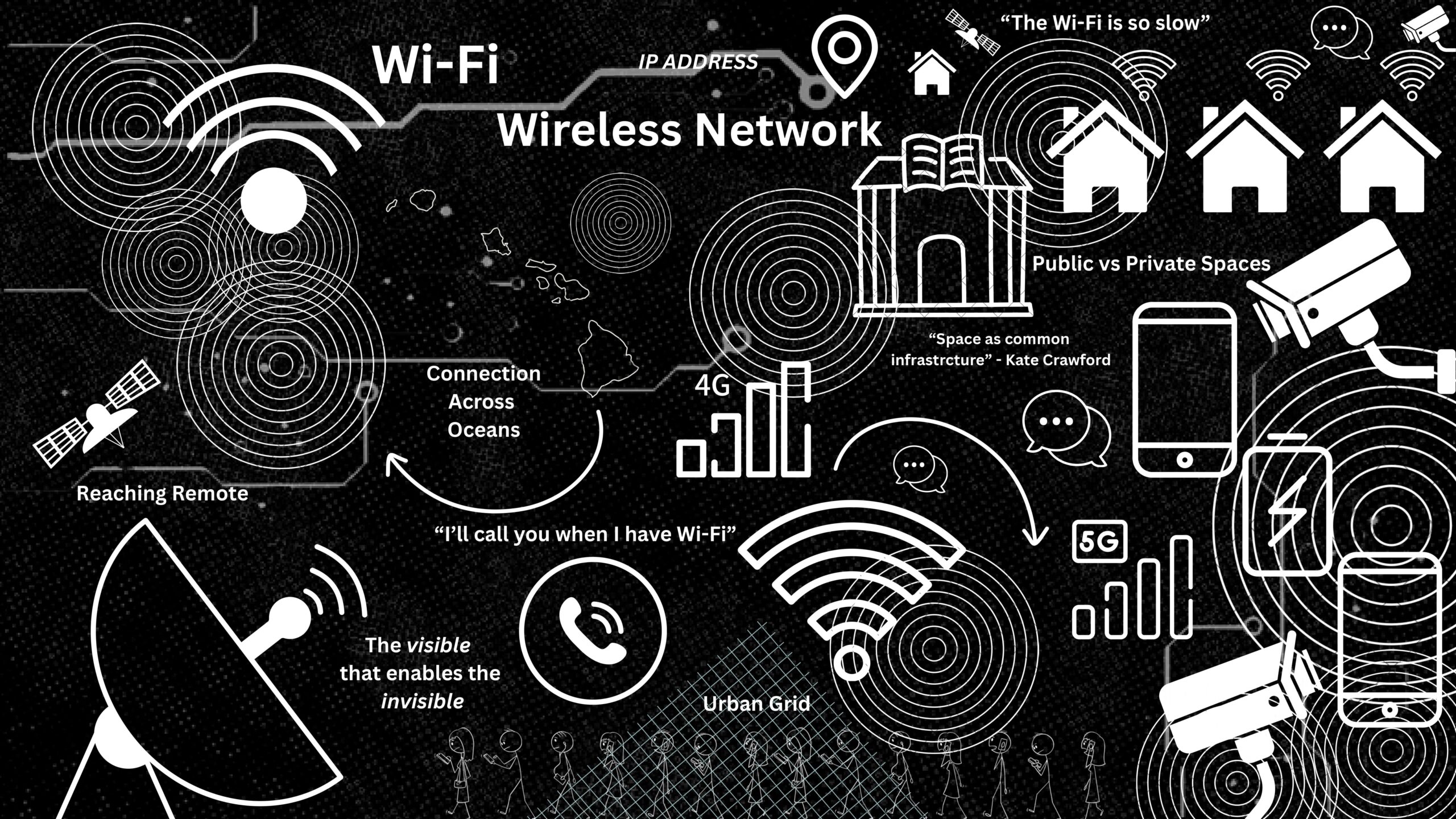
A genealogy and spatial analysis of Wi-Fi technologies since 1970 Many digital technologies do not only float in a “cloud.” People may use and not see these systems during their day-to-day life, but we learned in our digital cultures course that these technologies are grounded in material systems with real environmental footprints and nuanced social … Read more

Inclusive Wayfinding

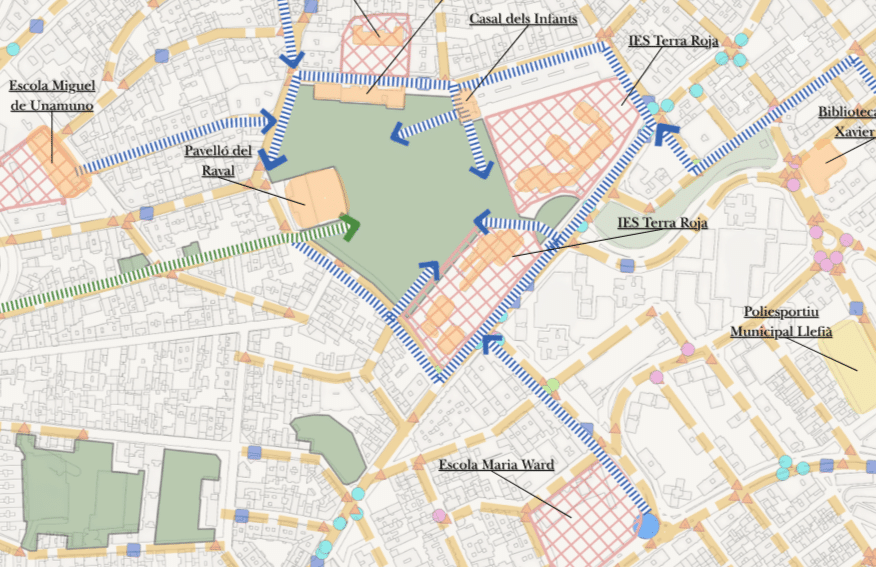
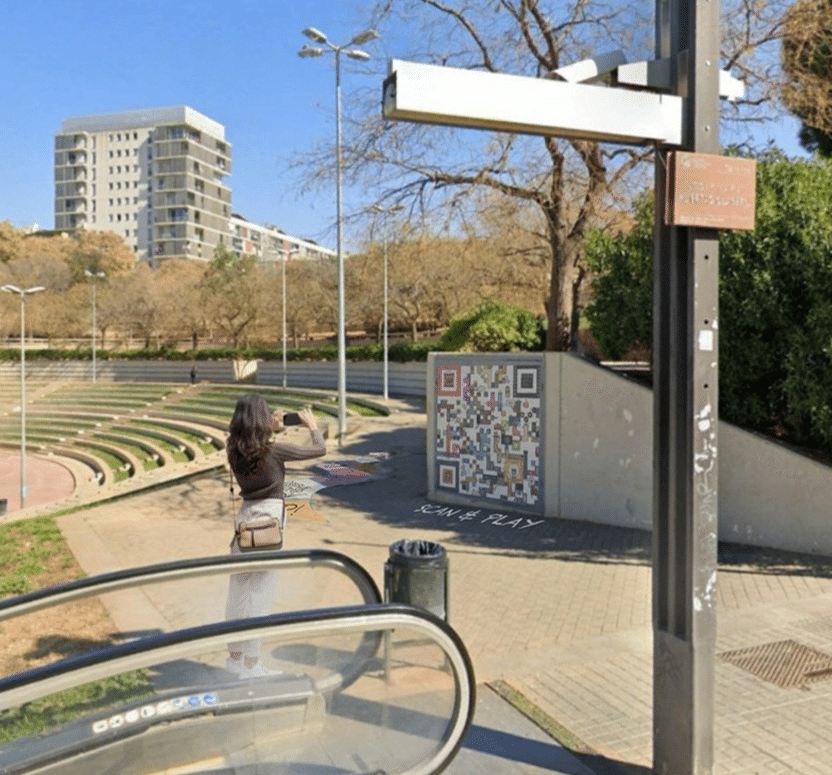
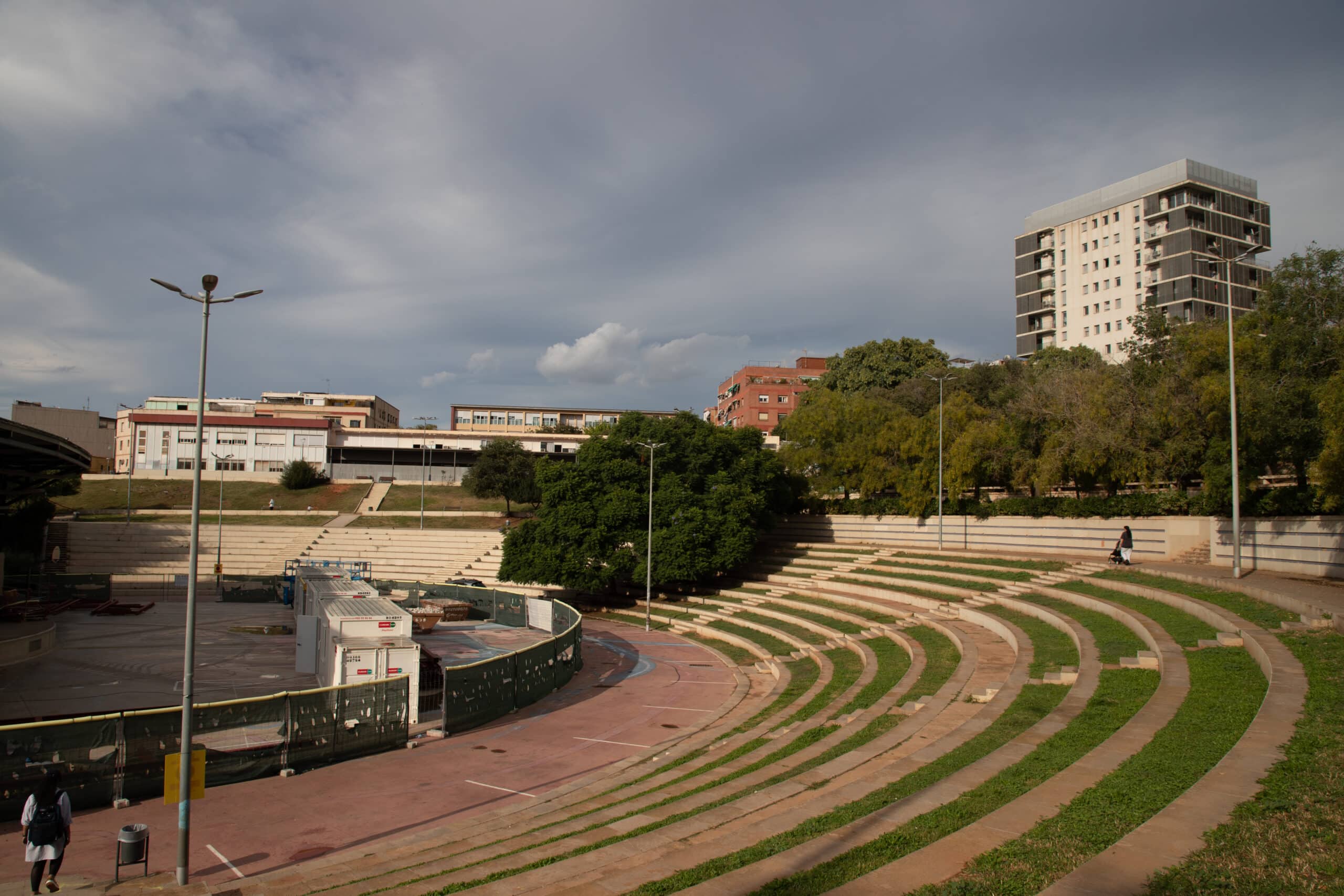
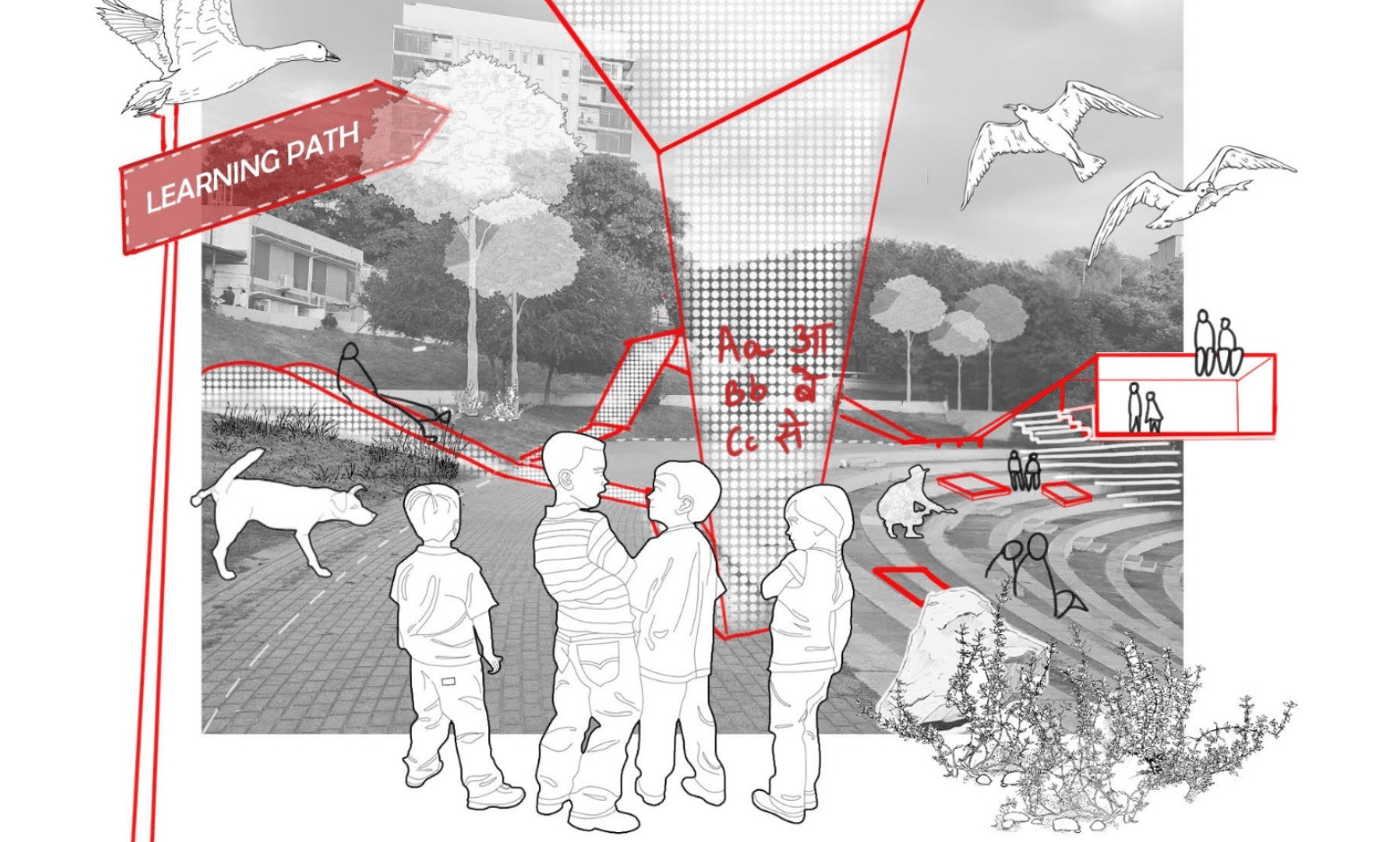
This project focuses on accessibility and orientation between nearby schools and Parc dels Pins in Santa Coloma de Gramenet. It emphasizes children and inclusion. Through co-creation with local schools, the design tests inclusive wayfinding strategies using sensory and tactile signage. These aim to improve safety, visibility, and spatial awareness. The process brings together children, educators, … Read more