The Master in City & Technology’s academic structure is based on IAAC’s innovative, learn-by-doing and design-through-research methodology which focuses on the development of interdisciplinary skills. During the Master in City & Technology students will have the opportunity to be part of a highly international group, including faculty members, researchers, and lecturers, in which they are encouraged to develop collective decision-making processes and materialize their project ideas.

Filters
Course

SEU

Sentir l’Espai Urbà Cities communicate with us through different ways: sound, image, smells, textures, materials, weather, among others. But how do we perceive all these layers?  How do we feel about it? What role does urban design play in this exchange? How do we feel the city? Every day, we are immersed in urban surroundings … Read more

Sant Antoni Passport

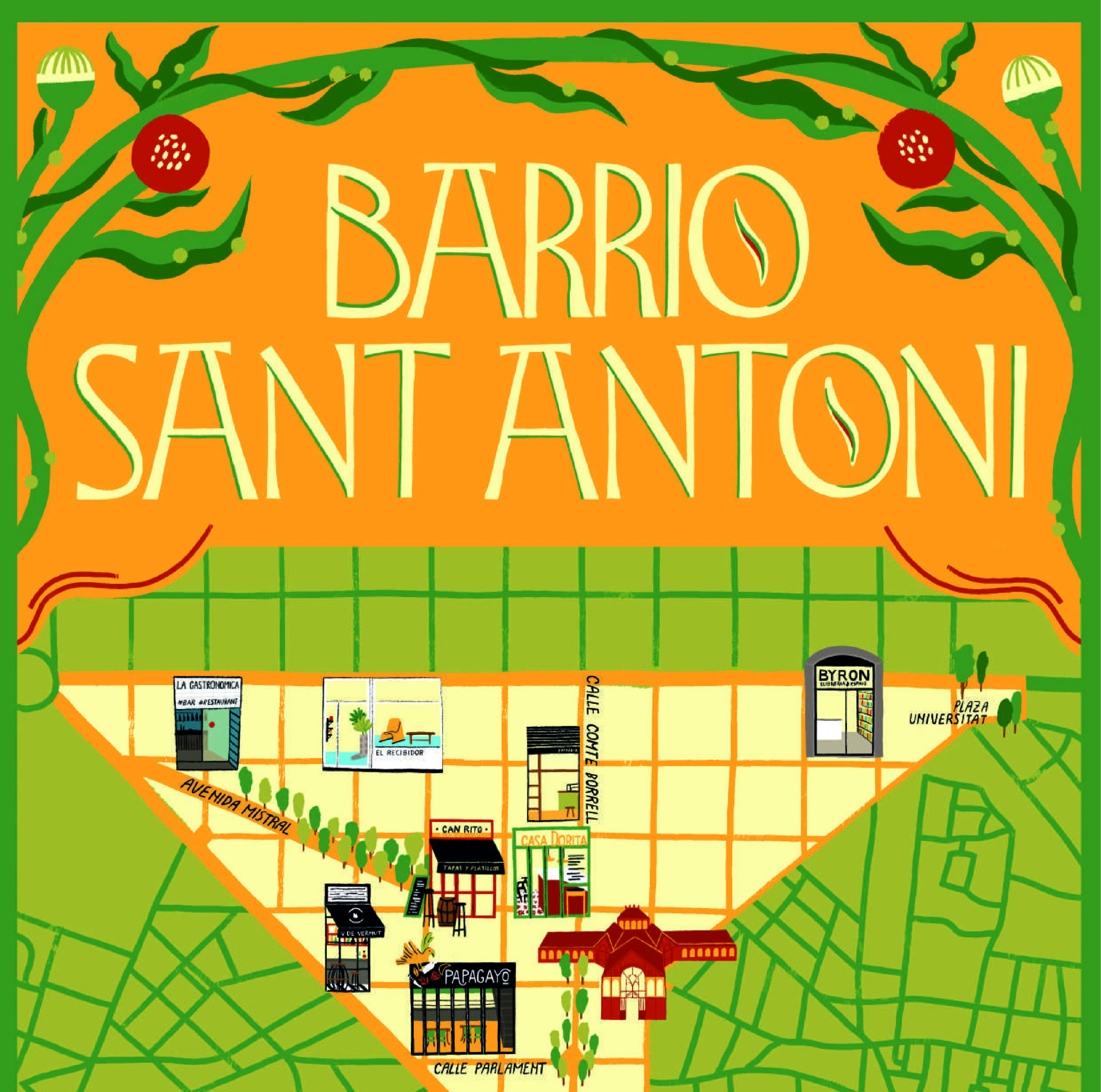
Urban spaces are not just places to live and work—they are playgrounds for social interaction, historical storytelling, and cultural engagement. As part of the IAAC’s Serious Games Seminar, our team explored Sant Antoni, Barcelona, to design playful interventions that connect the community to its past, present, and future. Our approach combined game design with urban … Read more

TIME³

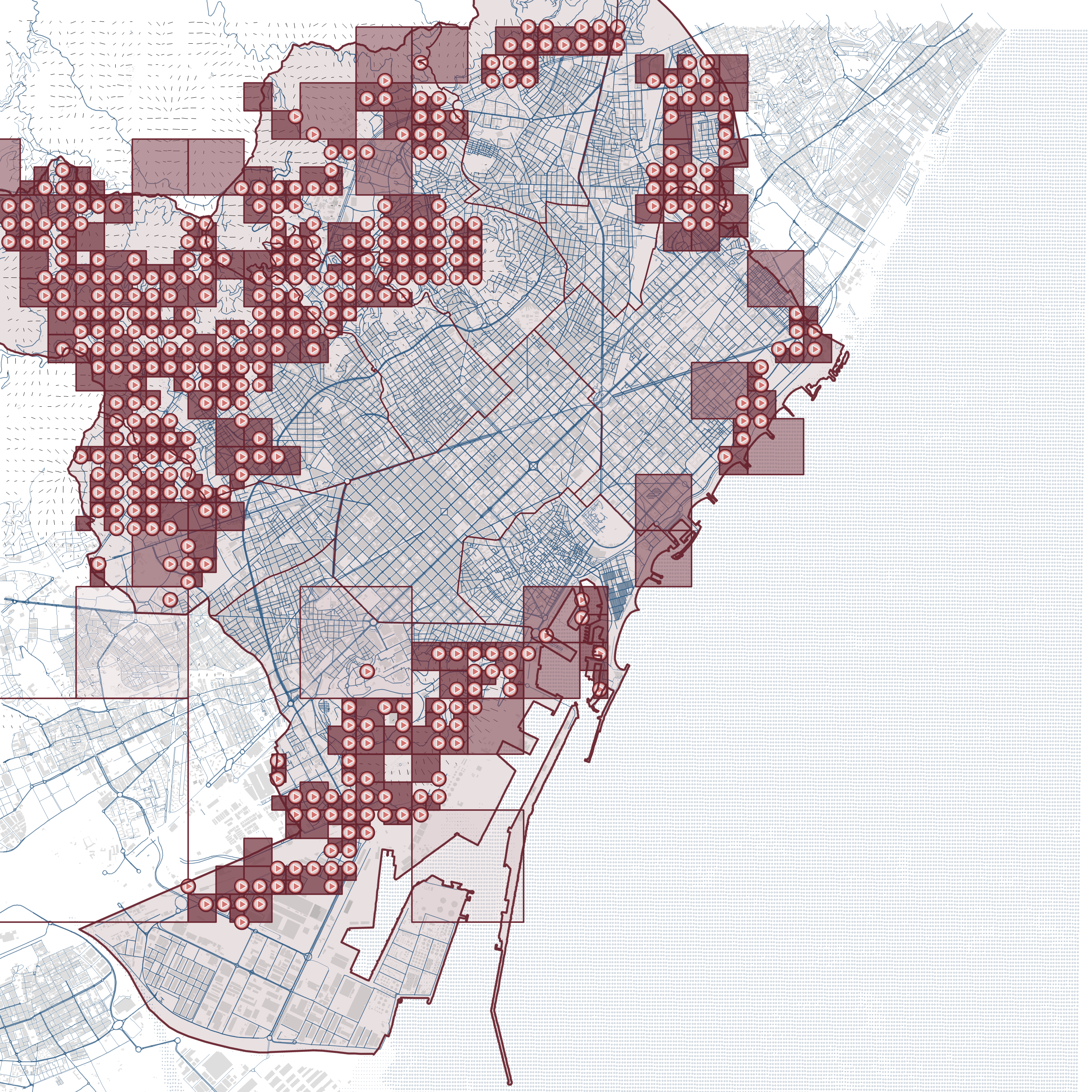
Multidimensionality of Time for Inclusive Urban Lives This project explores urban inclusivity through the multidimensional lens of time, using Barcelona as a case study. The analysis considers three temporal dimensions: time of day, time of year, and time of life, recognizing how these factors shape access to essential urban amenities. Proximity serves as the first … Read more

The Sundarbans: Beyond-Human approach to map cities

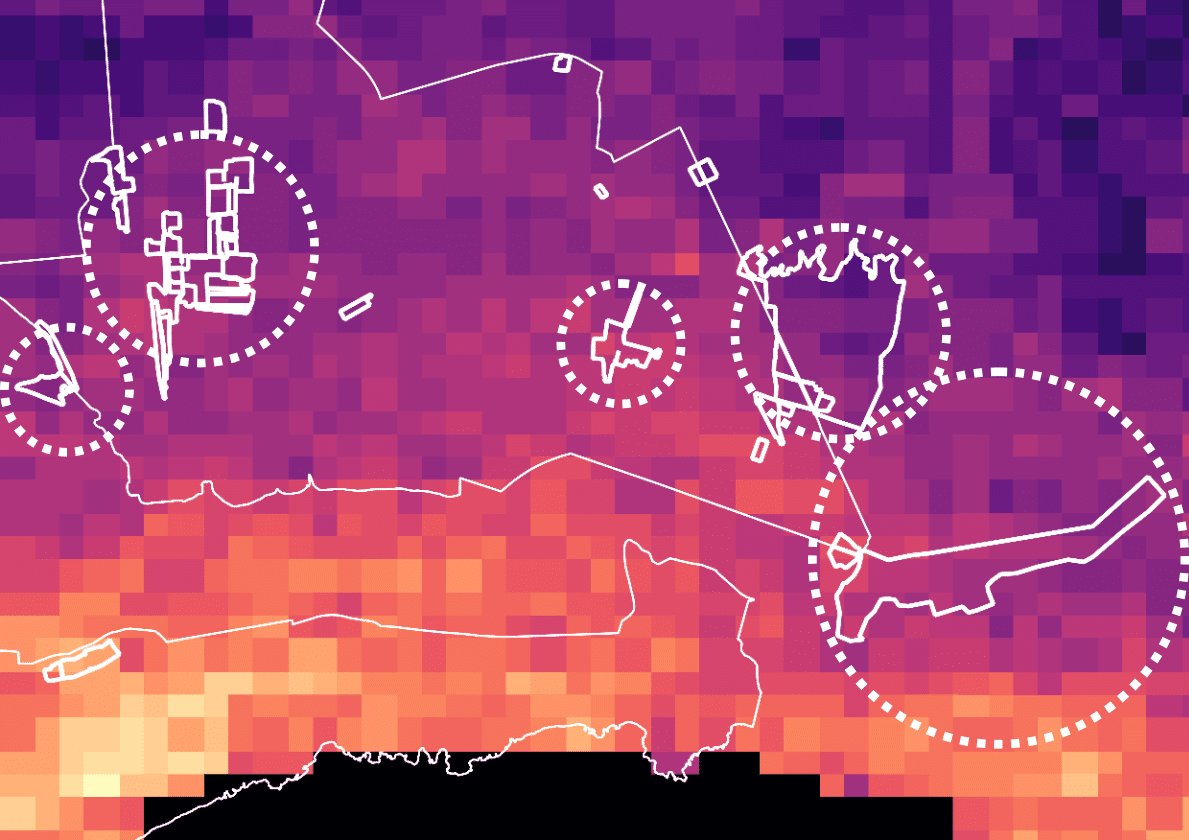
The Sundarbans Reserve Forest is the largest contiguous mangrove forest in the world. A wildlife sanctuary with an area of 139,700 ha,  considered as a core breeding area for a number of endangered species (The Sundarbans, n.d.). and home of the Bengal Tiger. STUDY AREA The Sundarbans is a shared protected area between India and … Read more

Urban Complexity: Rethinking Space & Knowledge

01 Reading as Urban InsightIn a rapidly urbanizing world, the ability to read critically across diverse mediums—both digital and print—serves as an indispensable tool for interpreting the complexities of urban theory. Techniques like HYPERREADING, which facilitates navigation through vast digital information, and CLOSE READING, which emphasizes deep textual analysis, are crucial for decoding the nuanced … Read more

Intro: El Raval

Our research on the El Raval neighborhood explored the tensions and opportunities between residents and tourists, two populations who travel from all over the world to be in El Raval. While tourists and residents can have conflicting priorities and demands of their environment, the two are also dependent on each other and we came upon … Read more

La Barceloneta: A District in Transition

As part of the Master in City & Technology Introductory Workshop, our team was tasked with studying La Barceloneta, a district characterized by its complex layers of social, economic, architectural, and administrative systems. This project aims to explore these dimensions, highlighting the interactions between tourism and the local community in one of Barcelona’s most iconic … Read more

Fields at Play

Fields at Play identifies the value of gender inequality in Olympic infrastructure and proposes to leverage the derived $12.6B Olympic gender gap in sports facilities to fund the revitalization and ongoing program of reliable, safe, and comfortable spaces for women at risk of gender-based violence. Understanding the purpose and outcomes of Olympic infrastructure strategies in … Read more

GENDERED GEOGRAPHY​: A SILOM SAFETY INITIATIVE​

“WHAT IS THE FIRST THING THAT YOU THINK OF WHEN YOU HEAR THE WORDS:​ GENDER & BANGKOK? “ 1. BANGKOK’S SPECTRUM OF GENDER (INTRODUCTION)​ Historically, Thai society has grappled with rigid gender roles, which often saw Thai women facing significant challenges and being relegated to positions within the entertainment and sex industries. However, as Thai society … Read more

IS THE FUTURE REALLY AUTONOMOUS?

1. Introduction 1.1. Abstract Autonomous Vehicles are vehicles that employ driver assistance technologies to remove the need for a human operator within the vehicle. These new technologies into automation have been researched in contexts like the United States of America, Middle-Eastern Countries and some European Countries. Planners and architects are designing for these cities including … Read more

Panoramic Vision: Computational Streetscape Analysis

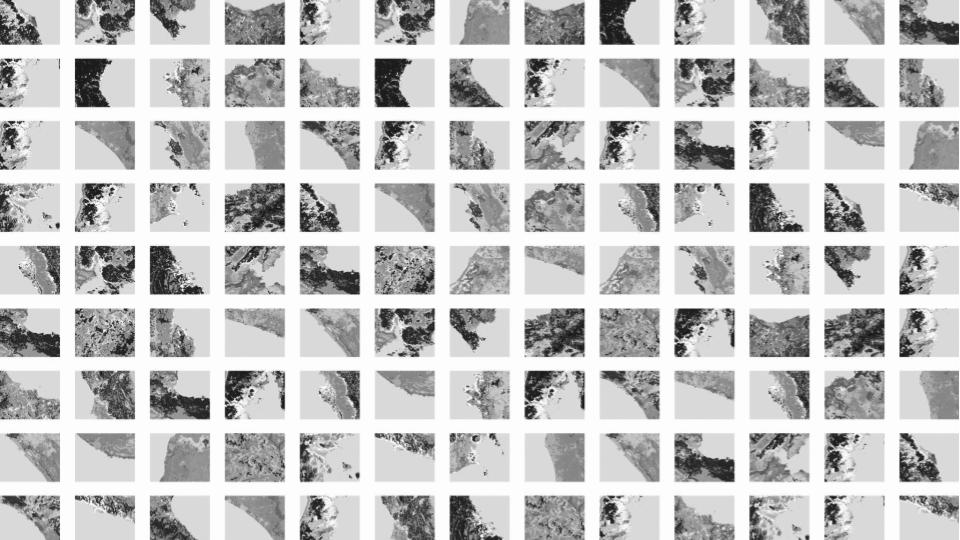
“Can we understand urban environments and street characteristics from Google Street View panorama images using Machine Learning and Stable Diffusion techniques?” Project OverviewThis computational design project aims to develop a pipeline utilizing Grasshopper and Python to visualize clusters of panoramic streetscape images. The project leverages t-Distributed Stochastic Neighbor Embedding (t-SNE) for dimensionality reduction, facilitating the … Read more

Forms of Inadequacy in Dakar

Abstract Dakar is Senegal’s capital city and rapidly urbanizing economic center. Today, Dakar’s urban area is home to 3.54M people, half of Senegal’s population, and generates 55% of the Country’s GDP. This growth is artificially constrained by an urban growth boundary, where new homes are informally built, and due to the city’s topography, a peninsula … Read more