During the first six months in the program, students are comprehensively trained in the principles of design and construction of advanced ecological buildings through a series of focused and intense modules, which include material production, thermal and metabolic building systems, ecological structures and façade systems and much more. After developing the necessary skills and a holistic understanding of advanced and ecological design, students collectively draft and build a full scale ecological building prototype.

Filters
Course

Bouncy Bamboo Pavilion Facade

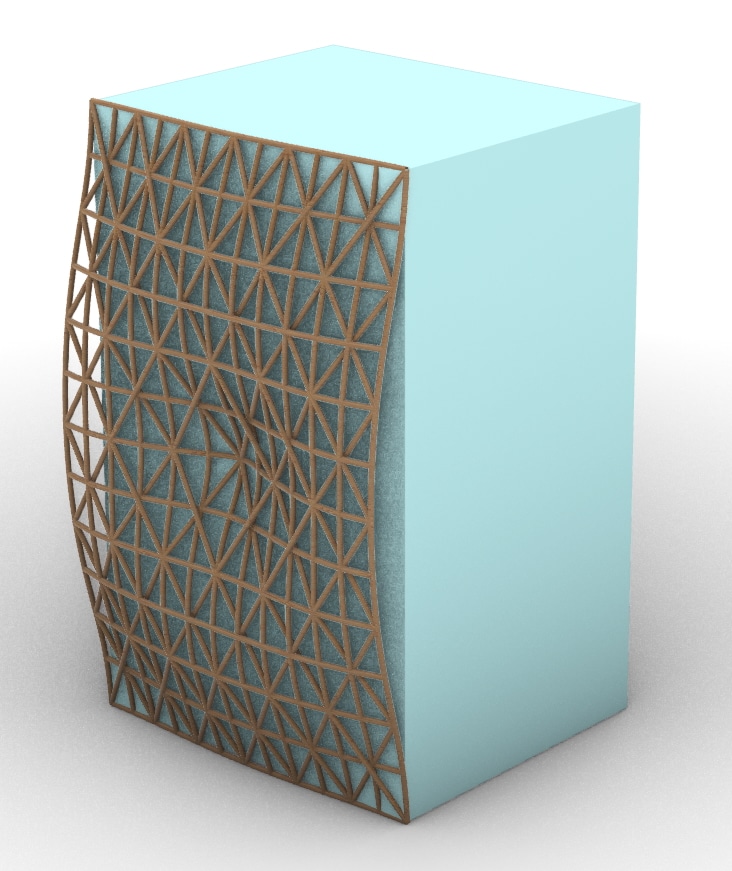
For our Advanced Digital Tools term one final project, we were tasked with designing a building facade based on inspiration from pavilion architecture or existing facades, using Grasshopper. Pavilion Inspiration – The Toledo Gridshell The inspiration for our facade is the Toledo Gridshell constructed in a courtyard in the Naples School of Architecture. When researching … Read more

Facade Facets

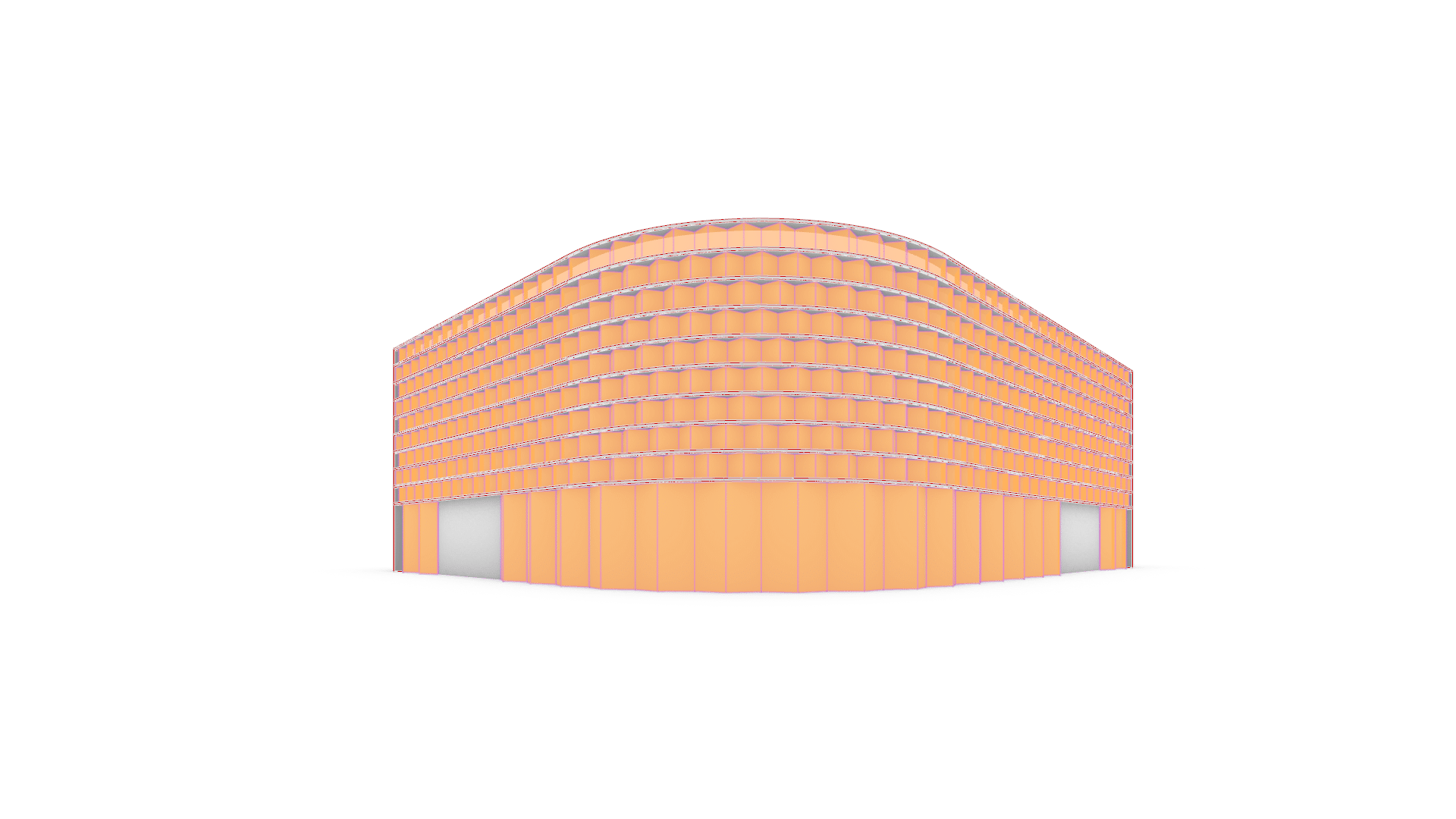
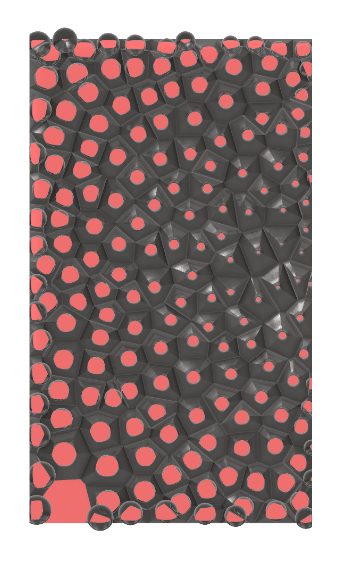
This project is in reference to the 2025 Serpentine Pavilion by Marina Tabassum “Inspired by summer park-going and arched garden canopies that filter soft daylight through green foliage, the structure is comprised of four wooden sculptural forms with a translucent façade that diffuses and dapples light when it enters the space. Integral to Tabassum’s design … Read more

Computational Design Seminar – Candela – Inspired Hypar Facade
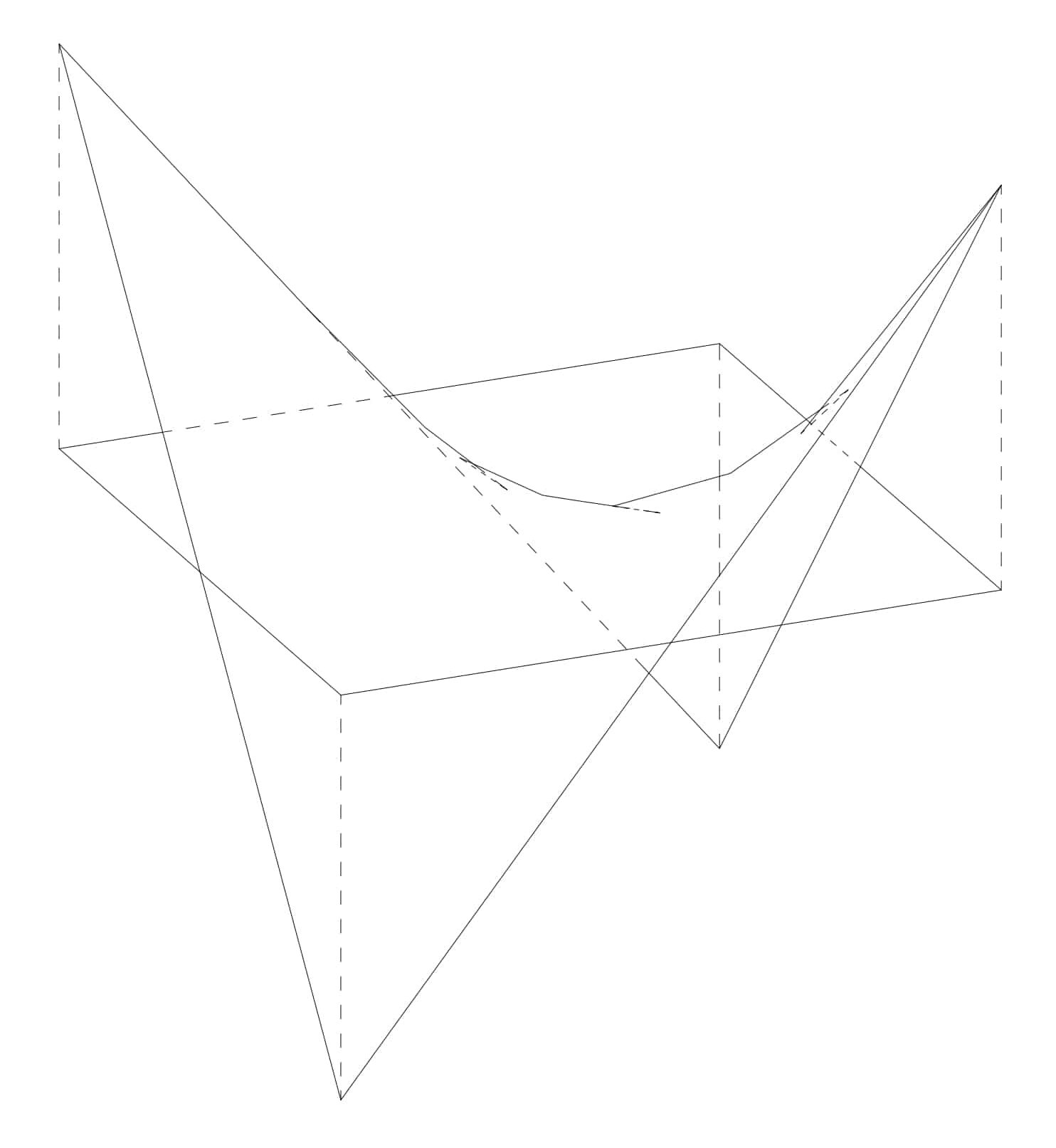
Reference Geometry: Los Manantiales – by Felix Candela Decoding the Hypar Logic Félix Candela used hyperbolic paraboloids (hypars) made from straight lines.The restaurant roof is composed of 4 identical shells.The geometry is based on a square, diagonal supports, and straight-line grids. Hyperbolic Paraboloid Drawing by Candela Deriving the shape from Hypar Mirroring the derived element … Read more

Fail Forward: A Chair Undone is a Chair Well Done

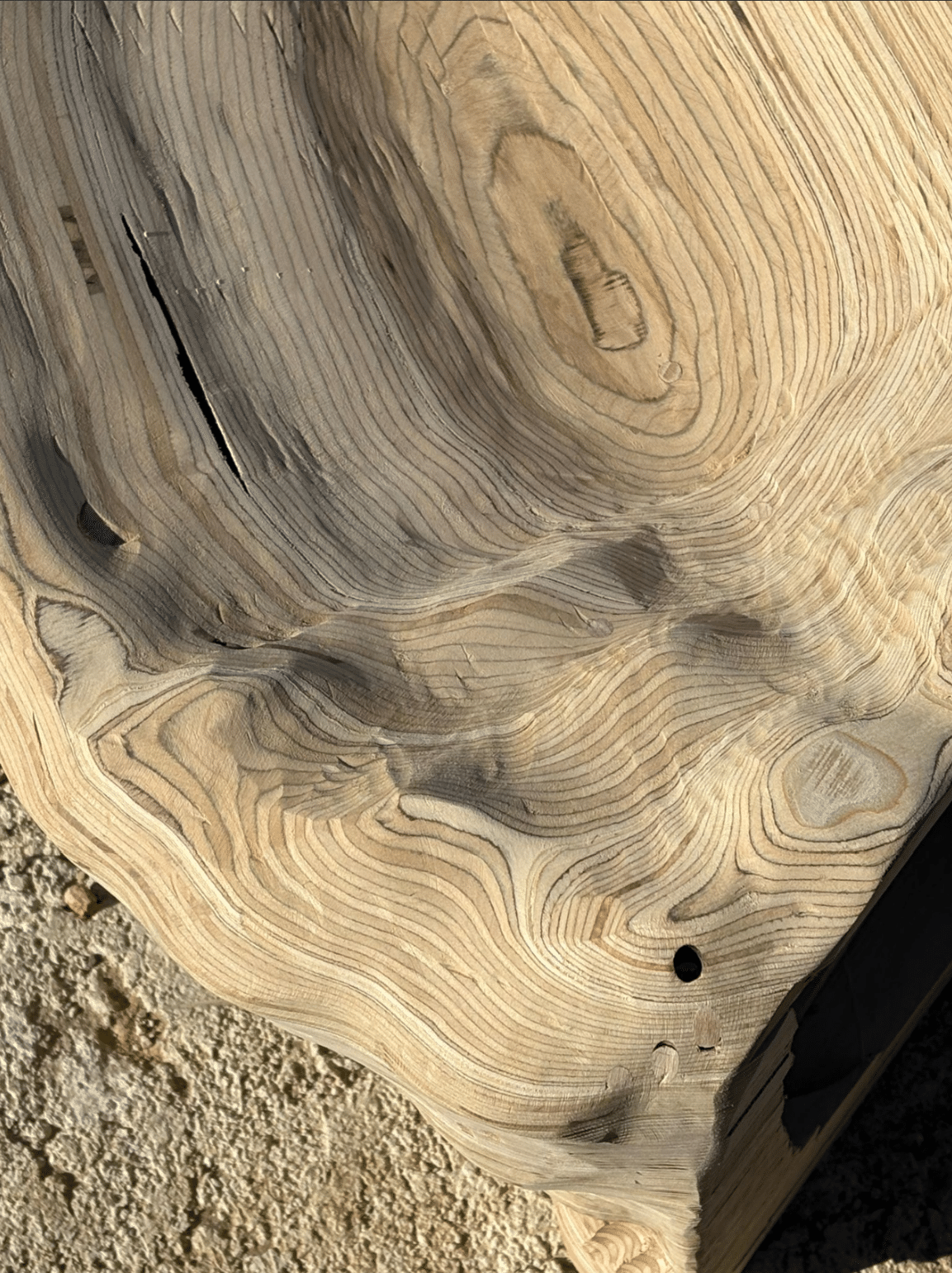
Lessons from Workshop 1.1 – Robotic milling and design for subtractive manufacturing This workshop focused on advanced subtractive manufacturing techniques, exploring the integration of 2-axis CNC milling and 6-axis robotic milling within a hybrid digital fabrication workflow. The process emphasized computational design-to-production strategies, including toolpath generation, material optimization, and robotic calibration. Through sequential stages of … Read more