The Master Programme in Robotics and Advanced Construction is an innovative educational format that offers interdisciplinary skills and understanding through a series of class seminars that are put into practice through hands-on workshops. IAAC gives students the opportunity to create individual studio agendas and develop Pilot Thesis Projects based on the knowledge acquired during the seminars and workshops split into 3 Modules. In this way, IAAC puts together an experimental learning environment for the training of professionals with both theoretical and practical responses to the increasing complexity of the construction sector.

Filters
Course

Robotics for Ecological Buildings: STRAW

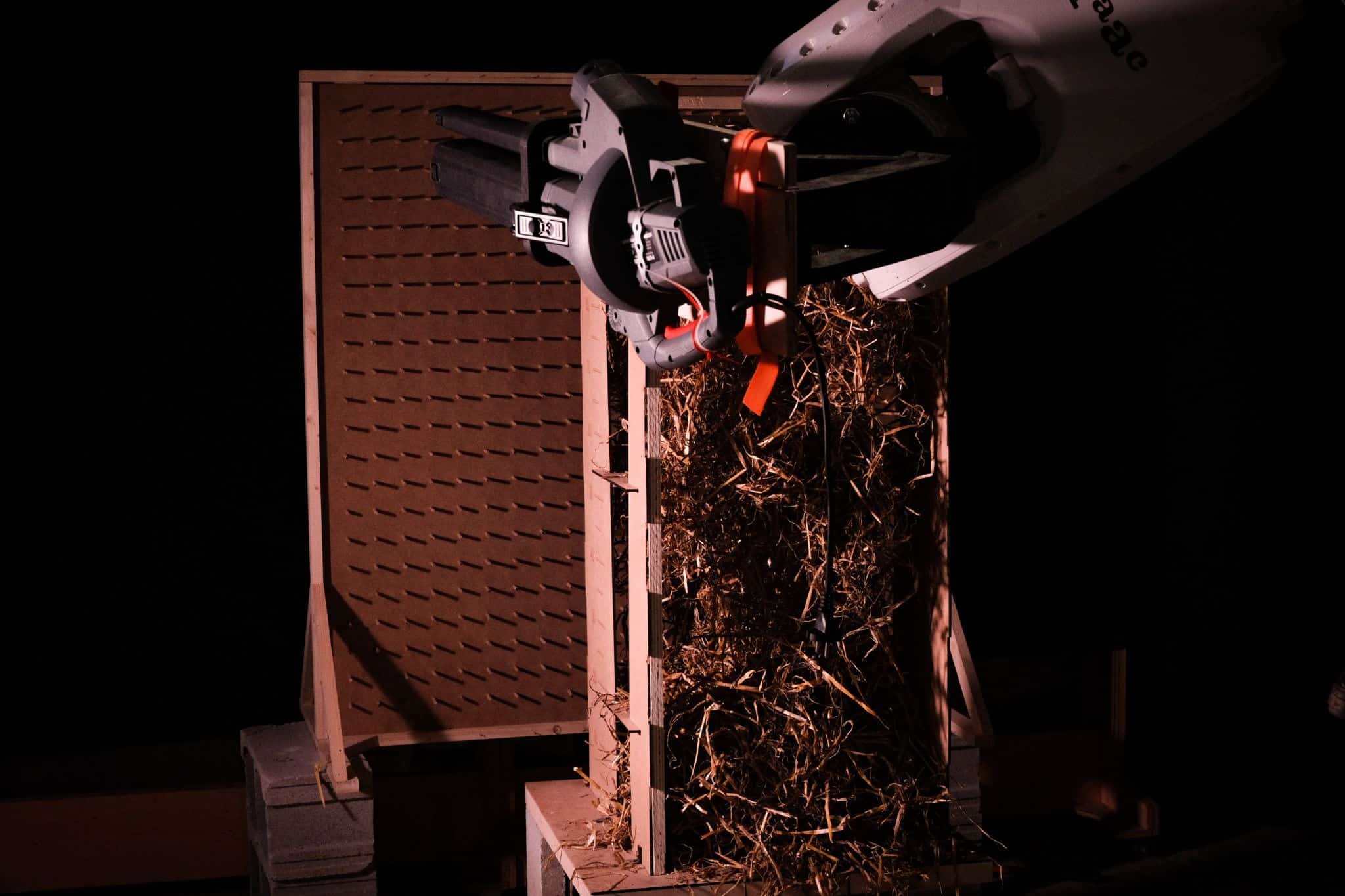
This work investigates the structural potential of straw in its raw, unprocessed state — exploiting its natural wilderness and fibrous friction to build systems from its inherent properties. By coupling these material behaviors with robotic fabrication, the process becomes parameterized, enabling a vernacular material to be deployed within a precise and predictable architectural system. Introduction … Read more

Manufacturing as a Service – A Conversation with Valentino Tagliaboschi

The lecture was conducted by Valentino Tagliaboschi, architect and building engineer whose career is situated at the intersection of computational design, digital fabrication, and robotics applied to architecture. Trained at the University of Pisa, his approach to the field is characterized by a methodology based on constant experimentation, iterative prototyping, and the intensive use of … Read more

Workshop 1.2 Data to Motion – DRYING RIVERS

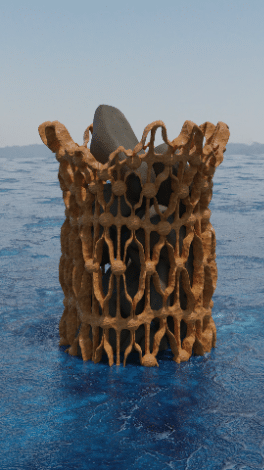
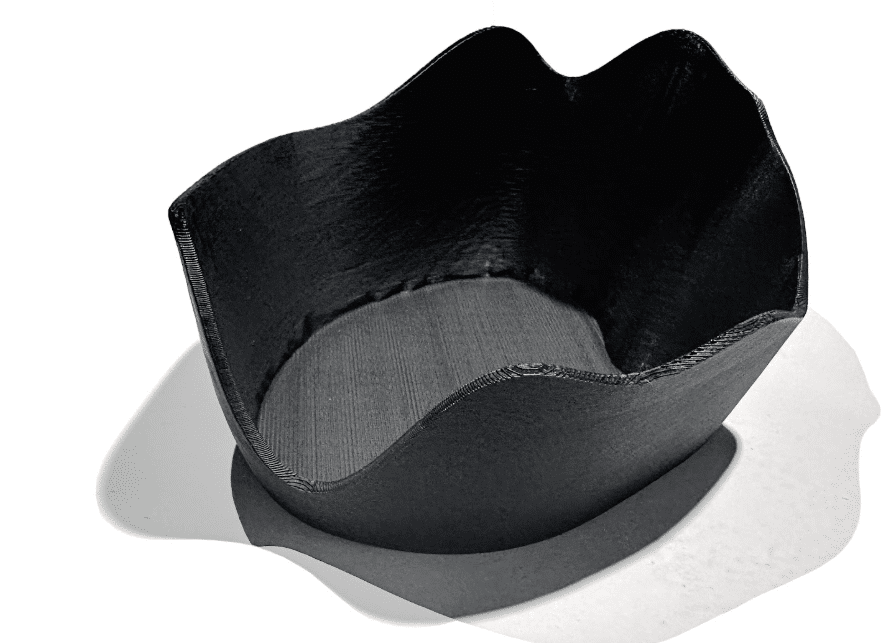
This article presents my Workshop 1.2 individual assignment, which focuses on analyzing data and translating it into robotic movements to control an ABB IRB 6700-150/3.20 industrial robot equipped with a plastic pellet extruder for additive manufacturing. The core concept of the project involved studying the drying and shrinkage of the Aral Sea over time, extracting … Read more

Workshop 1.2 Data to Motion – TSUNAMI

This article presents our Workshop 1.2 project, which focuses on analyzing data and translating it into robotic movements to control an ABB IRB 6700-150/3.20 industrial robot equipped with a plastic pellet extruder for additive manufacturing. The core concept of the project involved studying the tsunami-related terrain and displacement data, extracting spatial and intensity-based information to … Read more

Software I non planar 3d printing

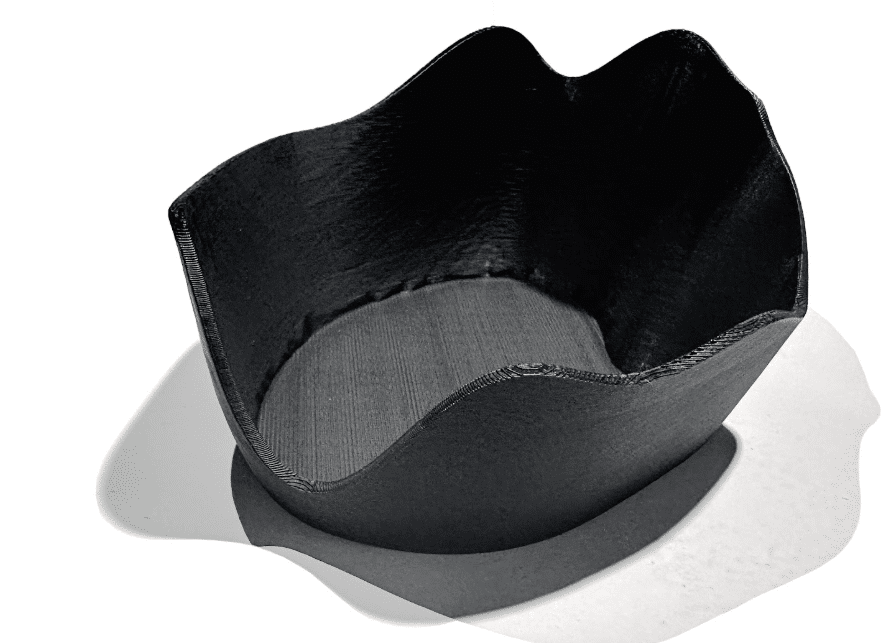
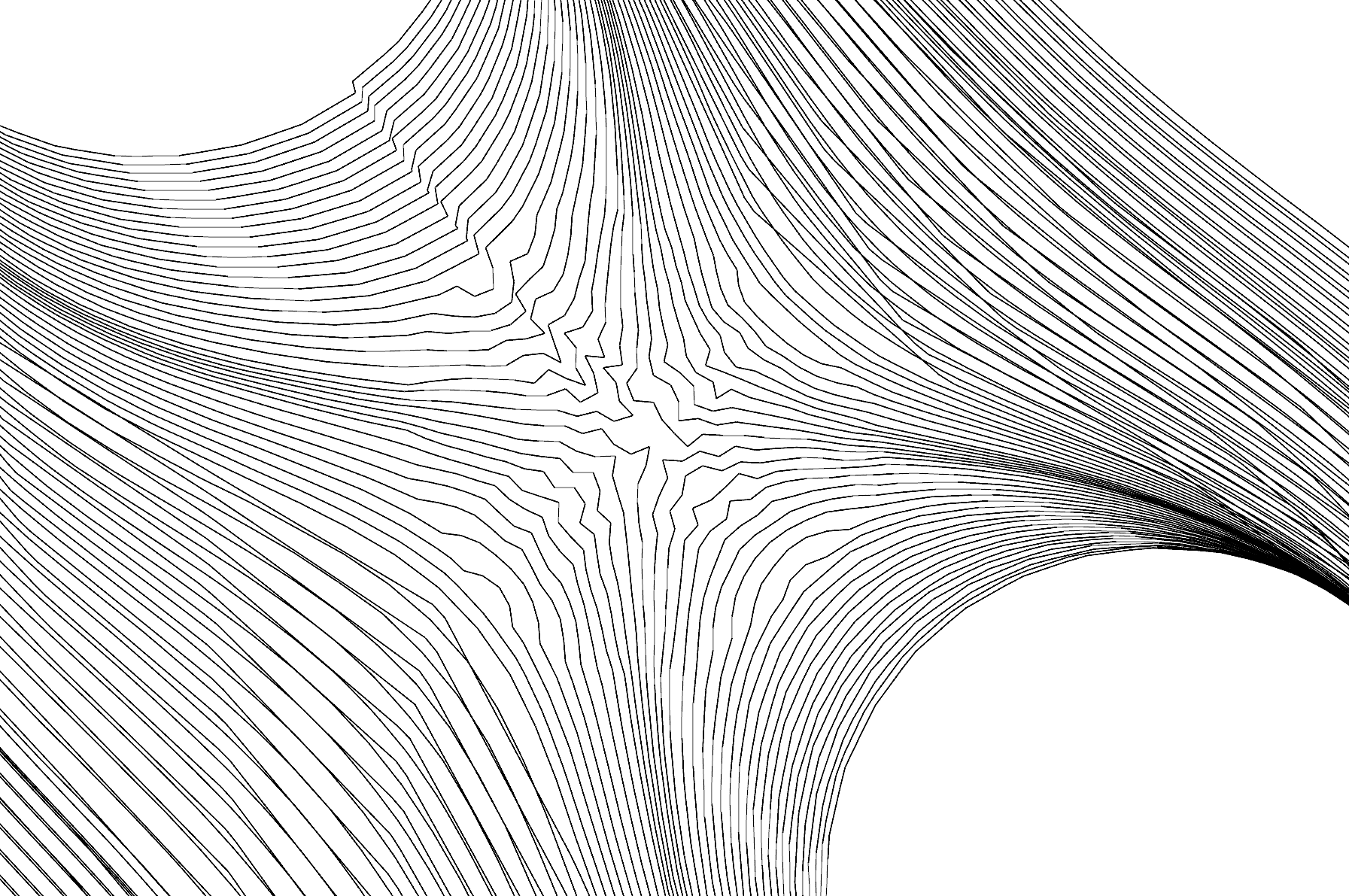
Advanced toolpath design for FDM process Students will design and simulate a toolpath for a small object intended for interior or product design. The focus is on exploring creative toolpath strategies, especially non-planar slicing, where the toolpath height changes across the object. Students must design a non-planar path and use attractors to locally deform the … Read more

Workshop 1.2. Data to Motion

In this article, we explain our Workshop 1.2 project, in which we analyzed data to transform it into movements to control an ABB IRB 6700-150/3.20 industrial robot equipped with a plastic pellet extruder for additive manufacturing. The main idea of our project was to analyze climate data from the city of Barcelona during the years … Read more

Soul and System | A Conversation with Aldo Sollazzo

Guest Lecture at IAAC (14 October 2025) – Exploring how La Máquina merges design, robotics, and the human element. During one of our sessions at IAAC, we had the opportunity to meet Aldo Sollazzo, co-founder of La Máquina, Noumena, and Pure.Tech, as well as a former IAAC faculty member in the field of robotic fabrication.Invited through the coordination of … Read more

Feasibility and cost estimations in digital fabrication

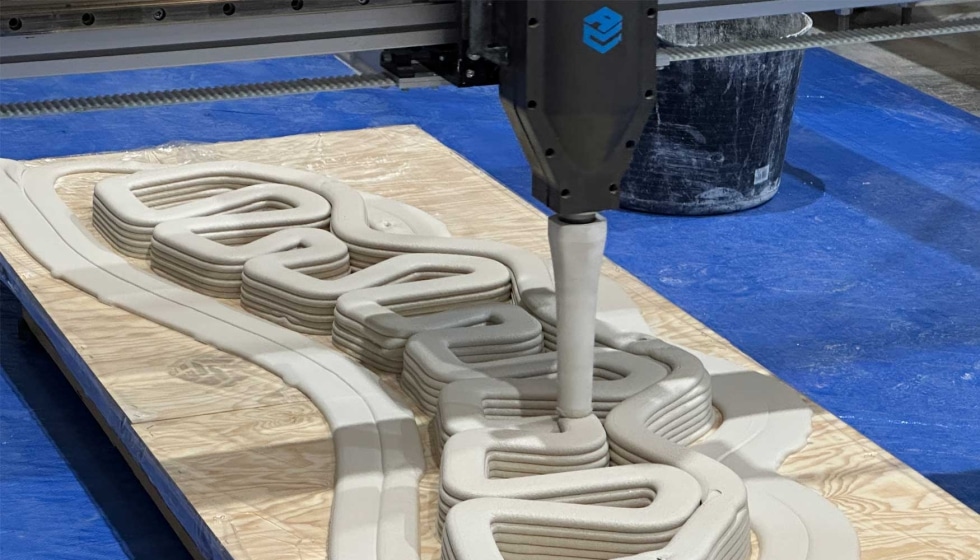
Building on our previous analysis of a large clay-printed geometric form, this study evaluates the feasibility of its digital-fabrication workflow. Through modular breakdown, material and time estimation, non-planar slicing analysis, and production-logistics modeling, we assess whether the system can be manufactured efficiently and economically. The process concludes with the development of a complete production plan … Read more

Design for Manufacturing of 3D Printed Architectural Systems

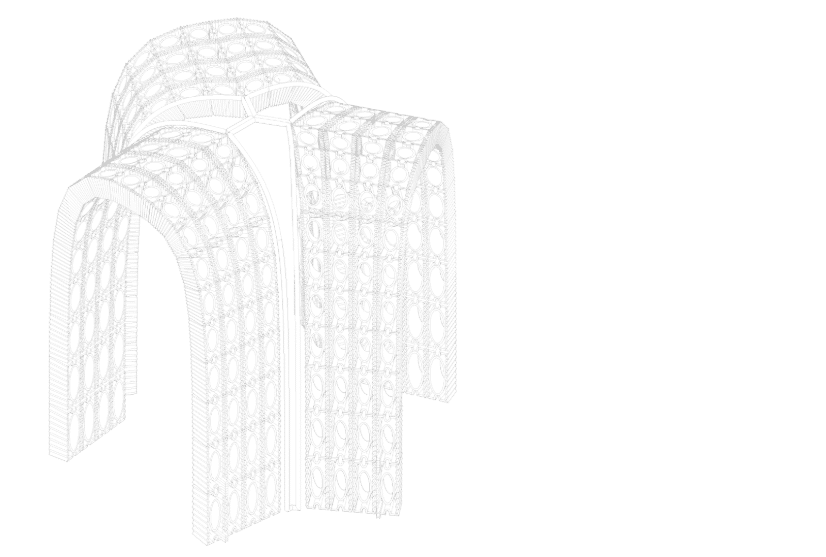
The project involves a large geometric form designed for clay 3D printing, consisting of 6 identical sections. This article will present the results of our analyses that explore the technical challenges and opportunities of this geometric design during the clay fabrication process. The workflow begins by rationalizing the pavilion structure into 6 symmetrical parts, isolating … Read more