
The Master in Robotics and Advanced Construction (MRAC) seeks to train a new generation of interdisciplinary professionals who are capable of facing our growing need for a more sustainable and optimised construction ecosystem. The Master is focused on the emerging design and market opportunities arising from novel robotic and advanced manufacturing systems.

Through a mixture of seminars, workshops, and studio projects, the master programme challenges the traditional processes in the Construction Sector. It investigates how advances in robotics and digital fabrication tools change the way we build and develop processes and design tools for such new production methods.


Filters
Course

WOVEN EARTH: FROM CRAFT TO INTELLIGENT ARCHITECTURE
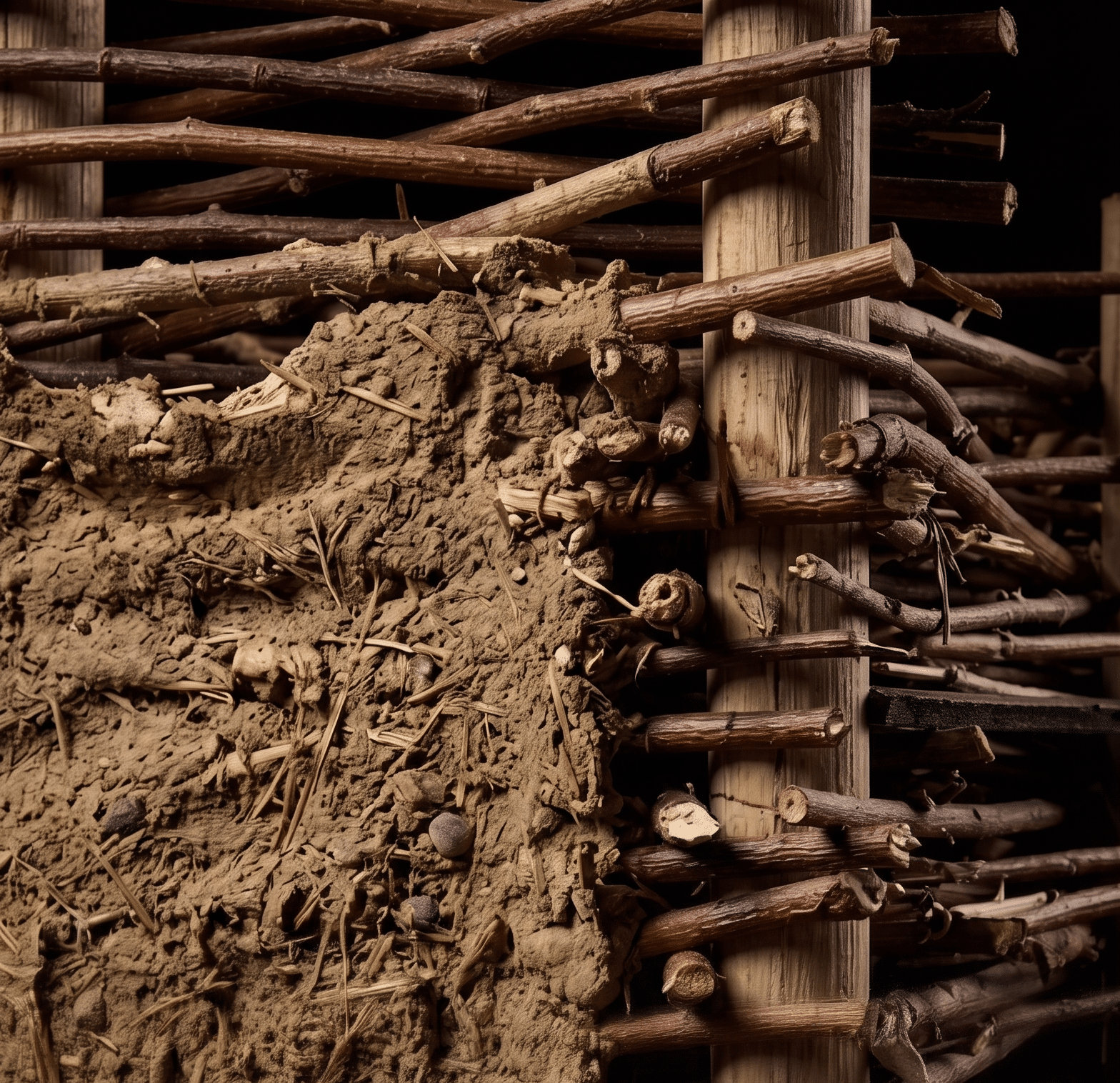
A Hybrid Robotic-Human System for Adaptive Woven-Earthen Construction Abstract Woven Earth reinterprets traditional willow weaving and earth construction as a digitally informed architectural system. Drawing from vernacular techniques such as wattle and daub, the project develops a hybrid construction method combining woven willow, variable-thickness cavities, and robotic fabrication. Infill strategies layer light earth and straw … Read more
Robotics for Ecological Buildings : CLAY

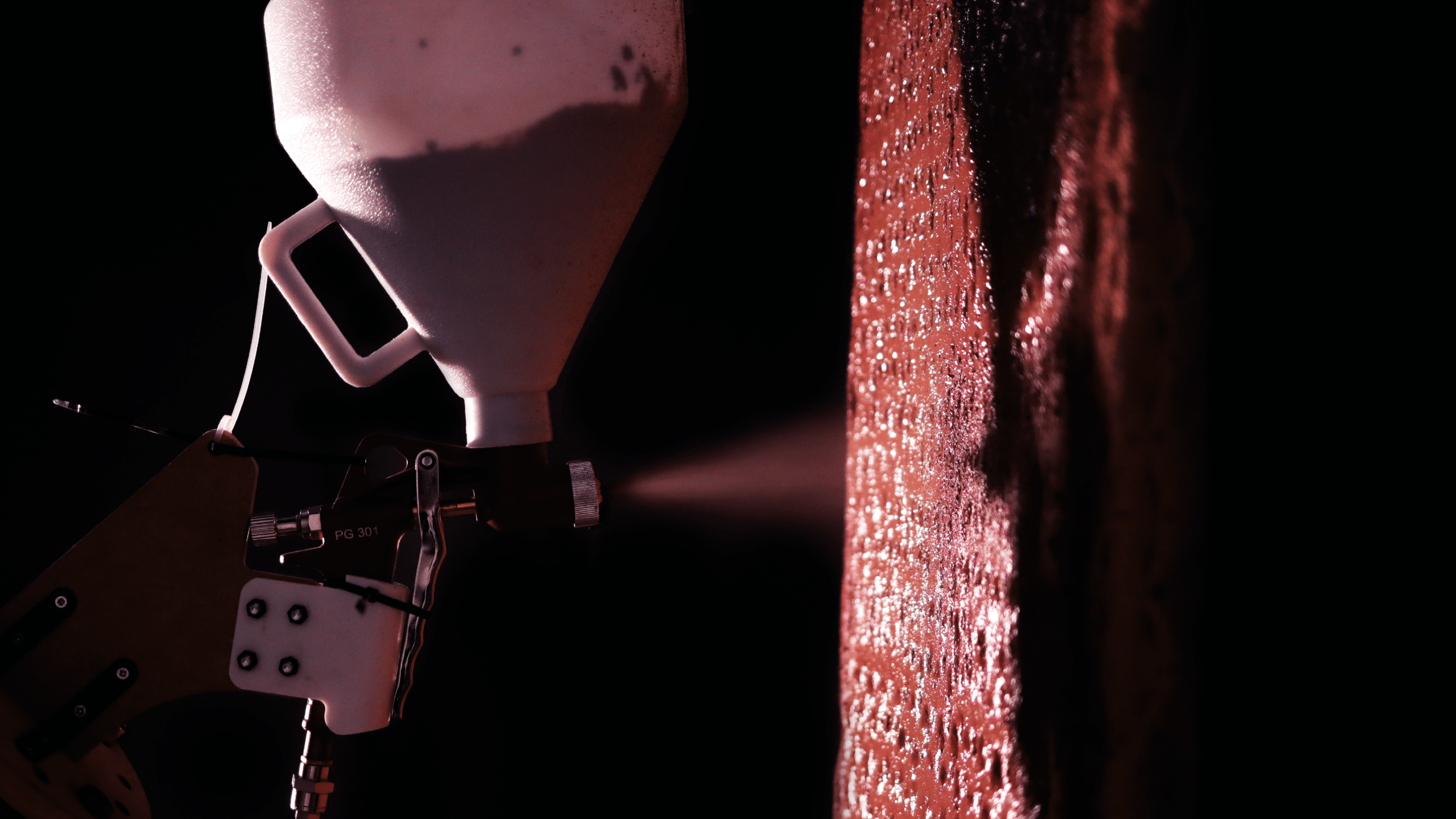
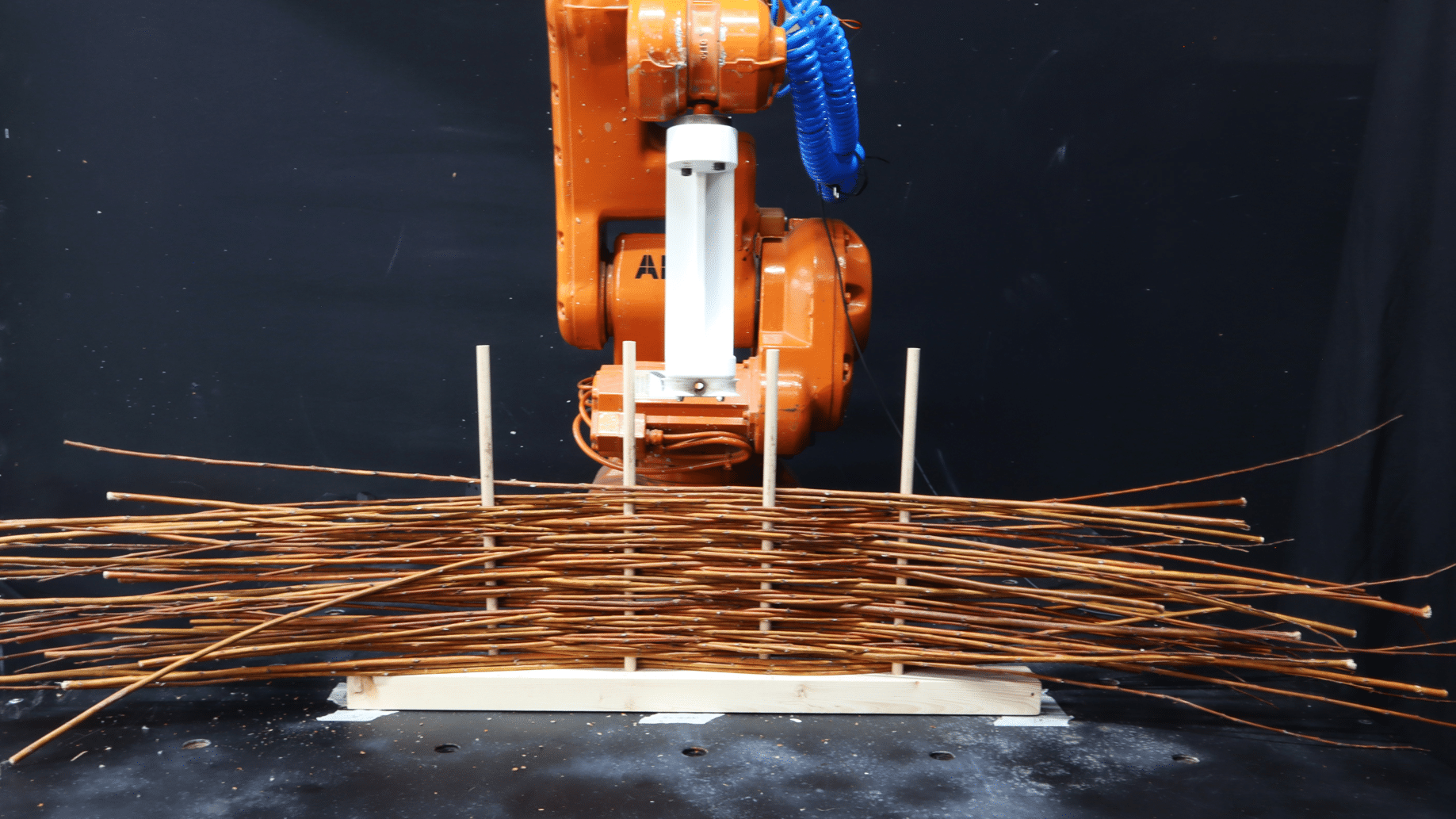
This work explores how clay can be used to introduce compression strength into flexible surfaces. By using robotics for controlled deposition, the process becomes parameterised, allowing a traditional material to be developed into a precise and predictable building system. Introduction This project proposes a system that transforms a flexible surface into a rigid, three-dimensional structure. … Read more

Robotics for ecological buildings: Willow Protocol

Introduction Can centuries-old vernacular intelligence inform the future of robotic construction? Willow Protocols is a research project developed at the Institute for Advanced Architecture of Catalonia (IAAC) that bridges traditional Catalan basketry techniques with advanced robotic fabrication. By re-evaluating historical construction methods like Zarzo and Wattle and Daub, this project proposes a highly sustainable, hyper-local … Read more
