“Unearthing Rec Comtal : Transforming Barcelona’s Agricultural Heritage Into a Food Secure Hub”
ANALYSIS AND SYSTEMS
The Hidden 4th Water Source: Rec Comtal
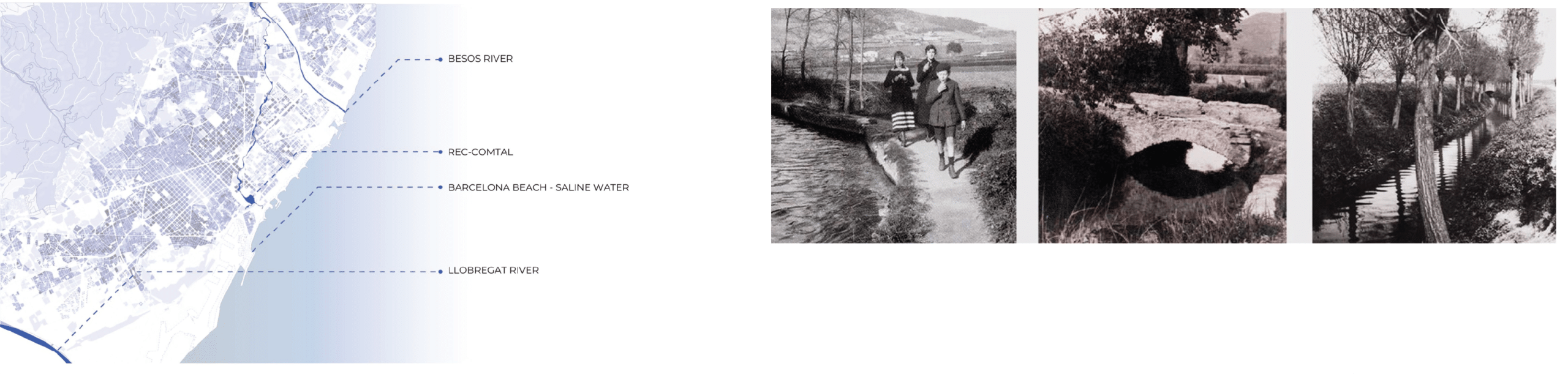
Water Sources of Barcelona include the 2 major rivers; LLobregat and Besos river which are predominant rivers within catalonia itself and we have the Coastal line which houses vast amounts of desalination plants. The Rec Comtal is a historic water channel in Barcelona that dates back to Roman times and was later developed during the medieval period. It was used to bring water from the Besòs River into the city, supplying water for daily domestic use, irrigation of agricultural lands, and for running mills and early industries. With Carles Enrich already restoring Rec Comtal starting from the origin and it is expected to restore, with node points along the way, all the way till Barceloneta.
Following the path of Rec Comtal
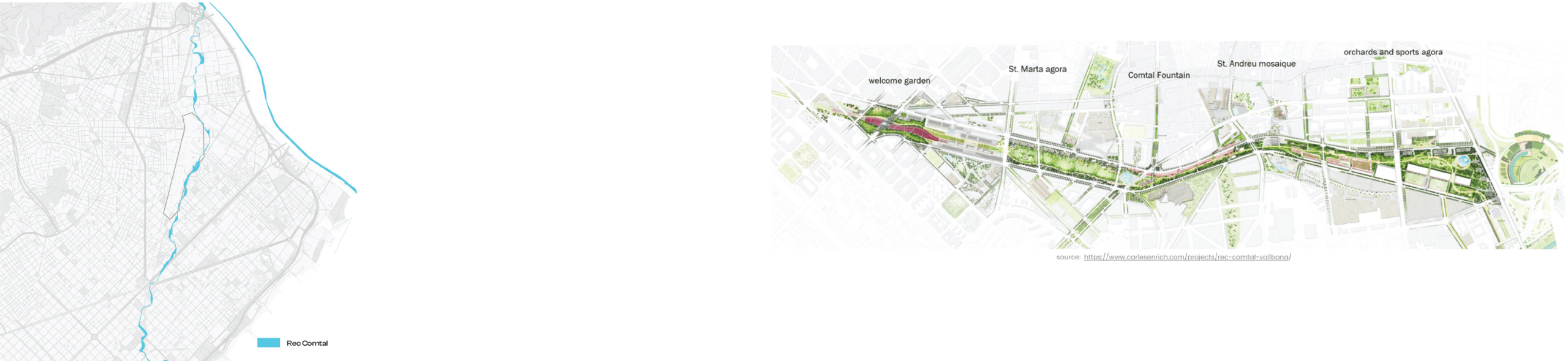
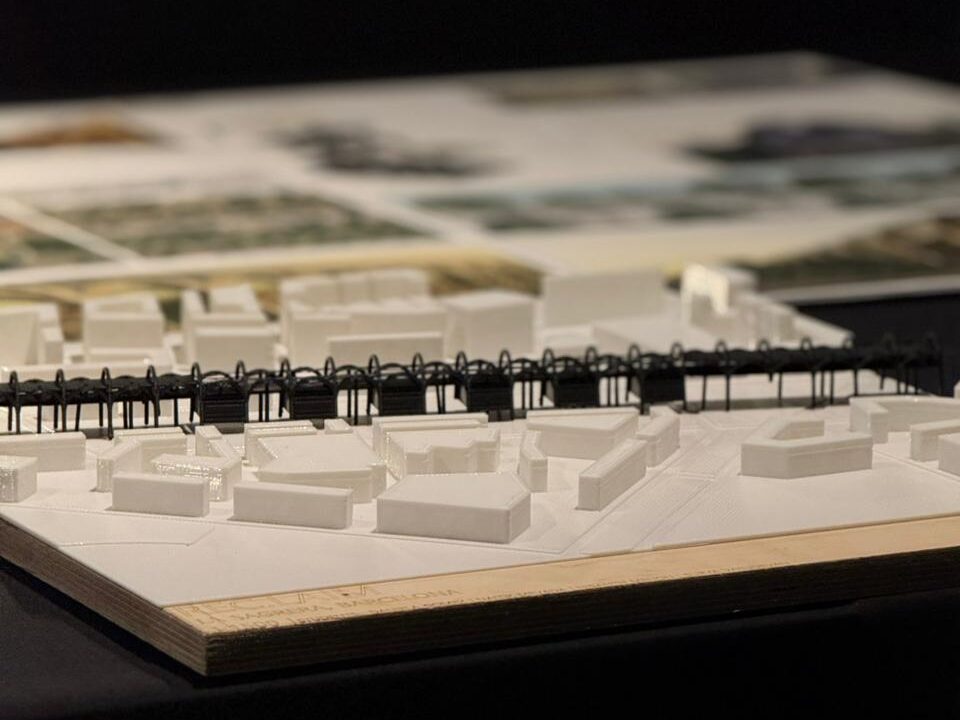
La Sagrera Station is a future railway project being constructed in La Sagrera which is aimed to be the biggest connection and social hub of Spain. The development also hosts a 4km long linear park which will accomodate housing, commercial and public spaces. Following the path, Historically, Rec Comtal passed below the site of the station and still has a canal underground with no water. One of the Node points of the restoration project lies within the same site.
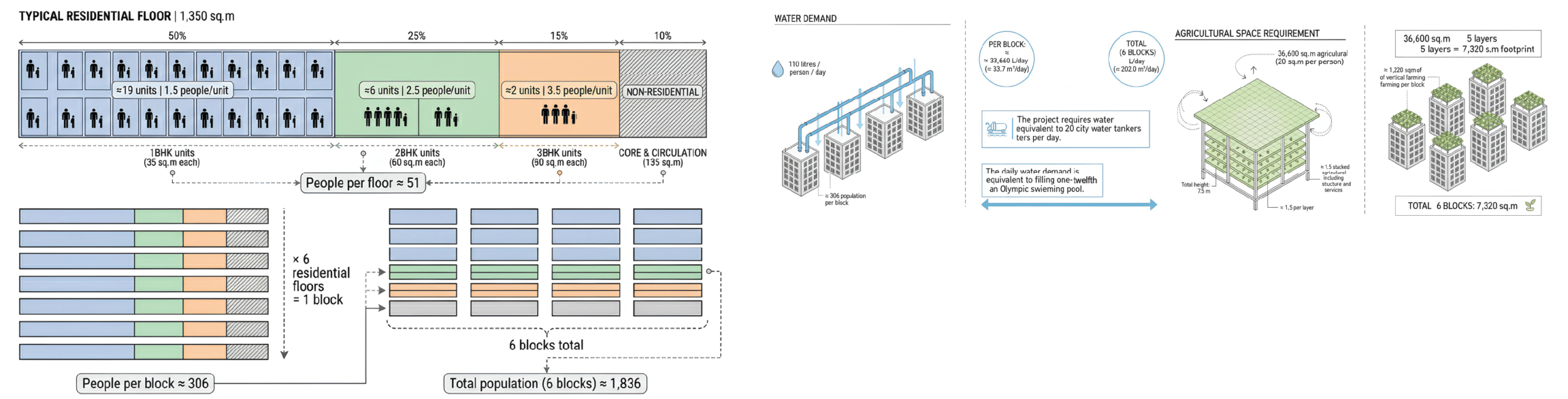
How many are we providing for…
Basics of our System: Closed Water Loop
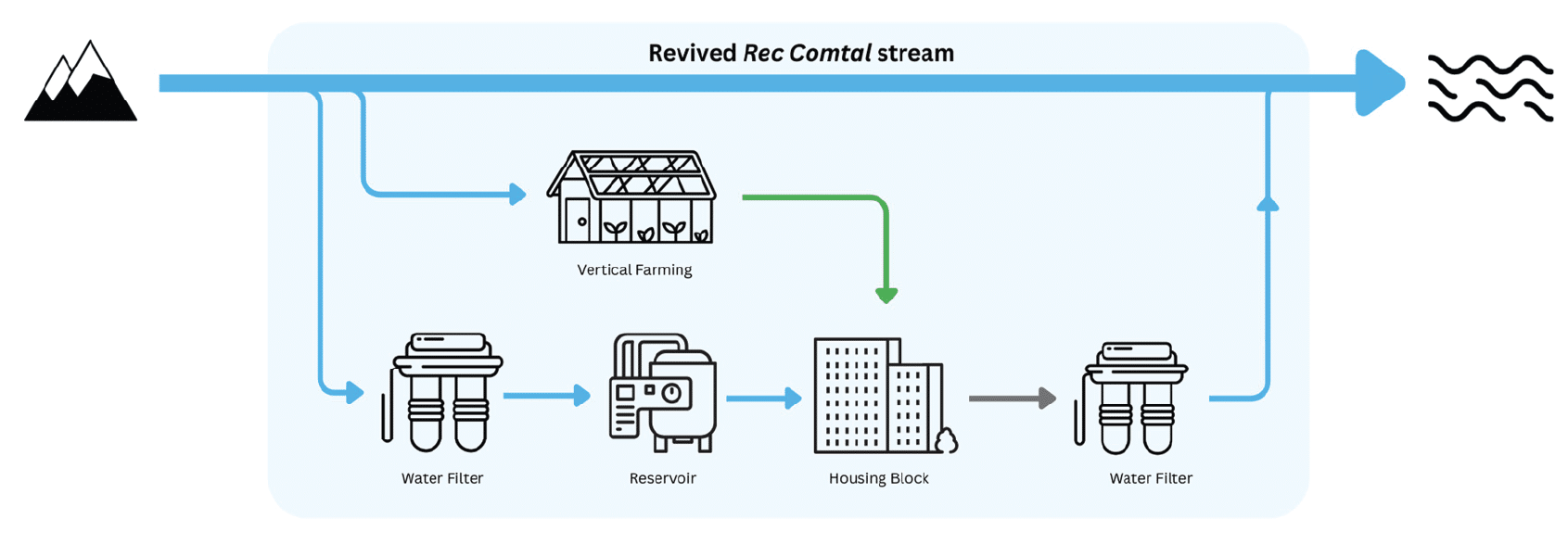
We will implement a closed and self-sucient water loop that begins with the stream of the Rec Comtal through the aqueduct, travels downwards into filtration systems and vertical farming for the housing. The greywater is renewed and fed back into the Rec Comtal.
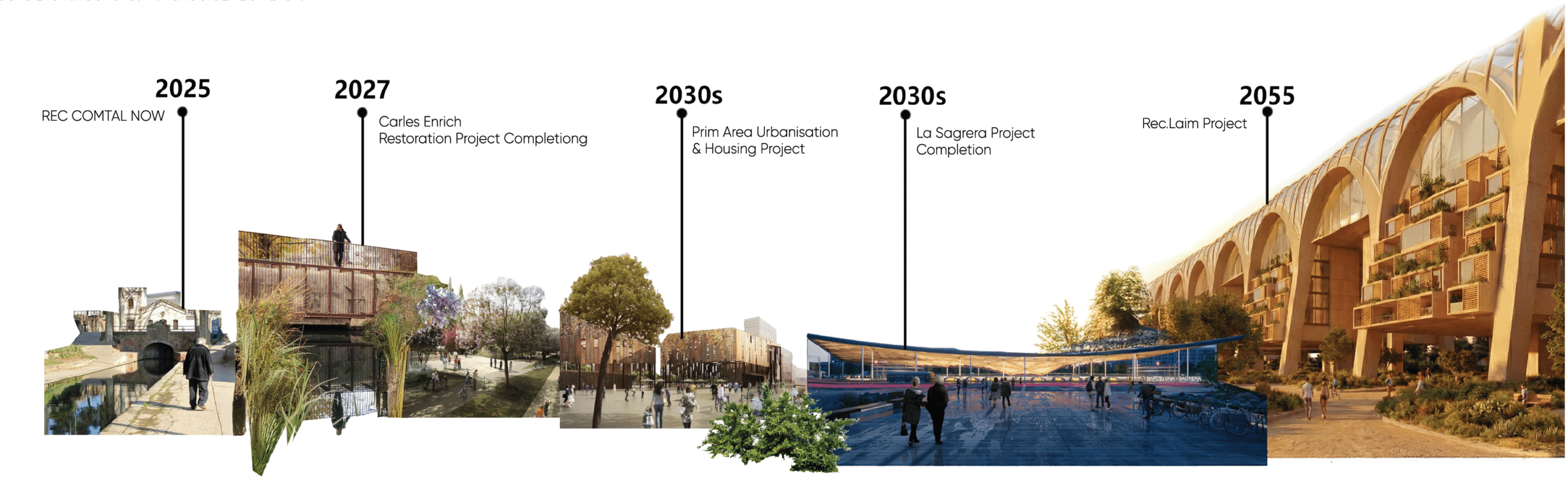
DESIGN DEVELOPMENT

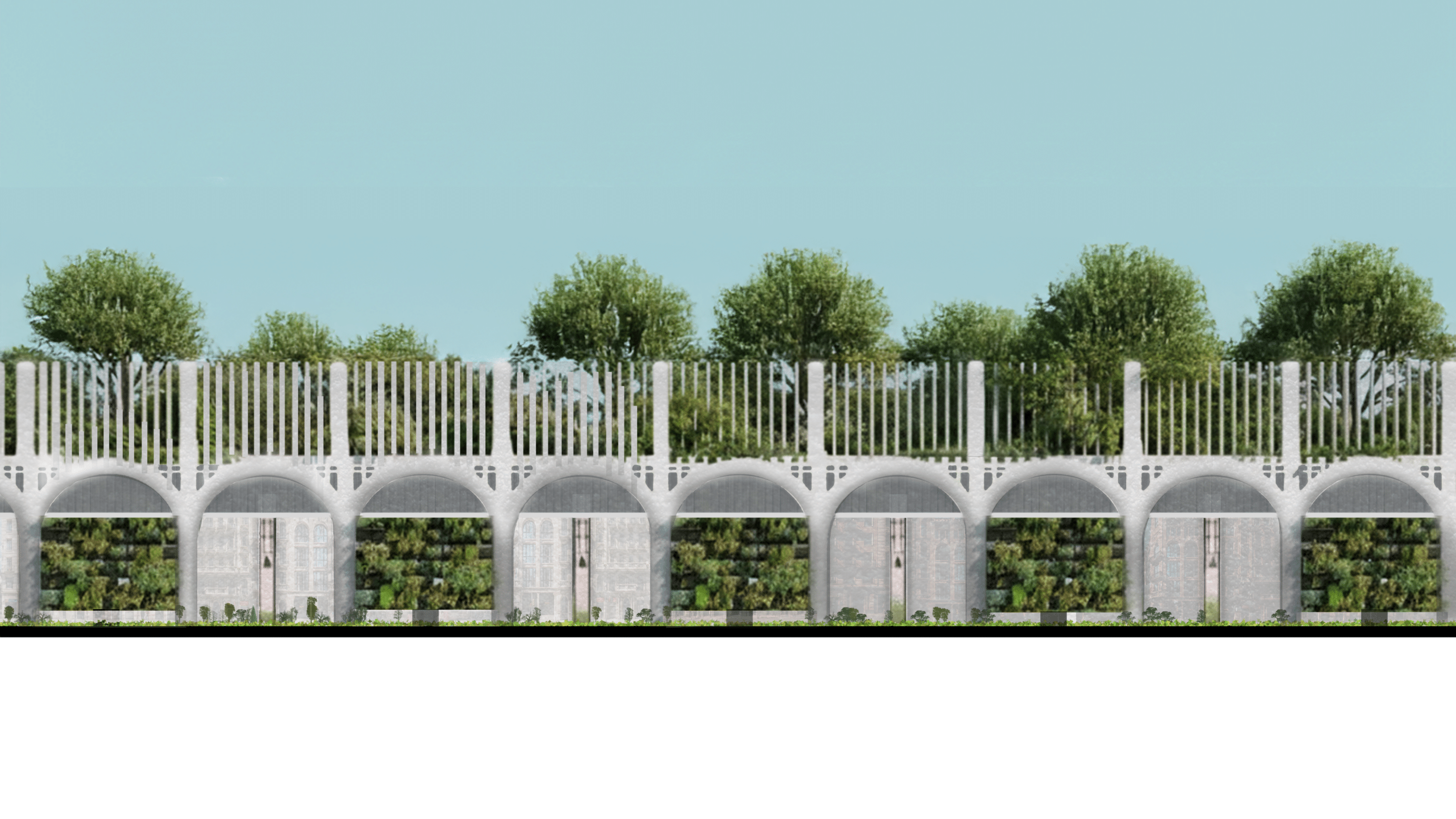
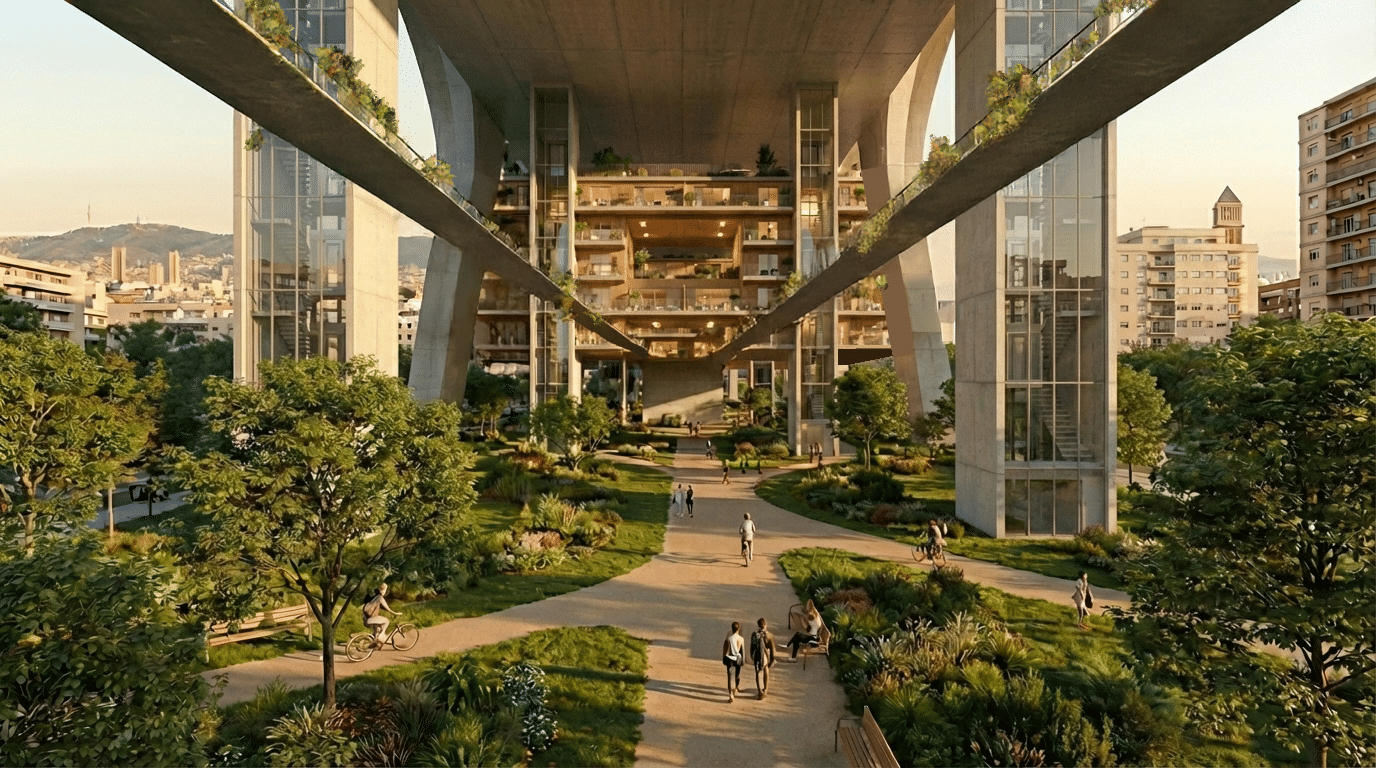
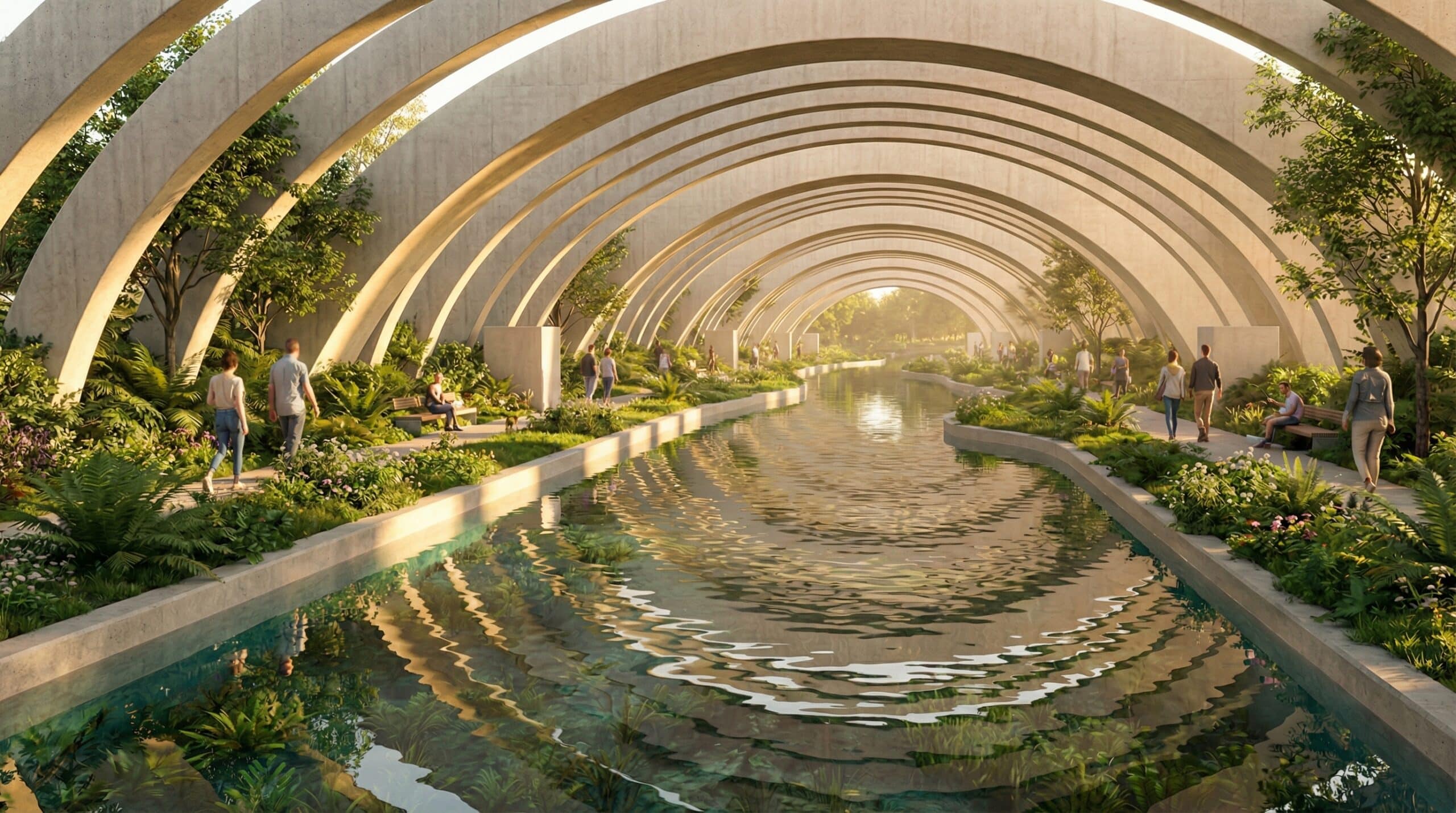
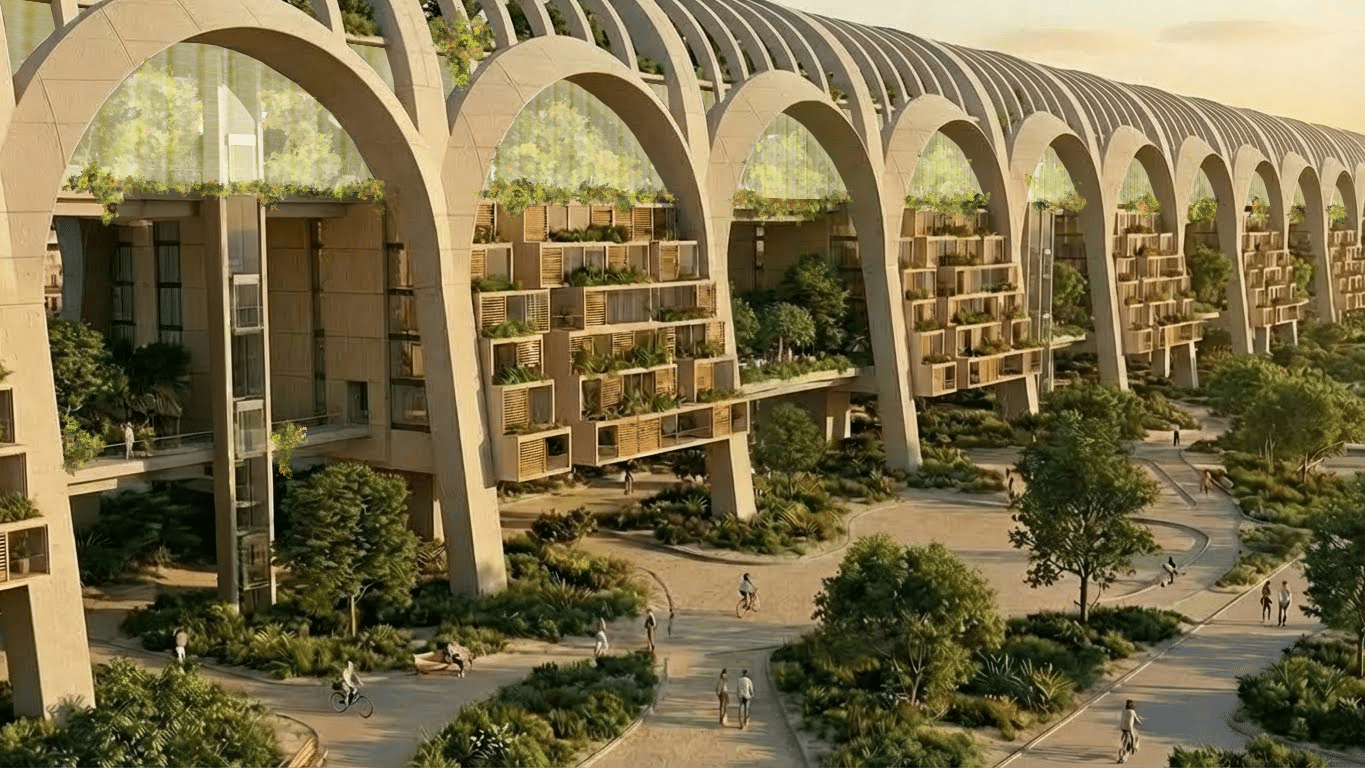
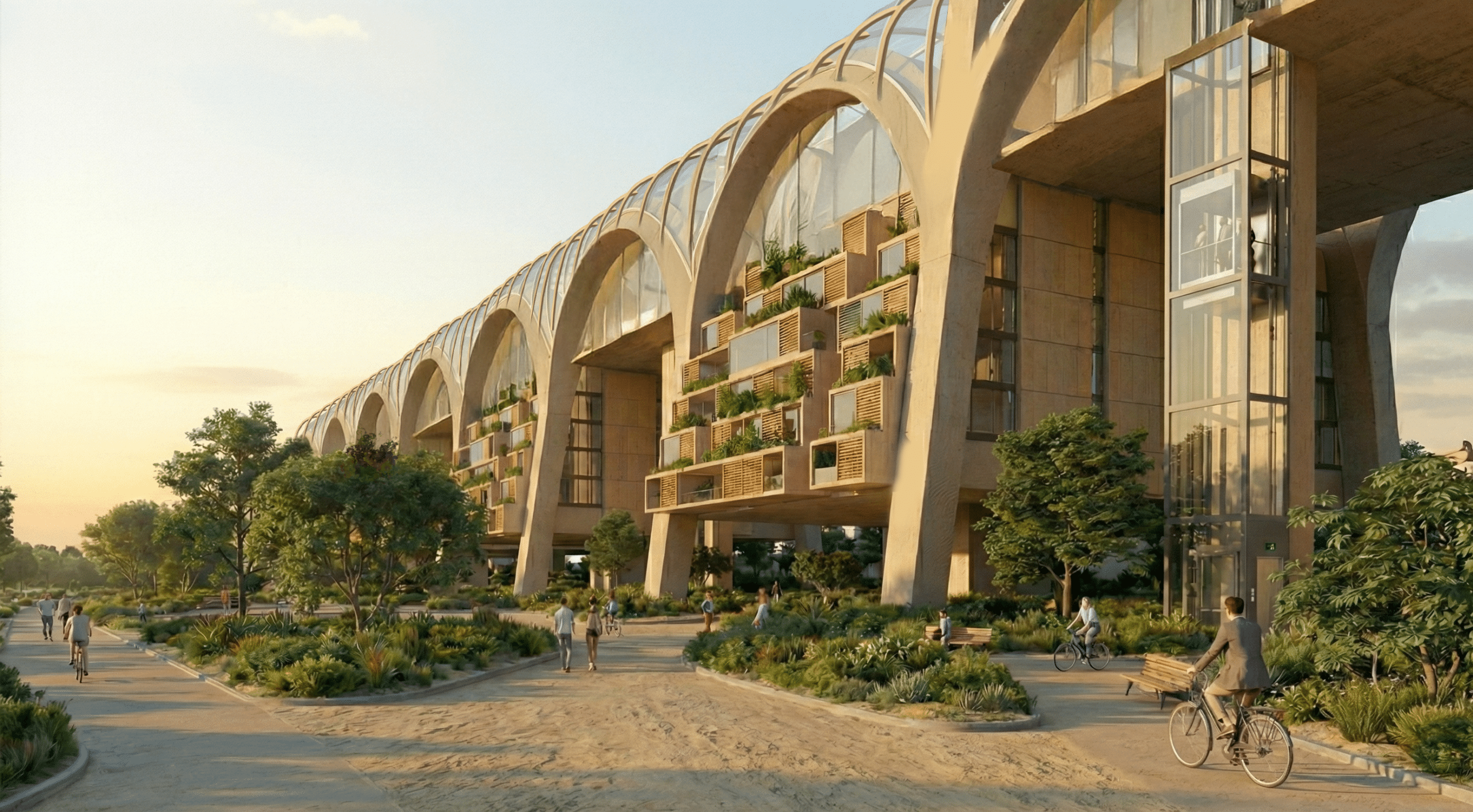
By reimagining the historical use of aqueducts in Barcelona, we adopt the same logic to bring water back into the contemporary city. Drawing from precedents such as the Rec Comtal, which once carried river water across long distances to structure urban life, our project reintroduces the river into the site through an aqueduct system extending from Vallbona to the Site (La Sagrera Station Park). This linear intervention transforms infrastructure into public space, using water as a connective, ecological, and cultural spine that links territory, memory, and future urban growth.

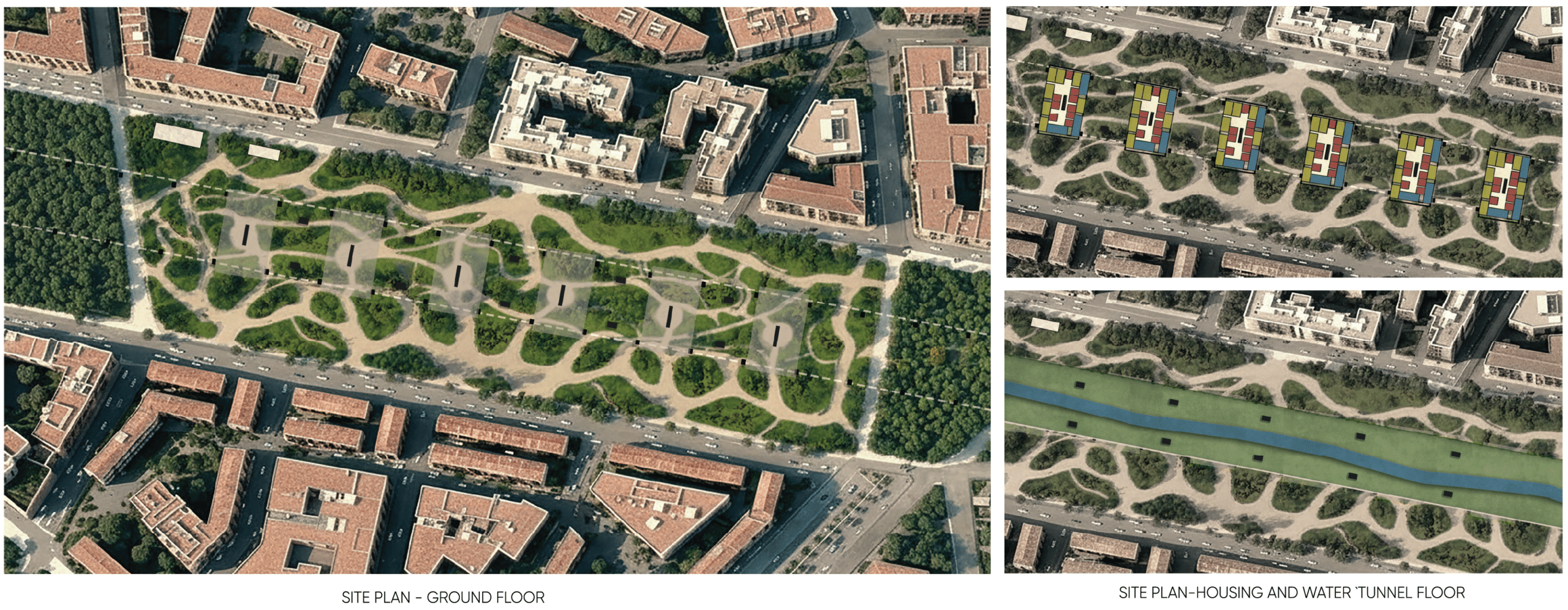
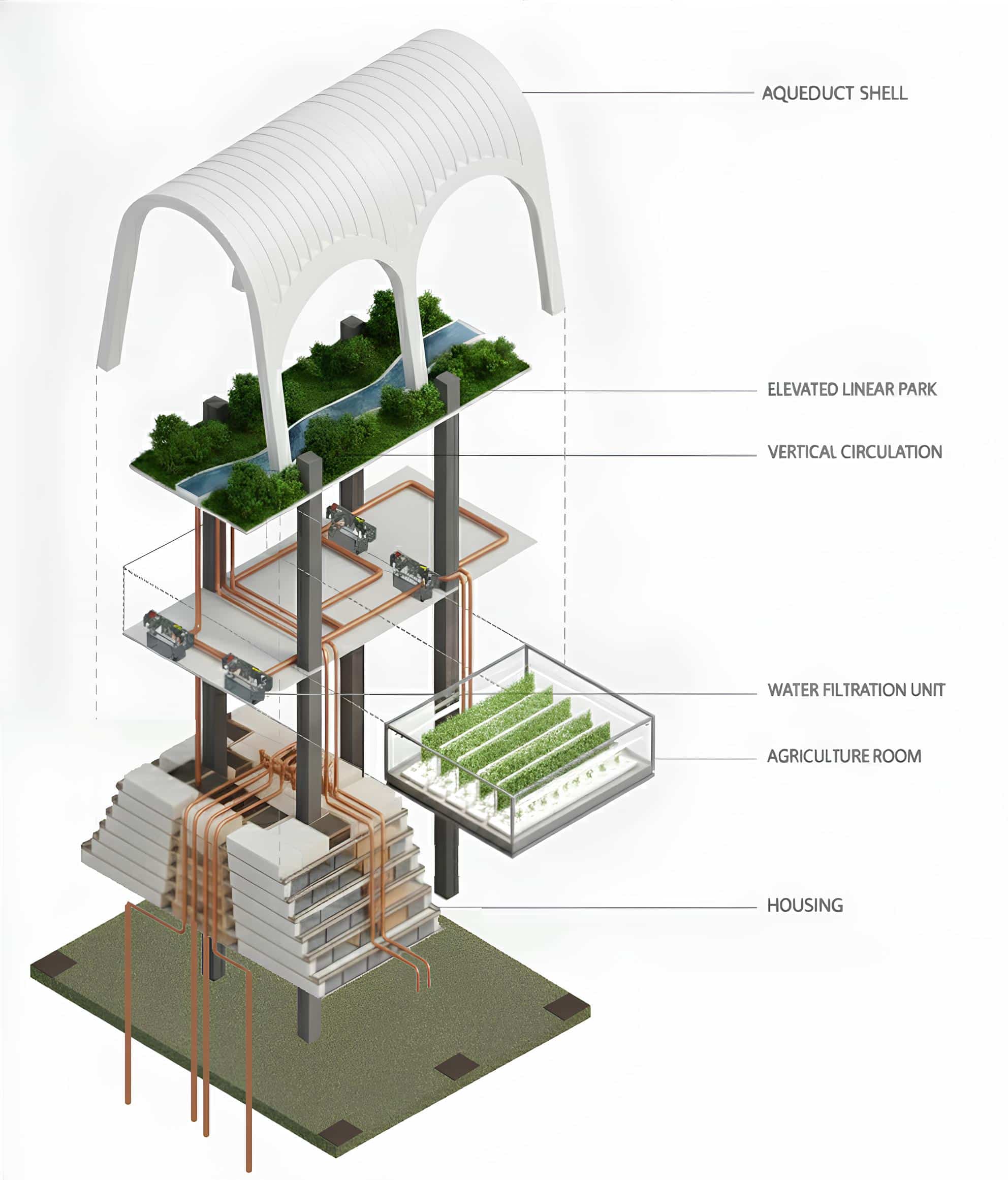
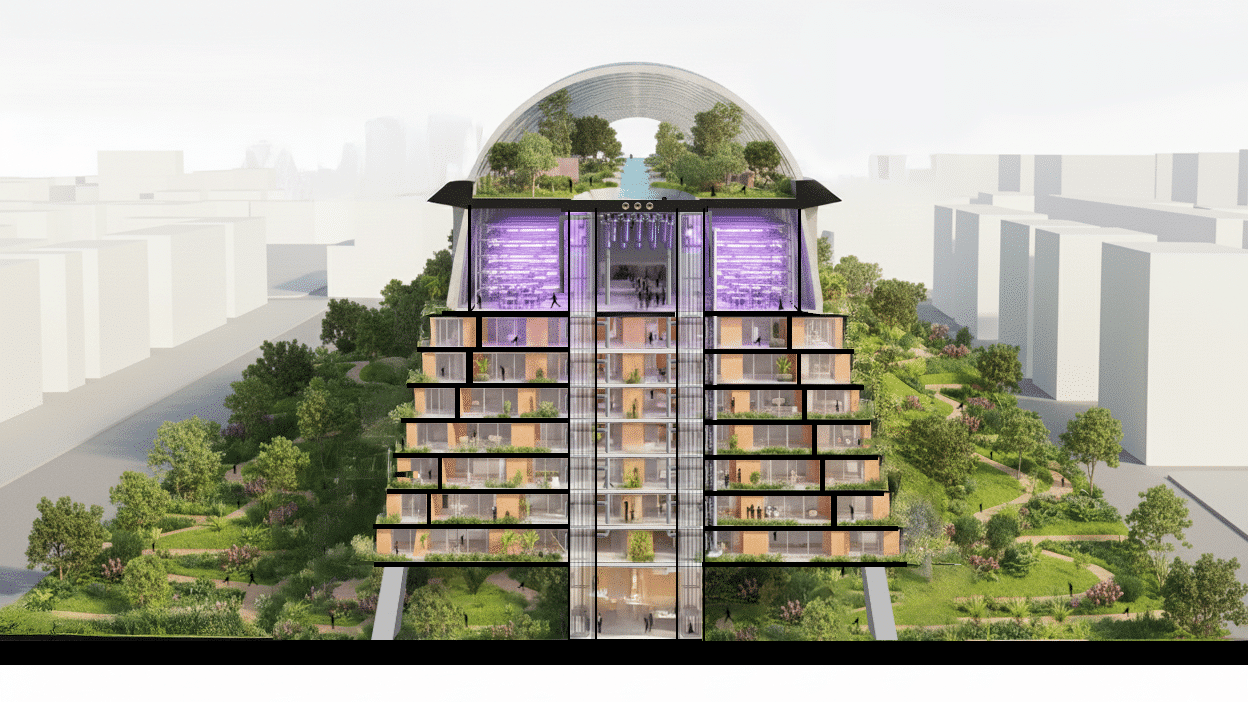
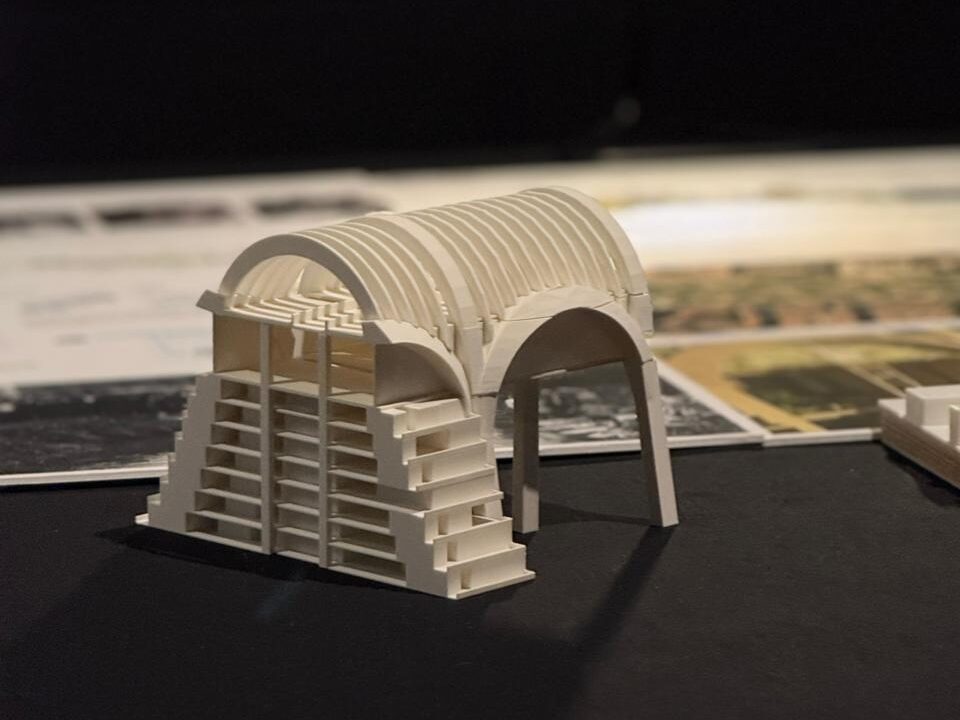
The programmatic stratification of the Aqueduct Project, reimagining historical infrastructure as a living machine. Crowning the structure is the Aqueduct Shell, a monumental arched enclosure that shelters the Elevated Linear Park, creating a shaded public promenade centered around water conveyance. Water Filtration Units are integrated directly into the structural spine, visible through a network of distribution piping that feeds the cantilevered Agriculture Room, a hydroponic greenhouse ensuring local food production. Anchoring the base is the high-density Housing module, which benefits from the purified water and agricultural yields above, connected vertically by a central Vertical Circulation core.