
Three theses, one shared check
Designers rarely test the real thing first. They test a model: a structural analysis, a slicer preview, a version history. A model is faster and cheaper than reality, but it is only a stand-in. Our three theses each ask when such a stand-in can be trusted. This post shares the cluster pitch we built together in the Research and Methods seminar: the territory we share, how our projects relate, where they split, and what working as one cluster taught us.
Simulate early, while a change is still cheap
Simulation in design means testing a model of a design instead of the building. A designer has two ways to find out how a design behaves. Build it and watch, and you learn the truth months later, when any change is costly. Test a model, and you have an answer in minutes, while a change is still cheap.
The cost of a change rises at every stage: design, fabrication, construction, use. A problem found late is paid in time, money, material and sometimes safety. The EU push for digital and circular construction asks for these checks even earlier.
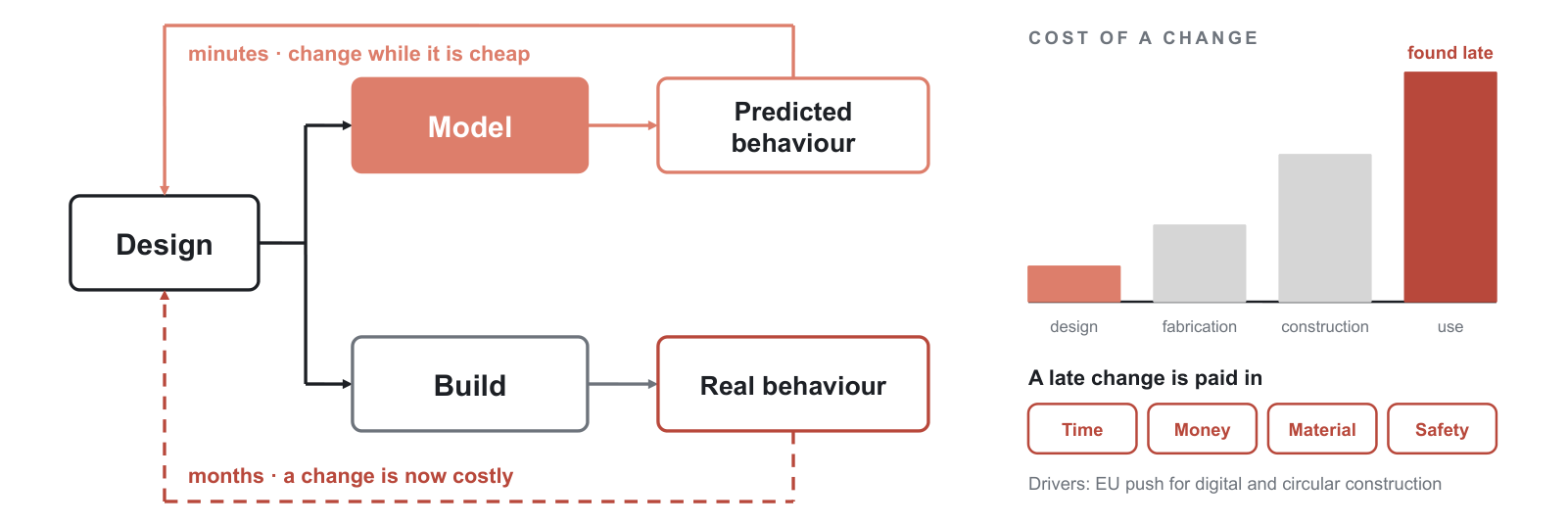
Figure 1. The same design, tested two ways. A model answers in minutes; the building answers in months, when a change costs the most.
But a model is not the building. It is a stand-in, and it is only worth running if it leads to the same decision that reality would. That idea runs through all three of our theses.
Three levels of simulation
We sorted the field into three levels, each one zooming in.
- Level 0 is simulation in design in general: testing a design before it is built.
- Level 1 is what gets simulated: how a design changes from version to version, how a material behaves, whether a machine can make the shape. Environmental performance, such as energy and daylight, belongs here too, but not to our theses.
- Level 2 is one case each. Zeynep measures the distance between design versions, checked against people’s judgment. Charles grades a reclaimed beam from cheap readings, checked against a CT scan and a bending test. Aditya reads print success from a field, checked against slicing and real prints.
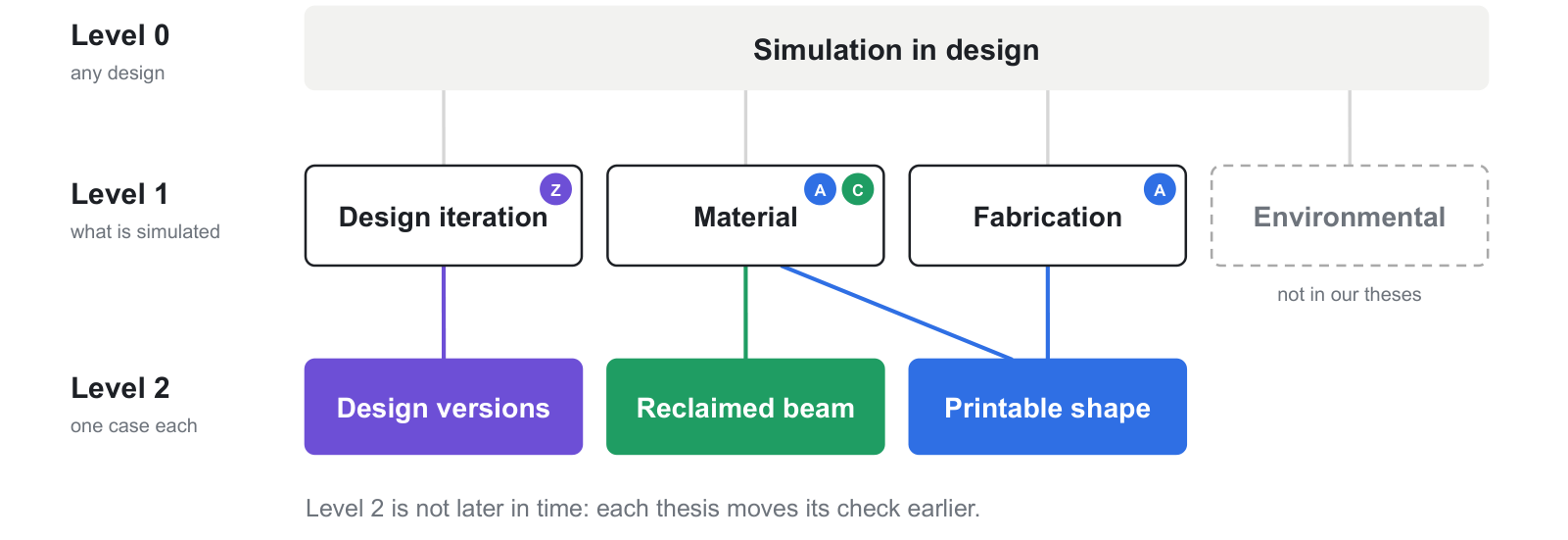
Figure 2. From any design (level 0), to what is simulated (level 1), to one case per thesis (level 2).
Level 2 is not later in time. Each of us takes a check that usually comes late and runs it earlier, while a change is still cheap.
One shared method
Our objects have little in common. What we share is how we test them, in four steps:
1. A cheap stand-in replaces something hard to see.
2. A slow reference gives the fuller answer.
3. The same check runs on both.
4. The disagreement between them is the result.
For Zeynep, the stand-in is a text description of each design stage, embedded as vectors, and the reference is people’s judgment. For Aditya, it is the shape stored as a field, against slicing and real prints. For Charles, it is vibration, moisture and weight, against a CT scan checked by a bending test.
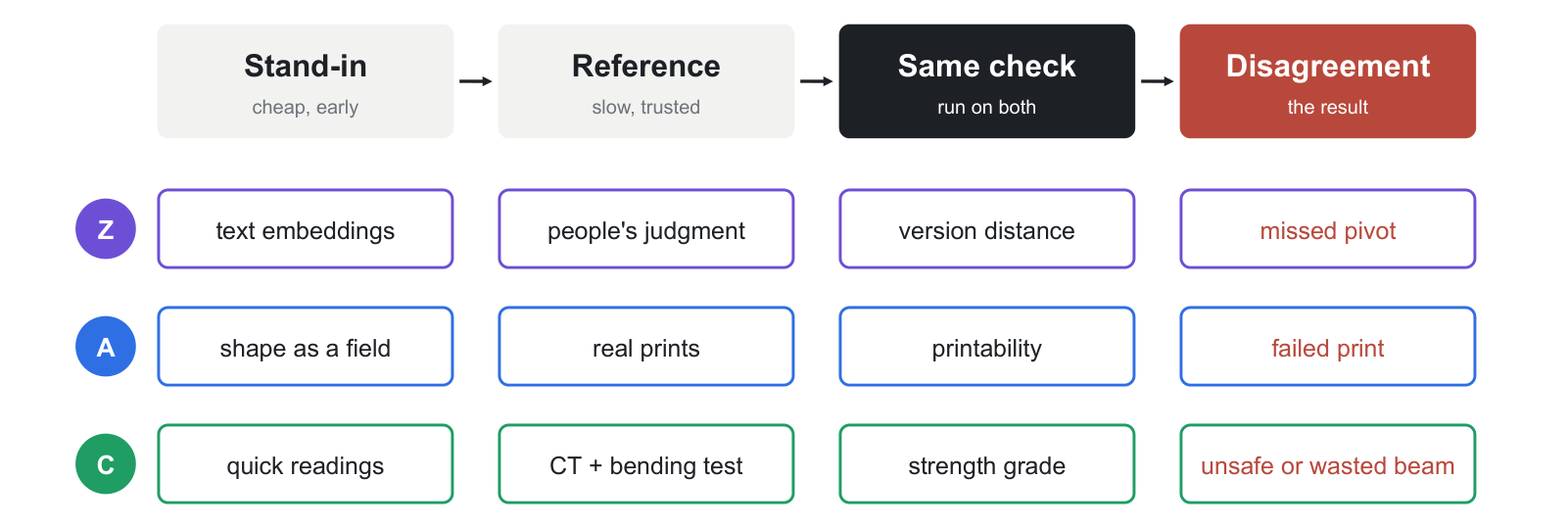
Figure 3. Stand-in, reference, the same check, and the disagreement, for each of the three theses.
Where we meet
Beyond the method, each pair of theses shares one link:
- Zeynep and Aditya both work on design protocols: how a design moves from one form to the next.
- Aditya and Charles both simulate material behaviour, at two scales: a layer being printed and a beam under load.
- Zeynep and Charles both ask whether a stand-in can replace a reference.
And all three serve people who must decide with incomplete information, and who want the answer earlier.
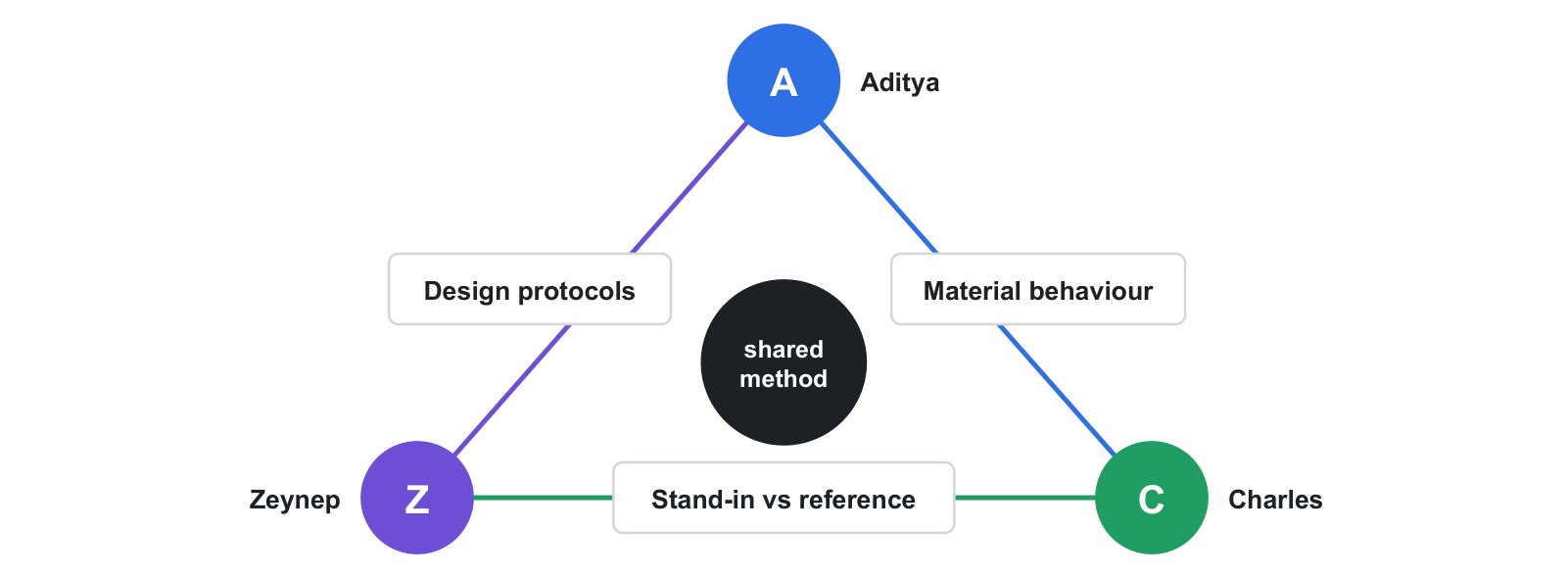
Figure 4. Each pair shares a link; the shared method sits in the middle.
Where we split
This is where the three theses part ways: in the object, the reference, the cost of an error, and what each one delivers.
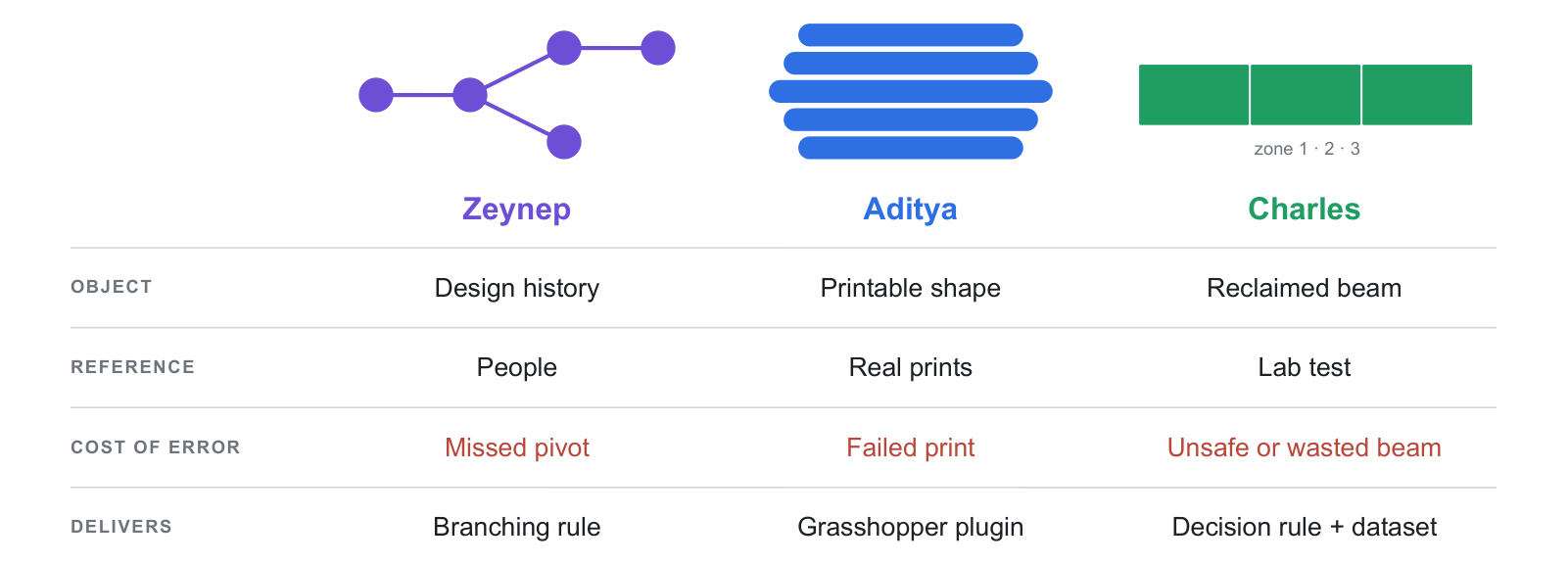
Figure 5. Same method, different object, reference and cost of error.
The question we share
All of this leads to one question: when does a cheap stand-in lead to the same decision as the slow reference?
In the studies we read, a stand-in is usually scored on how close its numbers are, and more rarely on whether it leads to the same decision. But a designer acts on decisions, not on numbers. Each of us takes this question to one case: the same pivot for Zeynep, the same printable shape for Aditya, the same grade for Charles.

Figure 6. One question, three cases.
Reflection: from three theses to one cluster
Telling three theses as one story took more than putting them side by side. We had to answer one question together first: what is simulation in design? Three lessons came out of it.
- Broad first, specific last. Each of us had started from our own gap. Our pitch now starts from what we share and narrows down level by level, so each thesis arrives at the end, not the beginning.
- Say why it matters. Each level carries the risk of skipping the check: lost decisions, failed prints, unsafe or wasted material.
- The method was the real common ground. Our objects have little in common. What we share is how we test: a cheap stand-in against a slow reference.
What comes next
Each of us now takes the shared question into our own case. By the end of the thesis, we will have three answers to one question, on three very different objects. Together they should say more than any one of them alone about when a cheap stand-in is enough.
