OMNIMORPH

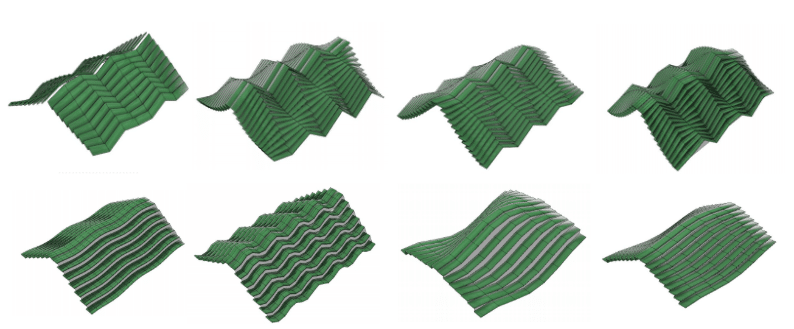
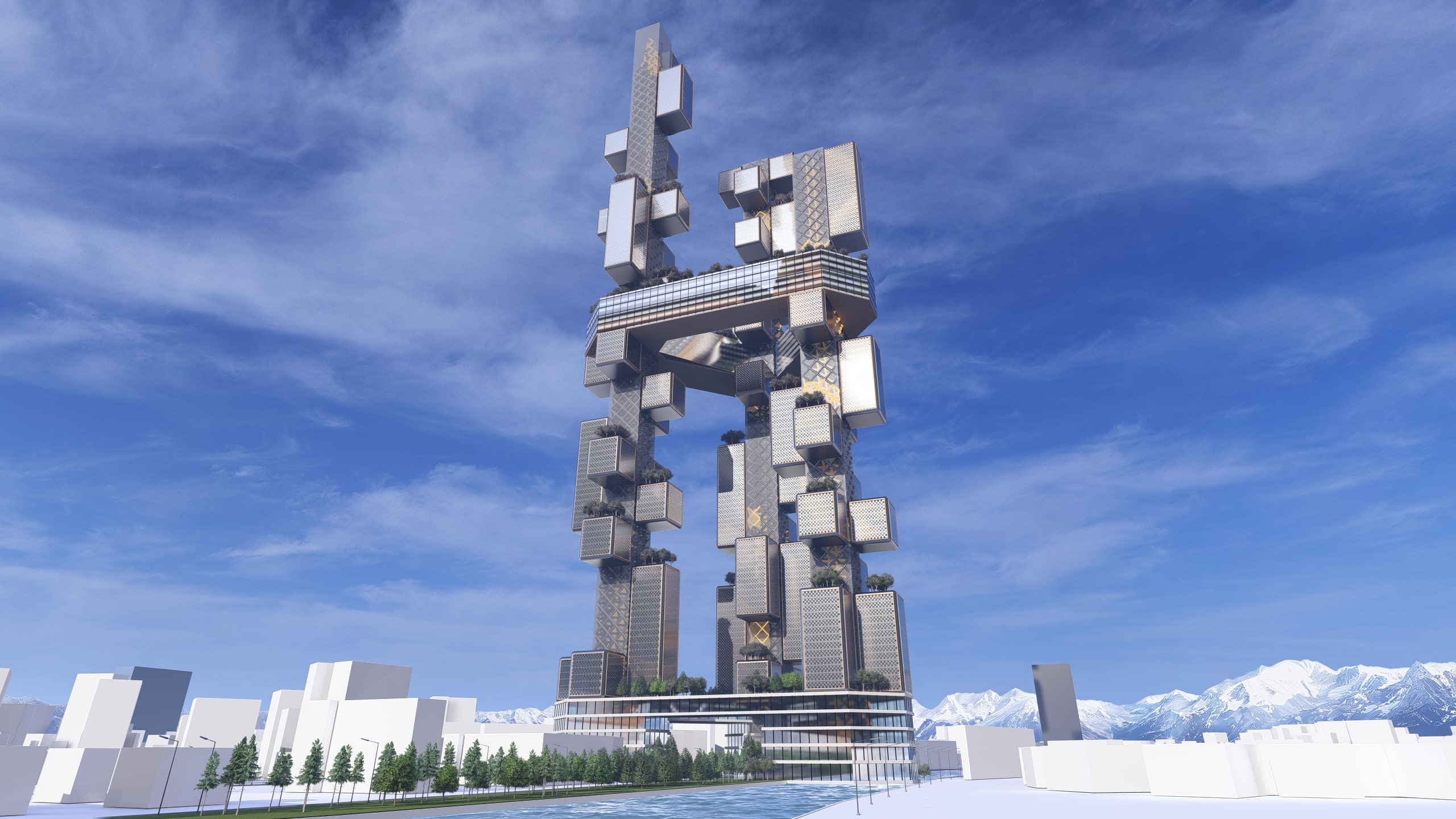
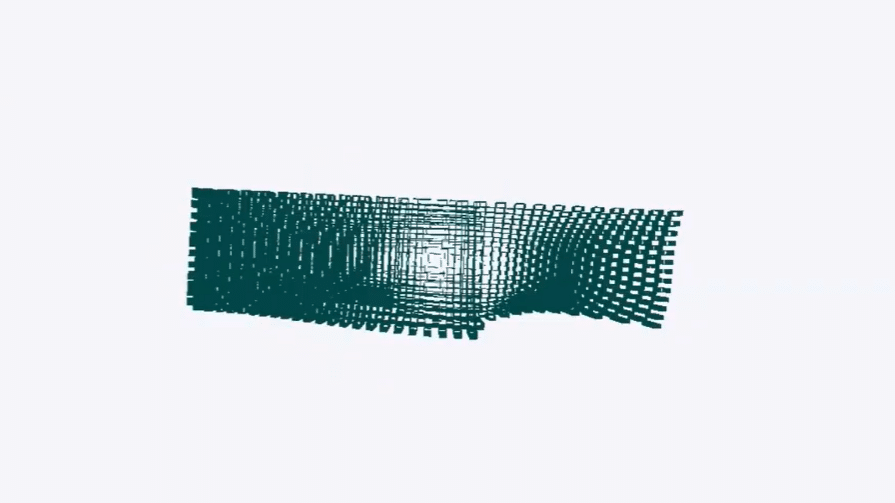
Adaptive Framework for Hybrid Slicing Strategies in Large-Scale Robotic Fabrication of AI-Derived Architectural Systems Throughout history, imagined worlds have existed through literature, cinema, and digital environments, continuously expanding architecture beyond the built. Today, AI allows these speculative realities to be generated with unprecedented complexity, while robotic fabrication enables their materialization. Through an adaptive framework using … Read more
NEURO-ADAPTIVE INTERFACE

Neuro Daptive Interface

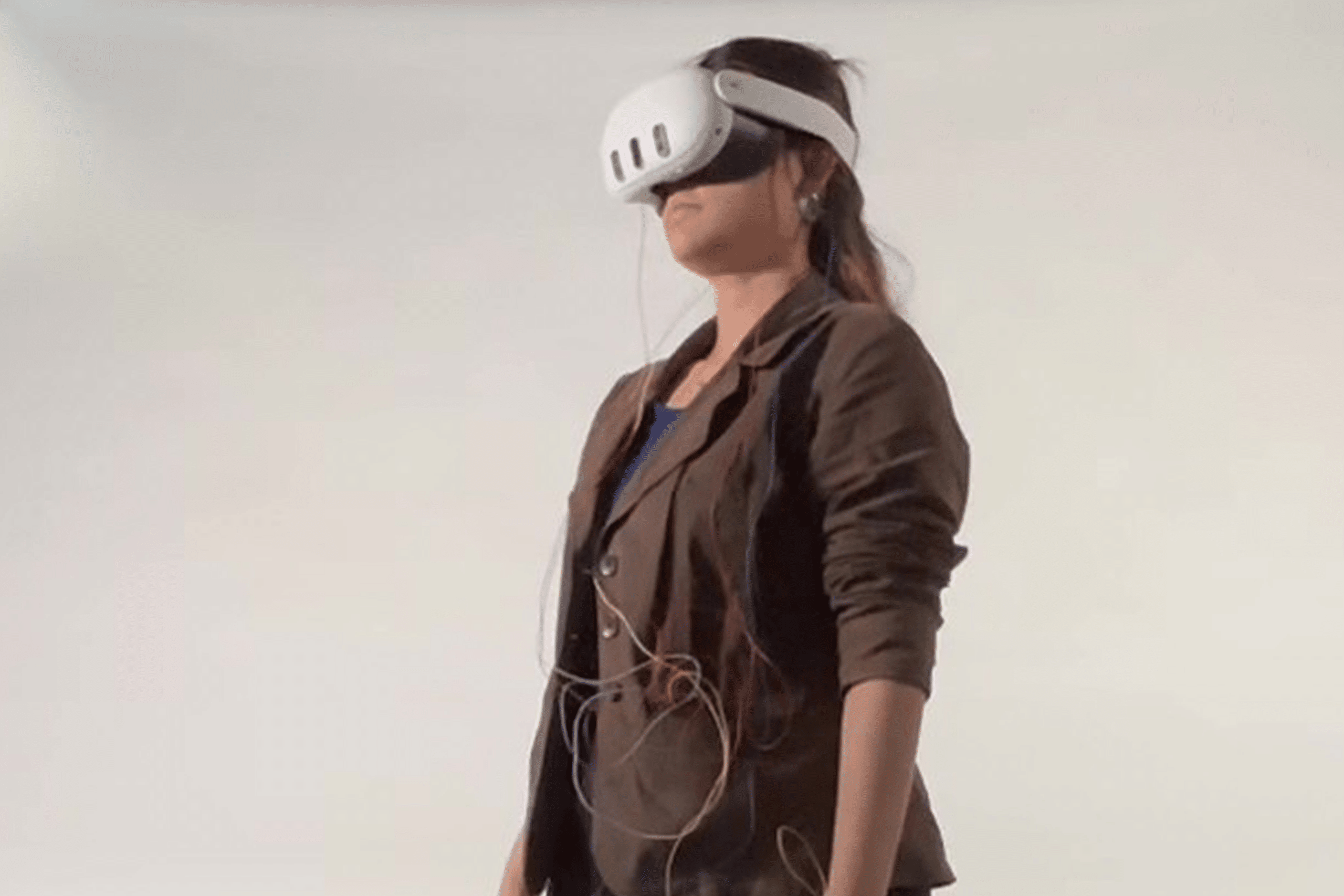
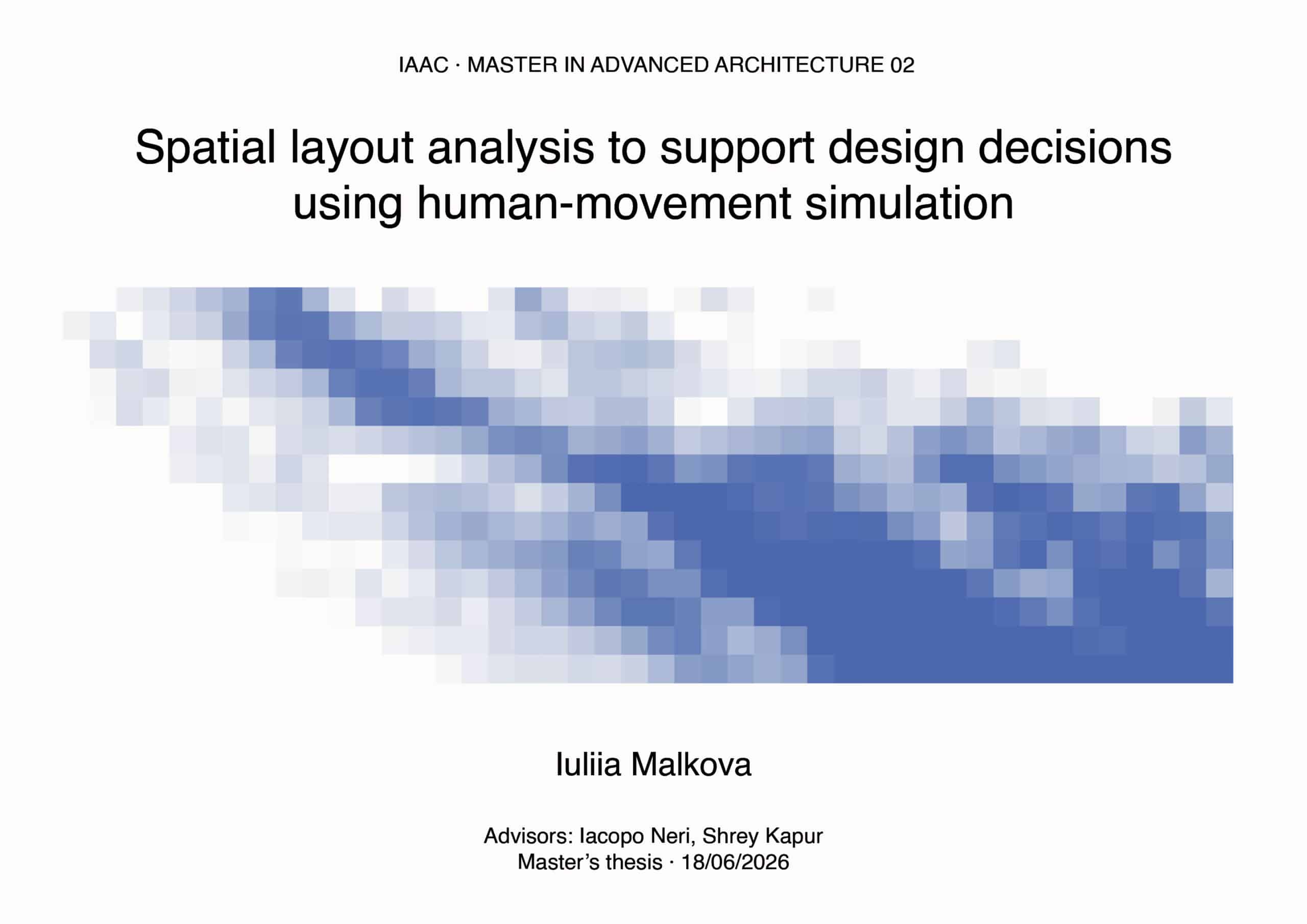
This thesis explores how biosignals can transform artificial light into an adaptive architectural interface. While light strongly affects human emotions, cognition, and well-being, most lighting systems still rely on manual control and cannot respond to users in real time. The research investigates how EEG, ECG, and GSR data can be used to create dynamic lighting … Read more

Timber Reuse Stacking Typologies

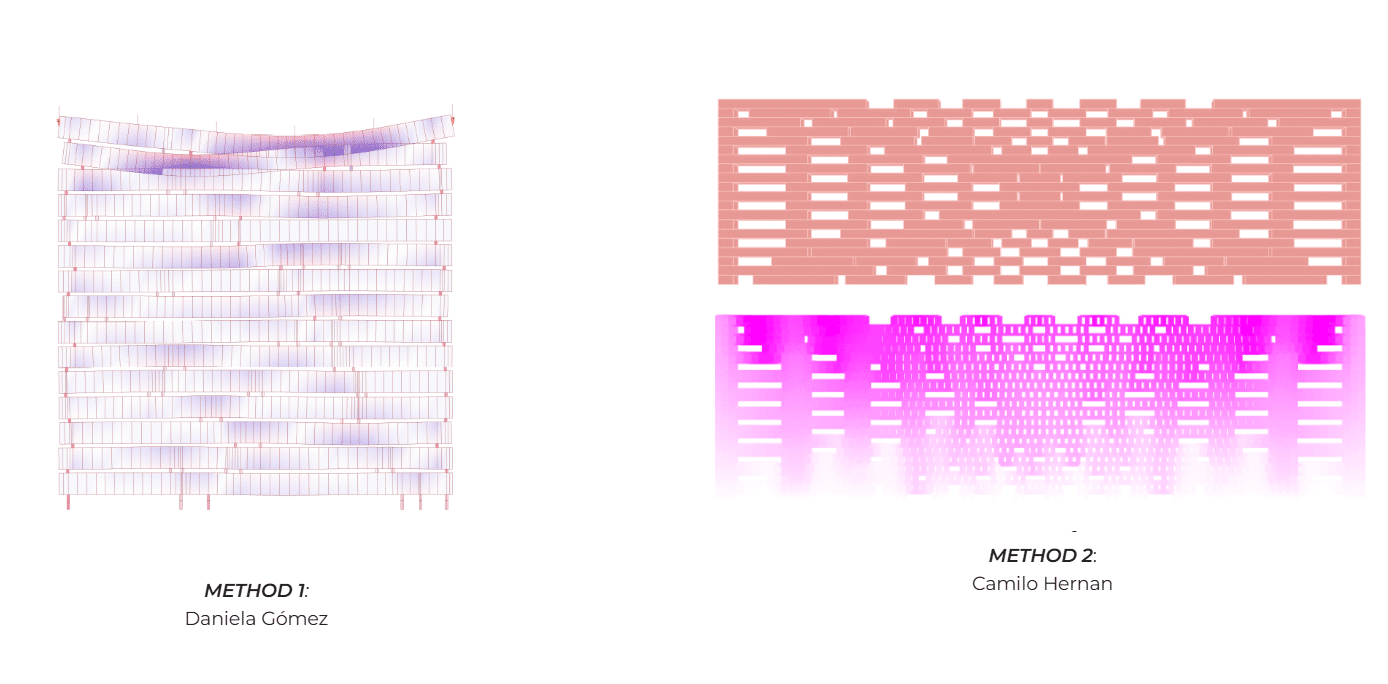
Using AI scripting in grasshopper to create and analyse reused timber stacked systems Two methods of creating panels made from an existing stocklist of reclaimed Timber using AI scripting integrated into Grasshopper. The first method explores the simple end to end stacking, by taking a random piece from the stock and placing it in a … Read more

Augmented Robotic Production Systems for Adaptive and Resilient Architecture

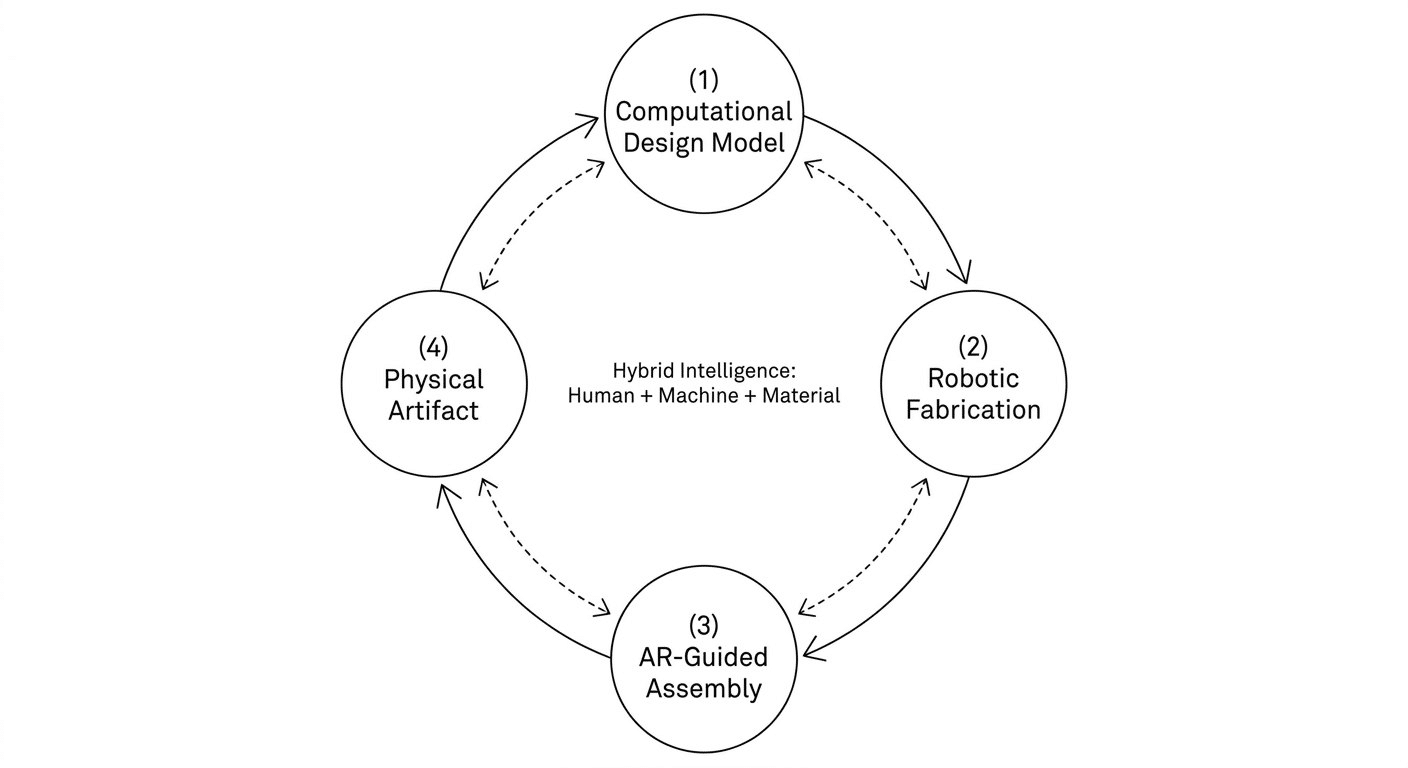
Abstract Construction is responsible for a substantial share of global material waste and carbon emissions, and one of the reasons is structural: design, fabrication, and assembly are still treated as separate phases with fragmented handoffs between them. This podcast episode explores what changes when those phases are linked into a single, feedback-driven workflow where parametric … Read more

Roof Panelizer – Breaking Free from Planar Constraints in Roof Design

Roof design has long been constrained by the limitations of traditional BIM applications. While architects envision expressive, non-planar geometries, they often default to repetitive planar forms due to technological barriers. Beyond aesthetics, these planar designs leave critical questions unanswered: How many panels are needed? What custom tile sizes must be fabricated? How do design decisions impact material costs and constructability? Problem Statement Most BIM applications limit roof design to planar forms, creating a significant gap between architectural vision and what’s … Read more

HB02: Urban Congestion as Catalyst

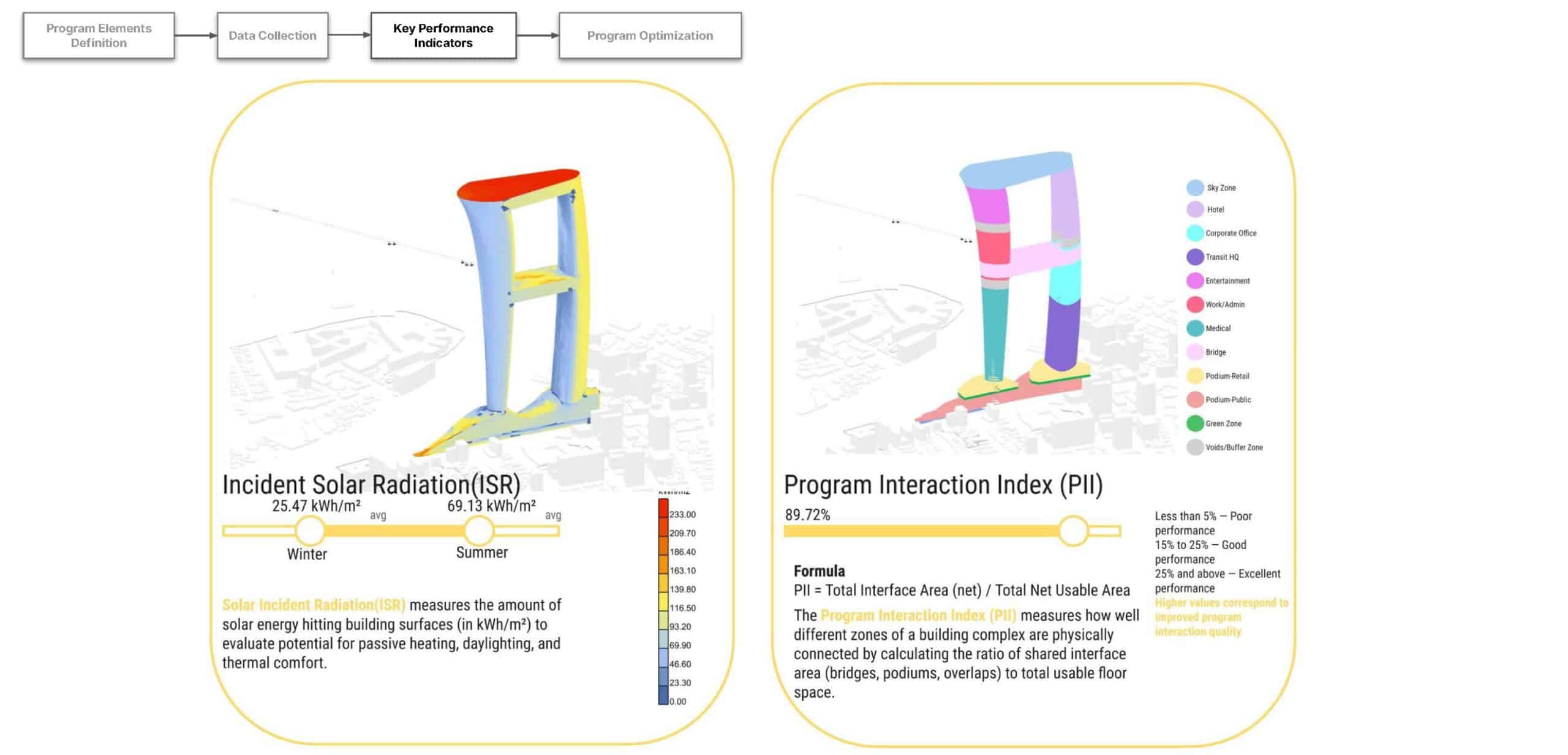
Program Team Hyperbuilding 02 proposes a program-integrated transit hub that reorganizes fragmented mobility networks, shortens commute times, and anchors a high-density mixed-use urban core to improve accessibility and urban performance. The design concept for Hyperbuilding 02 begins with a problem: fragmented mobility networks that create inefficiency, congestion, and poor urban accessibility in high-density environments. Rather … Read more

HB03: Data-Driven Towers for Human-Nature Coexistence

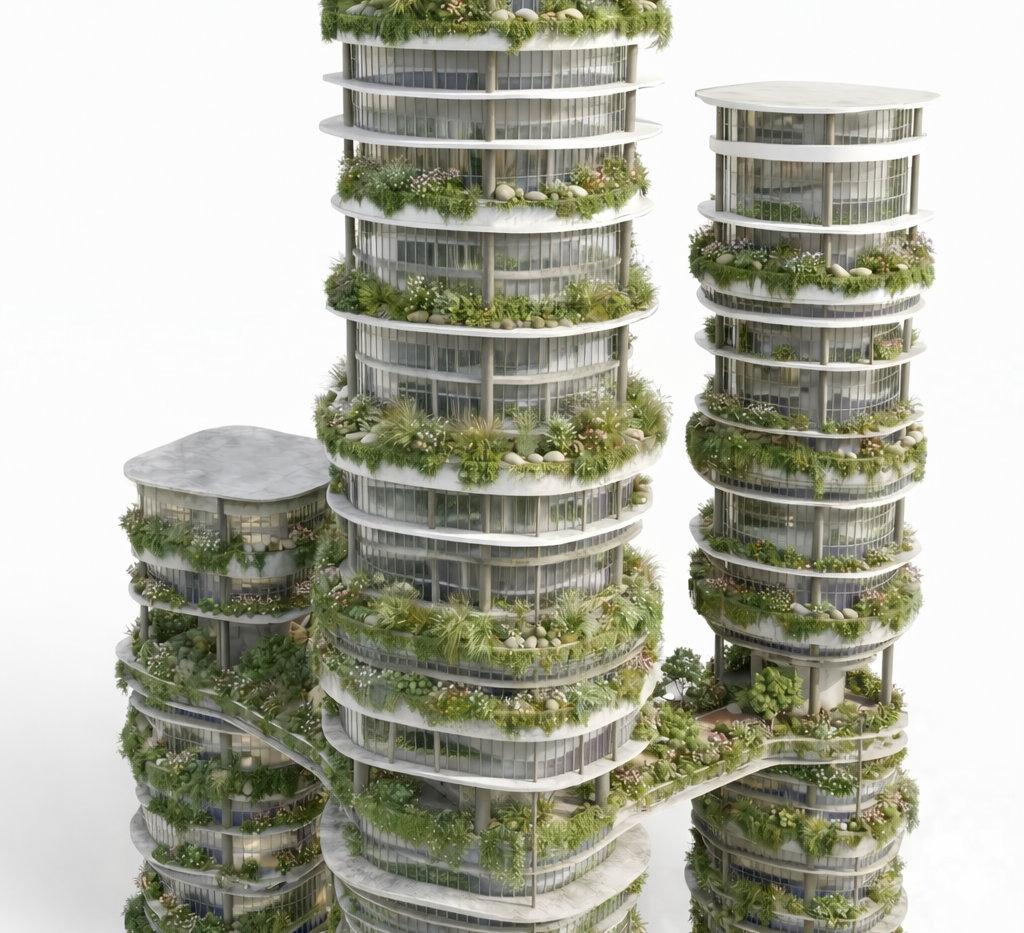
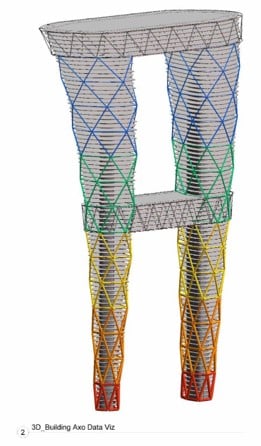
Explore HB03, a hyperbuilding developed through parametric design, structural engineering, and adaptive façade optimization. Discover a data-driven approach to sustainable vertical urbanism, daylight performance, and human-centric high-rise design. Introduction: Engineering the Skeleton of Vertical Urbanism In the Vertical Machine studio, architecture is treated as a dynamic urban organism rather than a static object. Within this … Read more

F.lok

…digitizing terrain to understand runoff & delivering local NBS solutions… …there are 3 types of floods… …the mountains affect runoff… GREEN CITIES AROUND THE WORLD NBS (Nature Based Solution) Bank …Prototyping Phase… …understanding the prototype… THE PROTOTYPE

Urban Quant Tool

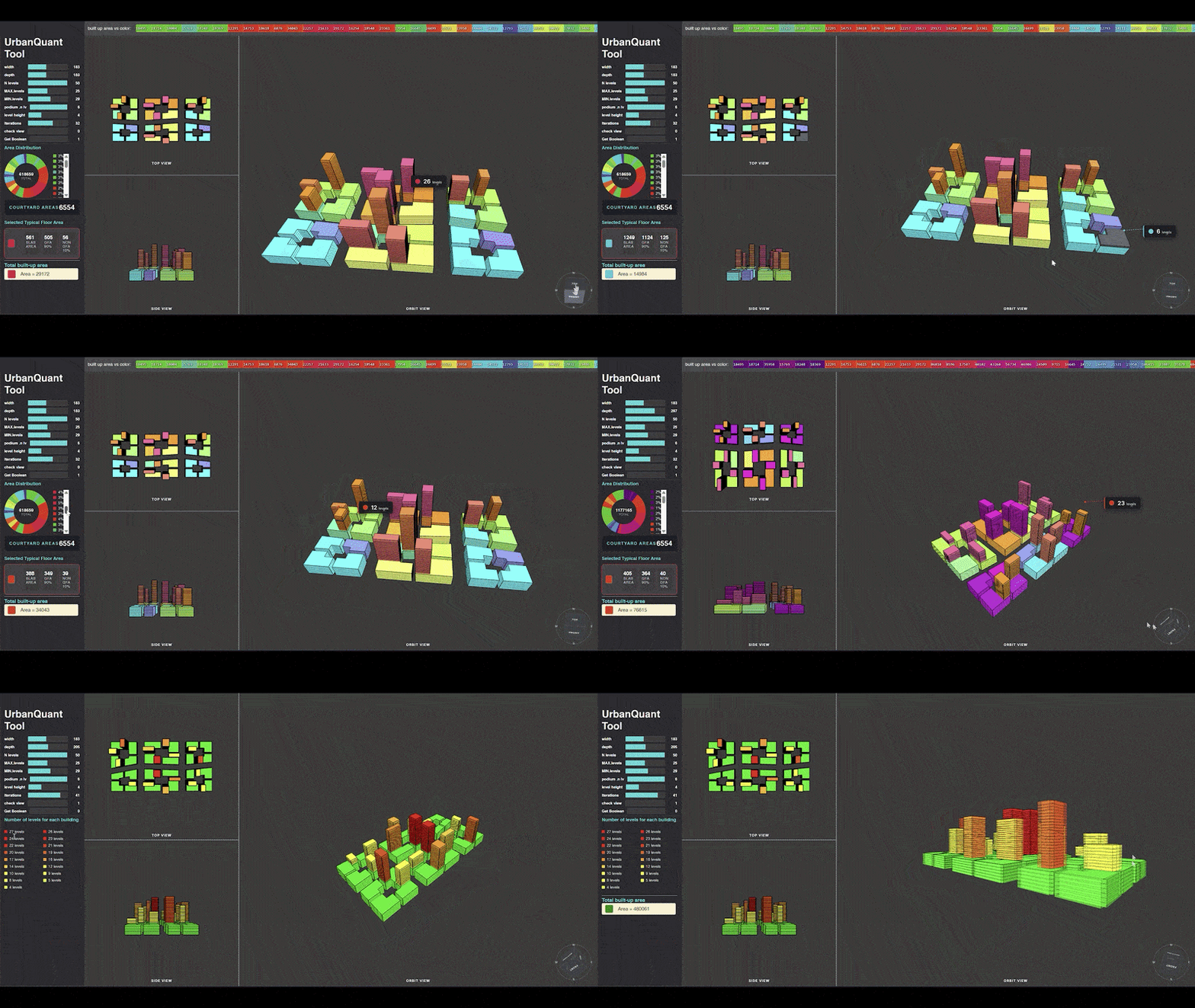
Urban Quant is a data‑driven urban design tool delivering area and massing analyses for buildings and open spaces. It calculates Built‑Up Area (BUA), Gross Floor Area (GFA), service/core areas and building levels, integrating solar exposure and sun‑hour simulations. The platform converts regulatory, programmatic, contextual inputs into comparable scenarios, visualizations, and reports for architects. Area distribution … Read more

Breaking the Desktop Barrier: A Real-Time Parametric Pavilion

In the traditional architectural workflow, parametric models are often “trapped” inside heavy desktop software like Rhino and Grasshopper. My latest project, the Parametric Brick Pavilion, aims to bridge this gap by moving high-level structural computation directly into a web-based interface. The Challenge: Accessibility in Complexity Parametric design is a powerful tool for iteration, but it … Read more