Syntactic Assemblage
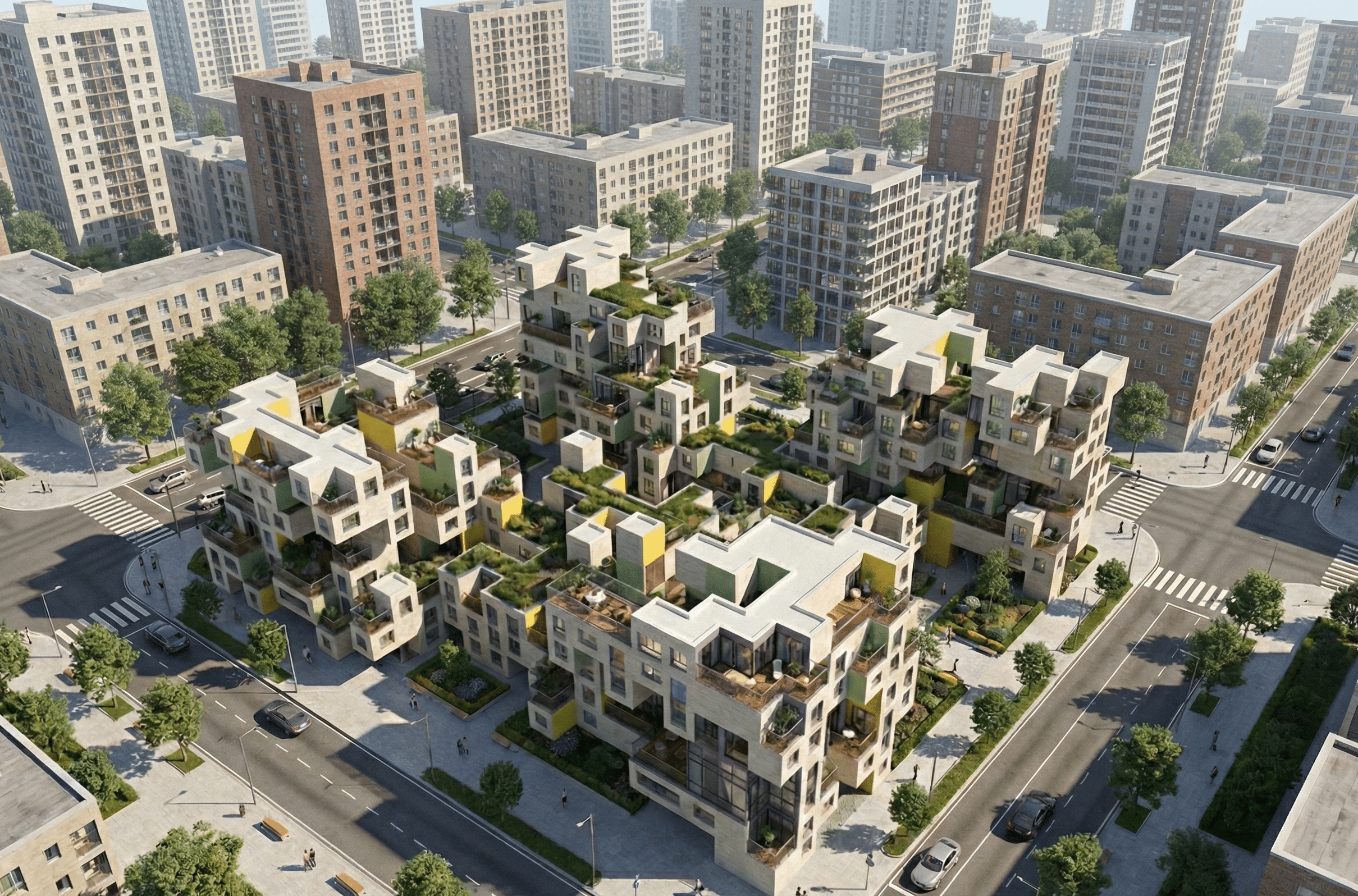
This project explores the computational assembly of components to form a multi-functional complex. By translating configurations into graphs, we applied Space Syntax logic to evaluate three key values : Depth, Integration, and Choice. The optimal architecture was selected based on the balanced symmetry of these indices. Finally, these analytical values directly guided the spatial programming, … Read more
Cerro Alegre
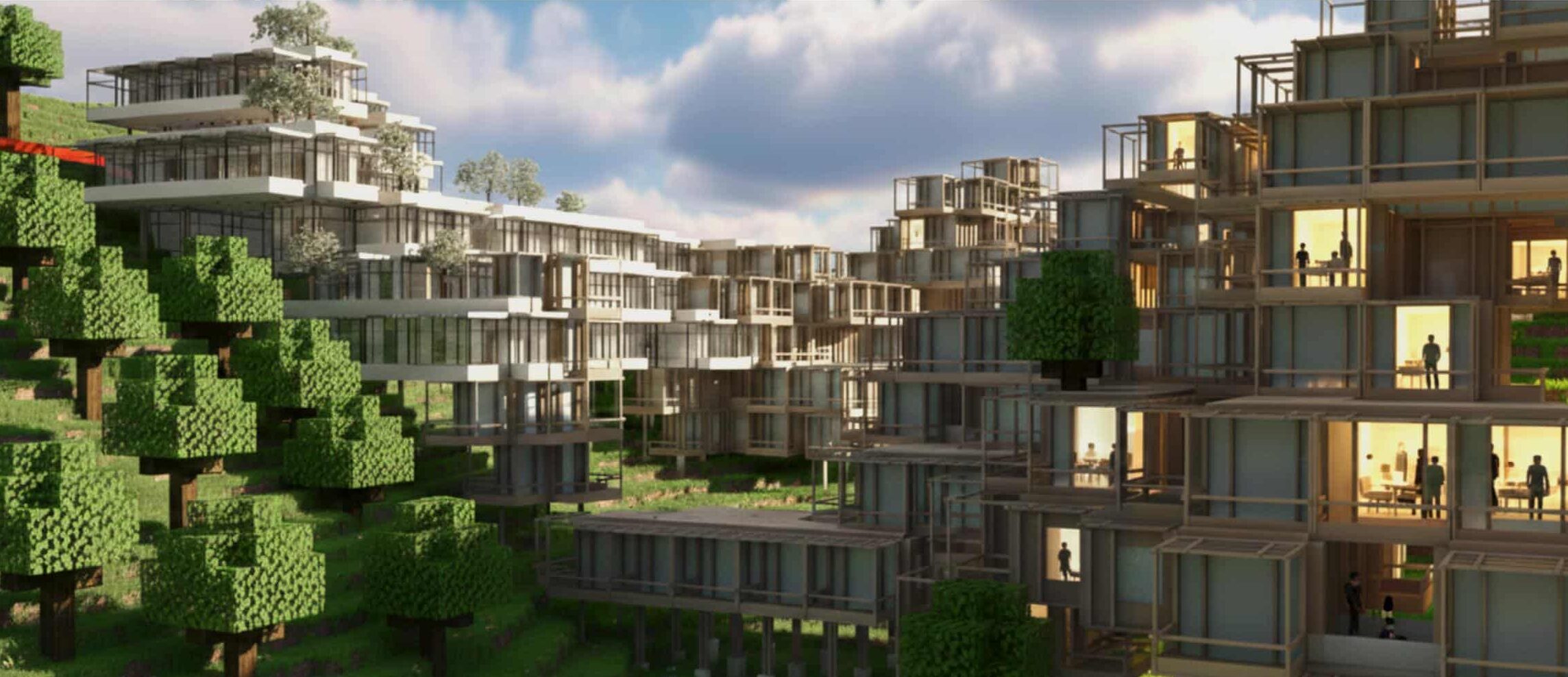
This project investigates modular construction through the iterative computational assemblage of four distinct components. Utilizing custom algorithmic methods—including curve following, slope evaluation, and proximity optimization—the project guides growth through thousands of permutations and handle rotations. The study achieves robust success rates in complex vertical stacking and terrace connectivity. The final architectural form integrates structural systems … Read more
Open to Sky
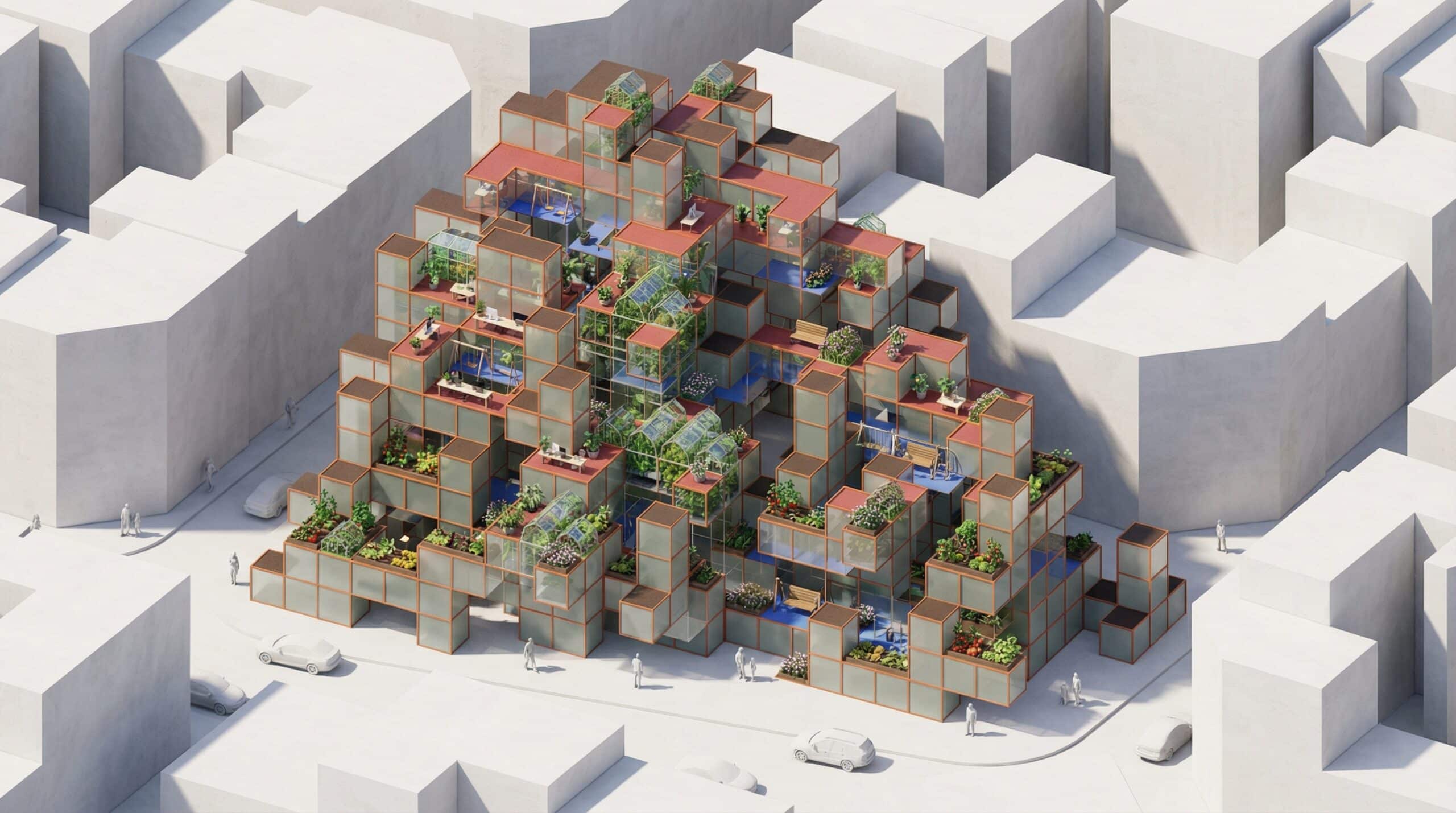
Component Design Component A -Pos_0-Rot_0 Amount of connectors: 3 Amount of combination: 9 Successful: 9 Unsuccessful: 0 Component A rotation of handles Variation of assemblage: rotation of handles by 90° step each time Component B -Pos_0-Rot_0 Amount of connectors: 3 Amount of combination: 9 Successful: 9 Unsuccessful: 0 Component B – rotation of handles Variation … Read more
MERIHAUS – Sea Urban Escapes for Seasonal Living
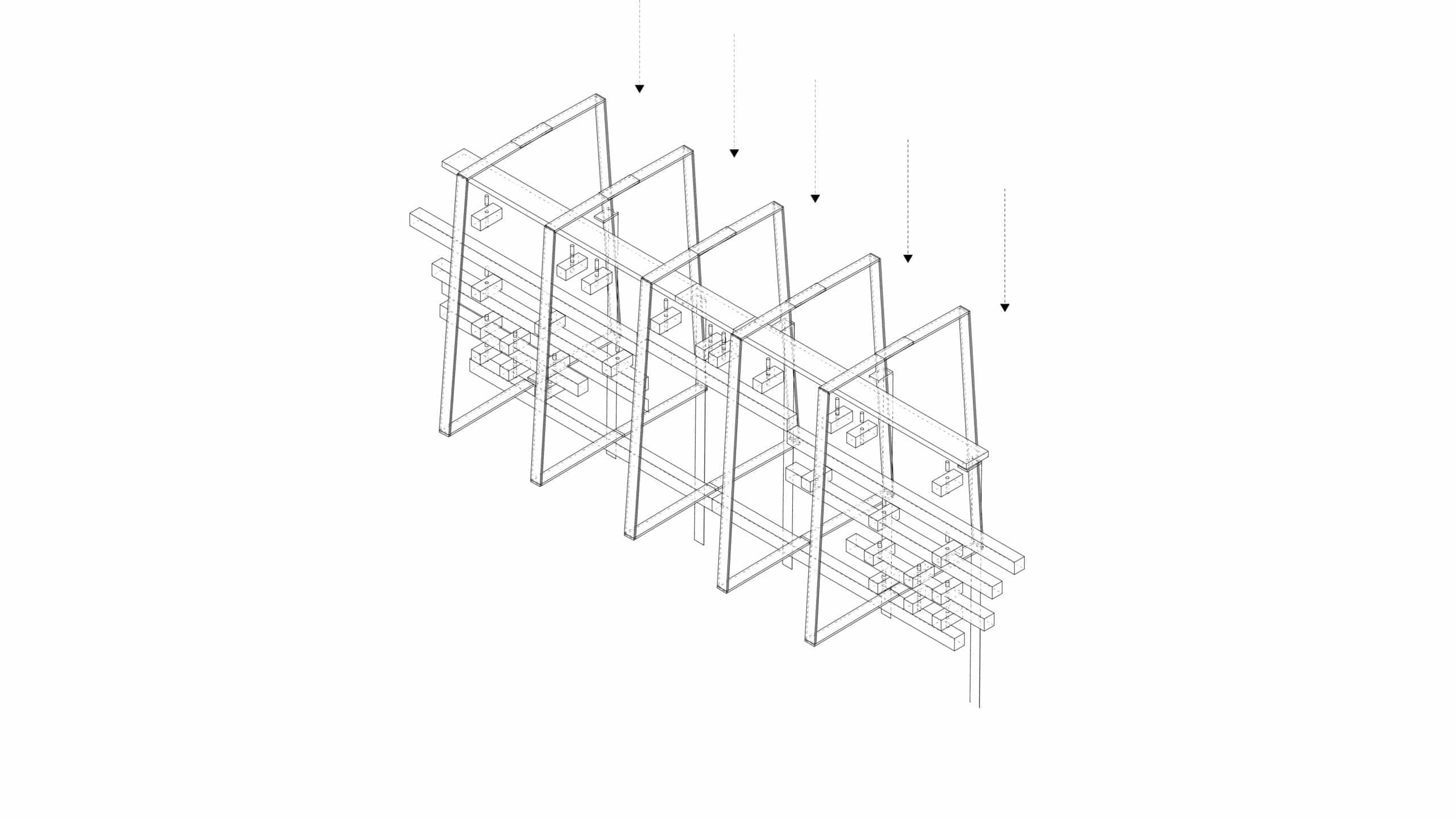
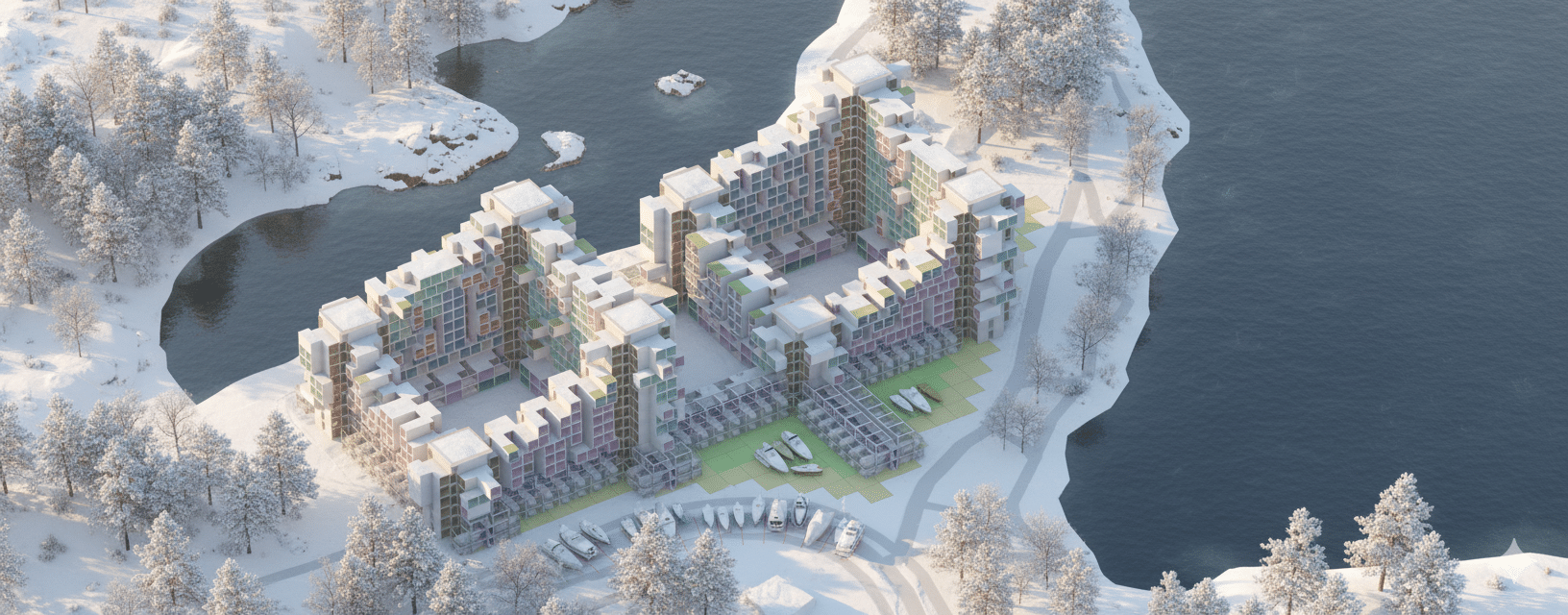
The project explores a contemporary reinterpretation of Finnish cabins, combining seasonal water living, public wellness, and boating storage. The core idea is that small modular units — cabins, saunas and workspaces — can aggregate into larger urban and social systems. Helsinki has a harsh Nordic climate, with long winters ranging from –10°C to +25°C, high … Read more
THE HARBIN CODE
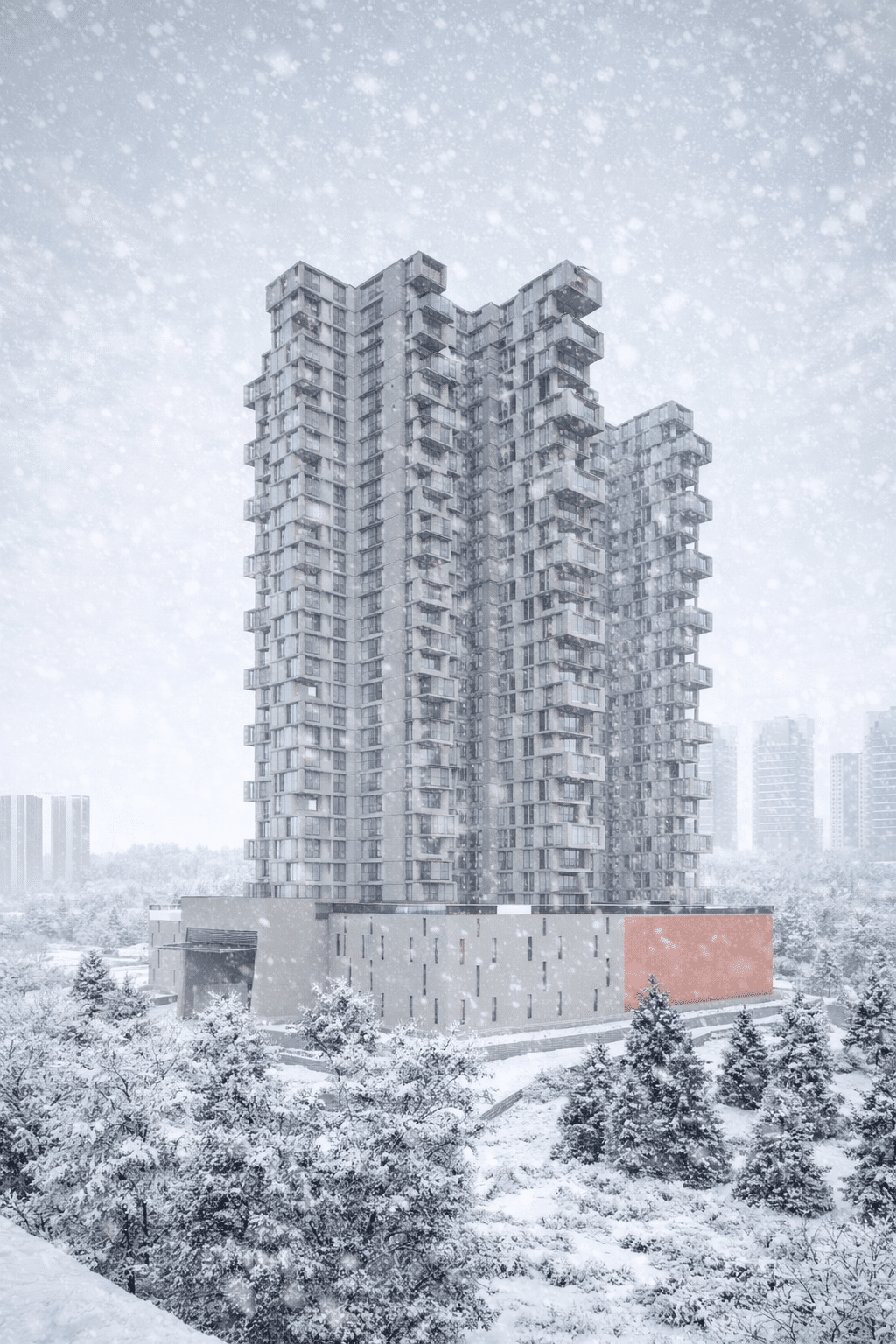
“The Harbin Code“, designed by Muhammed Senin and Sushmitha Ravi, explores housing as a system-driven response to extreme cold climates. The project treats environmental performance, social interaction, and spatial flexibility as equally important design parameters, and is structured as a ‘building recipe’ that allows repeatable yet adaptable outcomes across the site. BUILDING RECIEP DESIGN STRATEGY … Read more
Morphing Sands
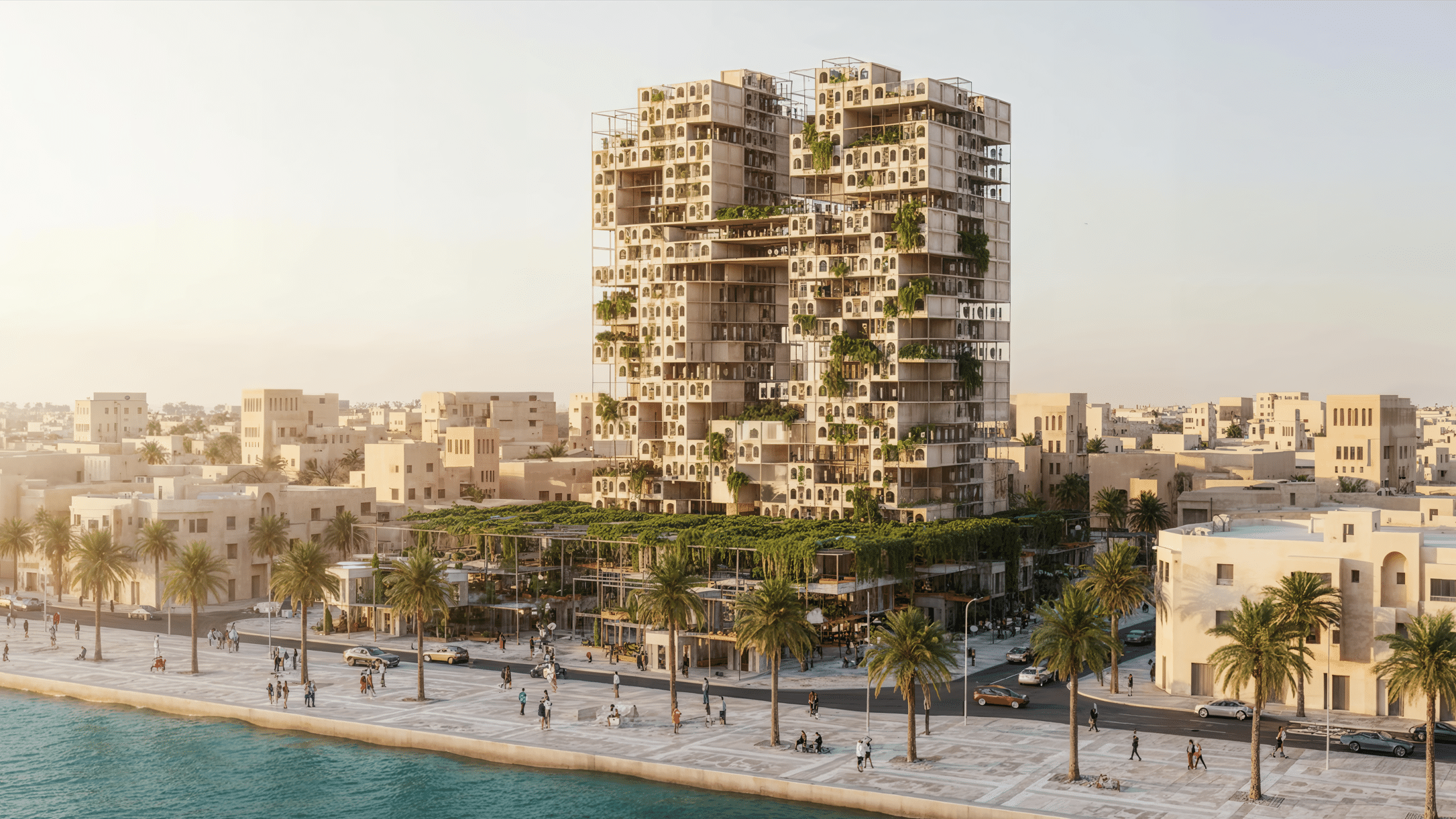
Morphing Sands is a climate-responsive mixed-use architectural system developed for Jeddah, Saudi Arabia, addressing urban densification in a hot–humid coastal environment. Inspired by the historic fabric of Al-Balad, the project reinterprets Hijazi principles—such as courtyards, shaded streets, and layered façades—through a modular and computational design approach. The project organizes commercial functions horizontally at the lower … Read more
Nacre Pavilion: Designed with Nature’s Intelligence
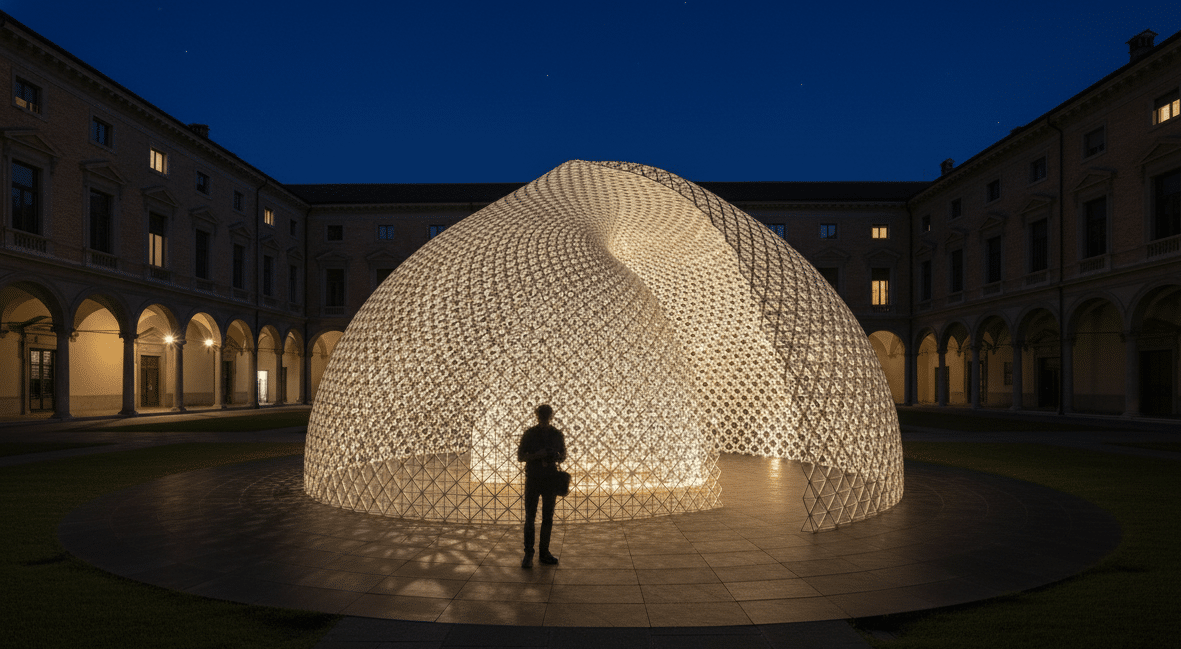
Introduction Intentions The pavilion was conceived as a flowing spiral, a path where visitors enter without seeing the exit, guided like a wave through the form — much like a shell in the ocean. Our aim was to create a geometry that is neat yet non‑banal: generated by simply rotating a curve, but enriched with … Read more
THE ARTHROPOD PAVILLION
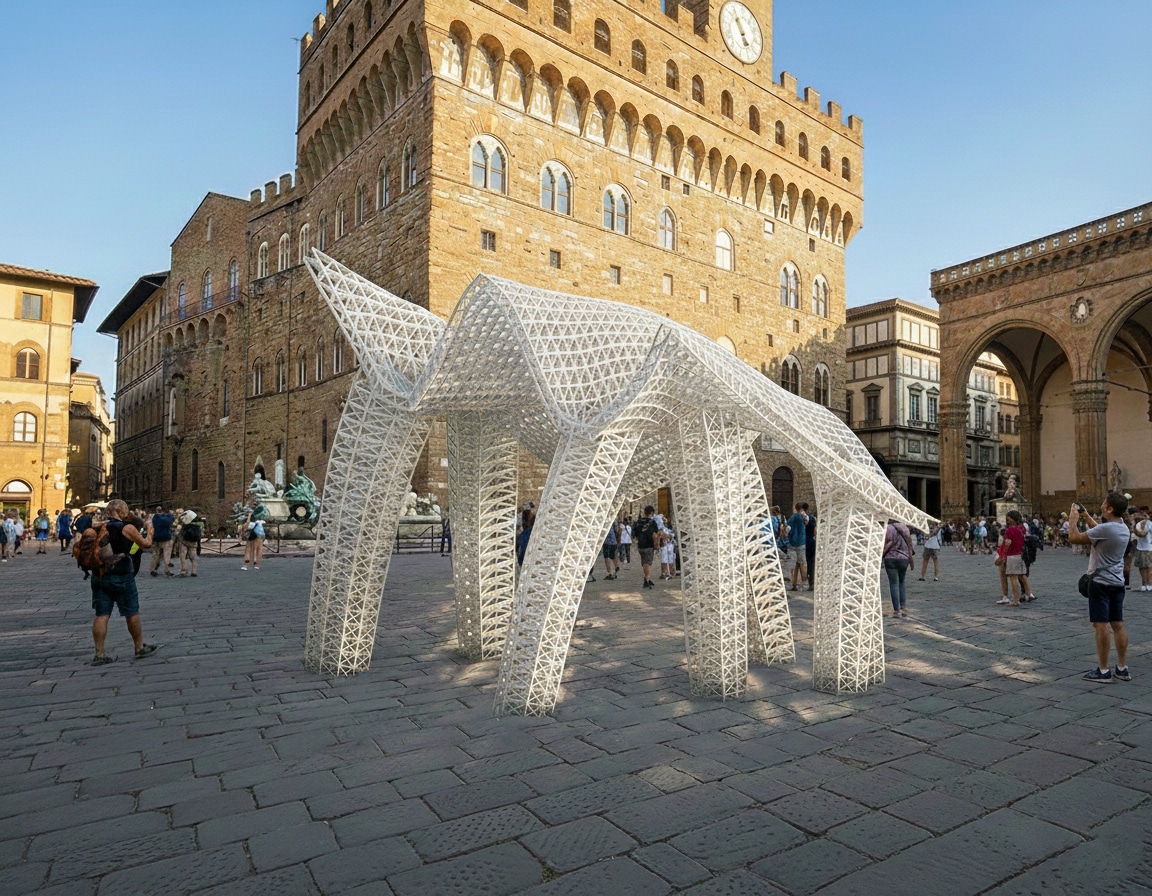
Design Concept | Horseshoe Crab–Inspired Lattice Structure Inspired by the exoskeleton of horseshoe crabs and the ITECH Research Pavilion 2024, this project explores a biomimetic lattice shell structure supported by discrete legs.A continuous mesh distributes loads efficiently across its surface, transferring forces to the ground through optimized supports.The parametrically generated lattice expresses structural performance, integrating … Read more
INTERPOROUS OVERGROWTH
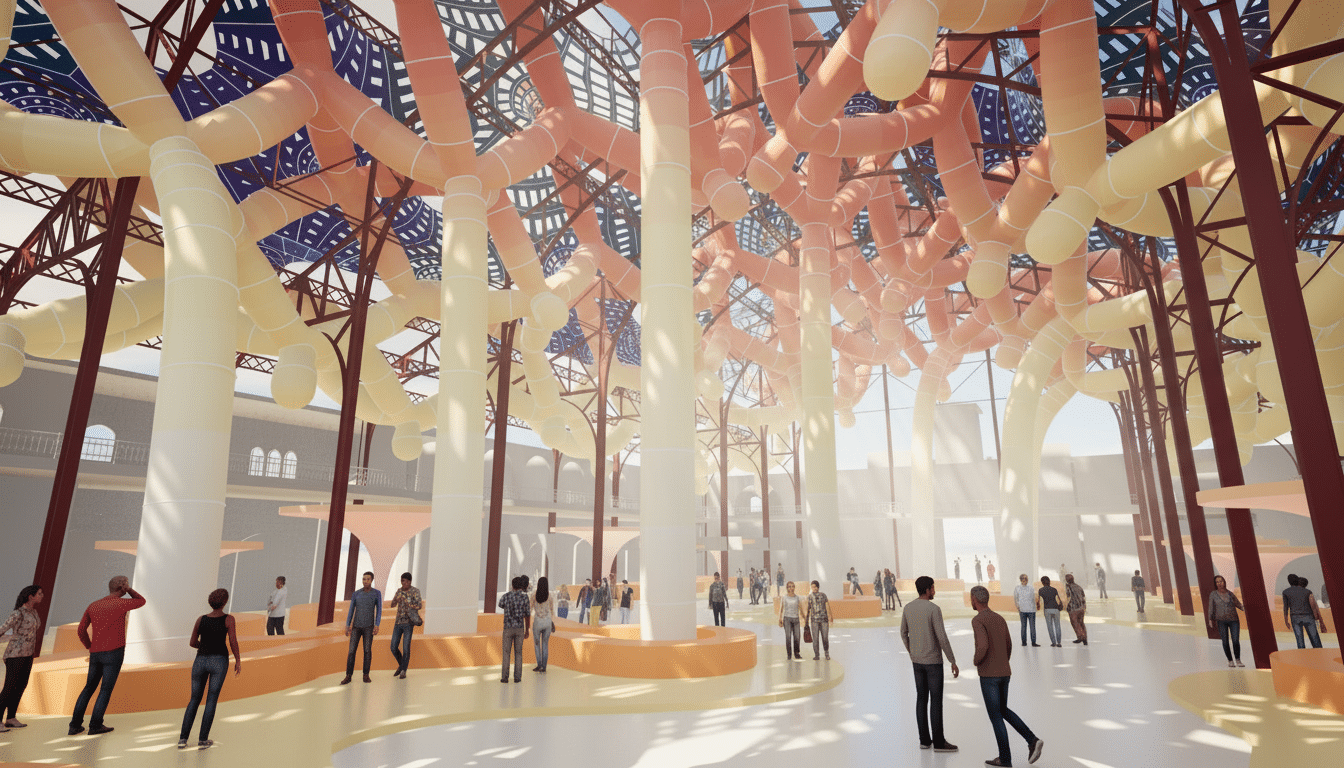
Conceptual Framework The Project explores a contemporary dialogue between past and present by enveloping a historic steel truss within a soft, inflated architectural skin. Inspired by the playful curves and buoyancy of balloon art, the installation introduces a layer of translucent, geometric “bubble wrap” forms that gently overgrow the rigid industrial structure beneath. Rather than … Read more
Verdant – Bringing Nature to Urban Rooftops
Verdant evokes lush greenery and vitality, capturing the essence of this parametric roof redesign that transforms a mundane urban building into an organic canopy. Inspired by the delicate structure of bamboo leaves, the project employs randomly oriented gold-anodized louvres to create a dynamic interplay of light and shadow, mimicking sunlight filtering through foliage. This modern … Read more
THE PNEUMATICAL ⤰ INCRUSTATION
Solid vs. Soft How can an object low in inherent solidity still be structurally present and define architectural space? This question lies at the heart of The Pneumatical Incrustation. Developed for the Complex Forming Seminar, this project explores the fundamental contrast between the solid and the soft. The goal was to investigate how “soft” forms … Read more
Digital Design and Production of Complex Timber Structures
Evy Slabbinck – D2P – Design to Production How do you build a complex timber structure with zero errors in record time? Evy Slabbinck from Design-to-Production reveals the answer: merging computational precision with material intelligence. In this interview, we explored bending-active design, digital fabrication workflows, and the philosophy behind projects that push timber to new … Read more
Fabricated Motion
Introduction to Digital Fabrication In contemporary architectural practice, digital fabrication has opened new possibilities for designing and producing building components with precision, efficiency, and expressive complexity. Among the most widely used methods—laser cutting, CNC milling, 3D printing, and robotic fabrication, each offers unique material, geometric, and performative potentials. For this assignment, we explore these techniques … Read more
Research_Windows and Doors
This study investigates door and window joints insertion solutions for 3dPA walls. Two design solutions: framed and a frameless system. The frameless design employs a biodegradable cork-based composite, while the framed configuration uses a sub-frame bonded with the same cork mixture and sand poured into the remaining gaps for stability. Both methods improve structural integration … Read more