

Project Michigan
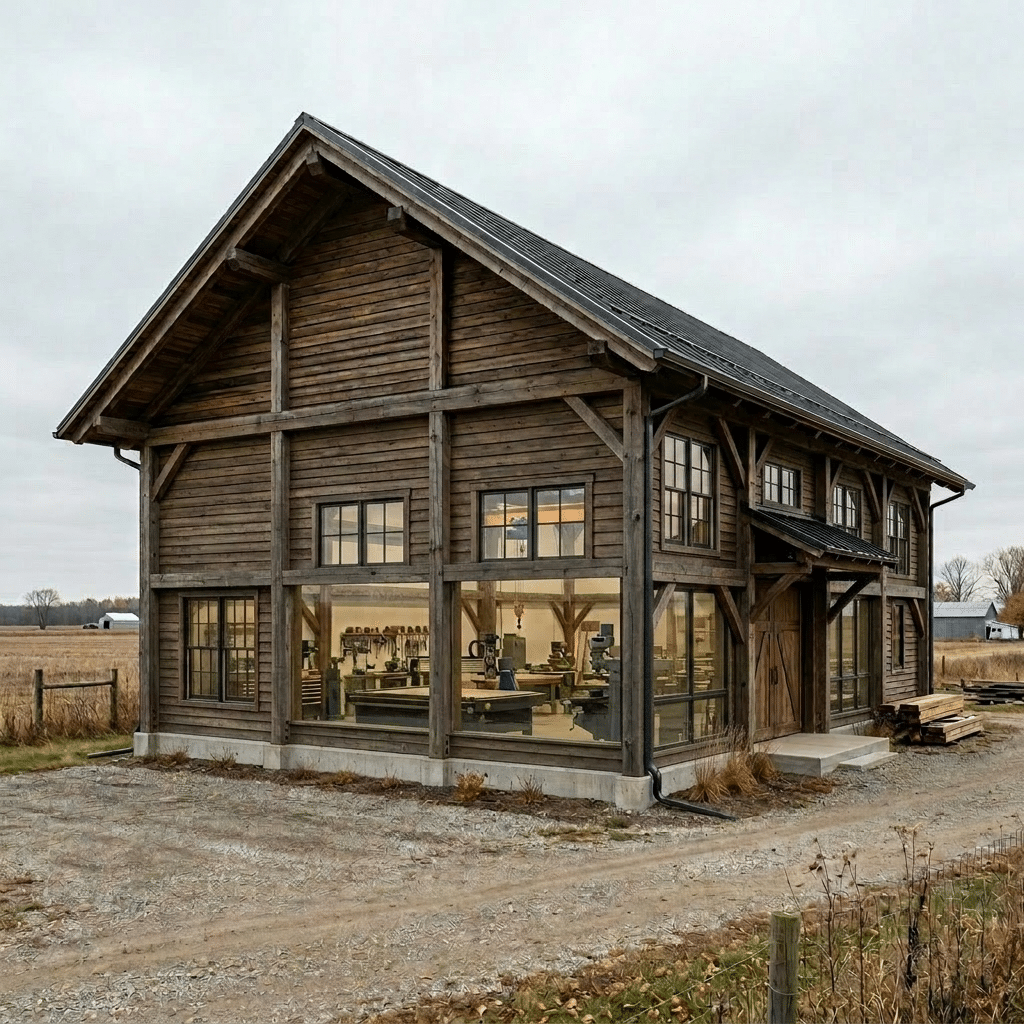
Using climate clustering, vernacular precedent research, and evolutionary optimisation to create climate-responsive design typologies when no established local precedent exists Overview Lovingly named after the very first test location, Project Michigan is a tool that provides climate-responsive design guidelines when no local vernacular precedent exists. Through scraping climate data and global vernacular information, it helps … Read more
Co-RESPIRA
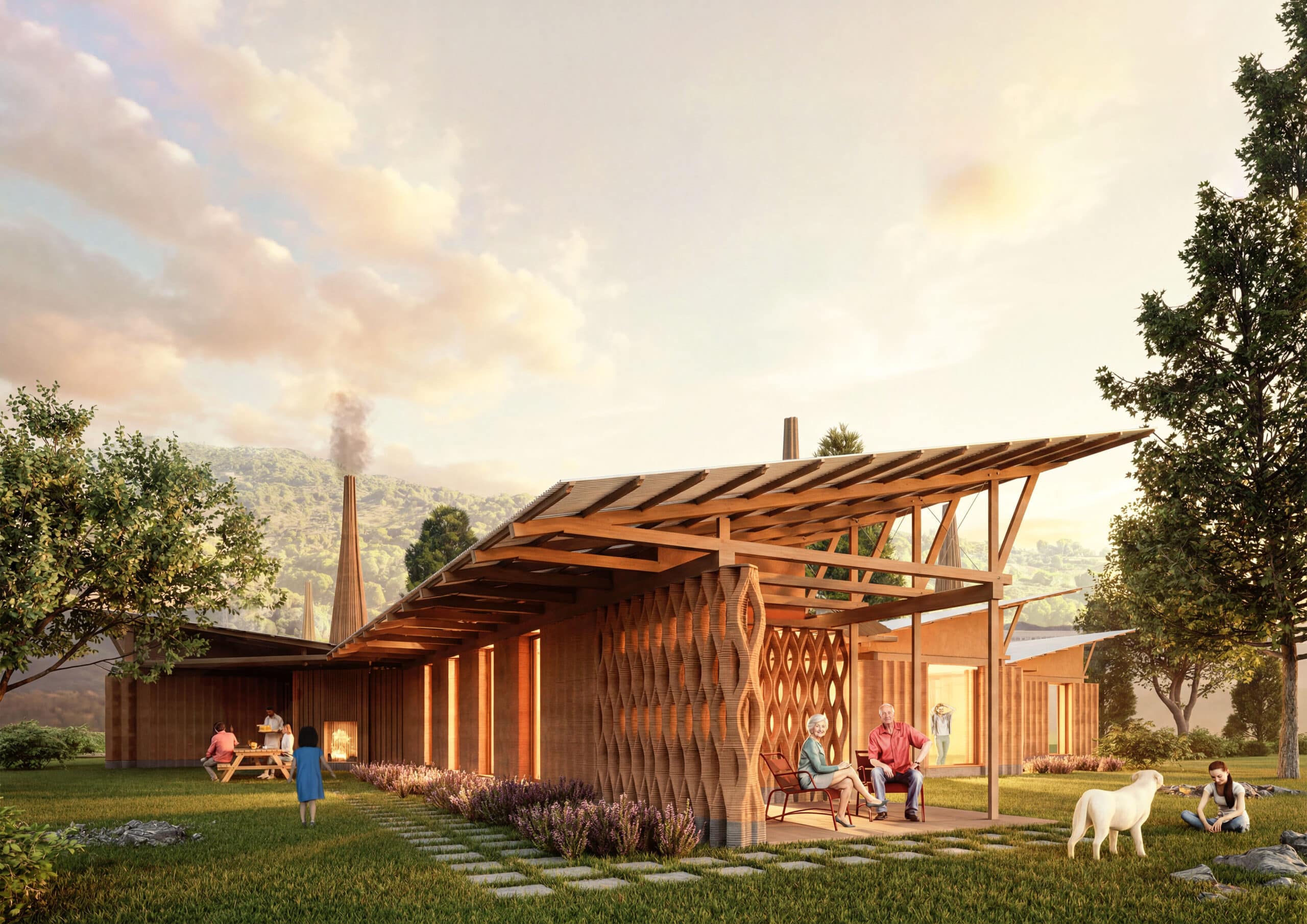
Co-Respira focuses on the home’s most important space—a place to gather, relax, share moments, or spend time alone—while creating opportunities for different generations to coexist within the same environment. Responding to today’s housing challenges, including increasing density, social isolation, and the need for more sustainable living models, the project proposes a co-living approach that balances privacy … Read more
Horizontal Stacking
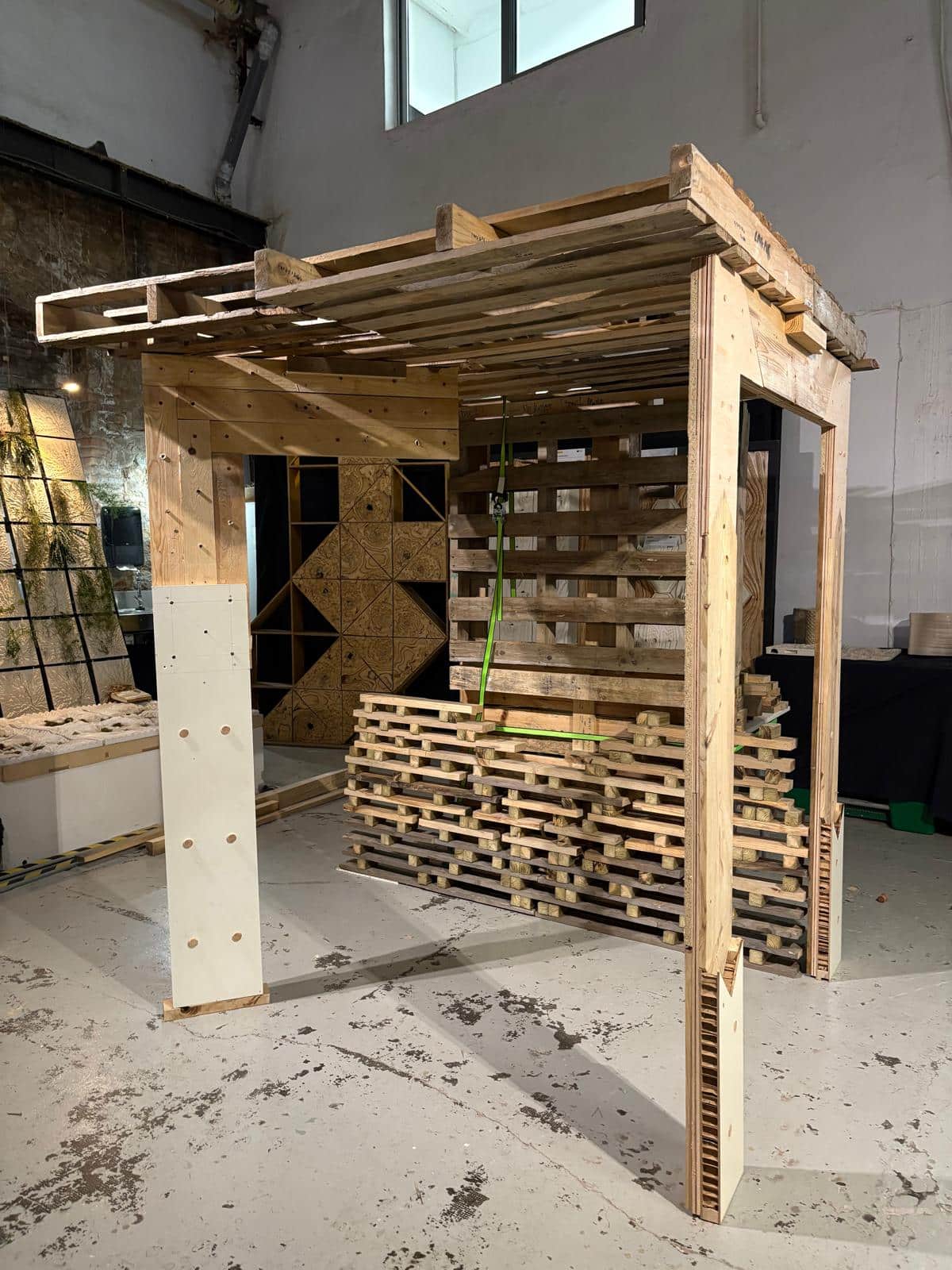
Structurally informed design strategy for reclaimed timber The first iteration explores the performance of an arched shaped beam and its related compression strategy.
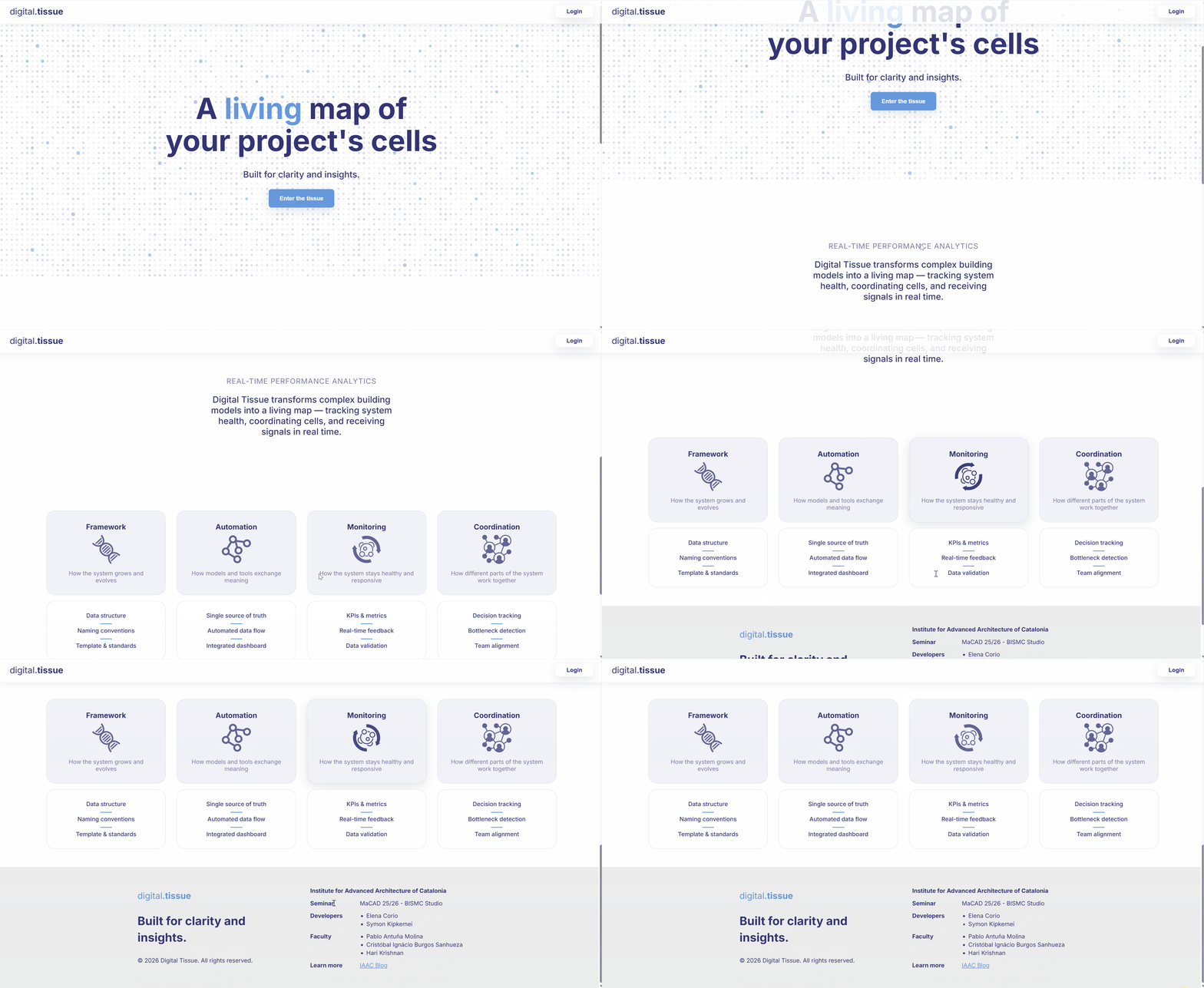
Digital Tissue: A Living Map of the Hyperbuilding Cells
Preliminary Study: Demography as Design Driver In Hyperbuilding 3, our focus was to understand how demographic data can actively inform architectural decisions. We started by analysing the Chilean census portal, which provides detailed information for the entire metropolitan region and specifically for the Providencia district. From this dataset, we looked at age distribution, household composition, … Read more
Ascend: Democratizing Parametric Staircase Design from Web to CAD
Designing a staircase is one of the most complex spatial and structural challenges in residential architecture. It requires a delicate balance between ergonomic constraints, safety regulations, and aesthetic fluidity. Traditionally, this process is confined to complex CAD software, demanding continuous intervention from the architect even for basic modifications. With Ascend, I set out to challenge … Read more
Hyper Builder: Vertical Community Generator
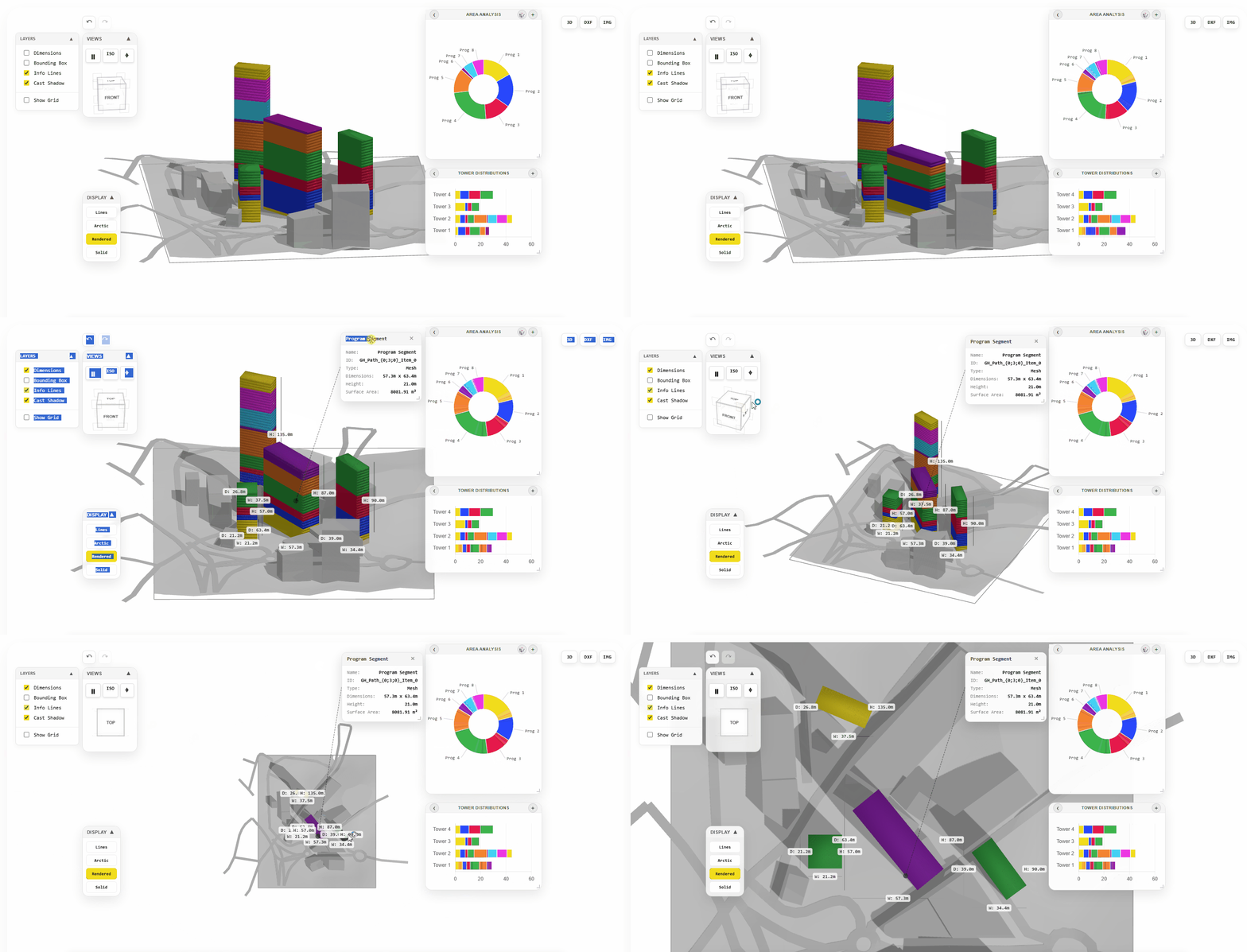
Hyperbuilder is a web-based parametric design app that transforms complex architectural modeling into a seamless, rapid-iteration process. Powered by a Grasshopper backend, it allows users to effortlessly generate, evaluate, and configure complex building massings and program distributions through a highly intuitive, simple interface. The Vision: Vertical Communities, Quantified The architectural industry is obsessed with “final” … Read more
Architecture as Living Matter: Turning Data into Geometry
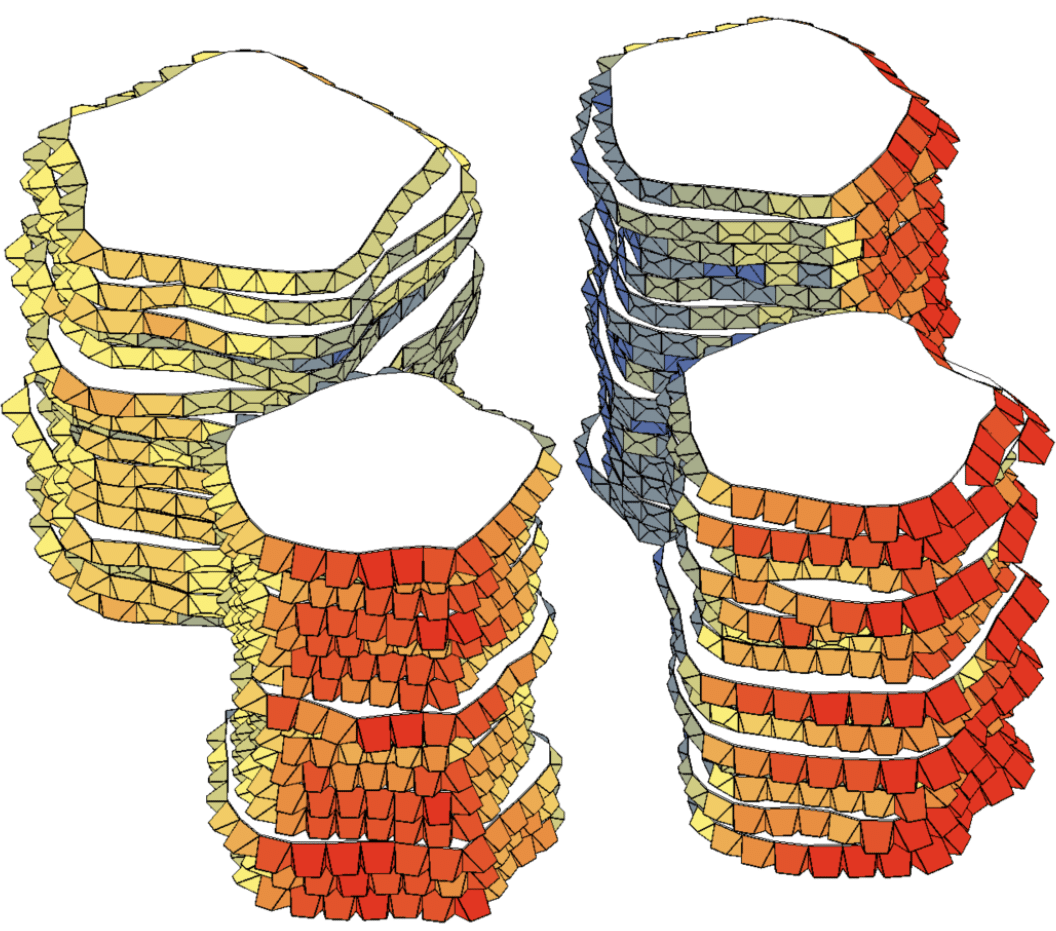
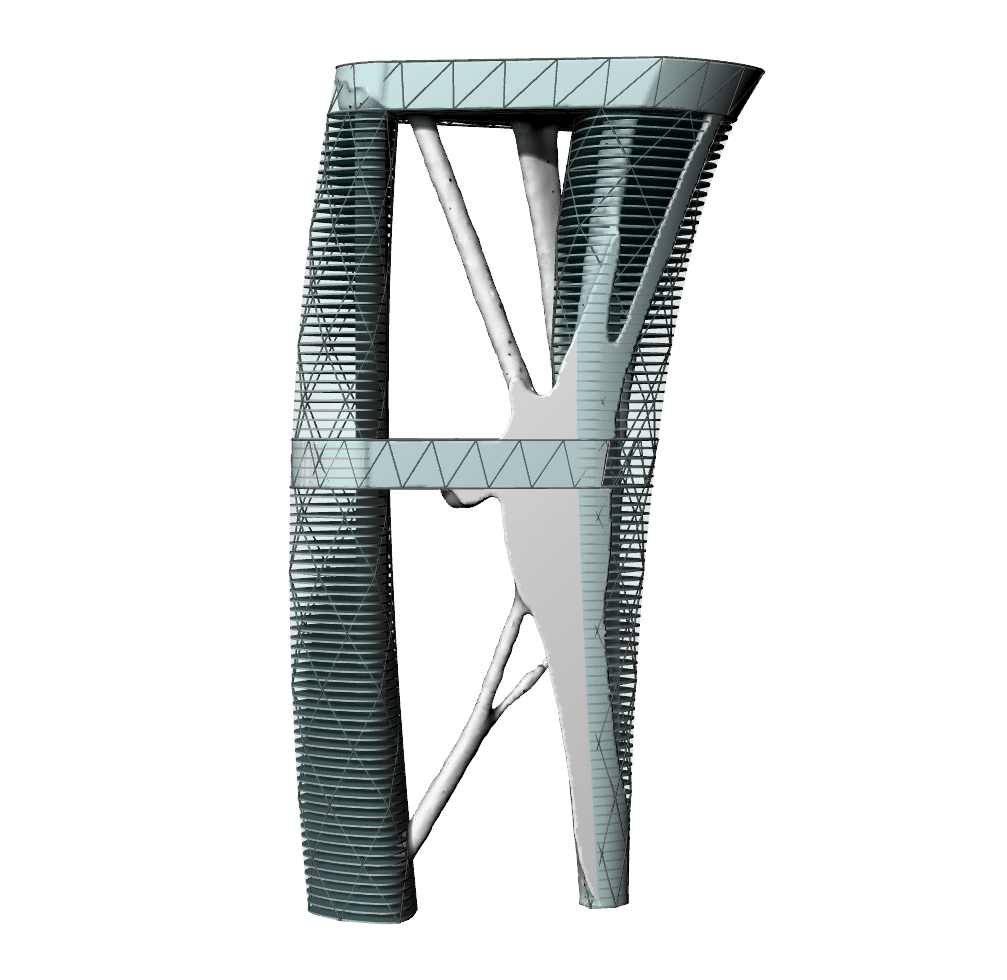
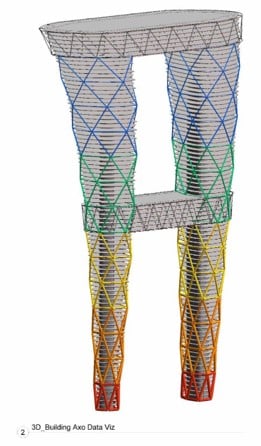
Introduction Hyperbuilding 03 In our project, the building is conceived not as an isolated object, but as a vertical living tissue within the broader human organism of the “Vertical Machine”. Much like a network of functional cells, it sustains life, maintains environmental balance, and coordinates with the system’s “lungs” and “heart.” This biological metaphor guided … Read more
From Model to Metrics: Automating Program Analysis with Speckle
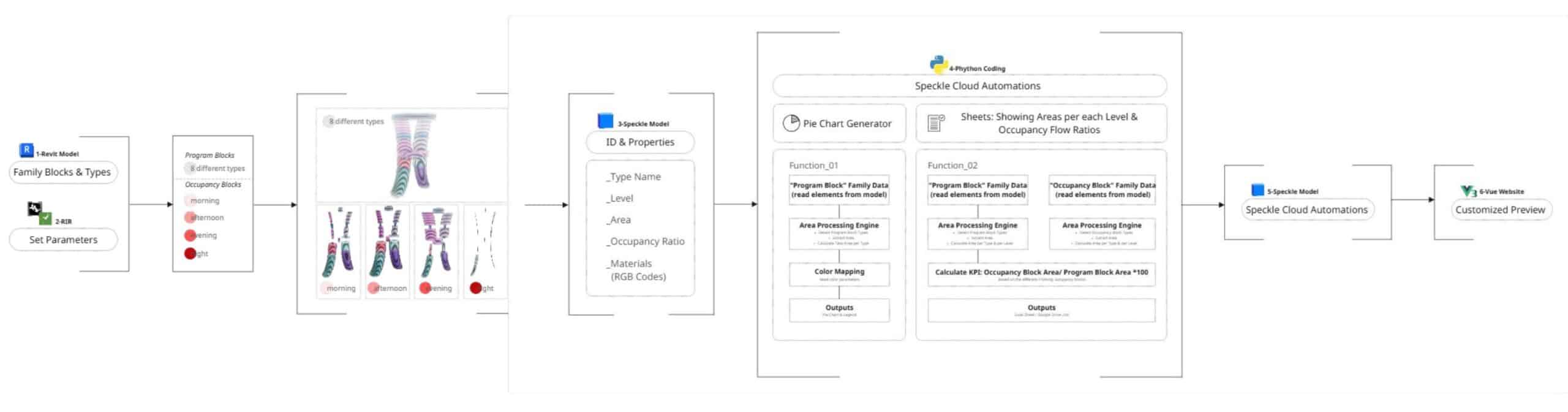
Problem & Context As Program team we faced a lot of challenges regarding data collection, data management and KPI monitoring which resulted in delayed and not efficient outputs we could present to our Data and Structure & Facade teams of our Hyperbuilding 02 Studio project. The manual data management proved to be time consuming and … Read more
Automated workflow to extract KPIs from versioned models in Speckle
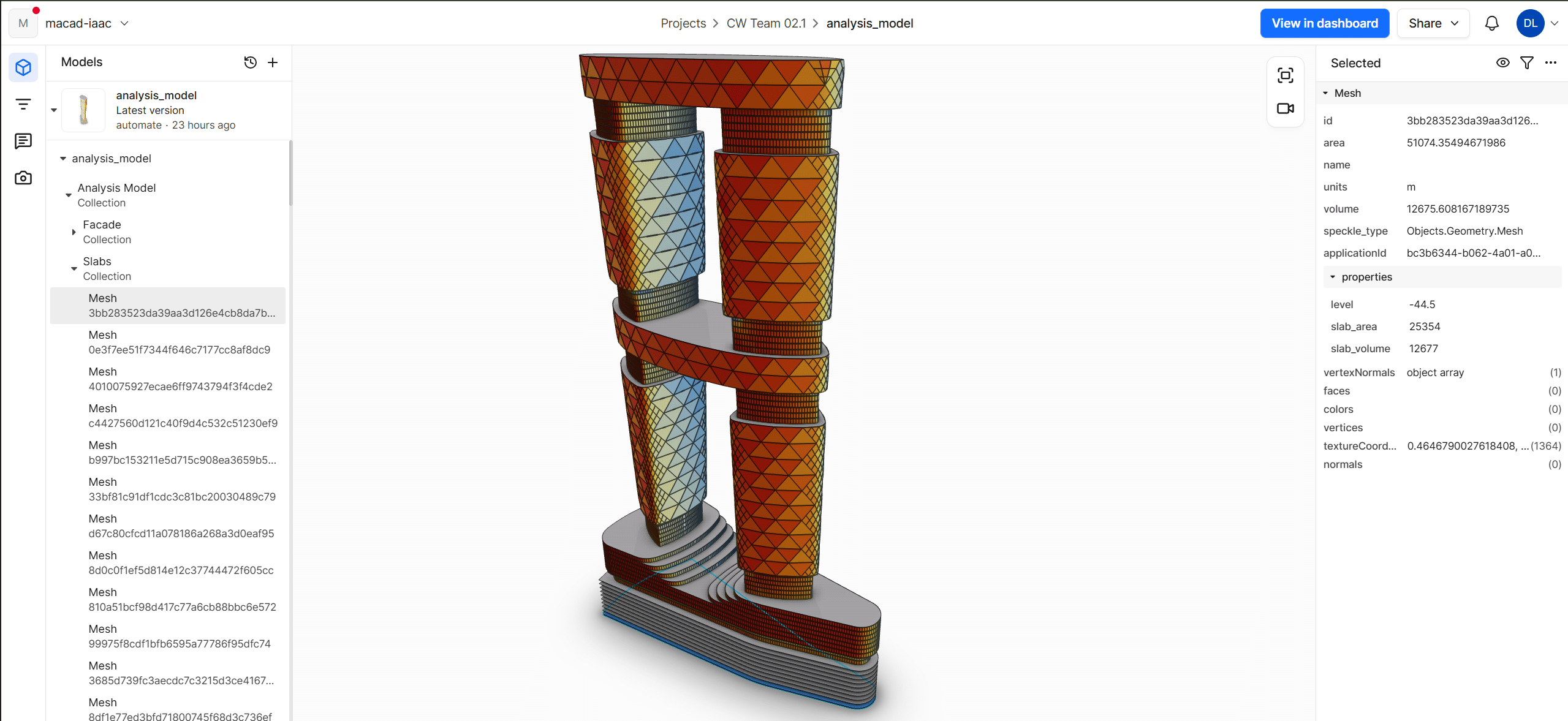
Automated Workflow for KPI Extraction from Versioned Models in Speckle Why KPI Tracking Breaks Down During Iterative Design In the current studio workflow, KPI extraction and performance evaluation depend on repeated manual operations across design iterations. This slows down feedback, introduces version mismatch risks, and disconnects analytical outputs from the model itself. This tool was … Read more
FluxFaçade

Our project is Flux Façade, a collaborative workflow for data-driven parametric façade design.The project was developed by Team 3.2 as part of the Collaborative Workflow Seminar in the Master in Advanced Computation for Architecture. Flux Façade focuses on improving how environmental analysis and façade geometry interact within the design workflow. Problem Statement In large architectural … Read more
Digital Tools for Collaborative Workflows – Structure/Facade-HB02
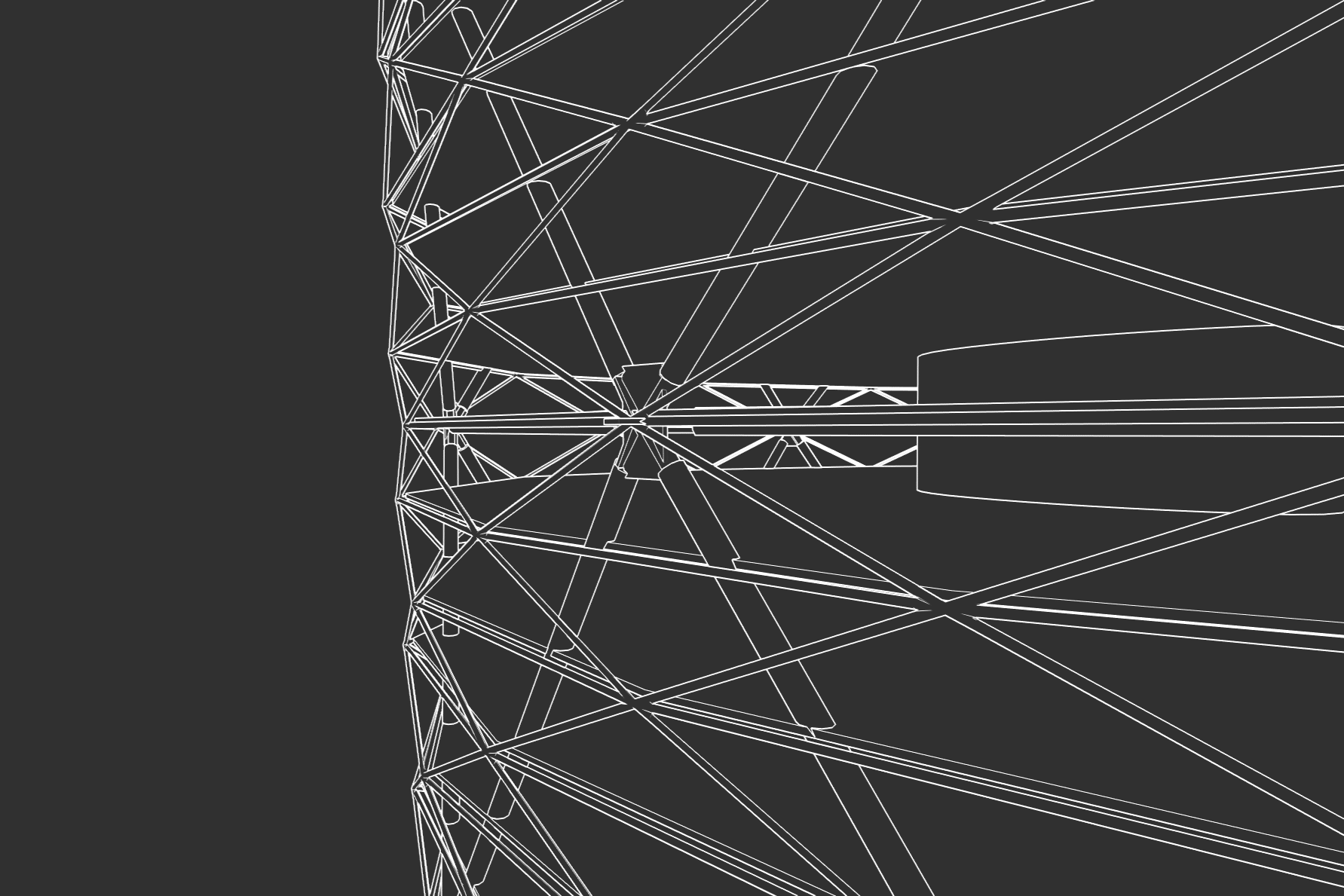
Problem Statement & Context Target User Proposed Solution How it works User Workflow Speckle Automation Demo Success criteria Limitations and future scope
When Models Talk Back: Real‑Time KPIs in Collaborative Workflows
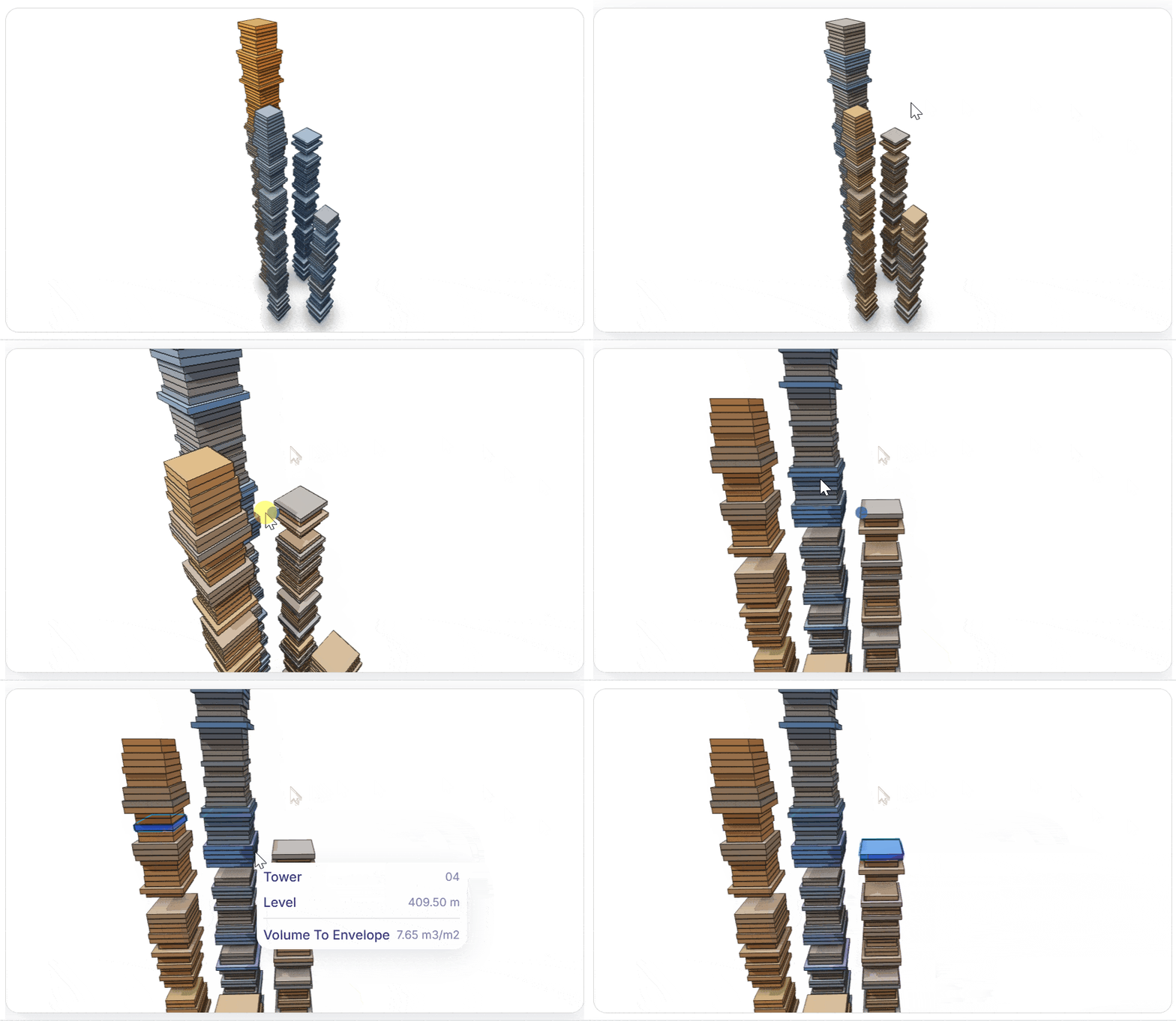
The Problem No single source of truth for KPIs In our studio workflow, KPIs are everywhere and nowhere at the same time. Each team tracks performance in its own way—some in Grasshopper scripts, some in spreadsheets, some buried inside models—and none of these sources fully agree with each other. Because updates are slow and fragile, … Read more
Parametric Engineering: Collaborate with Structural Data on the Cloud

Topic brief In the AEC industry, building analysis workflows often operate in isolated software environments, causing structural data to lose meaning once it leaves its original authoring tool. This study argues that the value of structural analysis depends not only on computational accuracy, but on the ability of its outputs to remain consistent as they … Read more
