Architecture Intelligence for AI Infrastructure

Toward an AI-Native Framework for Constraint-Orchestrated Data Center Architecture Developed through the working prototype OREXON SYSTEMS. ·  Nouhaila ELMALOULI   ·   Master in AI for Architecture & Business Innovation (MAAI02), IAAC · 2025/2026   ·   Advisor: Dr. Wassim Jabi Data centers are the physical substrate of artificial intelligence. Every model we train and every query we run … Read more

inHabit – Rethinking Residential Layout Search with Spatial Intelligence

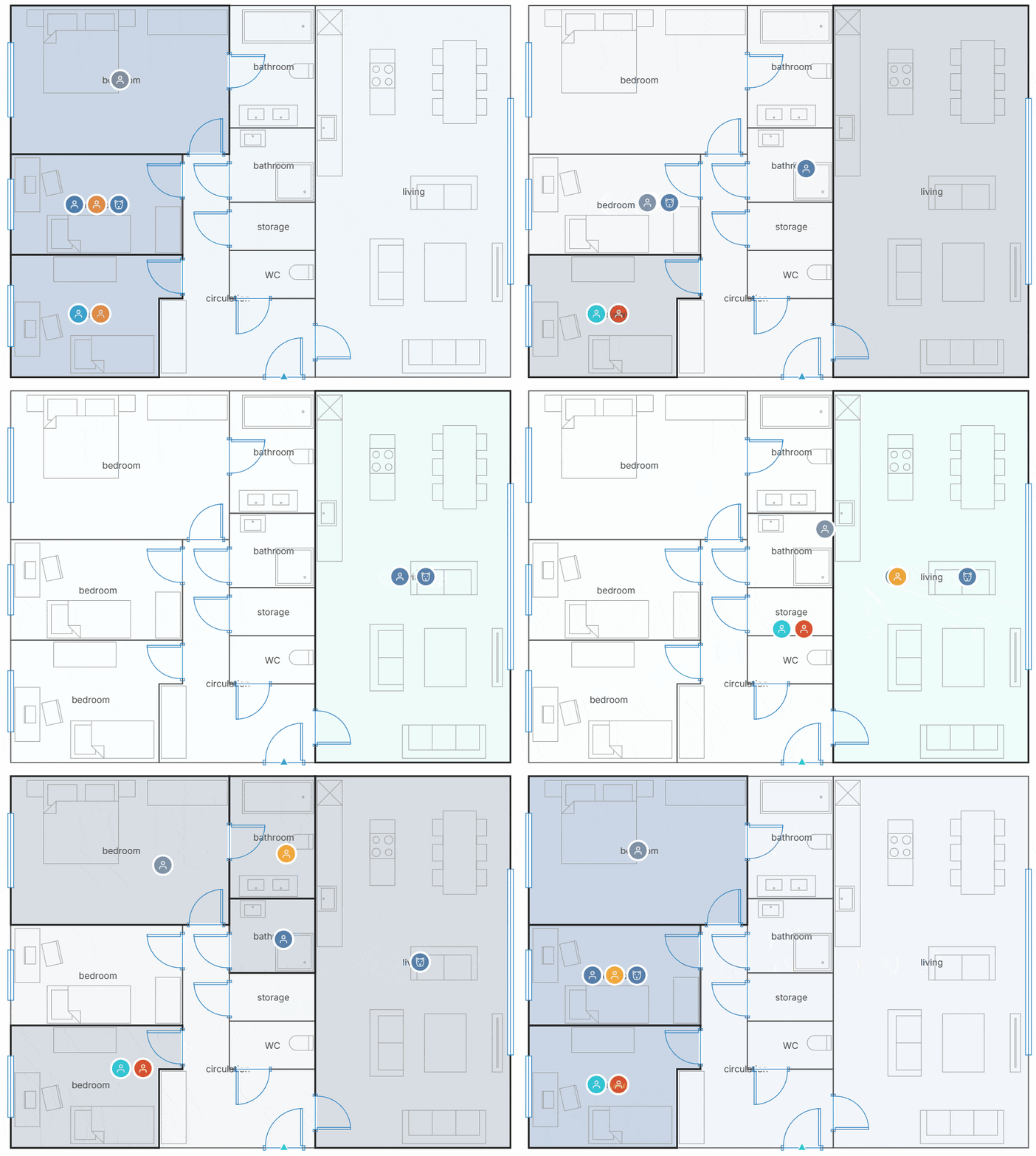
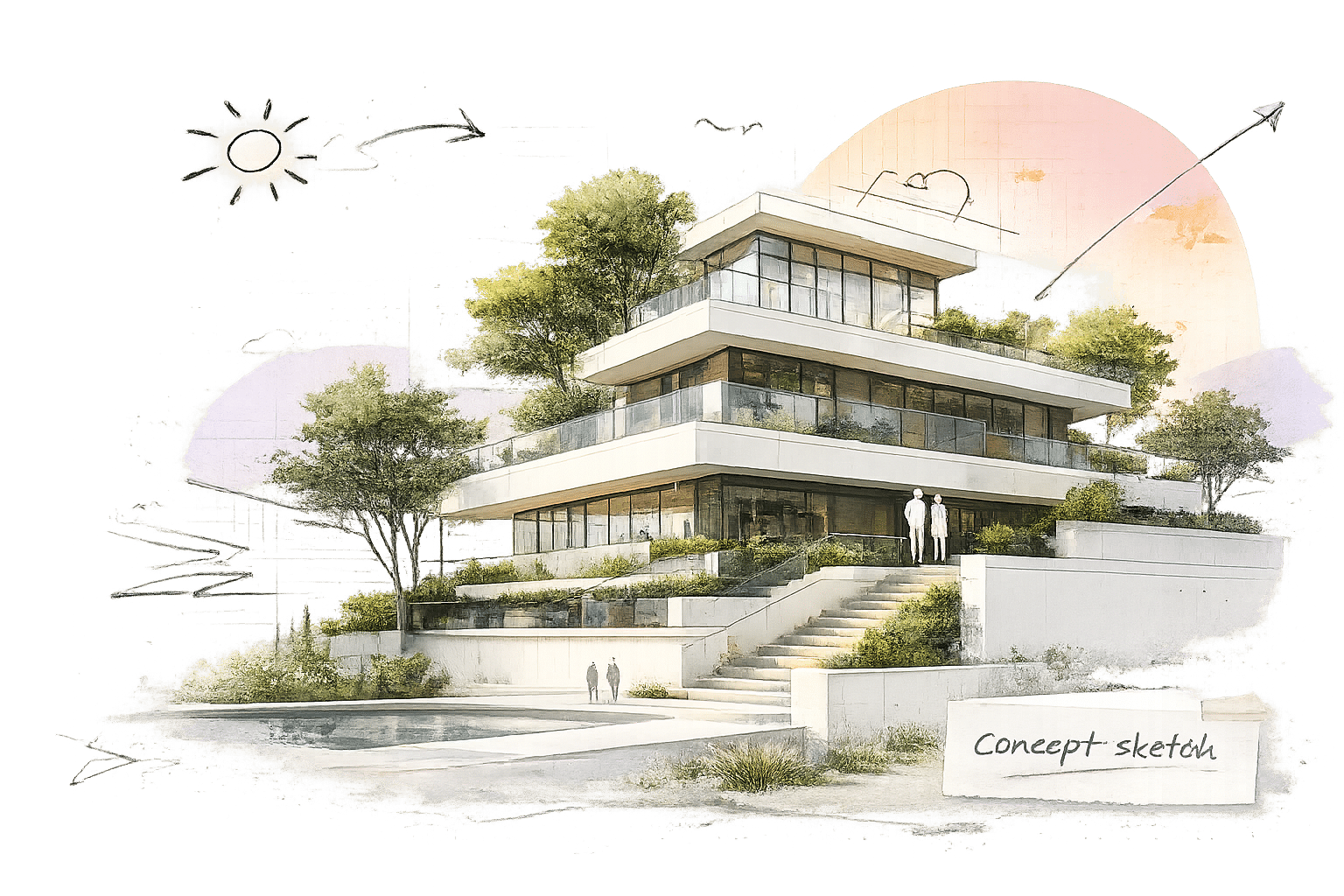
Introduction Finding the right home isn’t just about square meters or the number of bedrooms. A floor plan that works beautifully for one household can be completely unsuitable for another. Parents with young children, remote workers, retirees, or pet owners all experience the same space differently. Yet today’s search tools still rely on simple filters … Read more

Sensi: Making Comfort a Design Layer

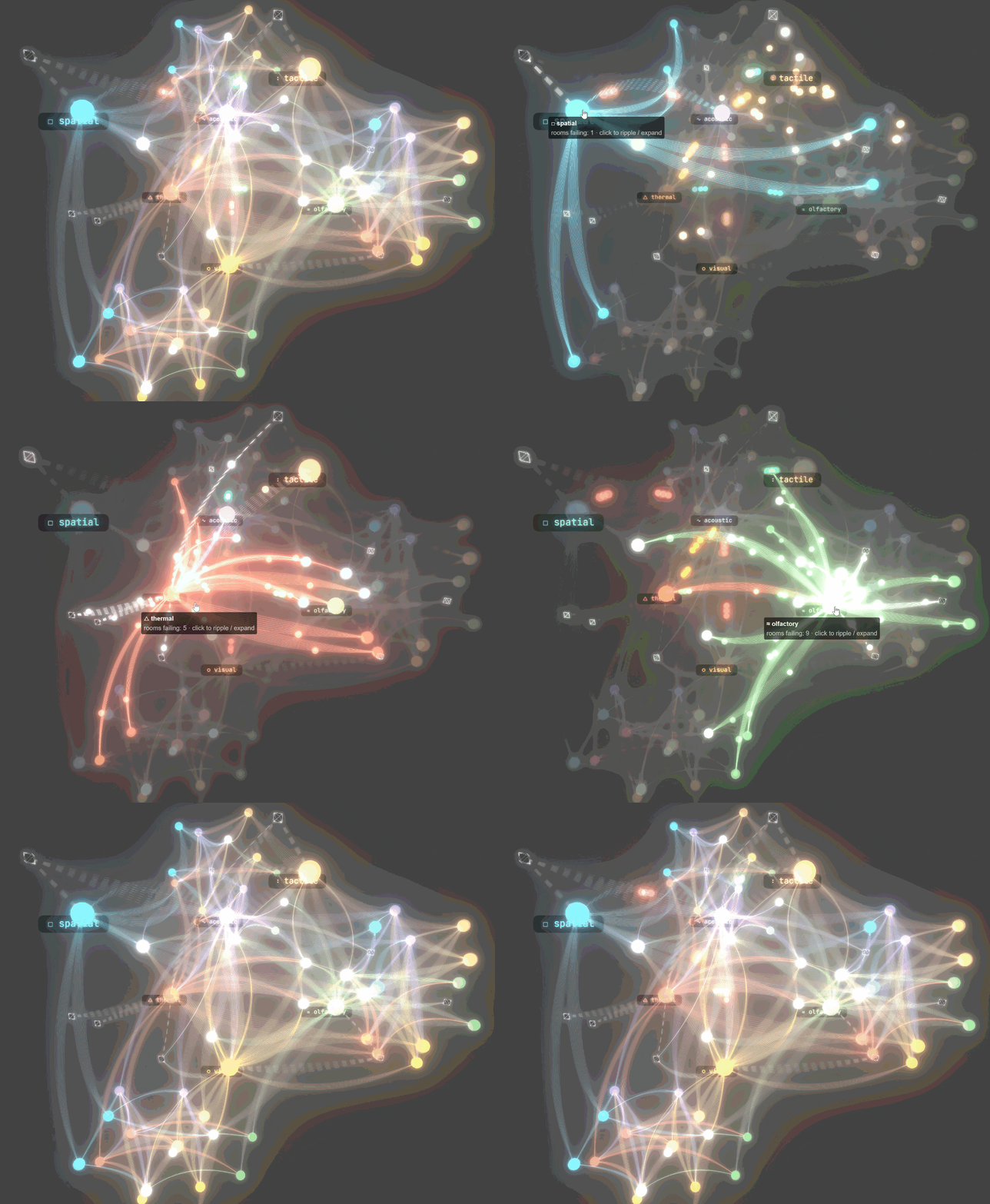
Building Sensi, a sensory copilot for architectural floor plans. In architecture, we model everything. Structure, cost, energy, code compliance. Layer after layer of analysis that makes a building accountable before it’s built. But one thing was missing from the stack: how the space will actually feel. Not feel as in emotion. Feel as in the … Read more

BANANA MATTERS

Abstract Banana Matters transforms discarded banana pseudostem biomass into carbon-sequestering architectural panels through material research, bio-based binders, and digital fabrication. The project addresses the untapped potential of nearly 525 million tonnes of annual banana waste by developing lightweight, low-carbon composites with acoustic and structural applications. Through iterative material experimentation, heat-press manufacturing, and mechanical and physical … Read more

MUTAVERSE: One Architecture. Infinite Futures.

MUTAVERSE is an AI-powered reality mutation engine. The project began with a simple speculative question: What if one architectural image could evolve into multiple alternative realities while still preserving its original identity? From Image Styling to Reality Mutation Rather than using generative AI only as a visual styling tool, MUTAVERSE explores how architecture can transform … Read more

BIO FLOW

“ An AR-Driven Biomimetic Pavilion Generated Through Environmental Field Behavior “ Architectural pavilion design and fabrication often require complex digital workflows, technical expertise, and multiple visualization tools, making the process difficult for rapid concept development and real-world understanding. Designers also face challenges in translating organic, nature-inspired forms into fabrication-friendly structures.  BIOMIMICRY PAVILIONS Organic Geometry Biomimicry … Read more

MORPHOLOGIES OF SHADE: A Computationally Optimized Pavilion for the IAAC Rooftop.

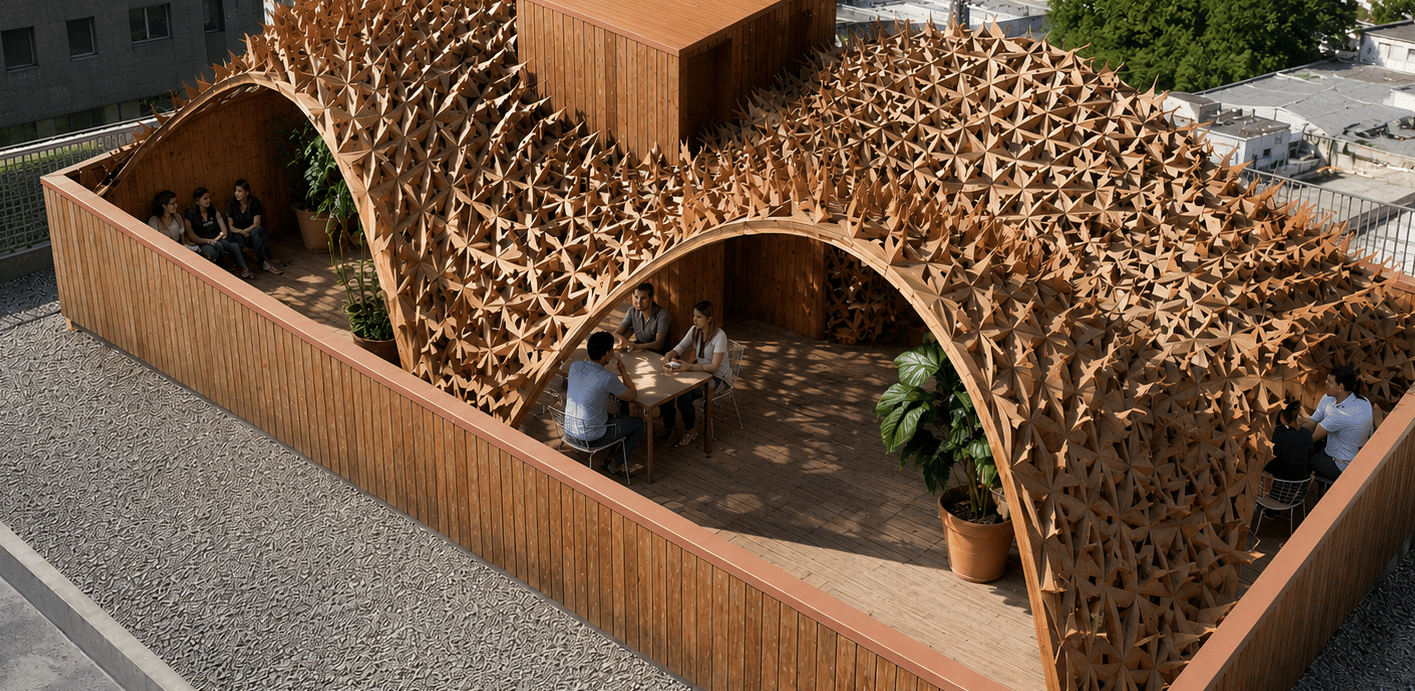
Abstract Morphologies of Shade explores the design of a computationally optimized pavilion for the rooftop of the Institute for Advanced Architecture of Catalonia (IAAC) in Barcelona. The project responds to the environmental challenges of excessive solar exposure and strong wind conditions that limit the usability of the rooftop throughout the day. Inspired by natural canopy … Read more

Project Michigan

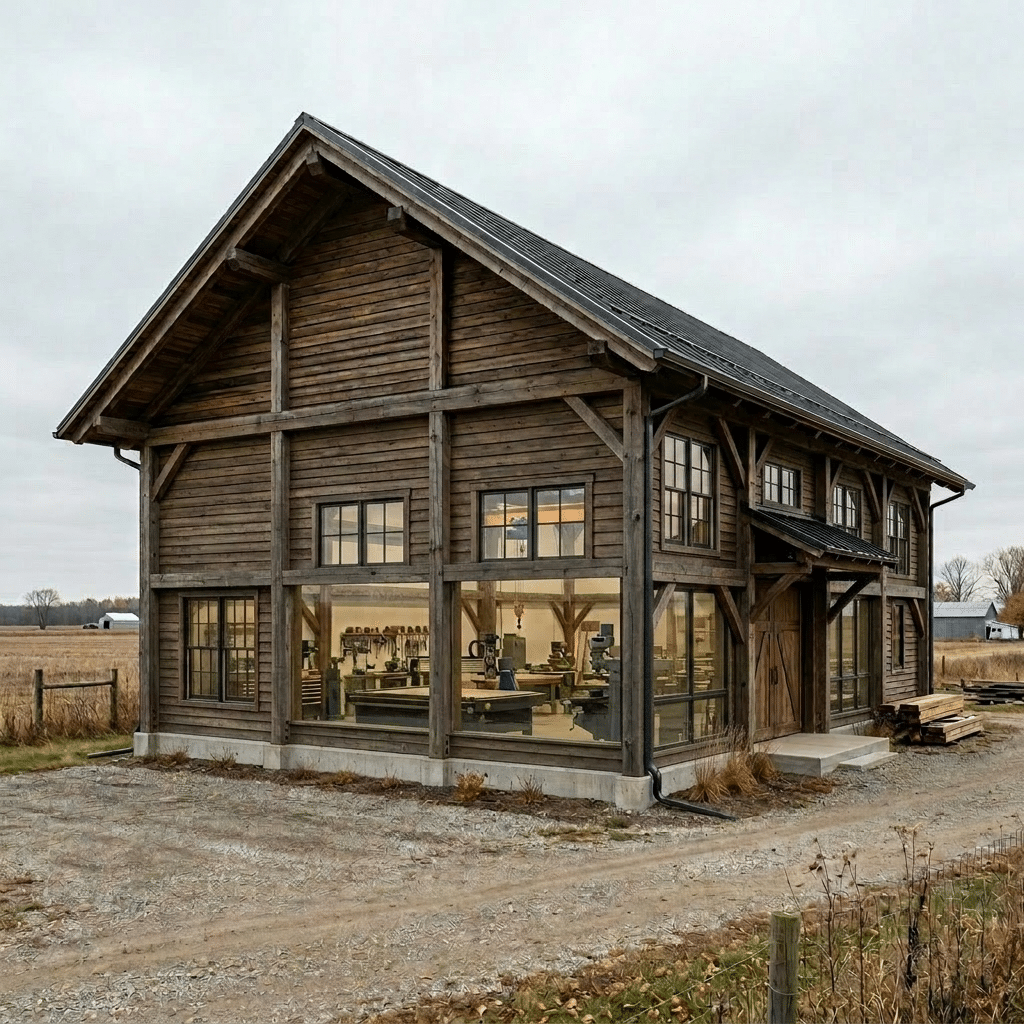
Using climate clustering, vernacular precedent research, and evolutionary optimisation to create climate-responsive design typologies when no established local precedent exists Overview Lovingly named after the very first test location, Project Michigan is a tool that provides climate-responsive design guidelines when no local vernacular precedent exists. Through scraping climate data and global vernacular information, it helps … Read more

Co-RESPIRA

co-respira

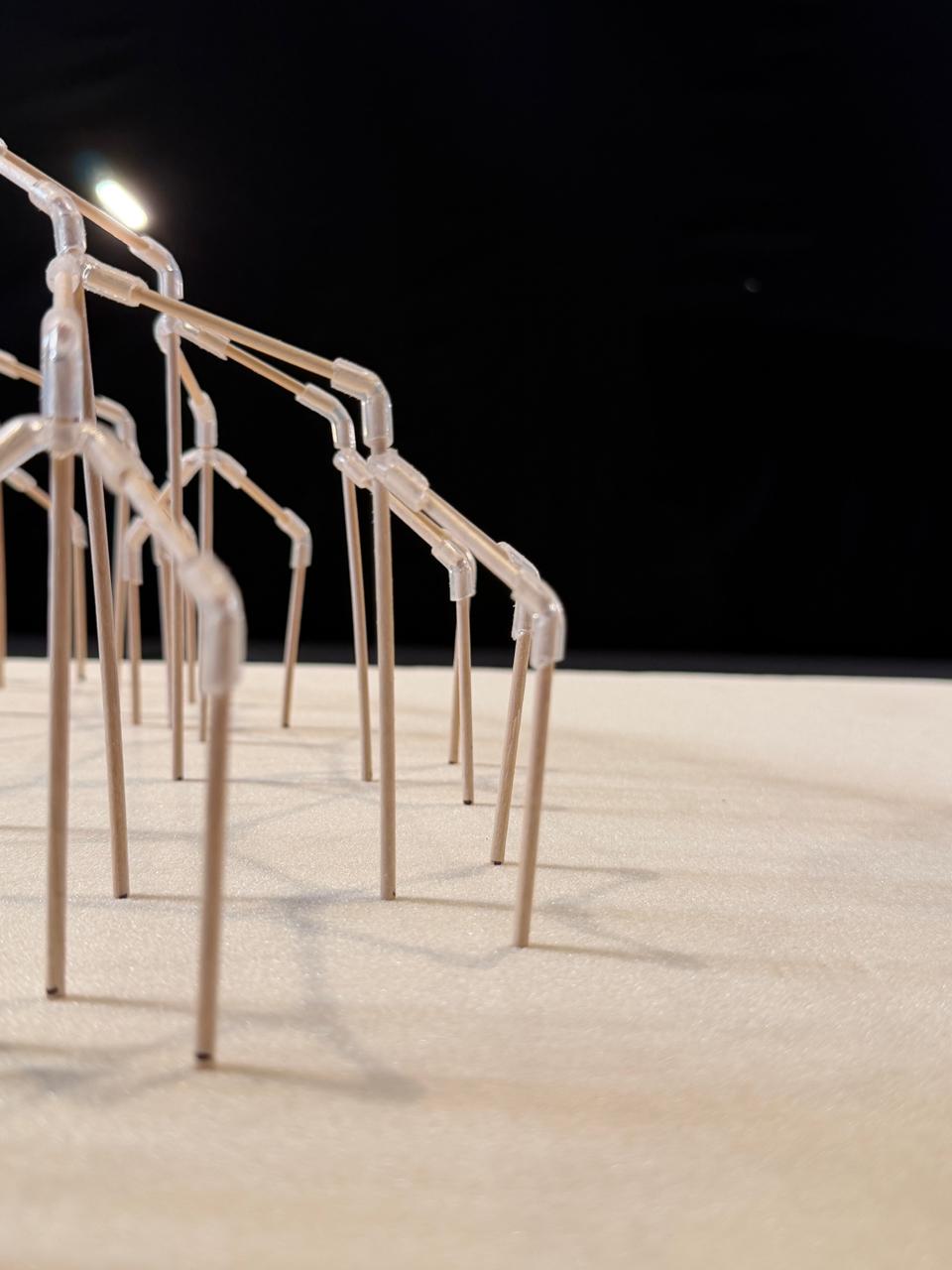
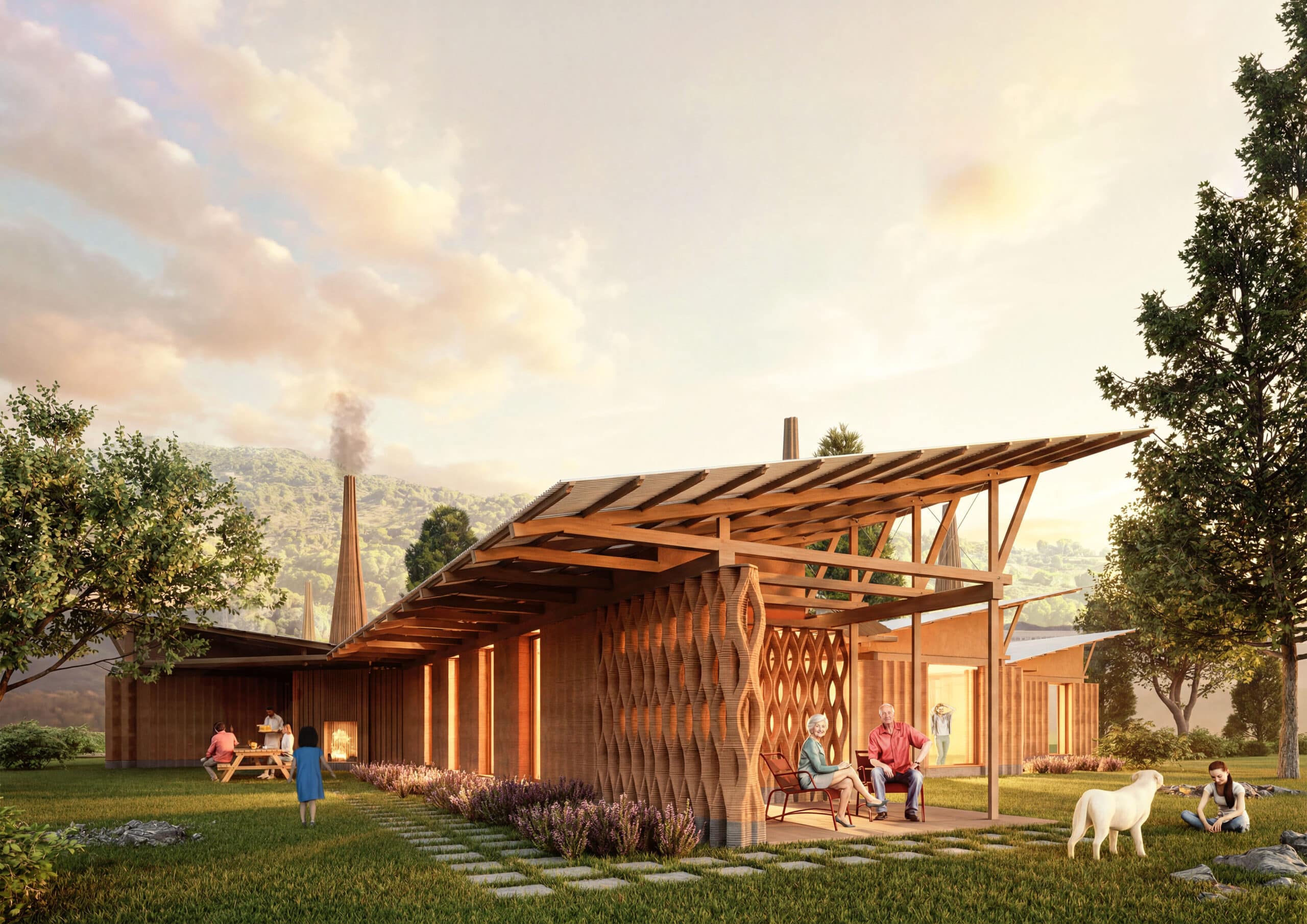
Co-Respira focuses on the home’s most important space—a place to gather, relax, share moments, or spend time alone—while creating opportunities for different generations to coexist within the same environment. Responding to today’s housing challenges, including increasing density, social isolation, and the need for more sustainable living models, the project proposes a co-living approach that balances privacy … Read more

Digital Tissue: A Living Map of the Hyperbuilding Cells

Preliminary Study: Demography as Design Driver In Hyperbuilding 3, our focus was to understand how demographic data can actively inform architectural decisions. We started by analysing the Chilean census portal, which provides detailed information for the entire metropolitan region and specifically for the Providencia district. From this dataset, we looked at age distribution, household composition, … Read more

Ascend: Democratizing Parametric Staircase Design from Web to CAD

Designing a staircase is one of the most complex spatial and structural challenges in residential architecture. It requires a delicate balance between ergonomic constraints, safety regulations, and aesthetic fluidity. Traditionally, this process is confined to complex CAD software, demanding continuous intervention from the architect even for basic modifications. With Ascend, I set out to challenge … Read more