HB03: Data-Driven Towers for Human-Nature Coexistence
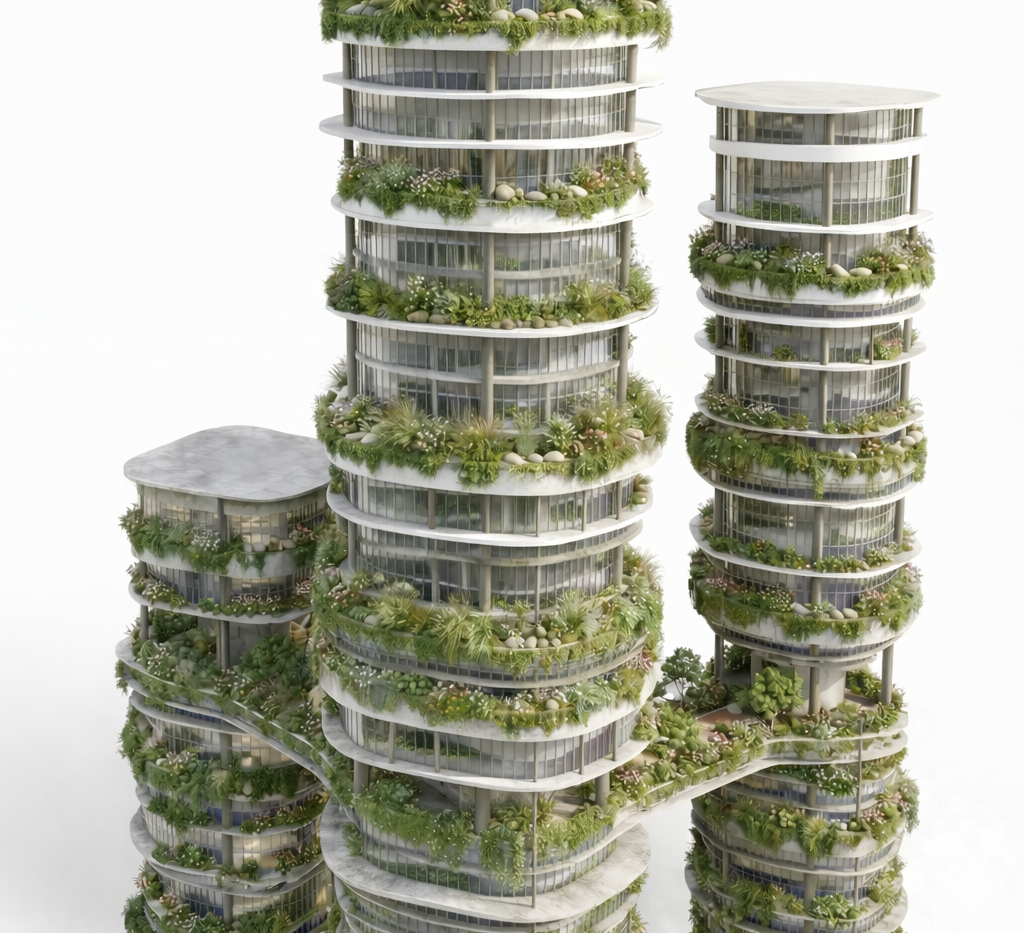
Explore HB03, a hyperbuilding developed through parametric design, structural engineering, and adaptive façade optimization. Discover a data-driven approach to sustainable vertical urbanism, daylight performance, and human-centric high-rise design. Introduction: Engineering the Skeleton of Vertical Urbanism In the Vertical Machine studio, architecture is treated as a dynamic urban organism rather than a static object. Within this … Read more

F.lok

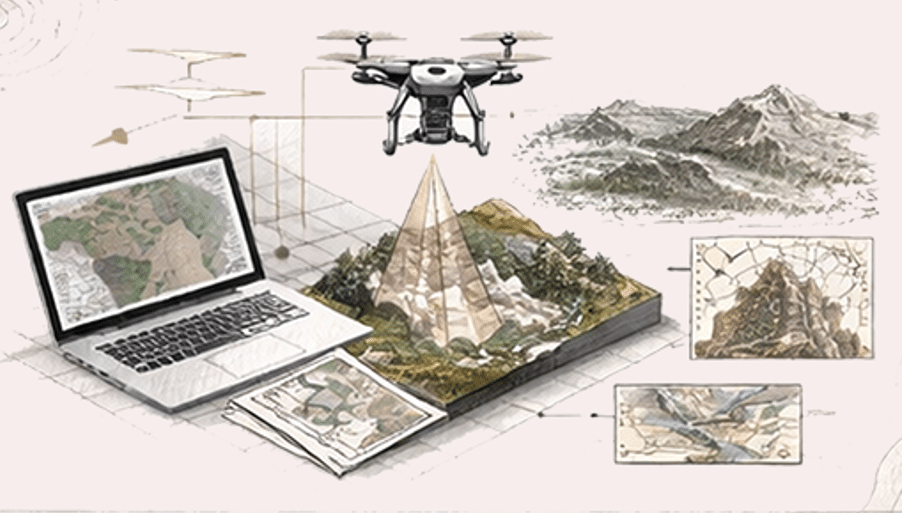
…digitizing terrain to understand runoff & delivering local NBS solutions… …there are 3 types of floods… …the mountains affect runoff… GREEN CITIES AROUND THE WORLD NBS (Nature Based Solution) Bank …Prototyping Phase… …understanding the prototype… THE PROTOTYPE

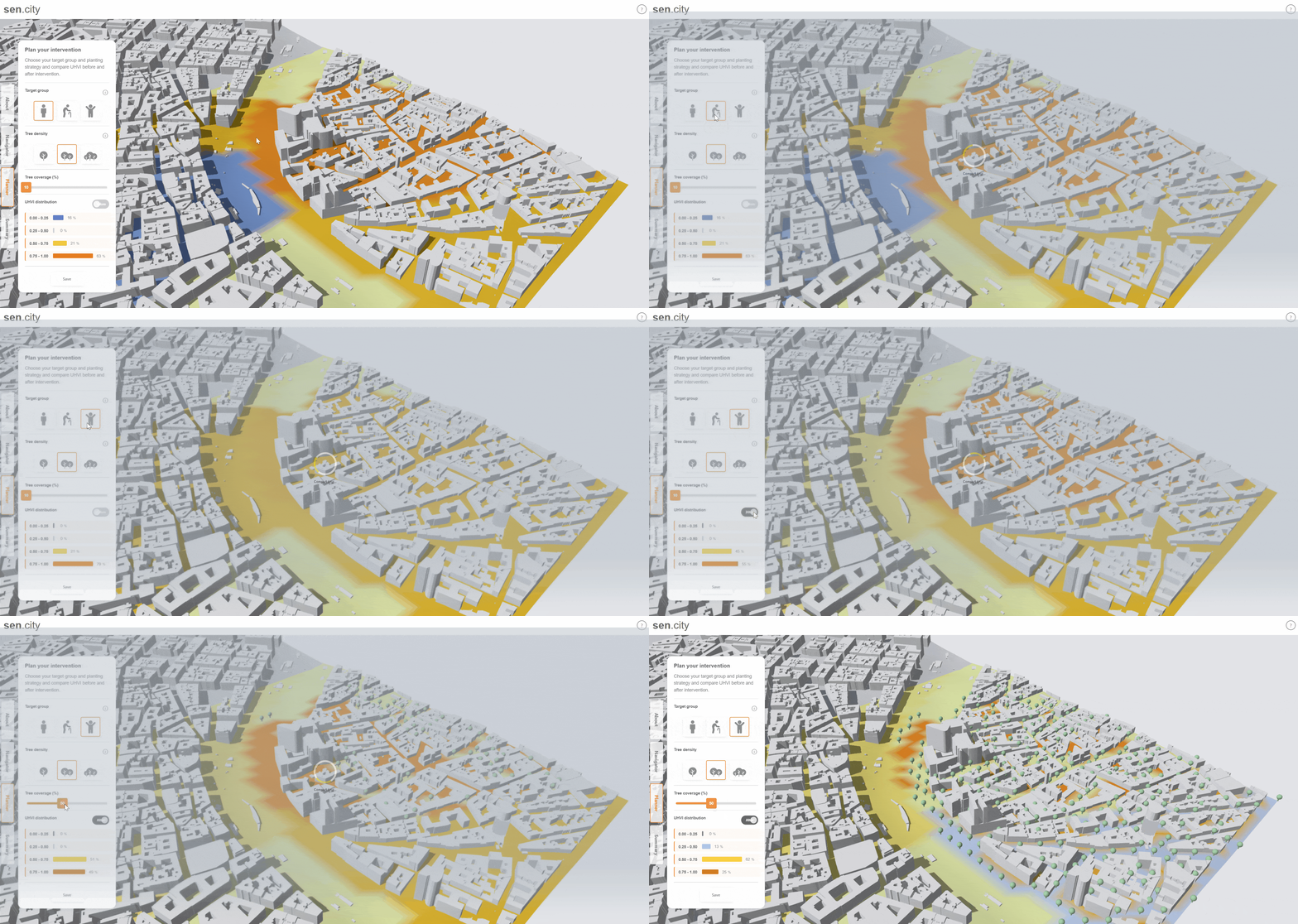
sen.city – Sense urban heat and plant cooler futures for everyone

Cities are warming rapidly, and dense urban centers feel it the most — especially areas with little shade or vegetation. Heat doesn’t affect everyone equally: groups like the elderly, youth, and people with health conditions are far more vulnerable. Problem Statement Most existing tools focus on UTCI, the Universal Thermal Climate Index. It measures how … Read more

Nyara House – Prototype 2026

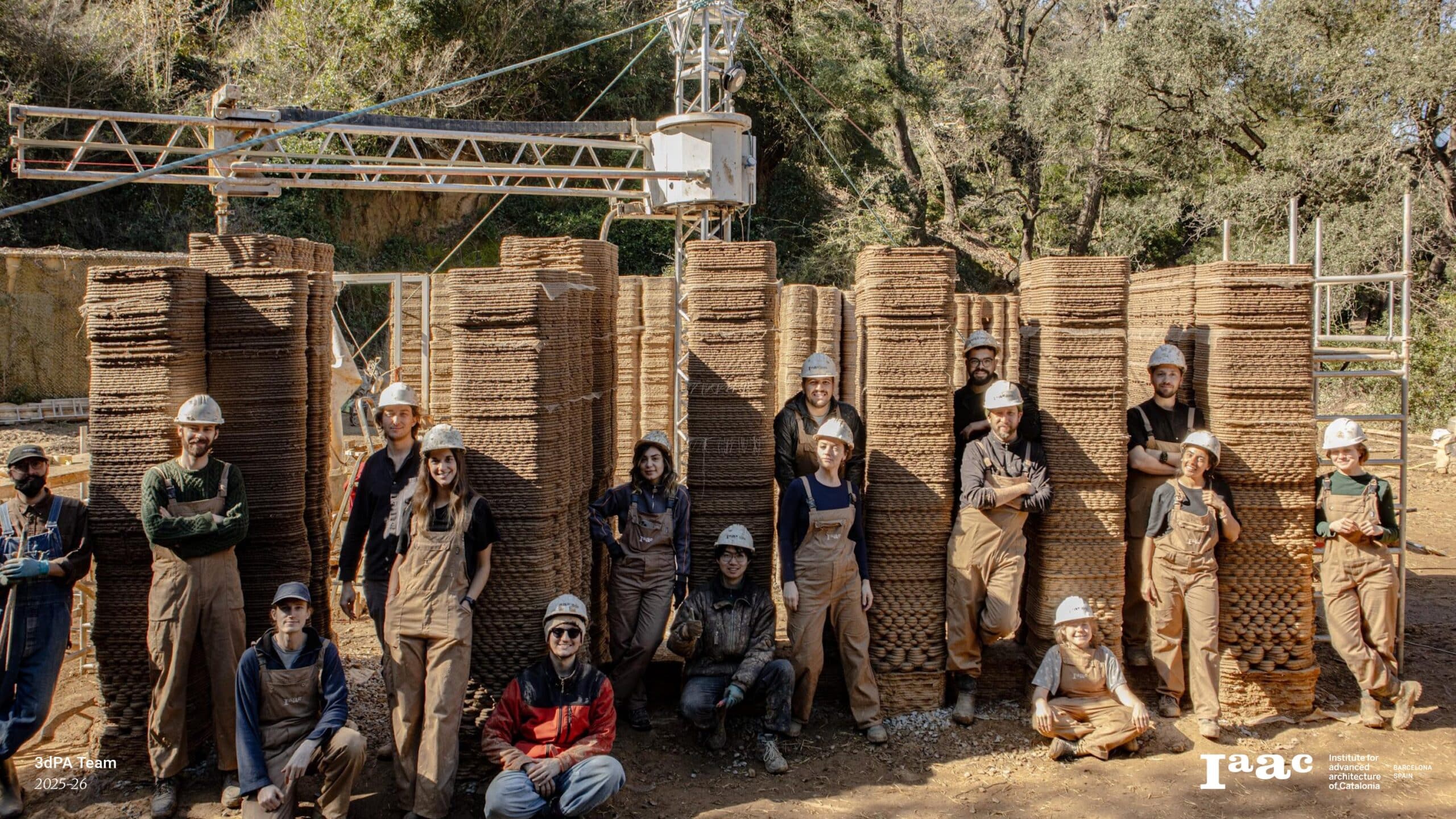
Case study of a 3D printed project Site Organization The site plan was developed to support a continuous and efficient design-to-production workflow, integrating material preparation, digital control, and on-site fabrication into a single coordinated system. The spatial organization follows a clear operational sequence, from raw material handling to final deposition, reducing unnecessary movement, interruptions, and … Read more

Beyond Construction: BIM as a World-Building Tool for Real-Time Game Engines

Abstract This research investigates how Building Information Modeling (BIM) can be leveraged to generate structured and meaningful architectural environments for architectural visualization, video games, and animated films. It explores workflows between BIM tools and real-time game engines, focusing on the transfer and preservation of spatial logic and metadata. The study aims to demonstrate how BIM-based … Read more

Community Connections

Trinitat Nova and Trinitat Vella Scavenger Hunt   Moving between the neighborhoods of Trinitat Nova and Trinitat Vella in Barcelona, and reaching natural landscapes nearby, like the Collserola hillside or the Besòs River, can already feel a bit like a scavenger hunt. Large highway infrastructures carve through the area, creating barriers that make simple trips … Read more

Chill.Point

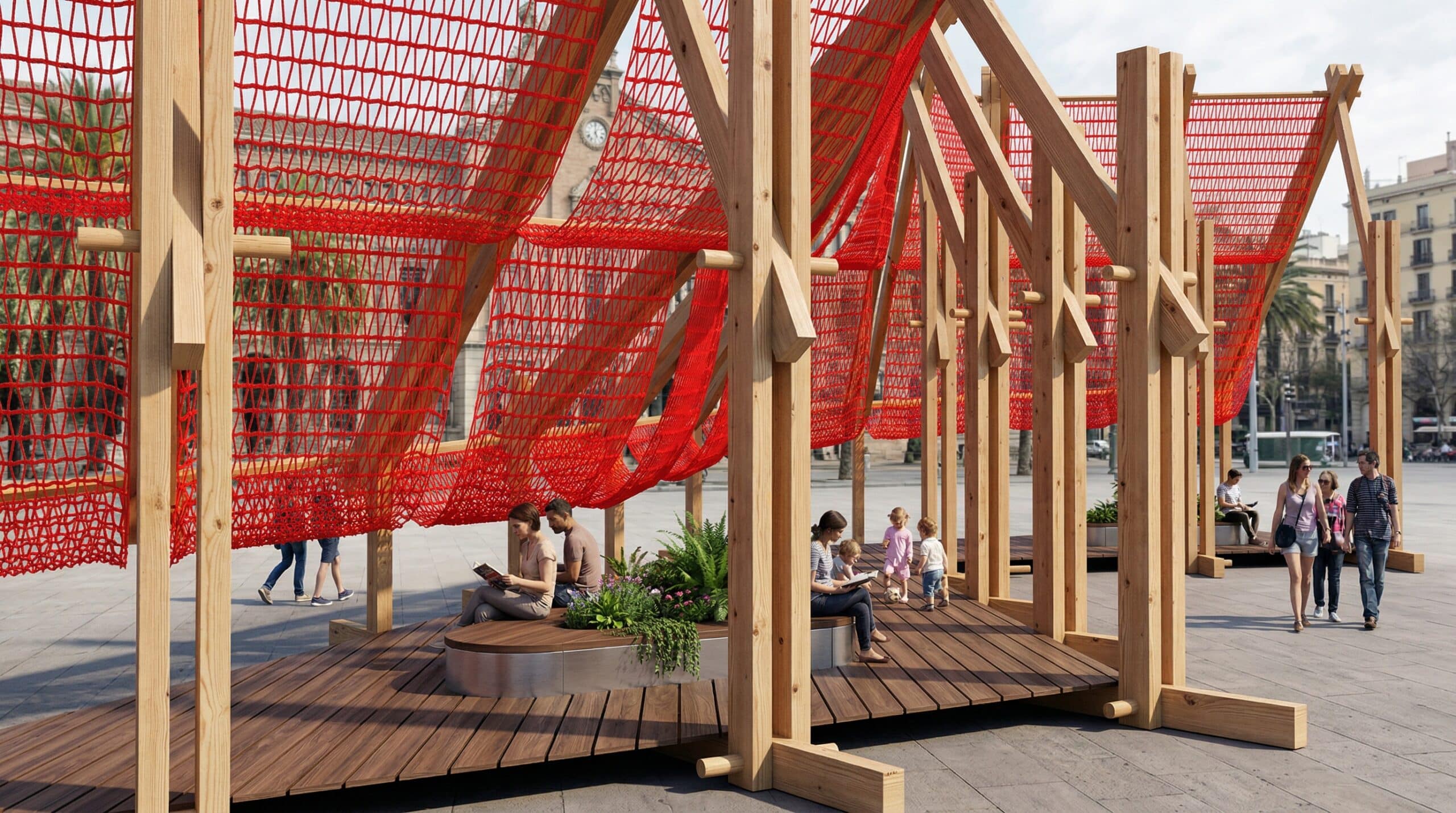
Inspirations Chill.Point is a lightweight timber and fabric pavilion designed for Plaça Universitat, creating a shaded urban pause within the city. Inspired by exposed timber frames and tensile scaffold structures, it combines structural clarity with soft, breathable enclosure. Using computational and parametric design tools, the pavilion responds to sun, wind, and pedestrian flow, optimizing geometry, … Read more

The Land Remembers

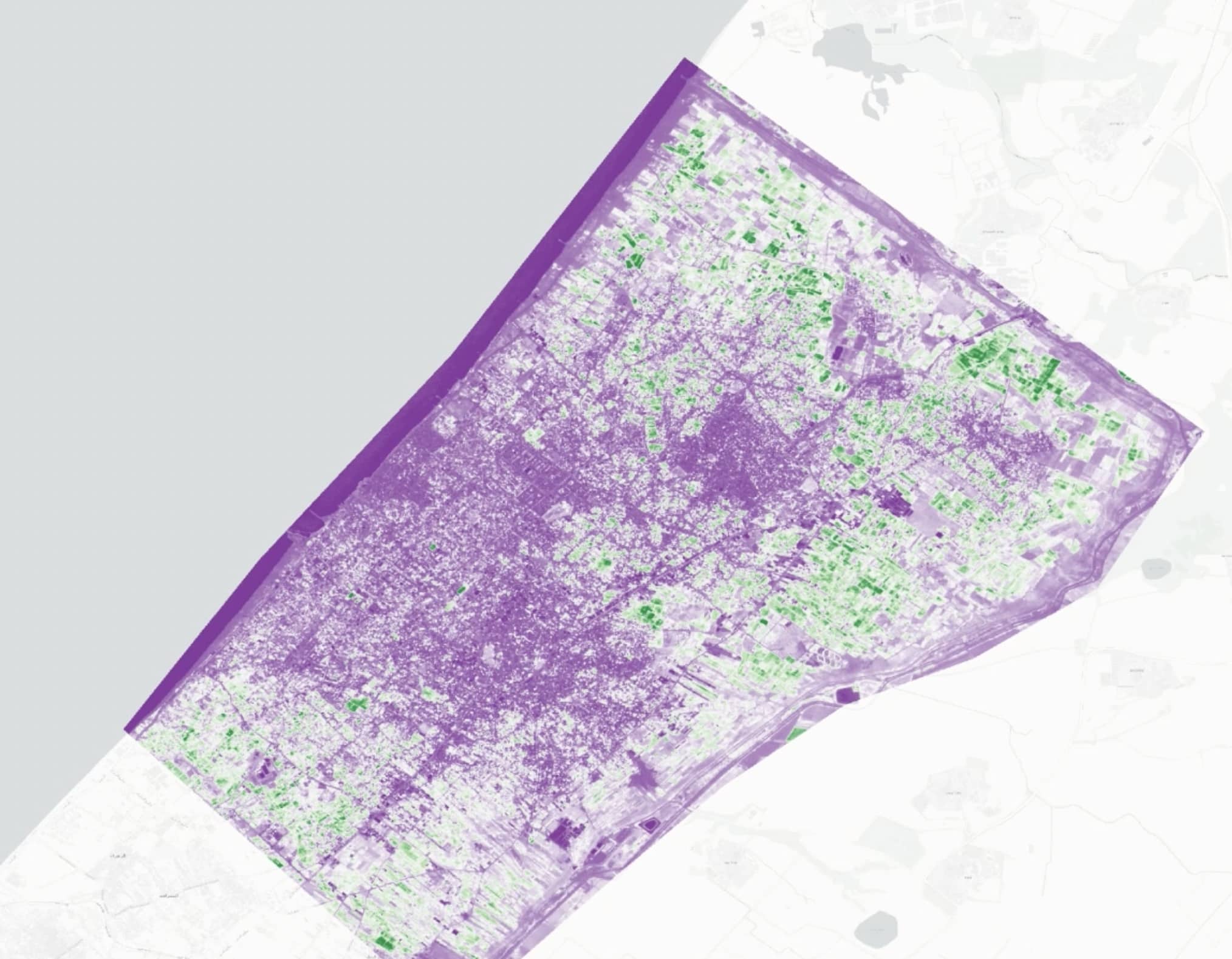
Agricultural landscapes often disappear from visual and political attention during conflict, overshadowed by images of urban destruction. This project uses satellite imagery to examine agricultural land in Gaza, focusing on the Beit Hanoun belt as an intersection between destruction and food systems. Through vegetation indices and bombing crater detection, the study distinguishes seasonal agricultural cycles … Read more

Agent Based Model: A Way to Visualize Alternative Multispecies Futures, Support Decision-making and Empower Collective Action

This proposal envisions an agent-based ecological simulation where human and non-human actors, farmers, water, soil, plants, fungi, and climate, interact within a shared bioregion defined by watersheds rather than political borders. Agricultural technicians serve as mediators between data and local knowledge. Agents are not merely data points but active participants in a living network, continuously … Read more

Fish Tail Park, Nanchang – Case Study

Case Study of Ecological Restoration, Human Presence and Design of Co-Existence Introduction Fish Tail Park is located in the center of Nanchang City, a historic city in southeastern China with approximately 6.6 million residents, has experienced rapid urban growth and high-tech industrial expansion along the Gan River. Is a large-scale ecological restoration project designed by … Read more

Oerliker Park

Oerliker Park in Zürich, Switzerland is not a natural forest that slowly emerged over time. It is a designed urban ecology: structured, calculated, and deliberately designed among buildings and former industrial sites. Even though the park may read as “natural” with its trees, parks like Oerliker are often designed primarily around human use. But parks … Read more

Parc del Centre del Poblenou

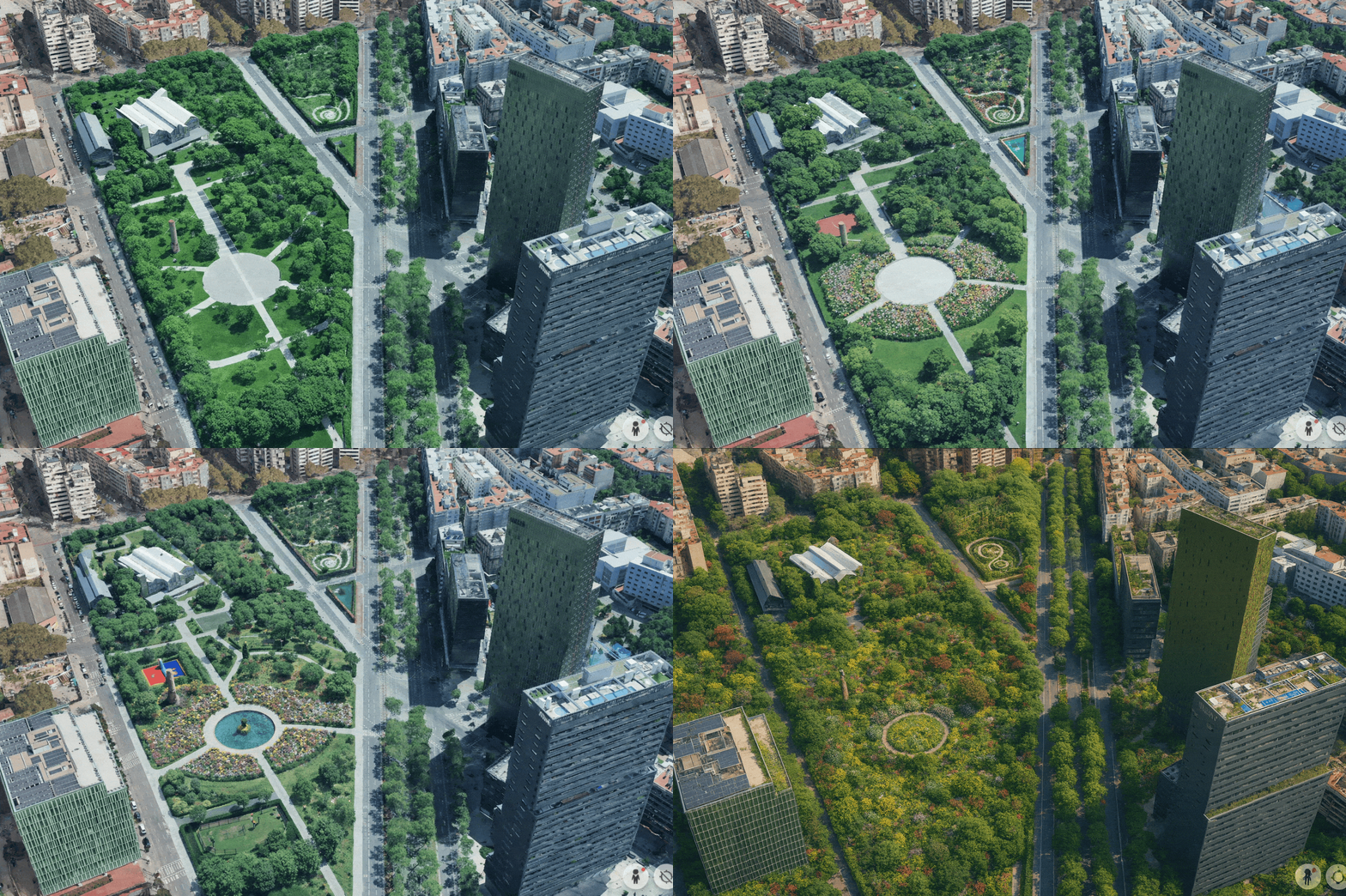
This project investigates Parc del Centre del Poblenou through the lens of Designing for More than Humans. The park, although permeable and vegetated, is spatially structured around human circulation and programmed activity. As a result, human occupation is continuous and dominant, while non-human life remains fragmented and residual. Through rule-based speculation, the project tests how … Read more

The Wooded Circle

Started off in 1504 as a Renaissance-era fortification system, designed to resist cannon warfare. Over the years, it has undergone many reconstructions, with the latest turning it into a managed heritage park in the early 2000s (Planted rows of trees) . Ecology has played an important role in each of its eras, as we’ll see … Read more

Who else lives here?

Urban space is conventionally conceptualized as an anthropocentric construct. However, non-human species continuously appropriate architectural surfaces, infrastructural voids, and vegetated fragments. Birds occupy ledges and canopy layers, insects colonize engineered soils, bats navigate nocturnal corridors along tree lines, and plants root within pavement fissures. These presences are not incidental; they reflect how spatial design either … Read more

Lifecycle of a Landslide

THE GREAT HIMALAYAN TERRAINKinnaur lies in the Middle to Higher Himalayas, one of India’s most landslide-prone regions, while also functioning as a critical ecological transition zone between temperate, sub-alpine, and cold desert ecosystems. The Sutlej valley acts as both a human infrastructure corridor and a biological movement corridor.         News reports show … Read more