SMALL STEPS, BIG CITIES

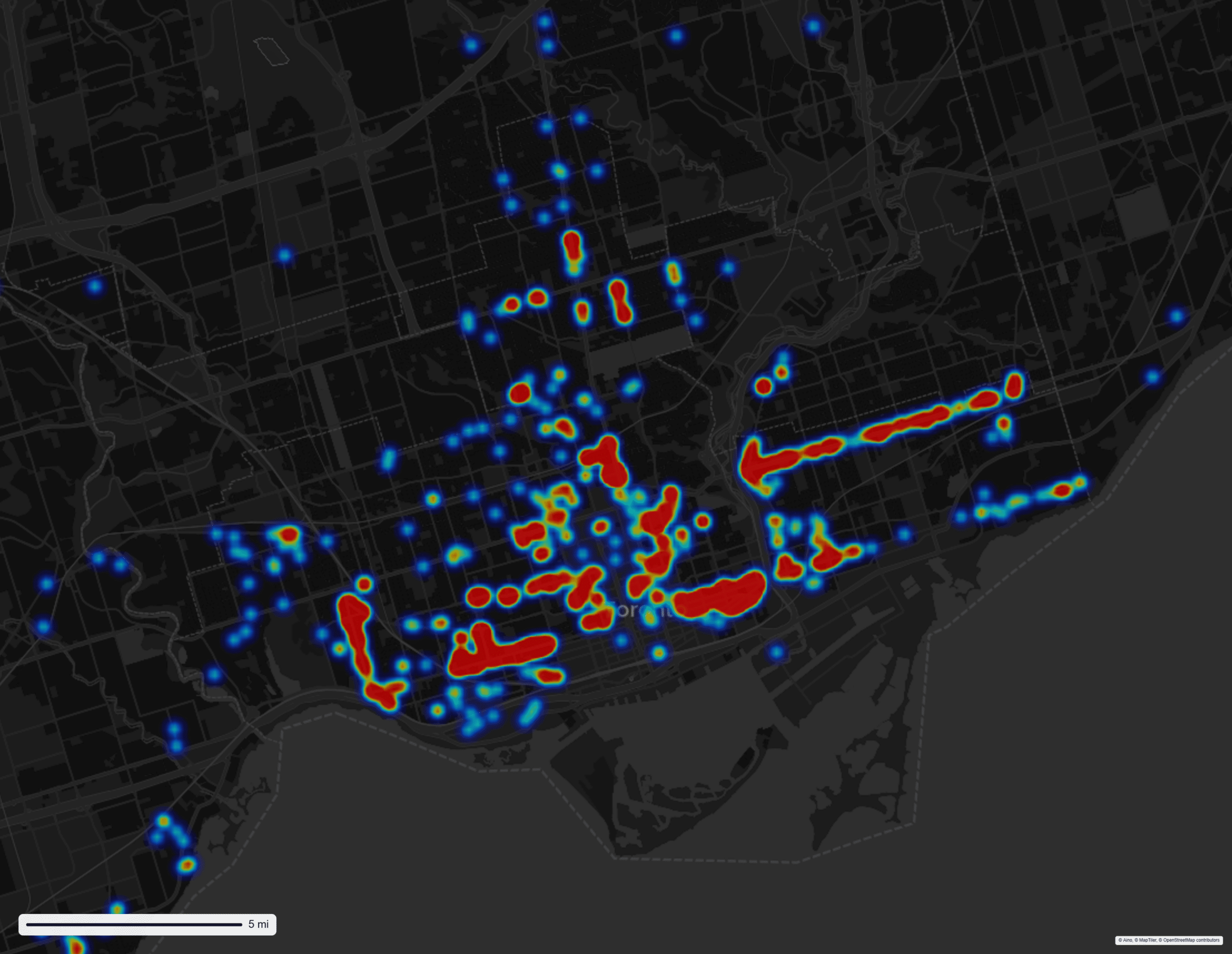
Redesigning childrens’ journeys to school in Bosa-Apogeo, Bogota CONTEXT & CHALLENGES Bosa Apogeo sits at the southwestern edge of Bogotá — a neighbourhood shaped by rapid unplanned urbanisation and carrying a disproportionate share of the city’s pollution burden. Industrial corridors, heavy freight traffic, and unpaved roads converge here, pushing annual PM2.5 concentrations to between two … Read more

Beyond the Data Point: A Counter-Cartography of People on the Move through Mexico’s Vertical Border

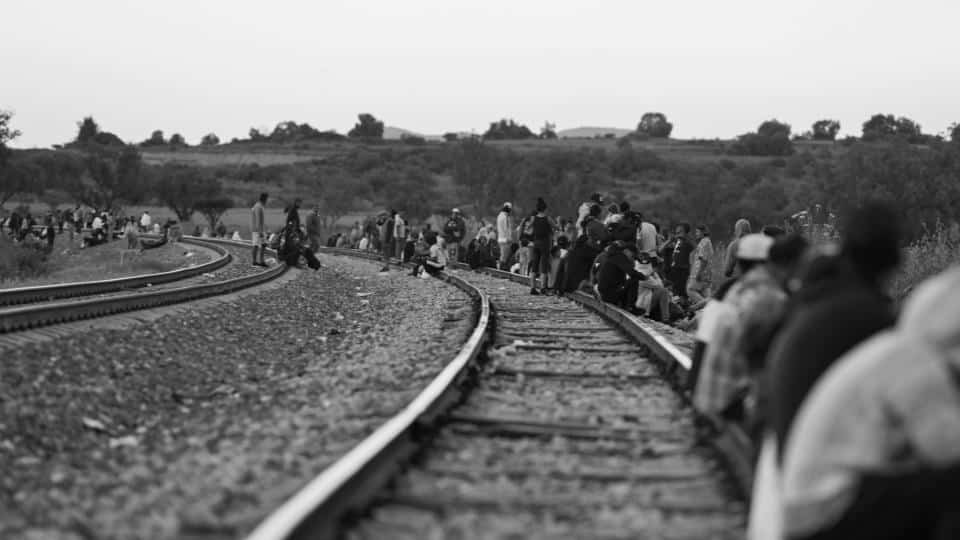
“Power is not something you possess, it is something you exercise”– Michel Foucault With this phrase by Michel Foucault, I would like to invite you, reader, to adopt a lens focused on power relations as you move through this blog post. The first power dynamic I would like to highlight is the asymmetrical relationship between … Read more

vo:id

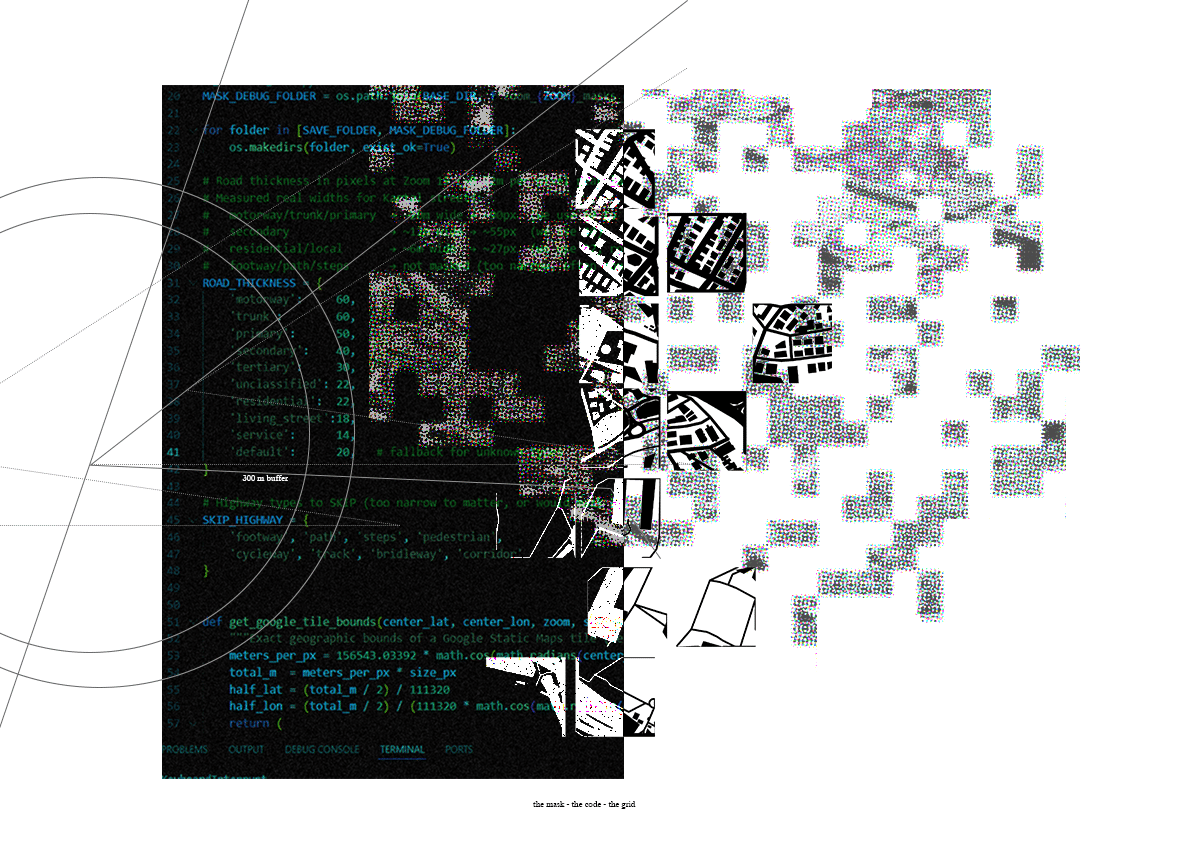
atlas of vacant spaces Urban vacant land in dense, post-industrial cities remains spatially invisible: absent from open datasets despite its potential to address chronic green space deficits. This thesis “vo:id” is a pipeline detecting, classifying, and prioritizing urban voids using only globally covered open data. Combining OSM-based negative masking, vision-language model classification, and human-in-the-loop validation, … Read more

NoiseXcape: Can Open Data Help Us Predict Urban Noise?

Introduction Noise is one of the most pervasive environmental stressors in cities. Long-term exposure has been linked to sleep disturbance, cardiovascular disease, reduced cognitive performance, and lower overall quality of life. Yet despite its importance, detailed noise maps are surprisingly difficult to obtain. Producing official noise maps requires measurements, traffic models, and considerable technical effort. … Read more

BioSpatial-Intelligence:

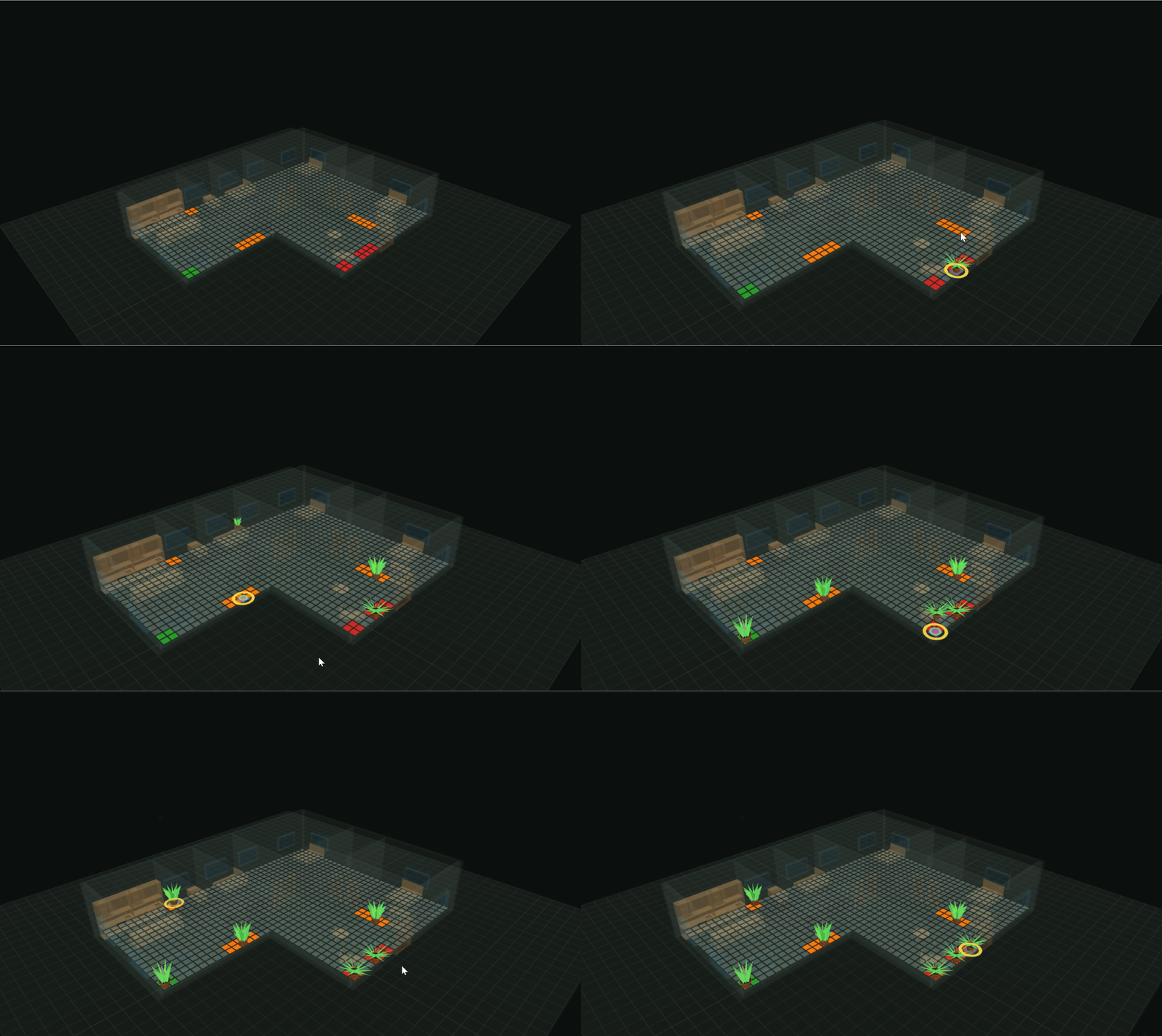
ML-Driven Plant Placement for Adaptive Architecture BioSpatial Intelligence explores how machine learning can support planting decisions in architectural spaces. The project starts from a simple design question: when we design a building, how can we decide which plants belong to which environmental conditions? Instead of relying only on intuition, we developed a workflow that reads … Read more

SAND MATTERS

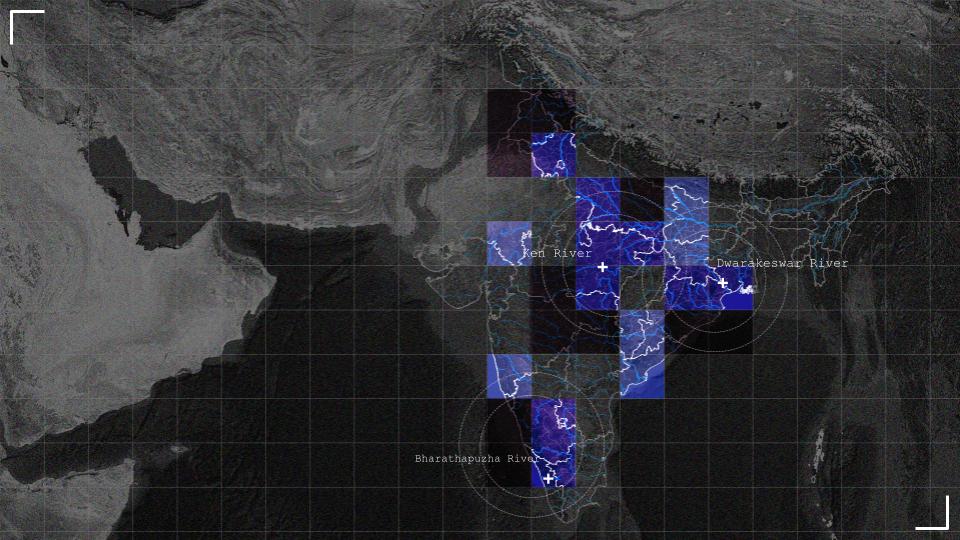
– A satellite based platform for detecting sand mining across India Sand is the most extracted solid material on Earth, yet it remains one of the least regulated. In India, where rapid urbanisation drives relentless construction demand, river sand extraction has escalated into a crisis of ecological damage, governance failure, and organised crime. Riverbeds are … Read more

FloodPrint

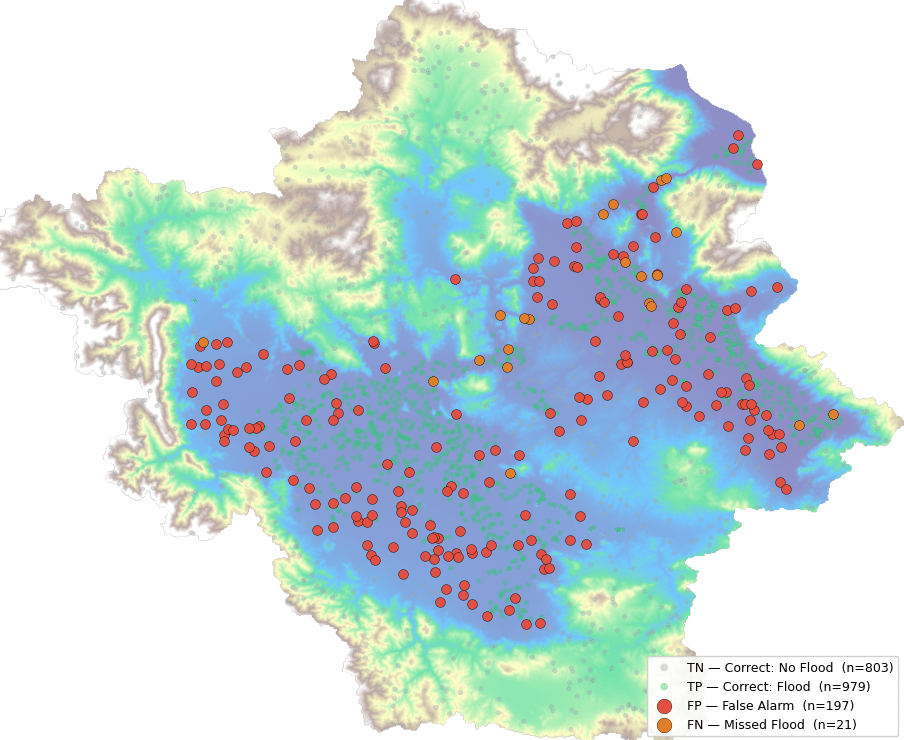
Objective Traditional flood risk maps take months to produce, are updated only every few years, and are too coarse, they might say a whole district is at risk without telling you which specific street or field will actually be underwater. “We are going to predict whether any given location in Thessaly, Greece is Flood-Prone or … Read more

NYC – Urban Land Use

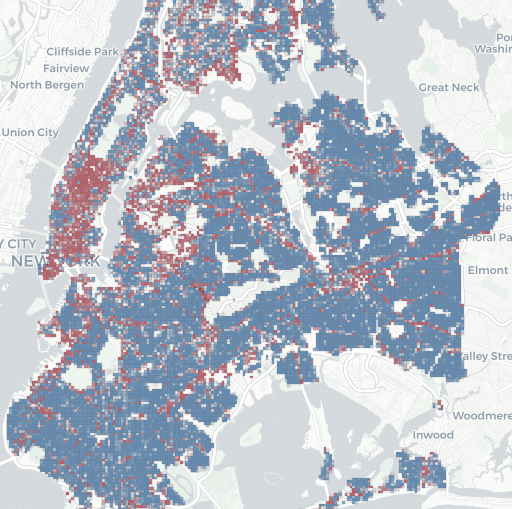
Can we predict what kind of use does a city grid hosts — Commercial vs. Residential — from its built form, morphology, and proximity to other urban features? “Can we predict the land use of a space based on existing environmental information from official and unofficial sources?” What’s the sweet spot for a Machine Learning … Read more

Ciutat Nova Franca

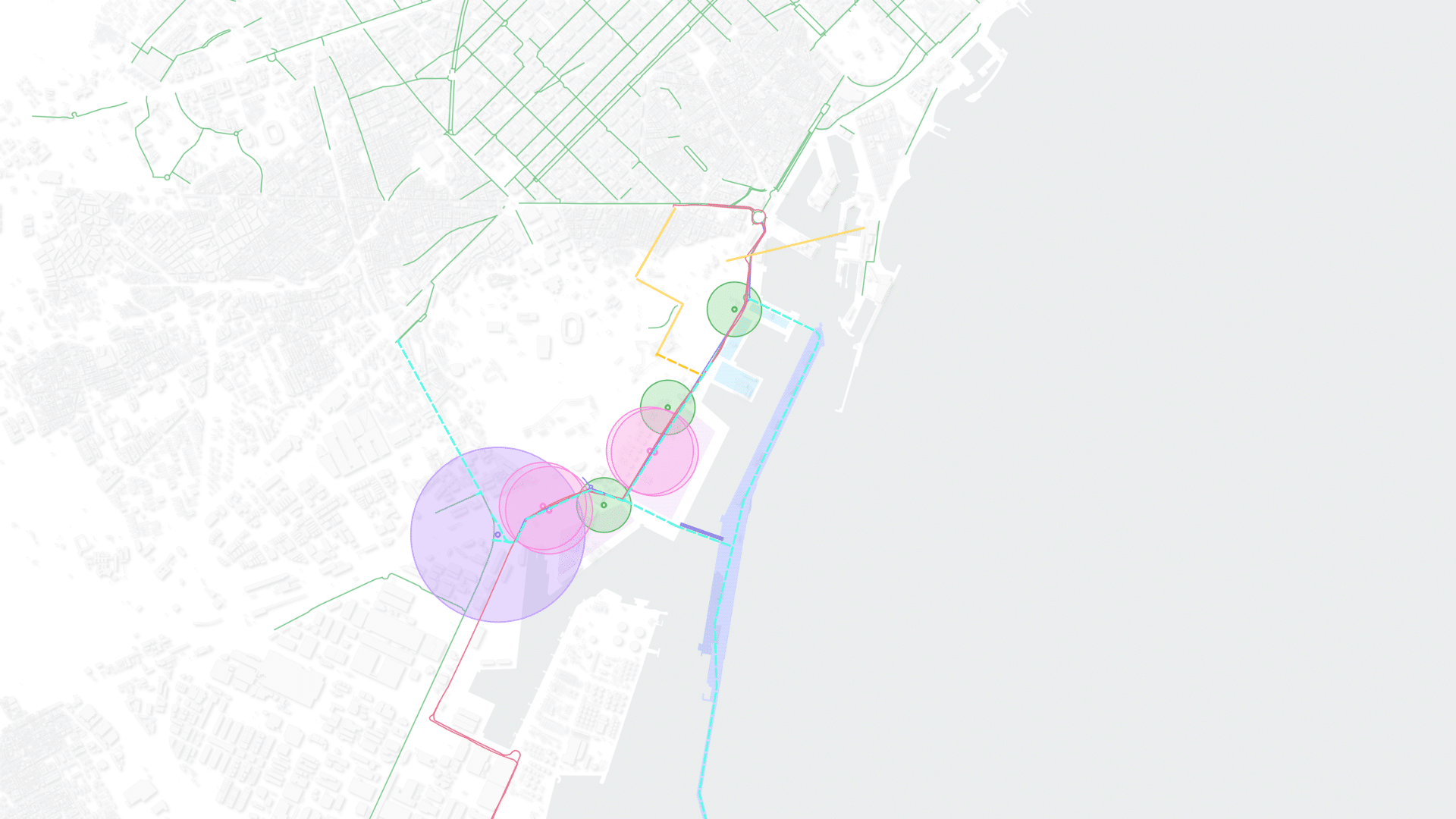
Barcelona is a city that faces many physical limitations to it’s expansion as a metropolis-the mountains contain development within them and the sea borders its other side. For the past 15 years, it has been struggling with an immense wave of tourism that has displaced locals from affordable housing in popular areas and historic neighborhoods … Read more