Inhabitable Walls

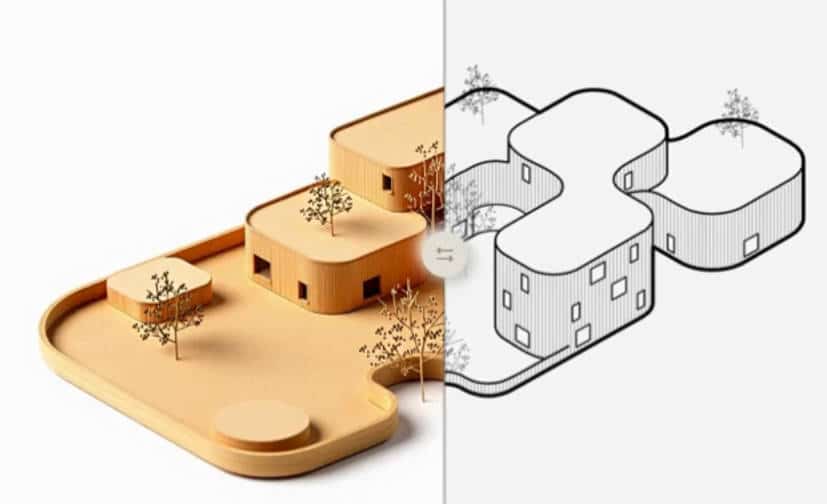
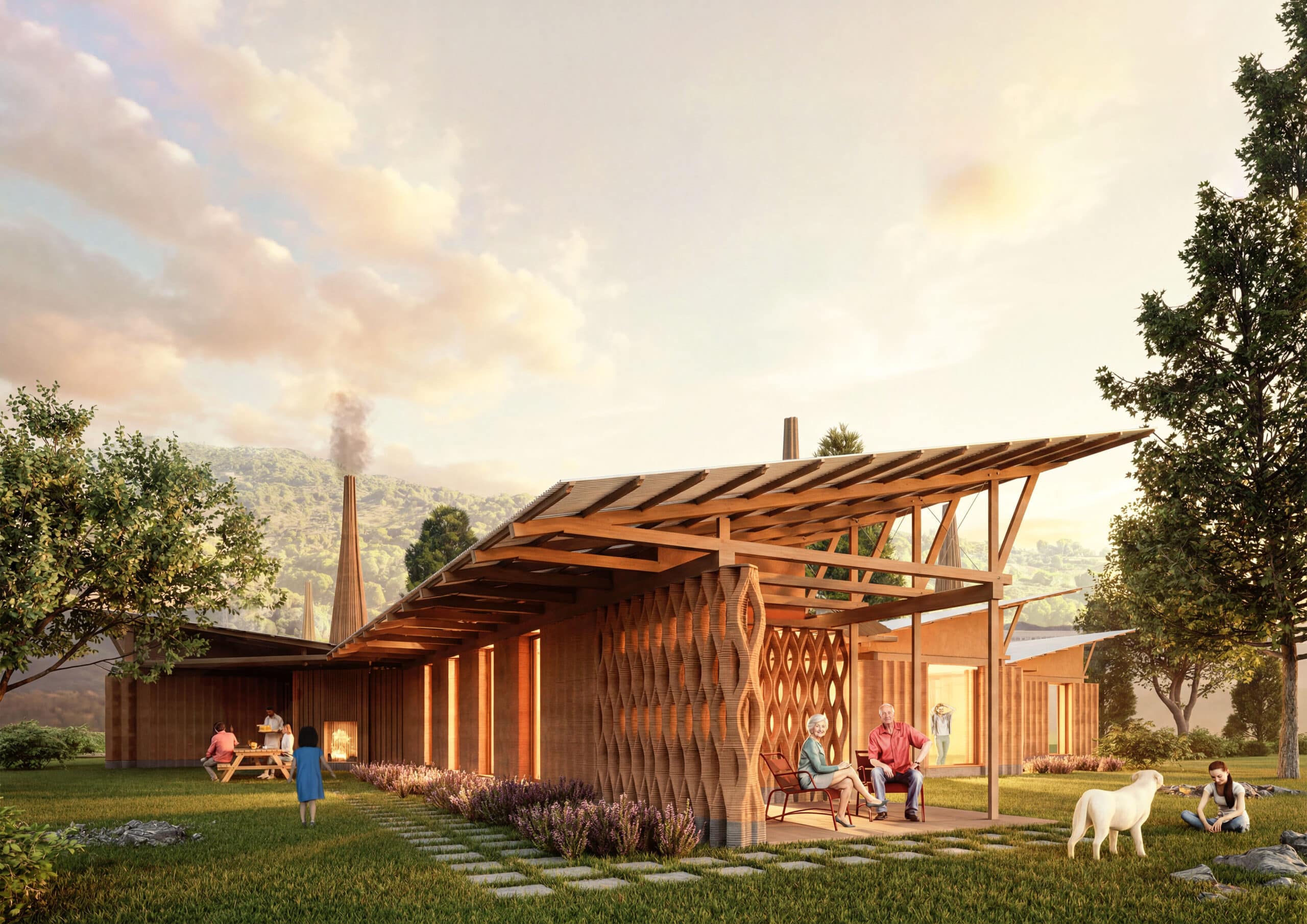
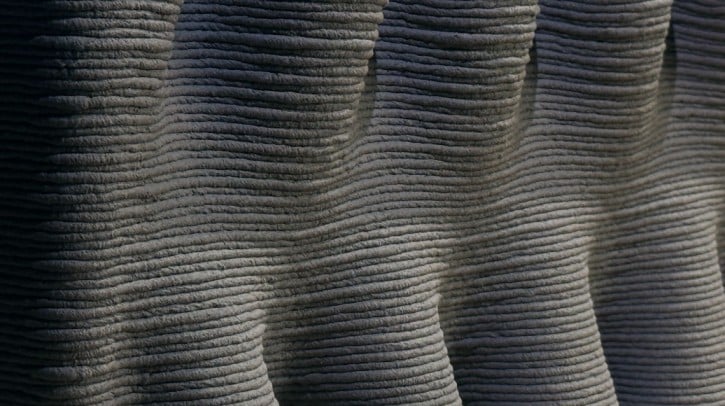
– Vision 2025/2026 3D printing is increasingly entering the construction industry, with many examples of printed houses and buildings already realised. Its appeal lies in clear advantages: automation, speed, reduced material use, and minimal waste, all of which lower construction costs. Beyond efficiency, however, 3D printing offers architects significant design freedom, enabling an architecture that … Read more

Kindergarten: Els Tres Totems

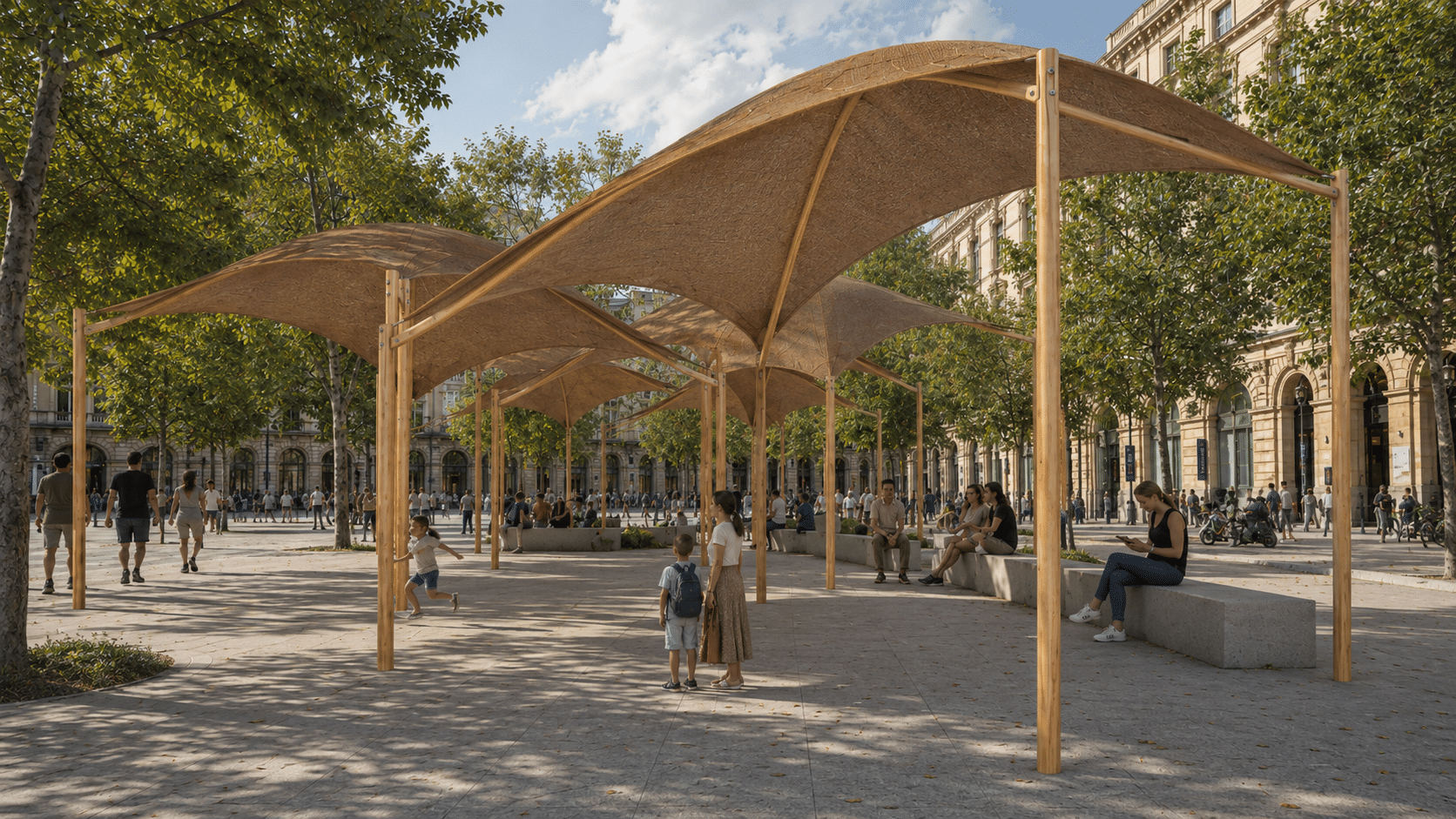
Our Collective Design Goals As designers, we see this project as an opportunity to create a play environment that is genuinely functional, inclusive, and meaningful for children, while deepening our own understanding of how design can support play, curiosity, and well-being. We aim to learn basic design, fabrication and installation with wood as a material. … Read more

Bandy – House

Rooted in earth, bound by flavor “This co-living brings together four user profiles whose needs and daily rhythms shape the architecture of the project. A married couple with a child requires stability, clear routines, and functional domestic spaces; a young couple with cats needs calm and flexible environments that support living with pets; a divorced … Read more

Floating Grounds-Rethinking Resilience in Jakarta

Introduction Floating Grounds proposes a flood-resilient urban model for Jakarta that merges housing, public programs, and a stadium into a single floating system. Instead of resisting water, the project accepts it as a permanent condition and uses it as an organizing element. The work explores how large-scale infrastructure can support community life while addressing land … Read more

Monsoon Nest: Living Between Flood and Sky

Monsoon Nest is a modular housing proposal for Bangkok that responds to monsoon rainfall, flooding, and high-density urban conditions. The project explores adaptable modules, elevated structures, and passive climate strategies to create resilient, community-oriented living environments in a tropical context. The design of Monsoon Nest is informed by four primary parameters: contextual environmental data, parametric … Read more

Casa Tosquella: The Mending of the Commons

Heritage is not memoryHeritage is Production + Community In the dense urban fabric of Sant Gervasi, Casa Tosquella sleeps a Modernista jewel originally conceived as a summer retreat, now stranded in a city grappling with permanent heat. This project explores the tension between heritage preservation and climatic urgency. The proposal views the building not as … Read more

The Can Ricart Regeneration Project

Design Ethos This project seeks to explore how issues of stagnation and obsolescence can be tackled whilst still enabling socio-economic and technological developments of our urban spaces. It will explore how they can be applied within architecture to evaluate how we can more effectively address issues of erasure whilst still permitting modern interventions and advancements … Read more

The Timber Wave

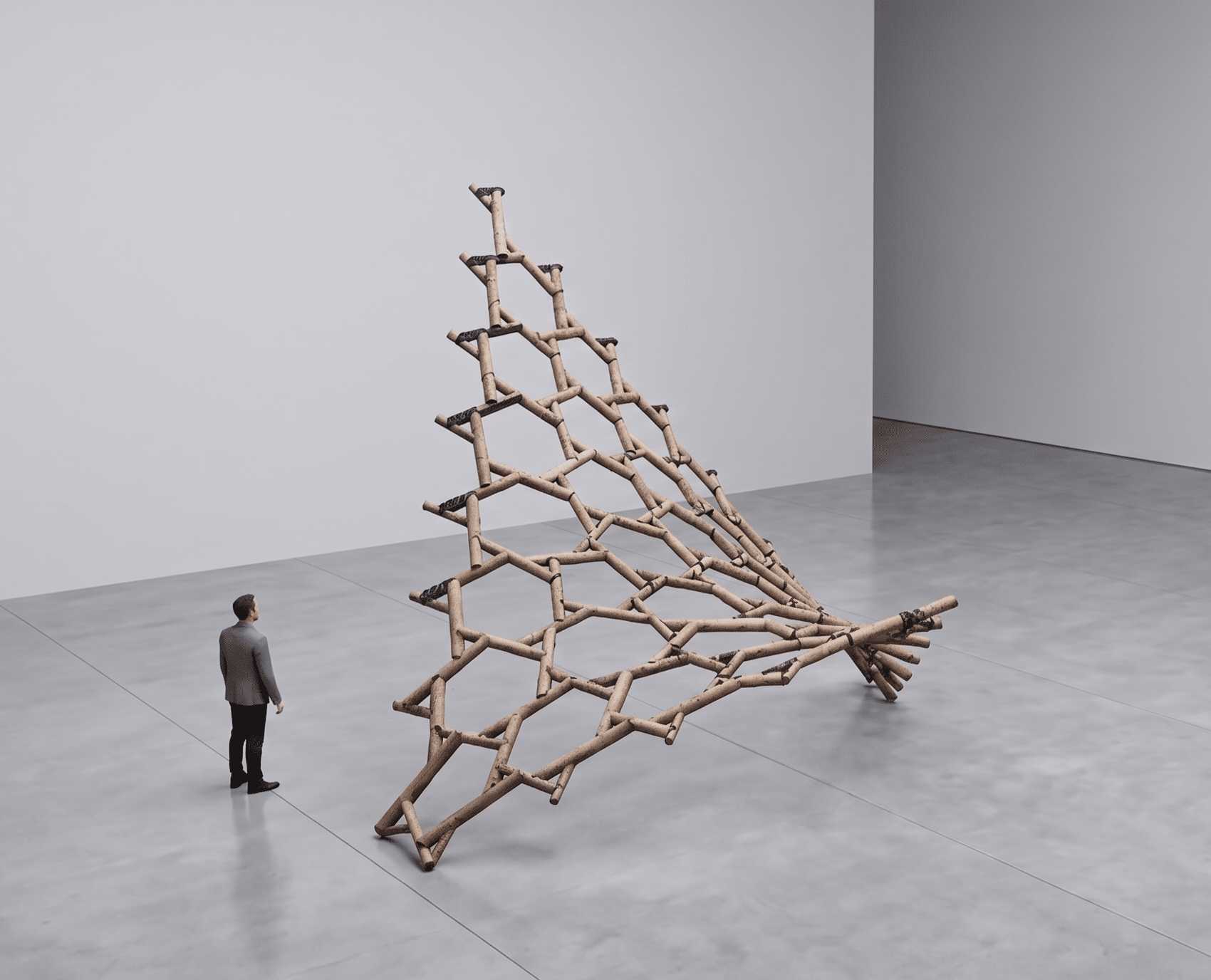
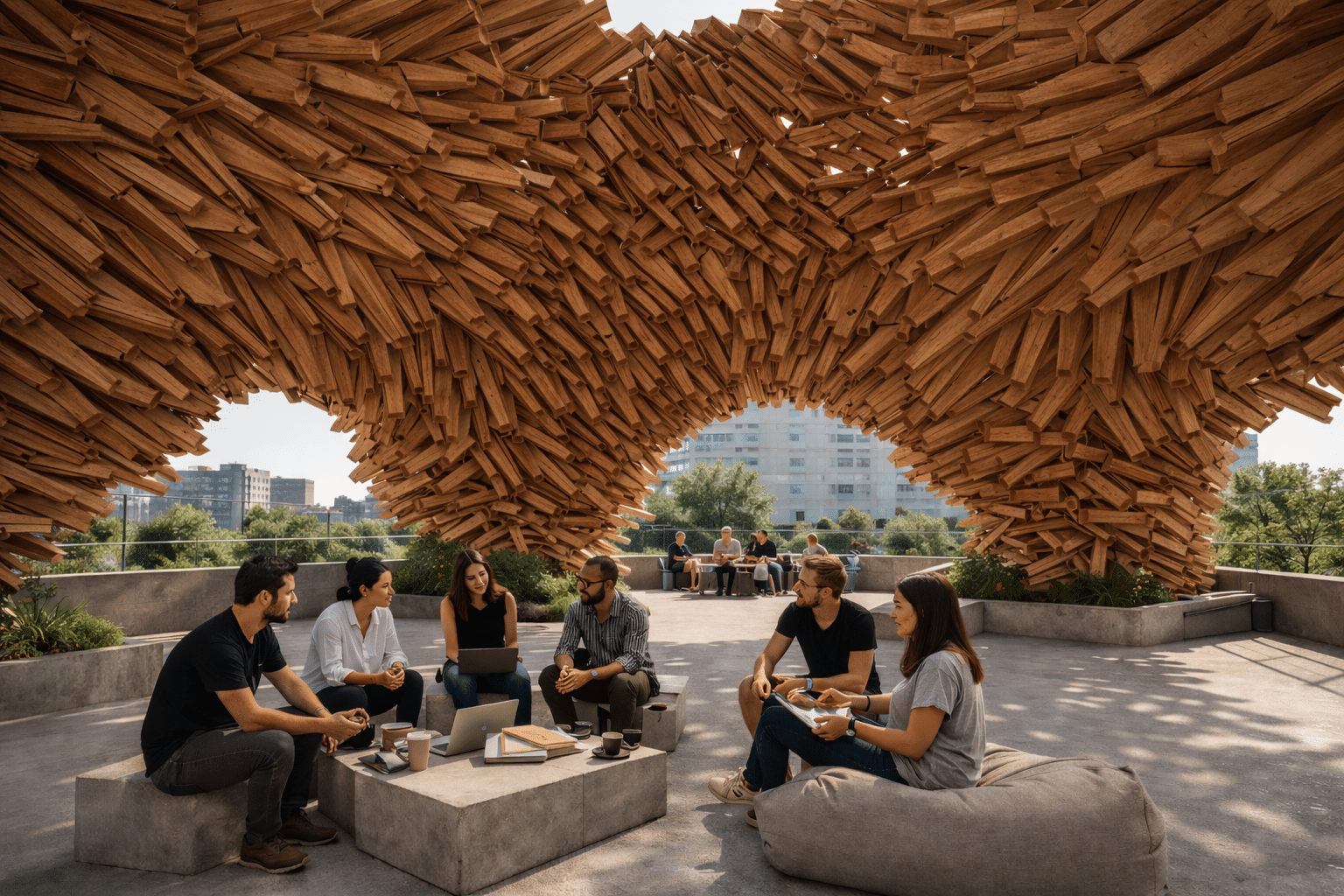
This pavilion explores the dialogue between wood and waves through a parametric system of assembled timber elements shaped by coastal forces. Inspired by the rhythm of tides and the grain of wood, its fluid geometry oscillates between structure and motion, shelter and openness. The project merges digital design with natural material intelligence, creating a lightweight … Read more

The Woven Contrast

Cover page for the IAAC Computational Design I Seminar. The image features a parametric, twisted wooden structure in the foreground against a dark, point-cloud digital background. Text lists the Faculty as Akshay Madapura and Shrey Kapur, and Students as Kalaitzidis Nikolaos and Sejin Park.

COMPUTATIONAL DESIGN I SEMINAR25/26 MAA01 (Level2) Abstract: Computational Weaving. This project, developed for the Computational Design I Seminar, explores the algorithmic generation of complex, recursive geometries through the logic of “Digital Craft”. Inspired by the material constraints of steam-bent timber, the design creates a “volumetric weave” rather than a simple surface. The computational workflow is … Read more

THE MANUFACTURED VERNACULAR 

Image of comparison between a vernacular structure and a modern structure

Turning time-tested vernacular intelligence into scalable, multi-hazard self sufficient building INTRODUCTION See this image above? yes, its comparison between two structures that survived a 6.8 rector scale earthquake in year 2005. The ironic part is , that these vernacular structures hold the carbon friendly intelligence responding towards climate adaptation and structural resistance against earthquakes, yet … Read more

Visual Intelligence 2.0 – MAEBB Exhibition Space

The MAEBB Exhibition Space is conceived as a lightweight timber pavilion that gently rises above the existing Valldaura Labs building—a contemporary crown inspired by Herzog & de Meuron, reinterpreted through the ecological logic of locally sourced wood. Resting on a minimal peripheral frame, the structure introduces a luminous and fully reversible addition at the height … Read more

Topographies of Work

This drawing explores how architecture transforms when it stops imposing its order and allows the forest to define its own conditions. It explores a shift from “building in a forest” to “building as a forest”. In the drawing Valldaura Lab is not an object placed in the forest, it is an interpreter of the forest … Read more

Digital Fabrication Library

In today’s architectural landscape, digital fabrication has significantly expanded the way we design and construct building elements—offering unprecedented accuracy, efficiency, and formal freedom. Techniques such as laser cutting, CNC milling, 3D printing, and robotic manufacturing each bring distinct advantages in terms of material behavior, geometric complexity, and performance potential. RE:CELL Concept The Re:Cell is a … Read more

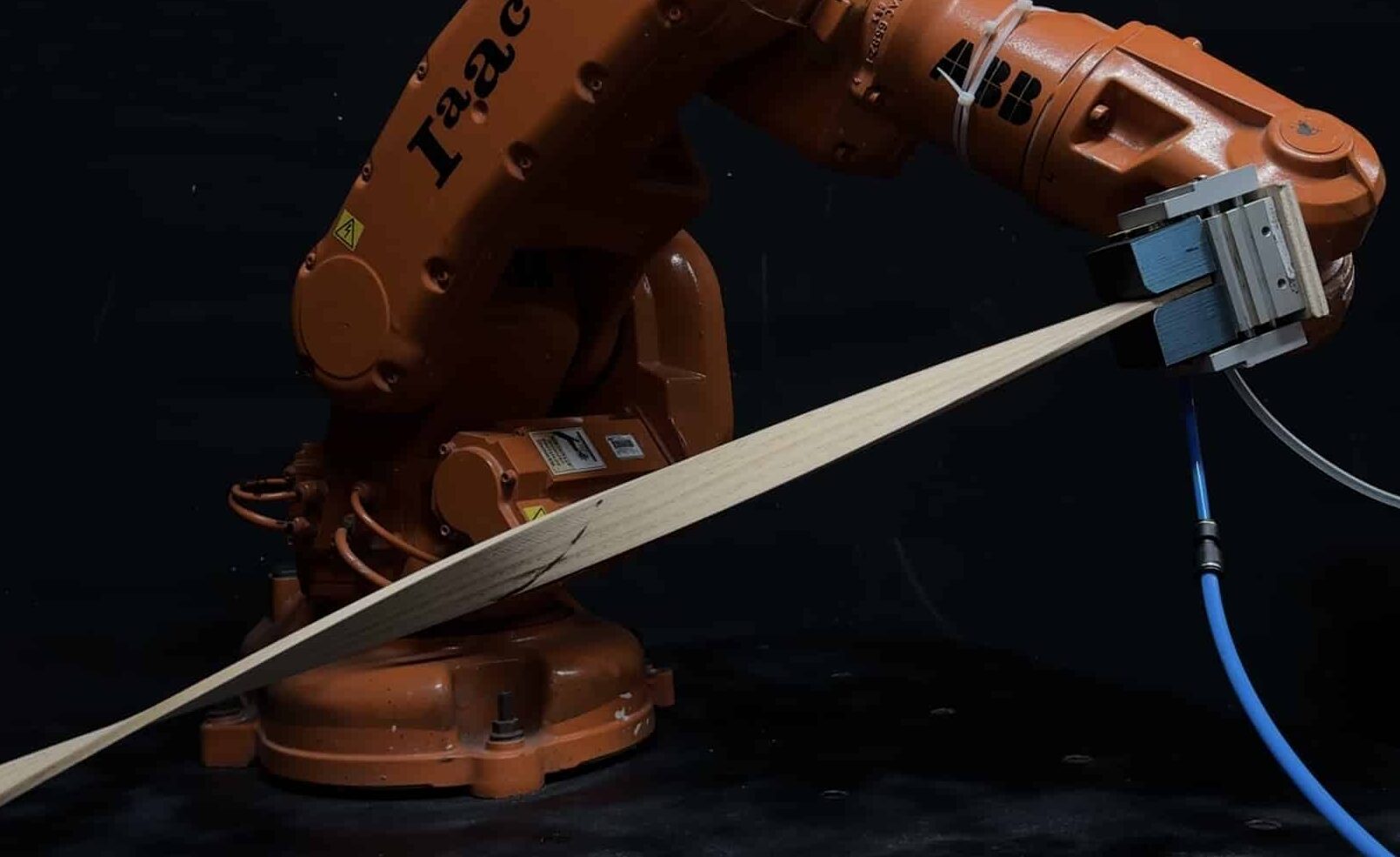
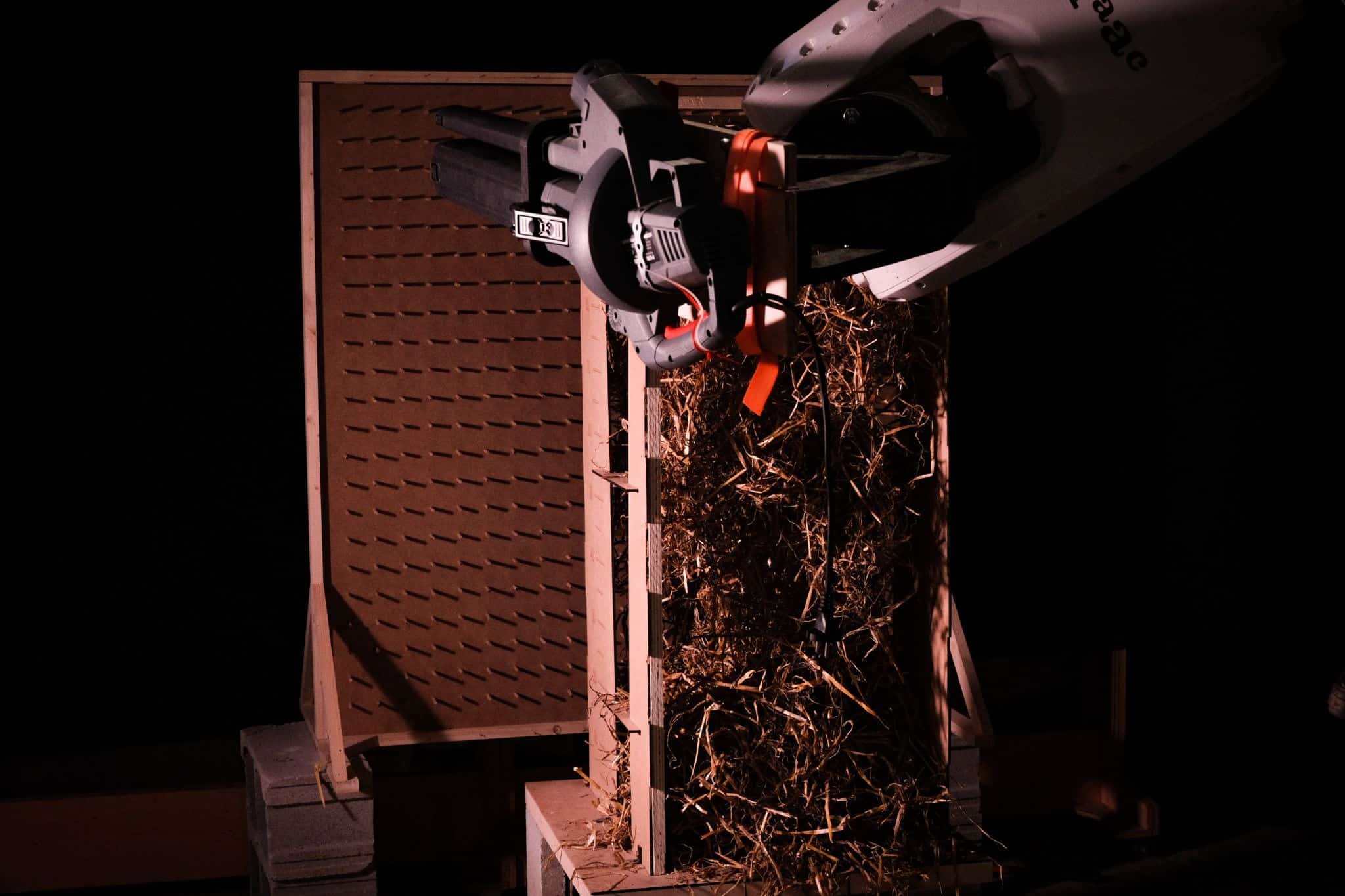
Morphologies of Making: Four Experiments in Digital Craft

Our digital fabrication journey unfolds through four experiments that explore how material, geometry, and technology negotiate form. Each project challenges a different fabrication technique: laser cutting, CNC milling, 3D printing, and robotic manufacturing, while asking a deeper question: How does digital logic reshape the language of craft? Laser Cutting Tessellated Lightfield This project explores the … Read more

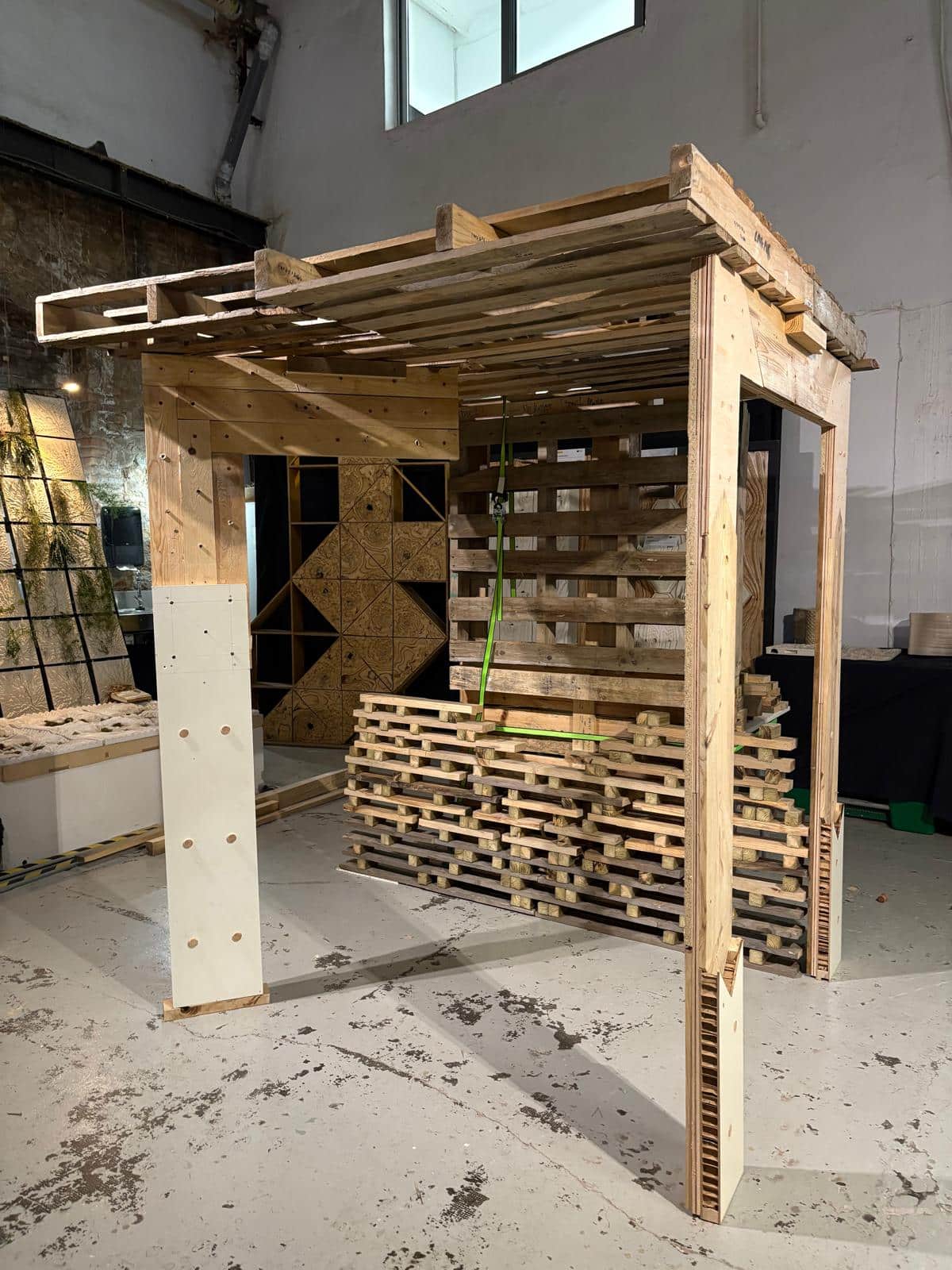
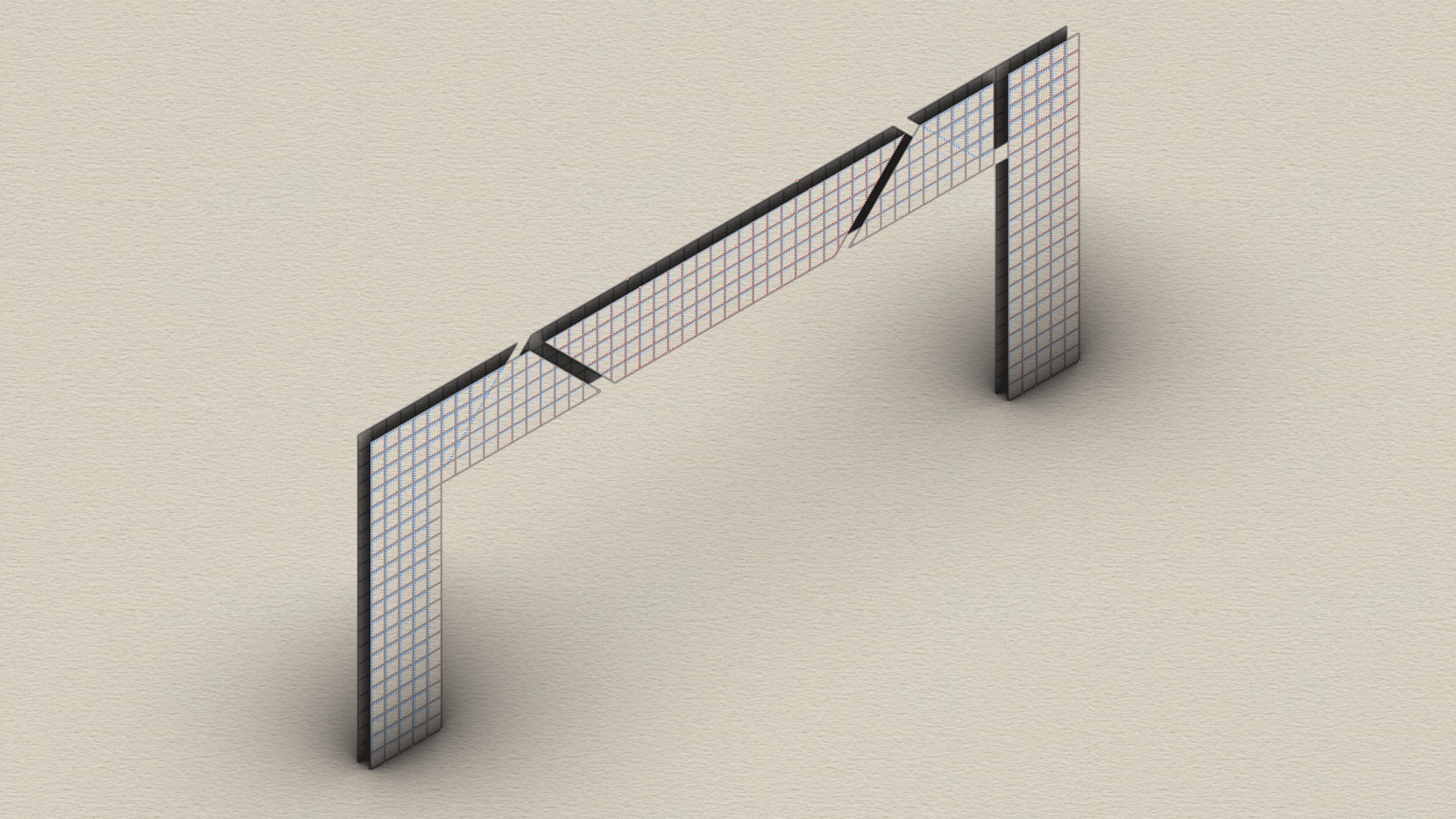
Tectonics of Digital Craft

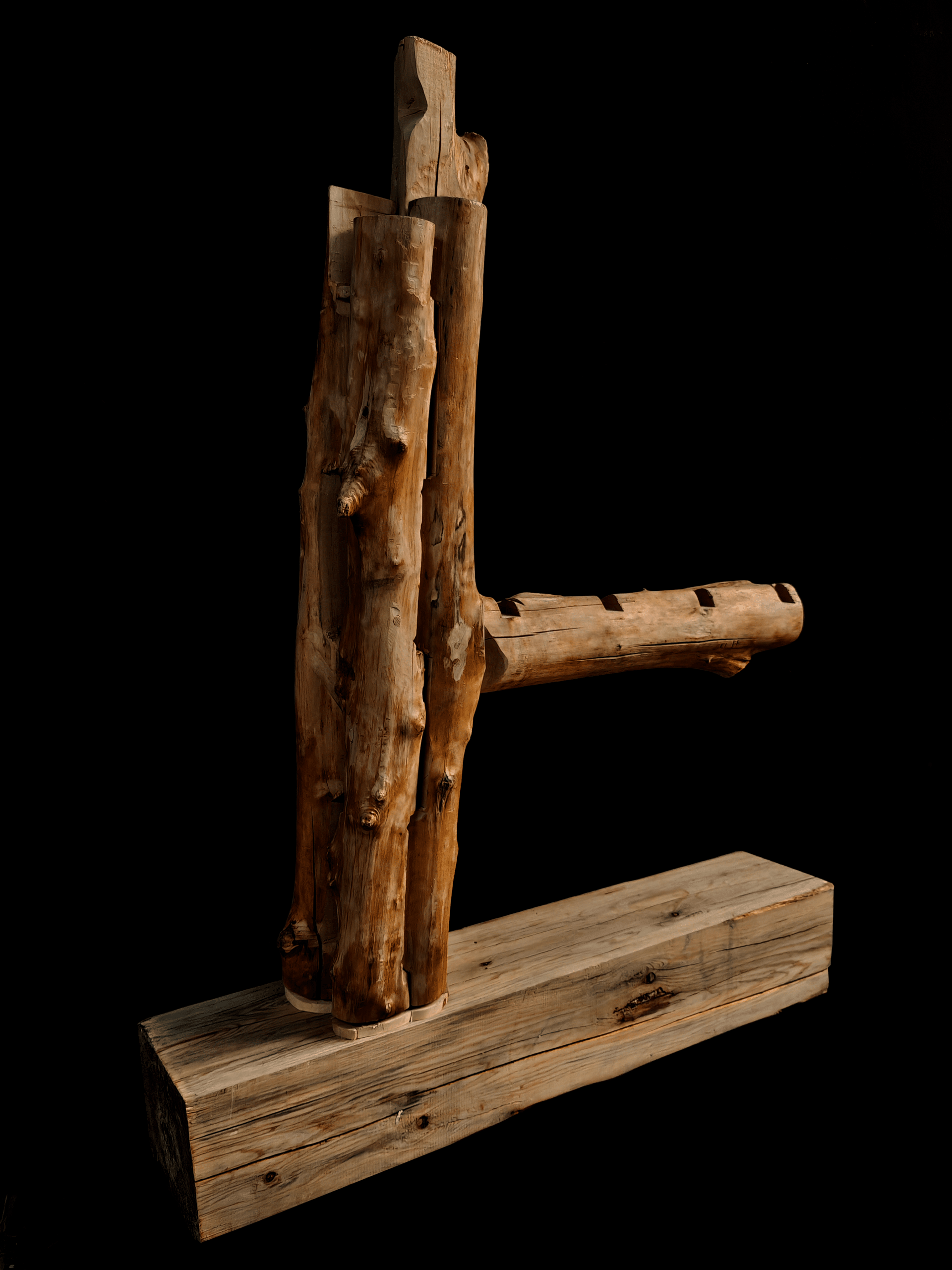
Digital fabrication enables designers to explore geometries that go beyond traditional construction constraints. The exercise focuses on translating complex geometries into constructible systems that integrate material behaviour, joinery logic, and mass customisation. Each technique allows experimentation with unique fabrication constraints, informing the evolution of the vertical element design. The outputs serve as material and geometric … Read more