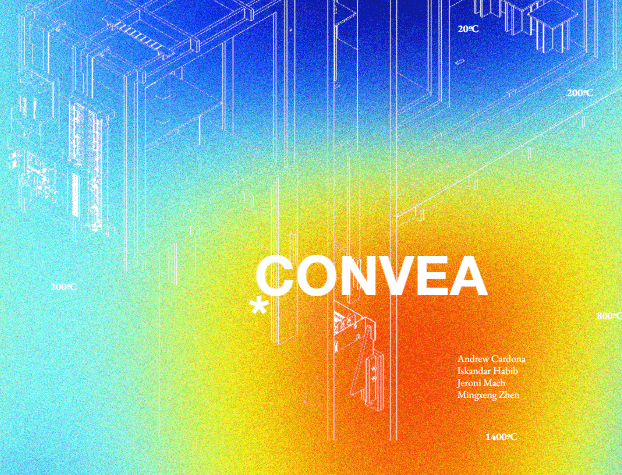
CONVEA
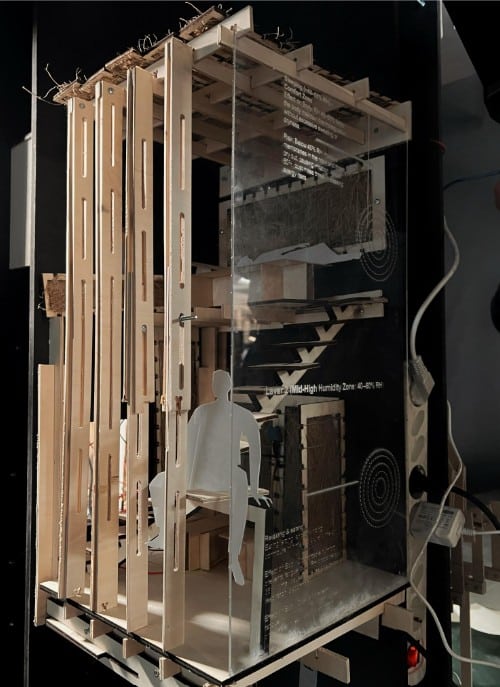
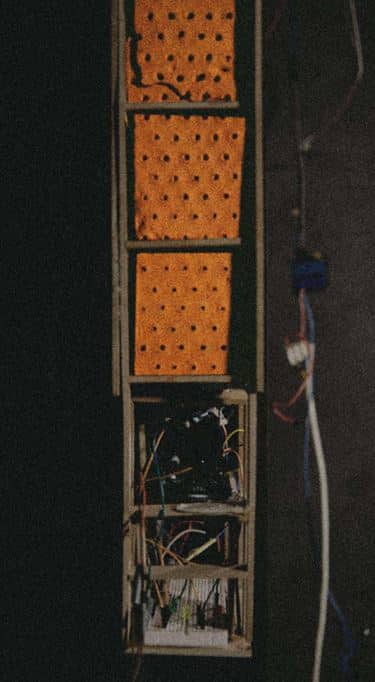
USING CORK AS A DELINEATOR OF INTERNAL CLIMATIC PROGRAMS a. initial machine phenomena studies b. first iteration of phenomena recreated c. second iteration of phenomena model on column site d. photographs of second iteration
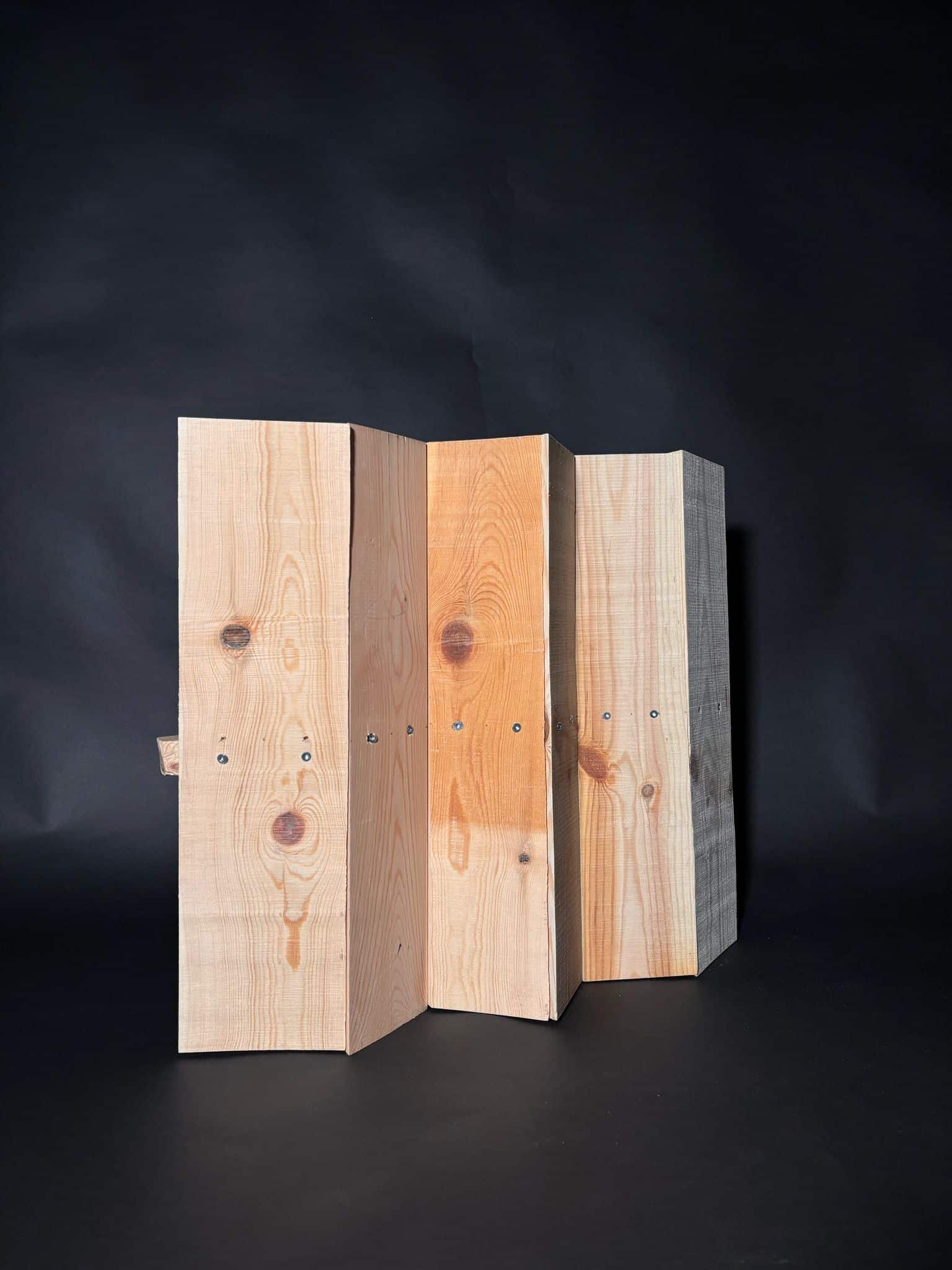
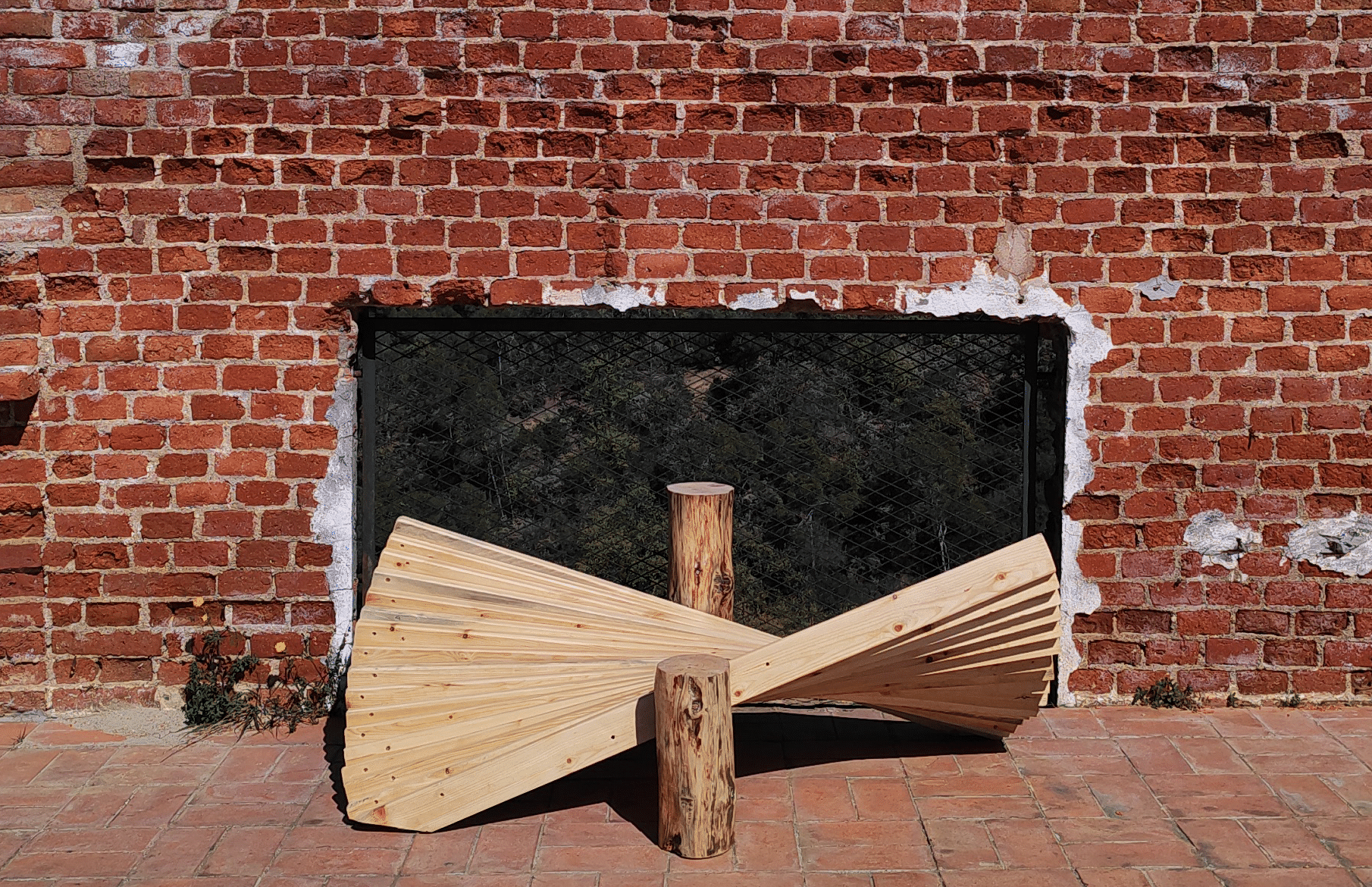
For our Collaborative Design Studio discipline we built LIANA, a nature-inspired play structure that reimagines traditional playground design for primary school children. You can read about the fabrication process here, and the installation process here. During our conceptual design stages we built a 1:1 scale prototype, using 17 planks out of the 137 that the final design … Read more
Introduction In a world where natural resources are increasingly scarce, the construction industry faces a crucial challenge: reducing material waste and maximizing the use of available resources. Wood, a traditionally used construction material, is at the center of this issue. Every year, millions of tons of wood are discarded or underutilized due to its irregular … Read more
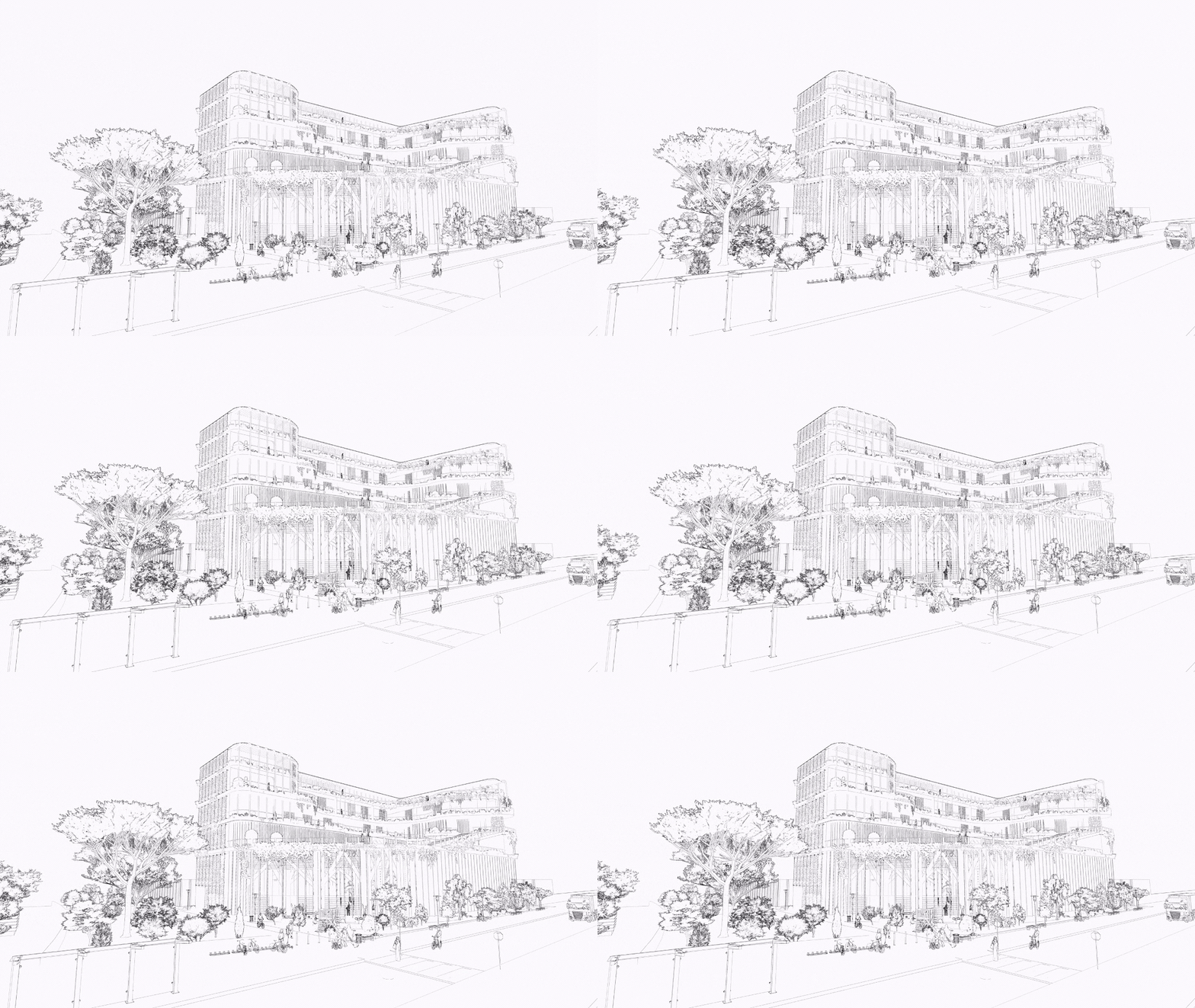
Objective The goal of this module was to take the final decisions in order to match the building design to the integrated facilities that optimize the circular economy in timber production, balancing large-scale industrial processes with small-scale habitational solutions and an holistic urban system. Chain of production Timber V4ult is the fourth in a chain … Read more
Introduction The Self sufficient building studio students were tasked to use an old yet functional electronic equipment , understand its function and then integrate it into a new prototype body, repurposing its function which could later help sustain an architectural space. I, a one man group, decided to work with water in gaseous state- steam. … Read more
Robotic Fabrication of Friction-Based Timber Joinery: Burr Puzzle Assembly This research explores robotic assembly of friction-based interlocking timber joints using the burr puzzle as a case study. The puzzle’s tight tolerances and sequential assembly pose challenges. Through modeling and robotic execution, the study shows that while a single-robot approach is feasible, dual robots are necessary … Read more
This Project explores how reflective, vernacular materials—such as ceramics—can be utilized in construction to manage infrared radiation and influence microclimates. By reflecting rather than absorbing heat, these materials contribute to passive cooling, reducing urban heat island effects and enhancing thermal comfort. We analyze the physical properties of ceramics, their historical applications in traditional architecture, and … Read more
KINXA aims to bring vernacular construction back into contemporary architecture by systemizing traditional “quincha”. At the same time, through a redesigned material system, KINXA seeks to take advantage of local resources and lower even more its precedent carbon footprint. Quincha is a technique prevalent in Latin America which consists of the use of a wood … Read more
Optoppen refers to the concept of adding prefabricated structures on top of existing rooftops to maximize space efficiently. Myy project focuses on addressing housing demand challenges by exploring lightweight housing extensions on existing buildings. My project focuses on addressing housing demand challenges by exploring lightweight housing extensions on existing buildings. Housing Shortage History Why are … Read more
This research explores the optimization of glulam in architectural design by aligning material grading and grain orientation with force trajectories. Combining glulam offcuts and higher-grade timber, the study minimizes waste while maximizing structural efficiency. Computational workflows and generative algorithms are used to design force-aligned components for scalable applications. Prototypes demonstrate enhanced performance and sustainability, offering … Read more
Objective To develop resilient, adaptable, and sustainable building envelopes that integrate active and passive design strategies, utilizing advanced ecological materials and systems to optimize energy efficiency, recyclability, and environmental responsiveness throughout their lifecycle. Location Case Studies Wind & Sun Path Analysis Solar Radiation Diagram Envelope Layer : Roof Pergolas Design Intent : Our pergolas were … Read more
App Description The Shoji Studio app is a user-friendly platform that allows users to design and customize their own Japanese-style wall partition panels. With this app, users can choose the size of their panel by selecting the number of modules needed – each module is 30x30cm, allowing for precise control over both length and height. … Read more