Flap-alona – butterflies, pollinators and Barcelona’s gardens

Pollinators, bees, butterflies, moths, bumblebees, quietly keep our ecosystems alive. They enable flowering plants to reproduce, sustain wild biodiversity, and support much of our food supply. Yet many of these species are in decline worldwide, threatened by habitat loss, chemical use, urban sprawl and climate change. In cities like Barcelona, where green spaces, gardens, parks … Read more

CoolStreets Lab

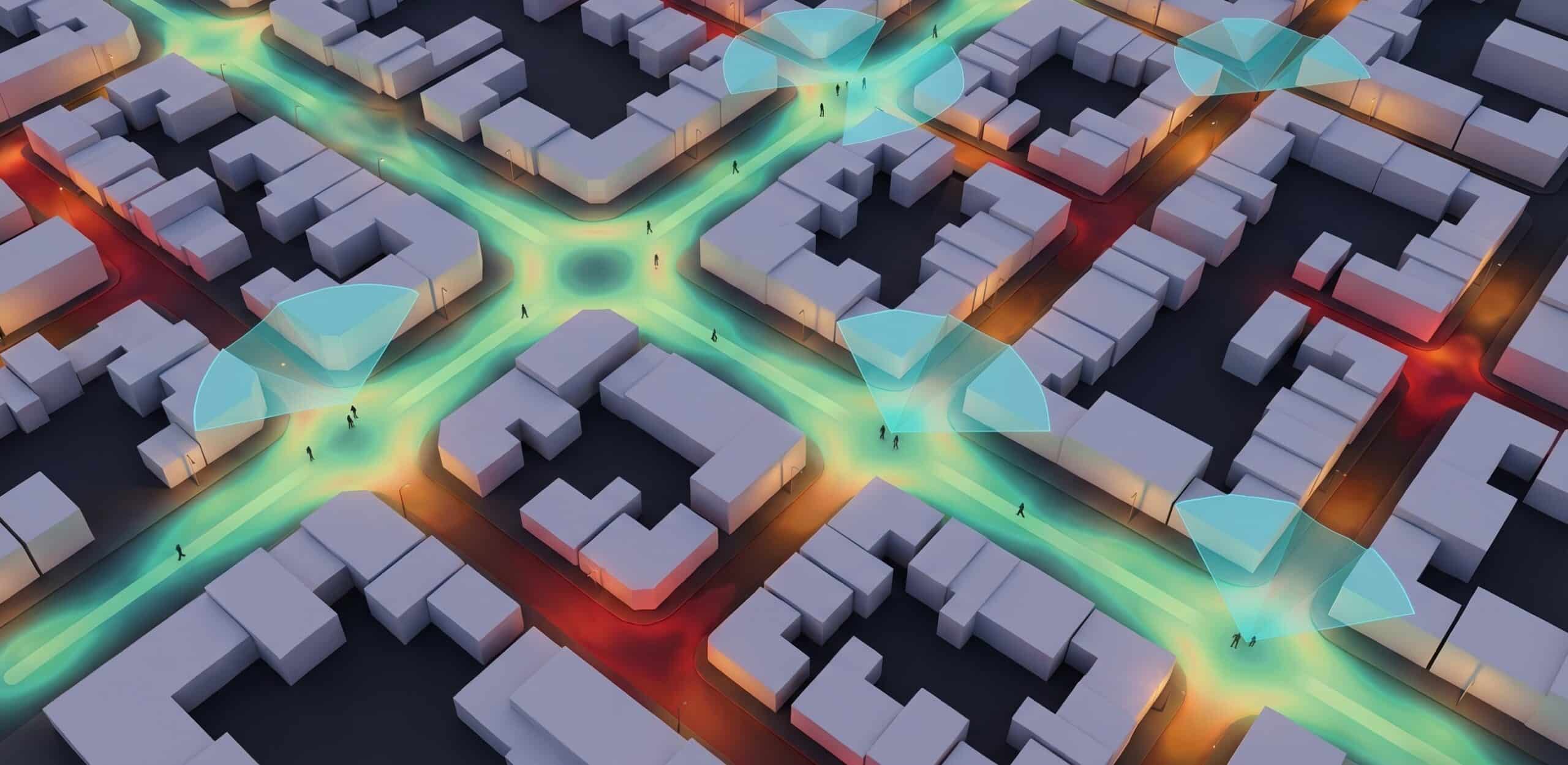
PROBLEM SOLUTION CoolStreets Lab provides scalable, practical micro-scale heat-risk maps that help cities identify where to cool, shade, and protect their most vulnerable areas. COMPETITION BUSINESS MODEL Target Customers Business Model Early Validation Expert Interviews Key Insight Municipality Feedback Unit Economics TEAM FUNDING NEED WHAT THIS COVERS WHY THIS AMOUNT This is the minimum budget … Read more

Our Sprint Through Parc dels Pins

We had an incredible, whirlwind five days co-creating public spaces with Pablo Muñoz, Luisa Torres, Josefina Ovalle Parot, and the amazing community of Santa Coloma de Gramenet. It felt like a rapid-fire game—running around the park, talking to people, collecting stories, analyzing data in GIS and Grasshopper, figuring out who to design for, and then … Read more

Connexió (Connection)

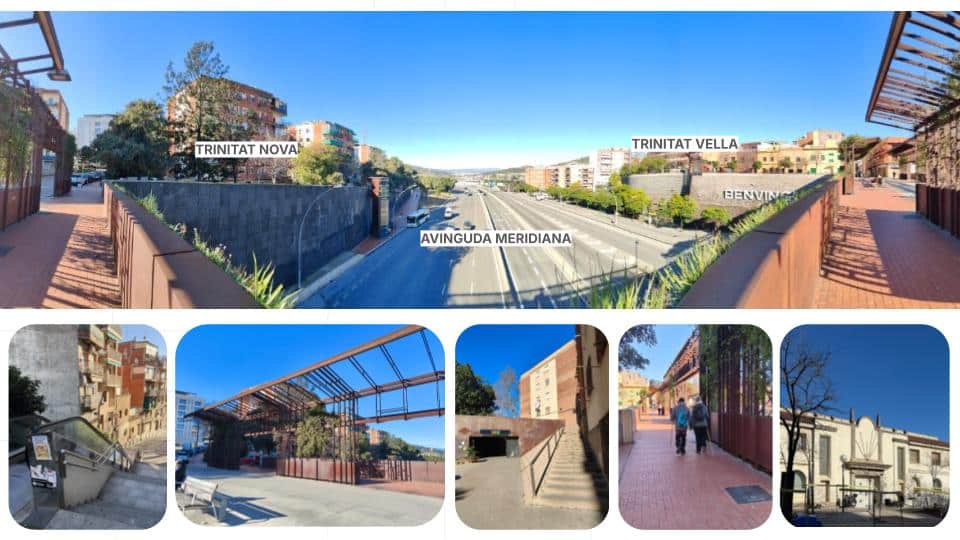
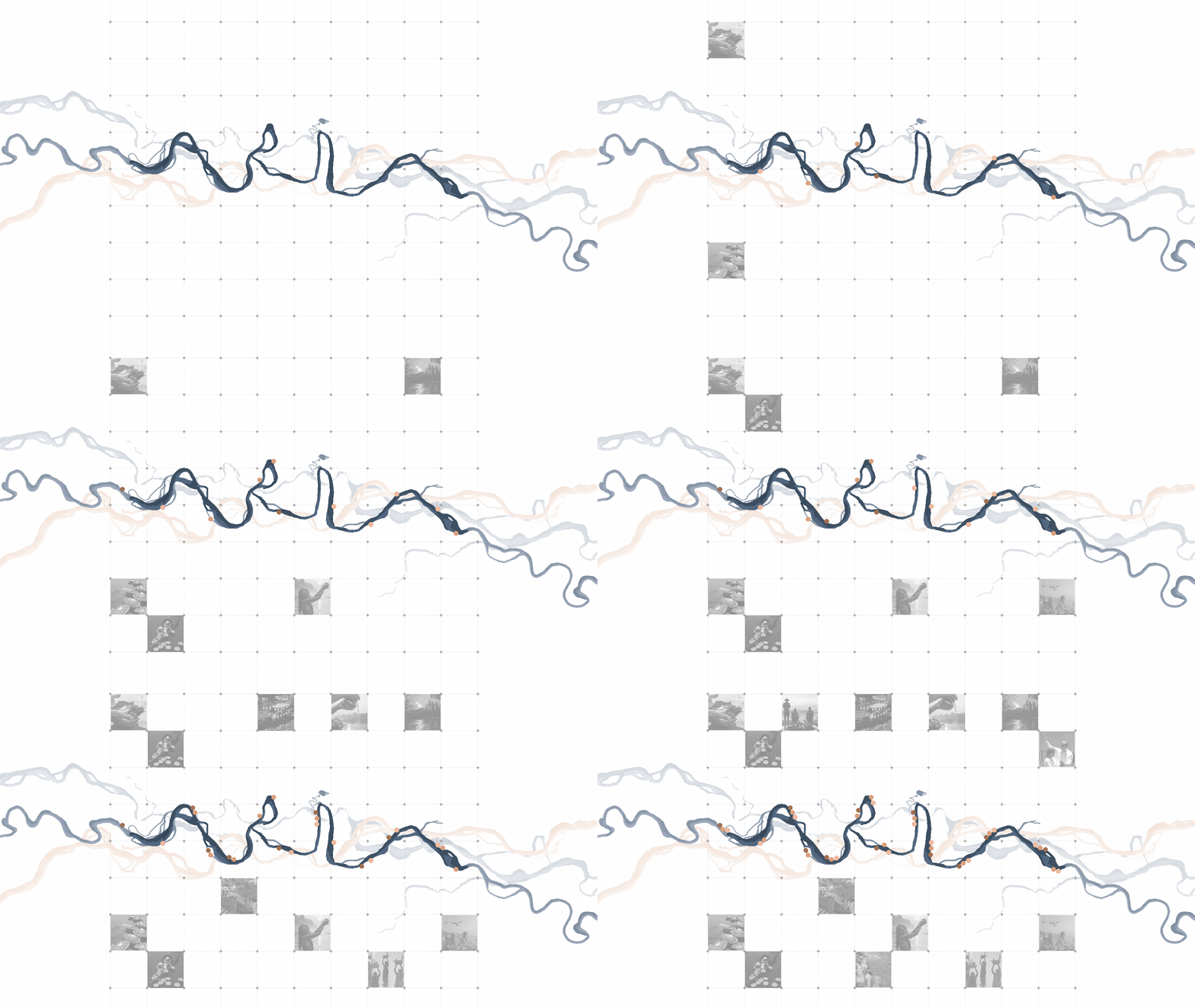
Santa Coloma de Gramenet, located to the north of Barcelona, is bordered by the Besòs River on the west and the Marina Mountain Range on the north. The city’s terrain features an irregular relief that rises to 303 meters at Mount Castellar, its highest point, a topographical character also visible within Parc dels Pins. The … Read more

LumiMaze

The goal of this project is to design a smart light maze that reacts to the movement or presence of people. In this system, the paths and walls of the maze are made of colorful LED strips (such as NeoPixel), which light up dynamically and interactively as participants move through the maze. When a person … Read more

AutoAdapt

All seats in public areas are typically uniform in height; however, individuals differ in stature. When a seat is elevated, a child may find it challenging to access, whereas a low seat could cause discomfort for a taller individual. The optimal proportion is that the chair’s seat height should be approximately 25% of your total … Read more

Wildlife Integrating Landscape Design Artificial Intelligence – WILD.AI — Term_III

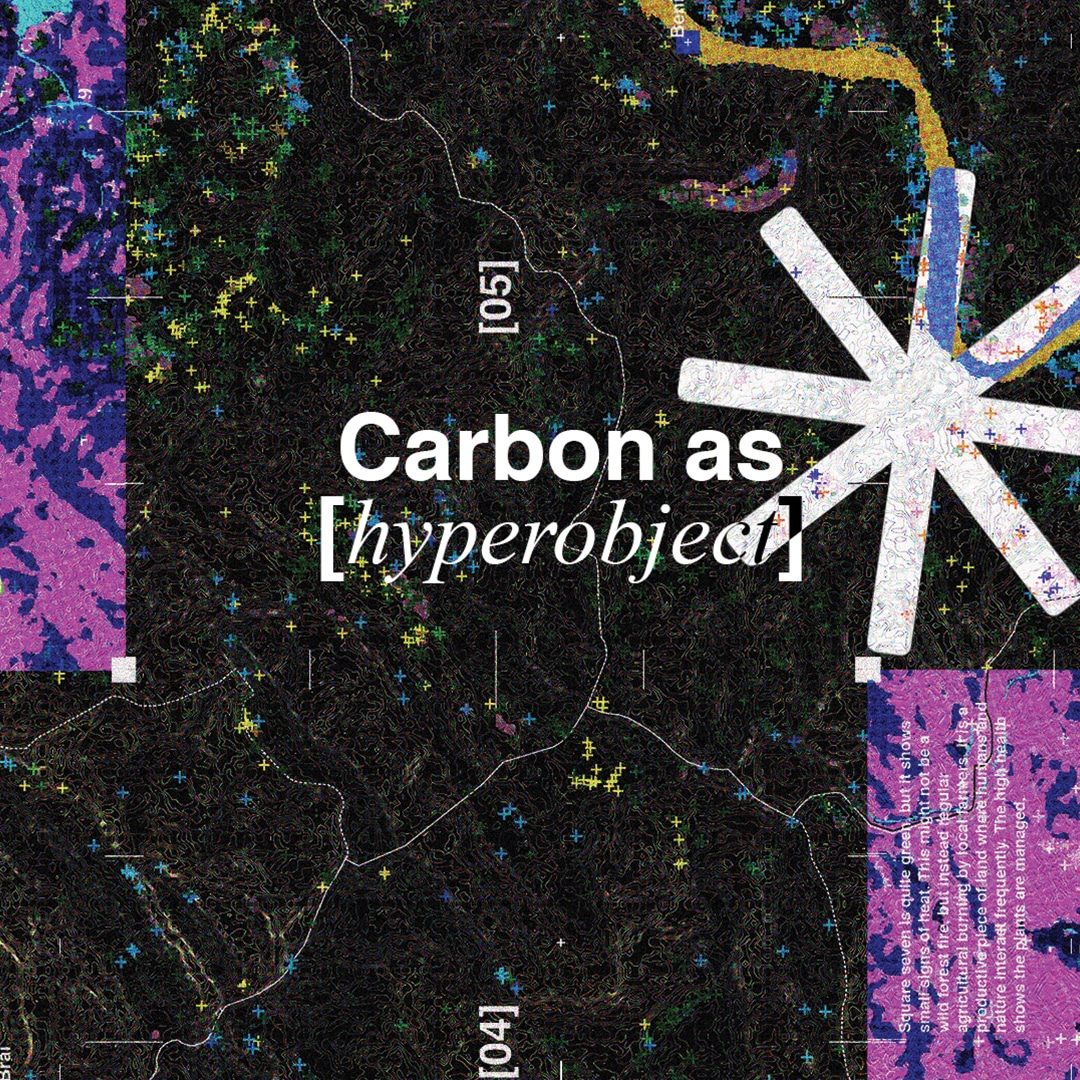
CONTEXT DYNAMICS METHODOLOGY ANALYSIS By subtracting different scenarios from one another: The differences start to become clear as to what areas are consisently lost vs what areas are inconsistently lost. The latter being the one where planners and ecologists should focus their efforts the most if aiming to potentialize action. The figure becomes even clearer … Read more

[Un]becoming Local

Abstract: Framing the Question This research begins with a simple but unresolved question: how can modular housing design become local. In the twenty-first century, architects face a housing crisis shaped by financialisation, scarcity, and displacement. Modularity is often presented as a global solution that promises efficiency and scalability. Yet when implemented, these systems rarely connect … Read more

Andromeda

Andromeda

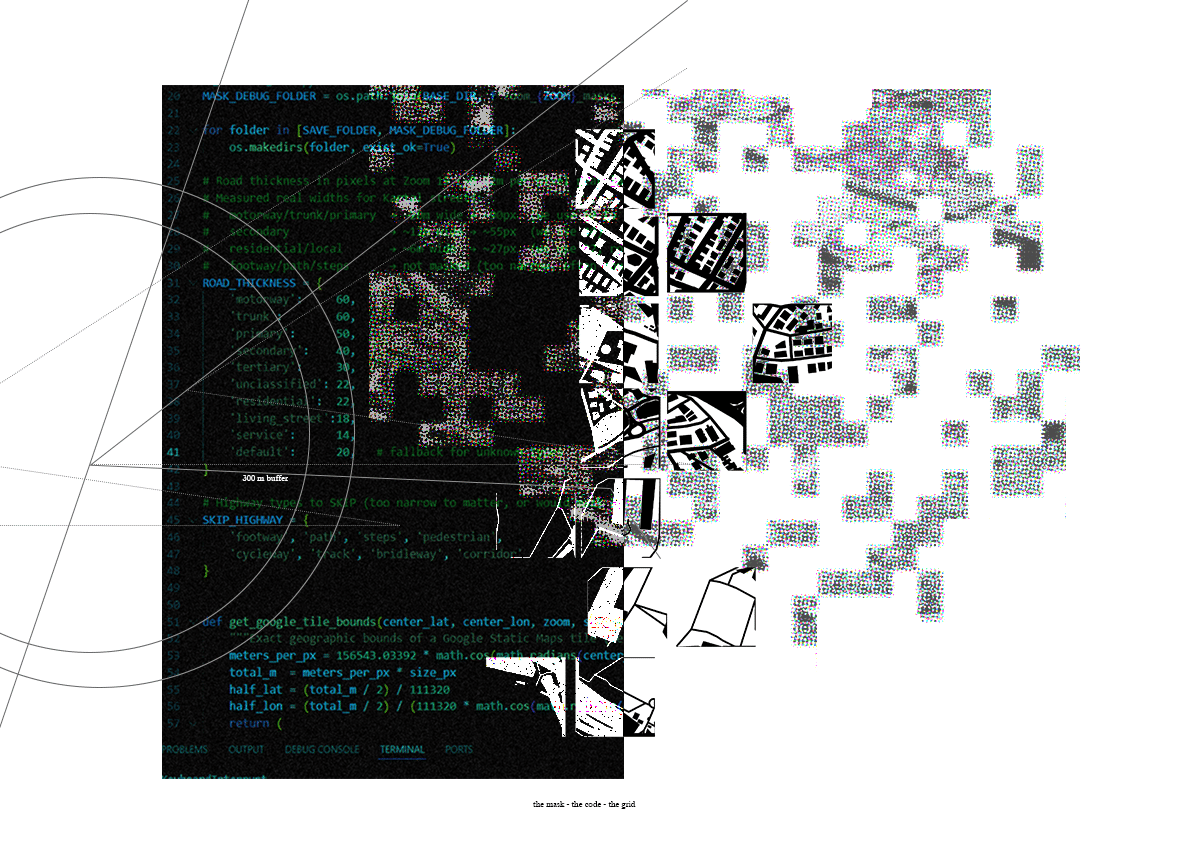
Andromeda is a Rhino-native copilot that turns briefs, context, and massing into a single, interpretable graph so designers can enrich masterplans, evaluate KPIs, and bake results back to Rhino, without leaving their workflow. Built for early-stage masterplanning, it aims to raise social value, connectivity, accessibility, and overall urban quality by unifying data, guiding program allocation, … Read more

Urban Climate on Graphs: From Form to Comfort

ABSTRACT This thesis investigates the relationship between urban development patterns and outdoor thermal comfort, with a focus on Mean Radiant Temperature (MRT), a key factor in calculating the Universal Thermal Climate Index (UTCI).  While graph-based approaches have long been used in spatial analysis (e.g., space syntax, circulation networks), this research extends the application of graph … Read more

Diálogos Urbanos (04)

Prácticas afectivas en la interfaz público-privada de Ciutat Vella – València 1_ PRELUDIO Diálogos Urbanos surge en la intersección entre un proyecto de investigación, un registro coreo-carto-biográfico, una interfaz de reflexión sobre la ciudad que habito, y algunos puntos de fuga hacia imaginarios futuros desde una práctica de diseño que recupere la dimensión afectiva y … Read more

ACTIVOS URBANOS EVOLUTIVOS

Sobre latencias y oportunidades del abordaje de la vacancia en la Ciudad de Mendoza RESUMEN La problemática de los pasivos urbanos, definidos como terrenos subutilizados o infraestructuras obsoletas dentro del tejido urbano, constituye un fenómeno global con implicaciones territoriales y socioeconómicas a escala local. La expansión urbana no planificada, caracterizada por patrones de crecimiento de … Read more

RECLIM – Regeneración Climática Urbana Evolutiva

Generando Infraestructuras múltiples para la transformación de barrios vulnerables Introducción En las últimas décadas, el crecimiento urbano ha estado marcado por una desconexión progresiva entre las ciudades y los sistemas naturales que las rodean. Esta tendencia ha propiciado una expansión urbana descontrolada, acompañada de una intensa explotación de recursos naturales y la ocupación de ecosistemas … Read more

Infraestructuras simpoiéticas (iv)

Hacia la reconquista de los No Lugares urbanos: El caso del aeropuerto EOH de Medellín 00 Introducción Las infraestructuras globales Las infraestructuras son uno de los temas centrales dentro de la planeación urbana mundial, 6 de los 17 “Objetivos de Desarrollo Sostenible” establecidos por la ONU están relacionados con ellas. Allí, las definen como “la … Read more