
When one mentions an origami, images come to mind easily – that of animal-shaped paper, the kind that fits inside your palm. However, the geometrical aspects and advantages of folding structures have been explored on a larger scale for some time now, with impressively practical results. In architecture, an apparently complex yet harmonious facade has yet to leave onlooking eyes indifferent.
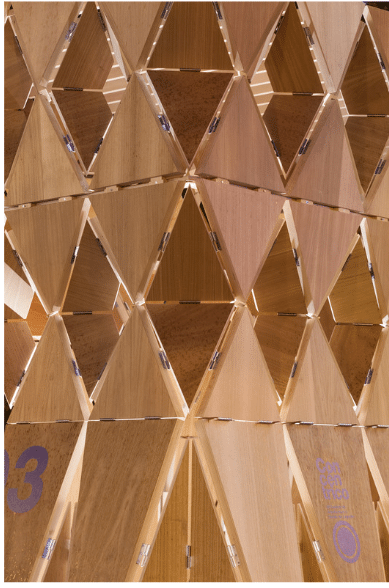
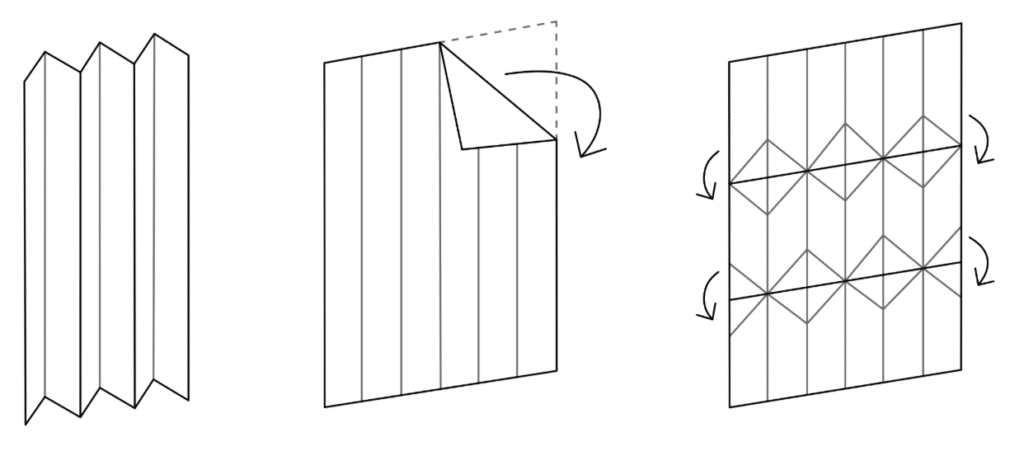
Bringing origami into parametric design means that form emerges from rules; algorithms are able to generate the patterns and creases that might adapt to the material. It this way, one can allow flat planks to fold with something that is no longer intuition but learning and intelligence. So something that was originally thought in paper surfaces, now can turn into a system when is programmed – for example, facades that react to light. Parametrisation shows how complexity and simplicity merge, merging digital logic with a simple fold.
In general, Barcelona facades are not flat, they articulate through balconies, shutters… One can think about this as an urban culture of folding the facade outward. It doesn’t seem crazy to connect the logic of origami to Barcelona’s urbanism. Replacing those balconies with surfaces, shutters as folding panels, creating shade through parameterisation, rethinking Barcelona’s porosity as rule driven.
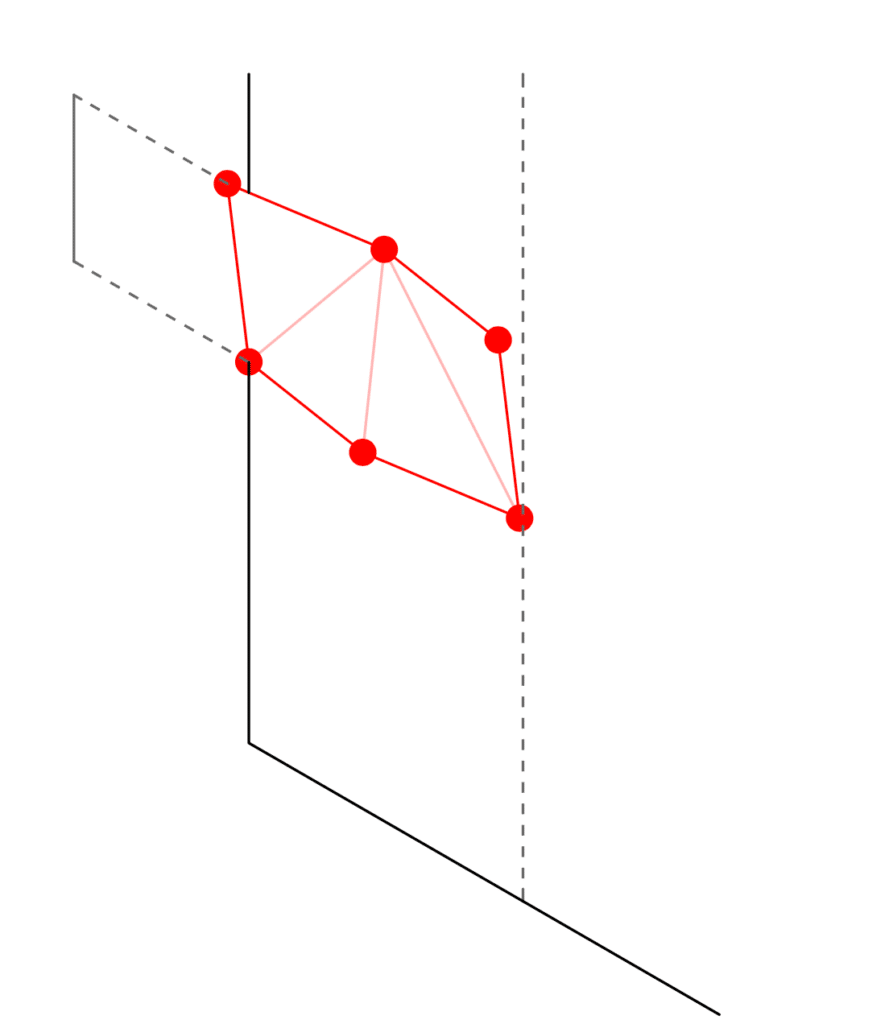
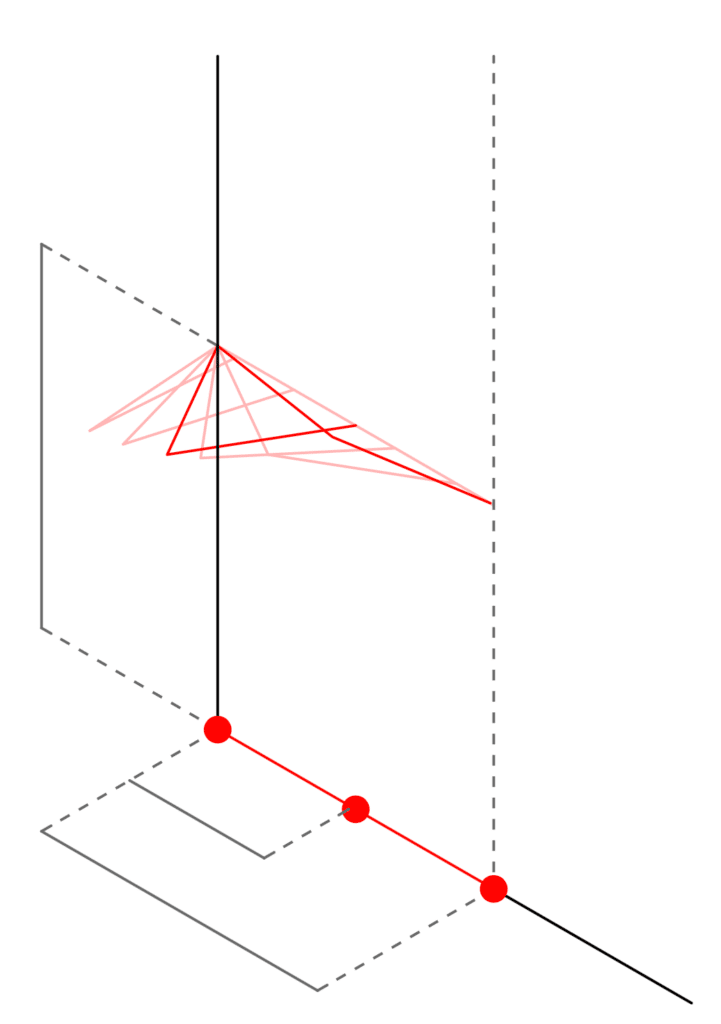
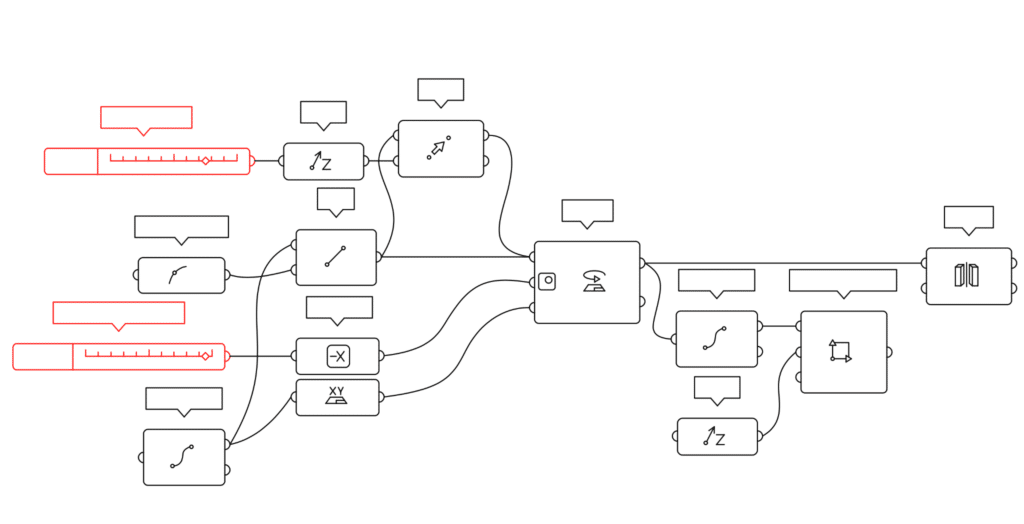
In order for the mechanism to work, an axis must work as a hinge for the folding and unfolding. By parameterising the angle, Grasshopper is able to compute the position of the geometry as many times as angles chosen. From the architectural perspective, this script allows you to control where to start the facade; being able to have the origami system from the first floor upward.
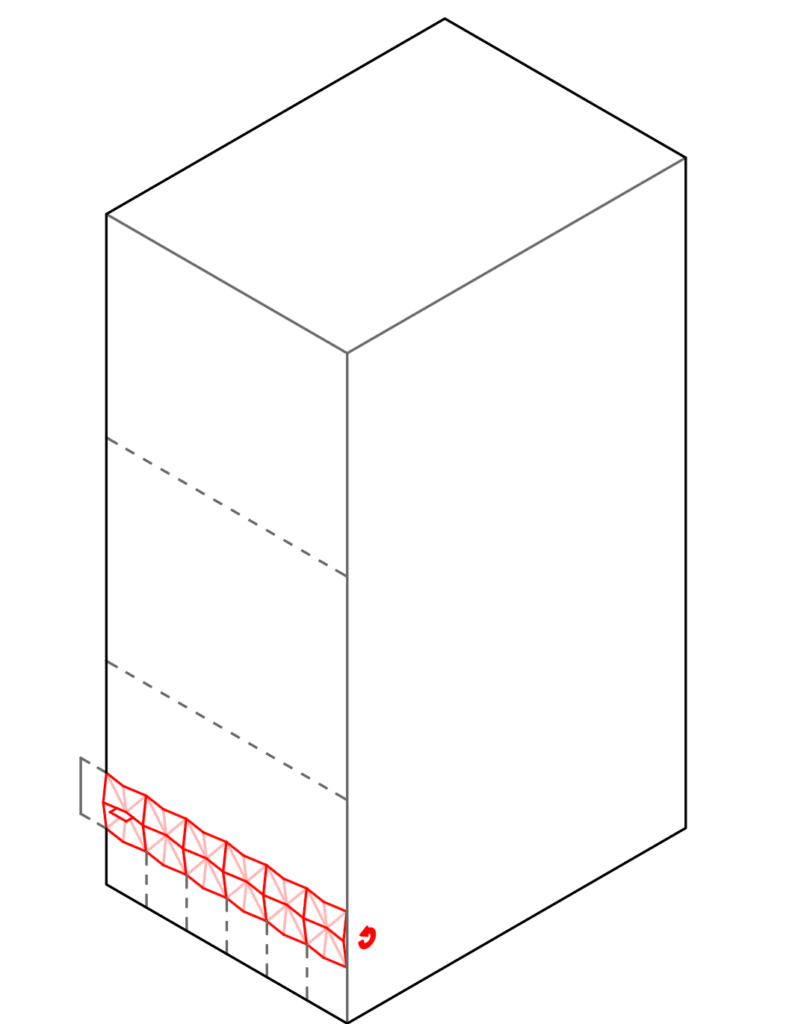
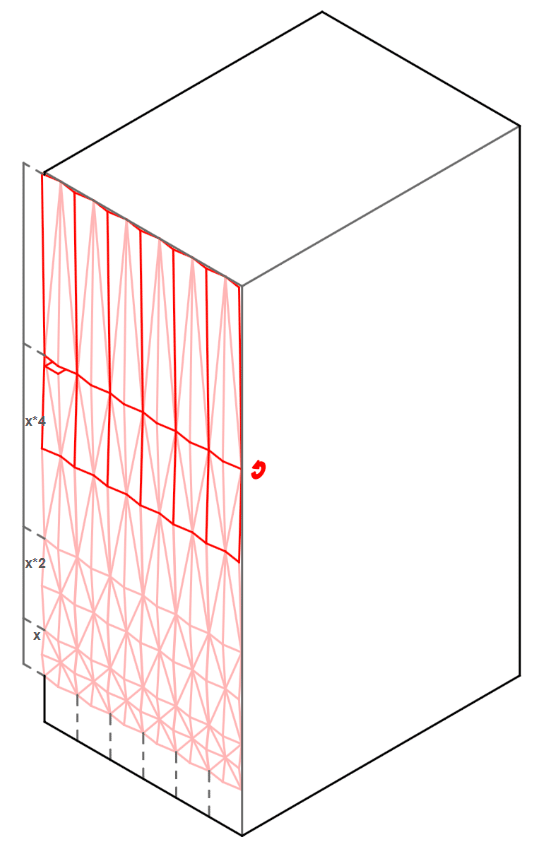
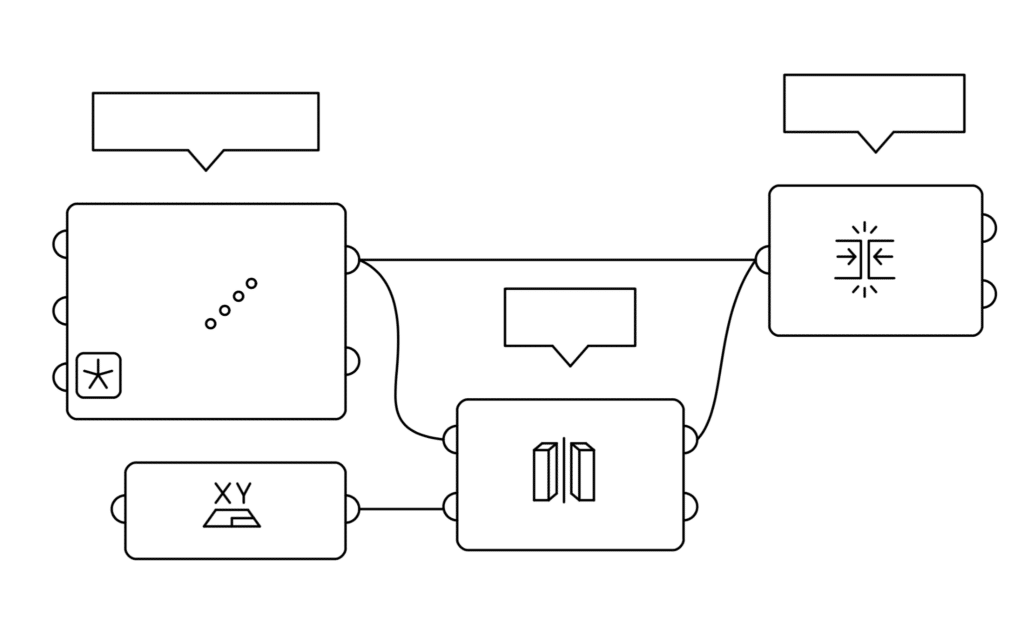
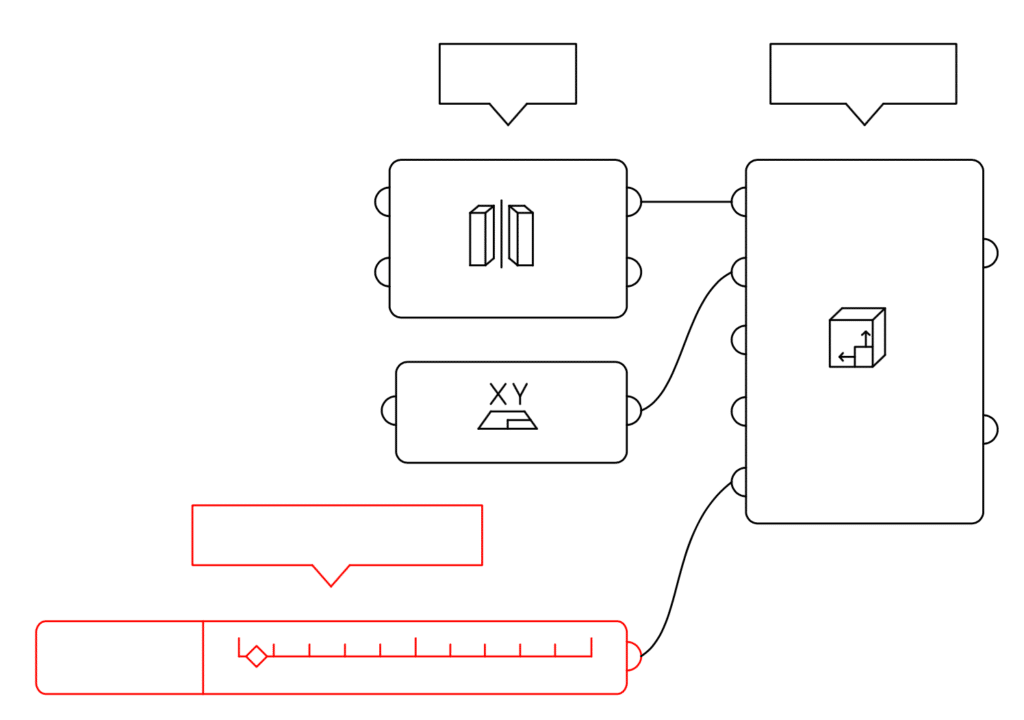
Once mirrored and scale, a simple shape can easily and elegantly cover an entire facade.
Not satisfied with style alone, we also opted for practicality. Having a folding system are able to potentially reduce direct solar penetration inside the building by 50-60%. Also, they can work to slow or redirect the wind by its geometry and angle of folding; in other words, it helps the facade to breathe. Its adaptiveness can be seasonal: in summer the fold block the heat; in winter, the light can be redirected to the interior depending on the material.
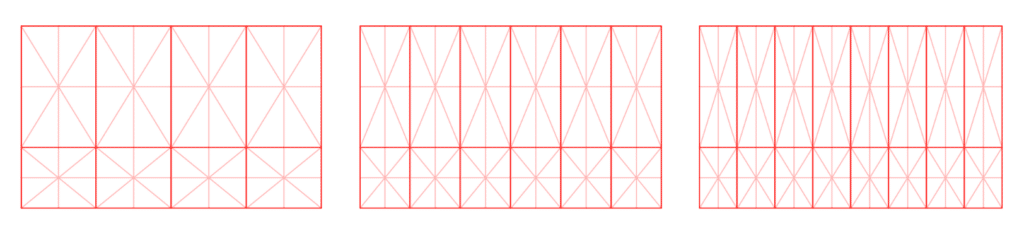
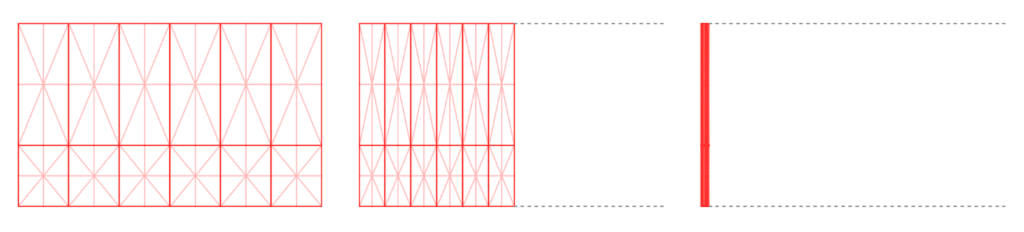
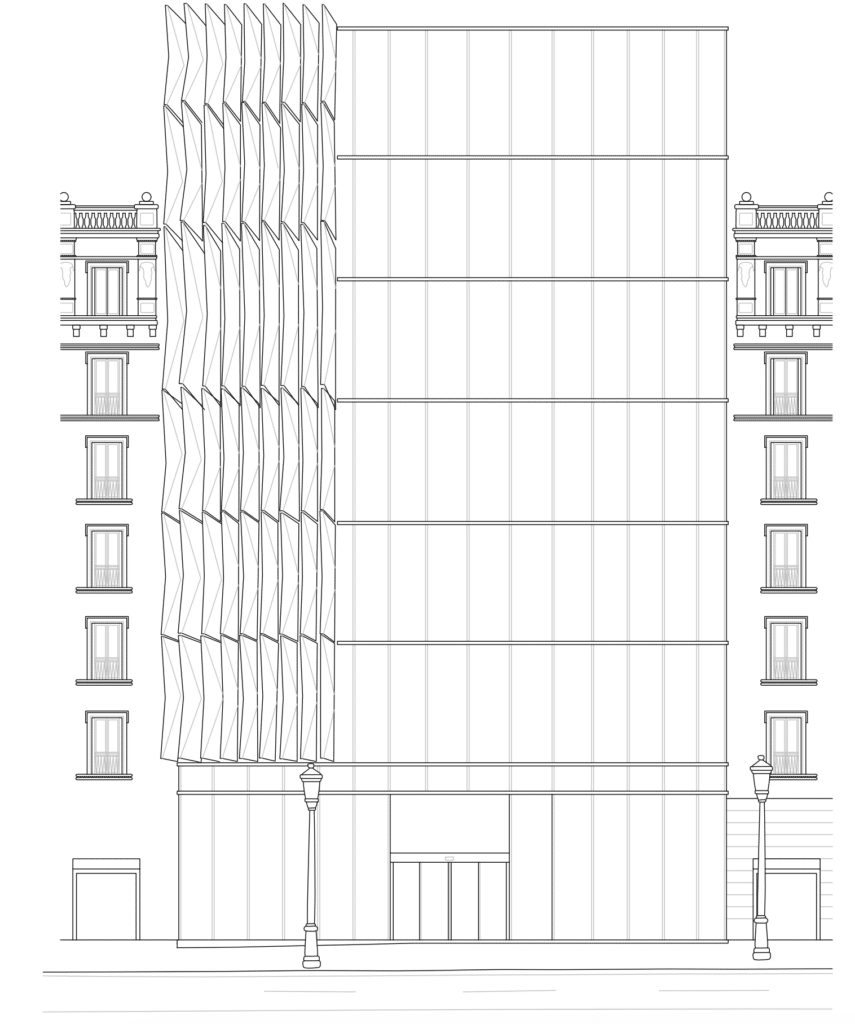
The facade uses a modular approach through repetition and pattern. The foldings are rules, that transform flat materials into spatial volumes. We achieve a complex shape with elegance, through simple steps and rules. This facade can be understood as a computational and digital continuation of contemporary Barcelona’s architectural traditions. The goal was to rethink Barcelona’s geometric urban order, climate and facade depth, through parameterisation.
