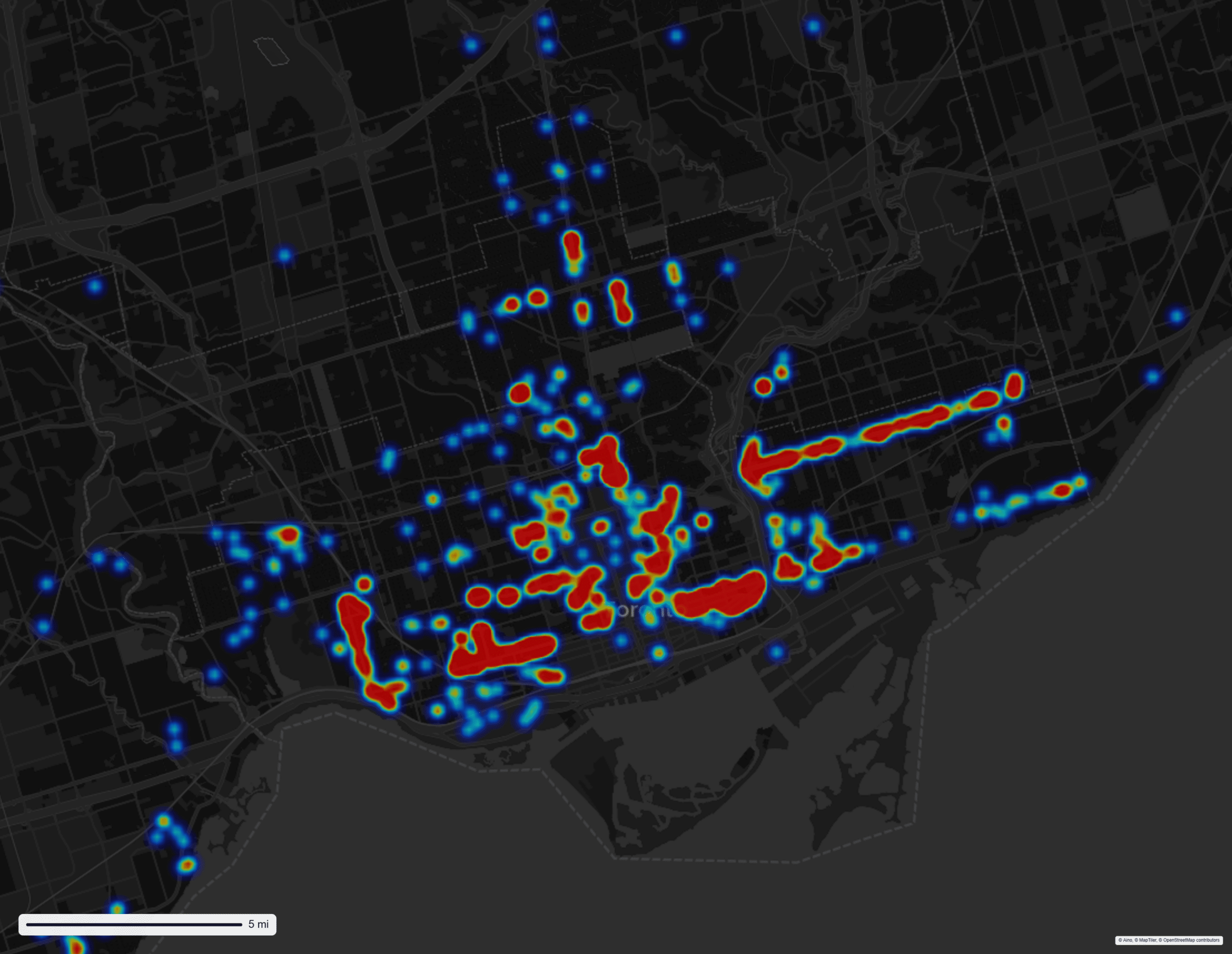
A Systematic Review of Toronto Architectural Heritage Register
Applying CLIP vector embeddings to defensibly evaluate the architectural value of heritage-listed buildings Project Summary Project Presentation

Applying CLIP vector embeddings to defensibly evaluate the architectural value of heritage-listed buildings Project Summary Project Presentation
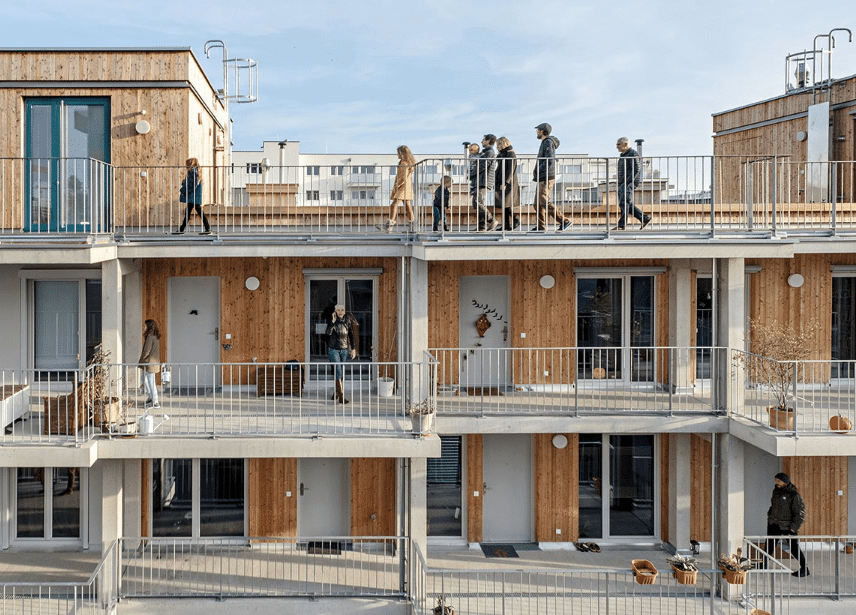
Introduction When we imagine a corridor in a typical apartment building, we picture a purely functional passageway — a space designed for movement, not for meeting. These circulation zones are often long, narrow, and socially inert. Yet they structure much of our daily experience of housing, shaping how residents encounter one another. Cohousing projects show … Read more
Abstract and purposeThe collapse of the European wool value chain—processing shifted east, traditional breeds producing coarse, low‑value fibre, and raw fleece often classed as waste—coincides with a crisis in ceiling construction: high embodied carbon, linear material flows, and aesthetic loss. This thesis proposes CatVa: a prefabricated compressed earth–grog block reinforced with directionally aligned waste wool … Read more

The building The Narkomfin Building was completed in 1930 in Moscow, designed by Moisei Ginzburg and Ignaty Milinis. It is one of the most recognized examples of Soviet Constructivist housing — a dom-kommuna, or communal house. The design was deliberately unconventional: kitchens were minimal because residents were expected to eat in a shared canteen, and living … Read more

MAA/MRAC Studio Term 3 — 2025/2026 | Robotics for Ecological Building When you think of wool, construction probably isn’t the first thing that comes to mind. But wool has a longer history as a building material than most people realize, and it carries inherent properties that make it genuinely compelling for architecture: moisture regulation, thermal … Read more

Robotic Fabrication of Small-Diameter Whole Timber for Construction Systems in a Plantation Forestry Context
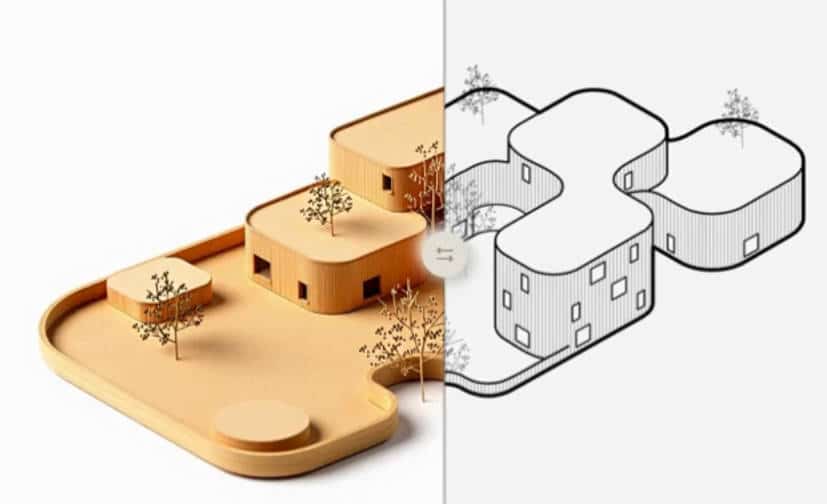
Every great building begins as a small model and a messy desk Abstract As architects we spend hours making physical study models, cutting foam, assembling balsa, running the 3D printer. These models are essential, but the process is slow. Crafty Studio asks a simple question: “What if you could see your design as a physical … Read more

The promise of AI agents is compelling: systems that can sense their environment, plan strategically, take action, and learn from experience. But as organizations begin deploying these systems in production, a troubling reality emerges. The very capabilities that make AI agents powerful—their ability to reason, adapt, and solve novel problems—also make them frustratingly unpredictable. This … Read more

Intro This digital essay explores the growing trend of designing interior spaces for image consumption rather than functional use. This project investigates the consequences for public spaces when they are reshaped by the “economy of likes”. Drawing on Guy Debord’s Society of the Spectacle, the researchers argue that social relations are increasingly mediated through images, … Read more
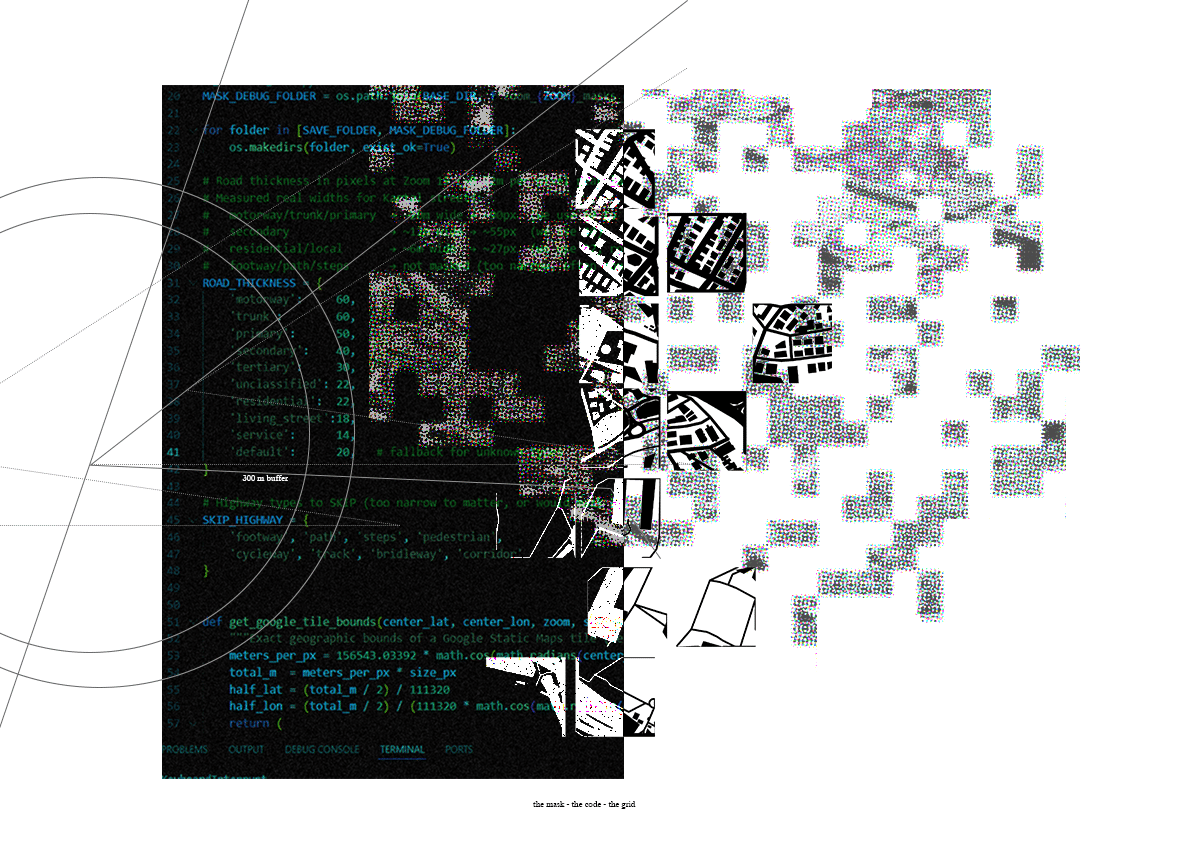
atlas of vacant spaces Urban vacant land in dense, post-industrial cities remains spatially invisible: absent from open datasets despite its potential to address chronic green space deficits. This thesis “vo:id” is a pipeline detecting, classifying, and prioritizing urban voids using only globally covered open data. Combining OSM-based negative masking, vision-language model classification, and human-in-the-loop validation, … Read more
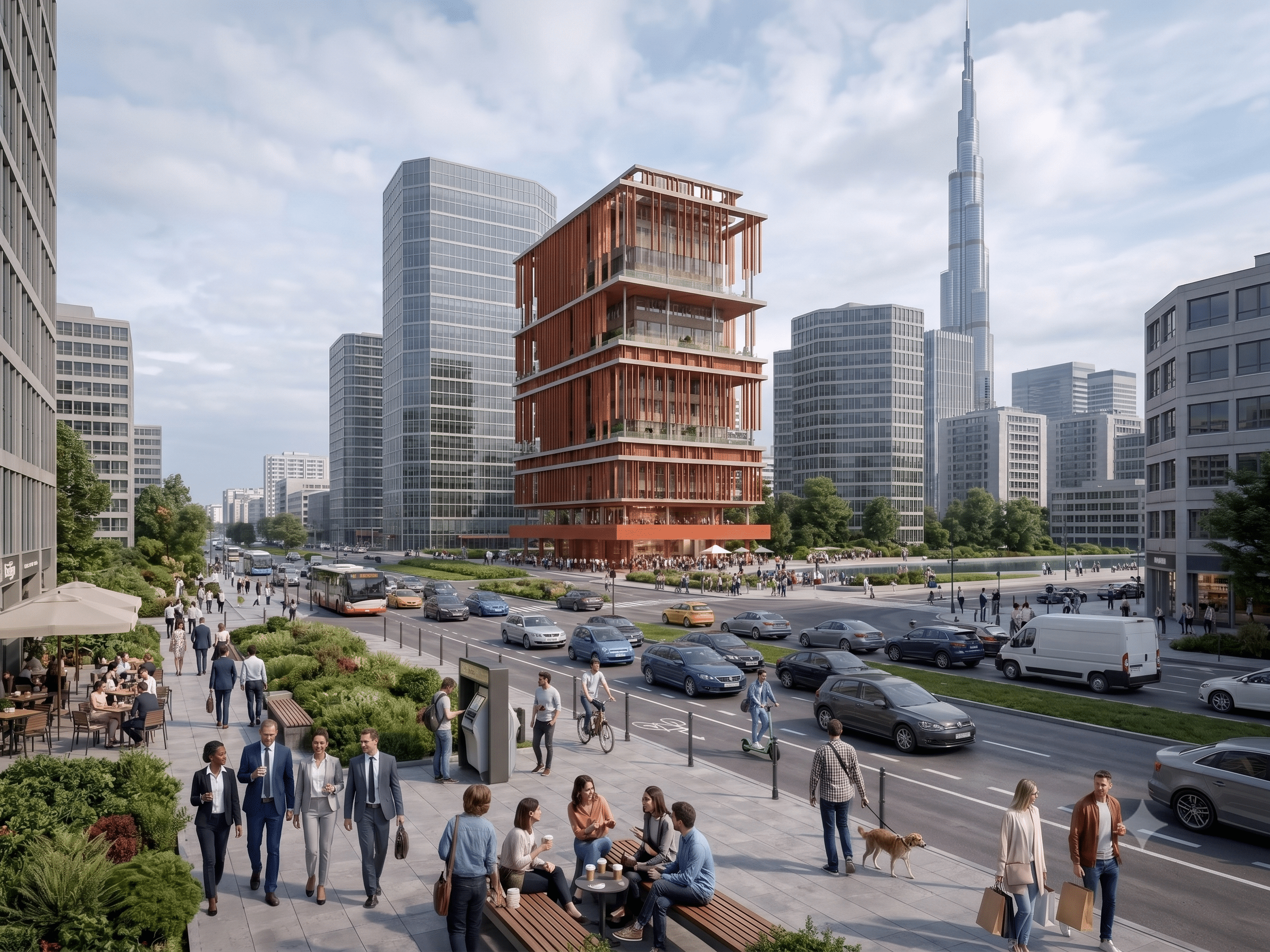
This research explores the use of Wallacei X to optimize a parametric facade for a site in Dubai, UAE. The study evaluates facade performance based on four objectives: maximizing sun hours, minimizing solar radiation, minimizing material consumption, and maximizing views. Through evolutionary optimization, hundreds of design variations were generated and assessed, revealing the trade-offs between … Read more
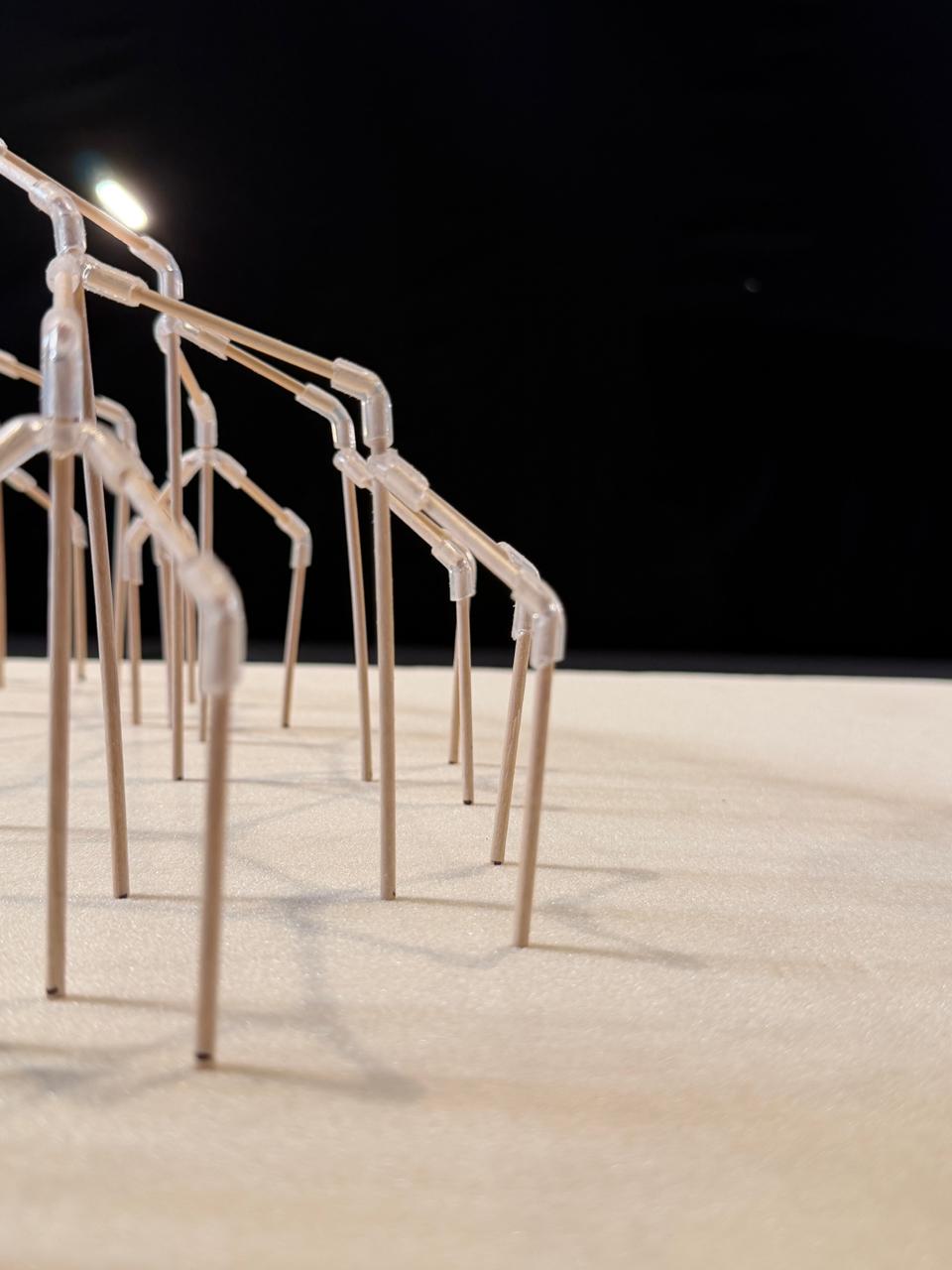
“ An AR-Driven Biomimetic Pavilion Generated Through Environmental Field Behavior “ Architectural pavilion design and fabrication often require complex digital workflows, technical expertise, and multiple visualization tools, making the process difficult for rapid concept development and real-world understanding. Designers also face challenges in translating organic, nature-inspired forms into fabrication-friendly structures. BIOMIMICRY PAVILIONS Organic Geometry Biomimicry … Read more

Can Street Geometry Predict Urban Safety Risk? A machine-learning pipeline that classifies street morphology into risk typologies — from OpenStreetMap features to multi-city deployment, dead ends included. This post documents the full arc of our Urban Safety project — not just the results, but the reasoning, the wrong turns, and what we learned from them. … Read more