Bornet’s Agentic AI: Understanding Multi-Agent Systems and the Creativity-Reliability Dilemma

The promise of AI agents is compelling: systems that can sense their environment, plan strategically, take action, and learn from experience. But as organizations begin deploying these systems in production, a troubling reality emerges. The very capabilities that make AI agents powerful—their ability to reason, adapt, and solve novel problems—also make them frustratingly unpredictable. This … Read more

The Likable Public

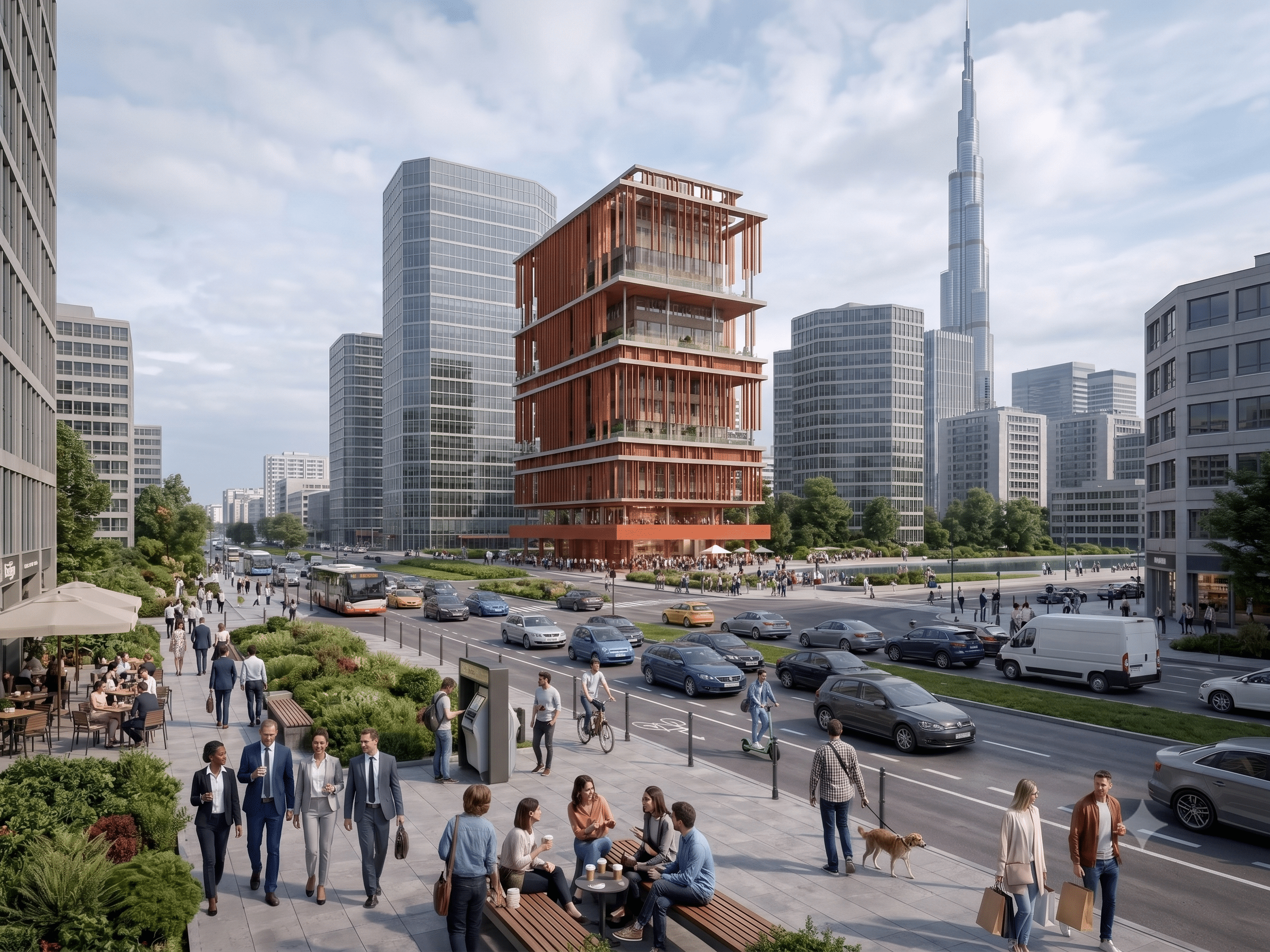
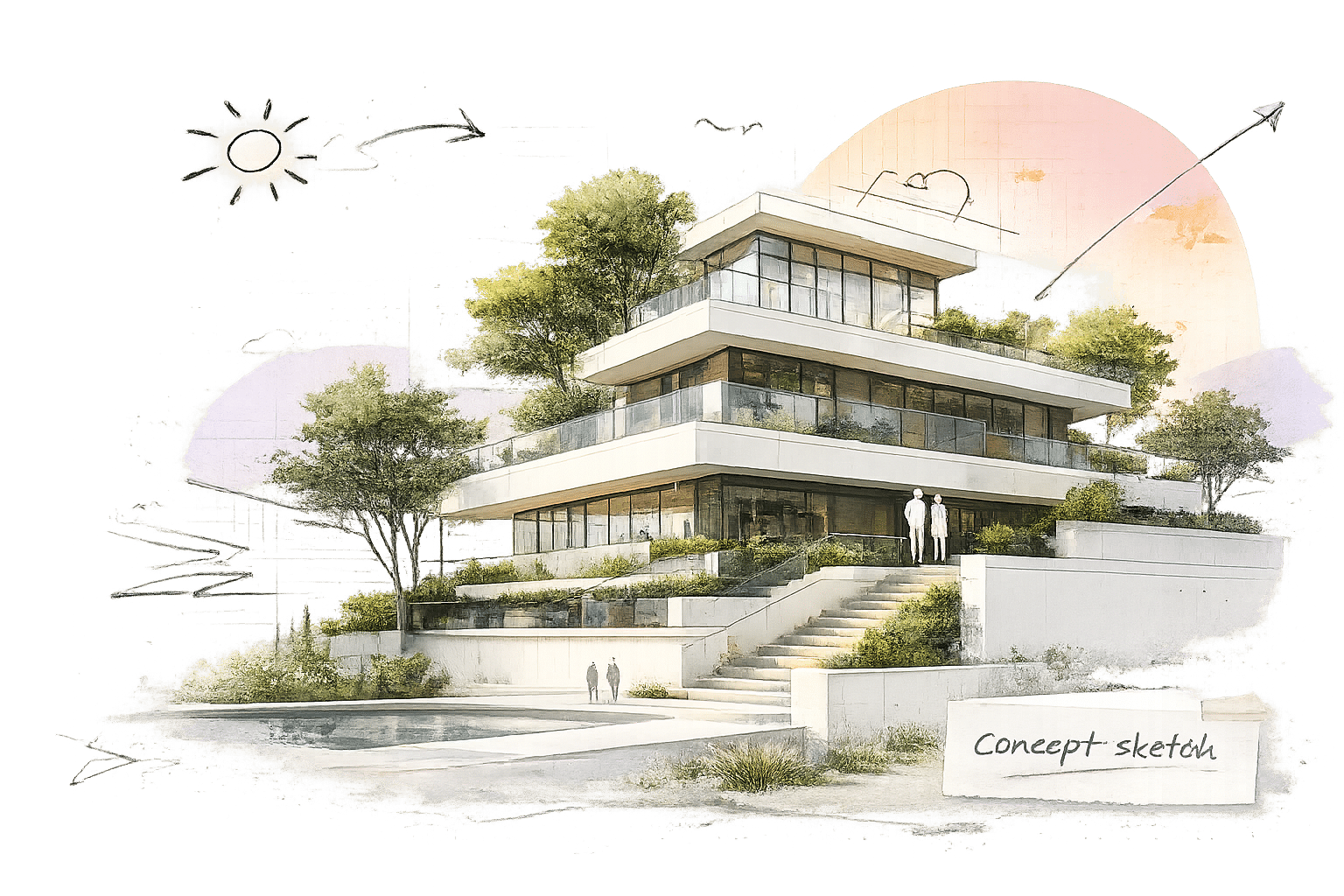
Intro This digital essay explores the growing trend of designing interior spaces for image consumption rather than functional use. This project investigates the consequences for public spaces when they are reshaped by the “economy of likes”. Drawing on Guy Debord’s Society of the Spectacle, the researchers argue that social relations are increasingly mediated through images, … Read more

vo:id

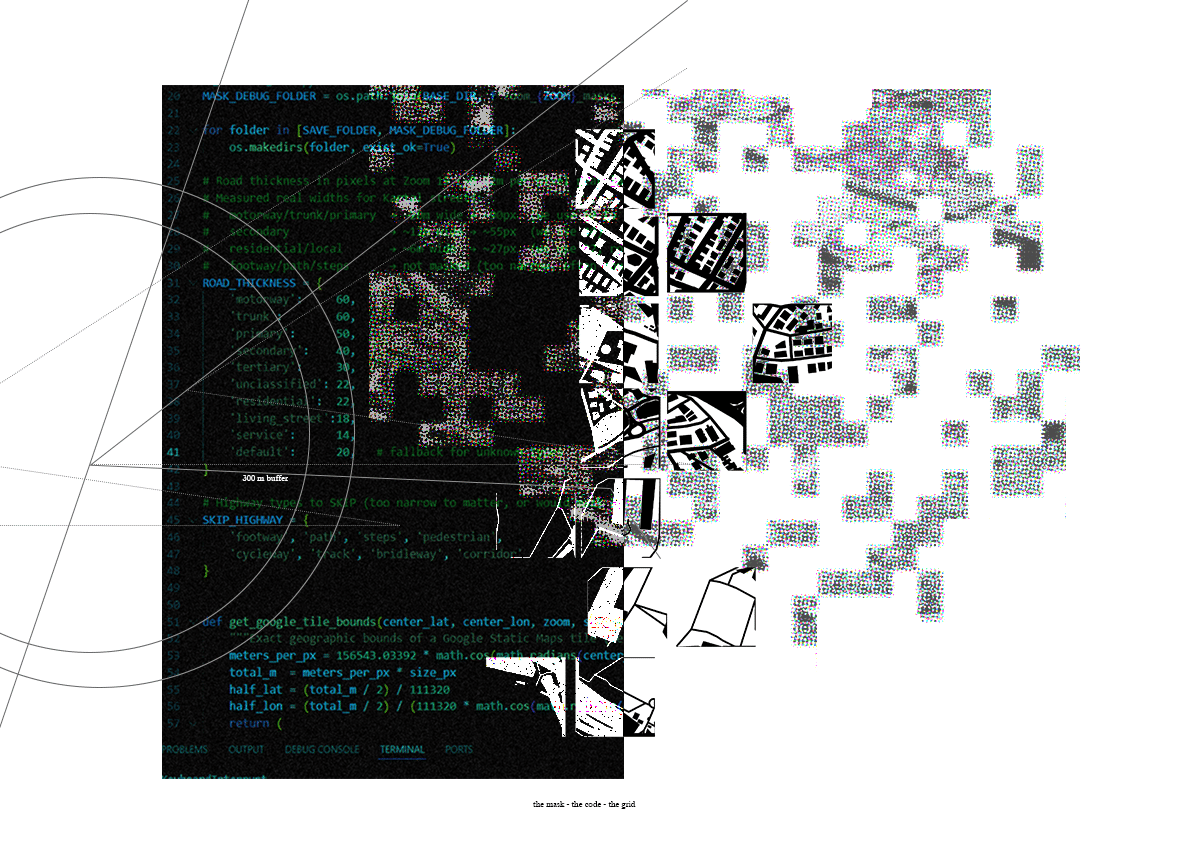
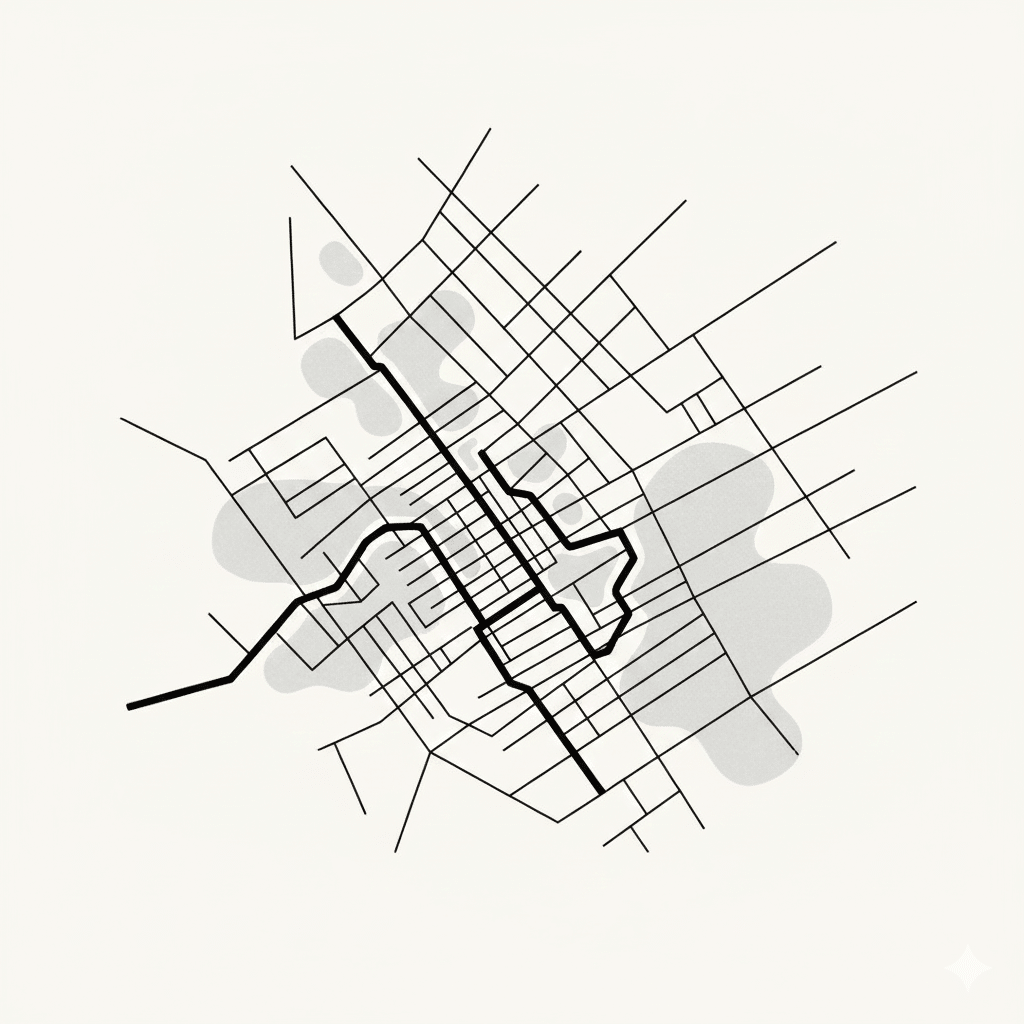
atlas of vacant spaces Urban vacant land in dense, post-industrial cities remains spatially invisible: absent from open datasets despite its potential to address chronic green space deficits. This thesis “vo:id” is a pipeline detecting, classifying, and prioritizing urban voids using only globally covered open data. Combining OSM-based negative masking, vision-language model classification, and human-in-the-loop validation, … Read more

Facade Energy Optimization

This research explores the use of Wallacei X to optimize a parametric facade for a site in Dubai, UAE. The study evaluates facade performance based on four objectives: maximizing sun hours, minimizing solar radiation, minimizing material consumption, and maximizing views. Through evolutionary optimization, hundreds of design variations were generated and assessed, revealing the trade-offs between … Read more

BIO FLOW

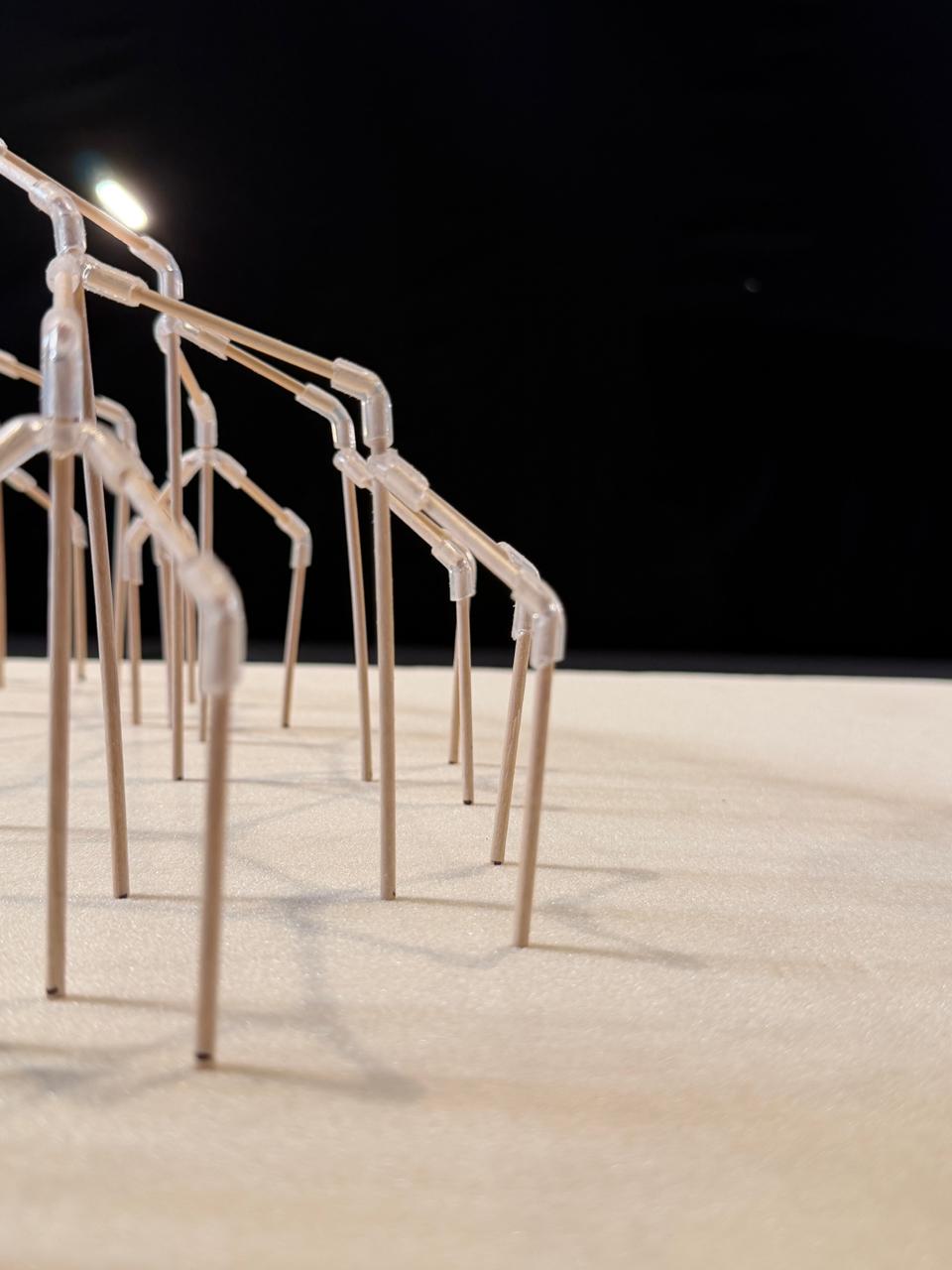
“ An AR-Driven Biomimetic Pavilion Generated Through Environmental Field Behavior “ Architectural pavilion design and fabrication often require complex digital workflows, technical expertise, and multiple visualization tools, making the process difficult for rapid concept development and real-world understanding. Designers also face challenges in translating organic, nature-inspired forms into fabrication-friendly structures.  BIOMIMICRY PAVILIONS Organic Geometry Biomimicry … Read more

Encoding Urban Risk: Spatial Feature Analysis and Assessment

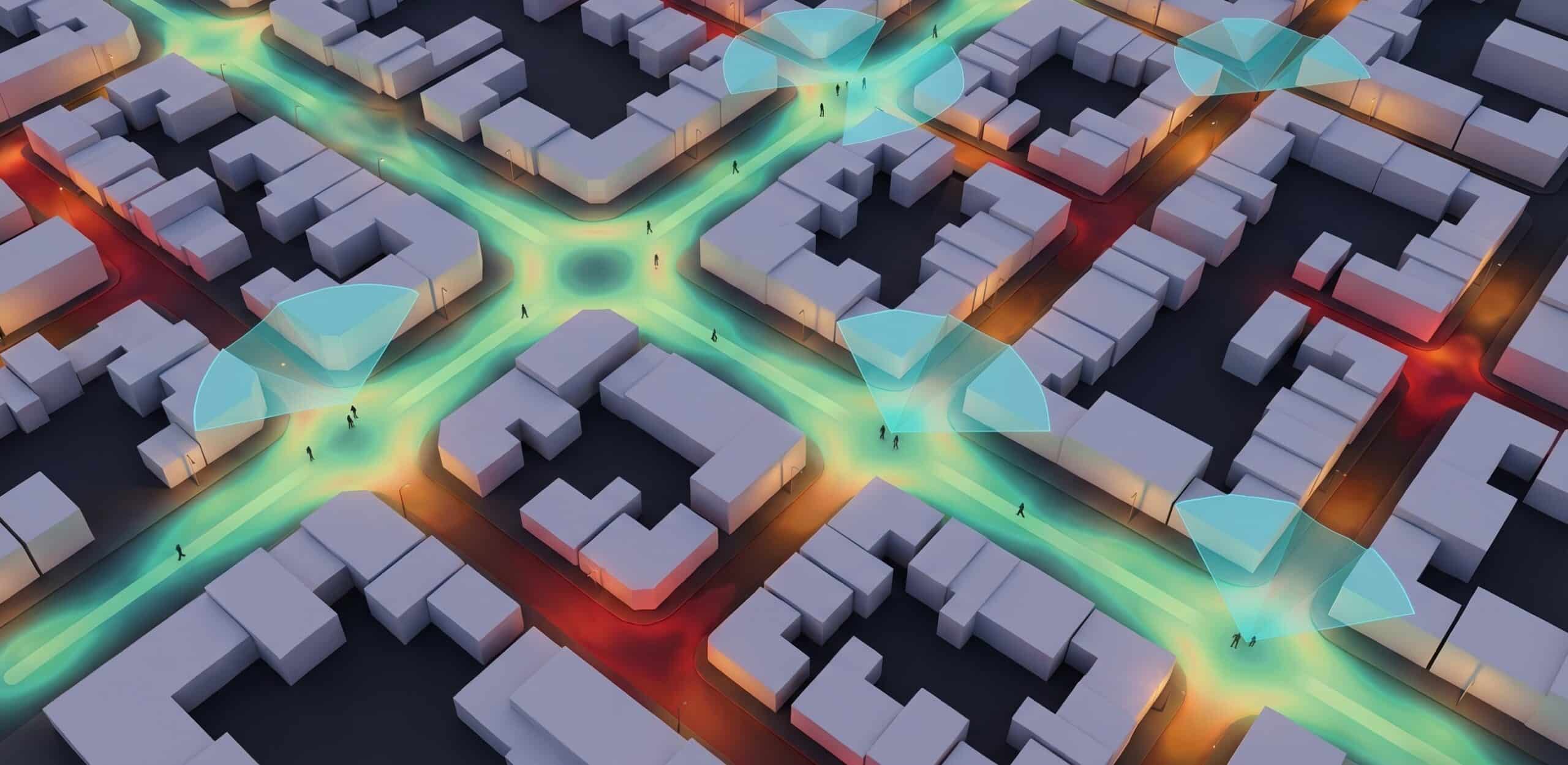
Can Street Geometry Predict Urban Safety Risk? A machine-learning pipeline that classifies street morphology into risk typologies — from OpenStreetMap features to multi-city deployment, dead ends included. This post documents the full arc of our Urban Safety project — not just the results, but the reasoning, the wrong turns, and what we learned from them. … Read more

Reclaiming the streets

In contemporary urban planning, we often focus on the best parts of a city. However, true transformation begins by identifying the most vulnerable areas. We have recently developed a parametric model in Grasshopper to analyse the Gràcia District in Barcelona, utilizing a worst-case scenario routing logic to pinpoint exactly where new Green Axes should be … Read more

IsleVibe

Mediterranean islands are crushed by tourism in July and August, and almost empty the rest of the year. So we asked what if generative AI could show people the ten months that already exist beyond those two? The goal was to make the off-season feel desirable, not as data, but as images you’d actually want … Read more

VenustaMeter

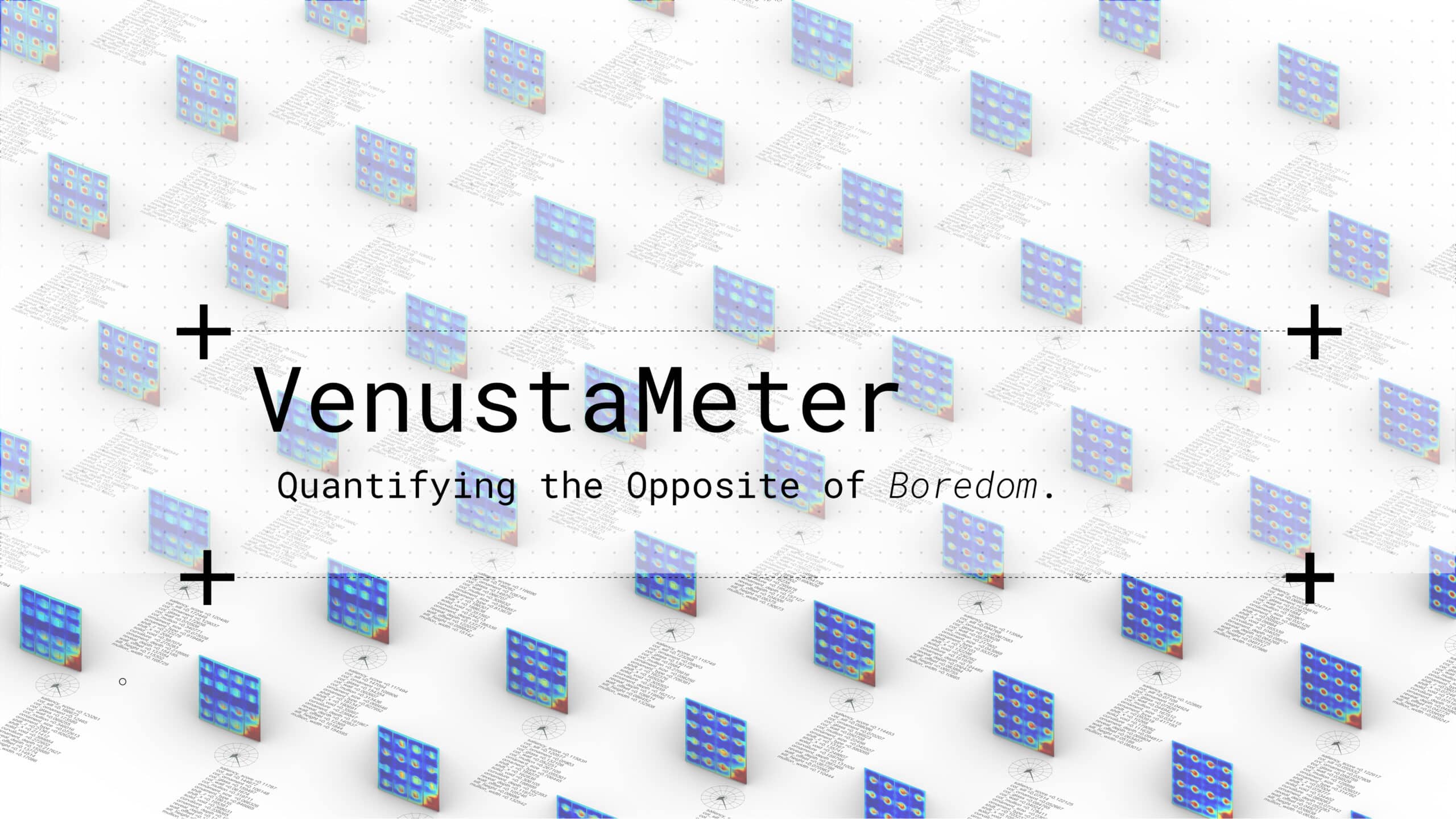
Quantifying the Opposite of Boredom For decades, architectural design has relied on intuition. Client feedback and peer reviews are inherently subjective, and by the time you can gather real human response data on a facade, the building is already standing. But what if we could predict whether a building will be visually engaging before a … Read more

BioSpatial-Intelligence:

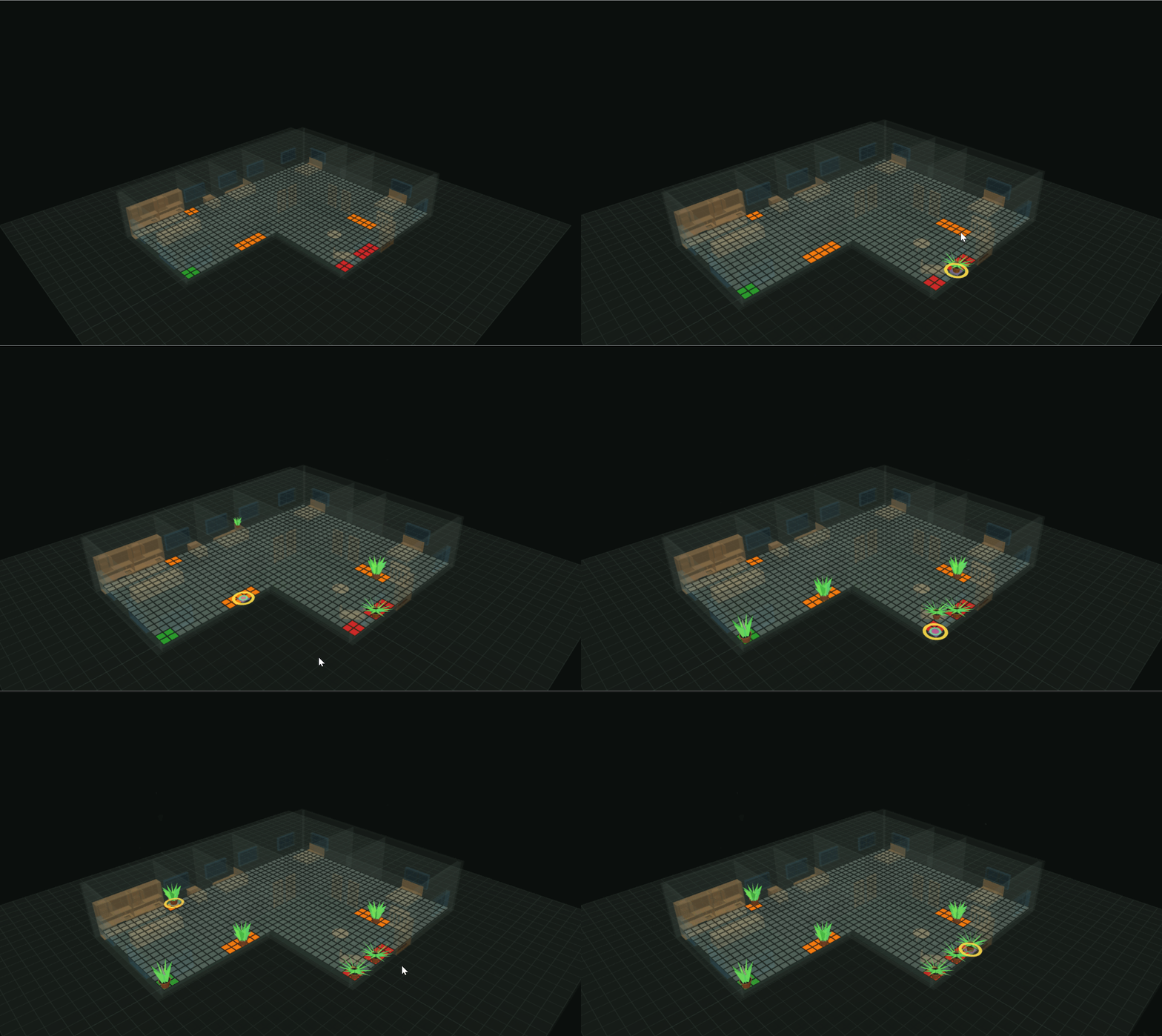
ML-Driven Plant Placement for Adaptive Architecture BioSpatial Intelligence explores how machine learning can support planting decisions in architectural spaces. The project starts from a simple design question: when we design a building, how can we decide which plants belong to which environmental conditions? Instead of relying only on intuition, we developed a workflow that reads … Read more

Osteomorphic optimization

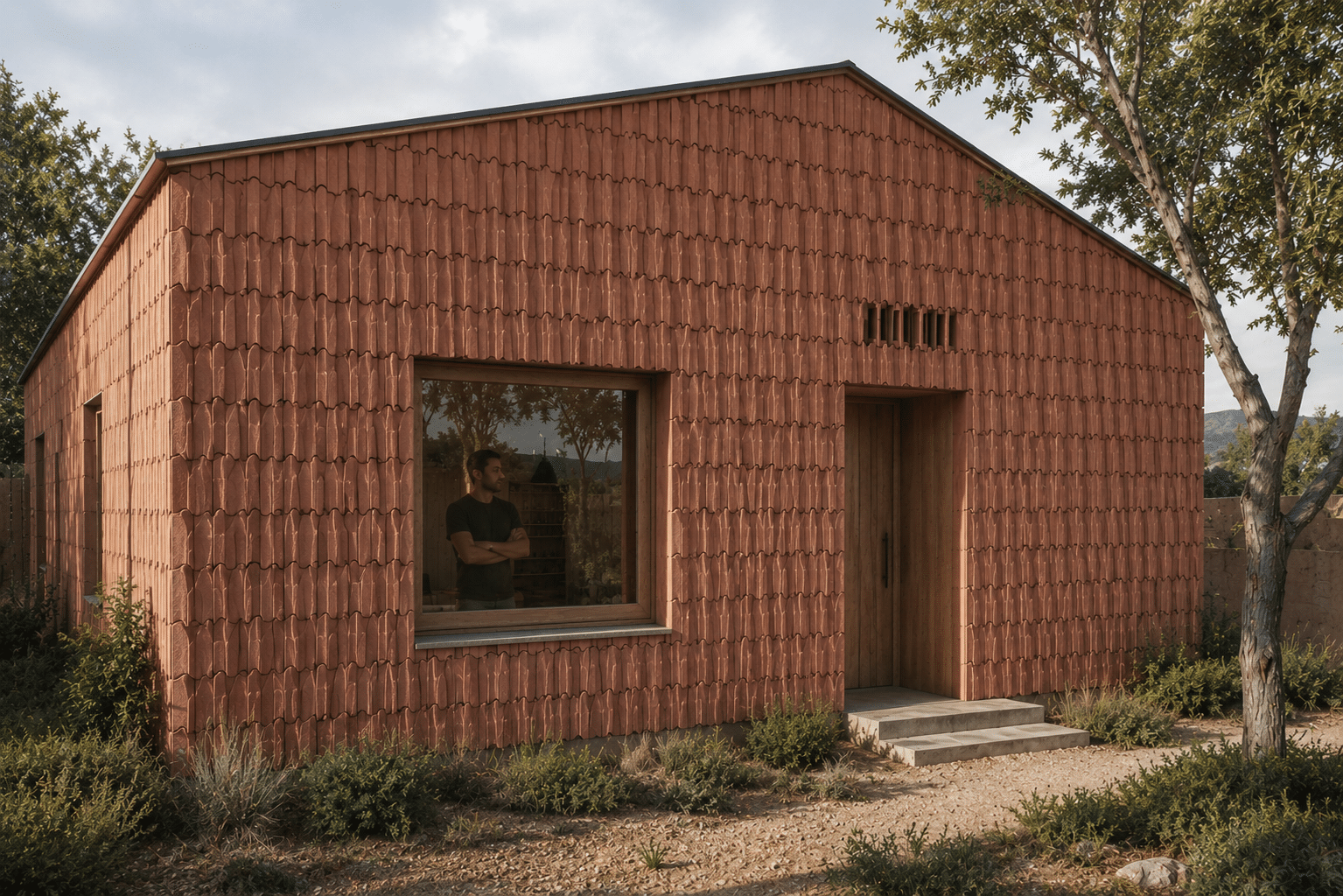
A TerraFormed production CONTEXT TerraFormed is an ongoing project developed within Digital Matter Studio 2026 that implements osteomorphic blocks as a standardizable and industry-compatible approach for producing a novel geopolymer material within a sustainable construction framework. DESIGN OBJECTIVES Osteomorphic blocks are primarily governed by the parameters of the sine curve that defines their geometry. This … Read more

Sunburn

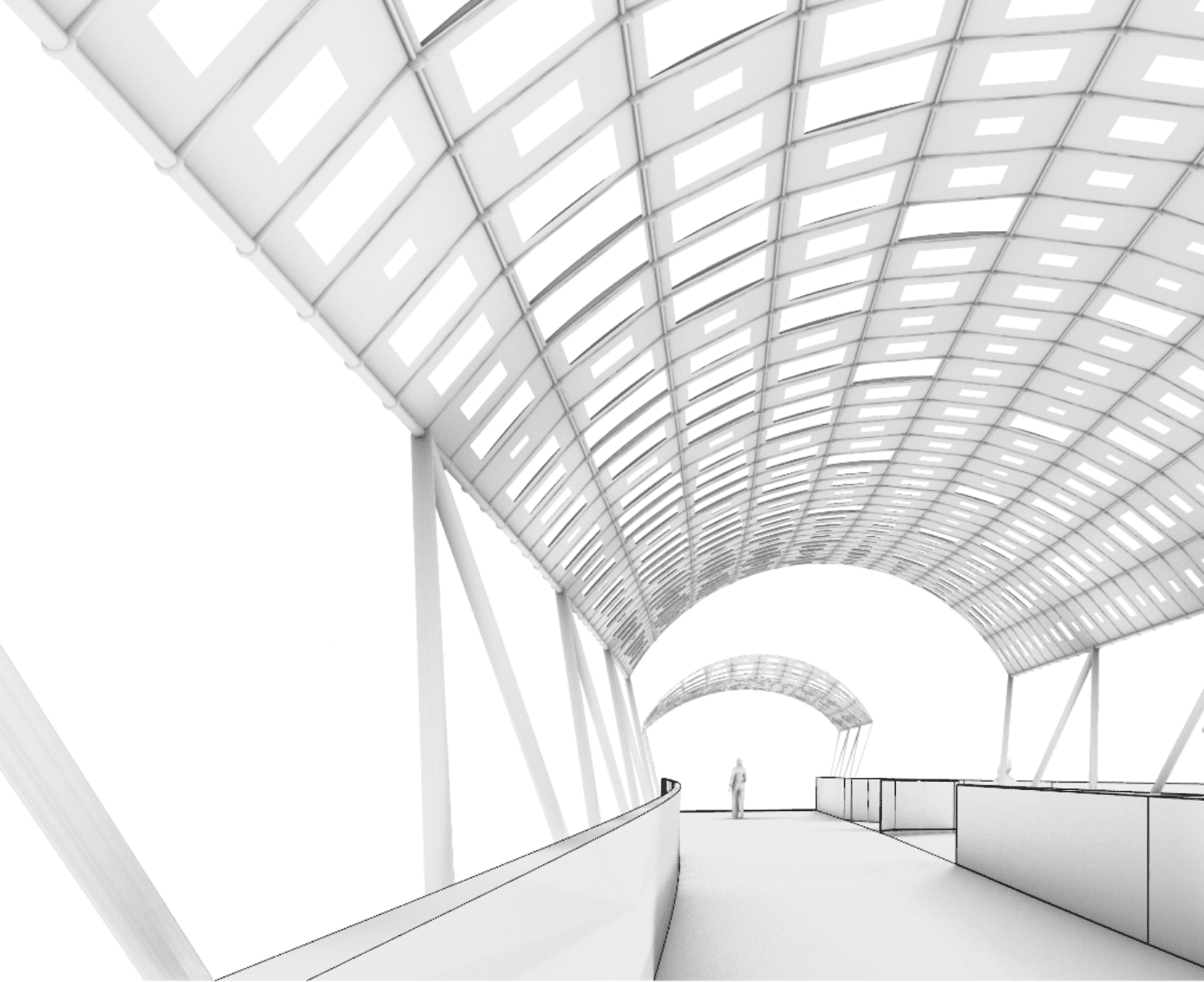
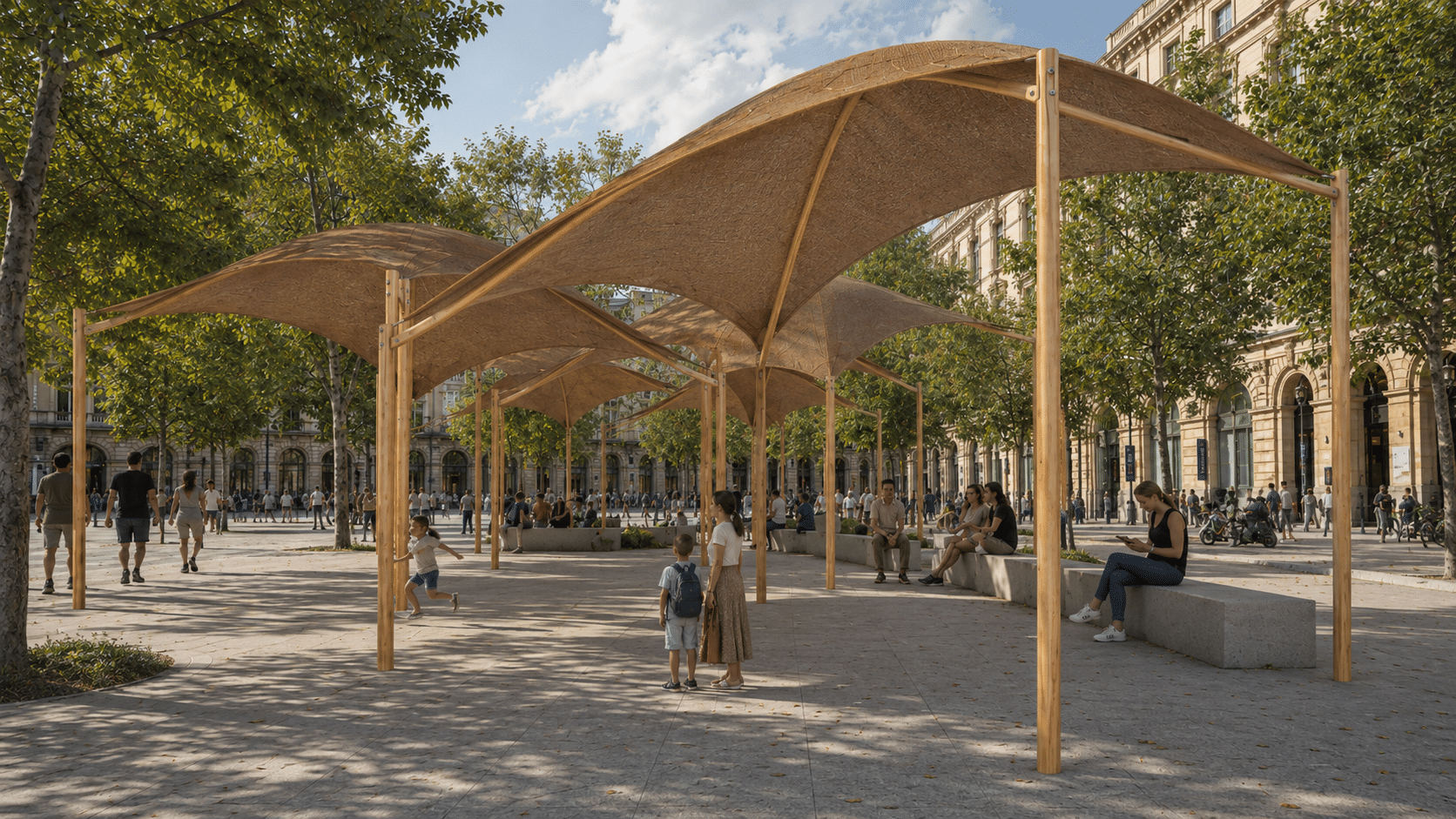
Sunburn is a computationally designed urban shading pavilion for Plaça Universitat in Barcelona. The project explores how lightweight canopy structures can improve comfort in public space while creating an inviting social environment. Using parametric column placement, Kangaroo surface generation, Ladybug solar analysis, and Galapagos optimization, the canopy geometry is tested across different sun-hour periods to … Read more