NYC – Urban Land Use

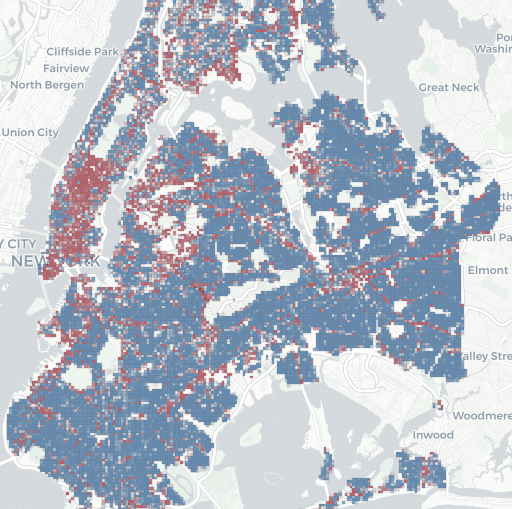
Can we predict what kind of use does a city grid hosts — Commercial vs. Residential — from its built form, morphology, and proximity to other urban features? “Can we predict the land use of a space based on existing environmental information from official and unofficial sources?” What’s the sweet spot for a Machine Learning … Read more
TerraFORMED Optimization

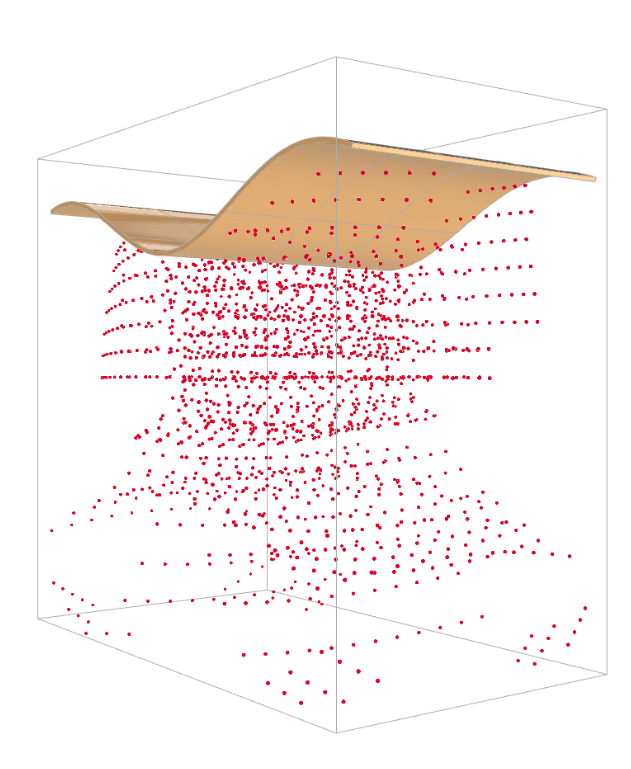
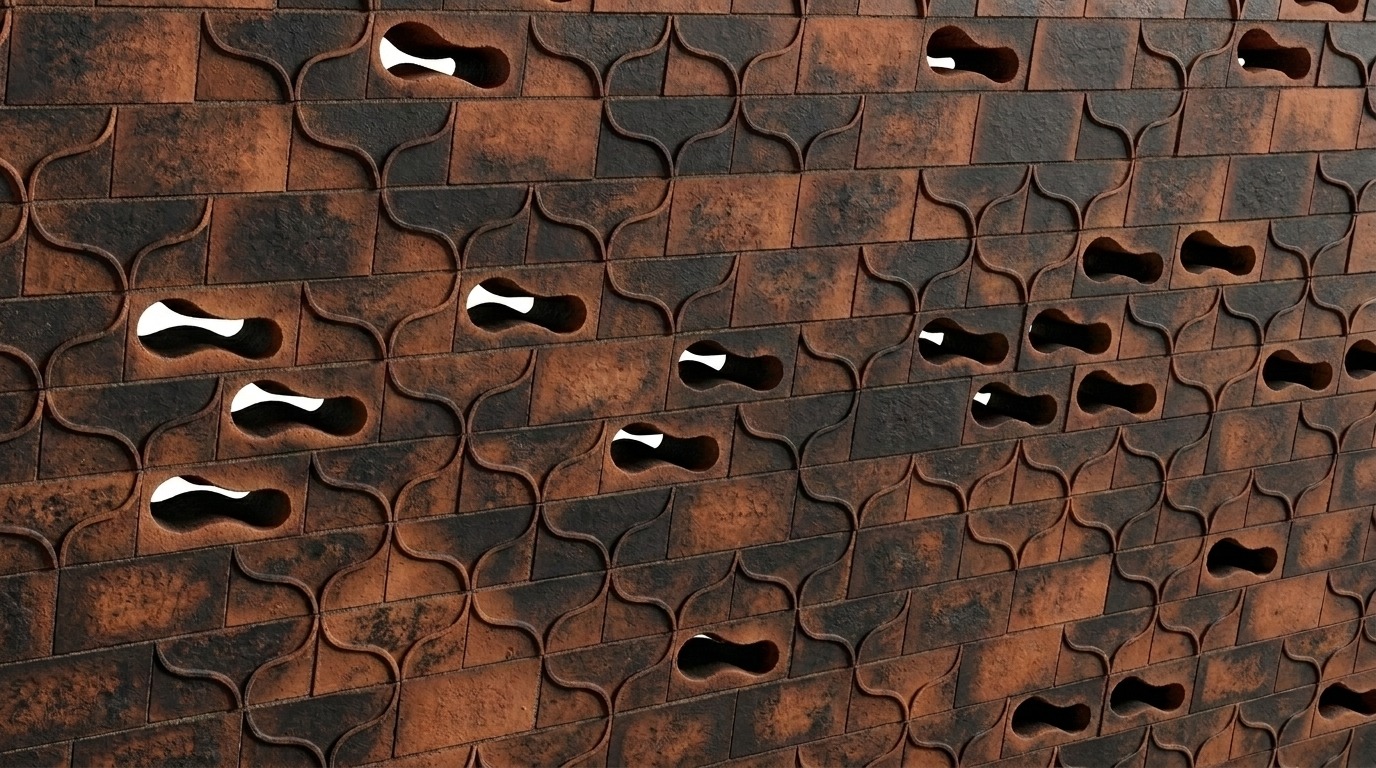
Abstract This project uses parametric design and multi-objective optimization to develop an interlocking masonry brick. A Grasshopper workflow generated brick geometries by varying sinusoidal width, depth, and cavity parameters. The designs were evaluated using structural and geometric performance criteria, including load transfer, web thickness, horizontal area, volume, and interlocking capacity. An evolutionary optimization process identified … Read more

Food Systems Under Attack

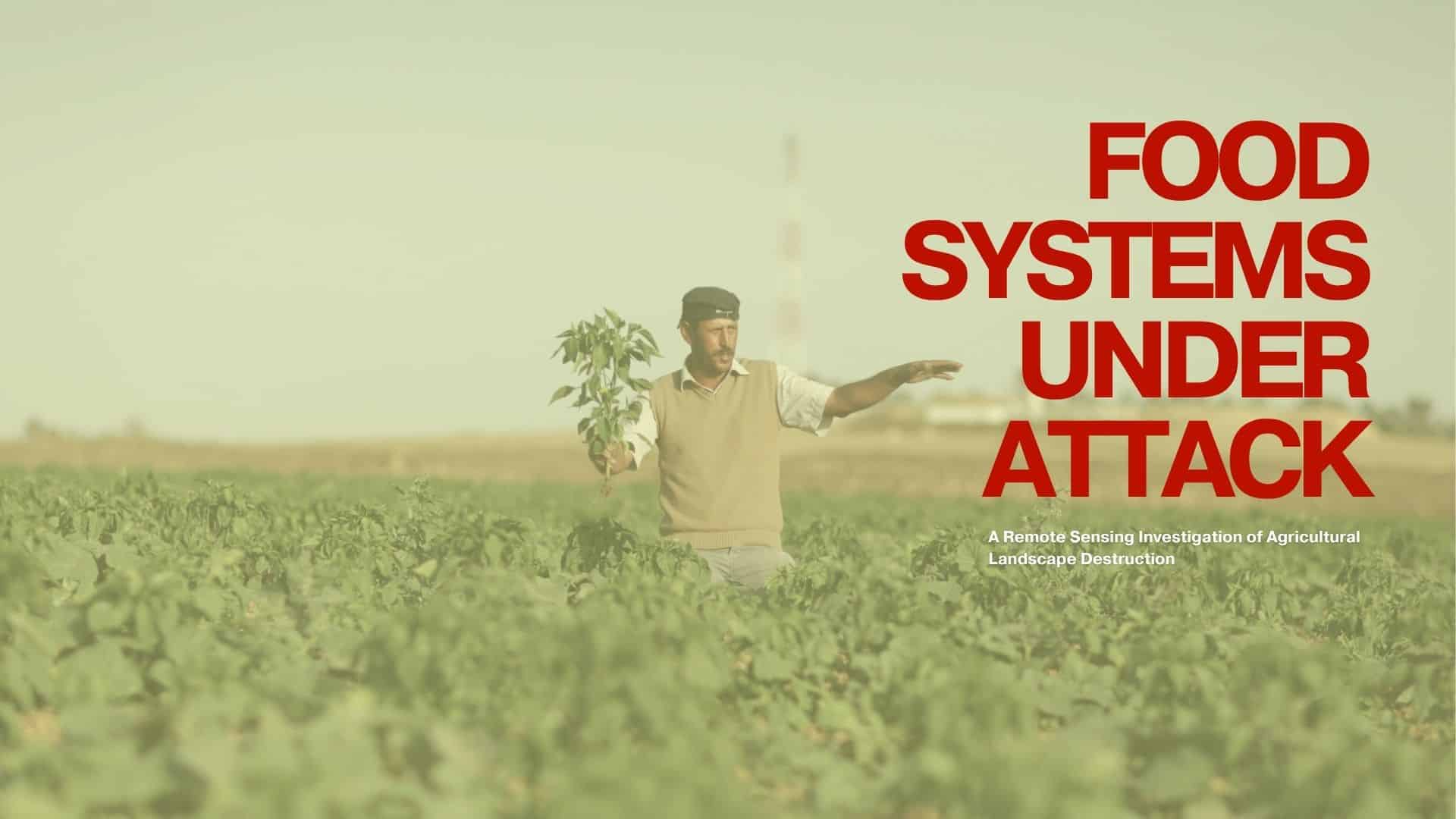
Agriculture is not simply another economic sector. It is the foundation of food security, livelihoods and social stability. Yet in many conflict zones, agricultural landscapes are systematically damaged through bombardment, infrastructure collapse, restricted access to farmland, and disruption of water systems. While urban destruction is often visible and extensively documented, the destruction of food-producing landscapes … Read more

Optimized Reciprocal

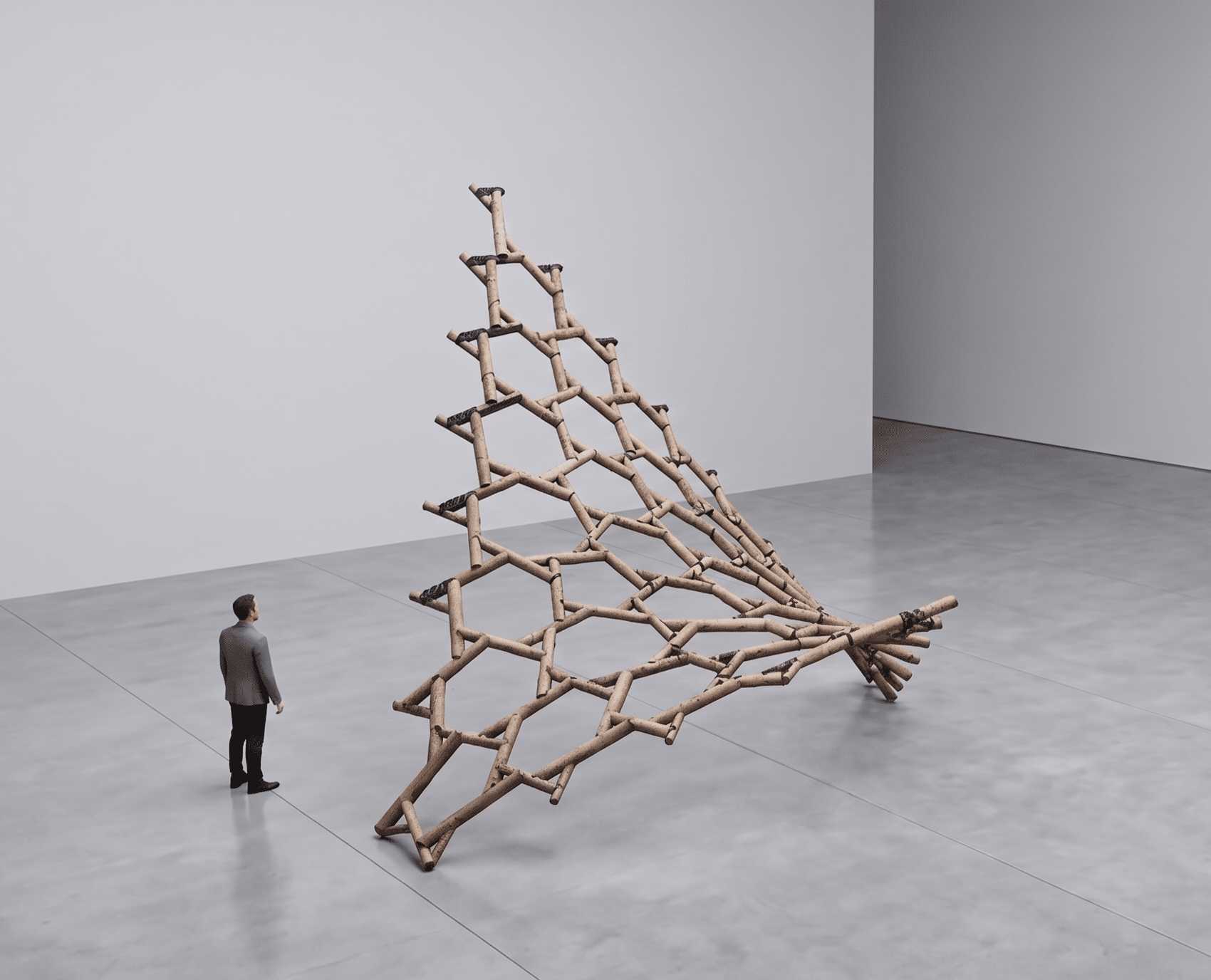
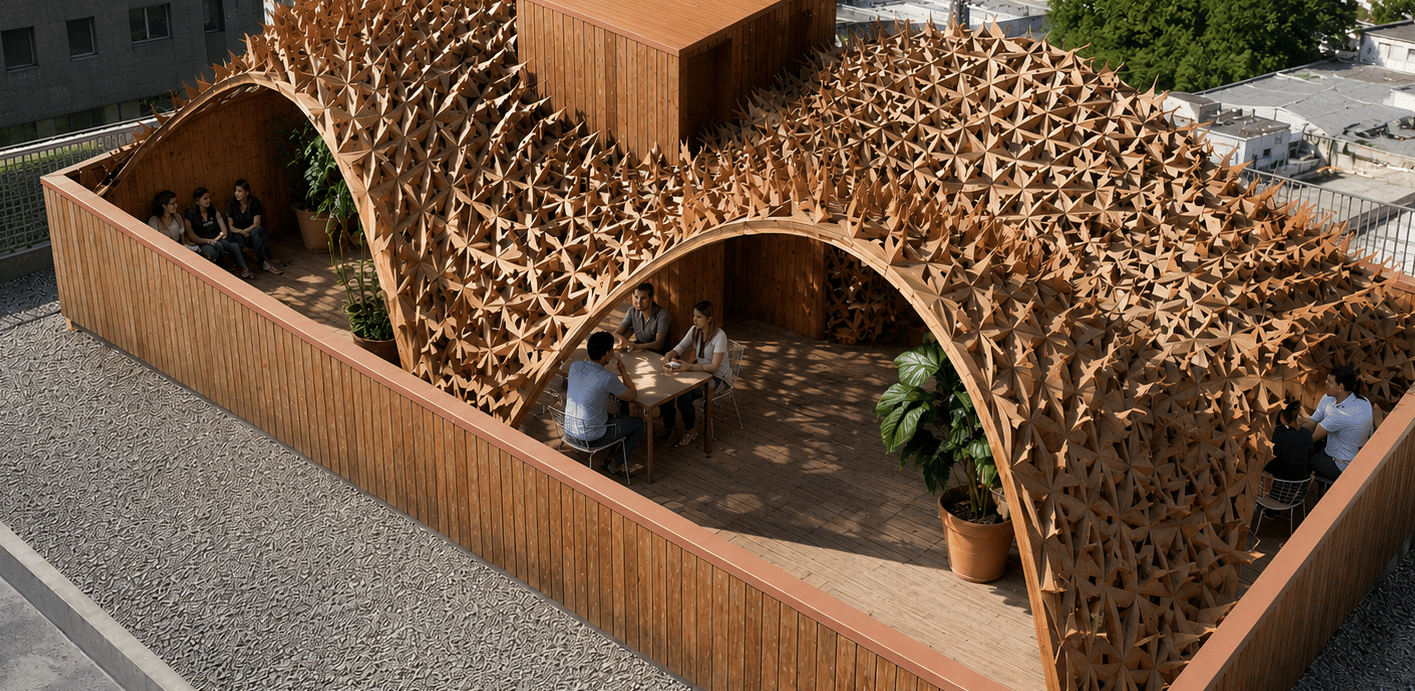
Reciprocal Frames Reciprocal frames are self-supporting 3D structures. They consist of three or more sloping beams arranged in a closed circuit. Each beam rests on the preceding one and supports the next, creating a completely interdependent grid. This design eliminates the need for a central pillar or column. Traditionally these frames were made of wood, … Read more

Galapogos Mold Designer

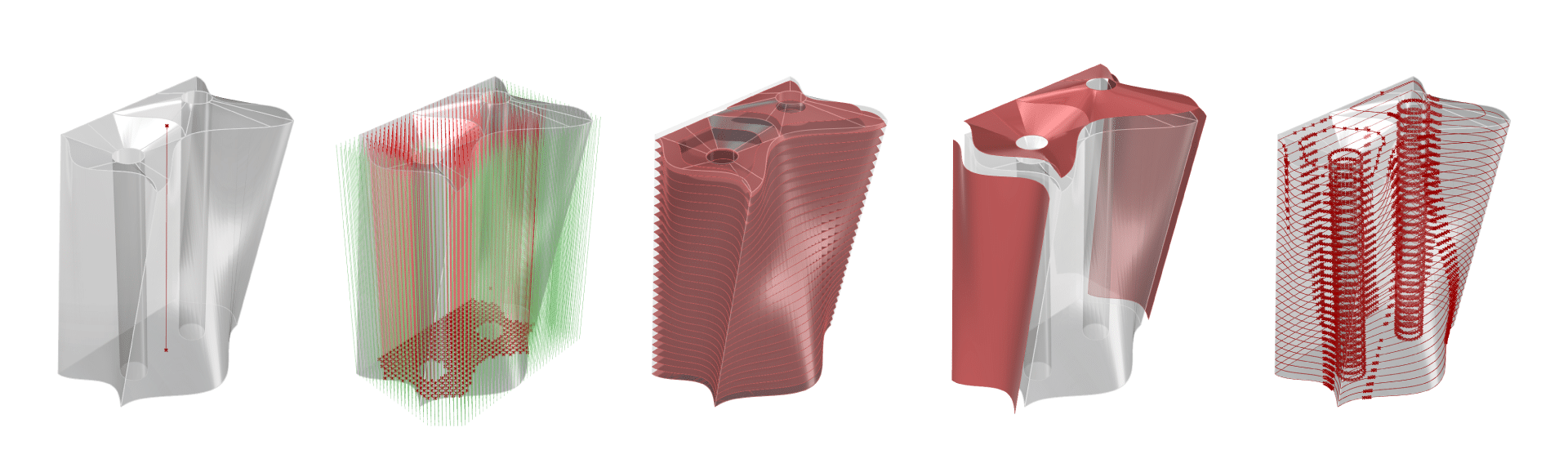
We identified the main problems while producing the roof of our Digital Matter studio, where we are making a system of bendable cork panels with jute and caesin, for that we needed molds to bend the panel according to curvature, To optimise the mold and reduce waste we used galapogos to define the bounding box … Read more

MORPHOLOGIES OF SHADE: A Computationally Optimized Pavilion for the IAAC Rooftop.

Abstract Morphologies of Shade explores the design of a computationally optimized pavilion for the rooftop of the Institute for Advanced Architecture of Catalonia (IAAC) in Barcelona. The project responds to the environmental challenges of excessive solar exposure and strong wind conditions that limit the usability of the rooftop throughout the day. Inspired by natural canopy … Read more

Project Michigan

Using climate clustering, vernacular precedent research, and evolutionary optimisation to create climate-responsive design typologies when no established local precedent exists Overview Lovingly named after the very first test location, Project Michigan is a tool that provides climate-responsive design guidelines when no local vernacular precedent exists. Through scraping climate data and global vernacular information, it helps … Read more

Who pays the price for India’s solar transition?

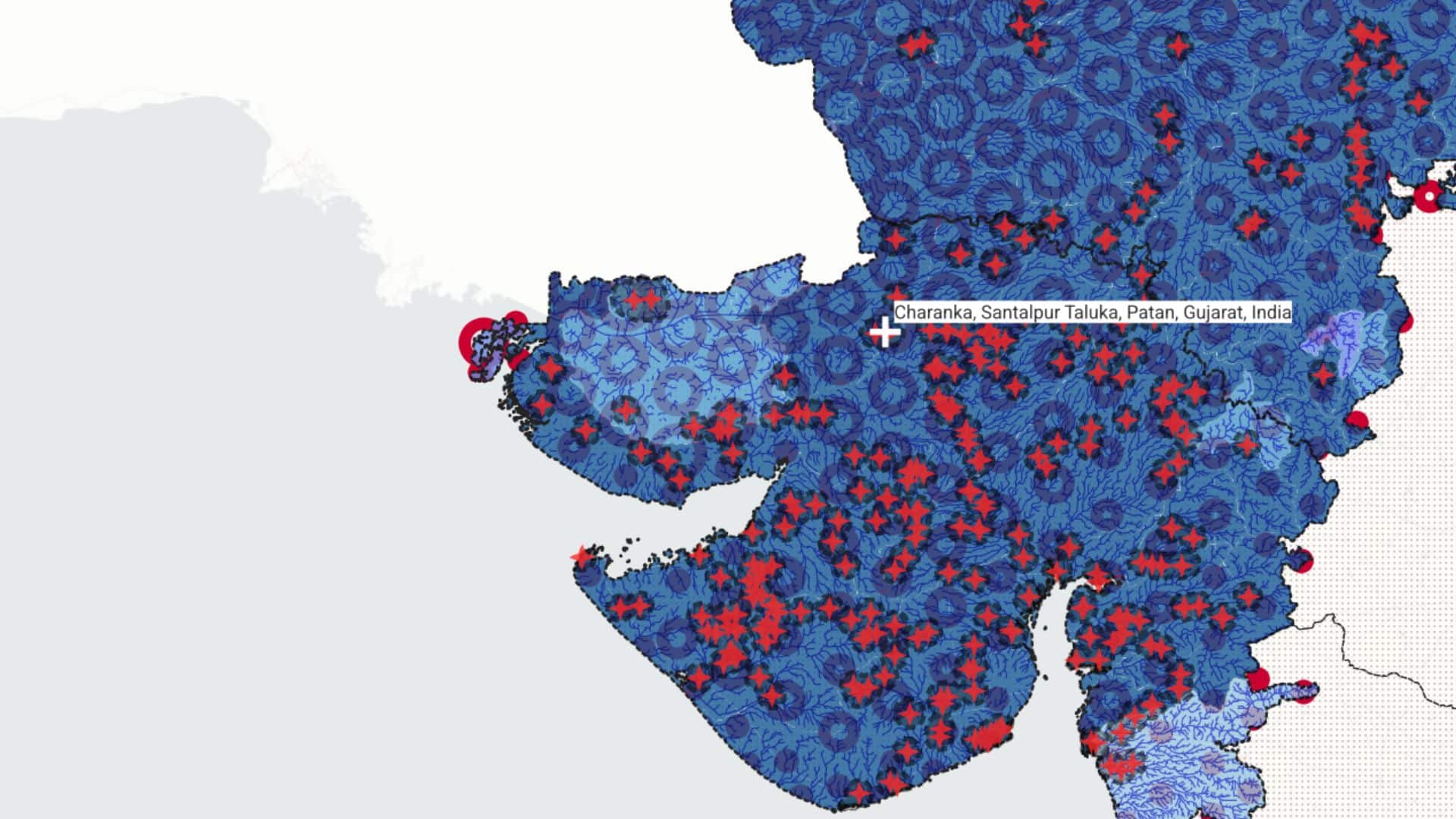
At what and whose cost does India’s solar transition operate? Mapping the unseen costs of solar expansion across resource-scarce landscapes and vulnerable populations. India has seen an accelerated transition toward renewable energy, starting on 2010 and today the solar farms represent an extension of aprox 3,156 square kilometres of panels, and infrastructure. Vast landscapes are … Read more

TRACE

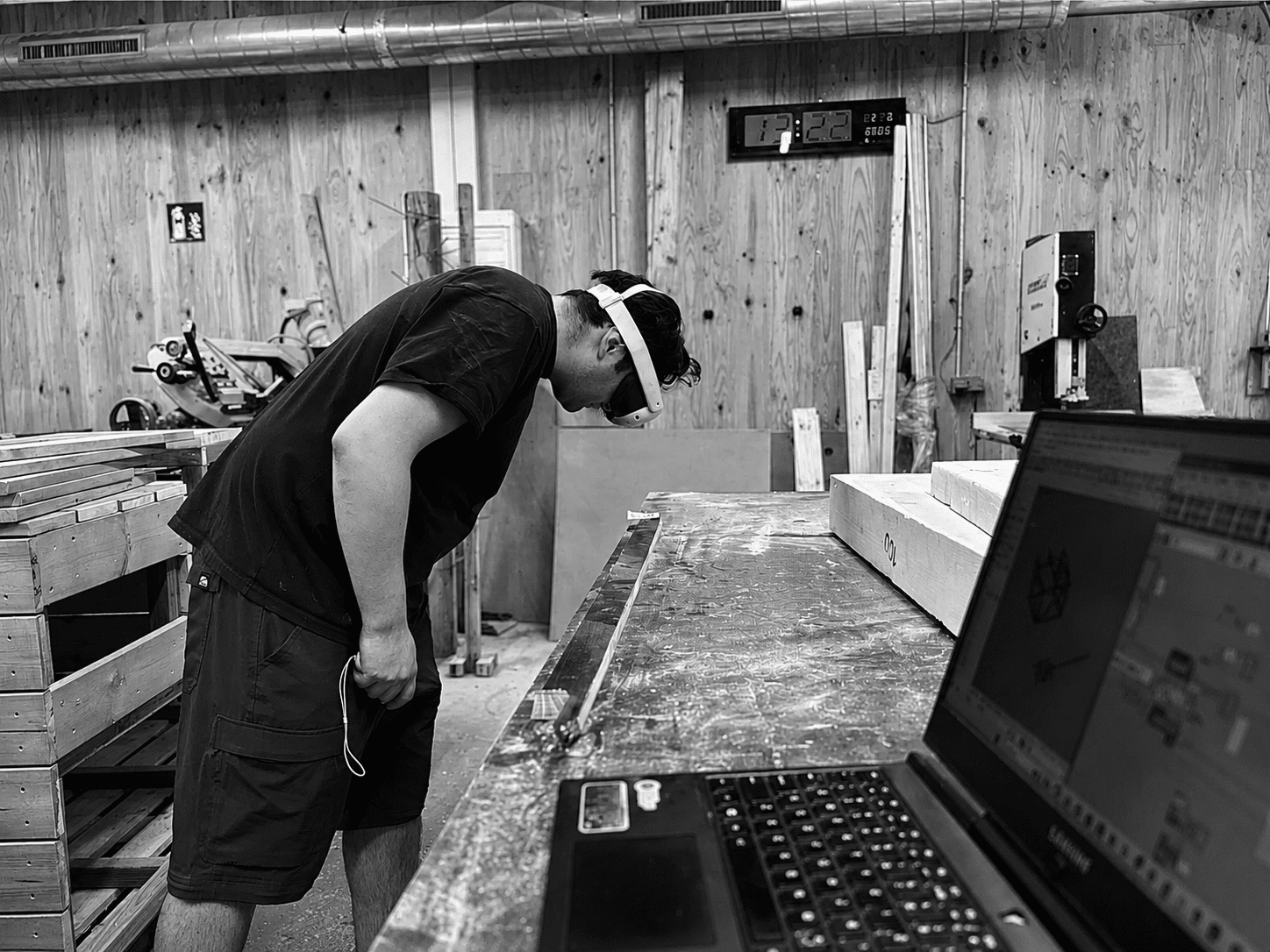
An AR guidance system for pottery creation TRACE transforms pottery learning into an interactive guided experience. Instead of interrupting the making process with videos or tutorials, instructions are overlaid directly onto the clay in real time through AR guidance. Rather than replacing the craftsperson, TRACE acts as an apprenticeship layer: making expert knowledge visible, immediate, … Read more

Timber Reuse Stacking Typologies

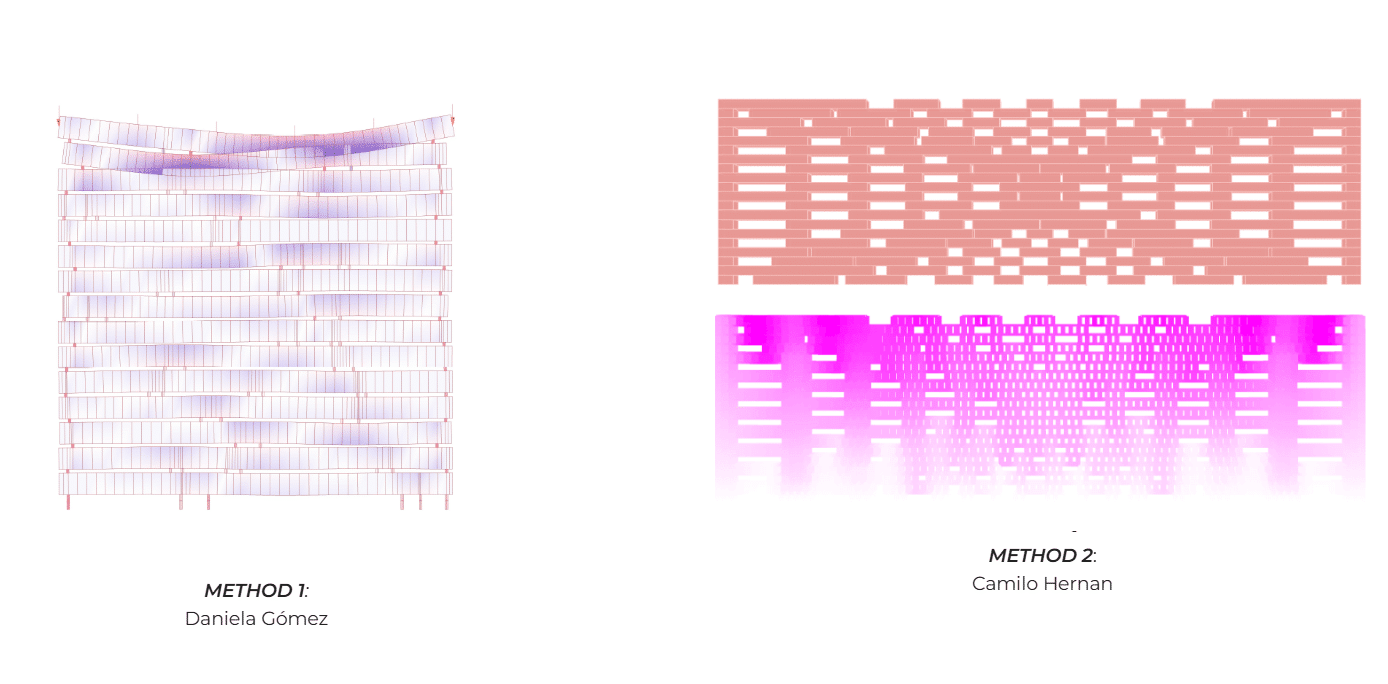
Using AI scripting in grasshopper to create and analyse reused timber stacked systems Two methods of creating panels made from an existing stocklist of reclaimed Timber using AI scripting integrated into Grasshopper. The first method explores the simple end to end stacking, by taking a random piece from the stock and placing it in a … Read more

Workshop 3.1_Human-Robot Collaboration (HRC) in metal fabrication

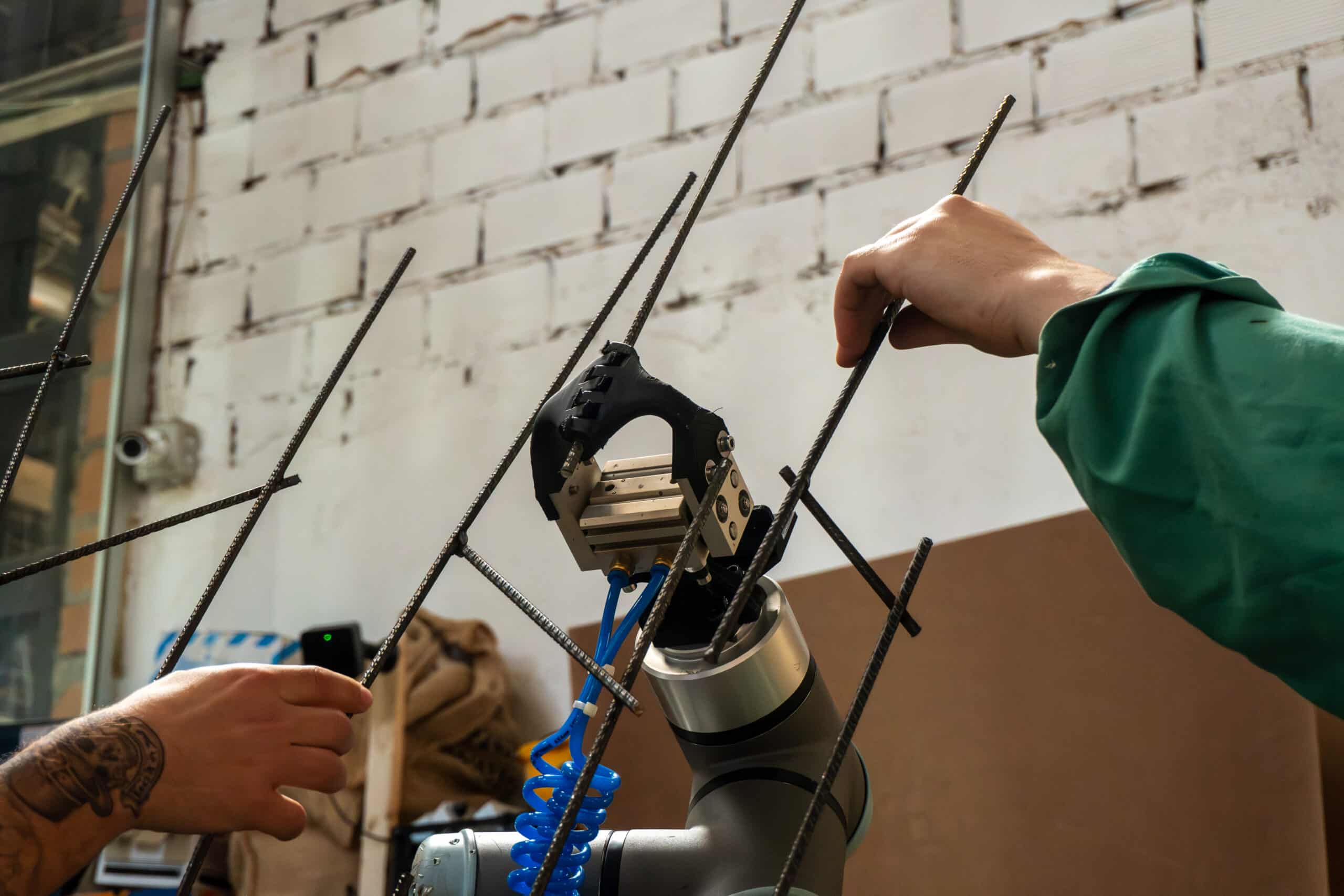
Introduction This workshop explores new modes of architectural production through active collaboration between humans and robots, shifting away from traditional models of automation toward hybrid systems of shared decision-making. Rather than understanding the robot as a fully autonomous tool, it is framed as an agent that cooperates with the human in real time, creating a … Read more

PORTAL FRAME

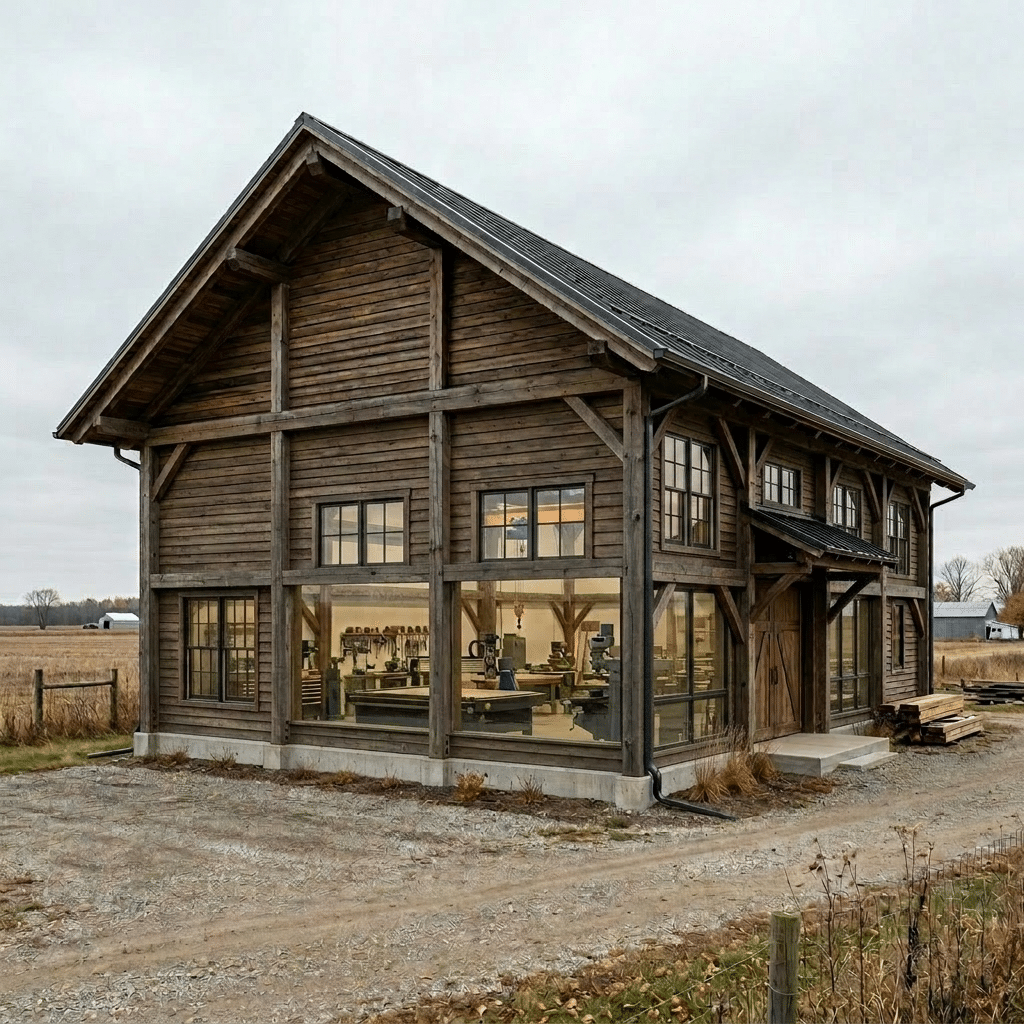
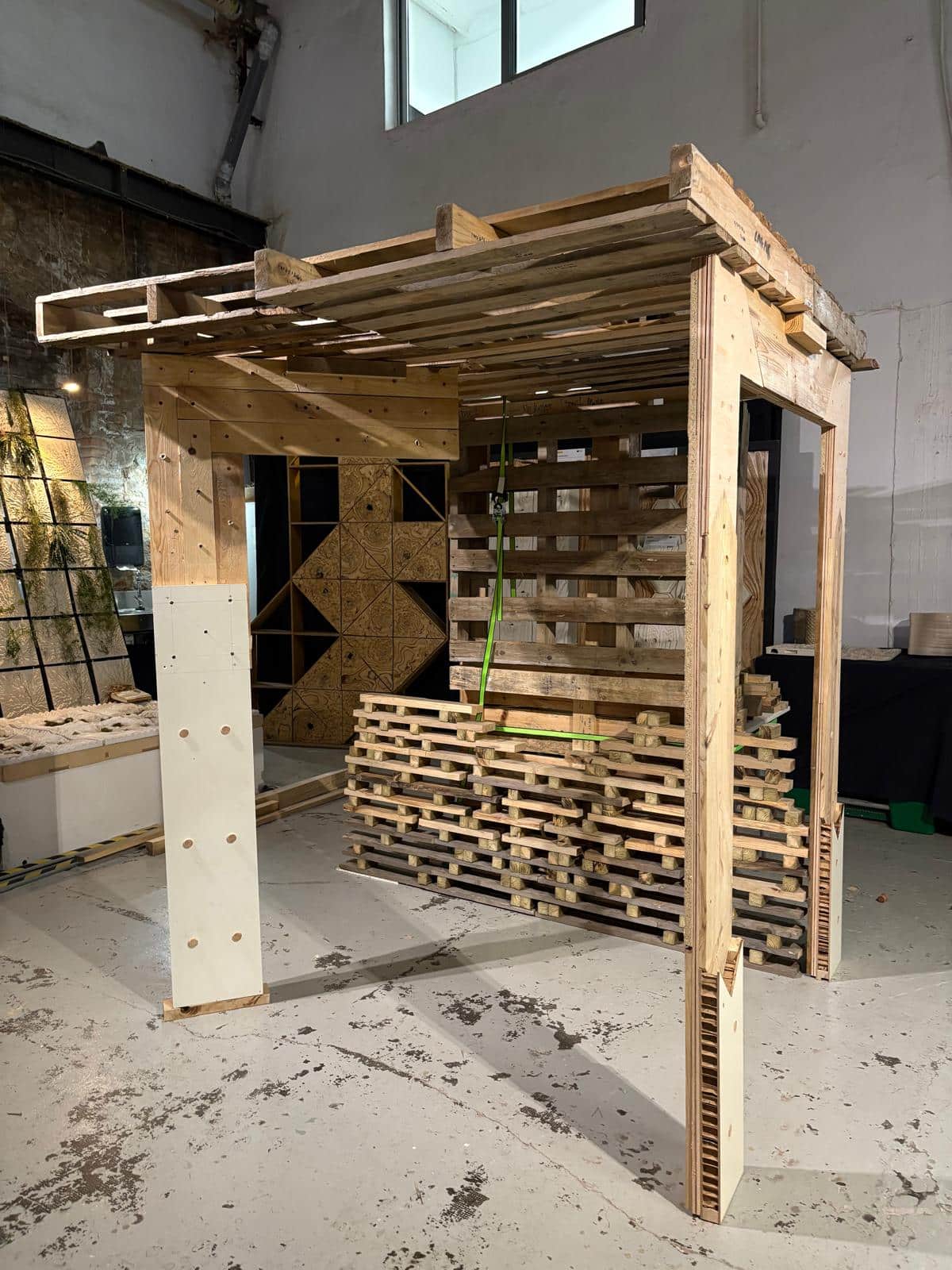
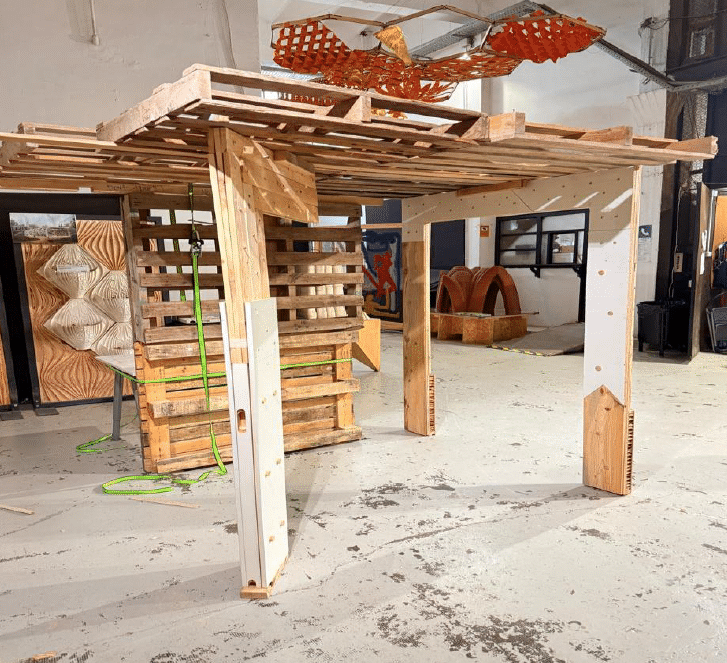
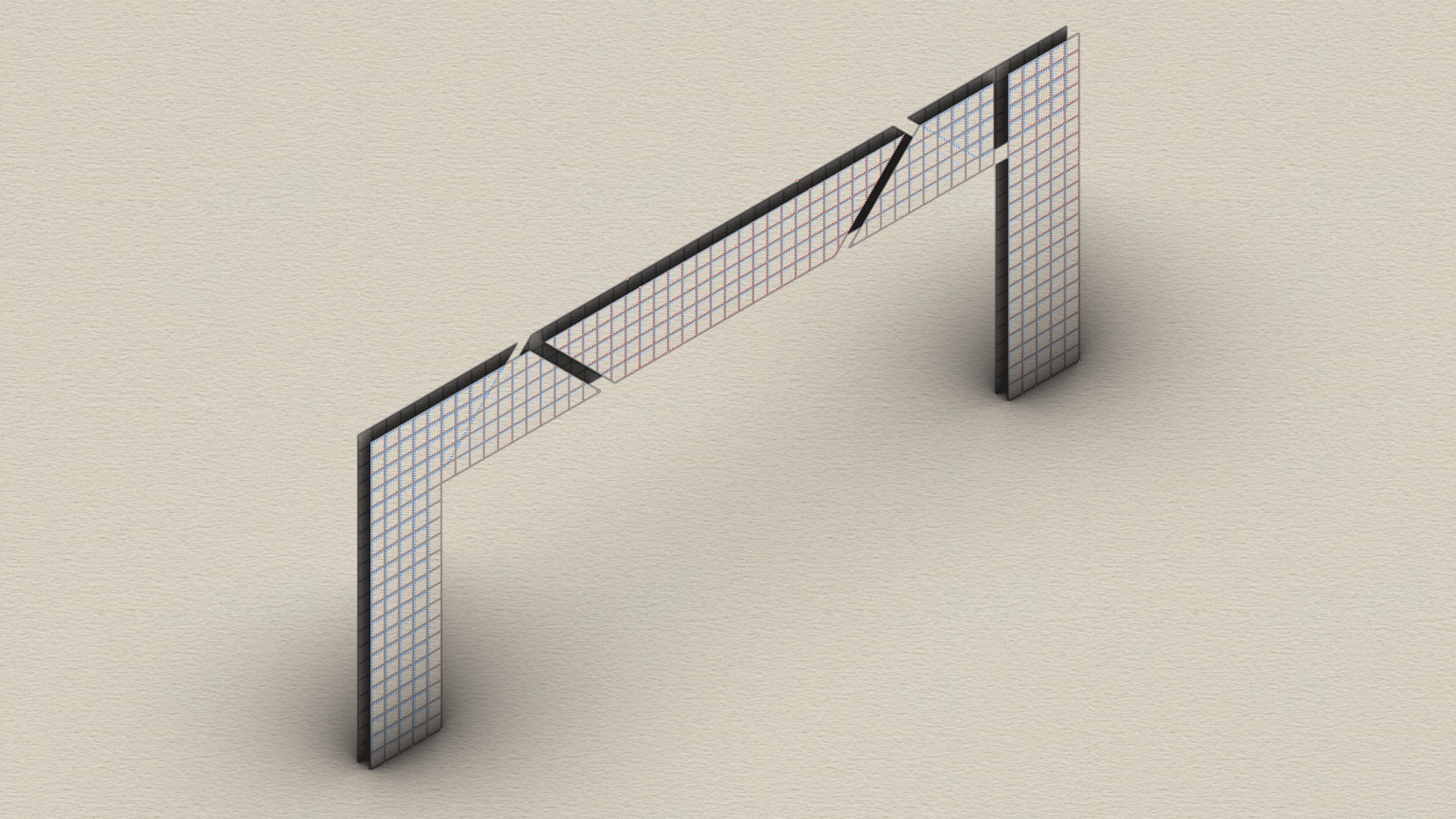
Introduction — Intent Building a portal frame from reclaimed timber, focusing on splicing and shuffling techniques to adapt irregular pieces into a stable, structurally working system. Material Intelligence — Understanding the Stock Structural Logic — Portal Frame System Methodology — Overlay & Splice Strategy FABRICATION — Digital vs Physical The workflow was driven by existing … Read more