A TerraFormed production
CONTEXT
TerraFormed is an ongoing project developed within Digital Matter Studio 2026 that implements osteomorphic blocks as a standardizable and industry-compatible approach for producing a novel geopolymer material within a sustainable construction framework.
DESIGN OBJECTIVES
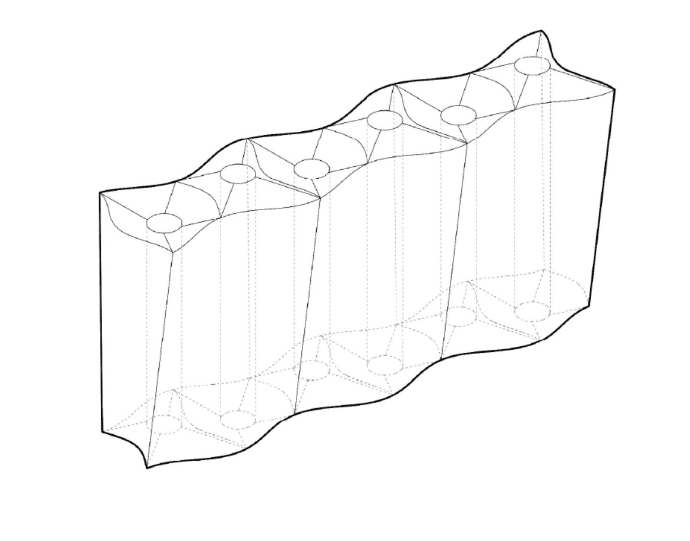
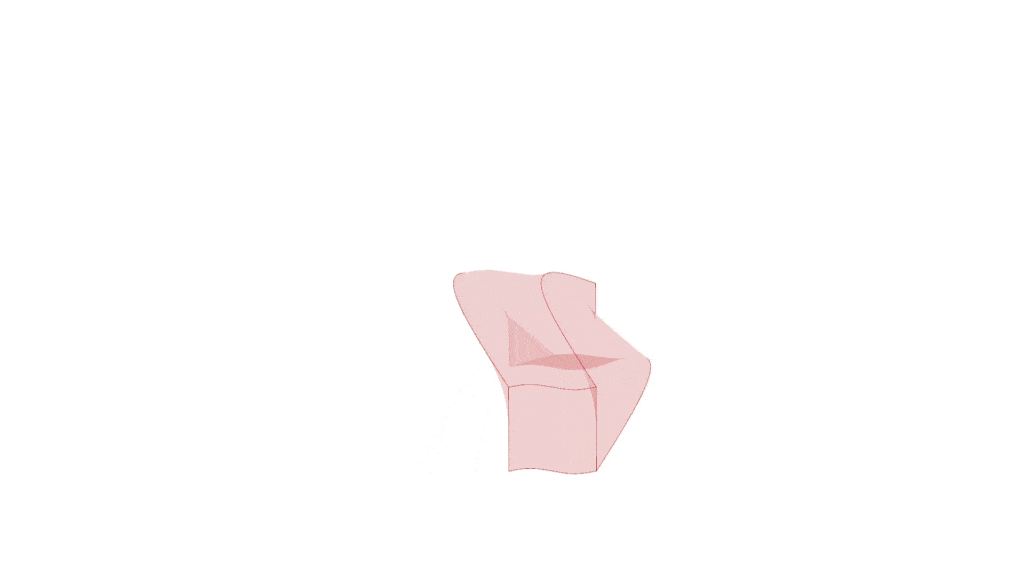
Osteomorphic blocks are primarily governed by the parameters of the sine curve that defines their geometry. This study performs a multi-objective optimization to identify the optimal curve parameters, aiming to achieve a structurally robust configuration. The objective is to minimize material usage while maximizing structural performance.
To ensure comparability across different block iterations, all geometries are constrained within a 2 m by 2 m frame.
WORKFLOW DIAGRAM
While osteomorphic blocks are inherently based on the repetition of a single geometry, the top and bottom rows are modified to provide flat surfaces for load application at the top and stable support at the base.
Sine curve parameters
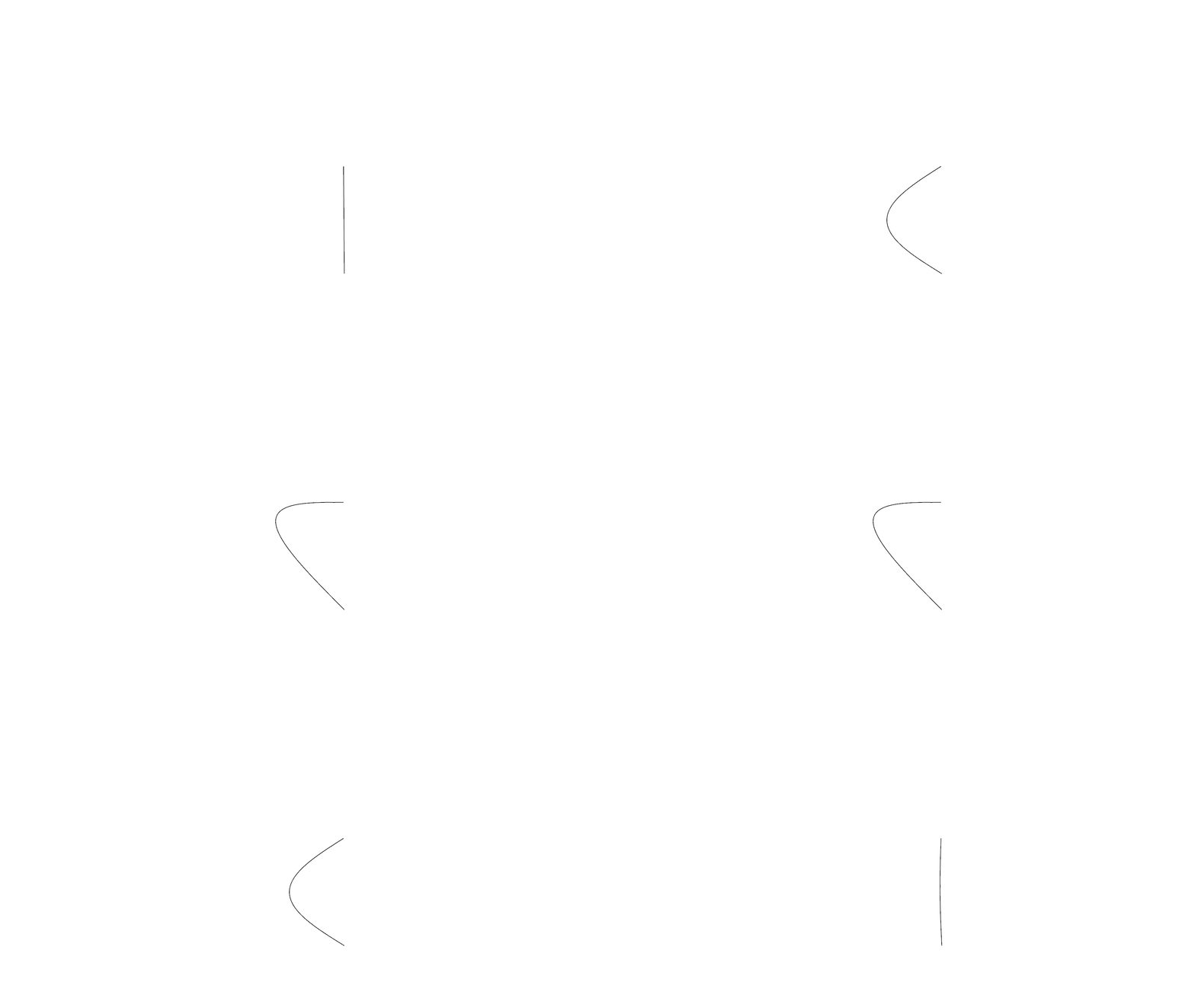
Top amplitude

General amplitude/period
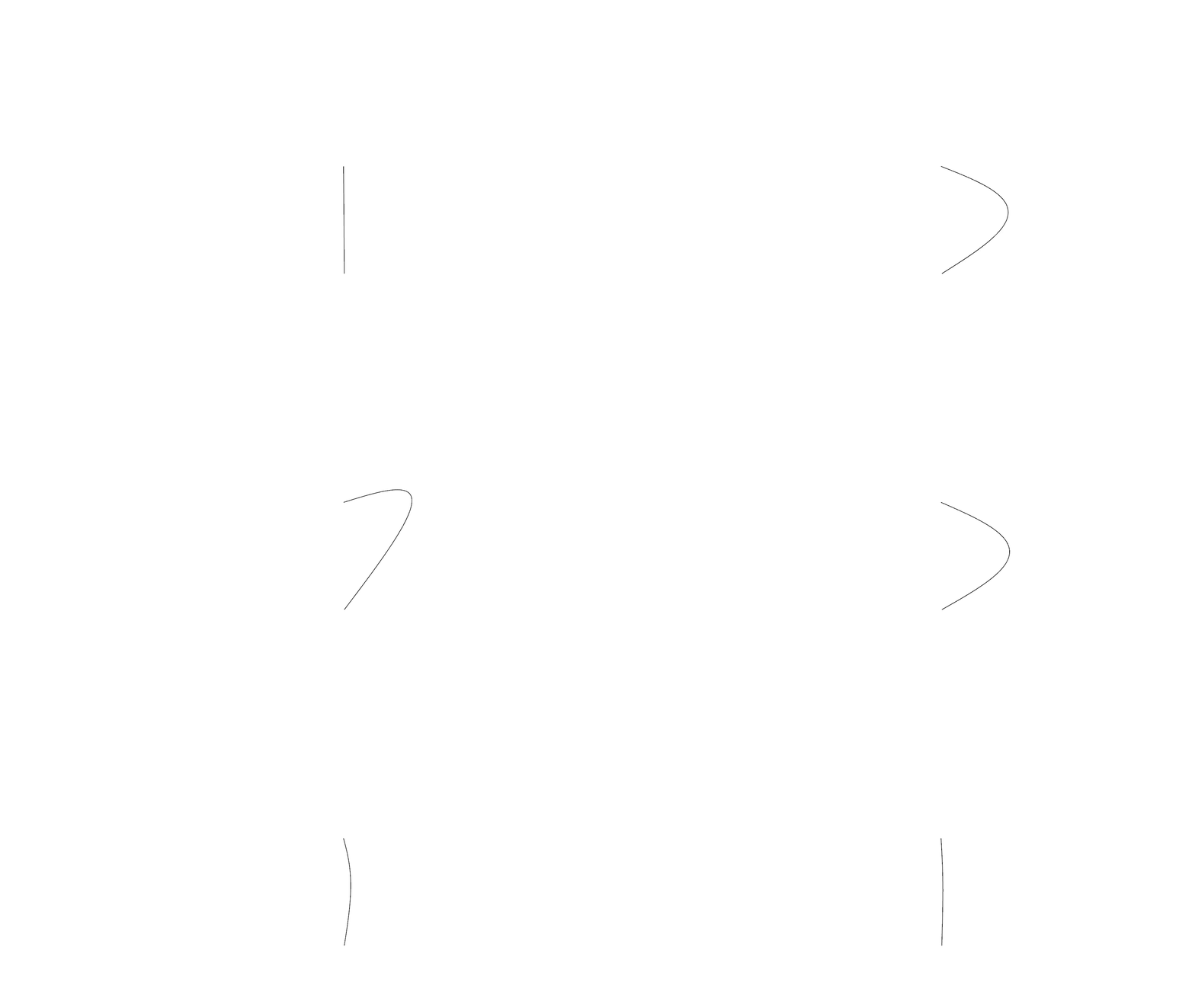
Bottom amplitude
Horizontal extrusion

Top extrusion
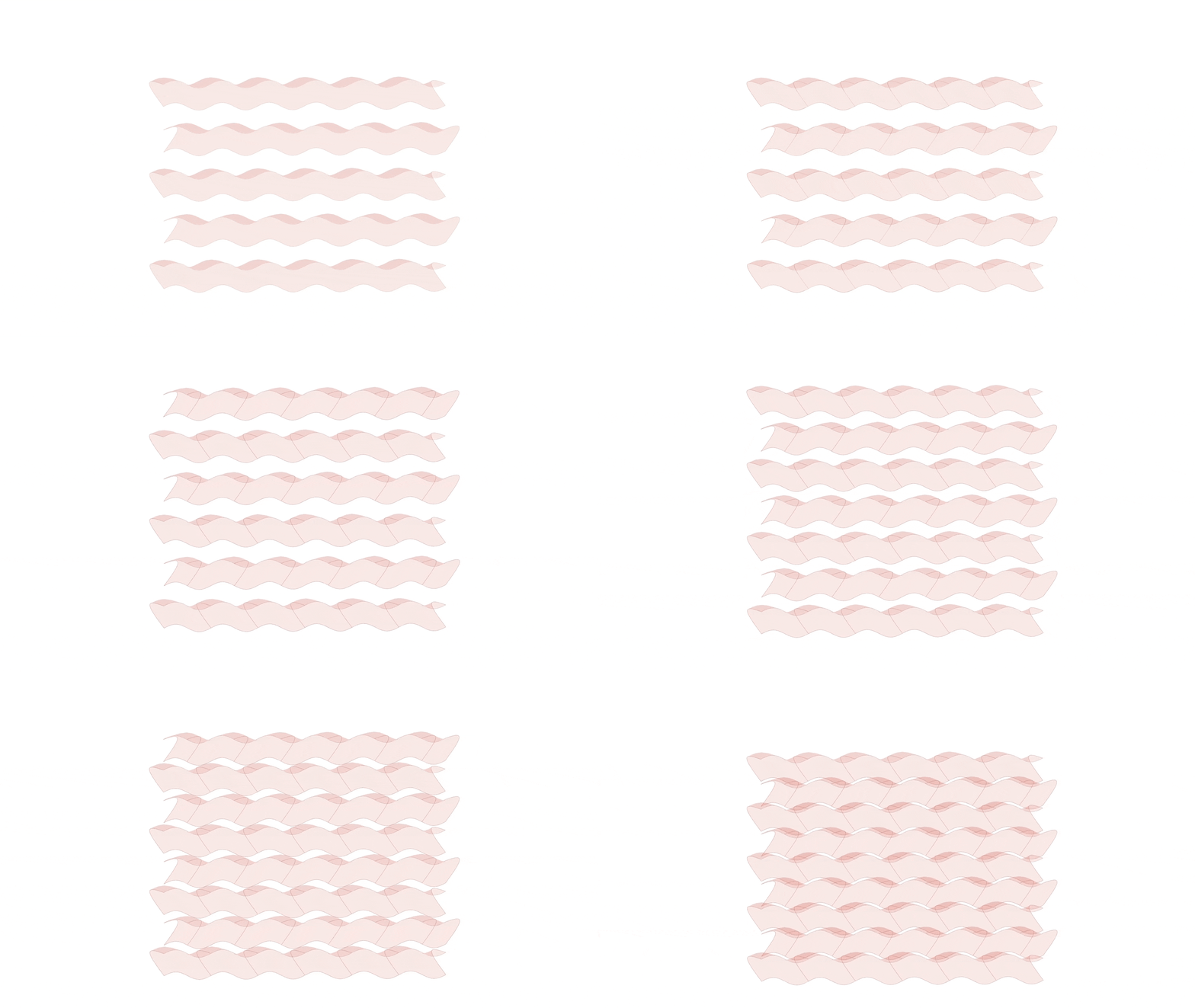
Vertical period + staggering

Bottom extrusion
Vertical loft

Top loft

General loft

Bottom loft
Load set-up
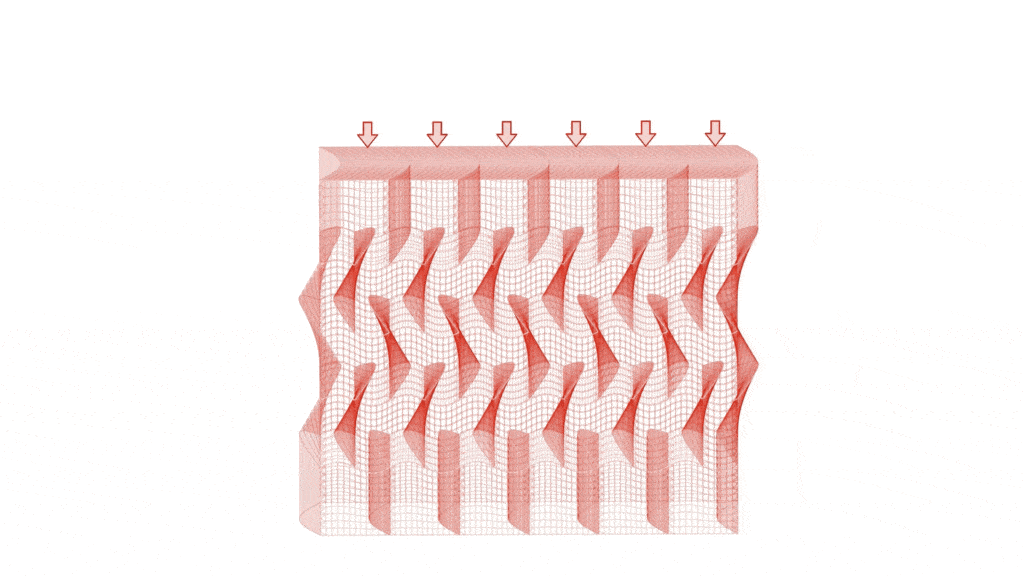
Vertical load
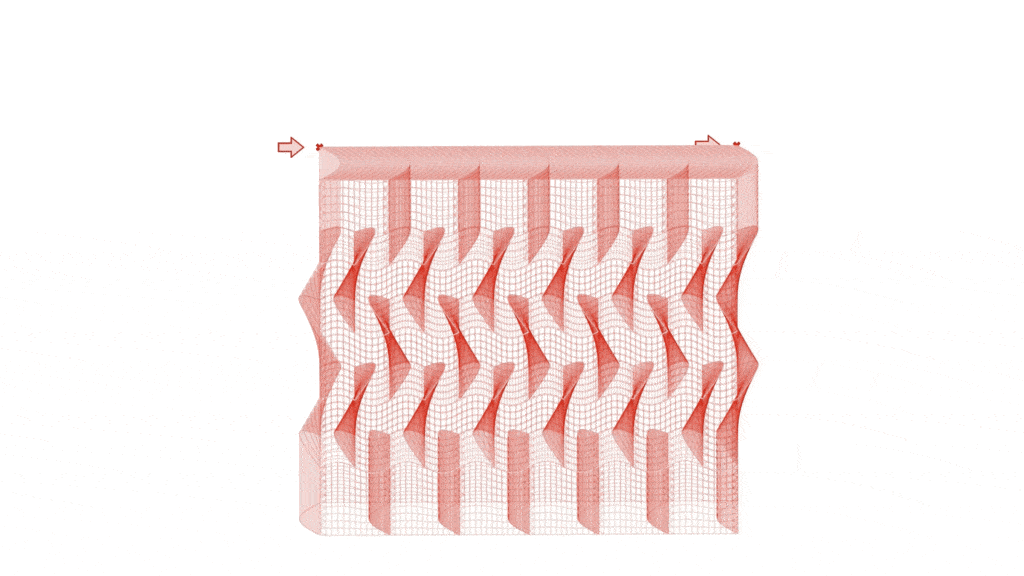
Horizontal load
OPTIMIZATION OBJECTIVES
The wall optimization is driven by minimizing deformation under two distinct load cases, while simultaneously reducing the volume of each block.
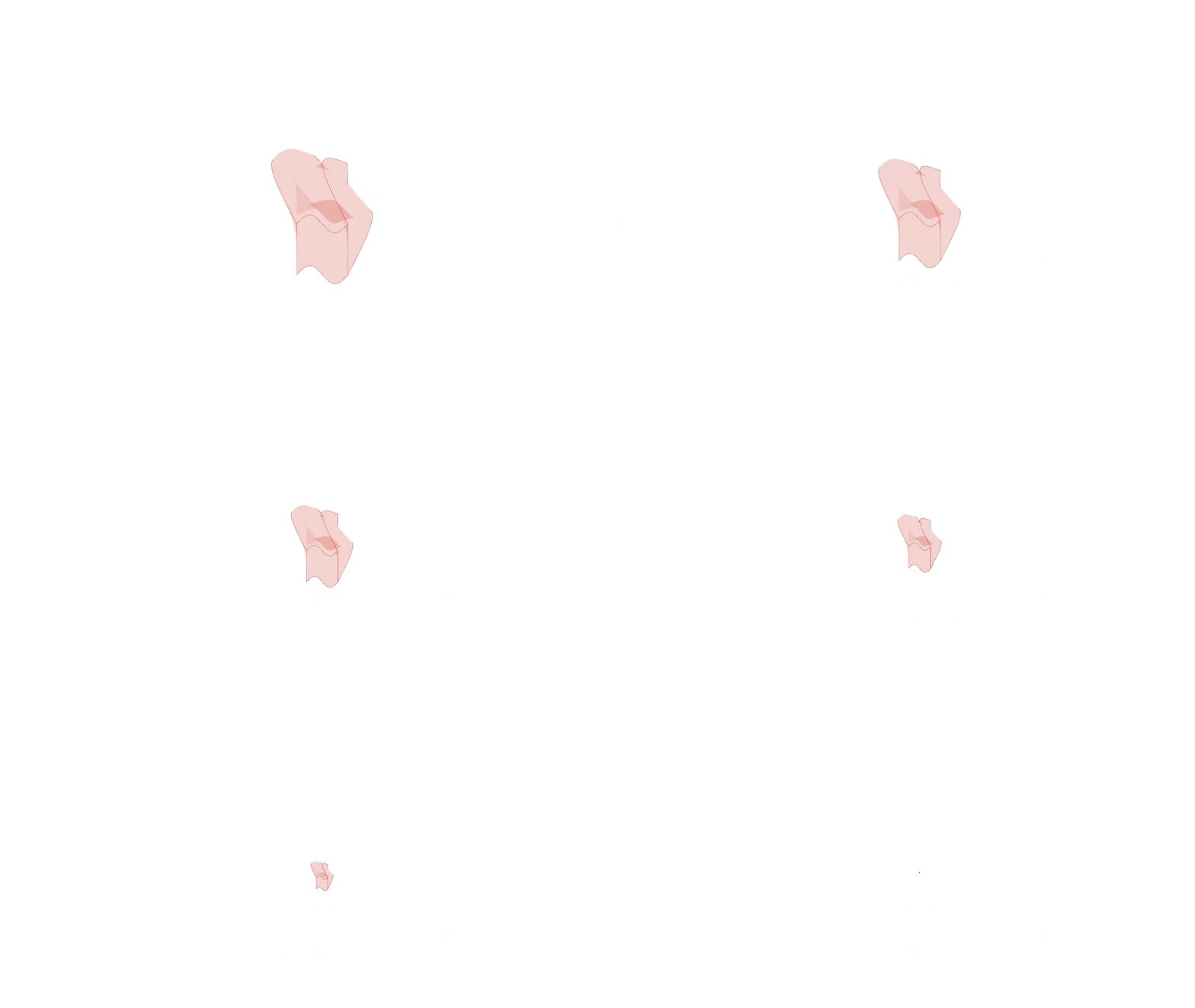
Volume
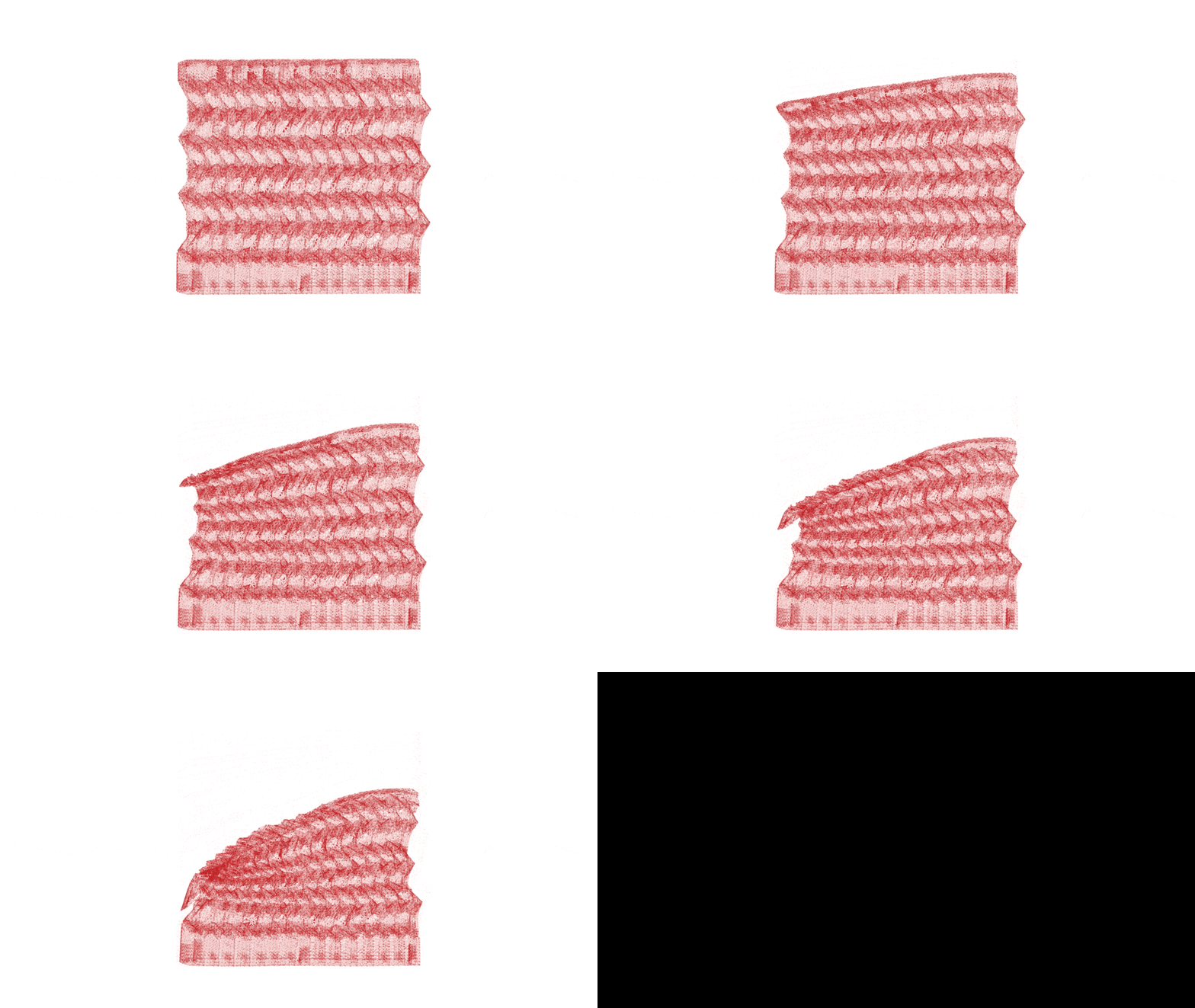
Vertical deformation
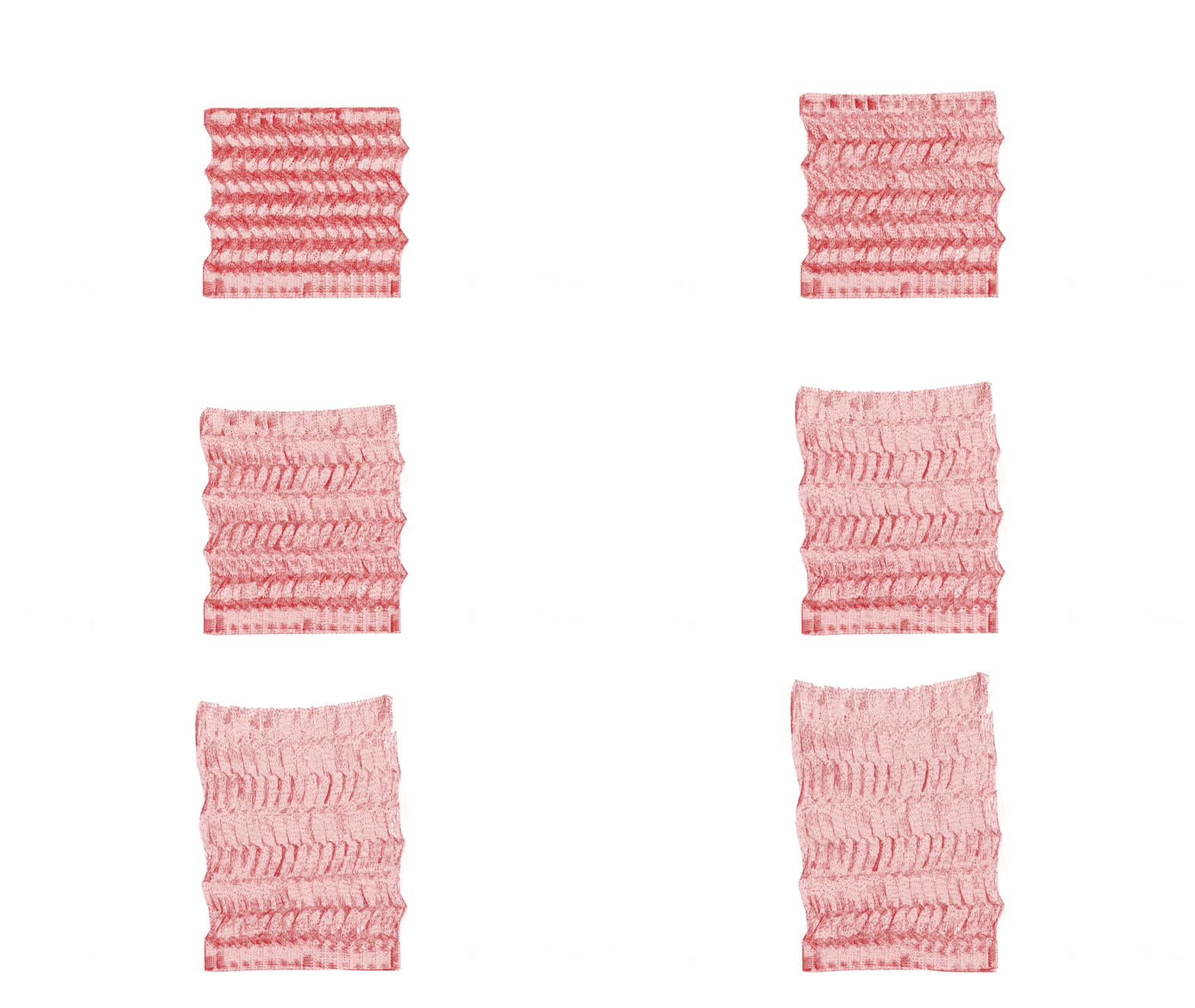
Horizontal deformation
RESULTS
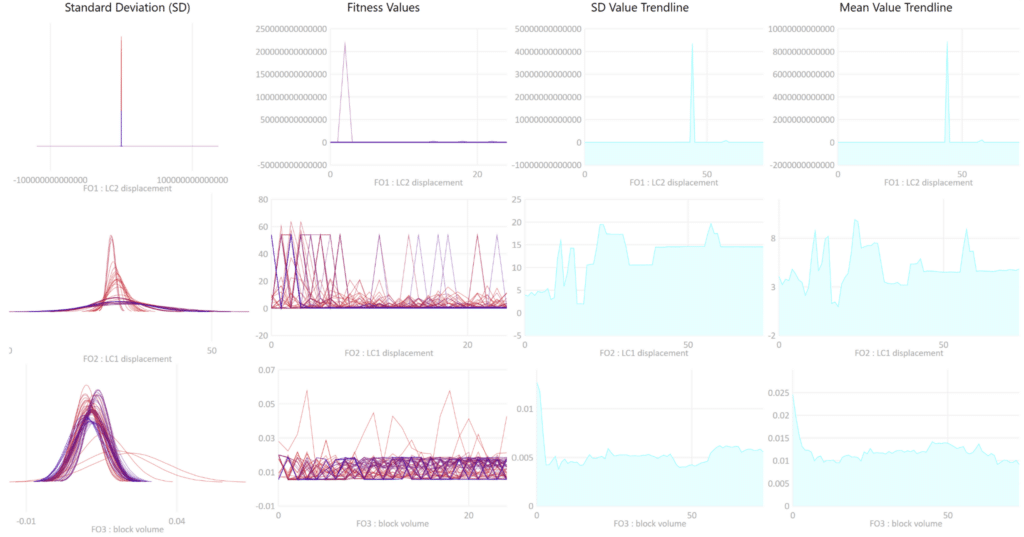
The best results were identified by filtering over 60 Pareto-optimal solutions generated by the solver based on their fitness values. Four top-performing solutions were selected for each objective: horizontal load, vertical load, volume, and a normalized average of these three criteria. Within each category, the highest-performing solution is presented at the top.
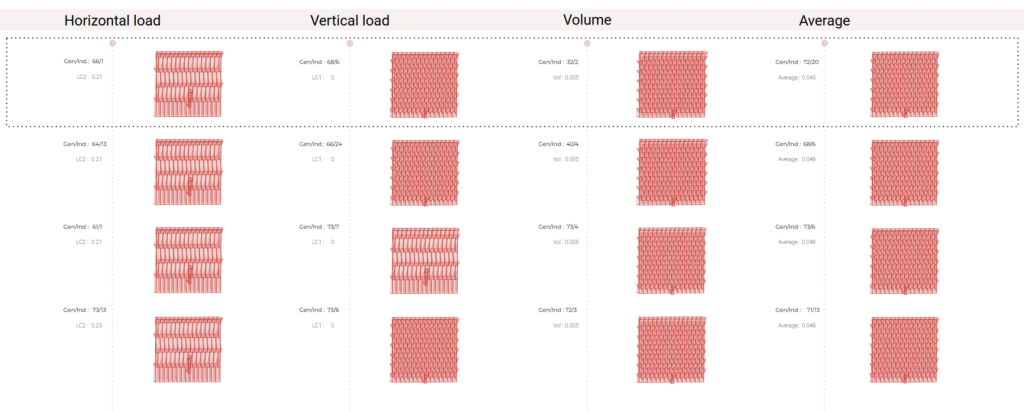
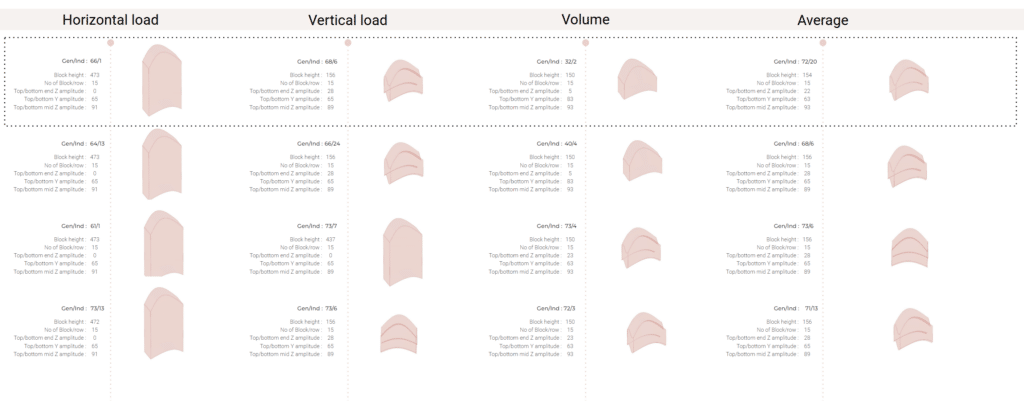
A consistent trend across all Pareto front solutions is the reduction of block width by maximizing the number of blocks per row to the imposed limit of 15. While volume optimization favors minimizing block height, the optimization under horizontal loading conditions (e.g., wind) leads to increased block height. In contrast, for vertical loads, the block height remains close to its minimum.
Notably, none of the optimal solutions converge toward zero values for the sine curve parameters (i.e., a flat geometry), suggesting that curved surfaces may offer improved efficiency in load transfer compared to planar configurations.
LIMITATIONS
Performing the pareto selection across all generations resulted in some cases in the same results being recomputed. Furthermore, the horizontal displacement computed in Karamba exhibits a linear progression rather than a sudden increase, and therefore does not capture the onset of block failure.