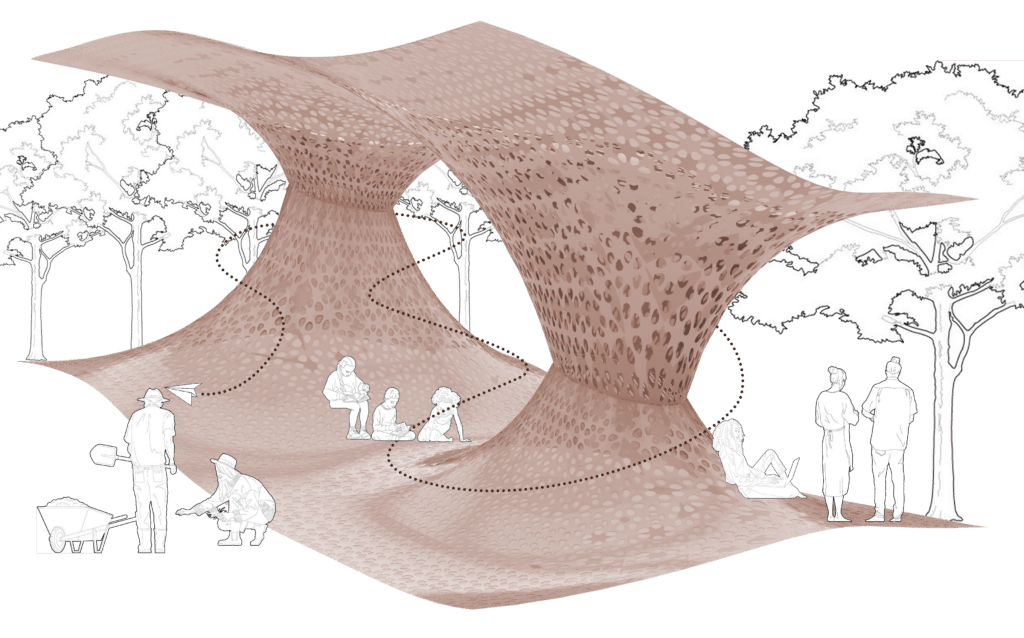
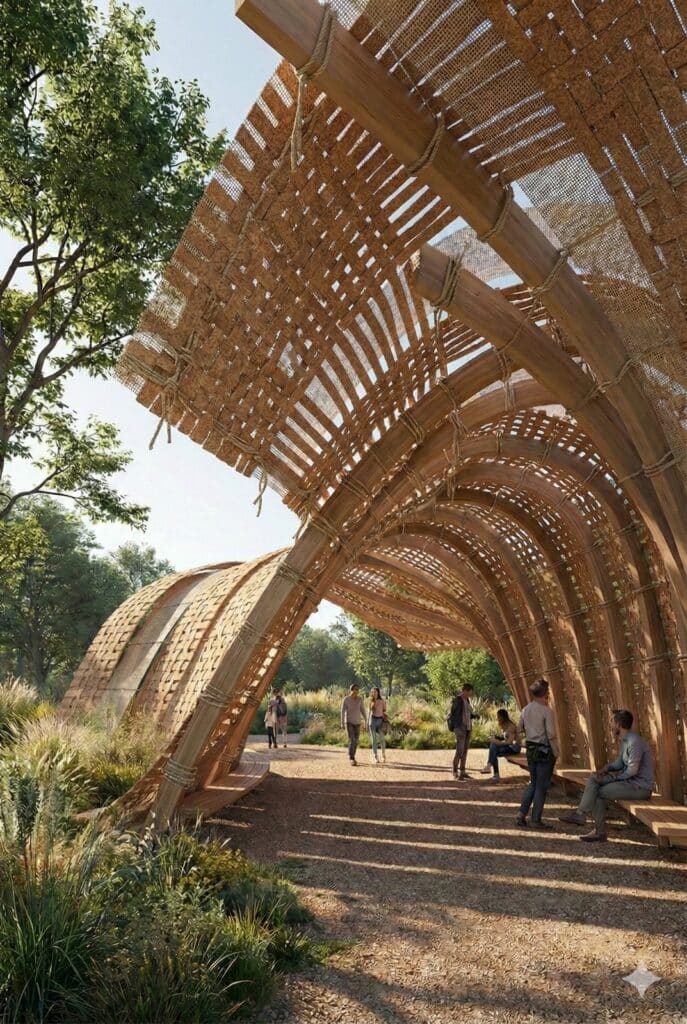
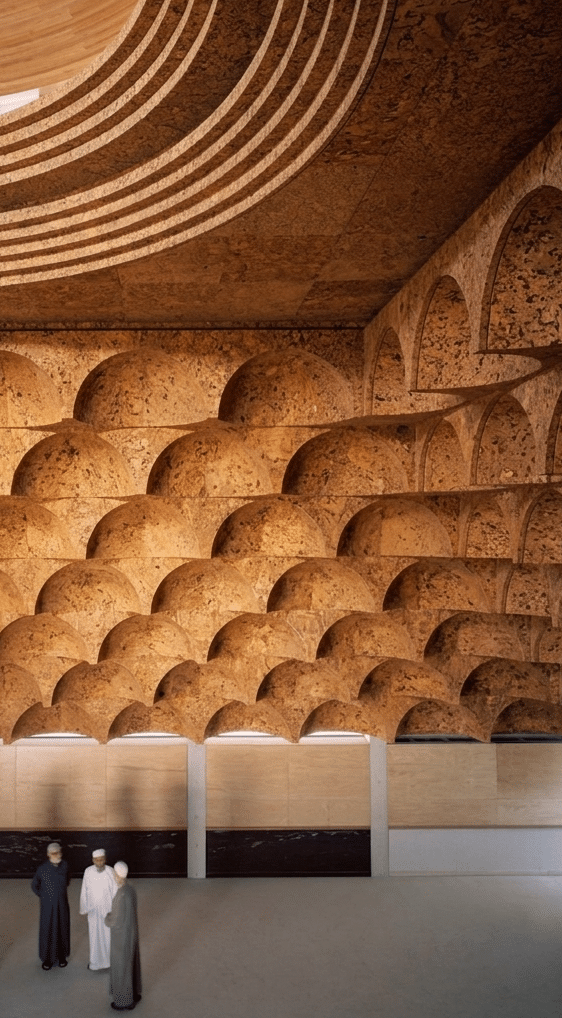
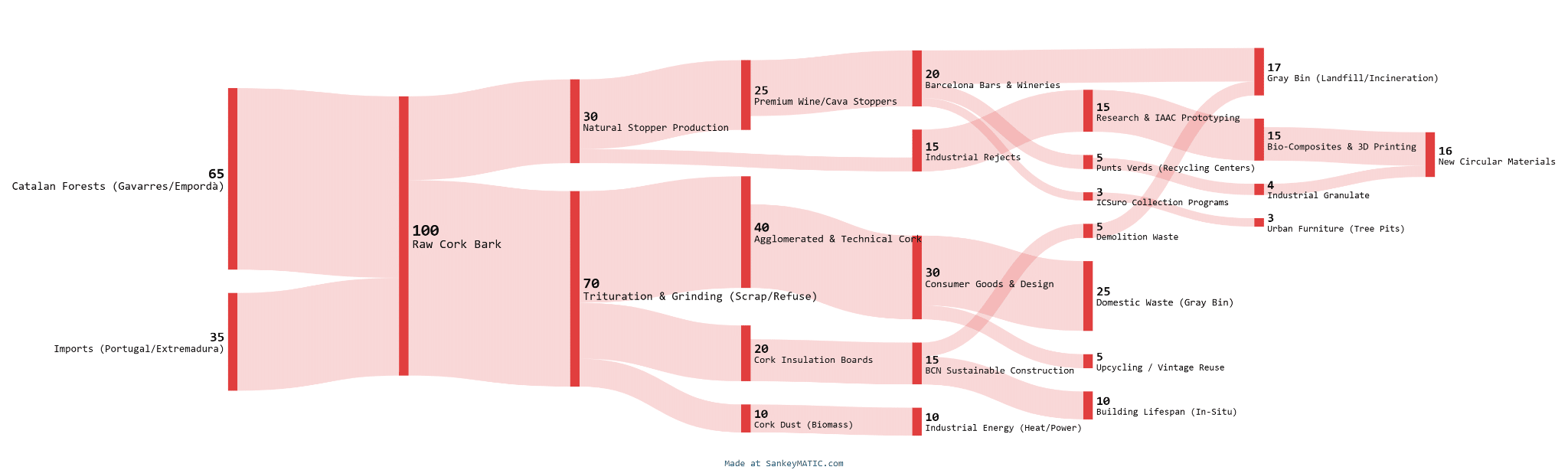
This project explores cork as a sustainable material and investigates new possibilities for its application through innovative design and production methods. By experimenting with different technologies and rethinking how they can be used, the aim is to develop new ways of working with cork that minimize carbon emissions, reduce waste, and limit the use of chemical additives. The project seeks to highlight the material’s environmental potential while opening up alternative pathways for circular and low-impact production.
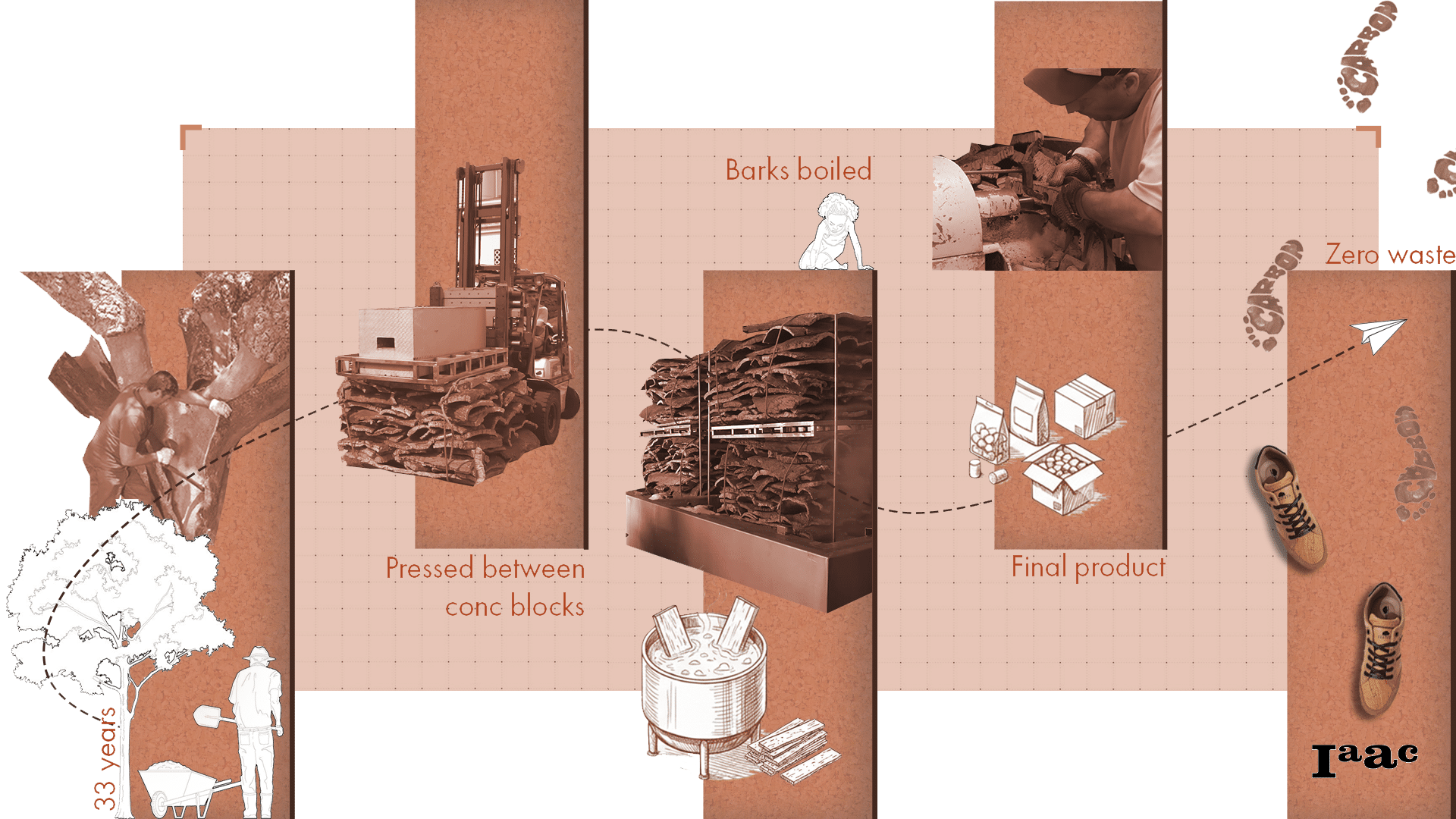
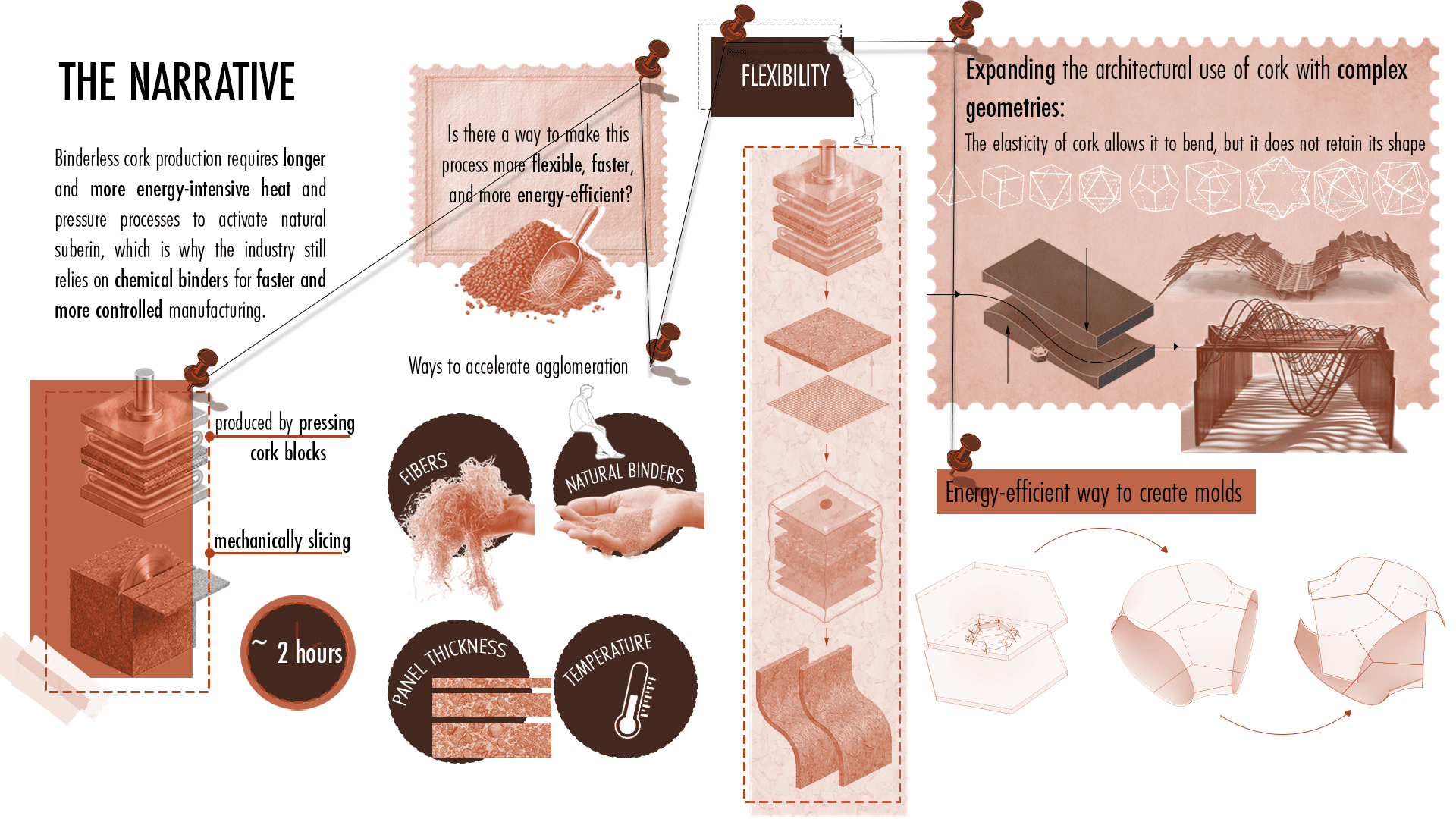
As an introduction to this journey, the following narrative illustrates the origin and transformation of cork. Cork oak trees require 33 years of growth before their bark can be sustainably harvested for the first time. Once collected, the bark is carefully boiled, pressed into blocks, and transformed into refined materials ready for production. This process reflects cork’s unique ability to combine natural renewal, craftsmanship, and long-term reusability within a zero-waste design approach.
Architectural Properties of Cork
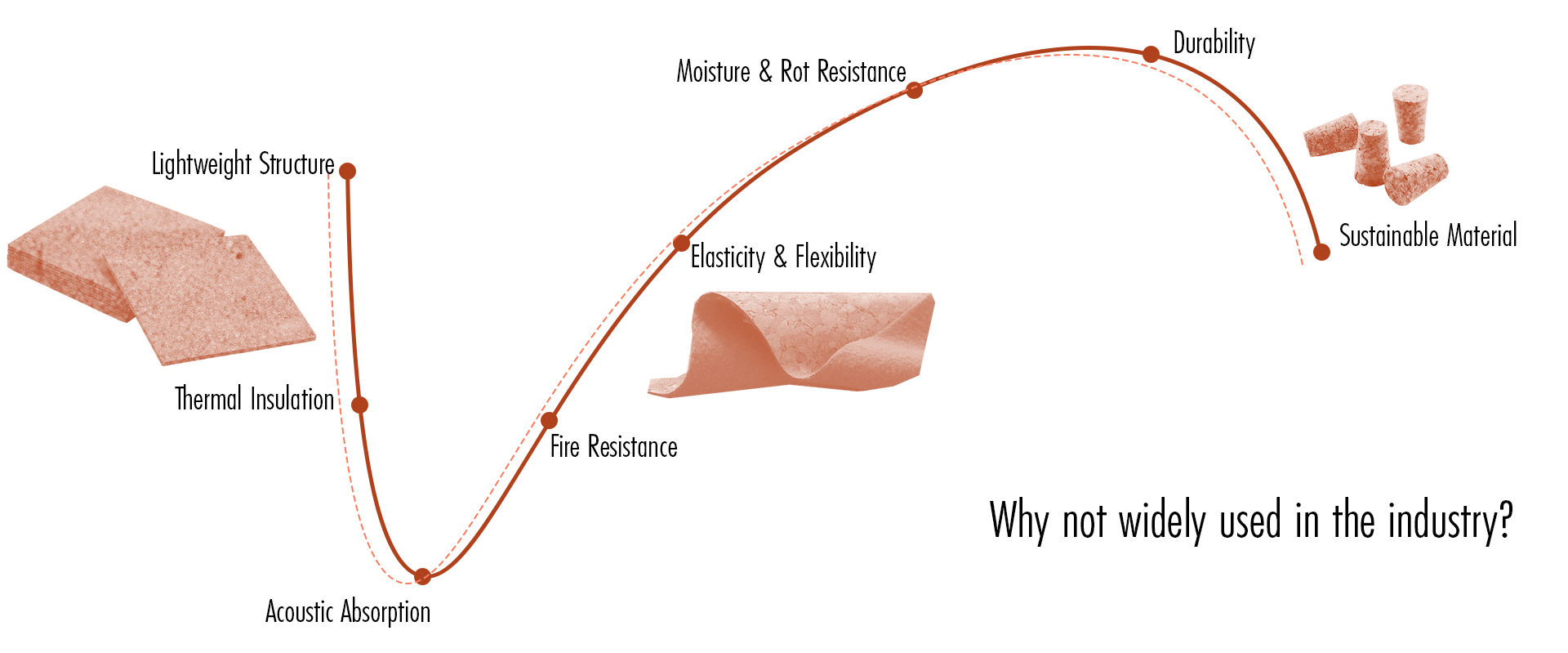
Cork offers a remarkable range of architectural properties that make it highly valuable as a building and design material. Its lightweight structure allows for easy handling and reduced structural load, while its excellent thermal insulation and acoustic absorption contribute to energy efficiency and interior comfort. In addition, cork is naturally fire resistant, flexible, and elastic, enabling it to adapt to different forms and applications. Its resistance to moisture, rot, and long-term wear further enhances its durability, making it suitable for both interior and exterior use. As a renewable and sustainable material, cork presents strong environmental advantages over many conventional construction materials. Yet, despite these qualities, its use within the industry remains relatively limited. This raises an important question at the core of this project: why is such a versatile and sustainable material still underutilized, and how can new technologies and design approaches unlock its broader architectural potential?
Cork Problems
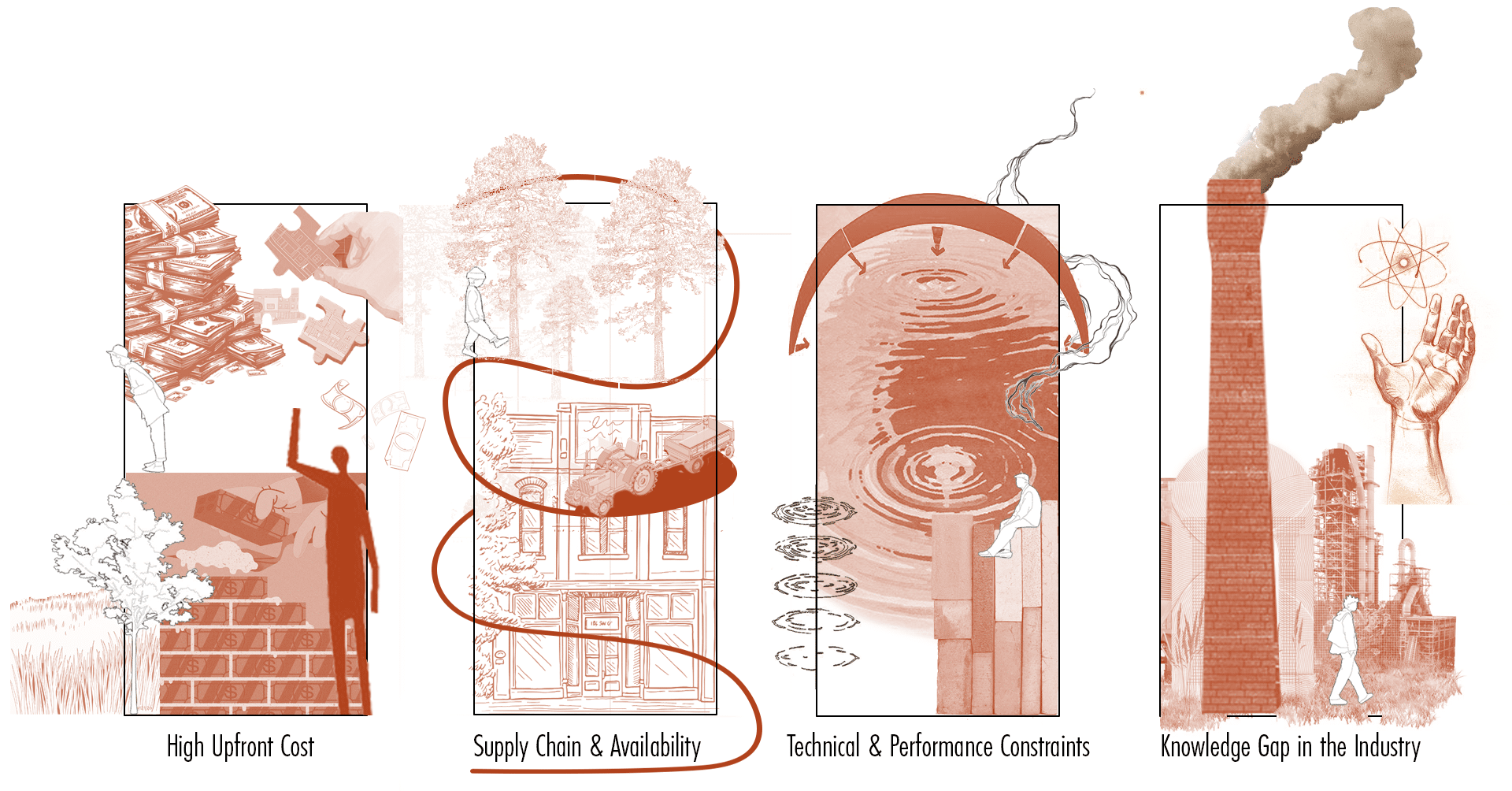
The project identifies four key challenges limiting the broader use of cork in the industry: high upfront cost, supply chain and material availability, technical and performance constraints, and a general knowledge gap within the field. Within this research, the focus is placed on two primary questions: how the upfront cost can be reduced and how the technical performance of cork-based systems can be improved.
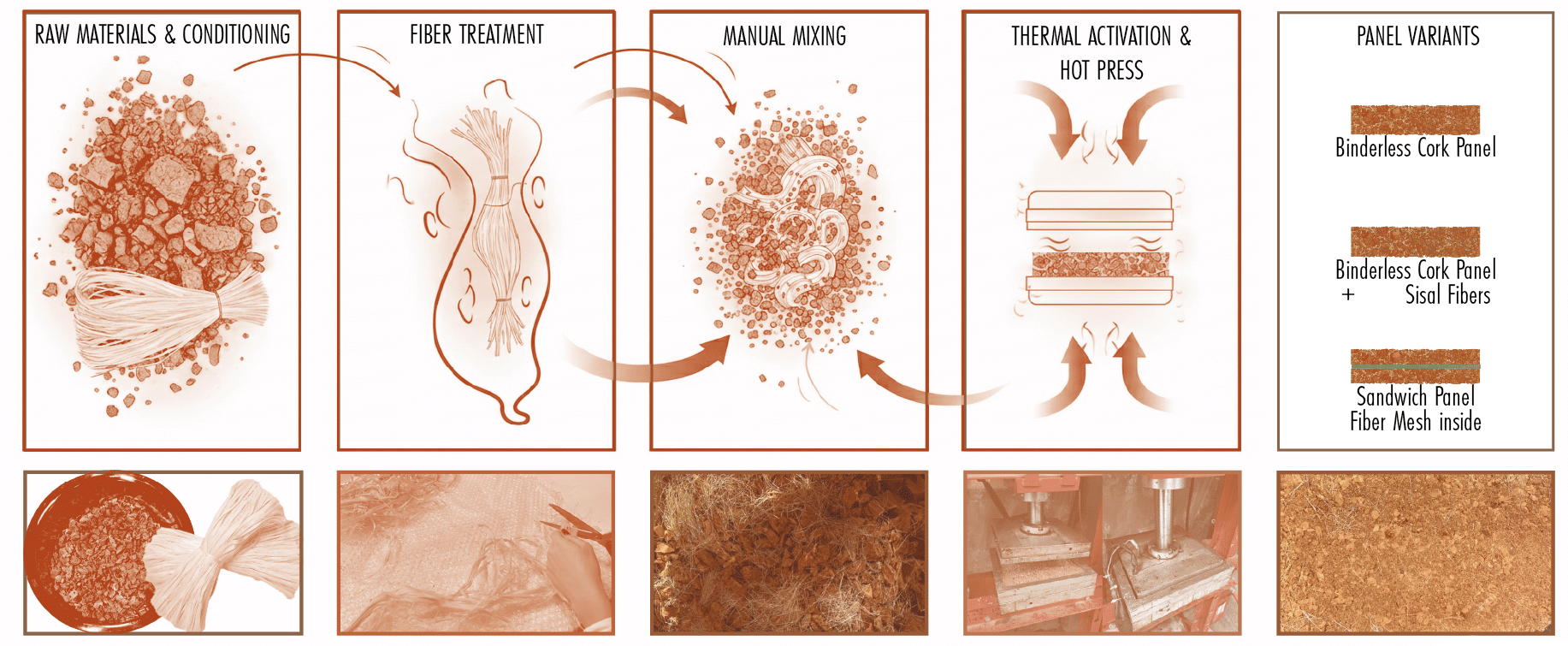
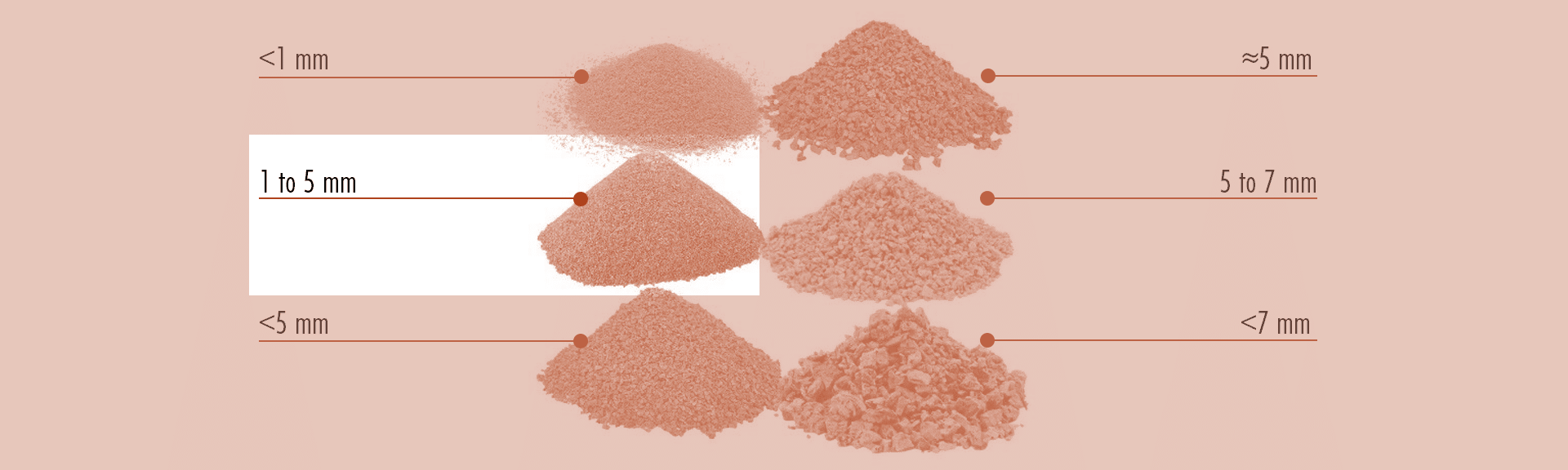
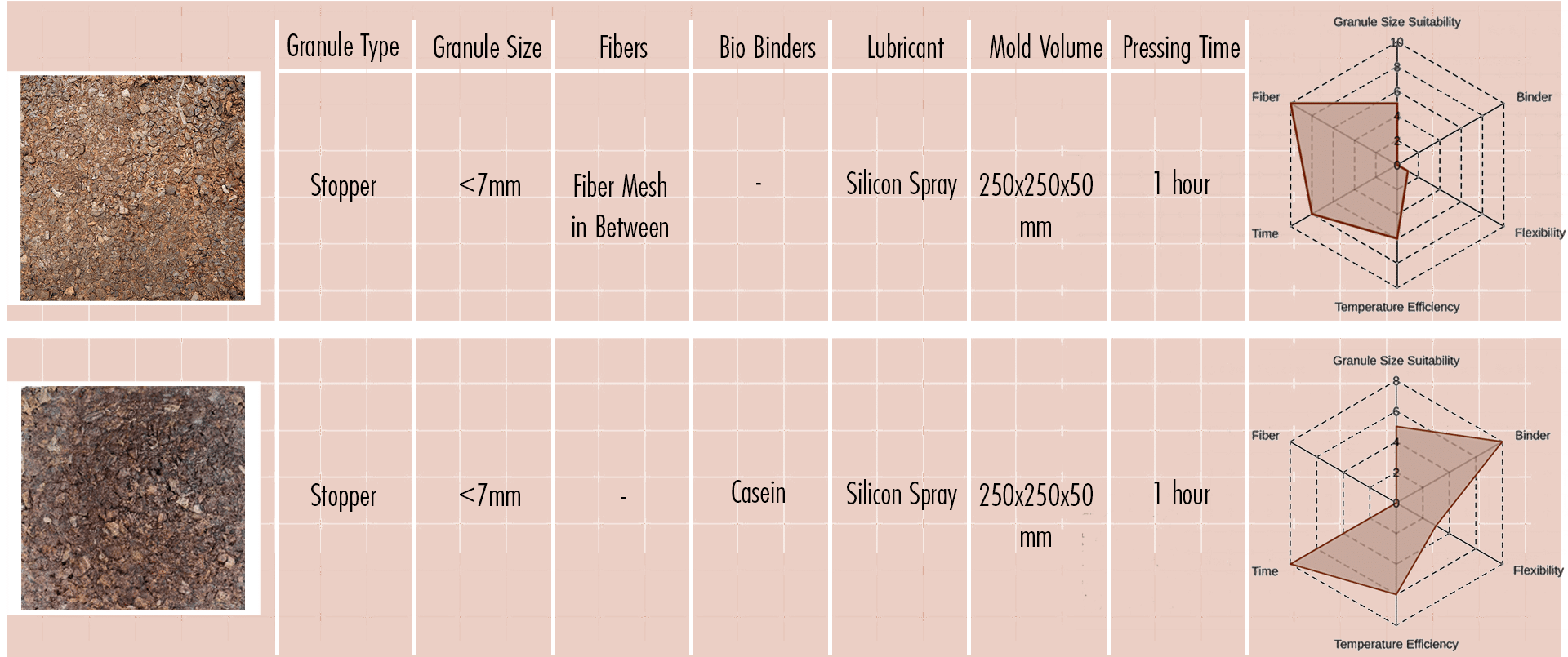
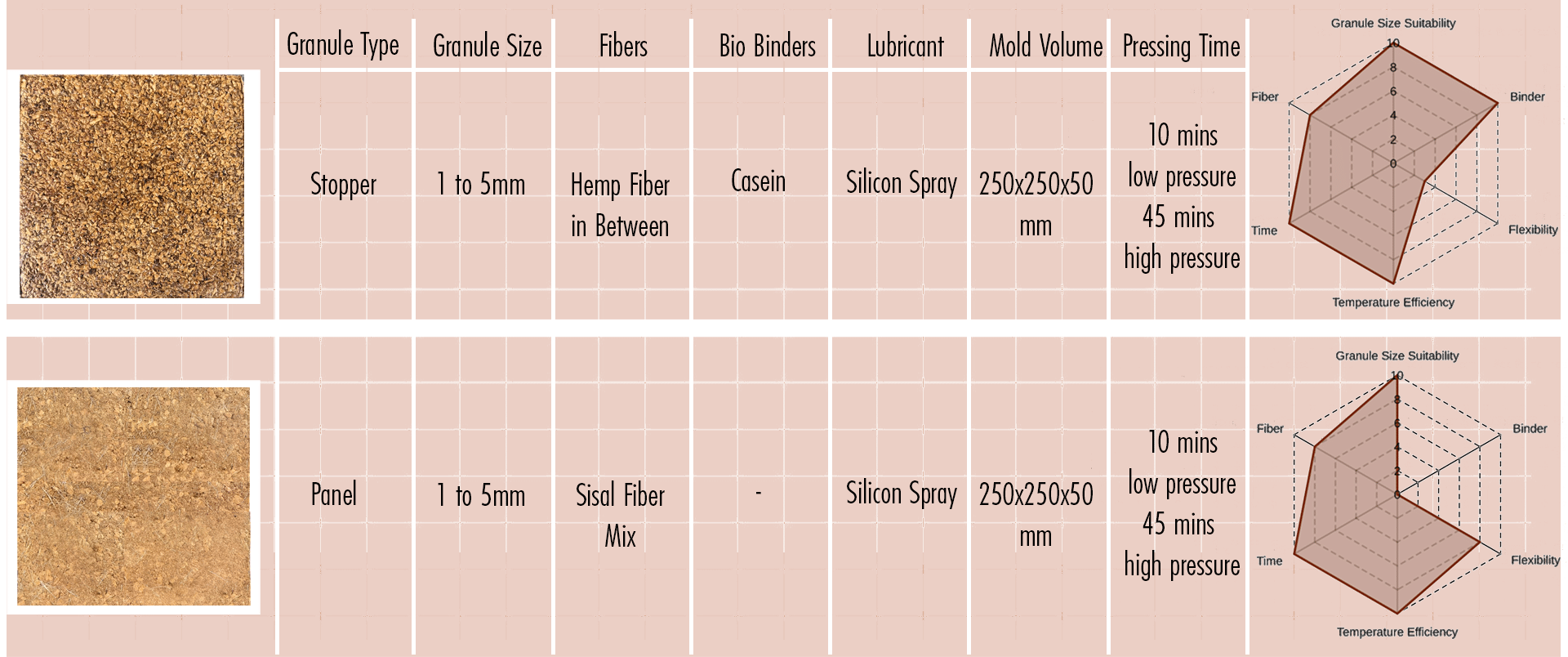
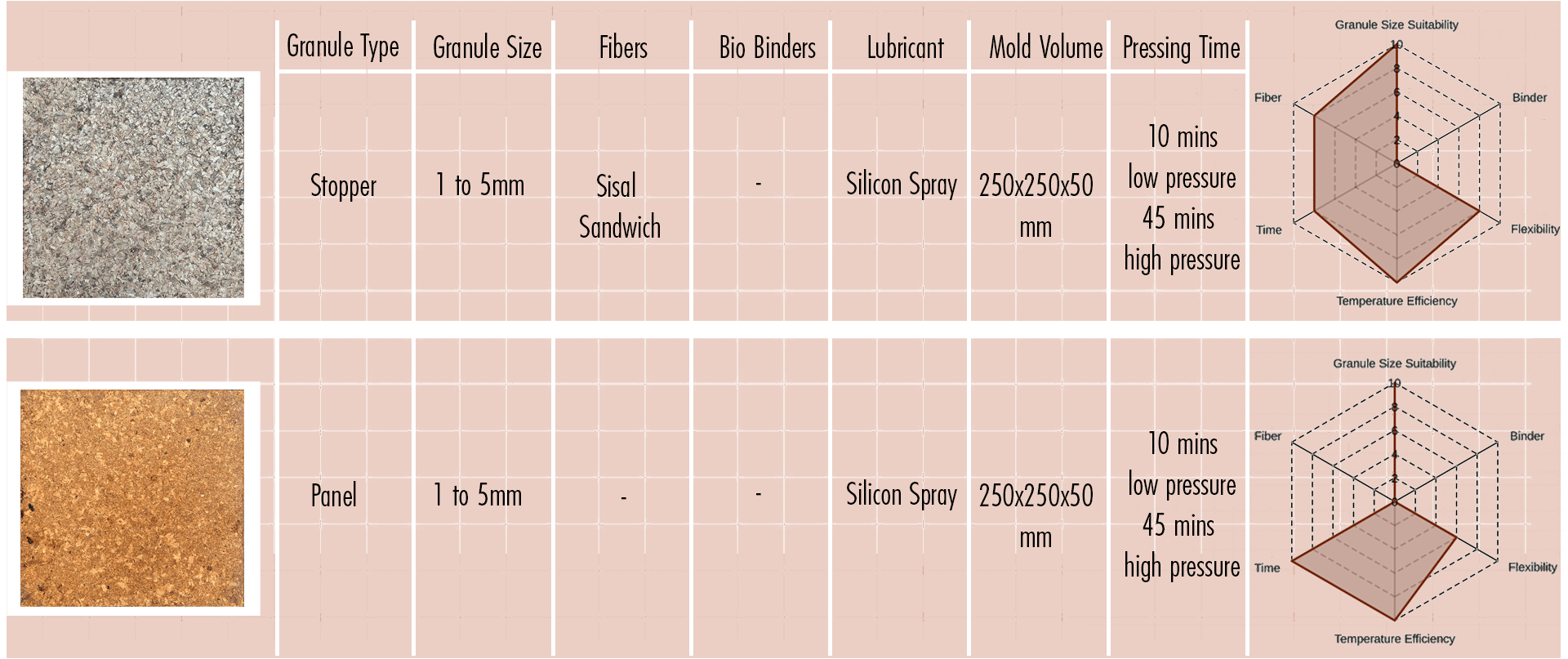
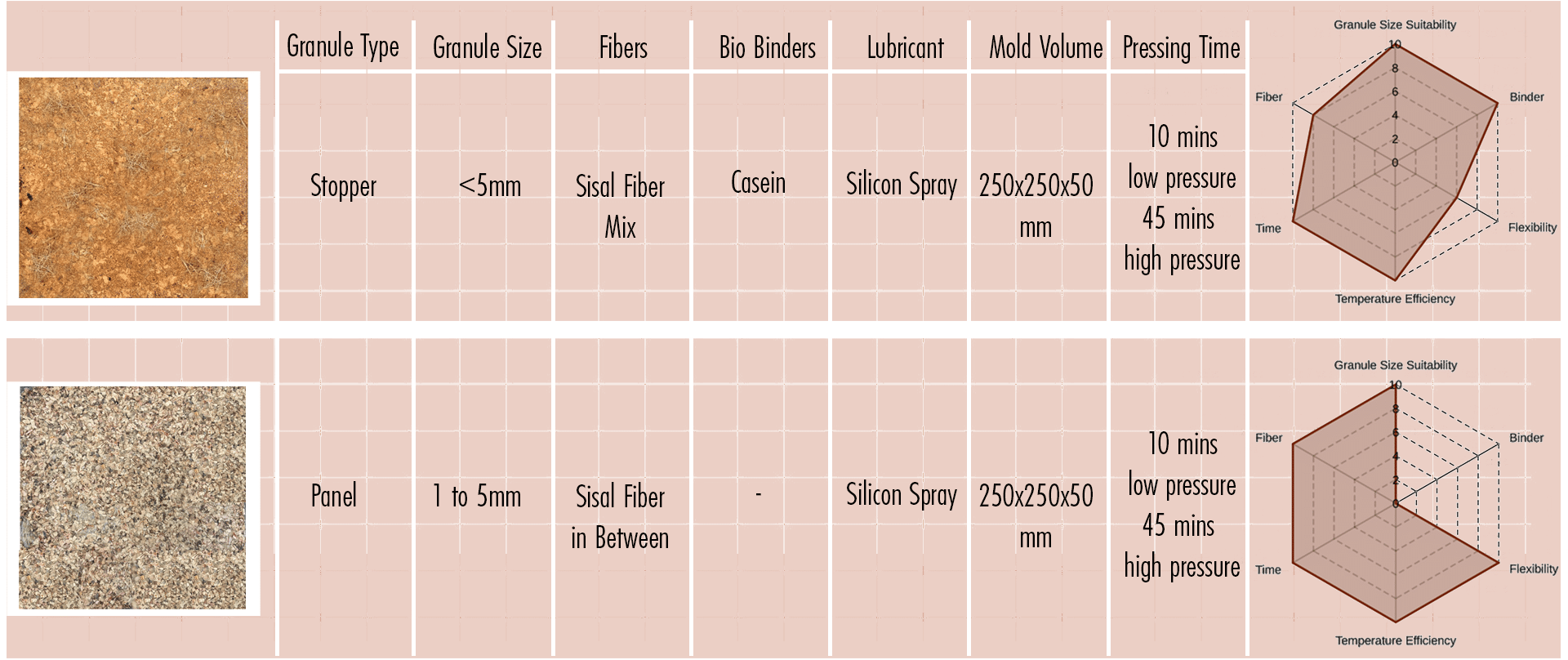
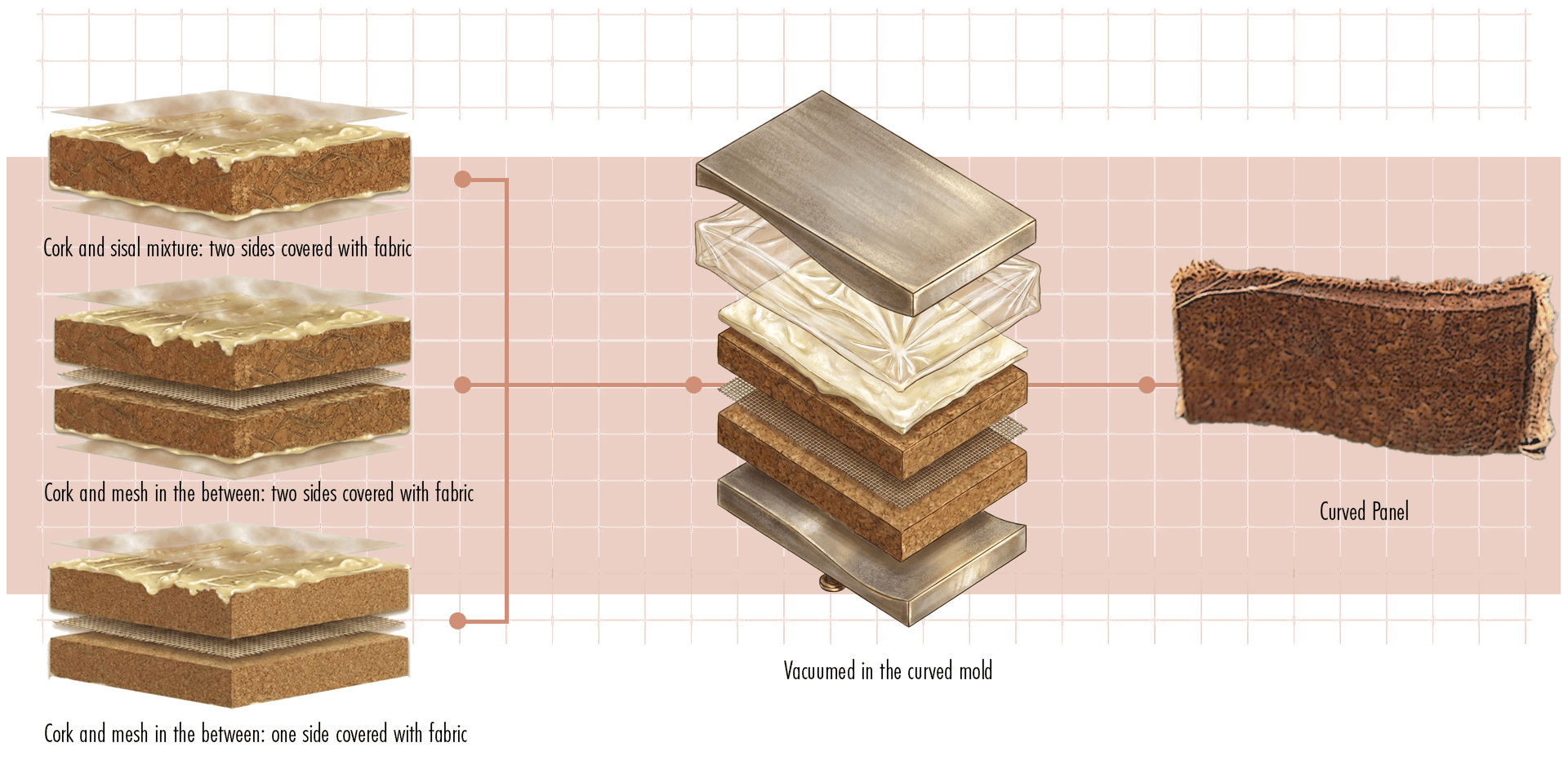
To address cost-related challenges, the investigation concentrates on variables within the heat-pressing process, including time, temperature, granule size, fiber type, bio-binders, and small-volume production conditions. In parallel, the study explores strategies for improving technical performance through post-heat-press interventions, with particular attention to fiber reinforcement, mesh integration, and the use of bio-based binders.



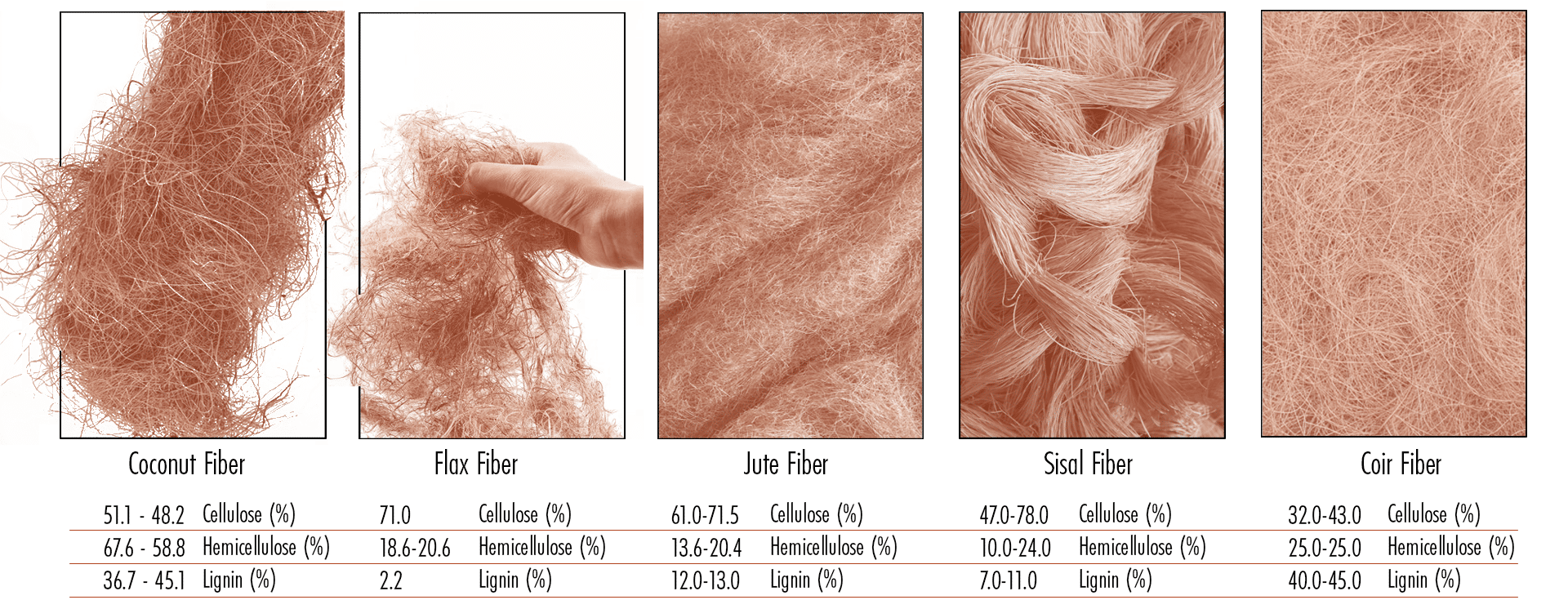
Following a series of material tests and comparative research into different natural fibers, the project ultimately focused on sisal fiber as the most suitable reinforcement material. The selection was based on its strength, durability, natural origin, and compatibility with the cork composite system. Due to its promising structural and environmental qualities, sisal fiber was carried forward and integrated into the later stages of the project development.
Experiment – Large Press
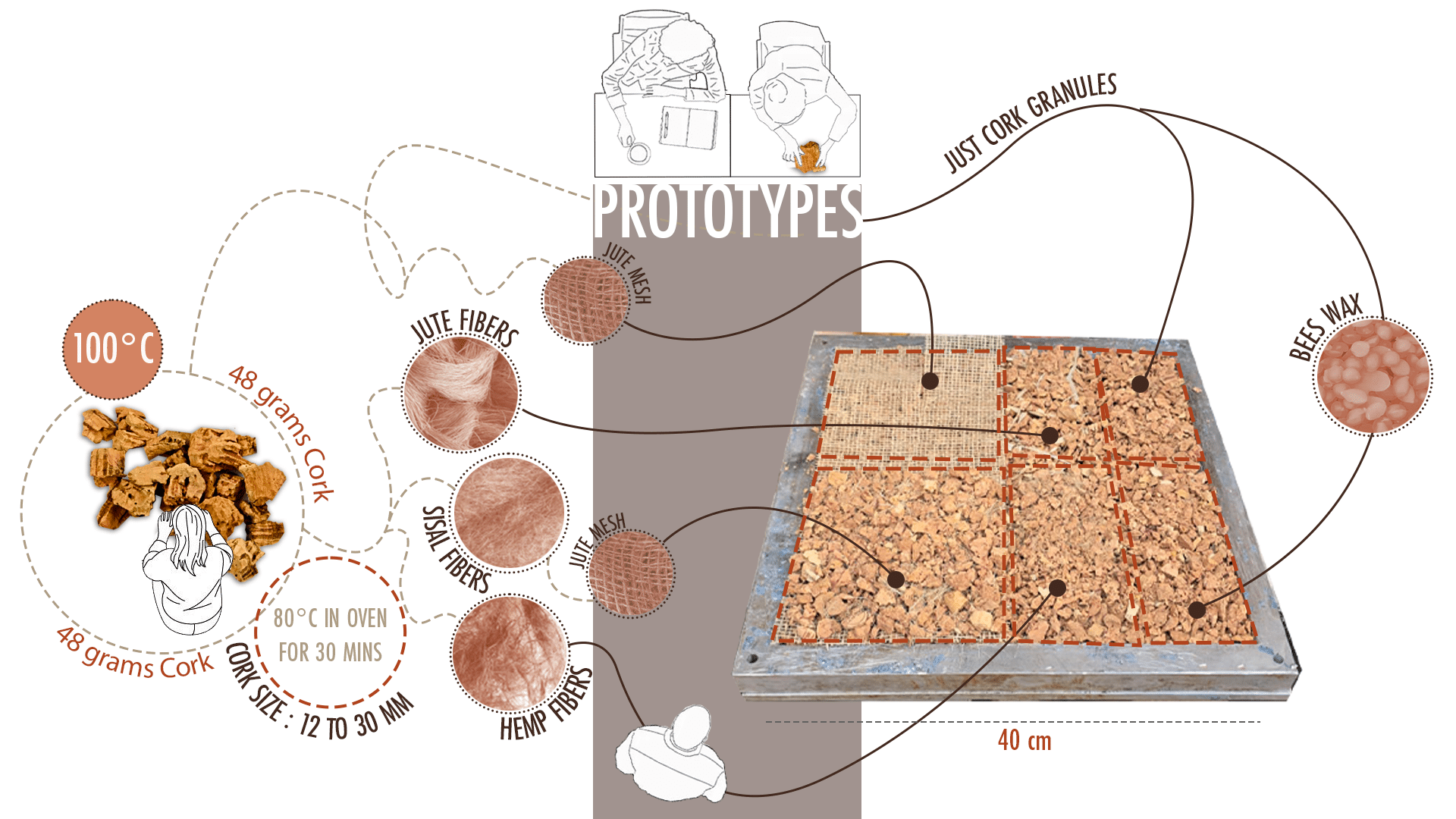
In the first experimental phase, a large mold and heat-press machine were used to test different cork–fiber compositions and layering strategies. The study compared several natural reinforcements, including jute fibers, sisal fibers, hemp fibers, and jute mesh. Different placements were explored, with the mesh positioned on the top surface, embedded between layers, and fibers directly mixed into the cork matrix. One sample also included beeswax as an additional binding component. For preparation, the cork granules (12–30 mm) were pre-dried in the oven for 30 minutes at 80°C to reduce moisture content. Each test field used 48 g of cork and was then heat-pressed at 100°C to evaluate the effect of material combinations and fiber placement on the resulting prototype performance.

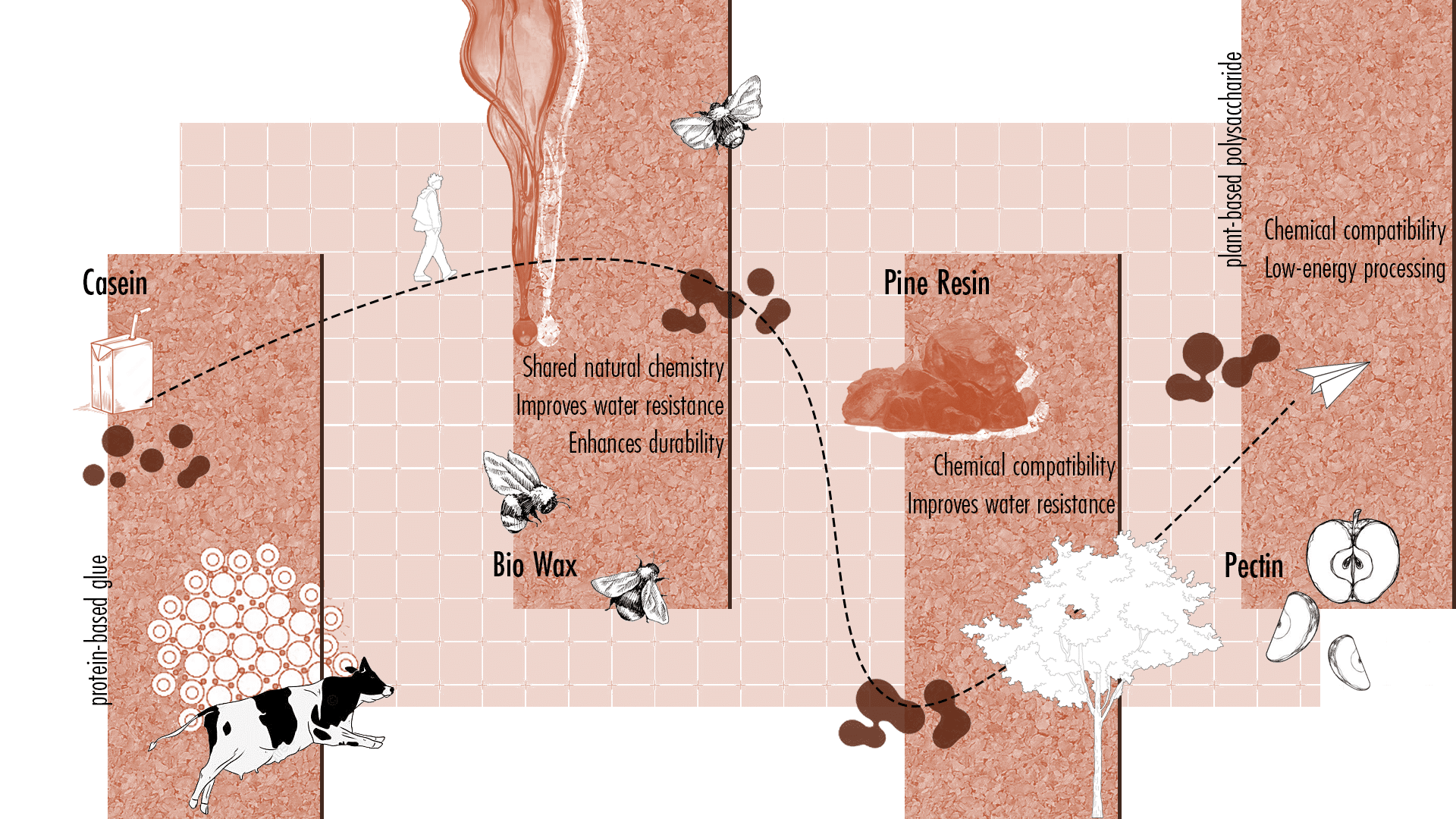
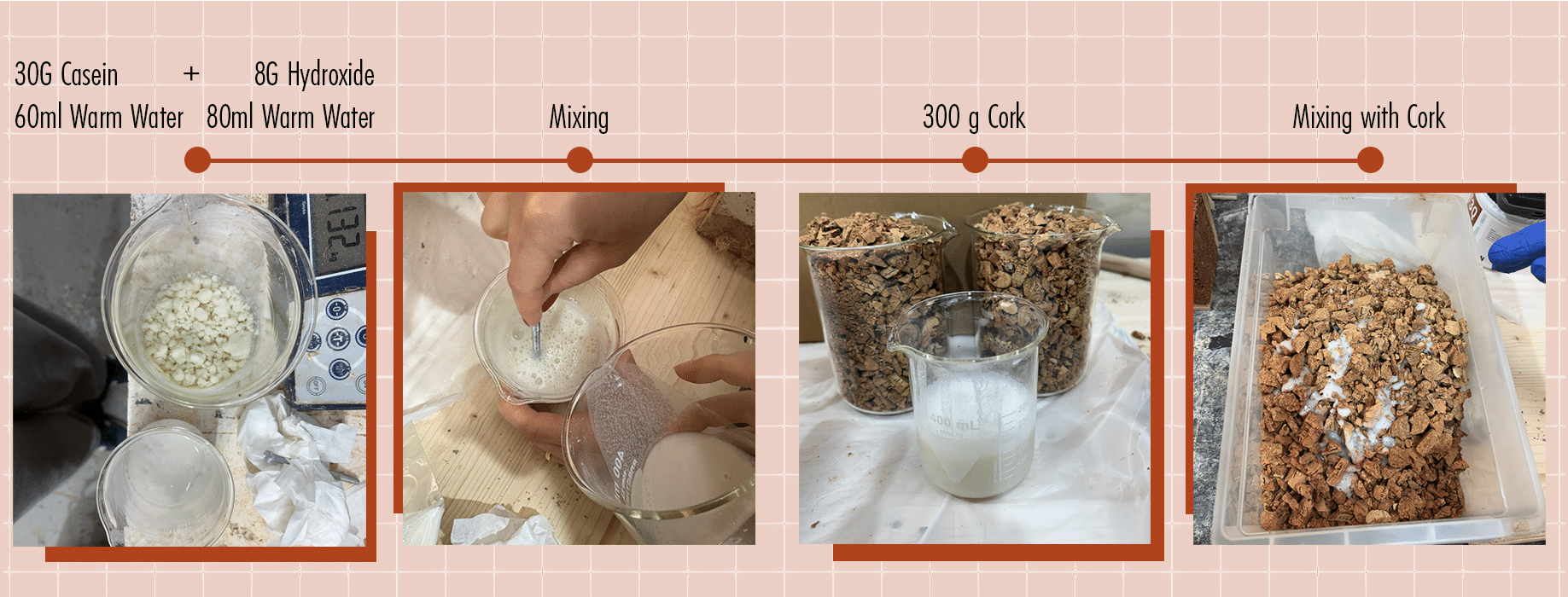
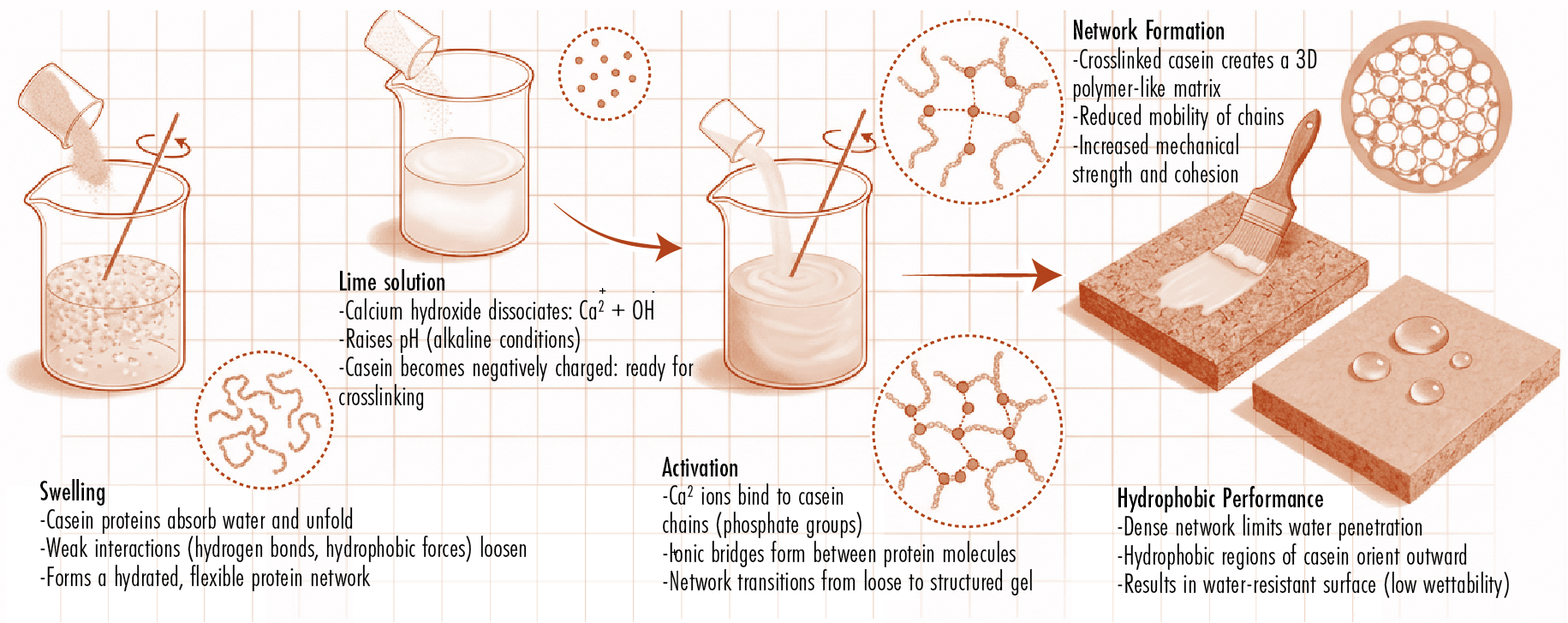
As part of the material development process, four different bio-based binders were researched and tested: casein, bio wax, pine resin, and pectin. Each binder was evaluated based on its behavior during the heat-pressing process as well as its performance after curing. Following the comparative tests, casein was selected for the next stages of the project, as it best matched our expectations in terms of workability, bonding behavior, and stability in the final material.
Casein Preparation Process

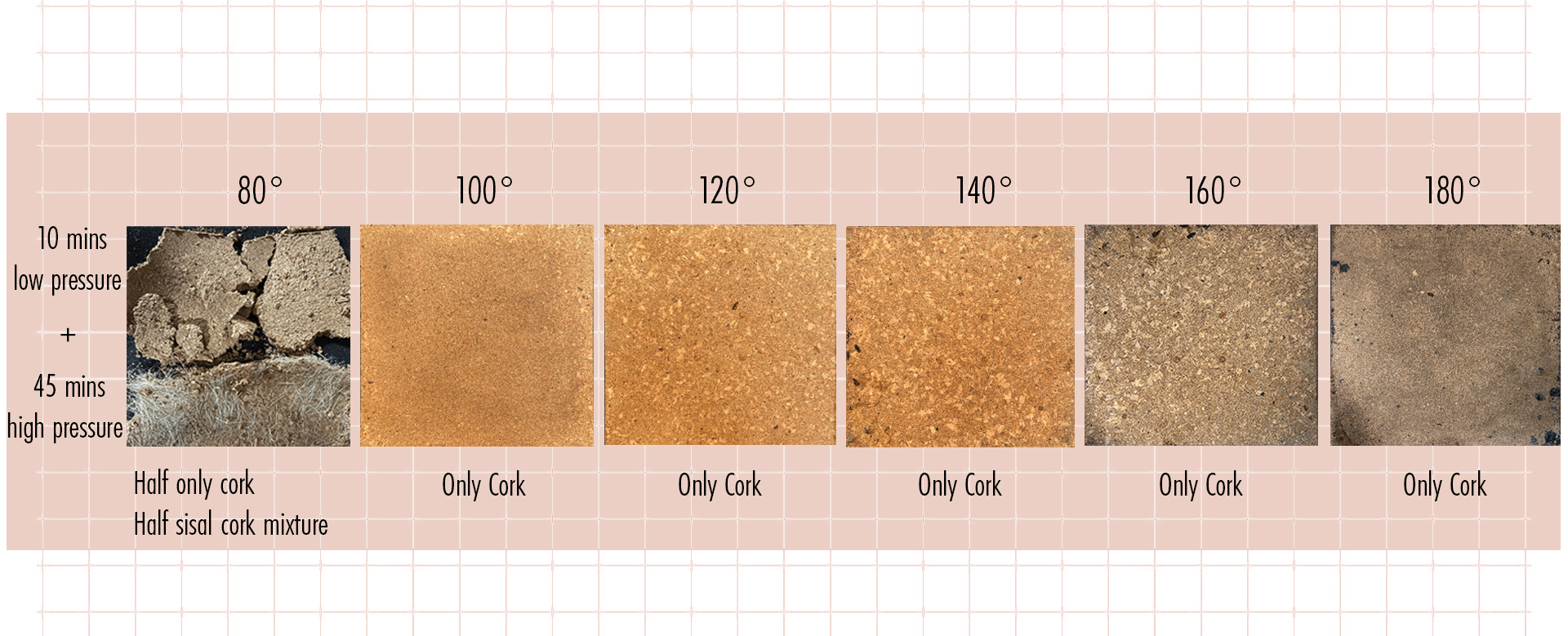
The next property investigated was temperature and its influence on cork agglomeration during heat pressing. In this experiment, only cork was compressed without any additives, binders, or fibers in order to understand the temperature range at which cork can naturally bind by itself. The tests began at 180°C and gradually decreased to 80°C, where the material started to fail and lost its ability to agglomerate effectively. Through this process, it became evident that temperature plays a critical role in the self-bonding behavior of cork. At the same time, the experiments revealed that the addition of sisal fiber significantly improved the agglomeration process, supporting the cork structure even at temperatures where the material alone was no longer able to bind successfully.

Recepie Conclusion
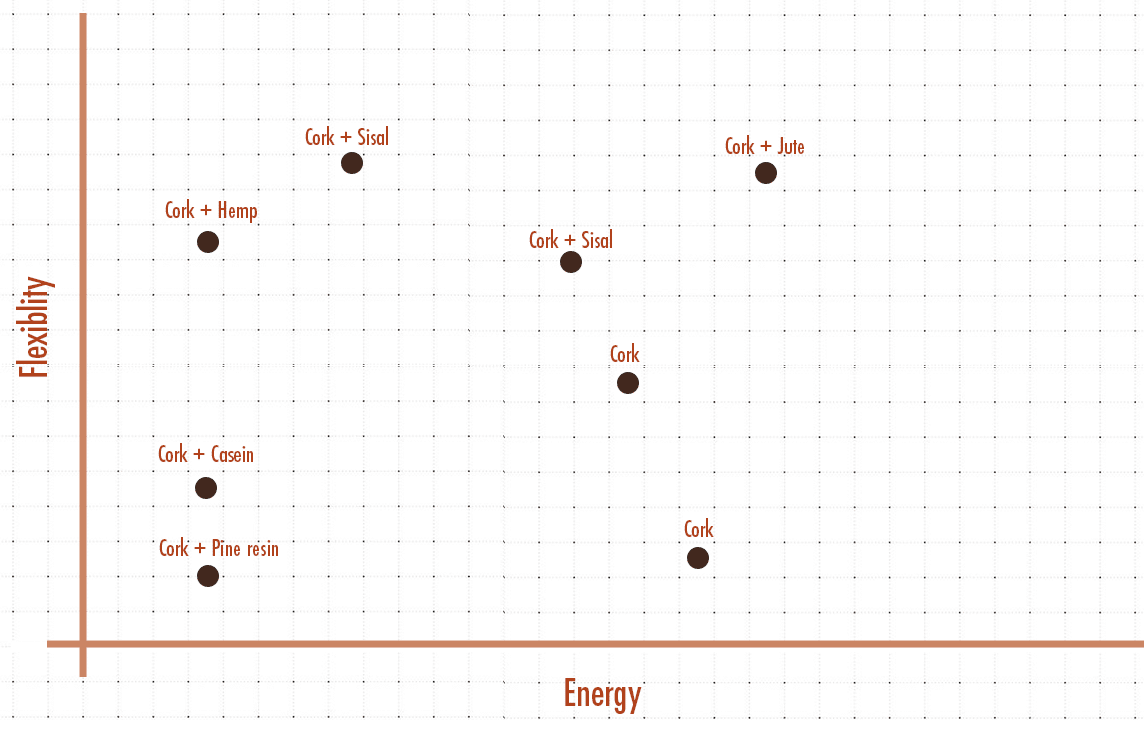
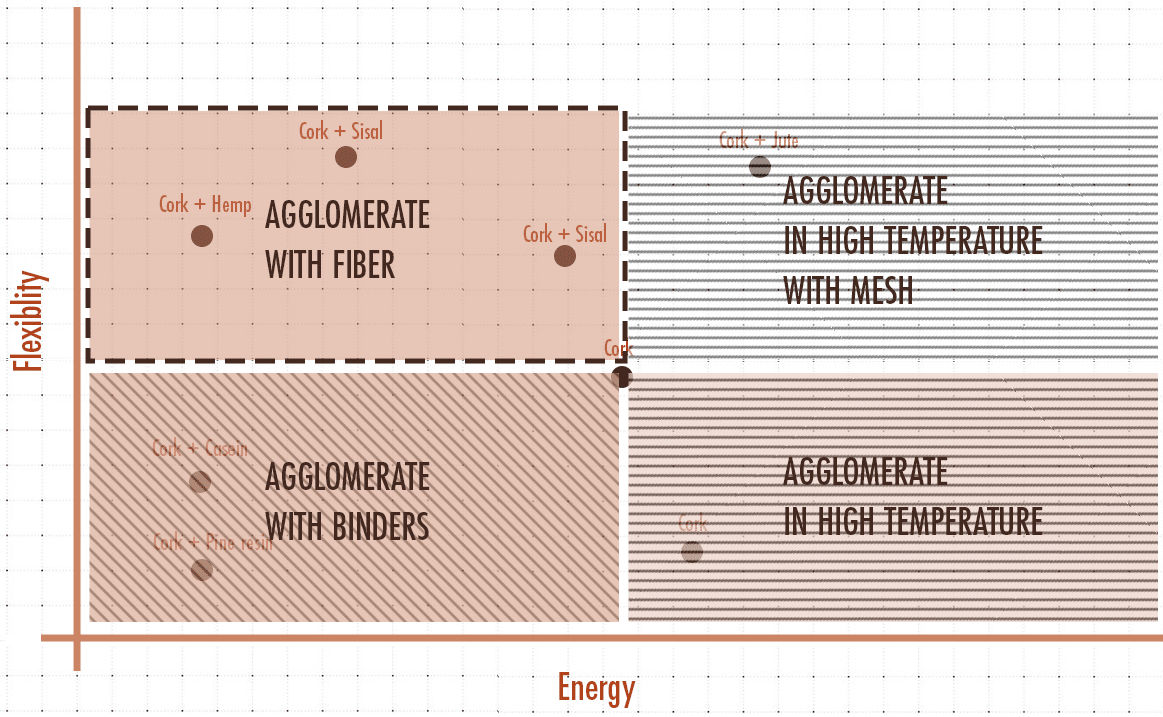
These graphs compare the performance of the tested recipes based on two key criteria: flexibility and energy input. By mapping the results, it becomes clear that certain recipes achieve strong agglomeration while requiring relatively low energy and maintaining high flexibility. In particular, the cork–fiber mixtures, especially those combined with sisal and hemp fibers, show the most promising results. These combinations best align with the project’s goals by offering an efficient agglomeration process together with improved material flexibility and a lower energy footprint.

Casein Preparation
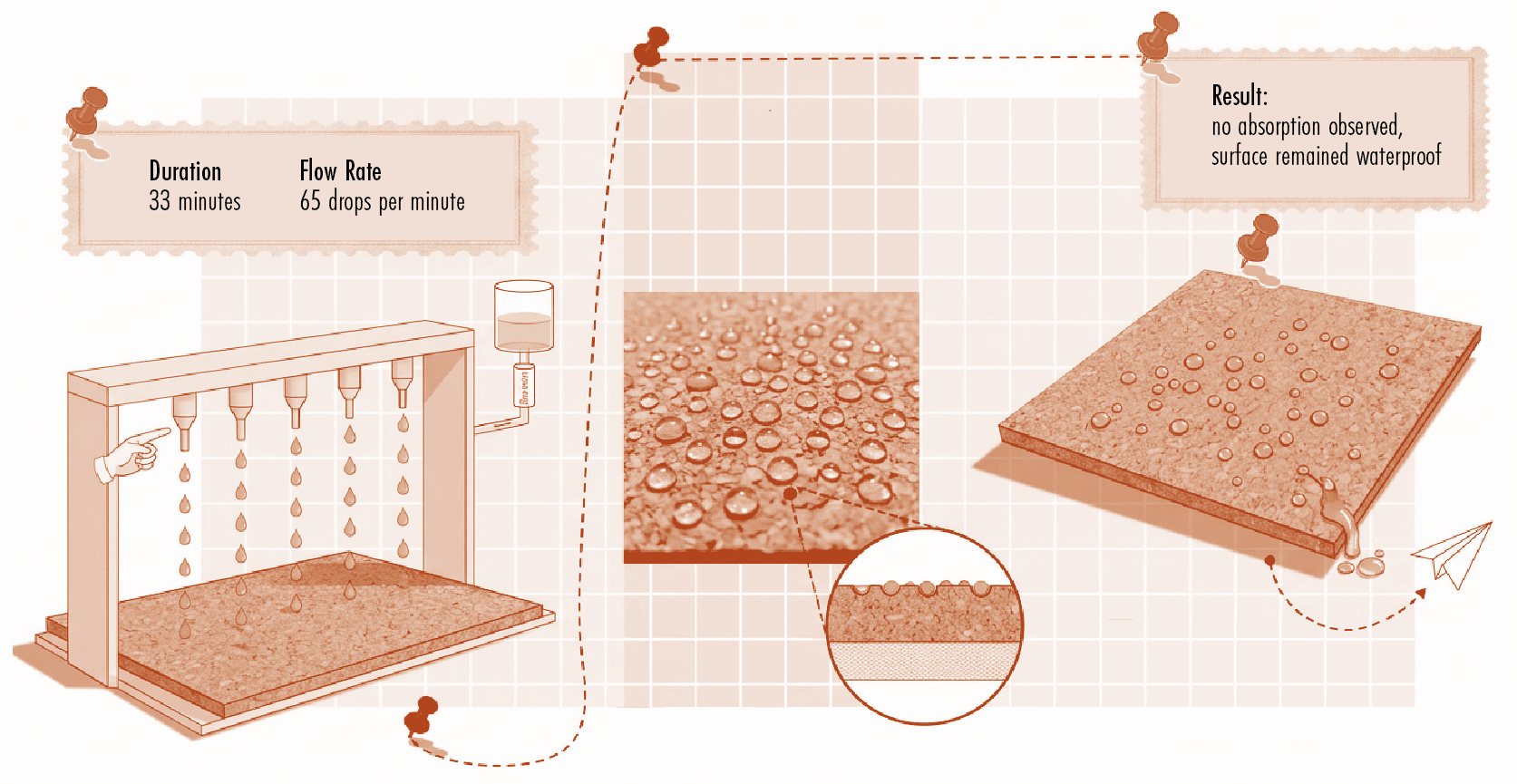
Water Resistance Test
Recipe Conclusion
by finding the perfect mix flexibility and strength we find the sweet spot for our recipe Tensile Strength Test
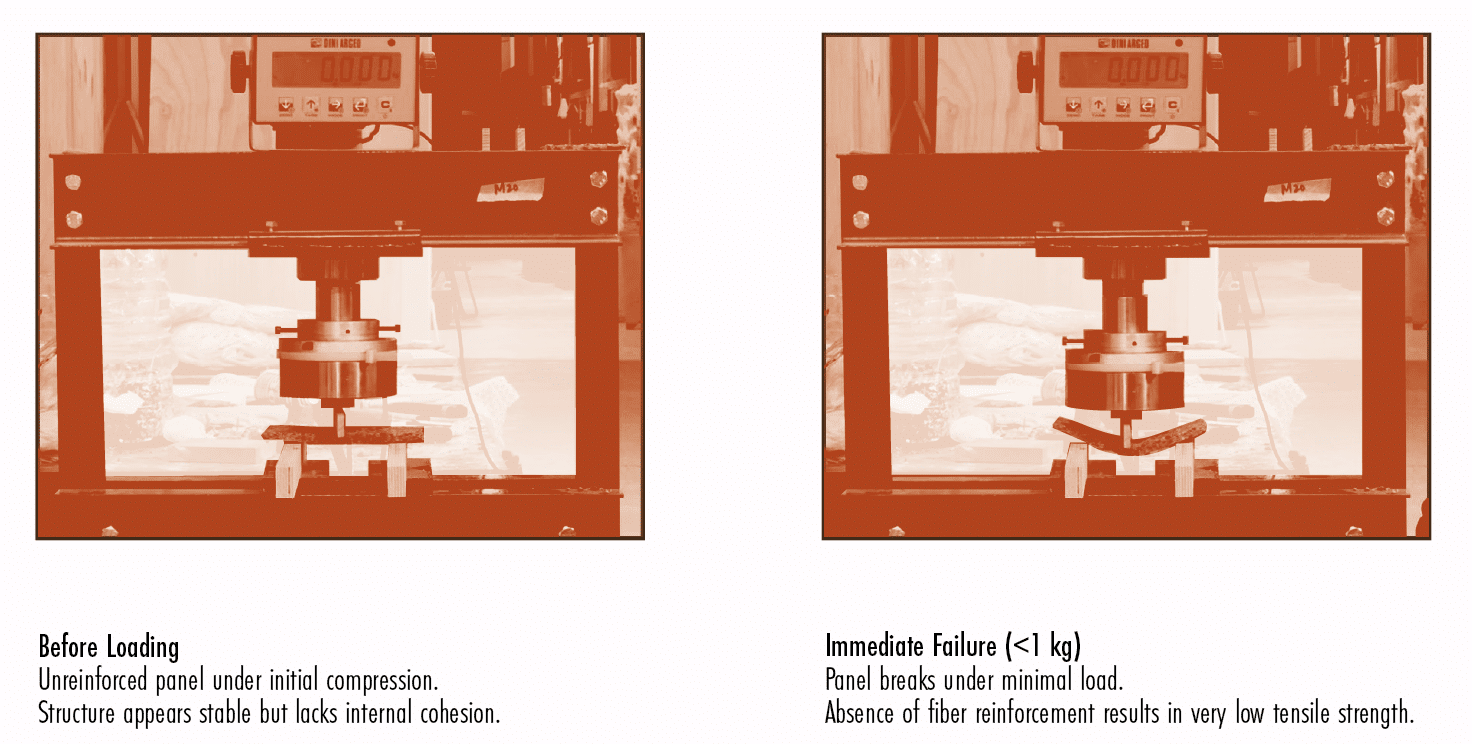
During the tensile strength testing, the first sample consisted of a cork panel without any additives, fibers, or mesh reinforcement. This panel failed almost immediately under the lowest applied load, demonstrating very low tensile strength and poor internal cohesion when used on its own.
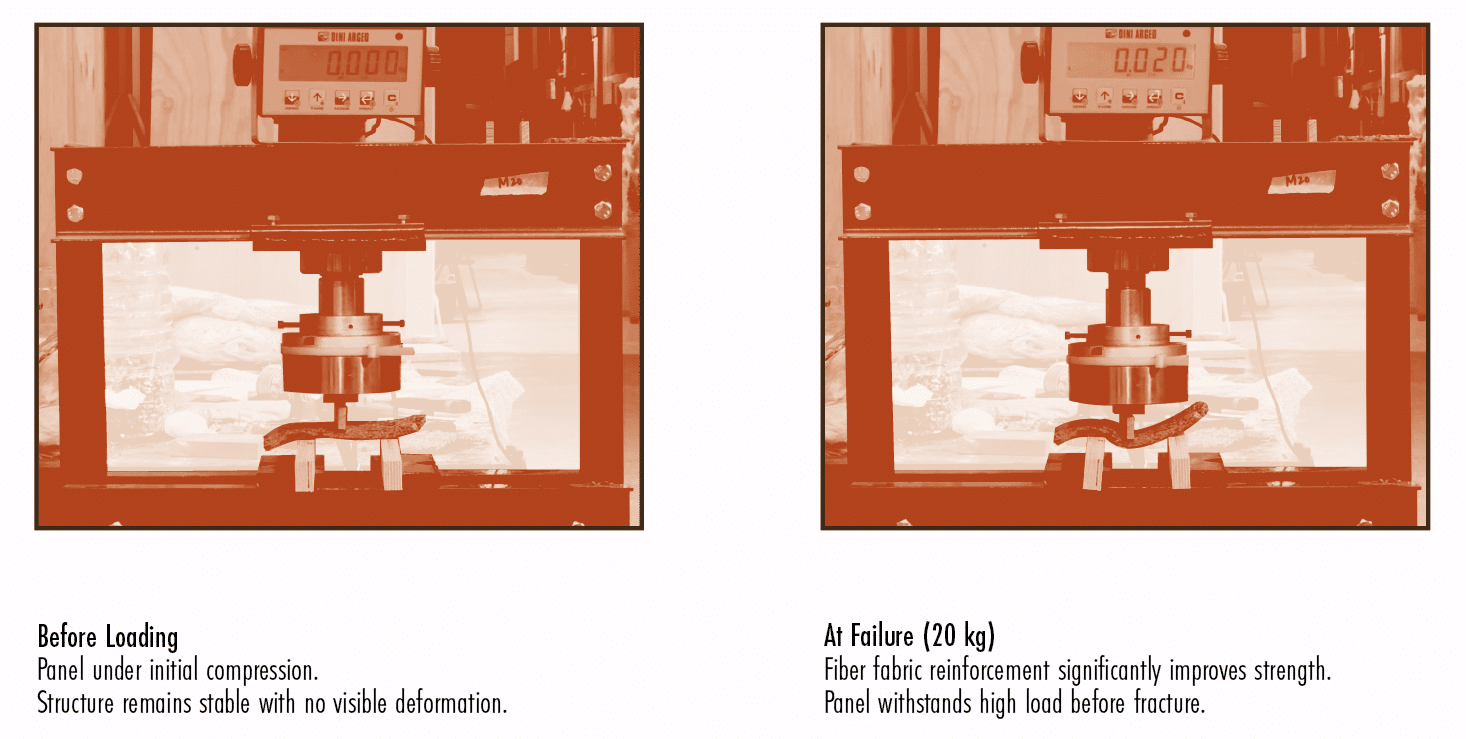
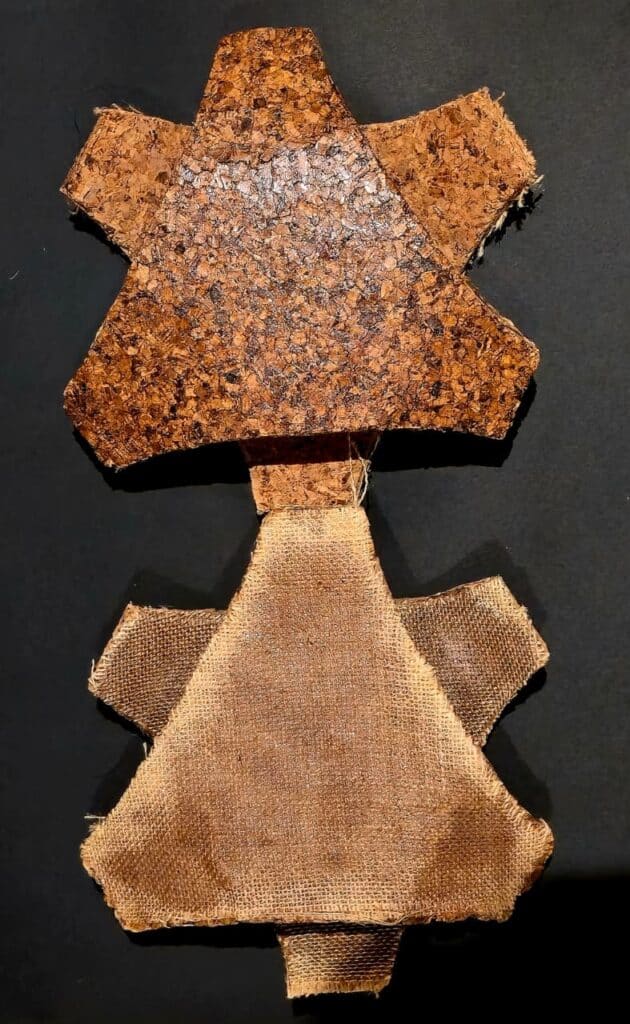
In the second test, a curved cork panel reinforced with fiber fabric on one side was evaluated. In this case, the failure point increased significantly to 20 kg, clearly showing that fiber fabric reinforcement greatly improves the structural strength and load-bearing capacity of the panel.
Embodied Carbon Test
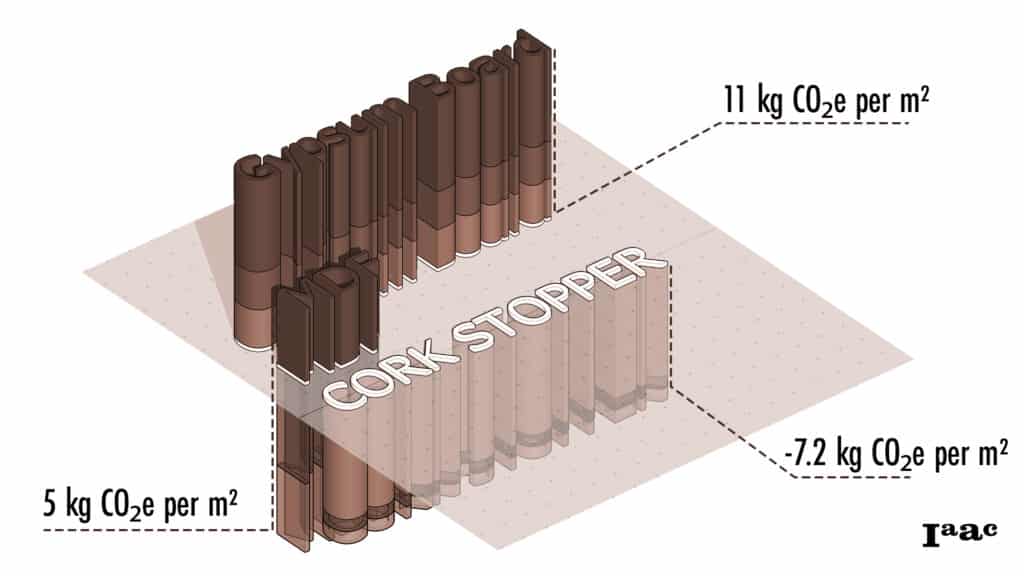
Unlike carbon intensive gypsum board and high energy MDF, recycled cork panels are environmentally superior. Cork is naturally carbon negative, sequestering emissions from raw material through installation. Beyond unmatched sustainability, cork provides superior thermal insulation, excellent acoustic dampening, and utilizes upcycled waste, making it the clear ecological and functional choice.
Design integration