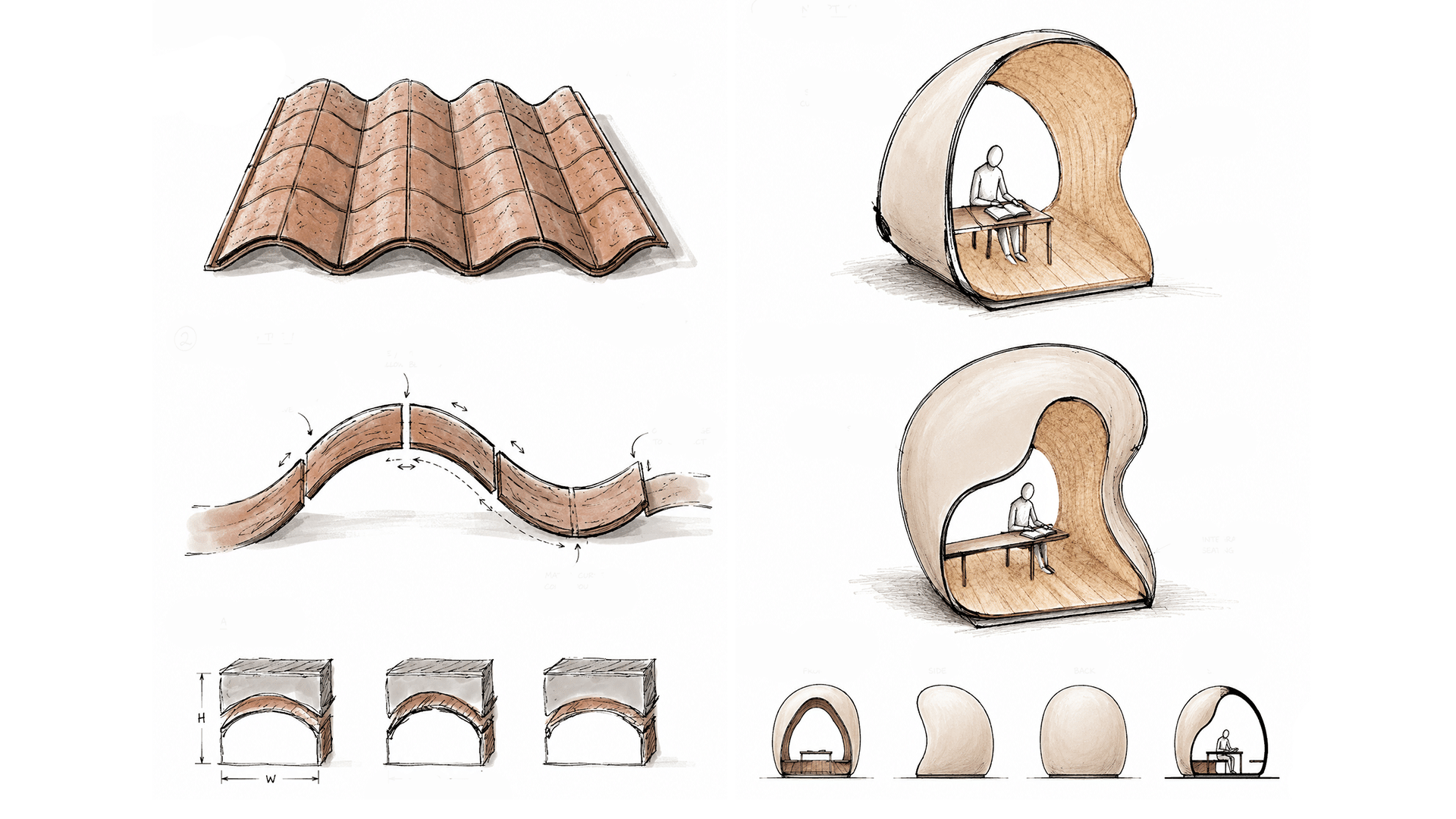
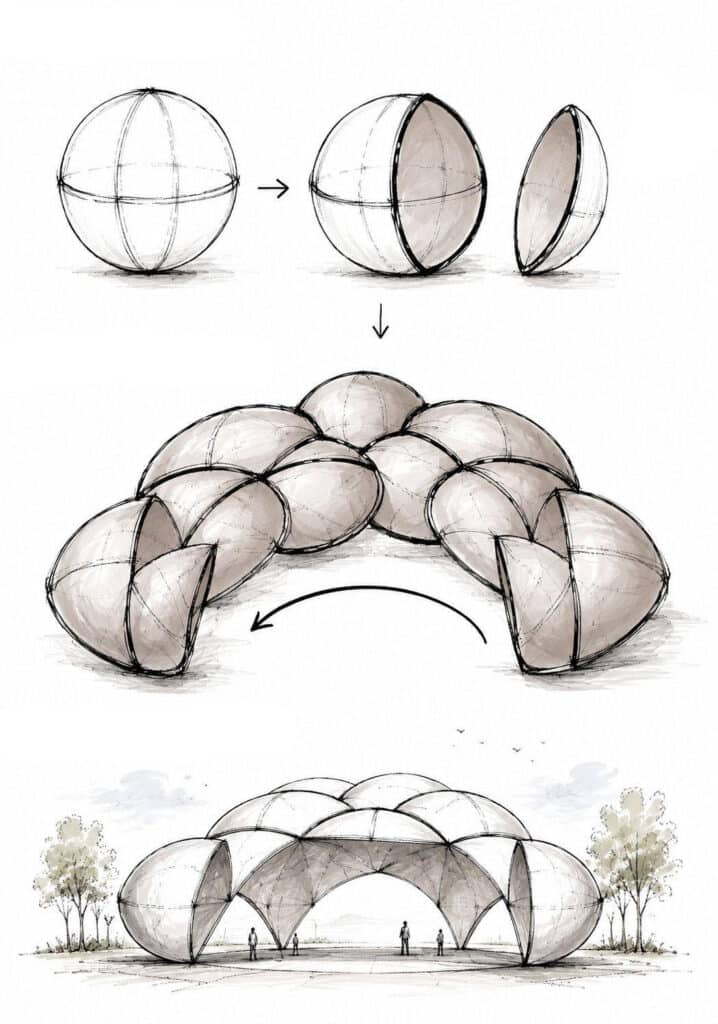
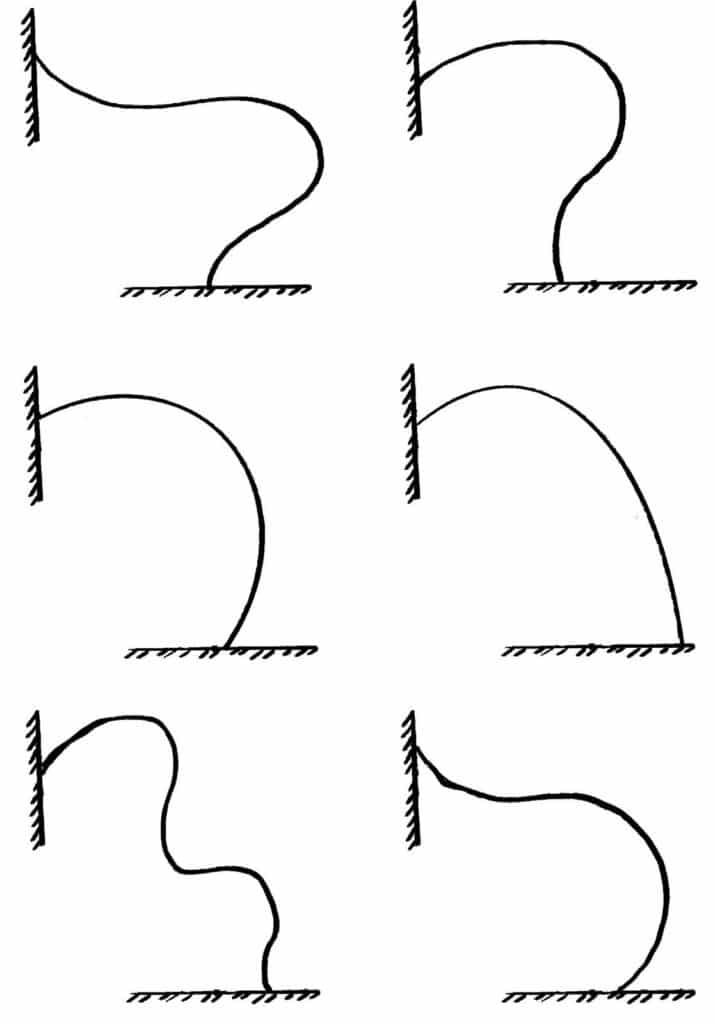
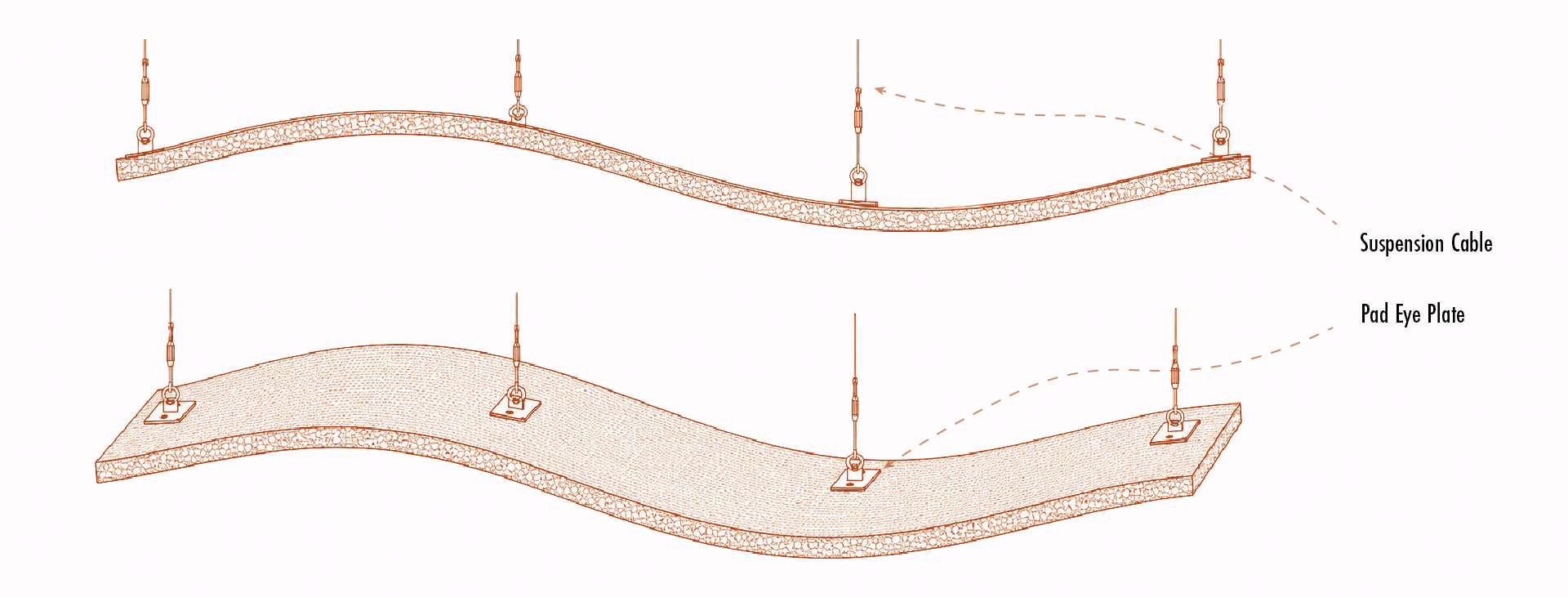
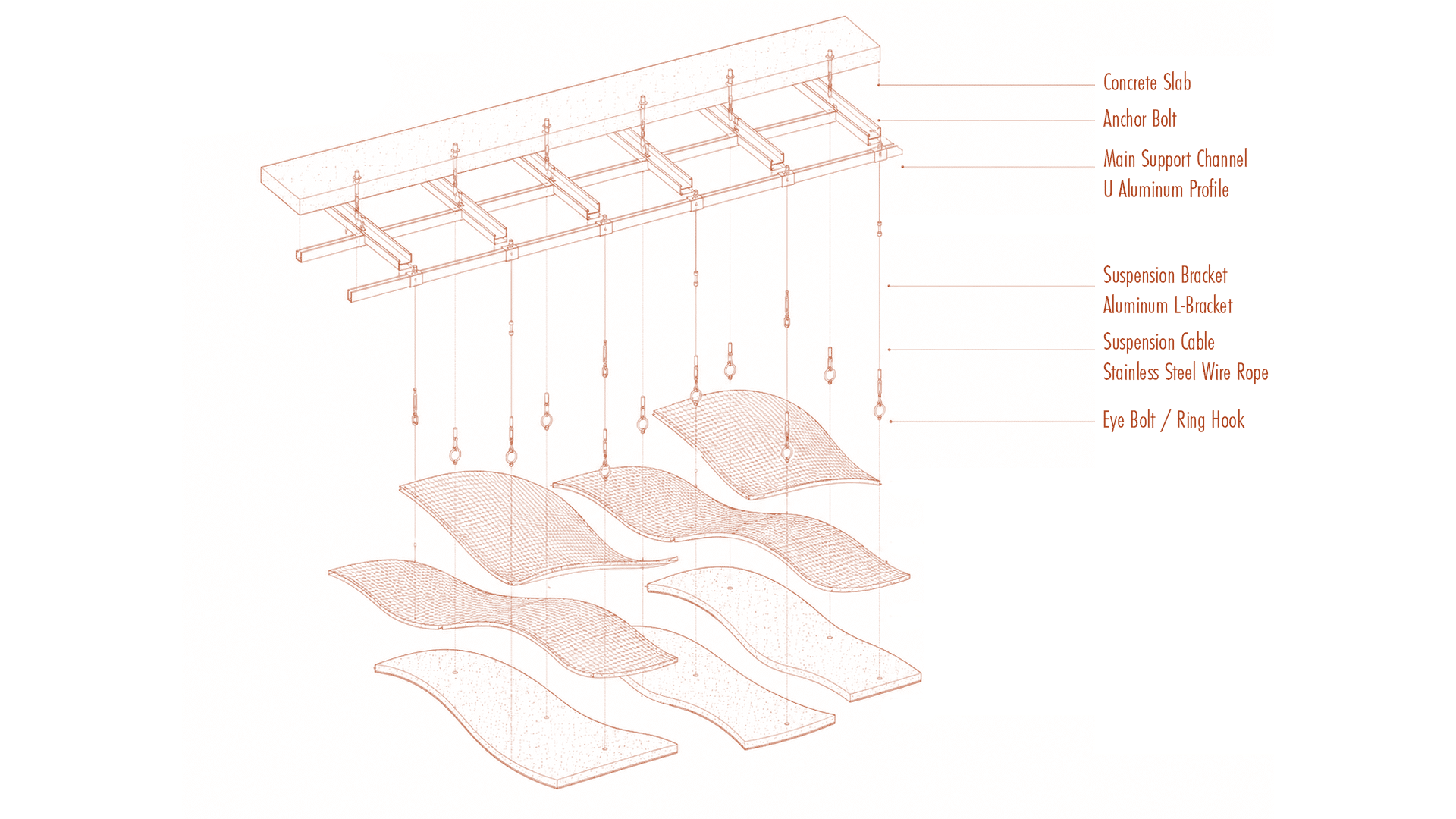
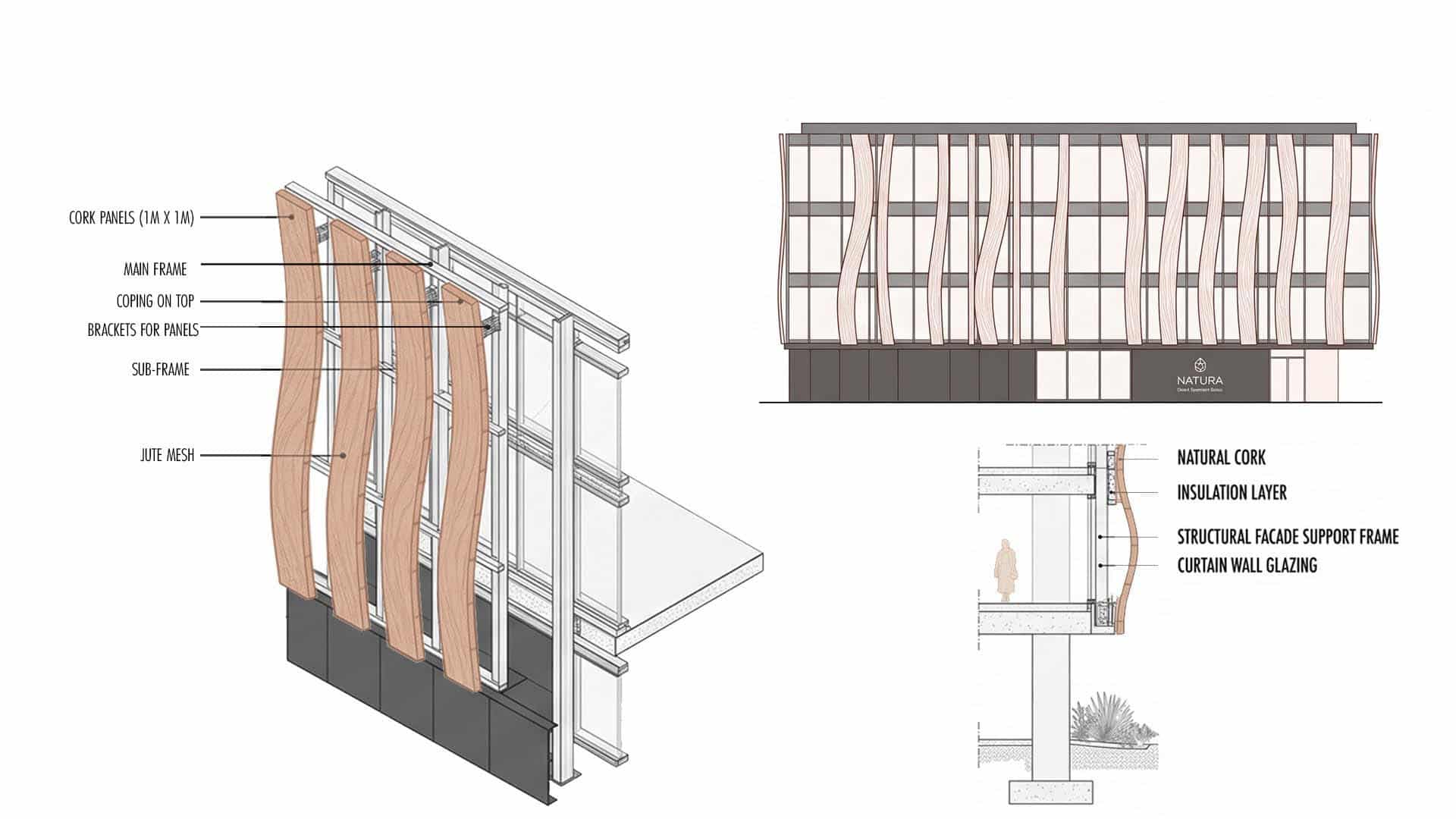
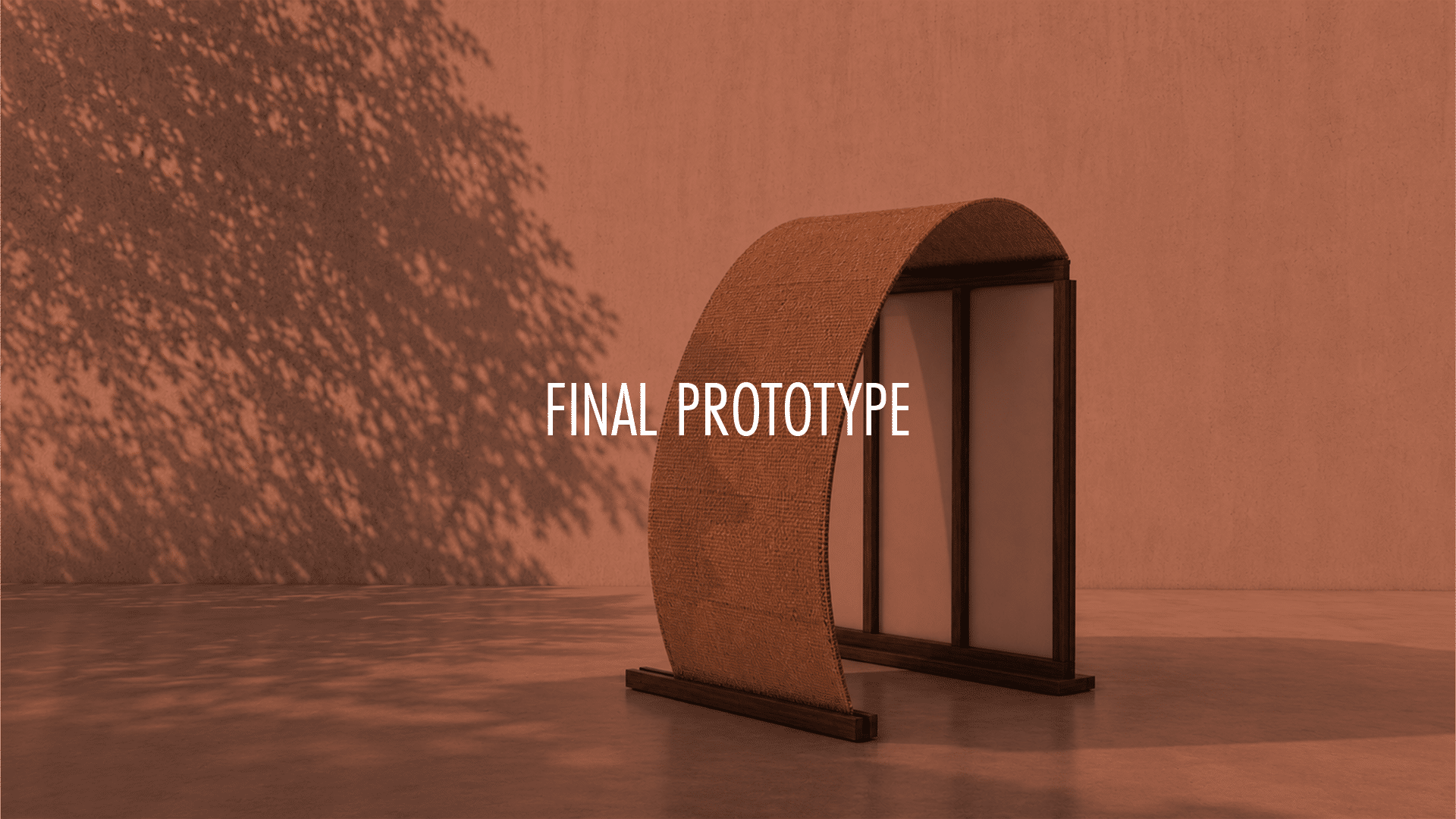
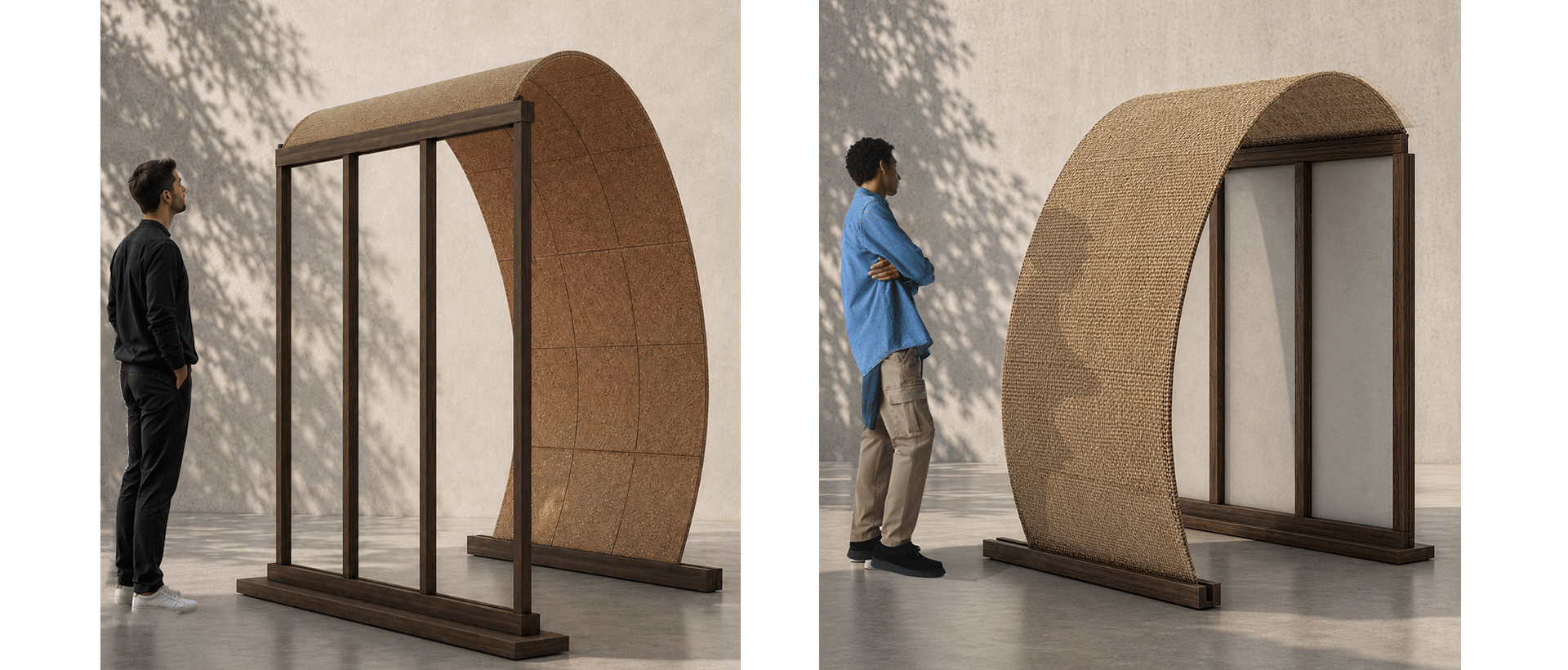
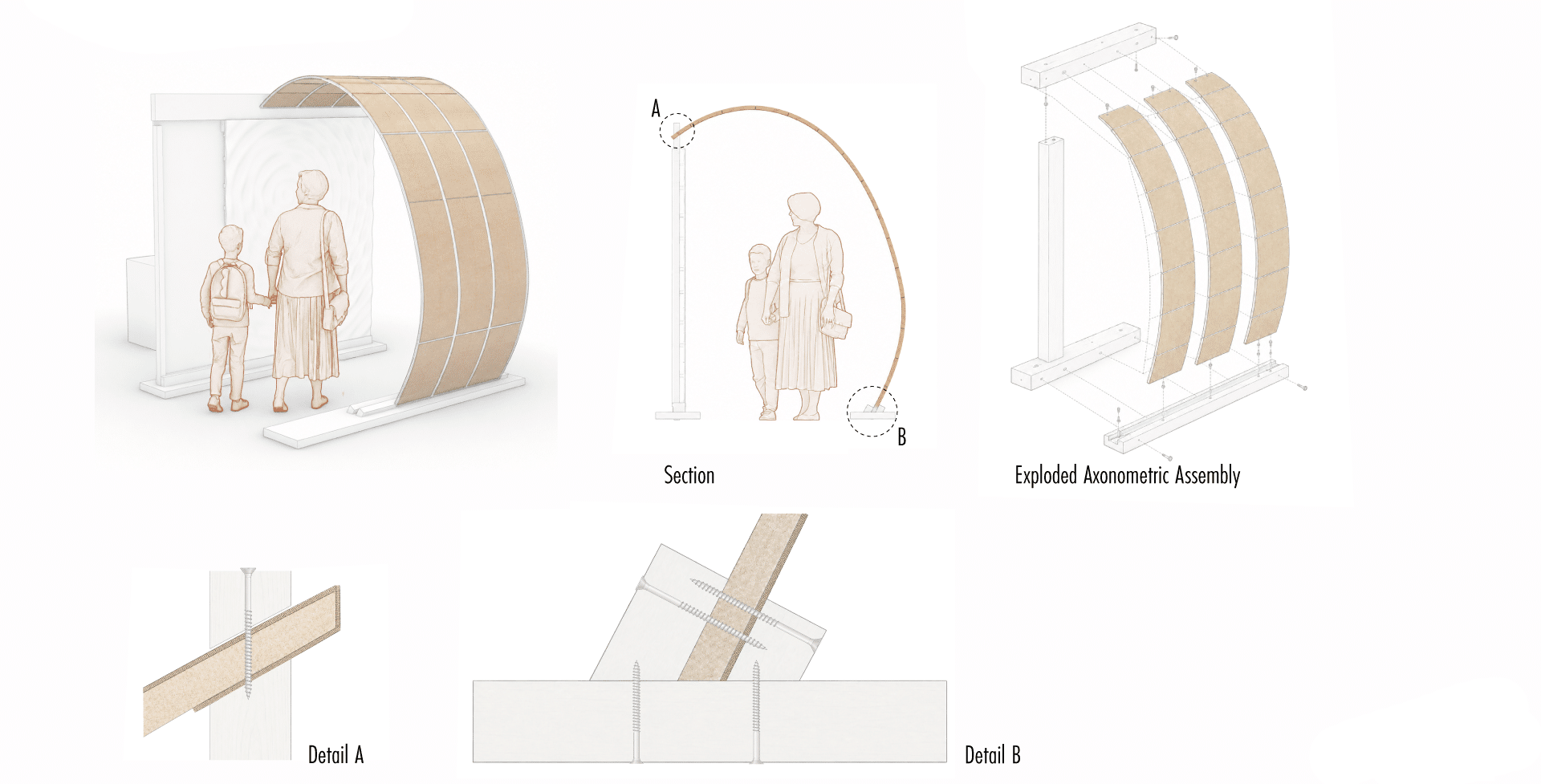
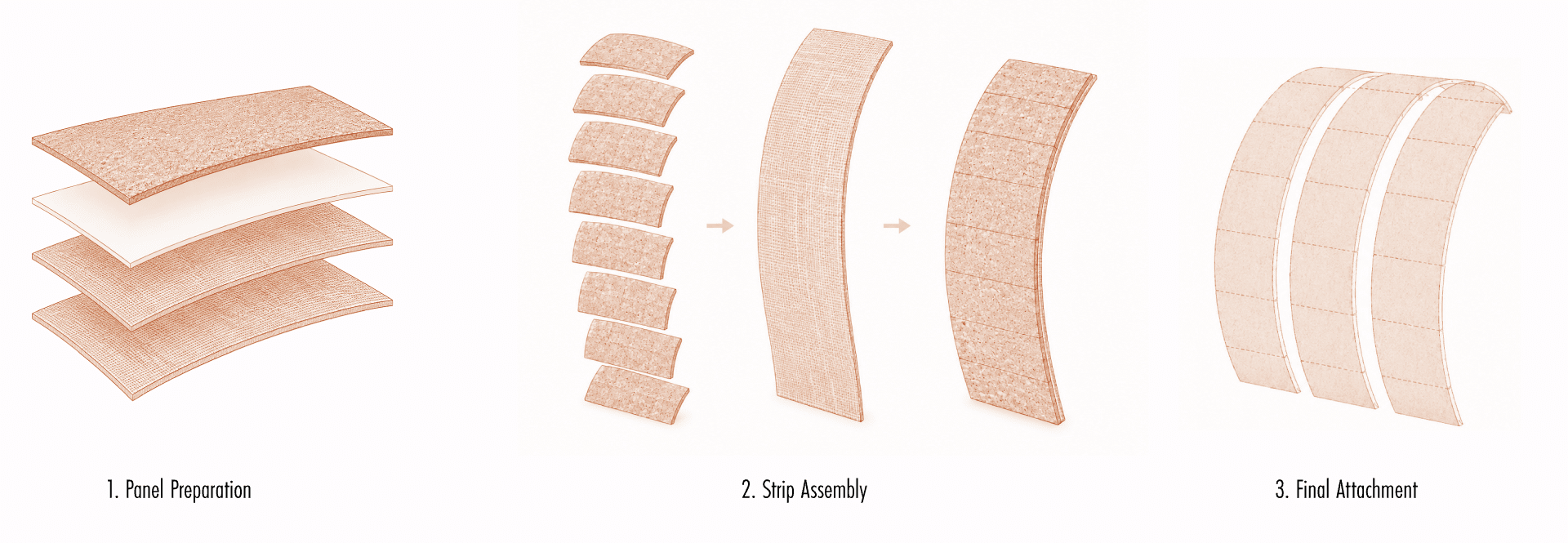
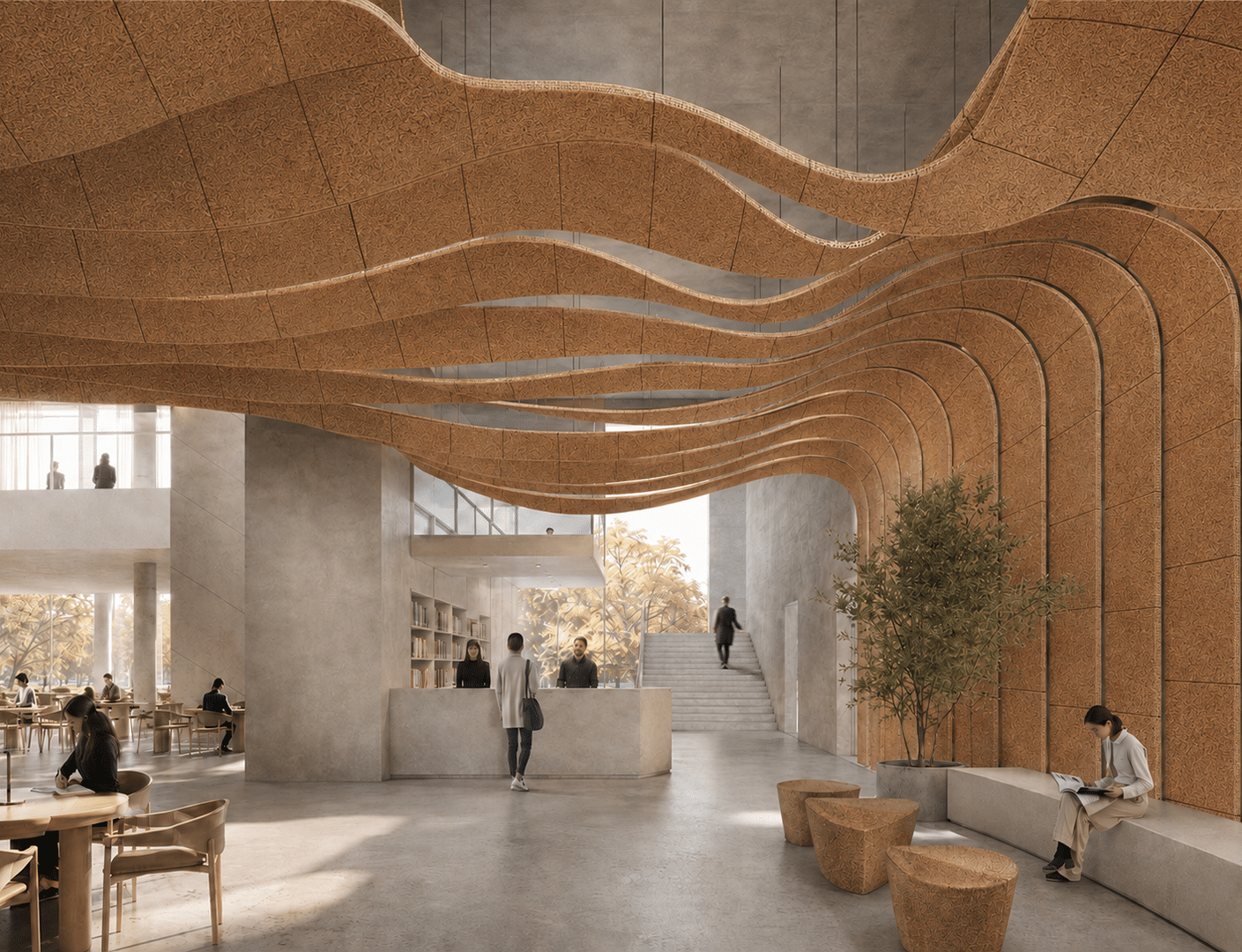
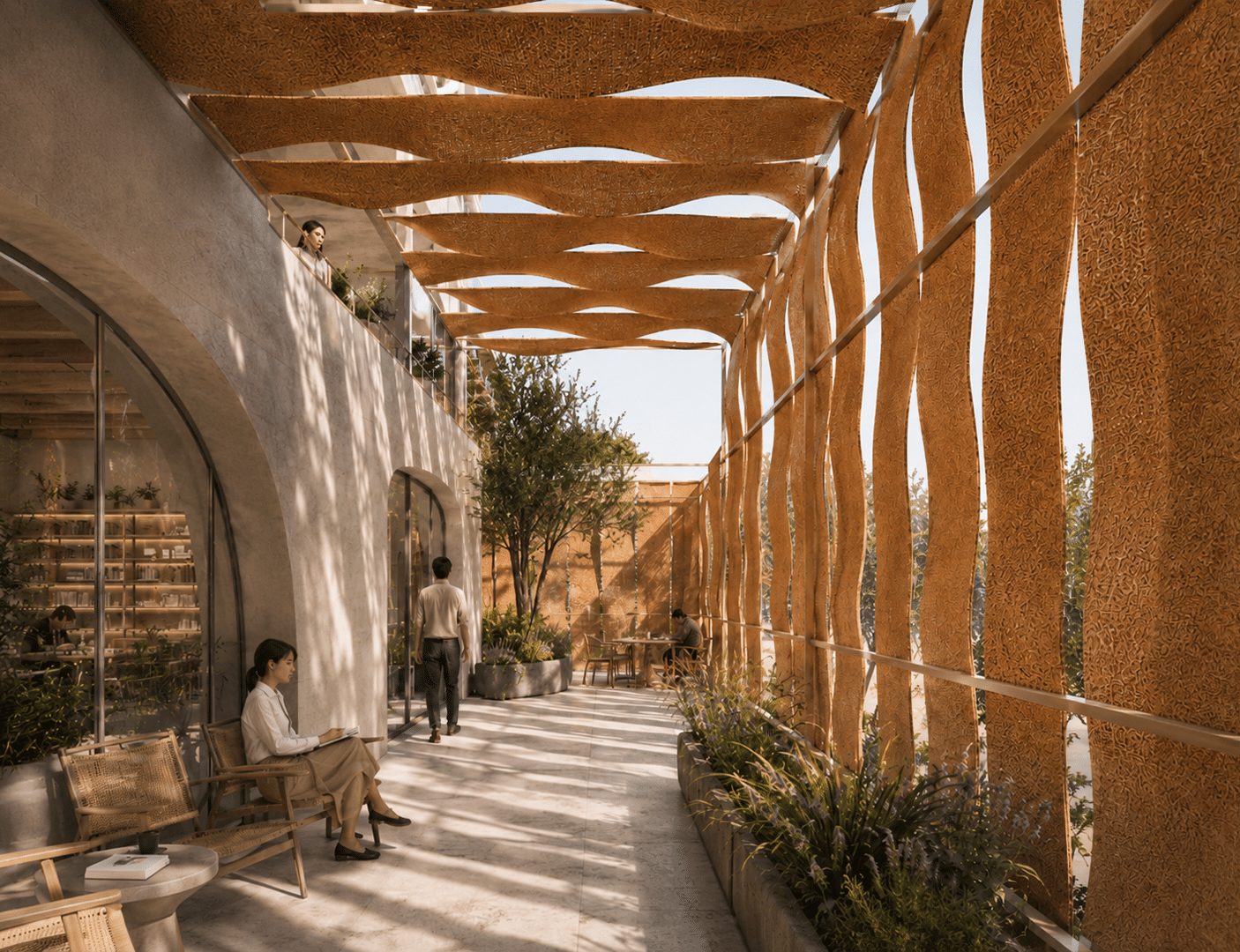
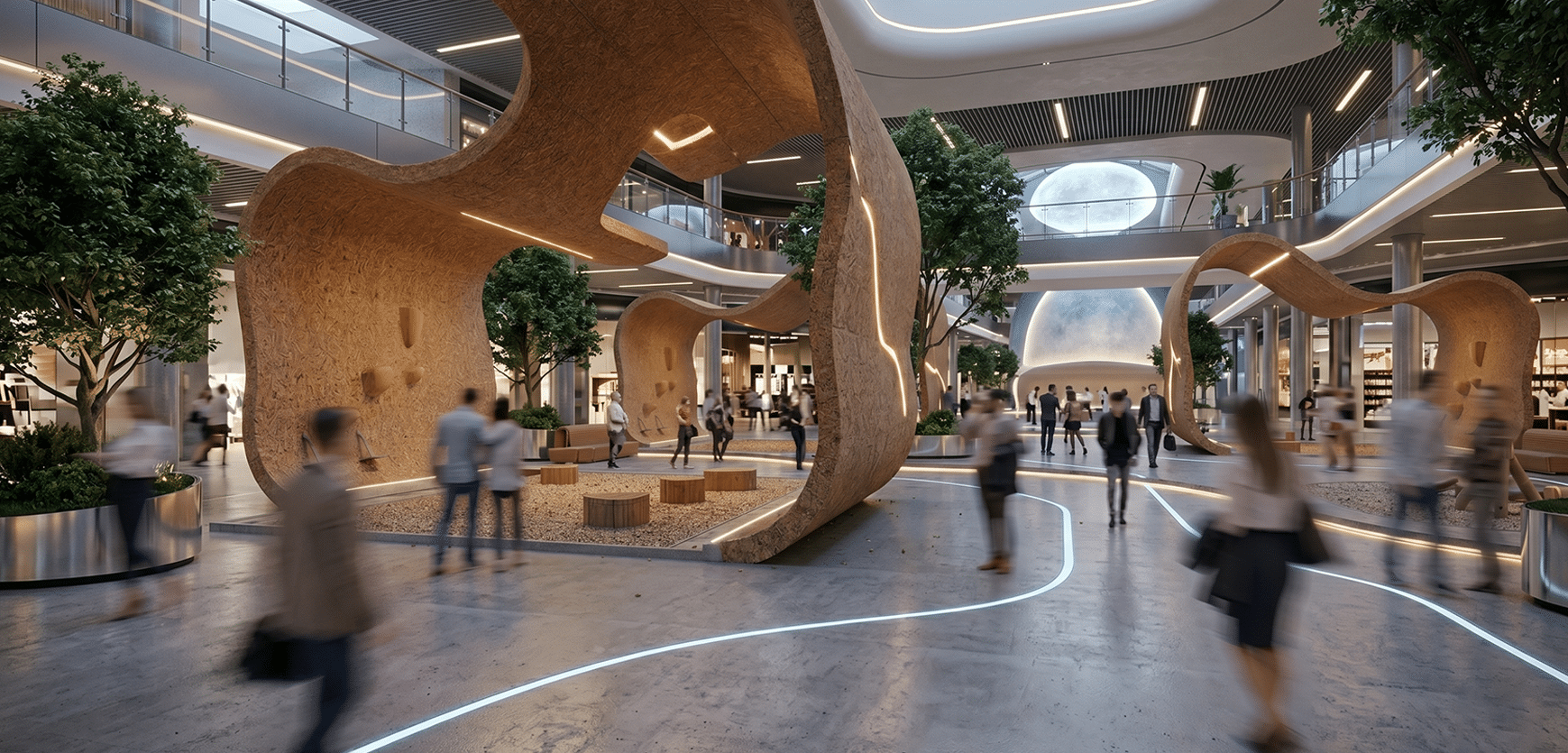
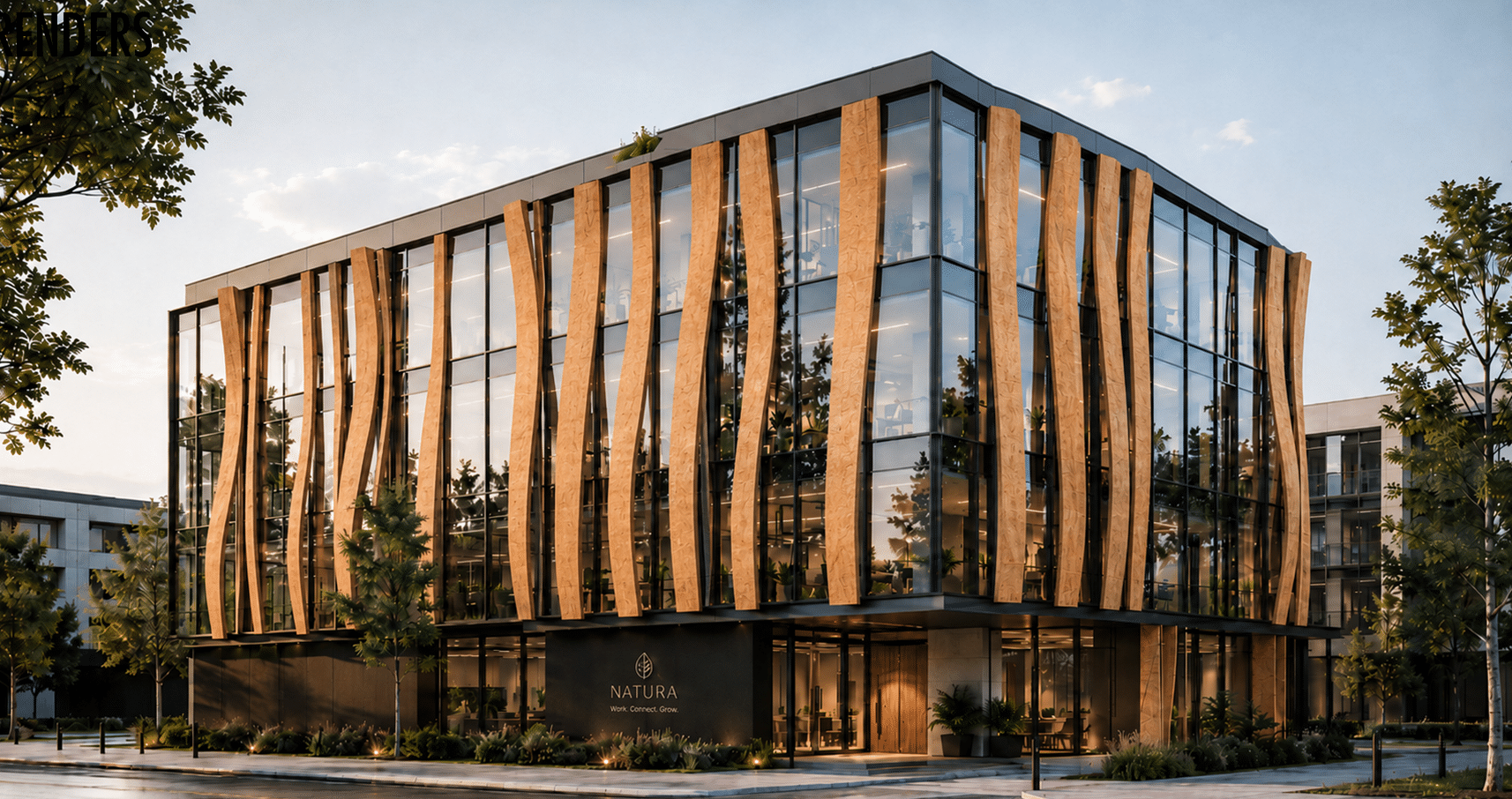
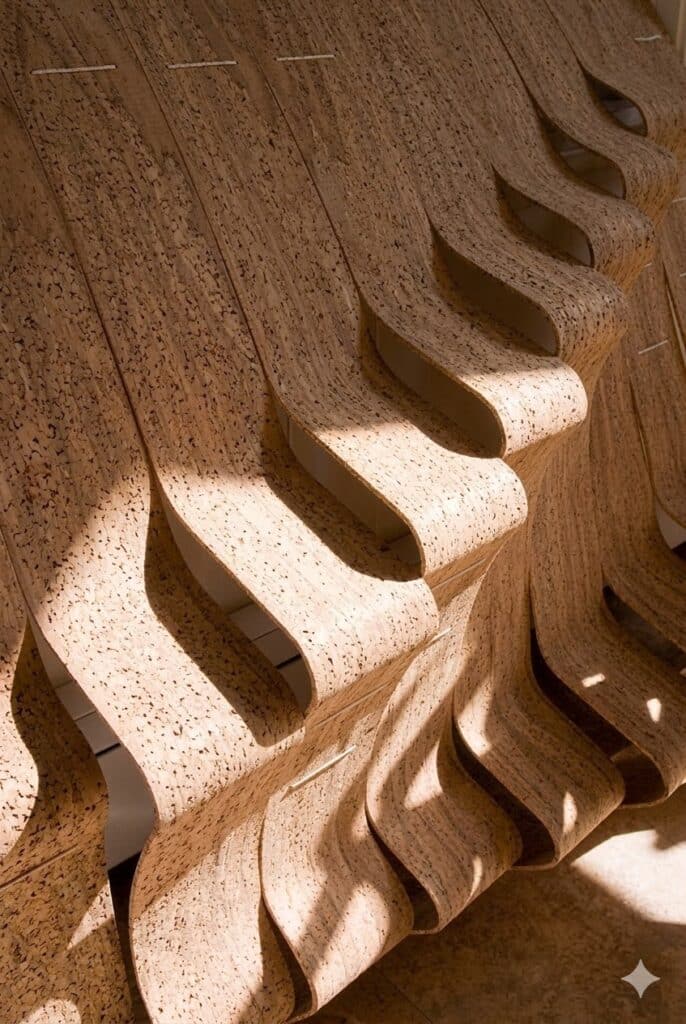
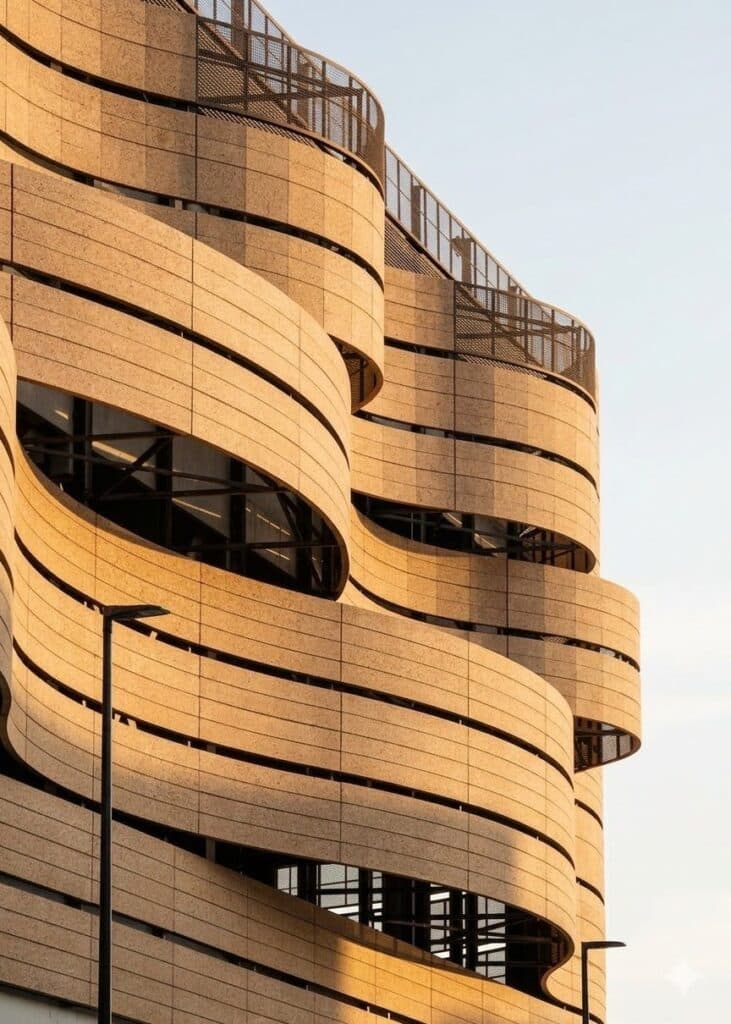
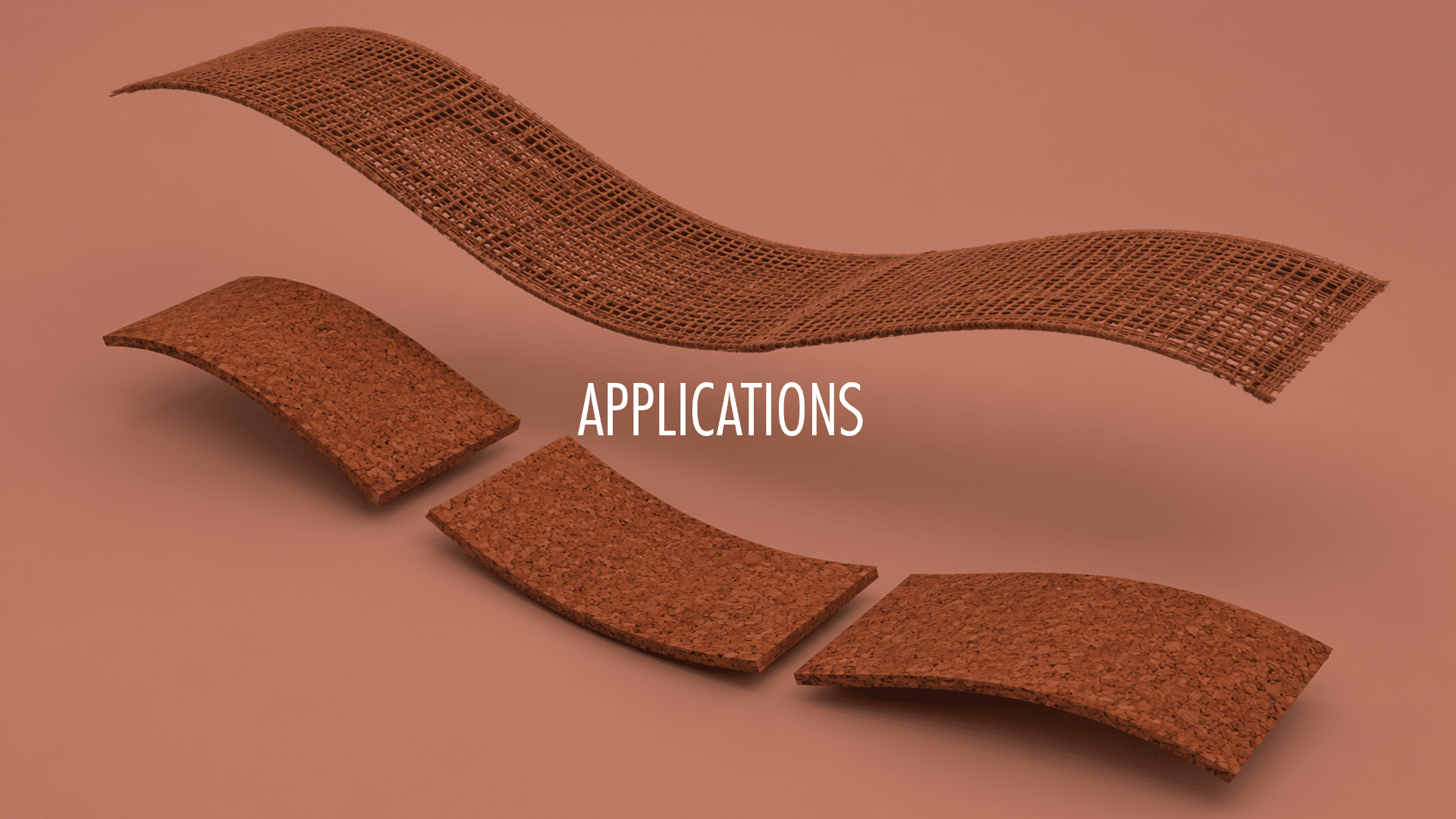
This project explores cork as a sustainable material and investigates new possibilities for its application through innovative design and production methods. By experimenting with different technologies and rethinking how cork can be formed, adapted, and shaped, the project aims to develop new ways of working with the material that minimize carbon emissions, reduce waste, and limit the use of chemical additives. Through this process, the research begins to focus on the transformation of flat cork sheets into curved panels, opening up new spatial and architectural possibilities while highlighting cork’s environmental potential within circular and low-impact production systems.
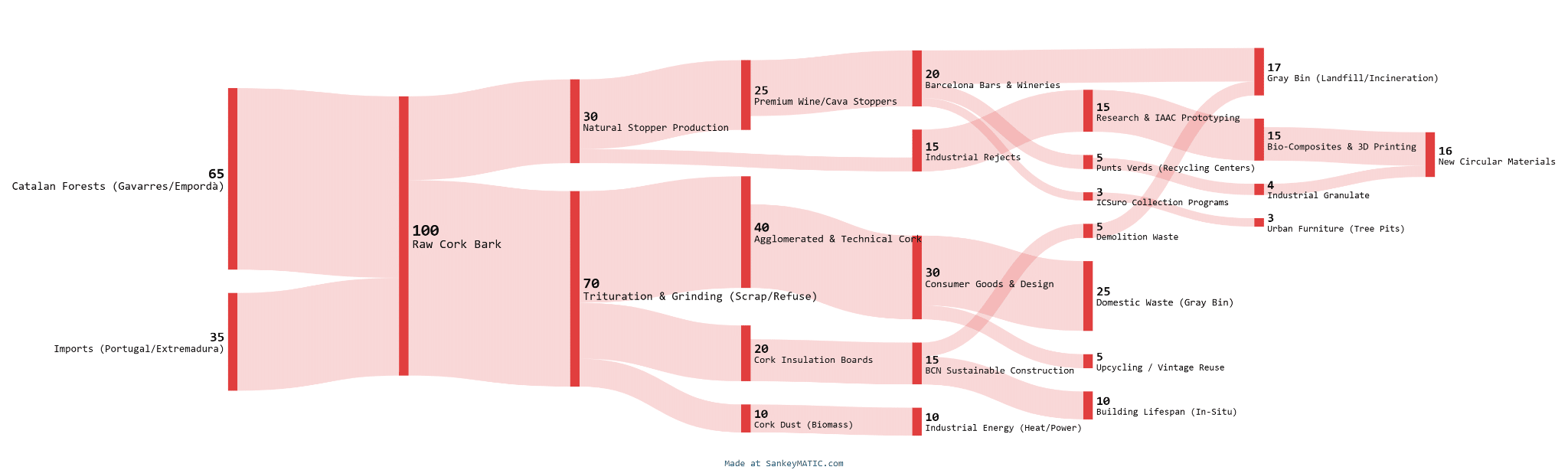
FOREST RESOURCE AND CIRCULAR USE IN SPAIN
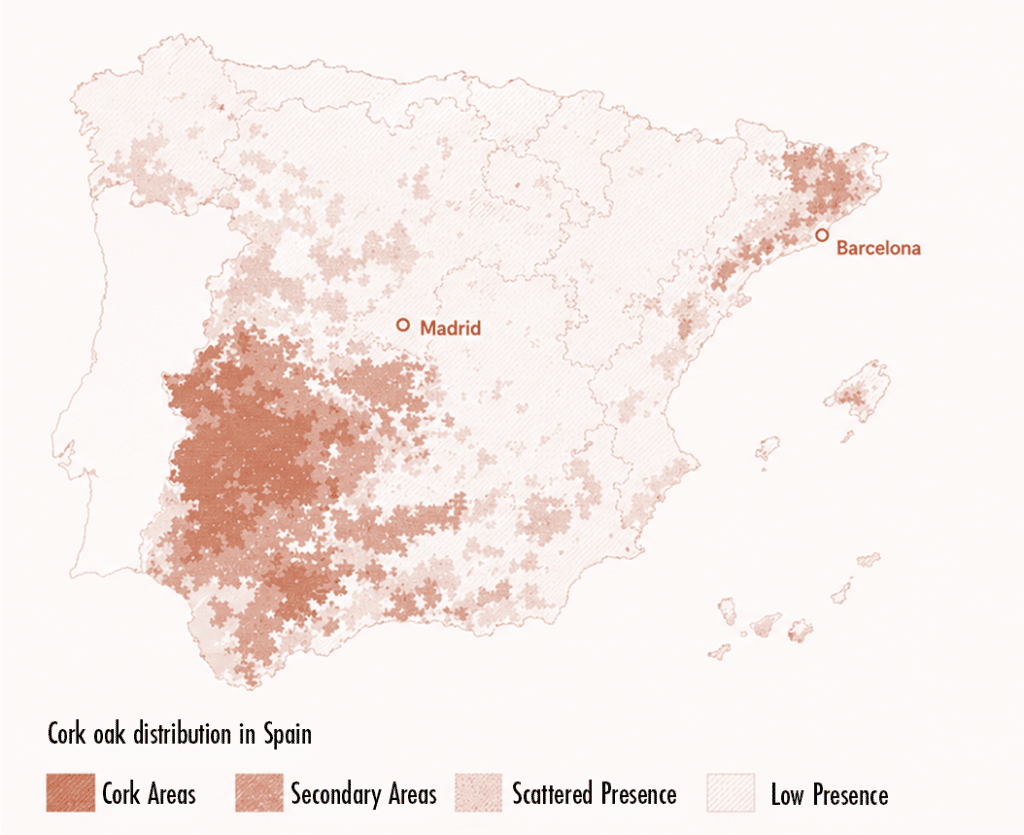
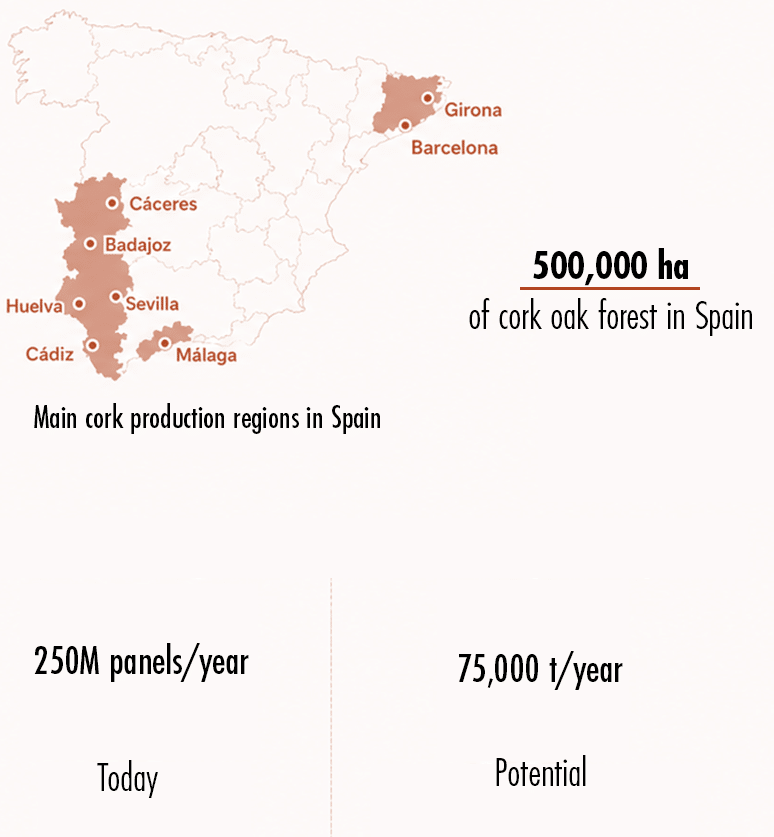
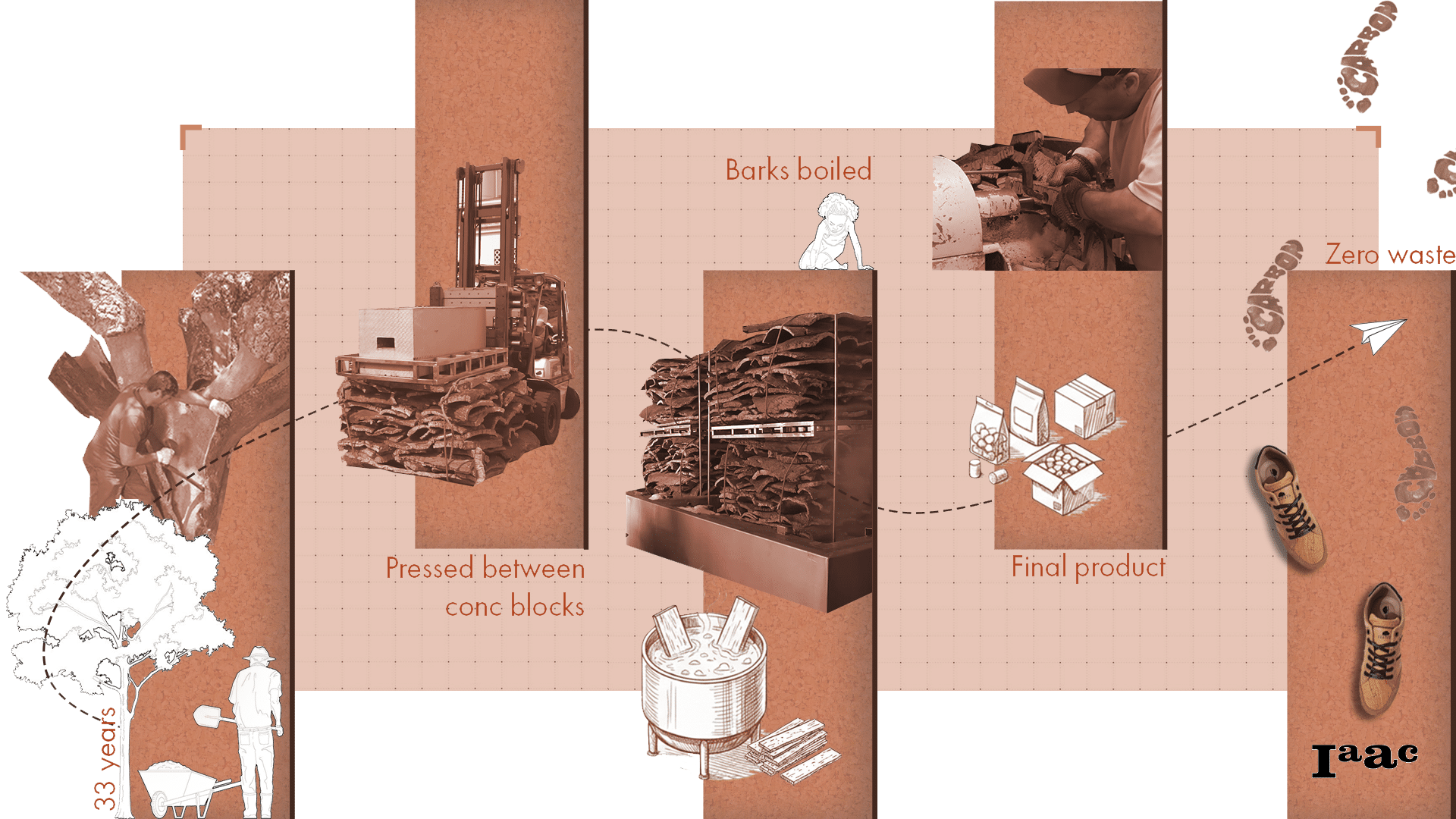
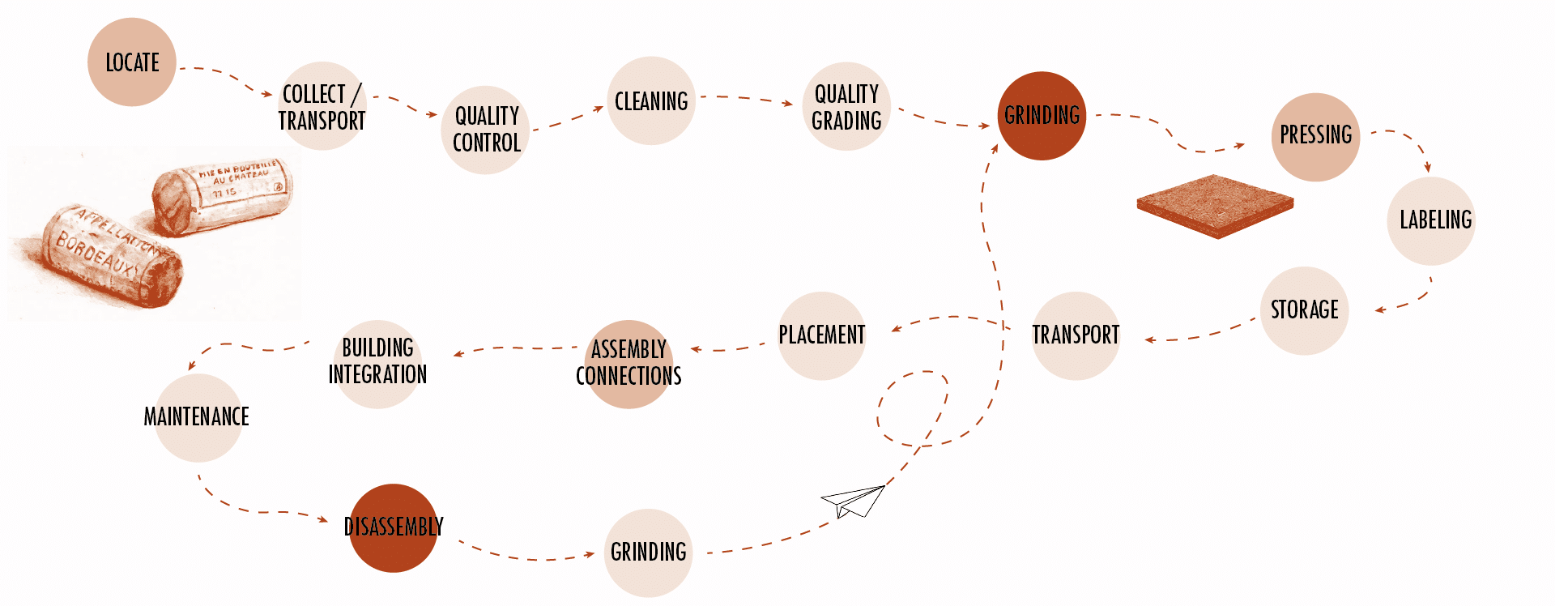
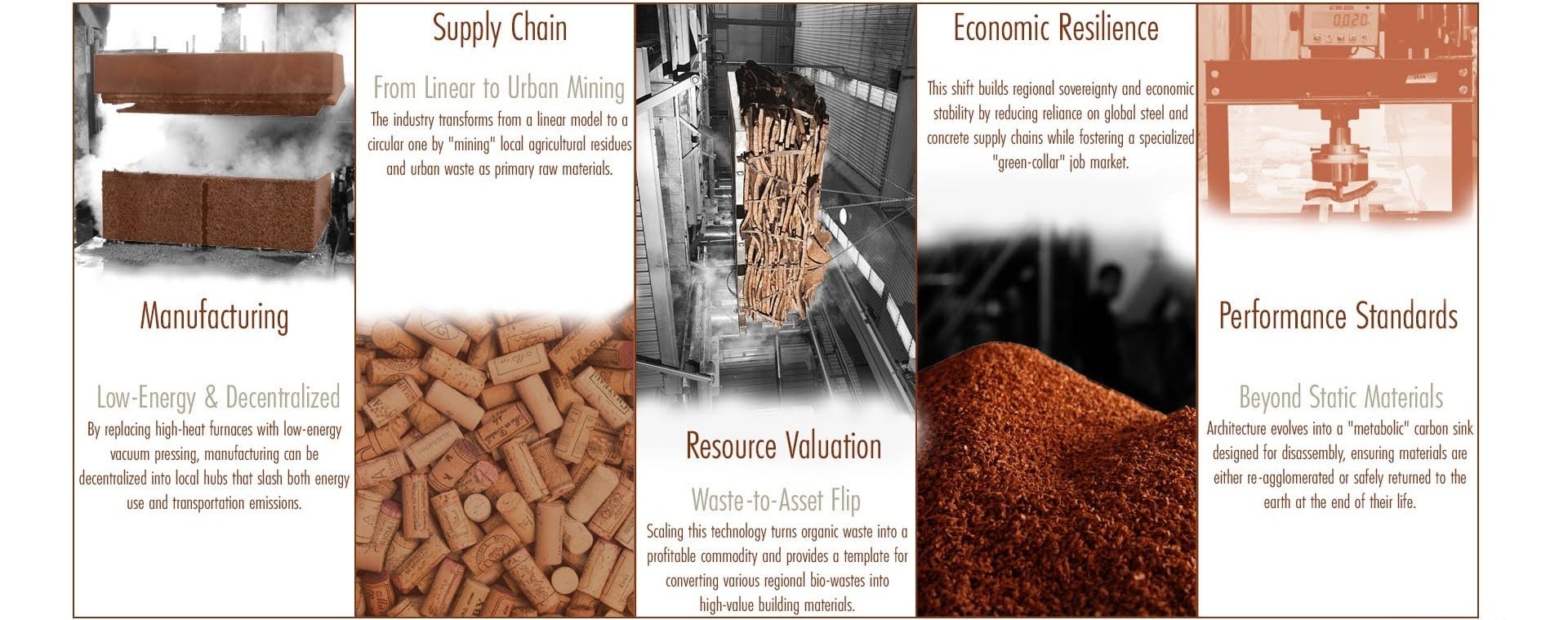
As an introduction to this journey, the following narrative illustrates the origin and transformation of cork. Cork oak trees require 33 years of growth before their bark can be sustainably harvested for the first time. Once collected, the bark is carefully boiled, pressed into blocks, and transformed into refined materials ready for production. This process reflects cork’s unique ability to combine natural renewal, craftsmanship, and long-term reusability within a zero-waste design approach.
CORK PRODUCTION
CORK SUPPLY CHAIN
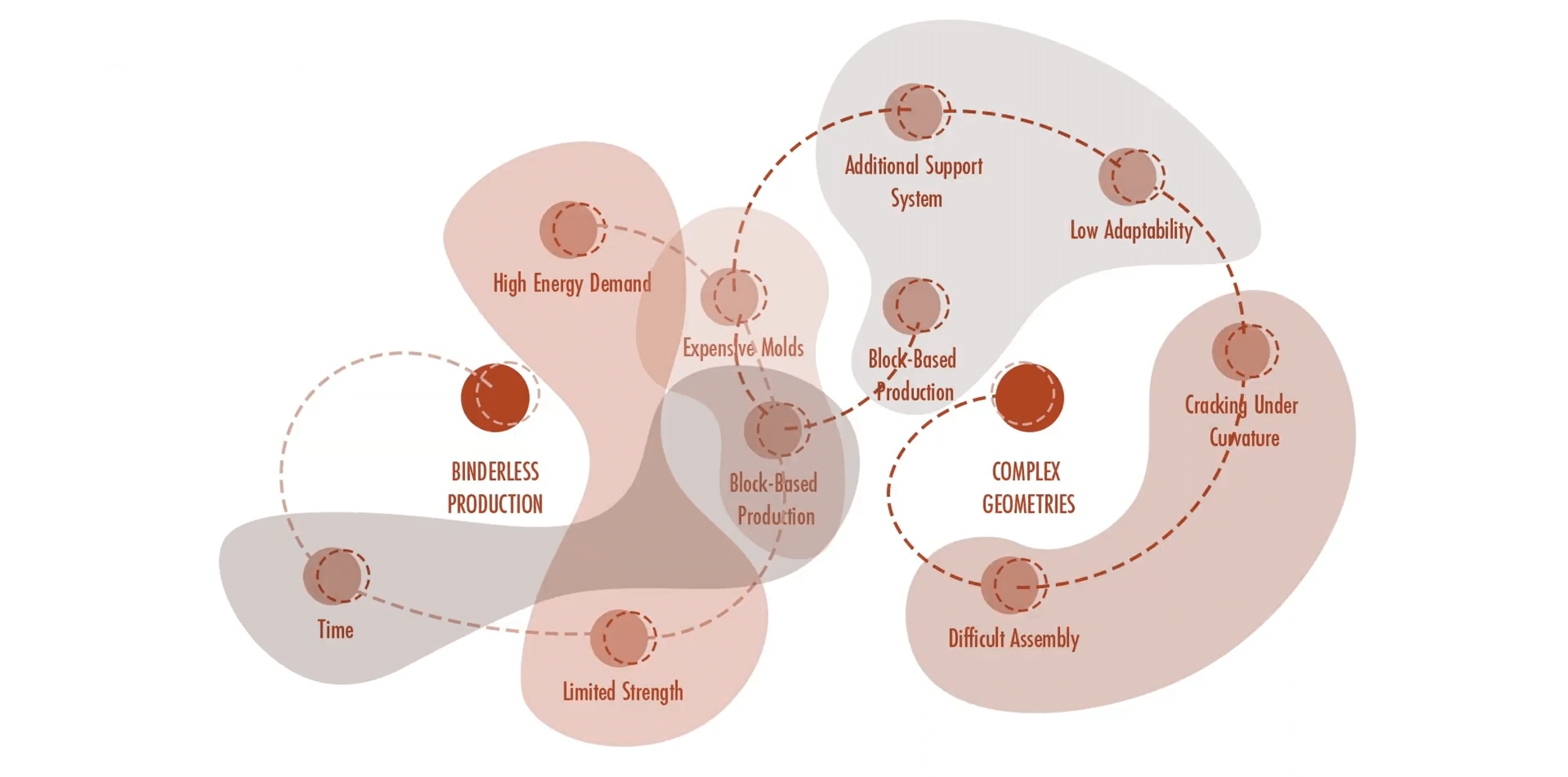
CORK PROBLEMS
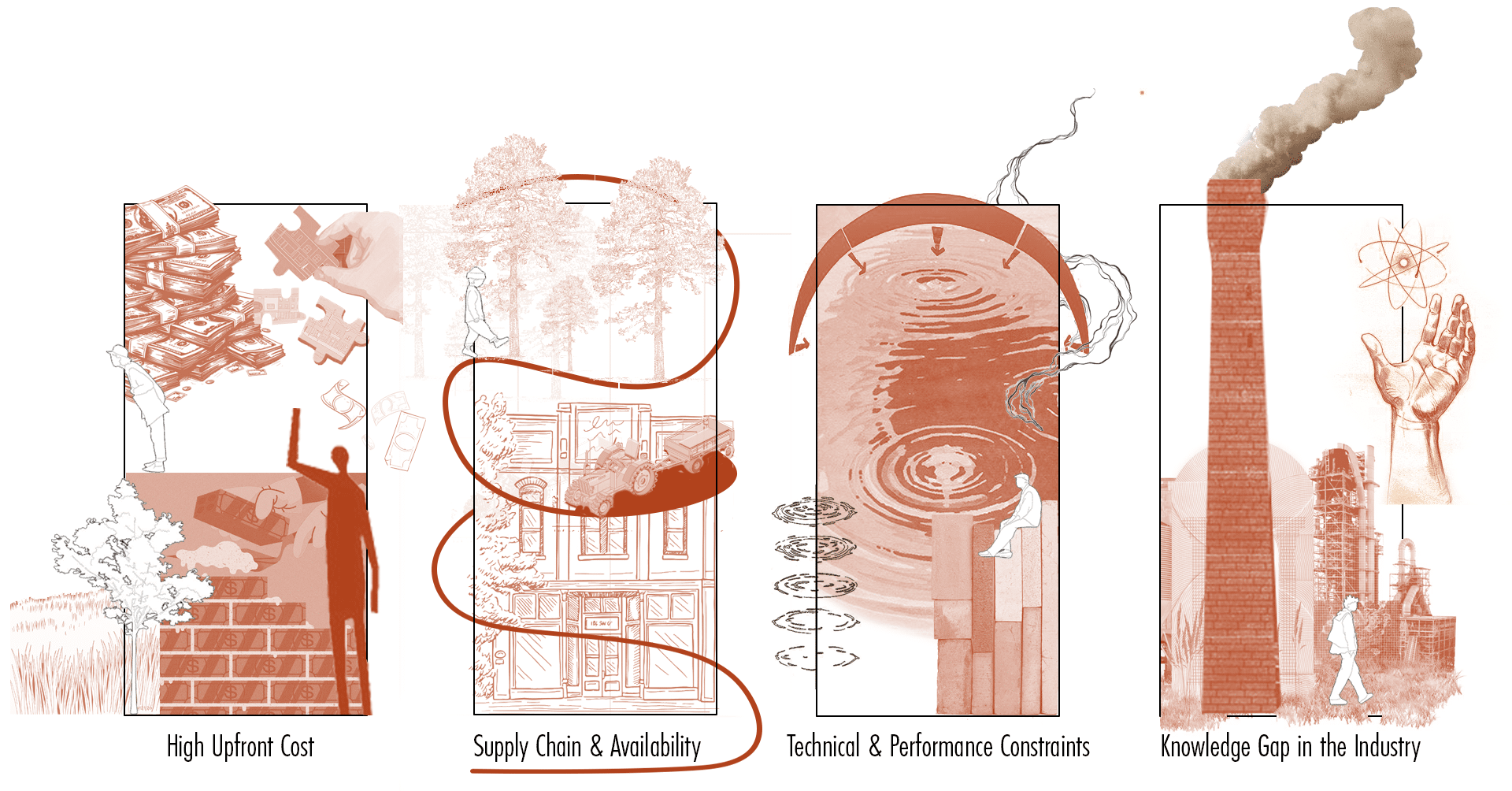
The project identifies four key challenges limiting the broader use of cork in the industry: high upfront cost, supply chain and material availability, technical and performance constraints, and a general knowledge gap within the field. Within this research, the focus is placed on two primary questions: how the upfront cost can be reduced and how the technical performance of cork-based systems can be improved.
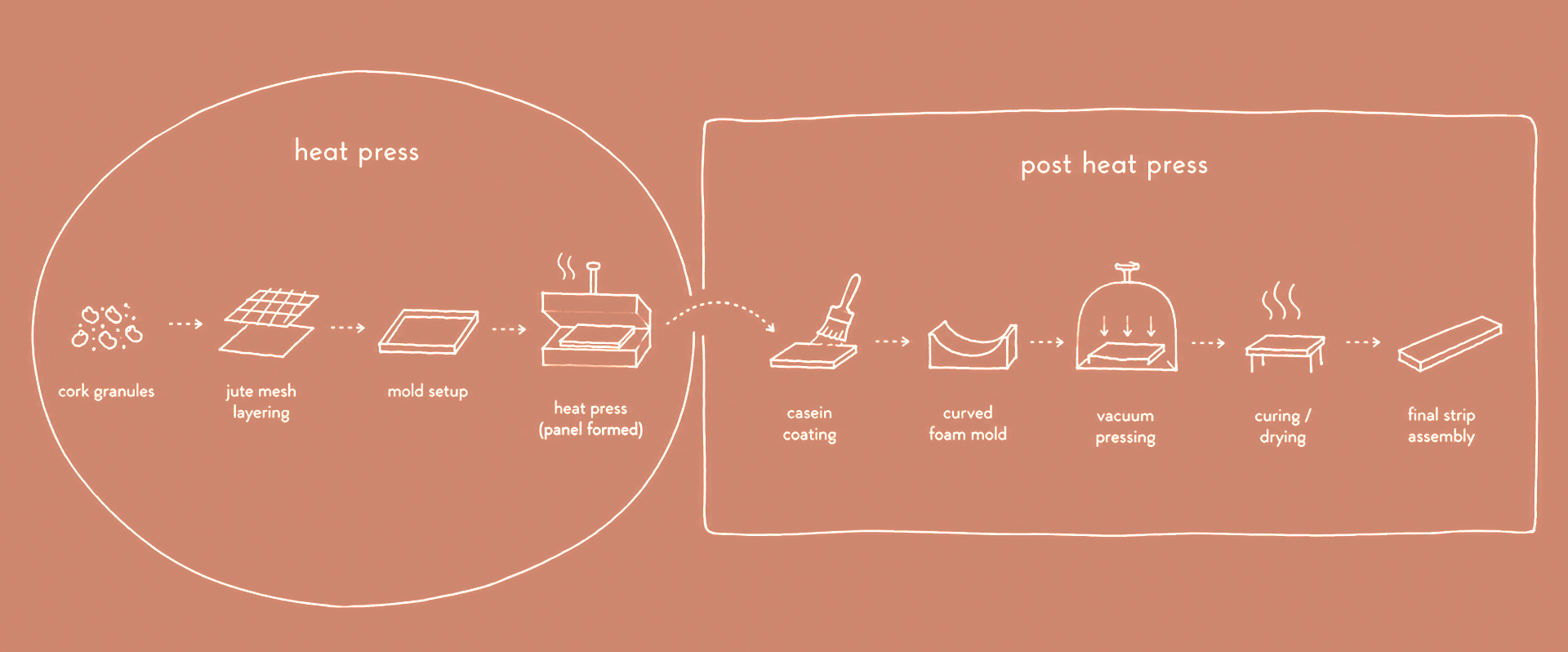
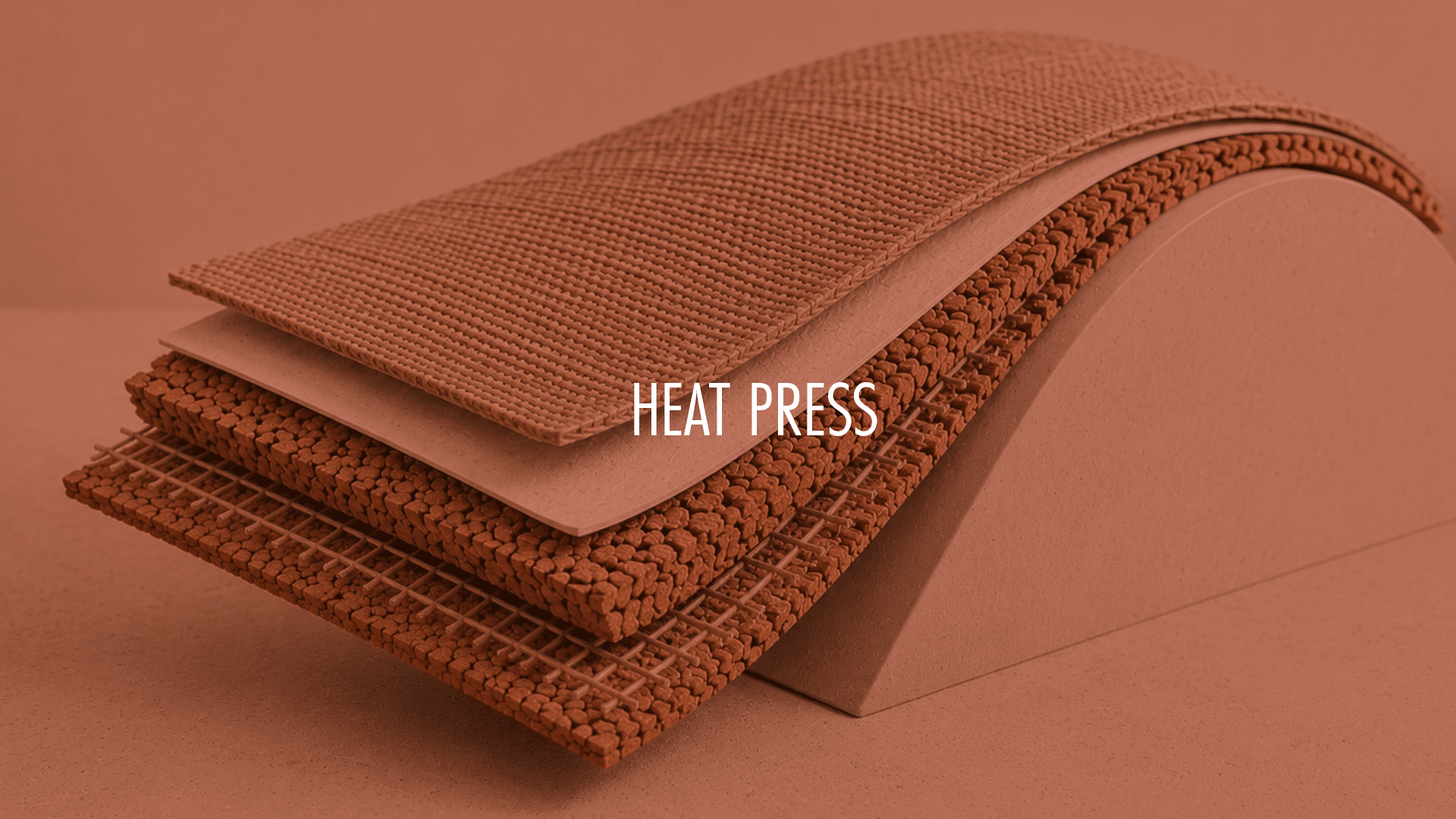
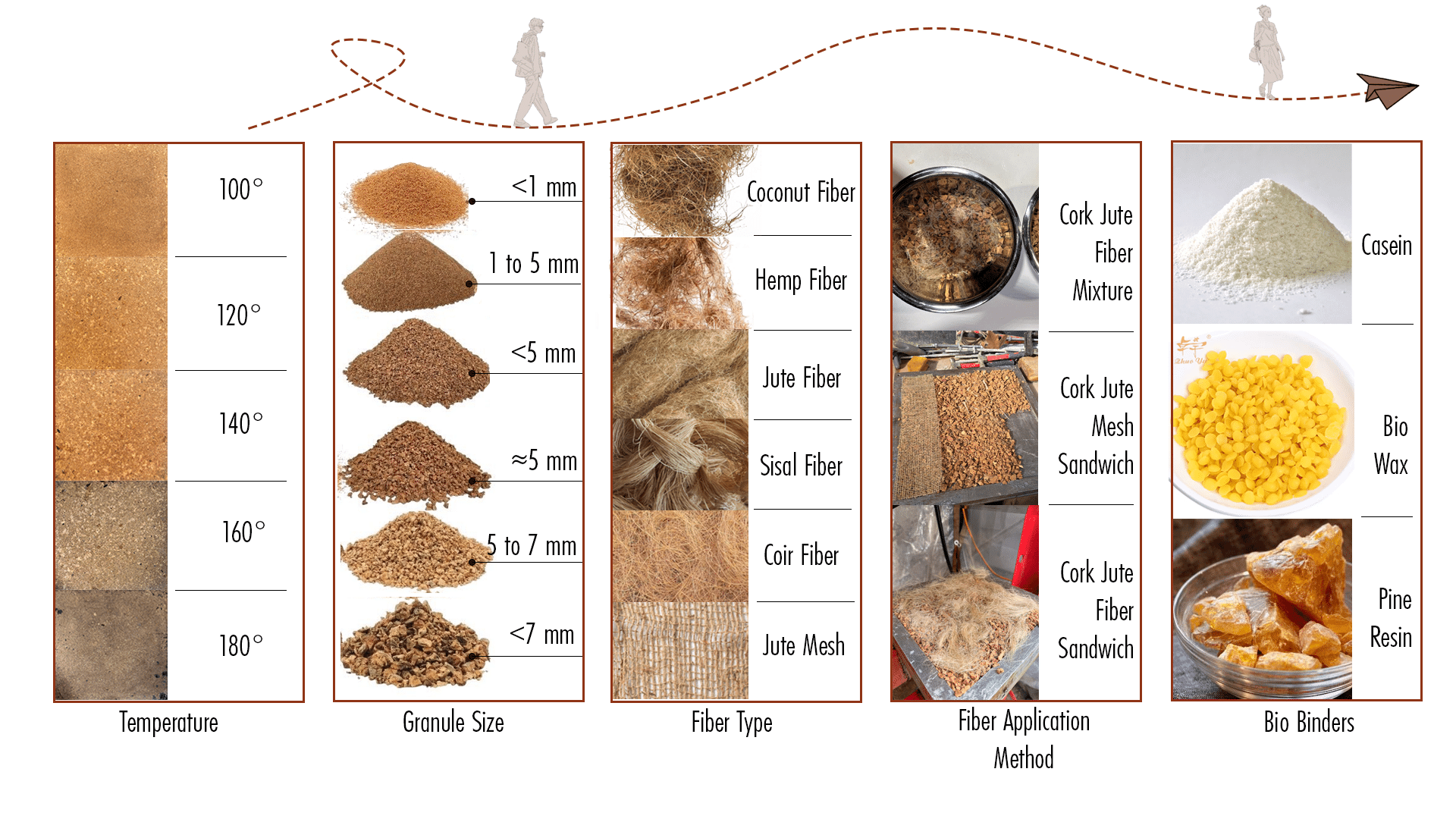
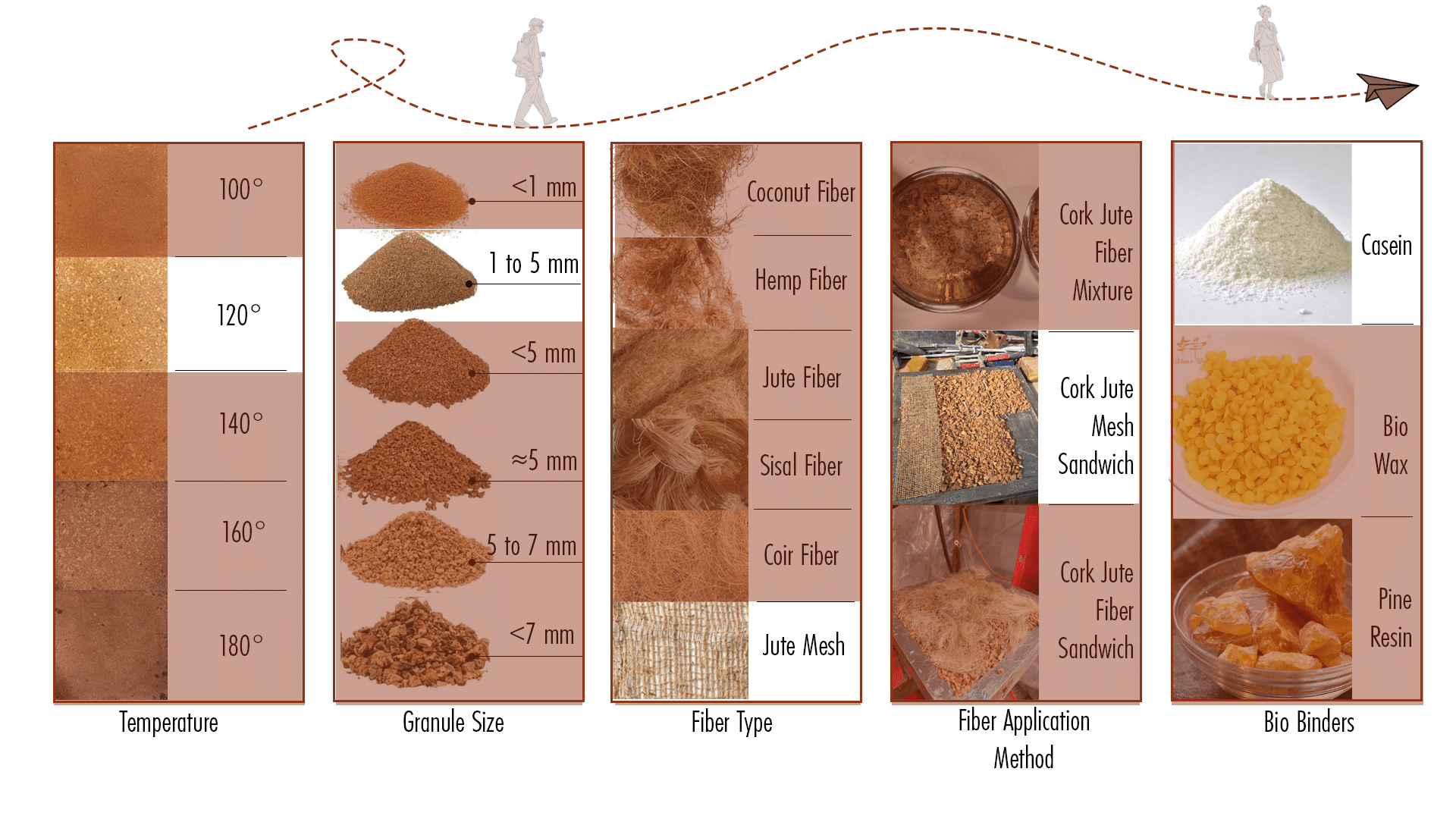
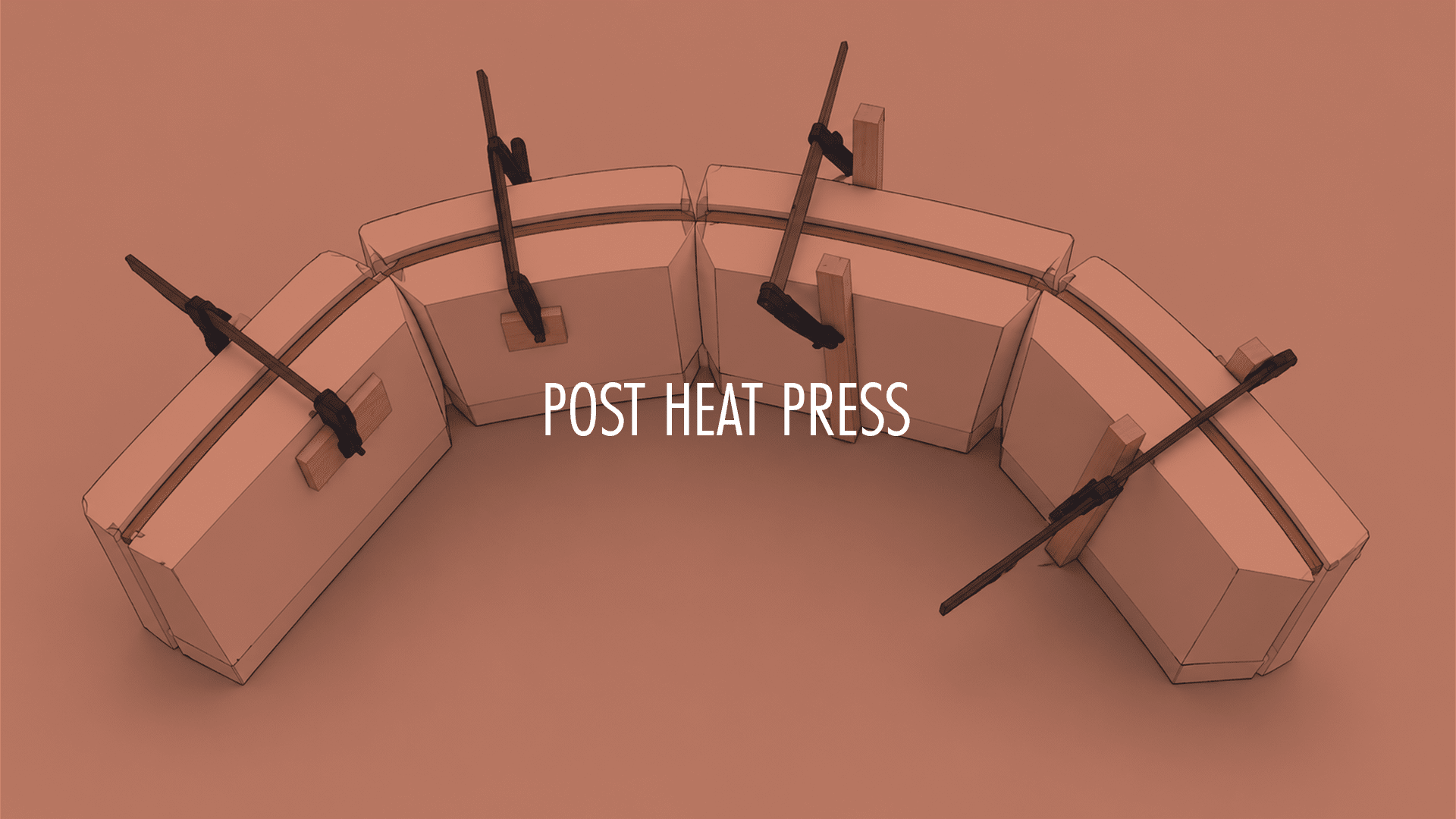
To address cost-related challenges, the investigation concentrates on variables within the heat-pressing process, including time, temperature, granule size, fiber type, bio-binders, and small-volume production conditions. In parallel, the study explores strategies for improving technical performance through post-heat-press interventions, with particular attention to fiber reinforcement, mesh integration, and the use of bio-based binders.
PROCESS OVERVIEW
PARAMETERS

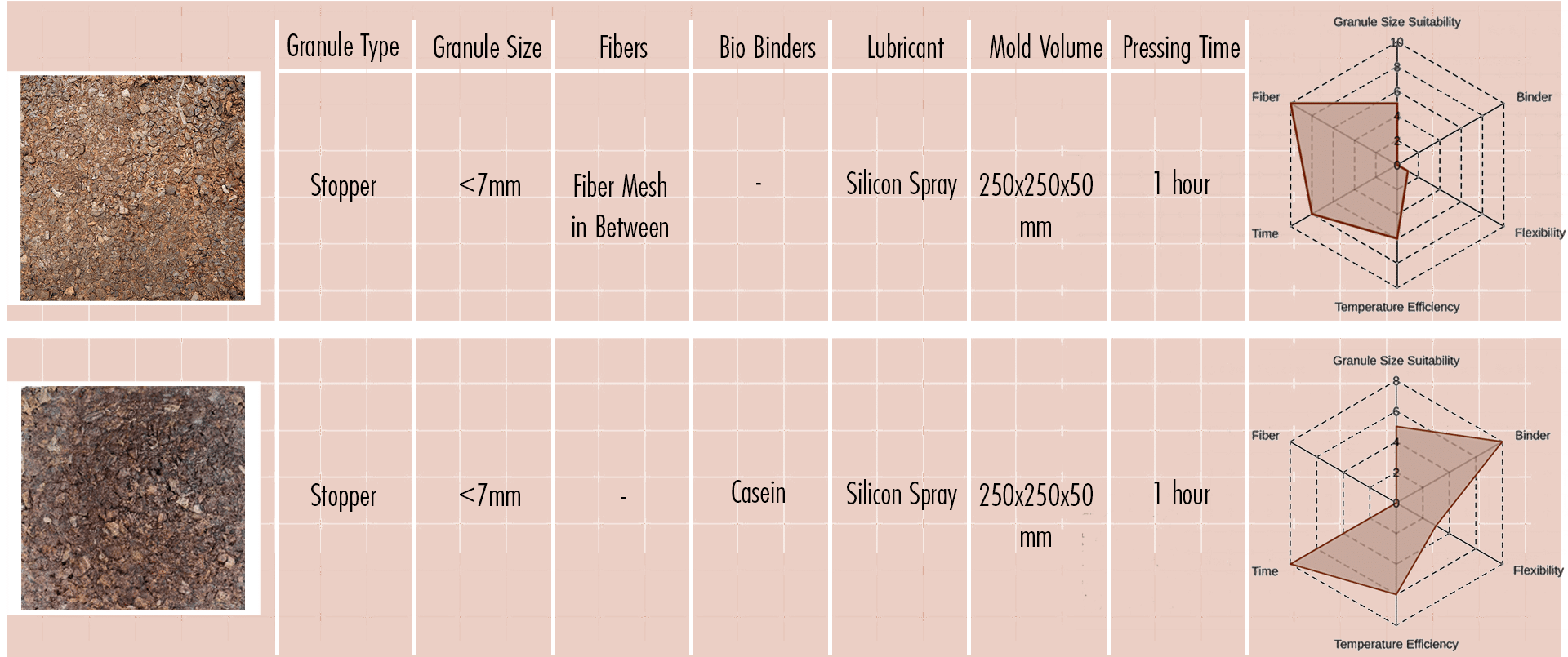
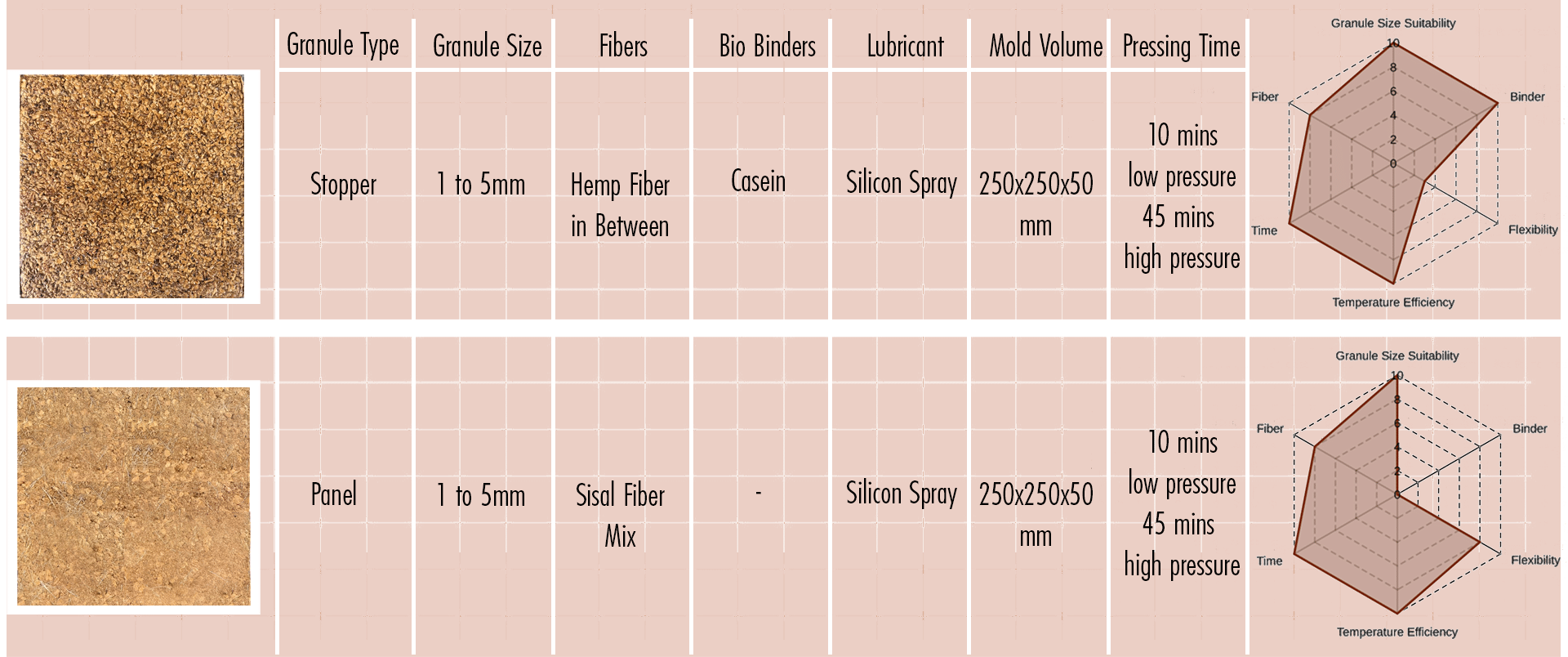
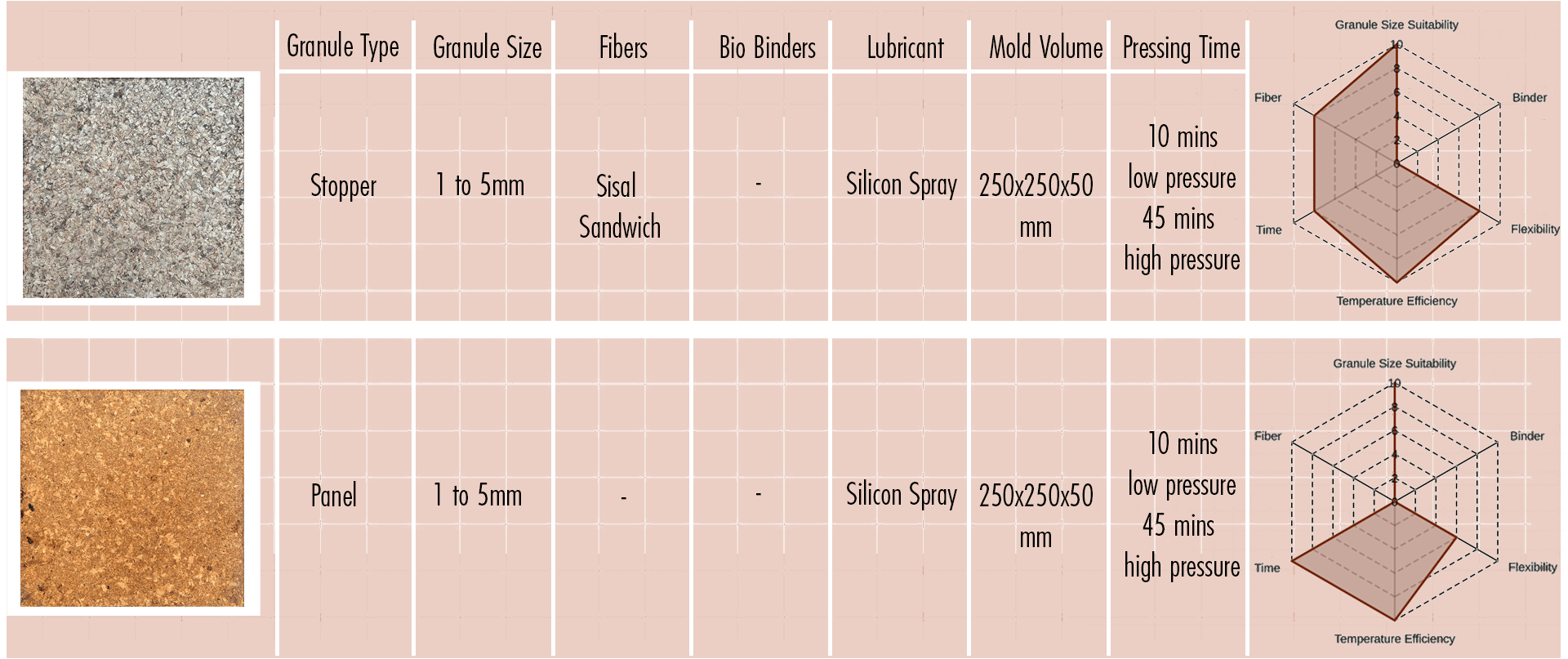
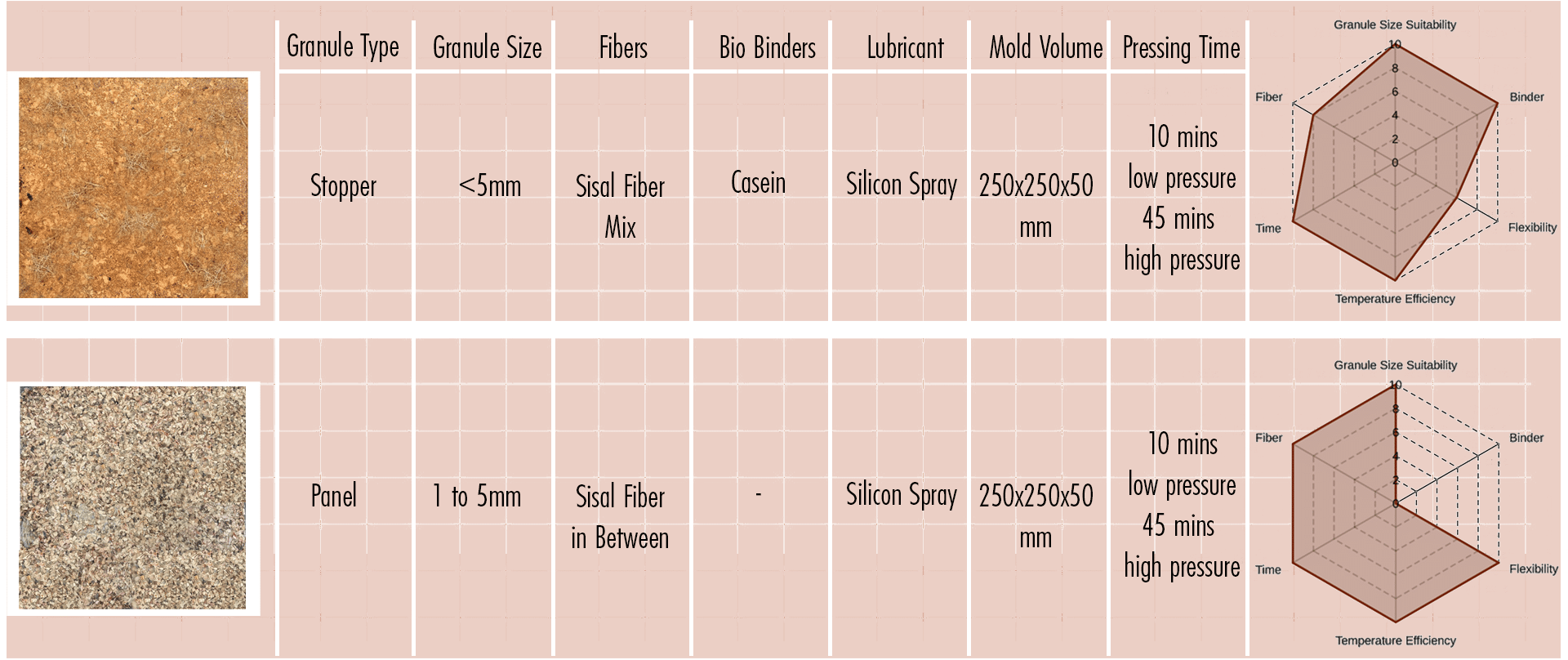
THE RECEPIE
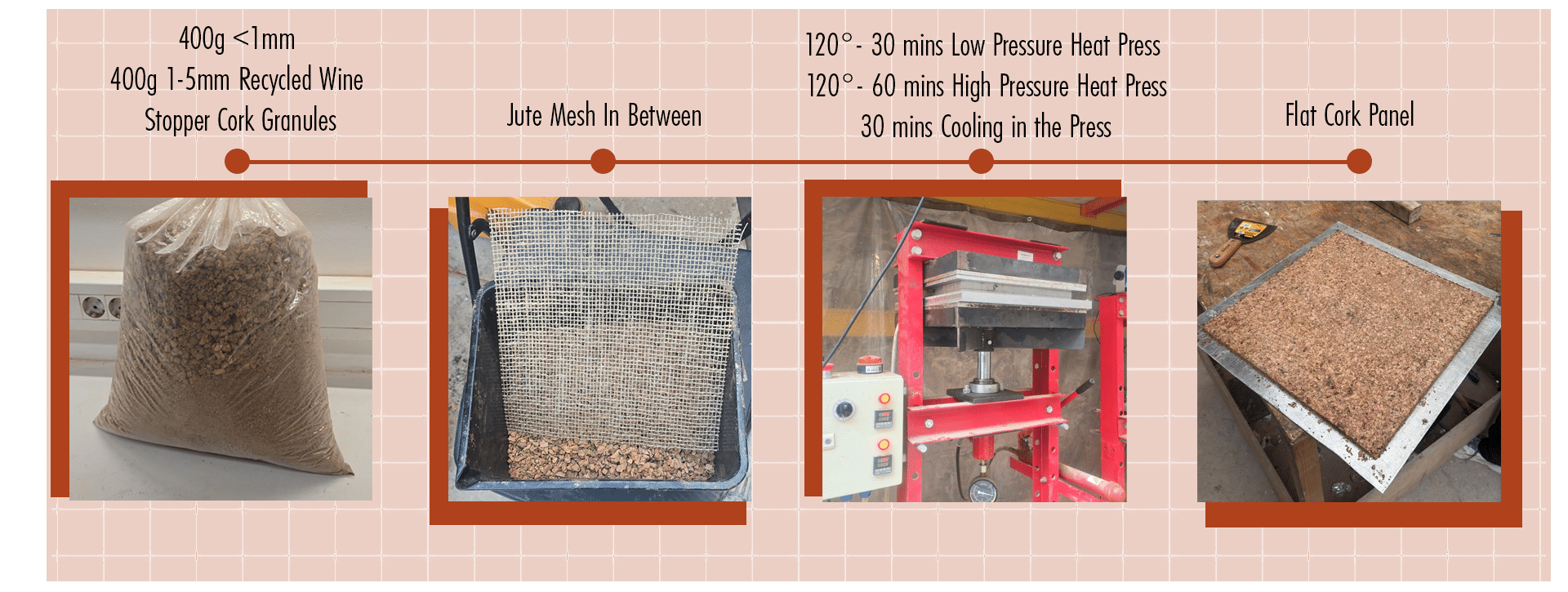
RECEPIE CONCLUSION
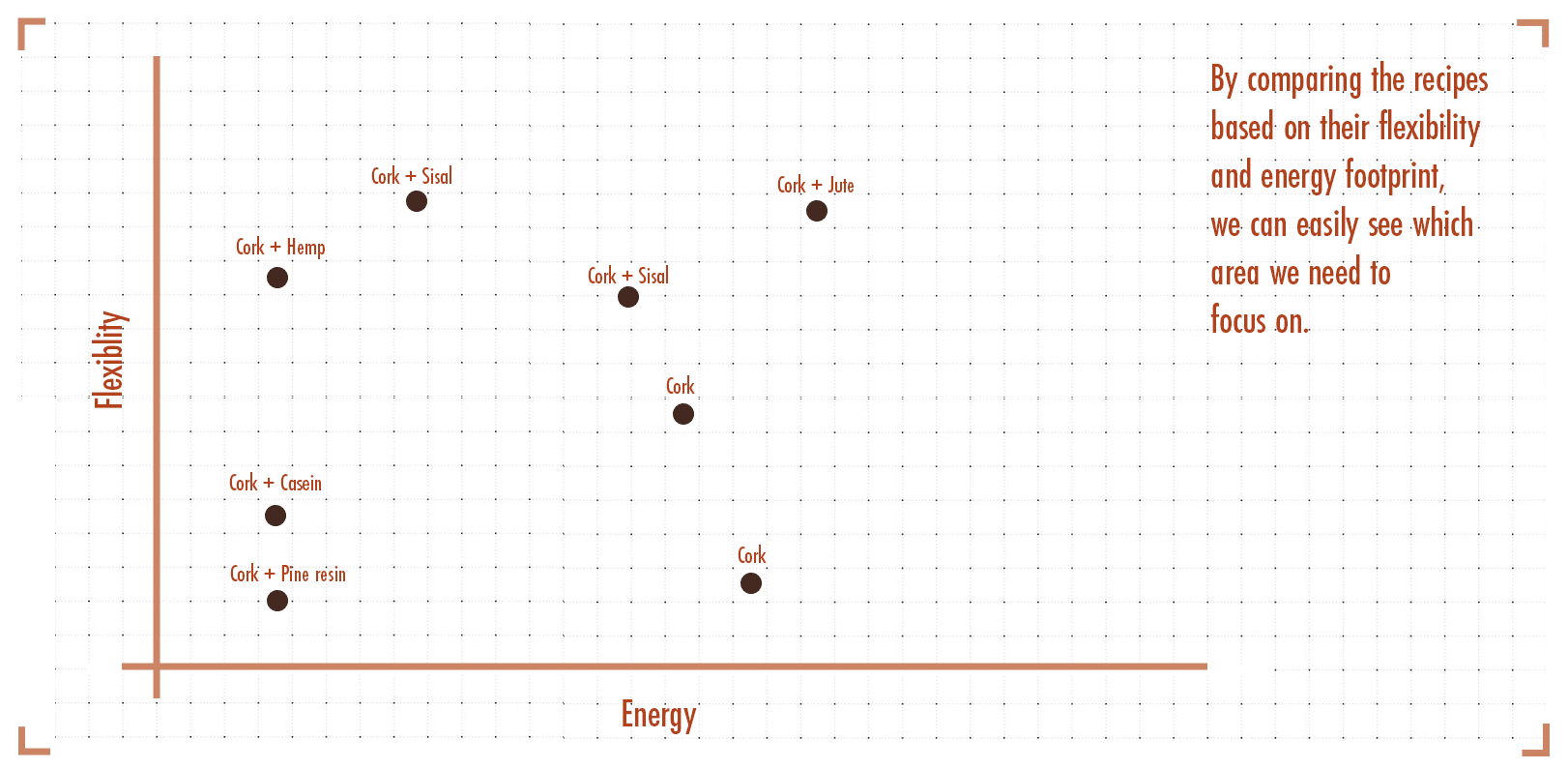
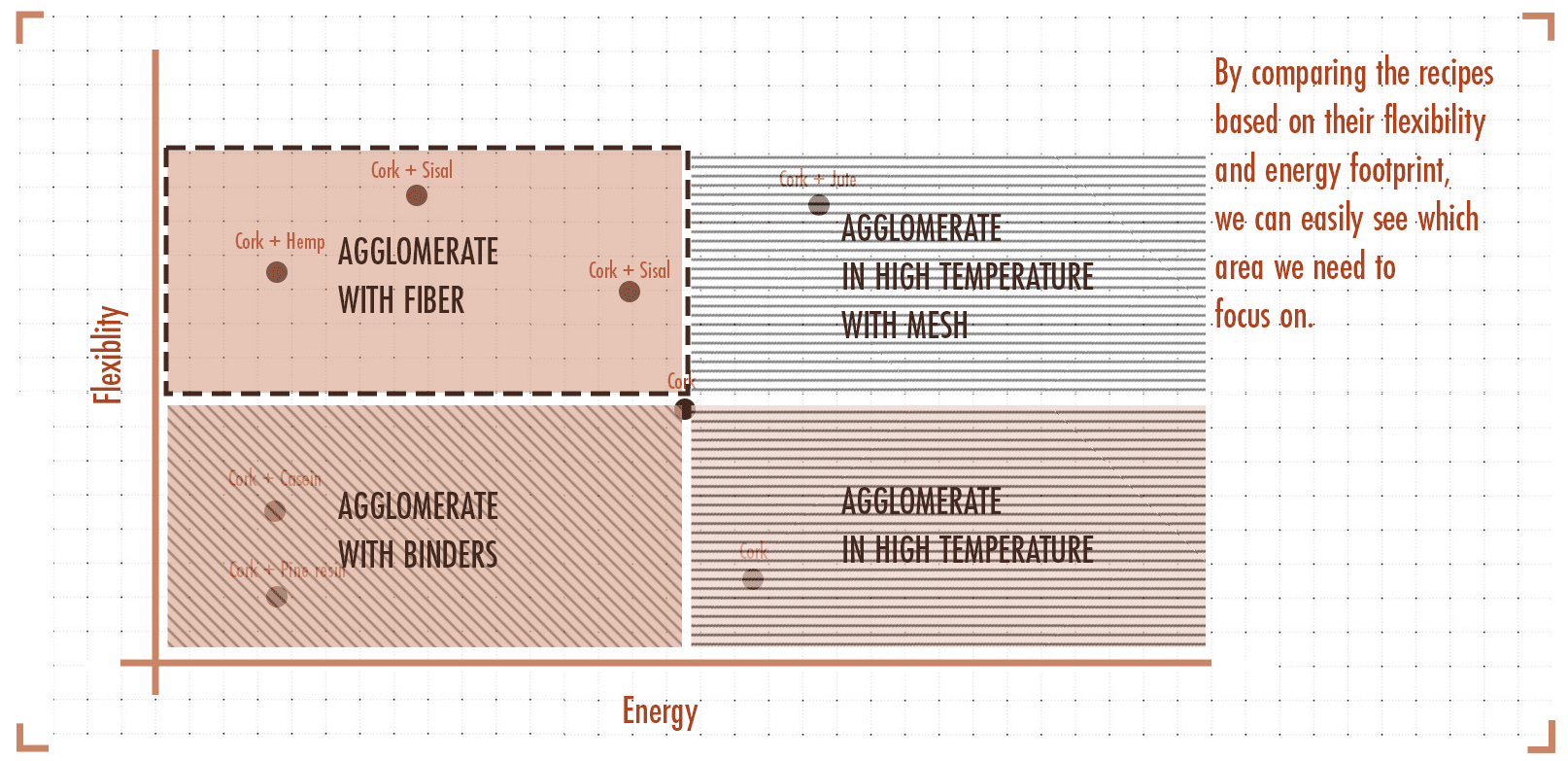
PARAMETERS
PROPOSAL
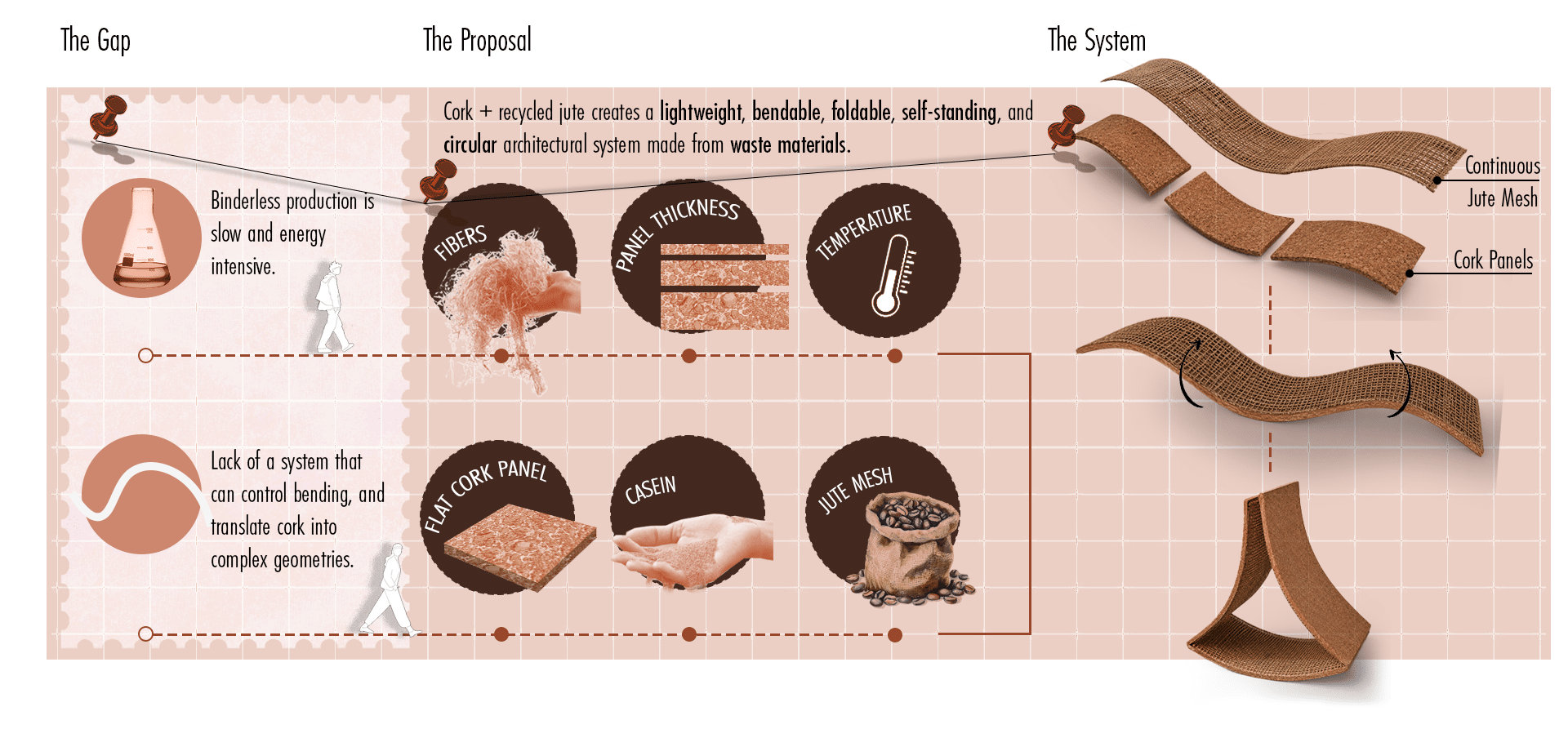
THE RECEPIE
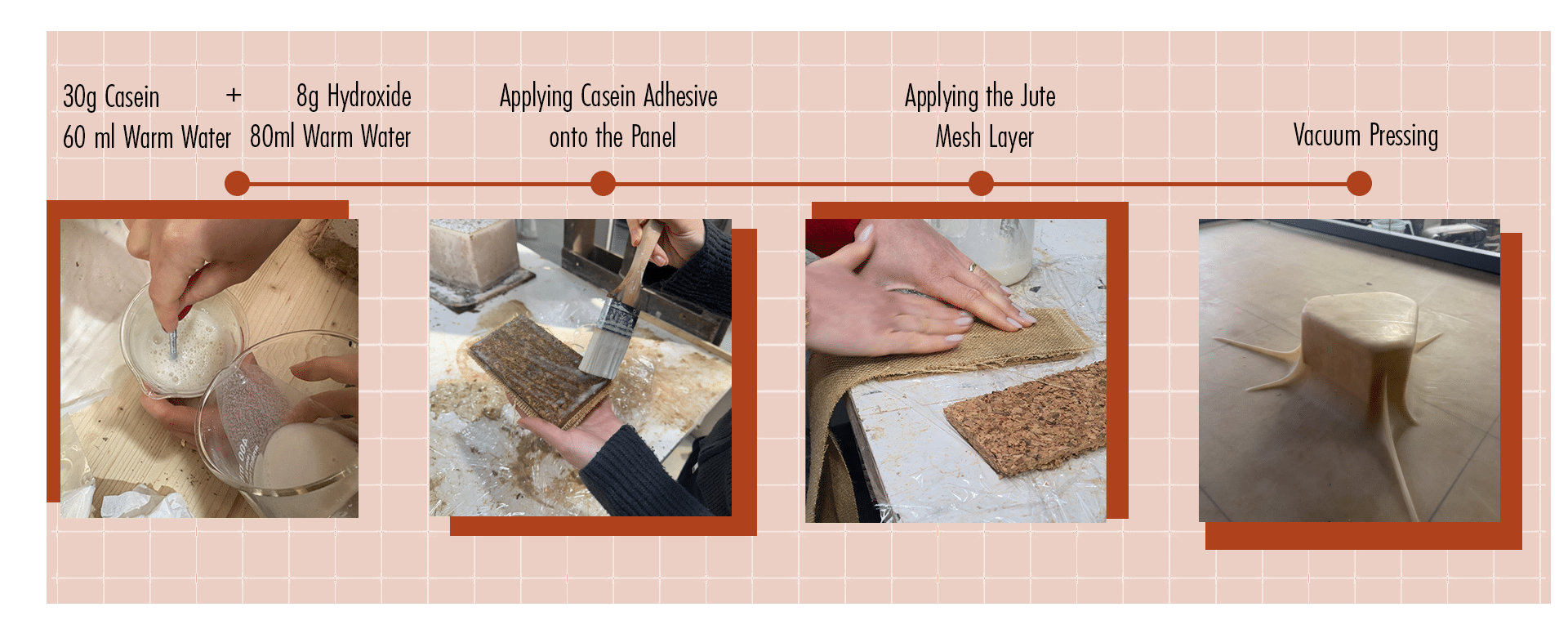
WORKFLOW
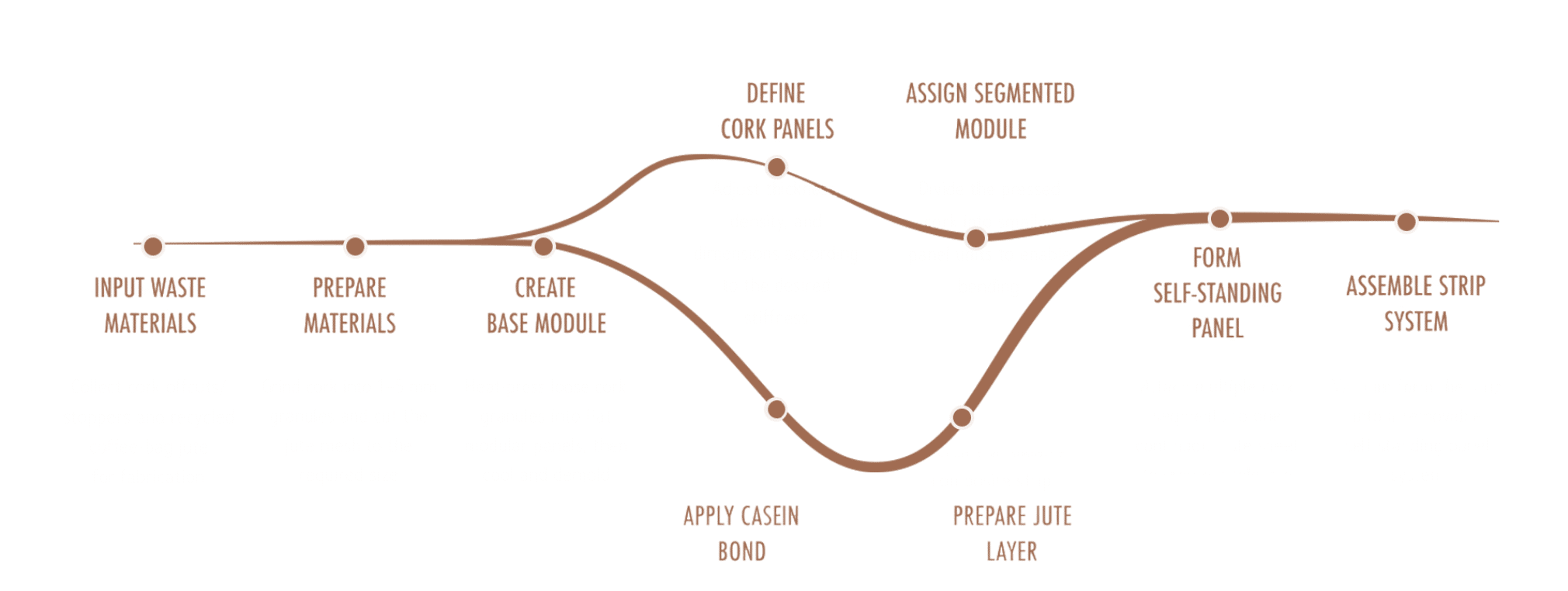
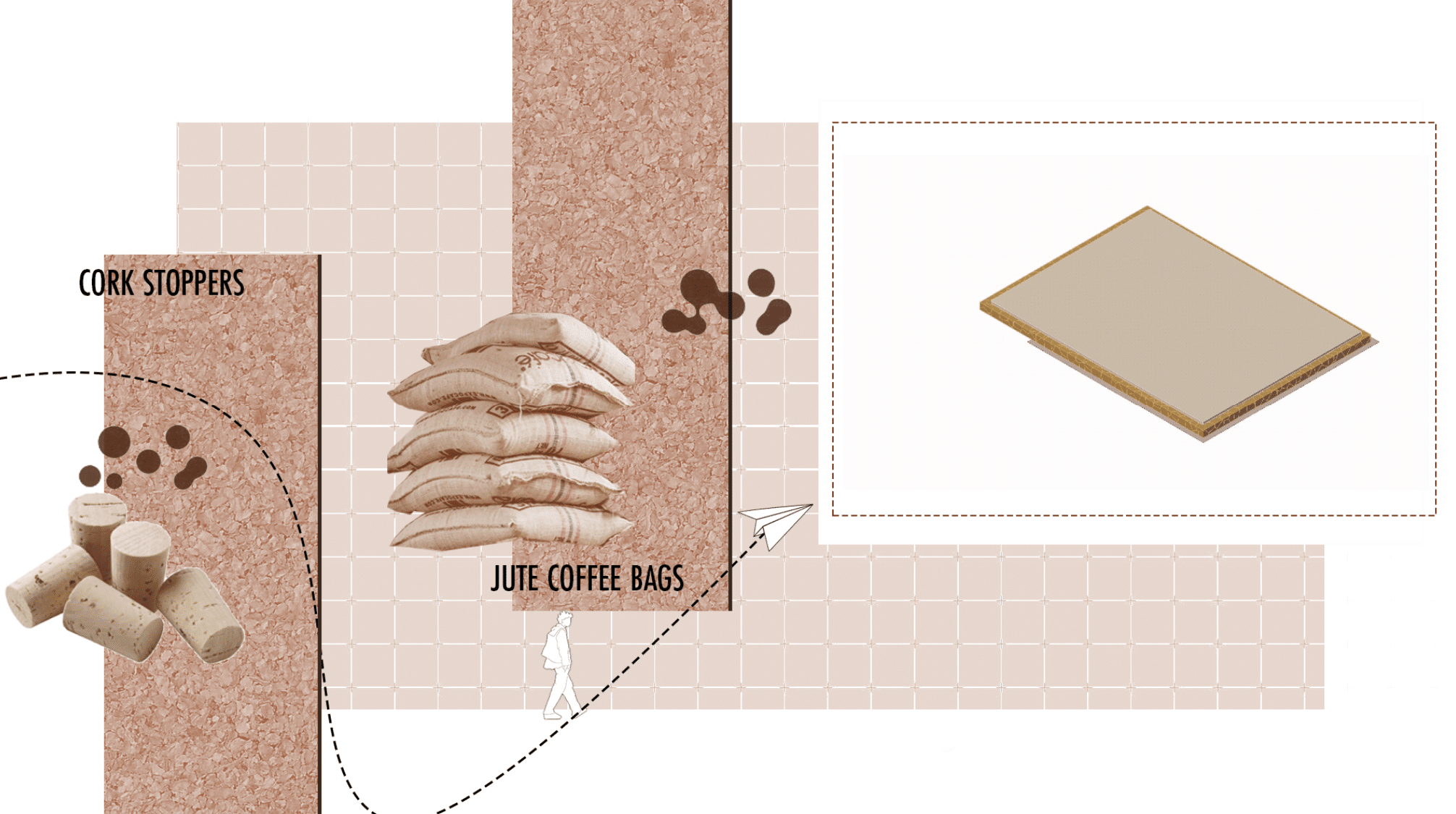
MATERIAL SYSTEM
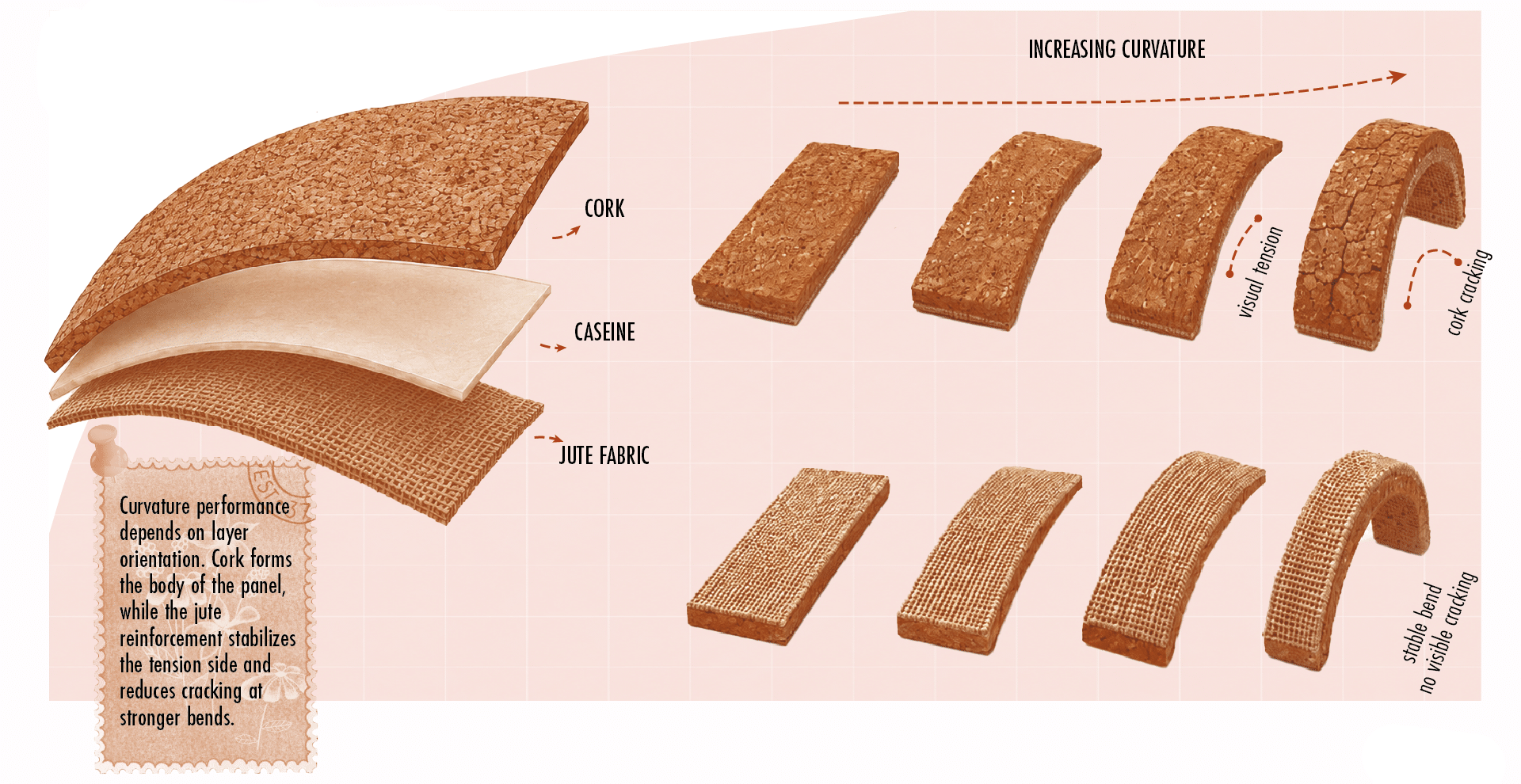
MATERIAL PERFORMANCE
BENDING BEHAVIOUR
TENSILE STRENGTH TEST – FLAT PANEL
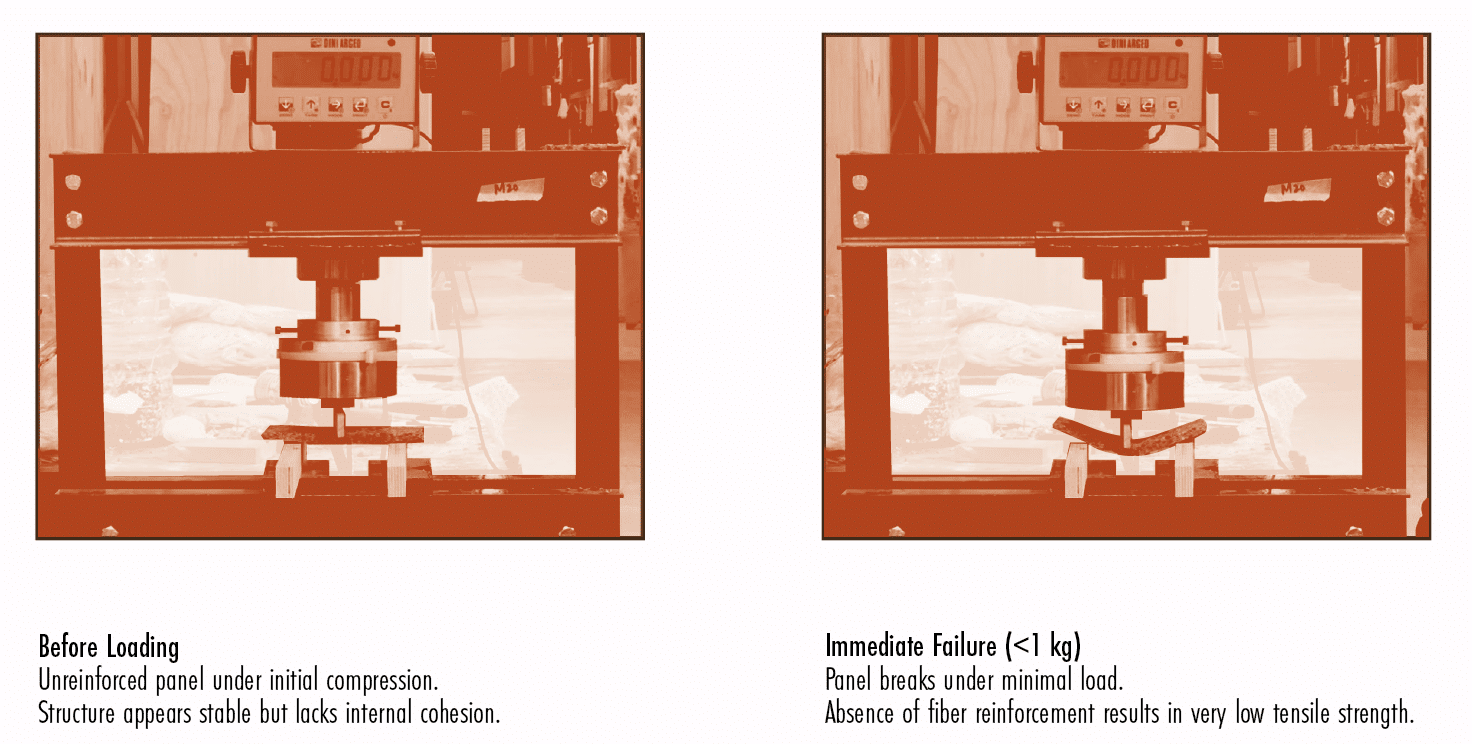
TENSILE STRENGTH TEST – CURVED PANEL
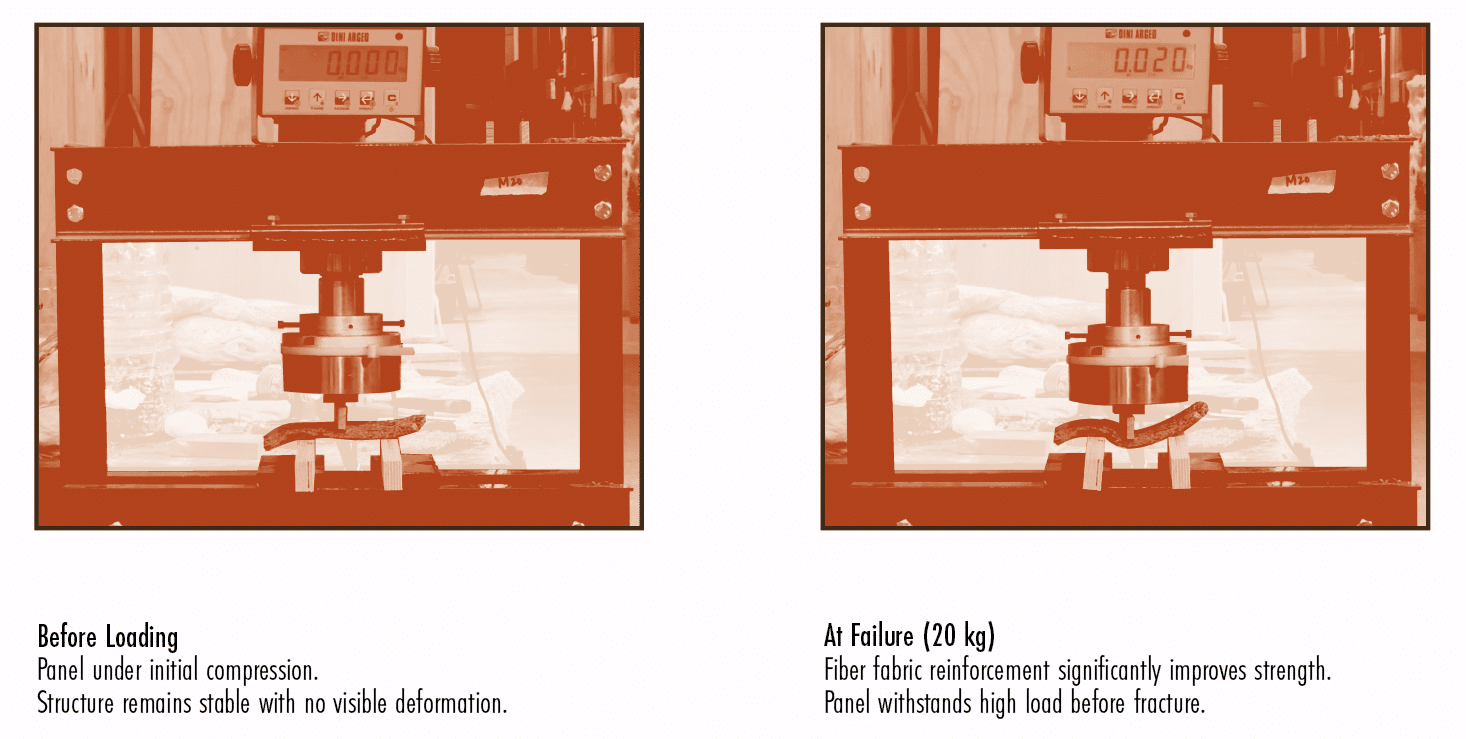
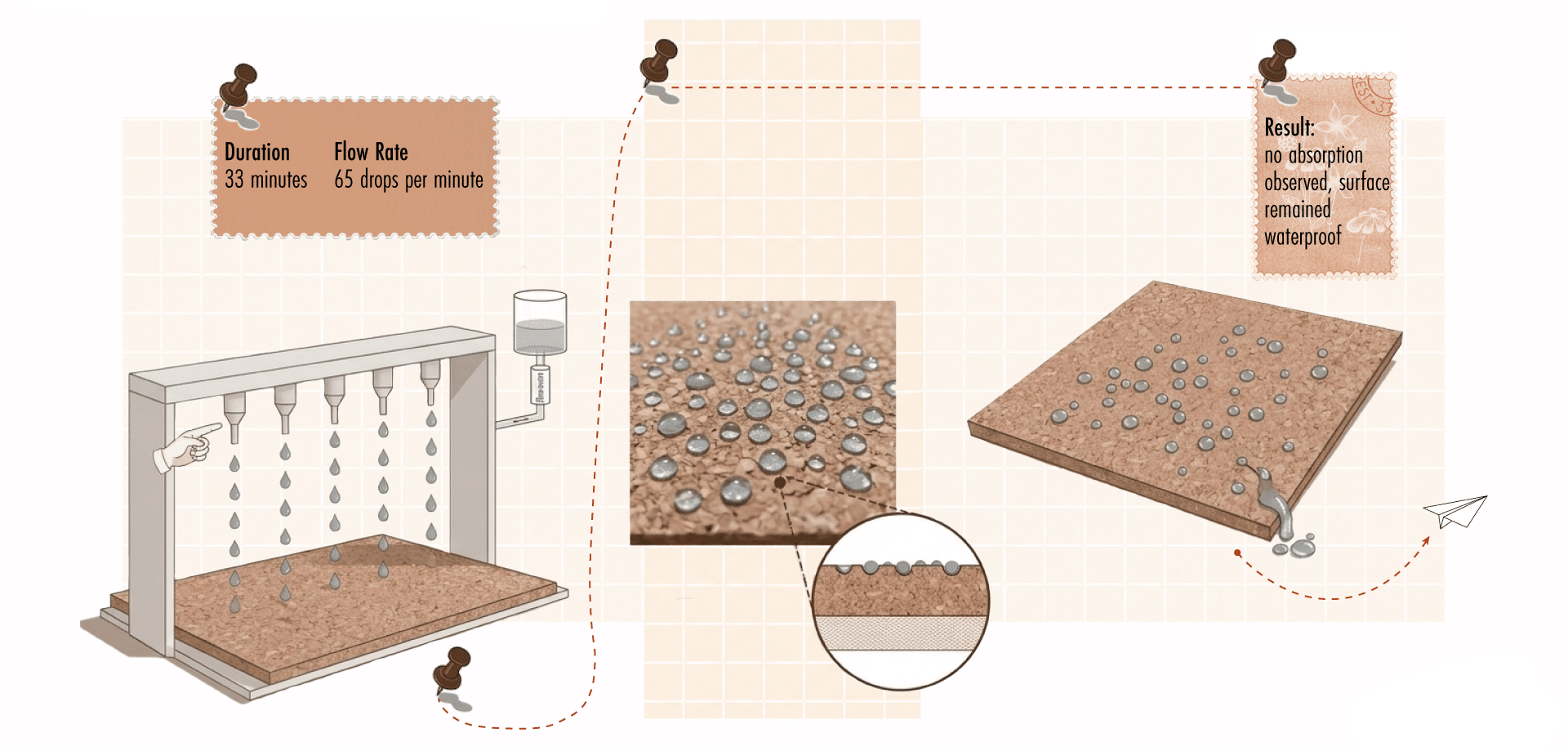
WATER RESISTANCE PERFORMANCE
PANEL LYFECYCLE
IMPACT
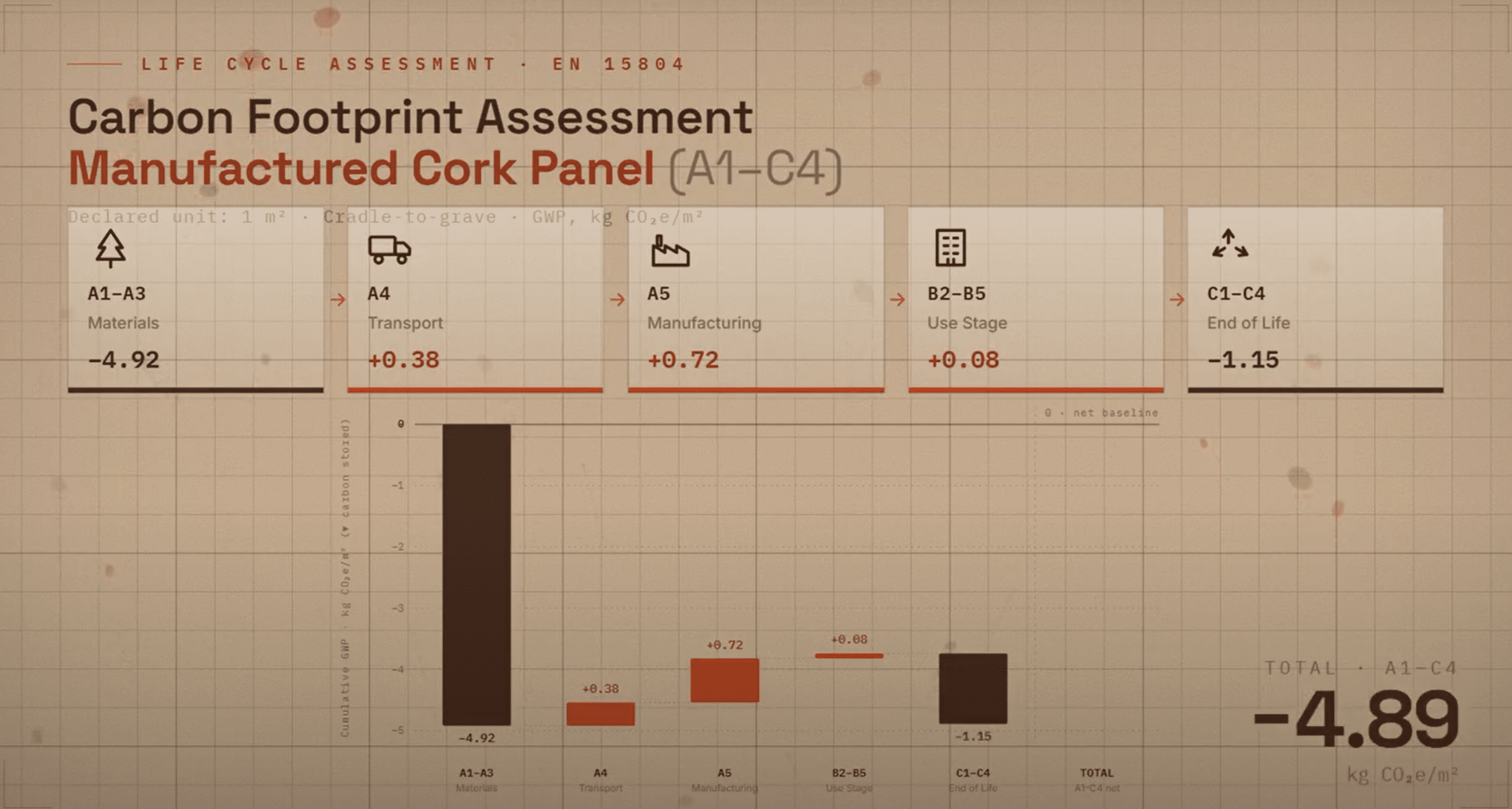
CARBON FOOTPRINT
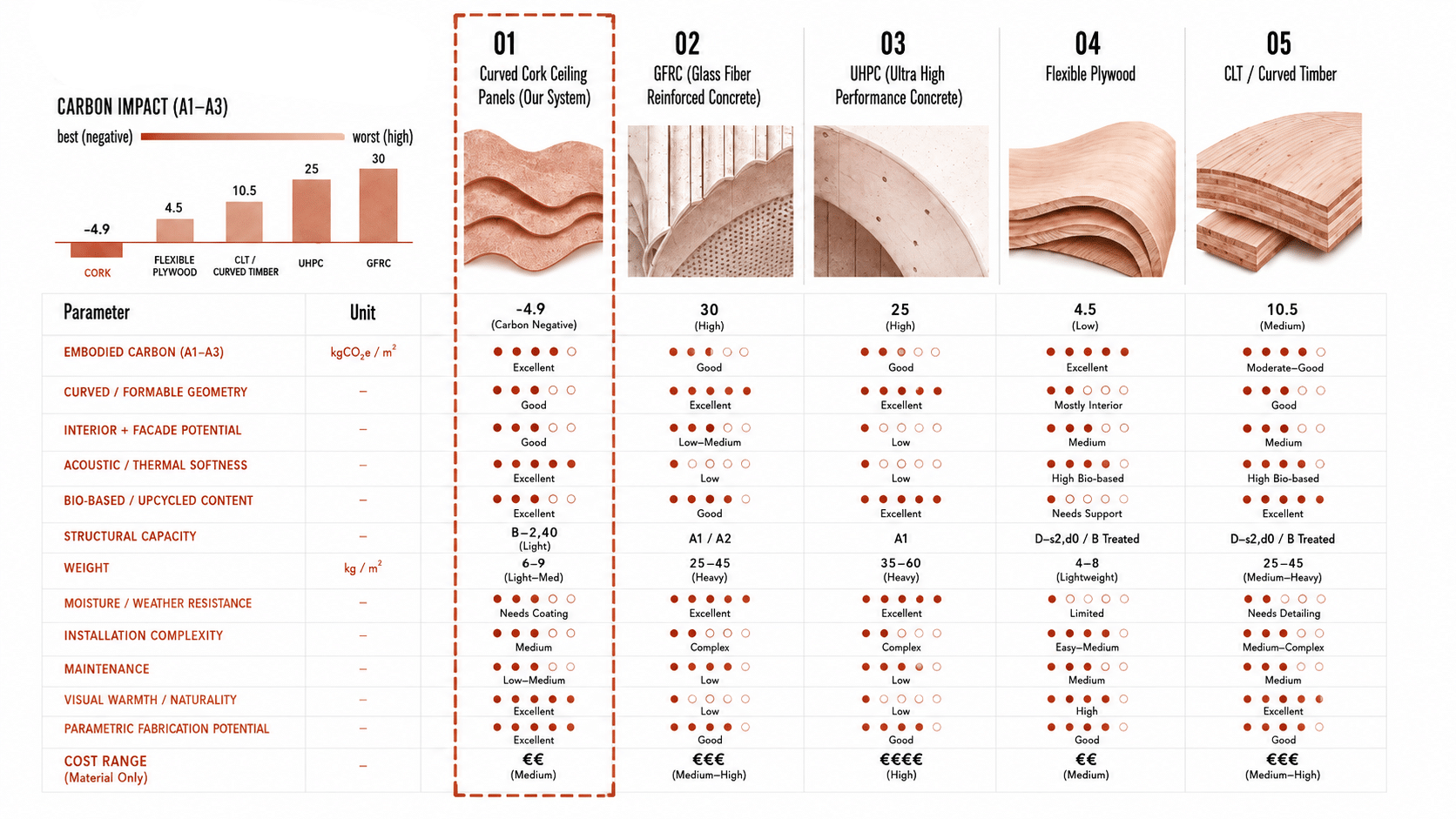
CARBON EMMISSION
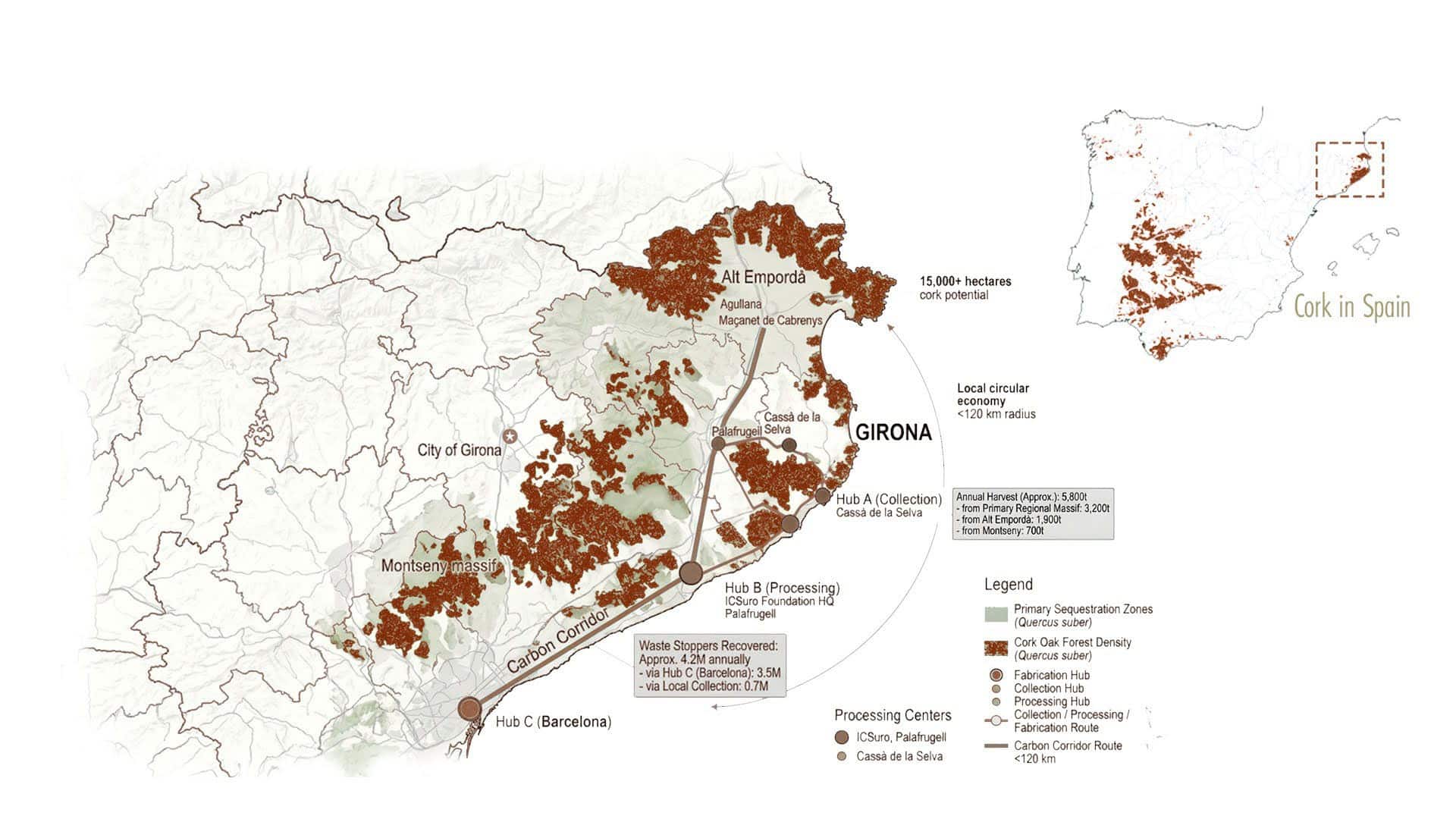
DIGITAL DATA
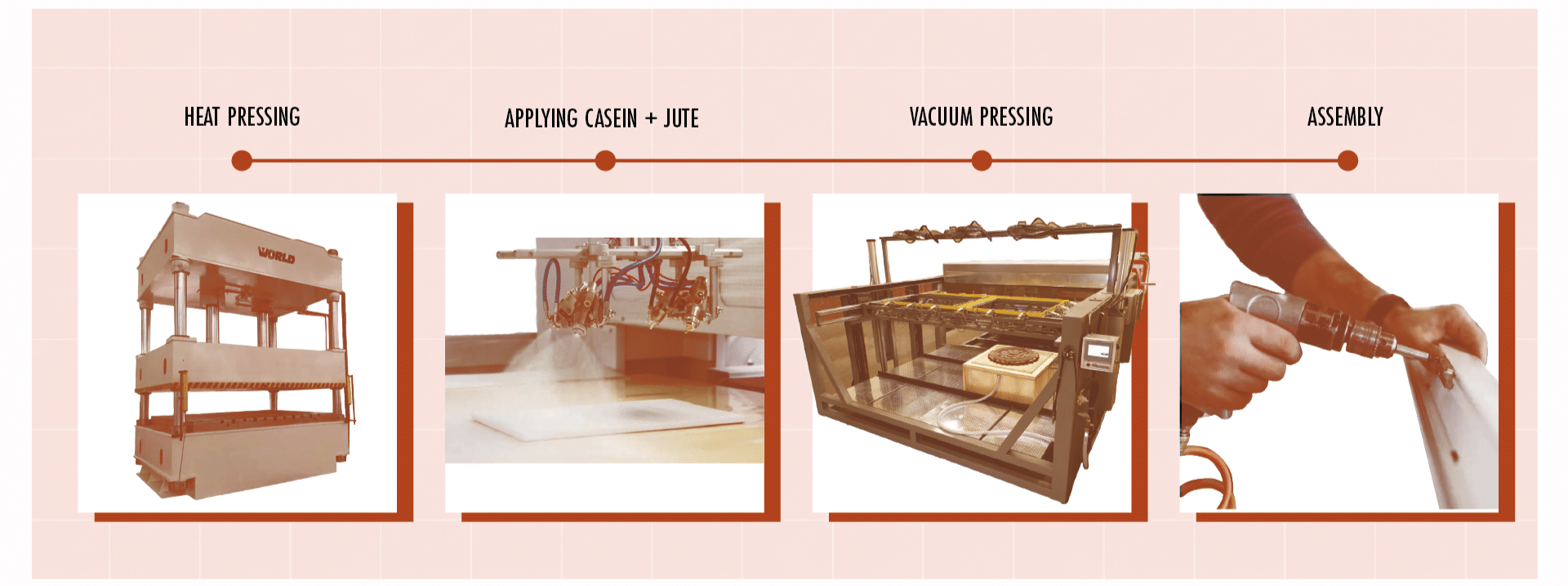
MANUFACTURING PROCESS
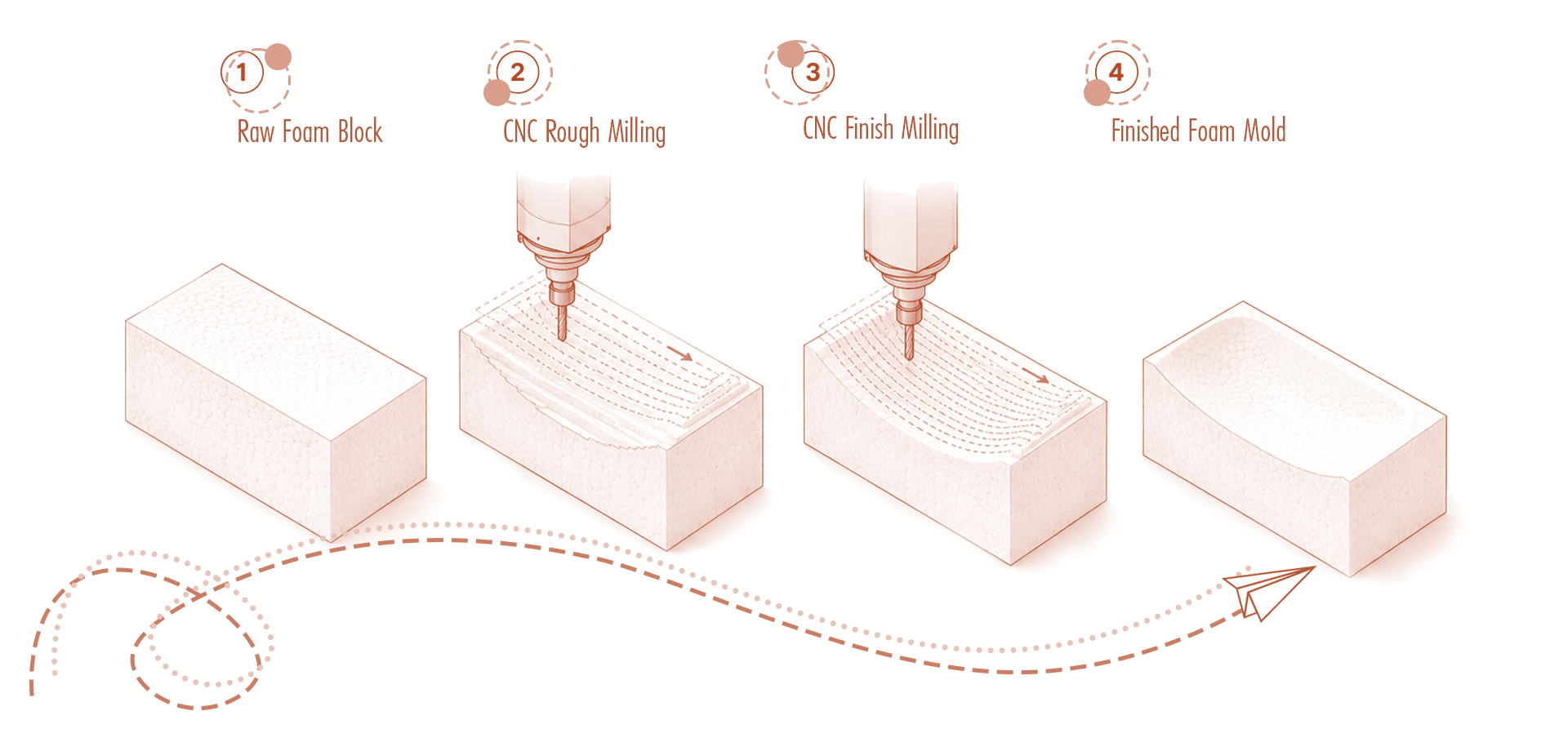
MOLD DESIGN
DESIGN IDEAS