
The MAA is a visionary master program with an innovative and open structure, mixing diverse disciplines, shaping professionals capable of producing theoretical & practical solutions towards responsive cities, architecture & technology.

Kontravoid 0.2 MBMS

My Body, My Software: Architecture as Firmware investigates the body as a local-first interface for adaptive architecture. The thesis proposes a privacy-preserving system in which physiological signals become a consent-based API through which environments can respond to changing states of stress, focus, balance, and affect. Rather than treating data as a resource to be extracted, … Read more
Breathing Shade
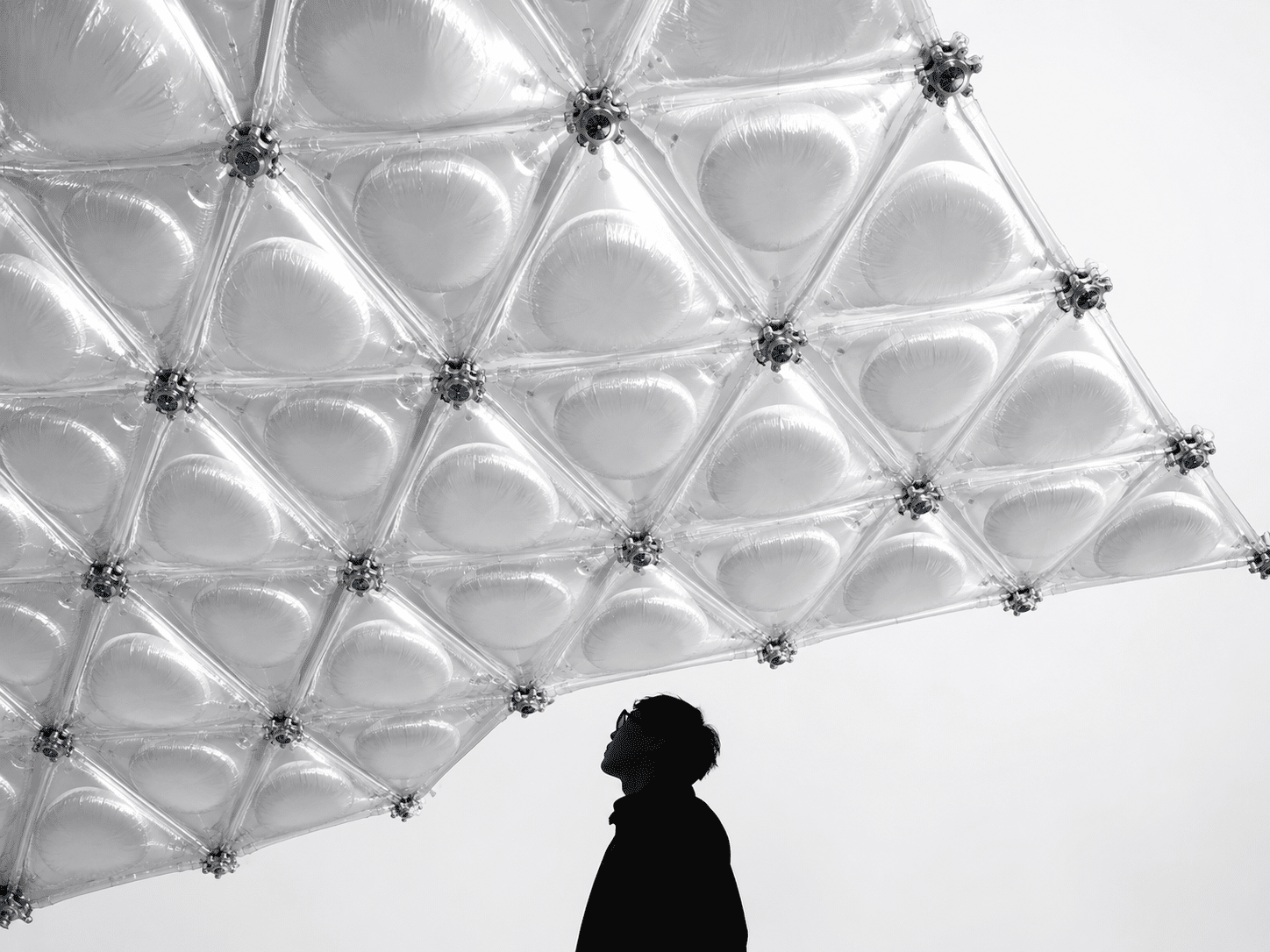
Breathing Shade explores a lightweight, modular inflatable canopy for reducing heat exposure in urban public spaces. The system uses triangular two-chamber modules with a transparent outer envelope and an opaque inner chamber. As the inner chamber inflates, it increases shade, expands the module, and reduces gaps between neighbouring units, allowing opacity and porosity to change … Read more
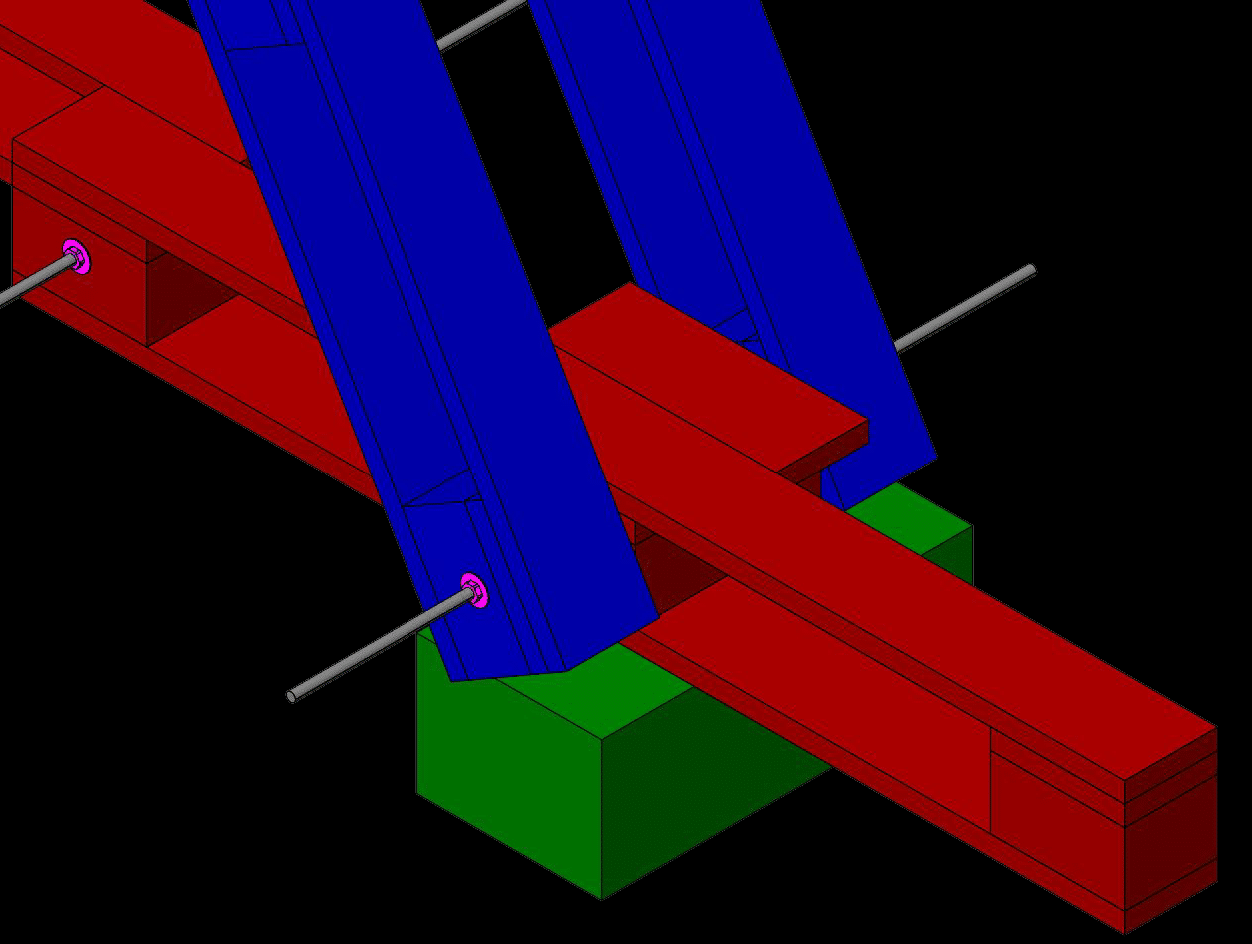
Trumbull Park Homes – Chicago
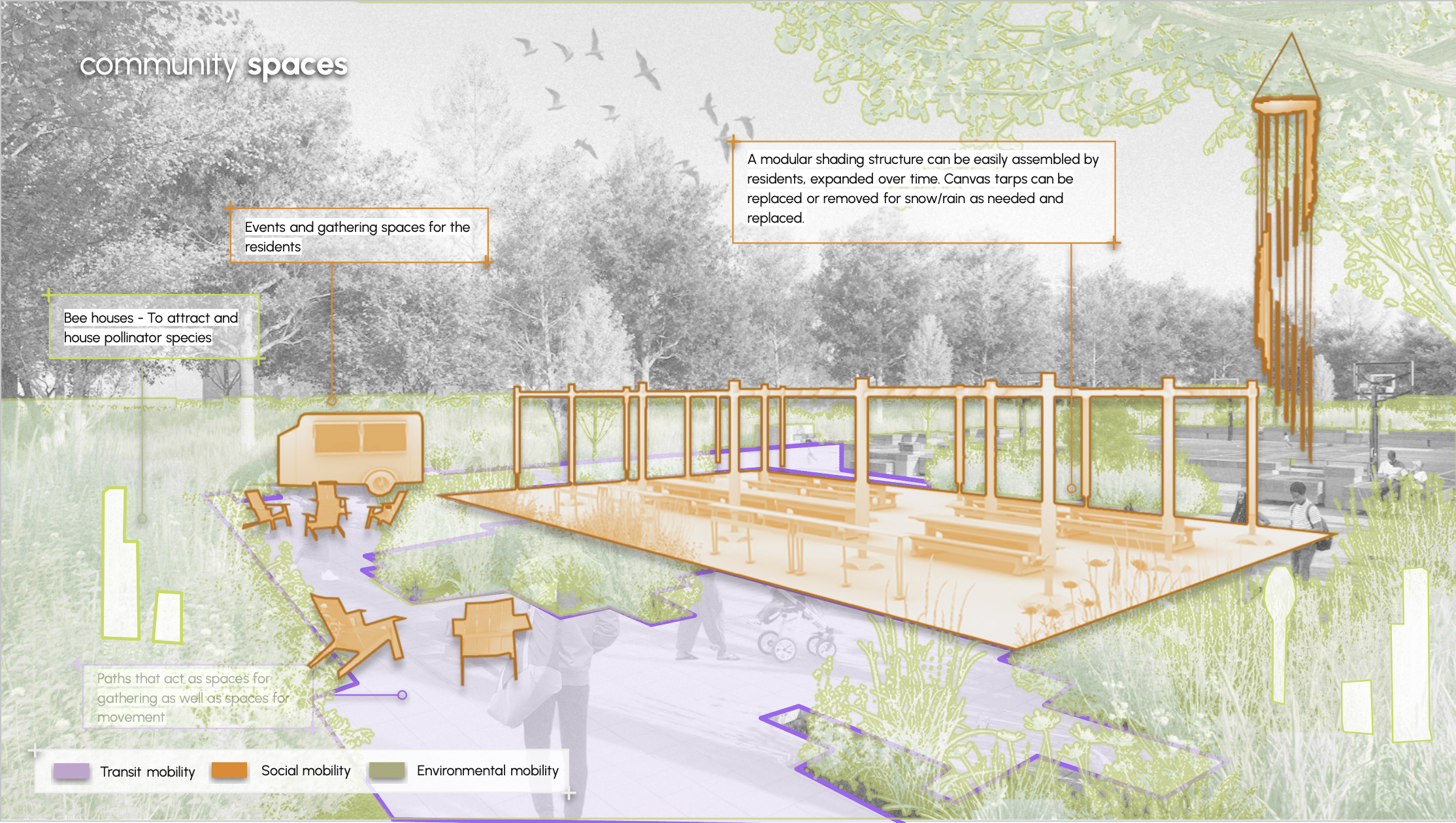
By Team – 41 Commons Introduction site context Built in 1938, Trumbull Park Homes (TPH) is a historic public housing development owned and managed by the Chicago Housing Authority (CHA). Images from Google show small brick row-homes among neatly manicured lawns and beautiful old-growth trees — but the development sits on Chicago’s Far Southeast Side, … Read more
Thermochar
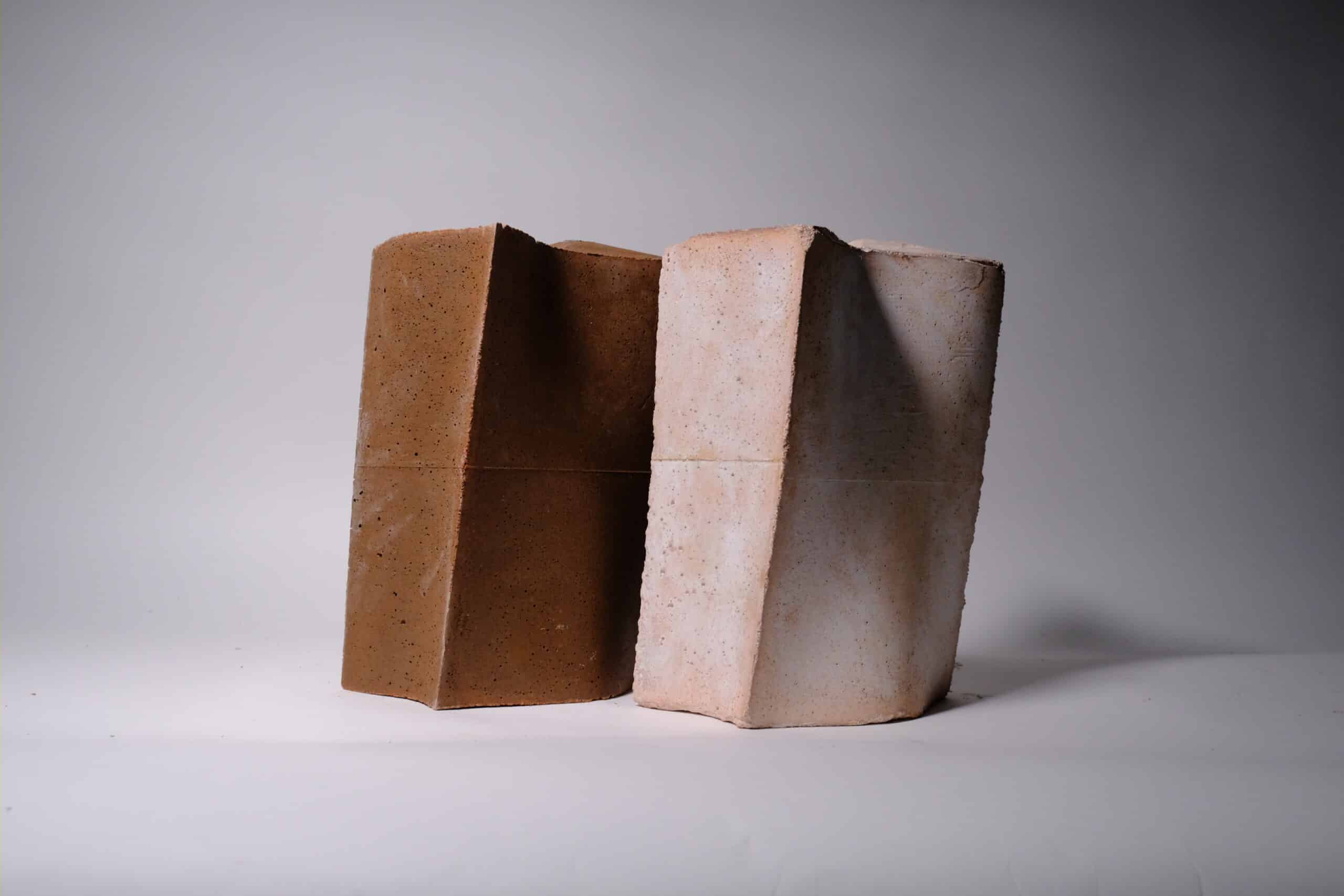
Reimagining the façade as an active environmental system rather than a passive building skin, this project develops a modular biochar–clay composite panel that integrates carbon storage, passive thermal regulation, and circular construction. By combining locally sourced clay with biochar, the material transforms atmospheric carbon into a long-term architectural resource while reducing embodied emissions. Computationally informed … Read more
Corked-Up
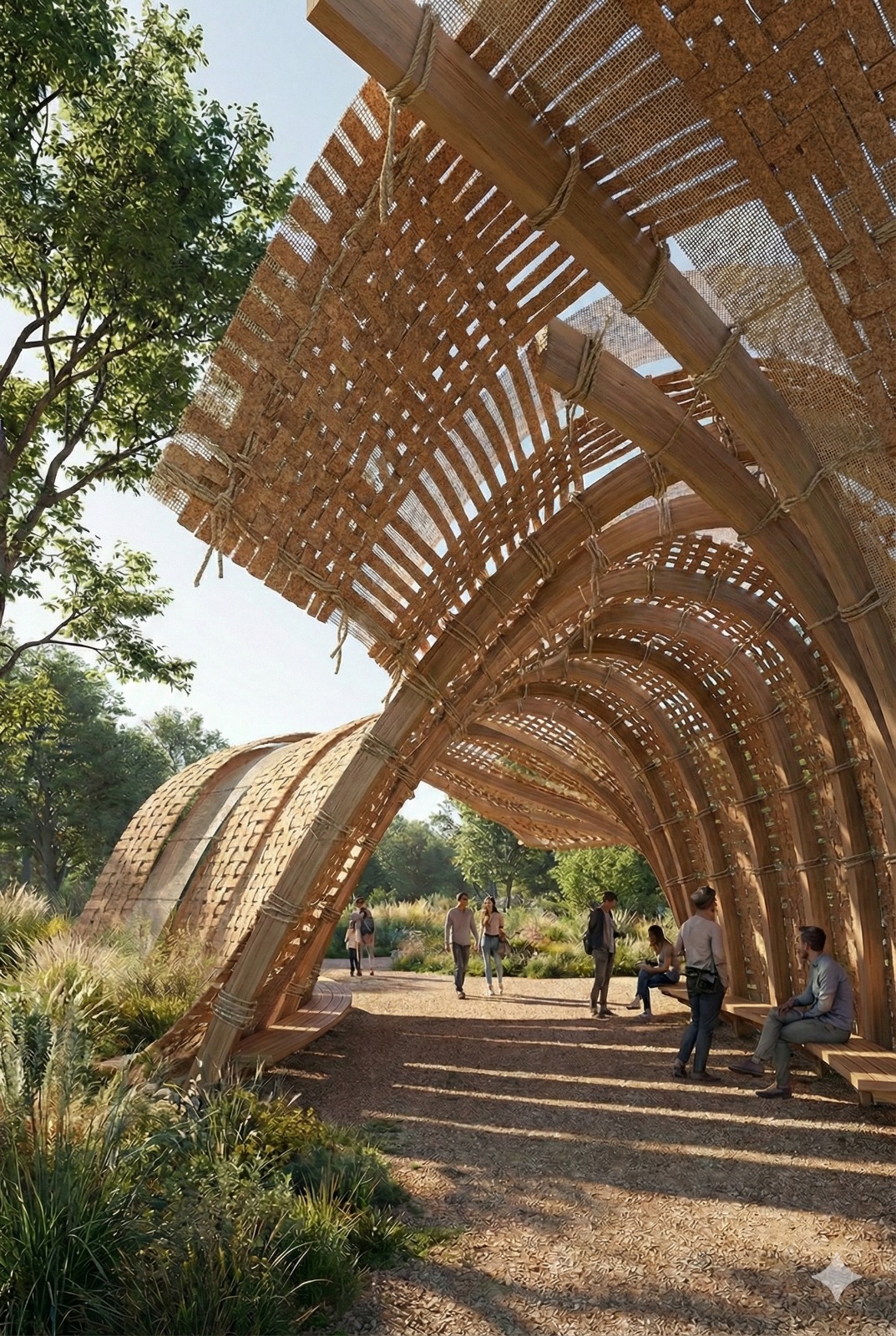
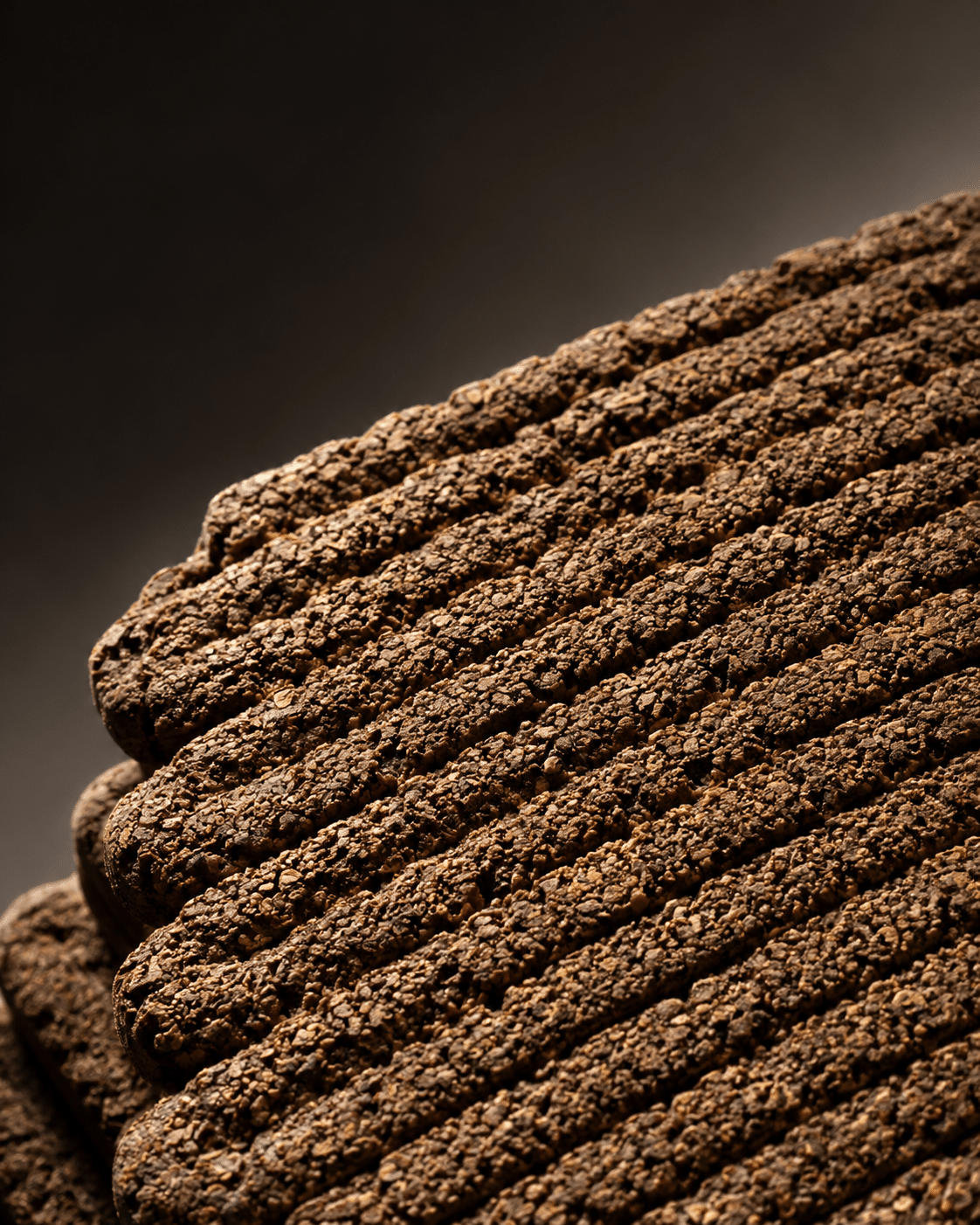
This project explores cork as a sustainable material and investigates new possibilities for its application through innovative design and production methods. By experimenting with different technologies and rethinking how cork can be formed, adapted, and shaped, the project aims to develop new ways of working with the material that minimize carbon emissions, reduce waste, and … Read more
Collectively Forward: Regenerative and Inclusive Urban Futures
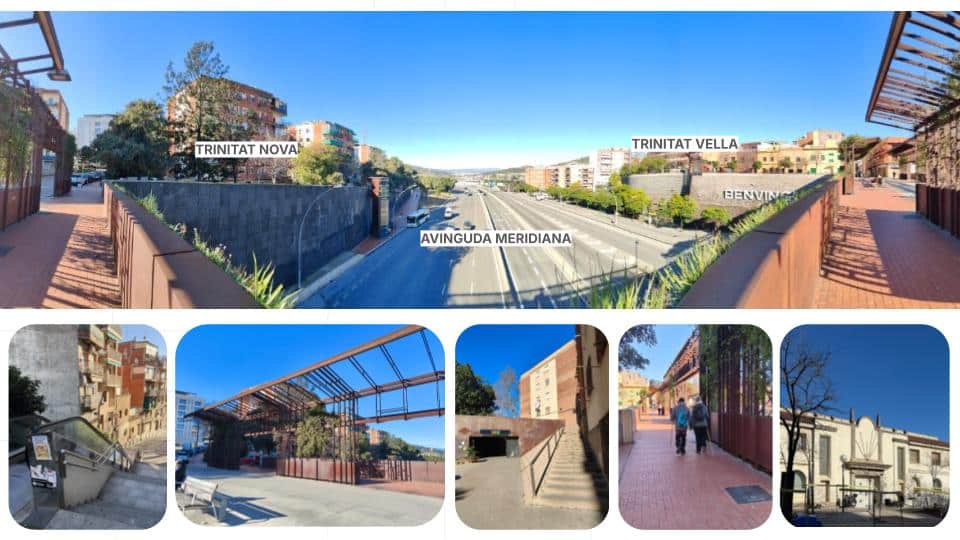
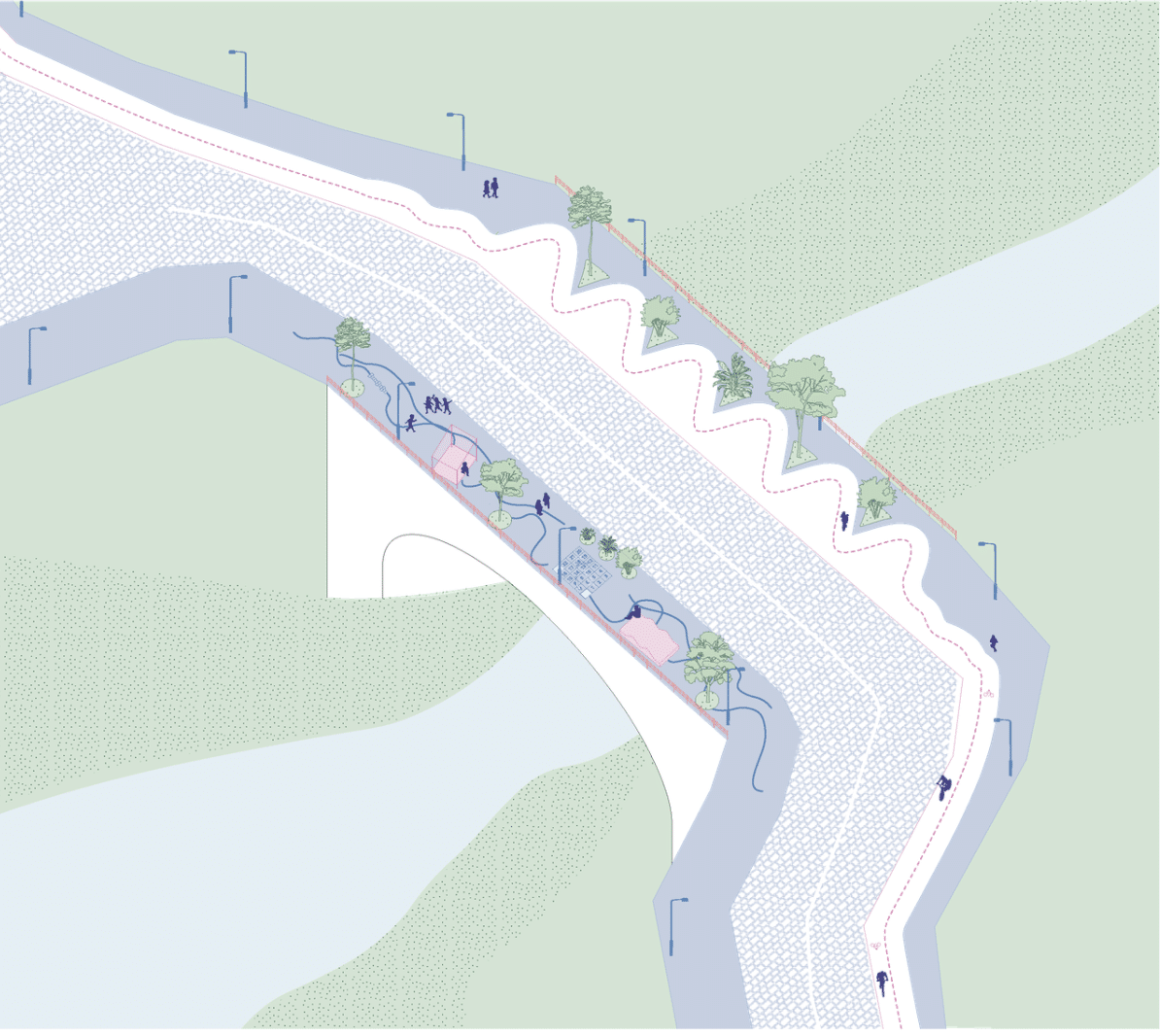
Infrastructure doesn’t just move people. It shapes who they are, where they go, and what kinds of lives are possible. At the northern edge of Barcelona — at the junction of Nou Barris, Sant Andreu, and Santa Coloma de Gramenet — Avinguda Meridiana does all three. It connects the city to its northern territories efficiently. … Read more
SMALL STEPS, BIG CITIES
Redesigning childrens’ journeys to school in Bosa-Apogeo, Bogota CONTEXT & CHALLENGES Bosa Apogeo sits at the southwestern edge of Bogotá — a neighbourhood shaped by rapid unplanned urbanisation and carrying a disproportionate share of the city’s pollution burden. Industrial corridors, heavy freight traffic, and unpaved roads converge here, pushing annual PM2.5 concentrations to between two … Read more
BANANA MATTERS
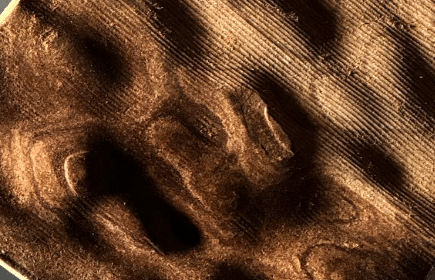
Abstract Banana Matters transforms discarded banana pseudostem biomass into carbon-sequestering architectural panels through material research, bio-based binders, and digital fabrication. The project addresses the untapped potential of nearly 525 million tonnes of annual banana waste by developing lightweight, low-carbon composites with acoustic and structural applications. Through iterative material experimentation, heat-press manufacturing, and mechanical and physical … Read more

reCast II
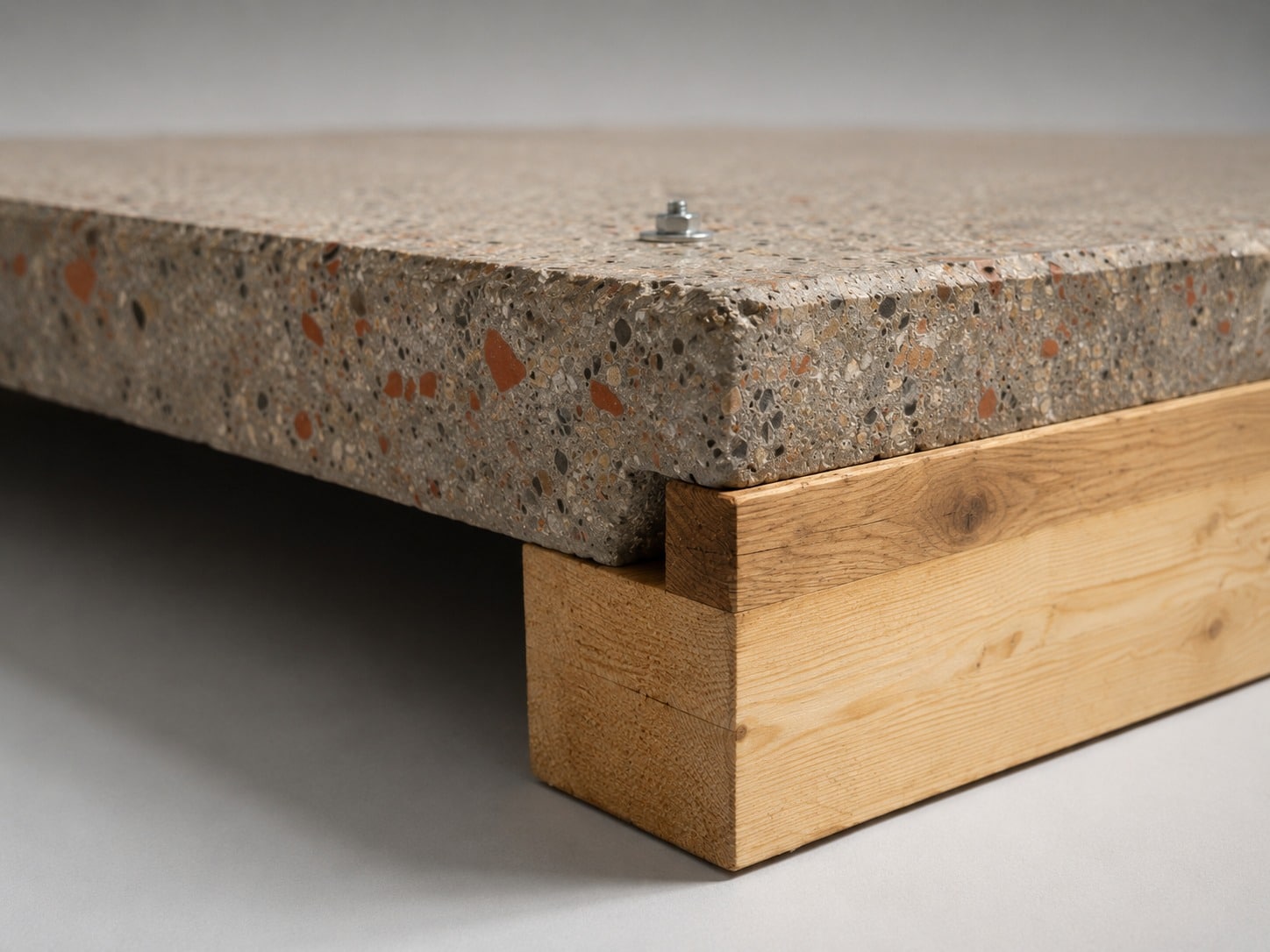
Abstract In the Anthropocene, the construction industry generates vast quantities of Construction and Demolition Waste (CDW), positioning cities as latent material reservoirs rather than endpoints of consumption. This research investigates CDW not as waste, but as a designed material system. Initial experiments explored rammed CDW composites, revealing strong compressive behavior but critical limitations under lateral … Read more
Straw System: Robotically Sprayed Walls for a Morphic Fabrication Hall
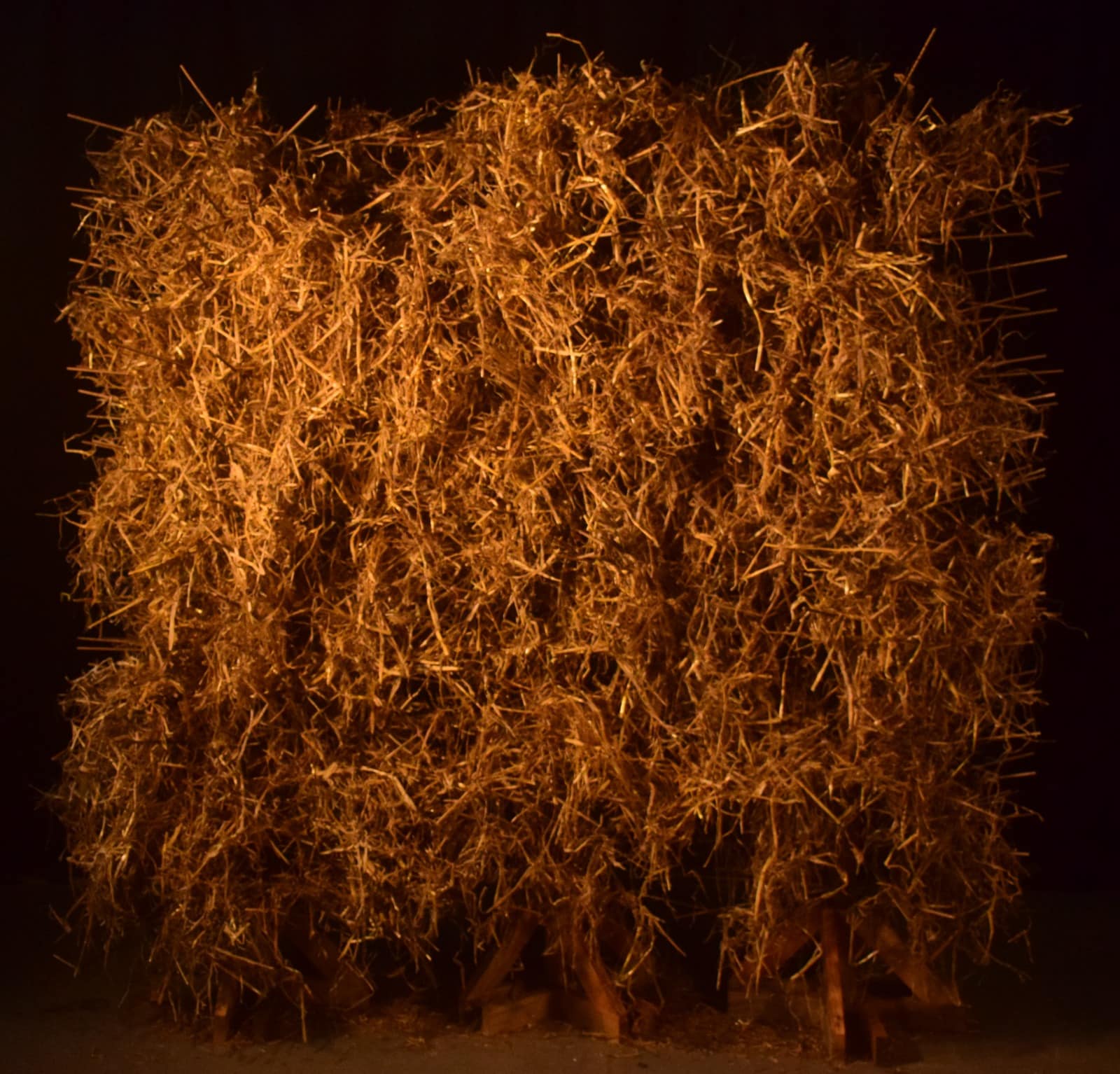
The Problem of Friction The fabrication hall of the new IAAC building is a single volume asked to do many incompatible things at once. Robotic arms run beside coworking desks; CNC routers and laser cutters share air with lectures and exhibitions. Across a typical academic year, from the September machine inductions to the July exhibition, … Read more
Bedrock
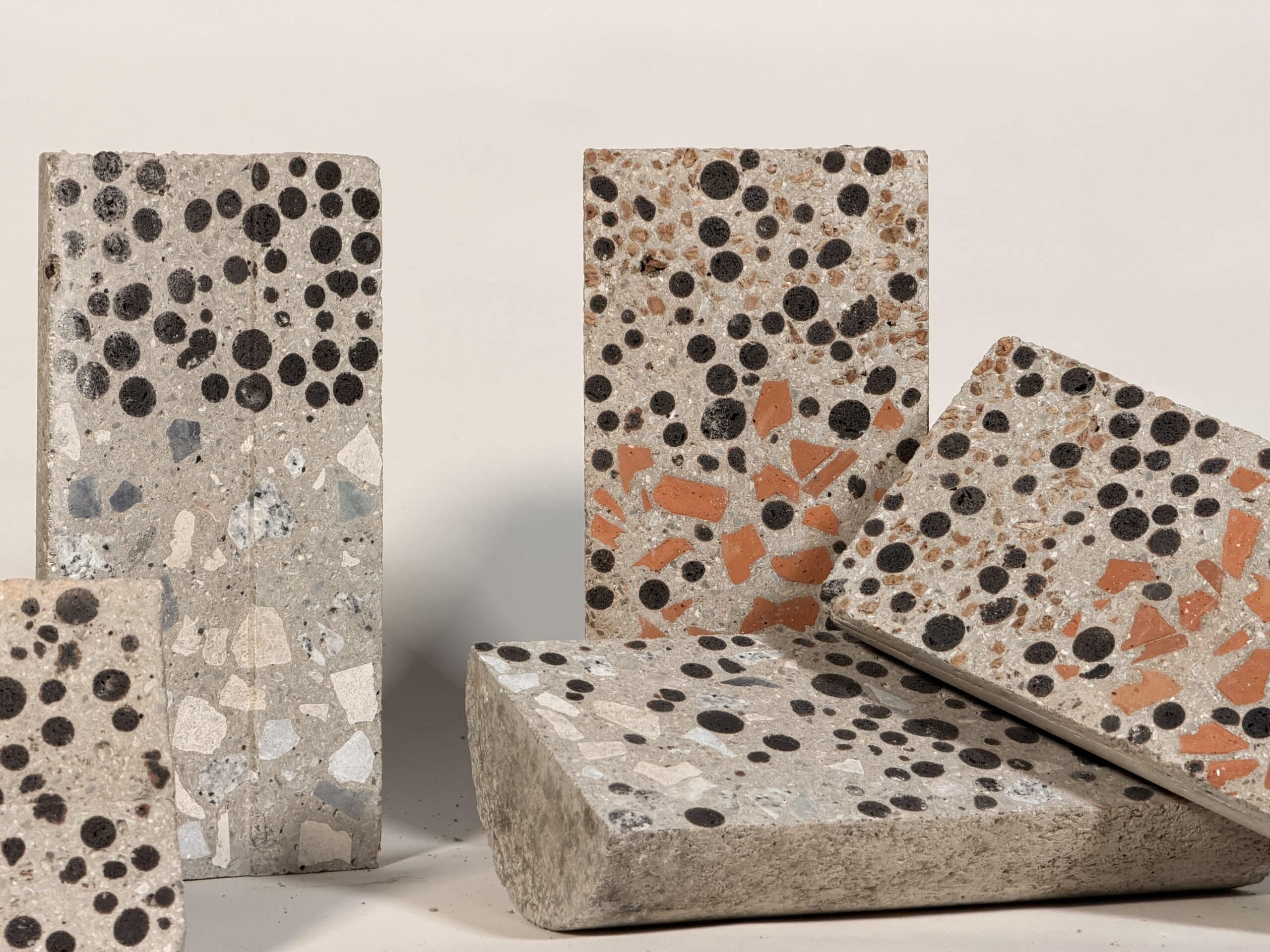
Prefabricated Slabs Embedding Structure and Finish Through Stress-Driven Geometry and Waste Aggregate Distribution This thesis challenges the conventional separation of structure and finish in floor systems, typically resolved through multilayer assemblies that increase thickness, material redundancy, and construction complexity. While such systems allow formal and technical flexibility, they externalize performance into discrete layers rather than … Read more
