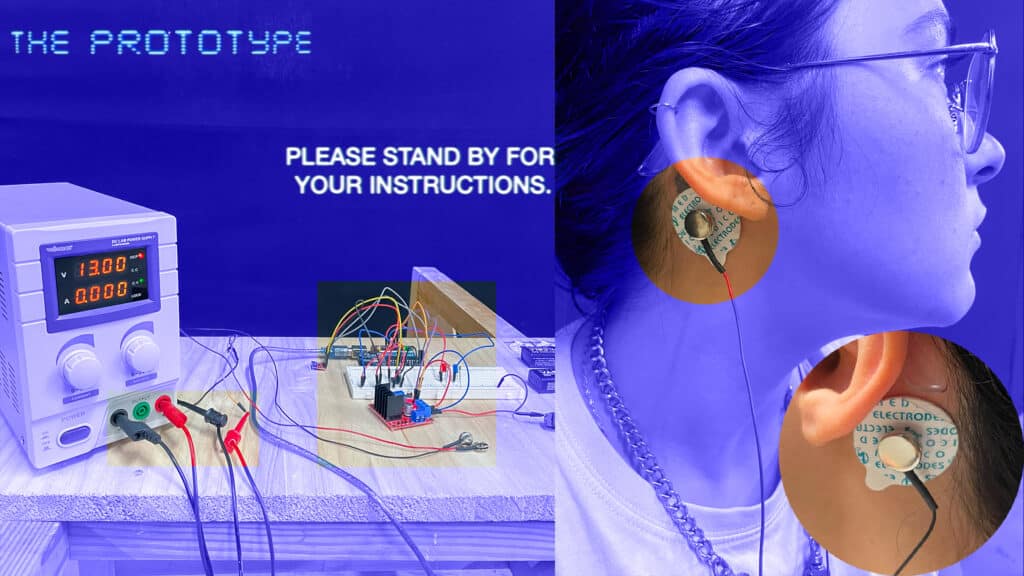
My Body, My Software: Architecture as Firmware investigates the body as a local-first interface for adaptive architecture. The thesis proposes a privacy-preserving system in which physiological signals become a consent-based API through which environments can respond to changing states of stress, focus, balance, and affect. Rather than treating data as a resource to be extracted, the project positions the body as the owner and controller of its own information. A policy architecture establishes layered access, granular consent, real-time revocation, ethical safeguards, reversibility, and collective governance.
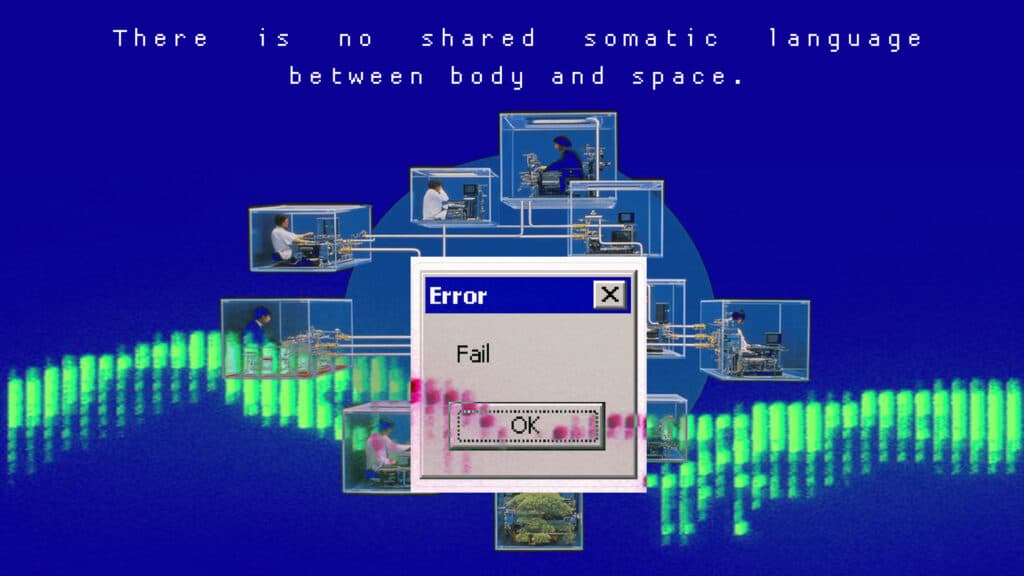
The project challenges conventional models of ambient intelligence in which bodily data is continuously collected, centralized, and converted into behavioral predictions. Instead, MBMS proposes a privacy-preserving architecture of agency, where physiological data remains under the ownership and control of the individual. The body does not simply provide data to the environment; it negotiates with it.
This relationship is structured through a layered policy architecture encompassing data sovereignty, purpose-locked access, granular consent, real-time revocation, ethical safeguards, reversibility, liability, and collective governance. Consent operates at multiple temporal and spatial scales, from session-level permissions to channel-specific access and immediate hardware-enforced overrides. The system therefore treats the ability to disconnect, refuse, or revoke as fundamental architectural rights rather than secondary technical features.
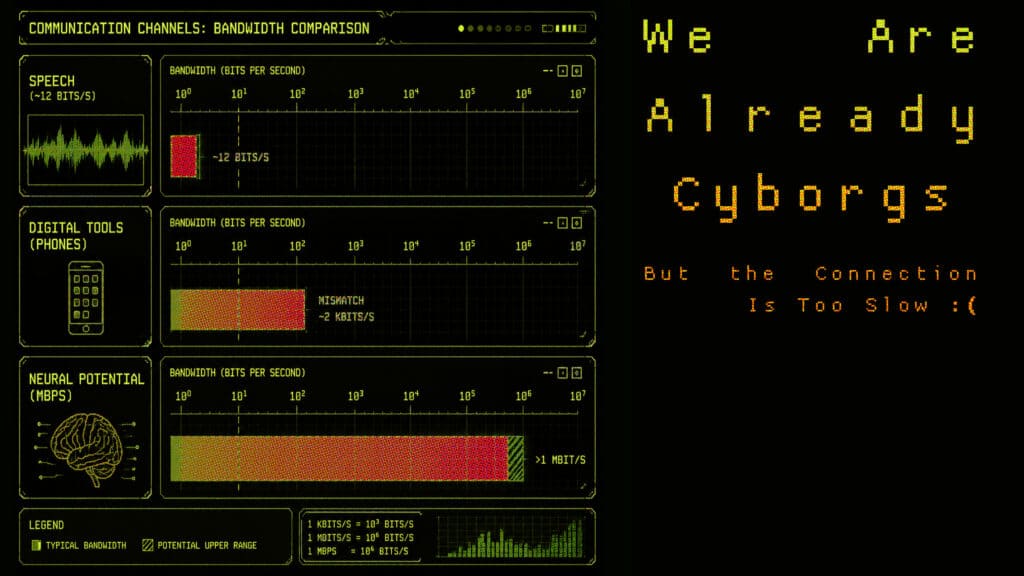
Through wearable sensing, computational modeling, digital fabrication, and responsive spatial actuators, the thesis develops a speculative yet technically grounded framework for environments that can adapt to the body without extracting control from it. My Body, My Software ultimately asks whether architecture can become intelligent without becoming invasive—and whether the future of responsive space should be designed around what the body is willing to share, rather than what technology is capable of taking.
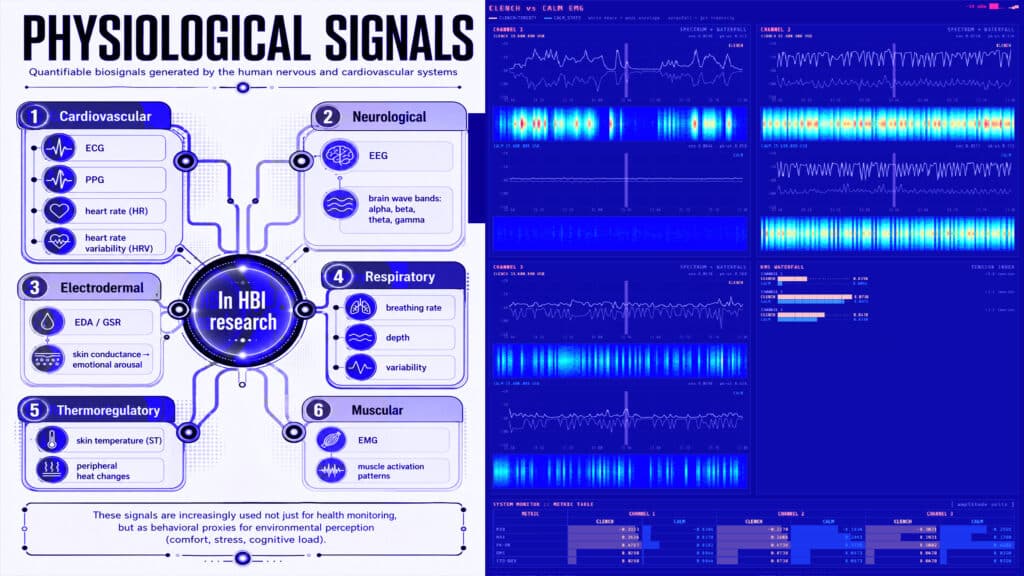
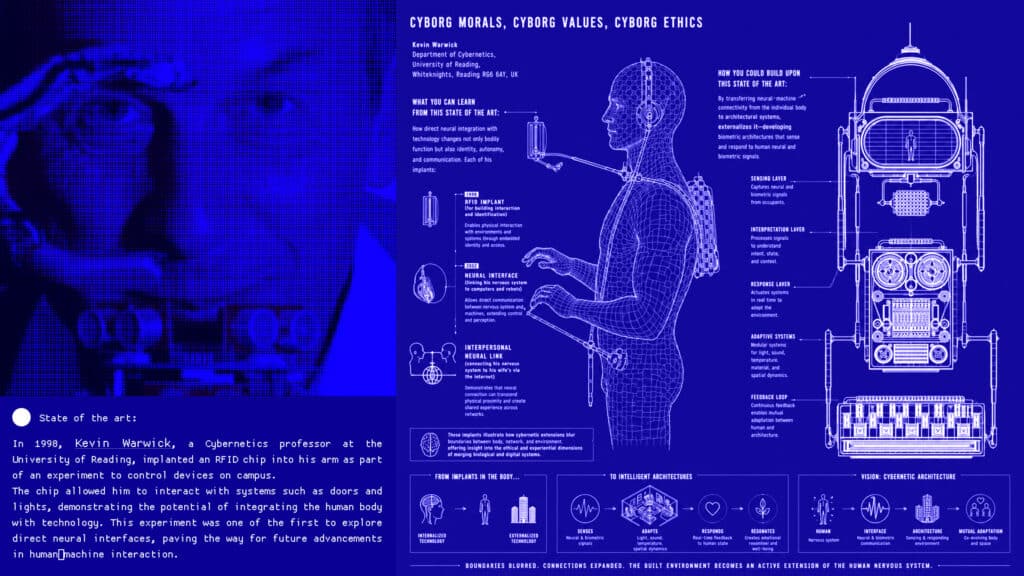
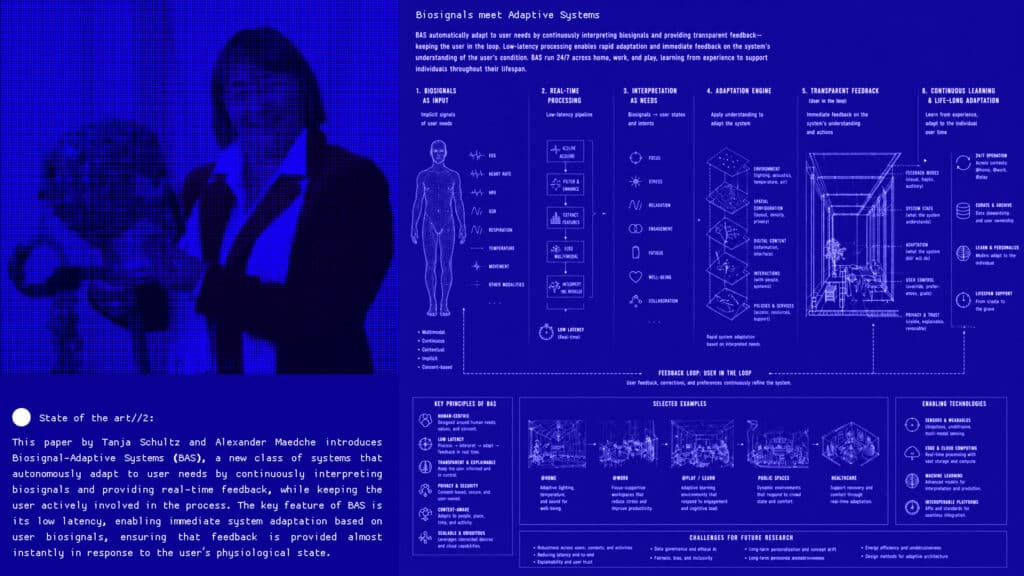
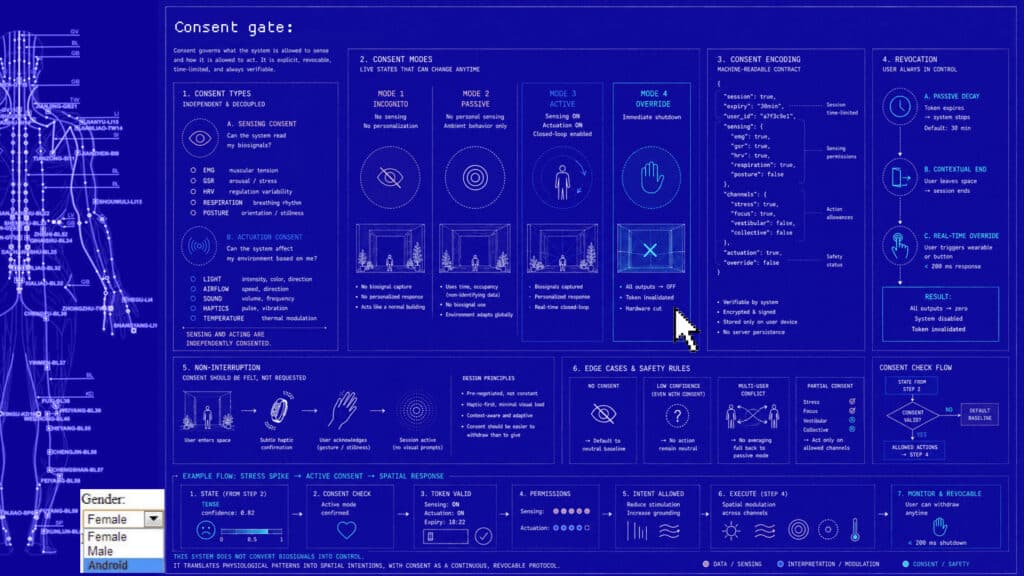
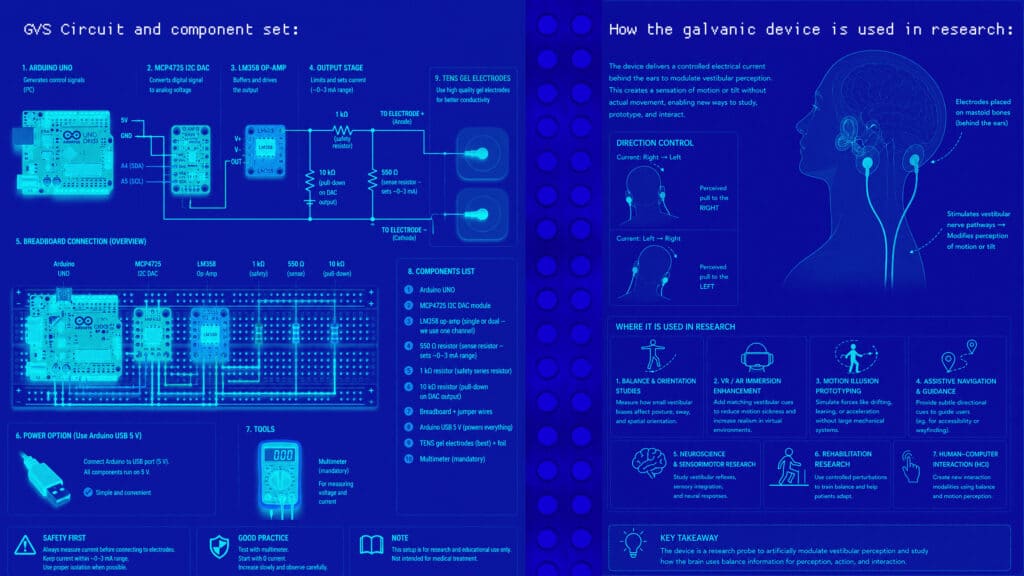
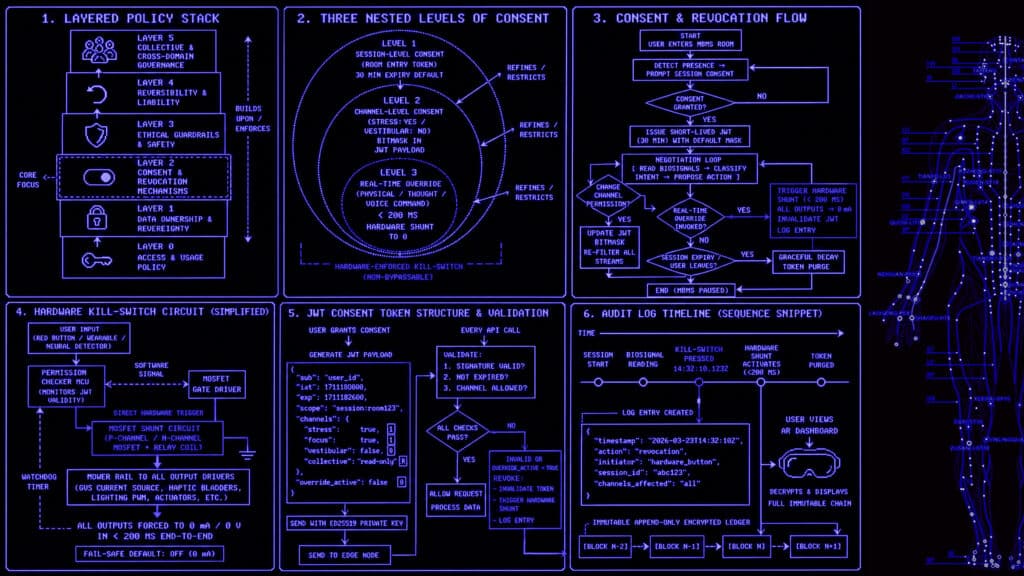
The thesis develops an experimental closed-loop system combining wearable biosensing, computational classification, and responsive spatial actuators. Physiological signals such as heart activity, skin conductance, posture, and vestibular information are captured locally and translated into environmental responses, testing how changes in the body can become inputs for architectural behavior. The experiment explores not only responsiveness, but the limits of this relationship: what should architecture be allowed to sense, interpret, and influence? A layered consent and policy framework governs the interaction, giving the user control over individual data channels and the ability to revoke interaction in real time. Through sensing, computation, actuation, and physical prototyping, the project tests architecture as a negotiated feedback system—one that adapts to the body while preserving autonomy, privacy, and the right to disconnect.