During the second year of the Master in Advanced Architecture + Thesis Project (MAA02), students have the unique opportunity to work for a period of 1 year on an Individual Thesis Project, focused on the development of a research or pilot project based on the student’s interest, and the learnings of the first year. IAAC supports the student in selecting their Thesis Project topic in order to better orient them according to their future career interests and opportunities. Each student, according to their specific topic, is assigned one or more Thesis Advisors that follow the development of the work throughout the year.

In parallel to the development of the Individual Thesis Project, the second year of the MAA02 offers a series of seminars enhancing the theoretical, practical and computational skills of the students.

Filters
Course

suro+

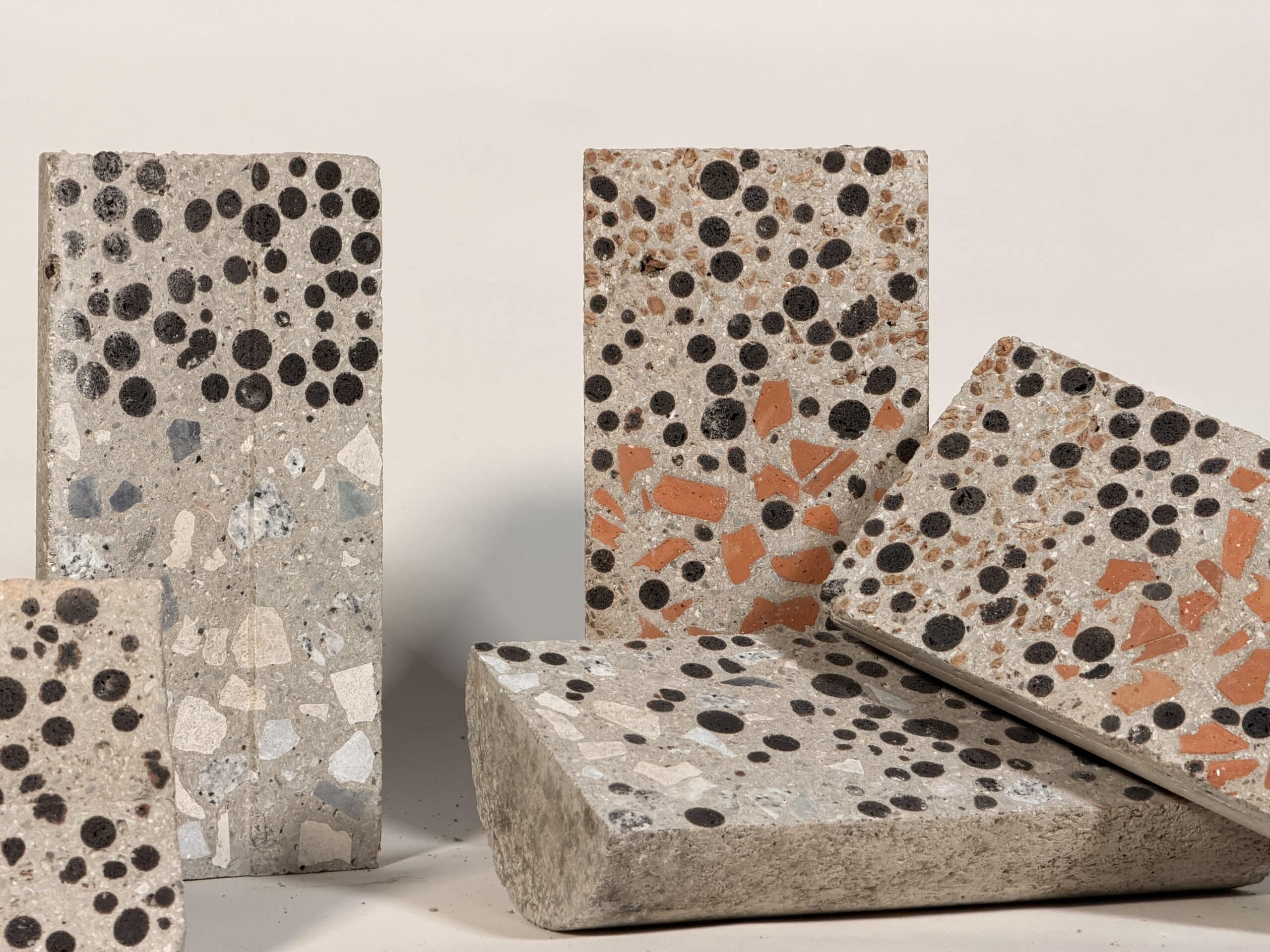
suro+ explores large-scale additive manufacturing with biomaterials by upcycling post-consumer cork stoppers into modular acoustic panels for temporary spatial applications. from post-consumer cork stoppers collected from restaurants in Barcelona, transforming a locally available waste. the stoppers are transformed and mixed with bio-based binders to form a printable composite used to fabricate modular acoustic panels through … Read more

Kontravoid 0.1

Kontravoid is a virtual reality authentication environment developed as part of a thesis on data-driven architectural interfaces. The project uses real-time EEG, ECG, and EMG data to verify identity through continuous physiological patterns rather than static inputs. Within an immersive VR space, biometric signals dynamically influence spatial elements such as light, geometry, and sound, creating … Read more

Policy to Algorithm

On one side, architects design in parametric software like Rhino, Grasshopper, Revit, BIM tools. On the other side, building regulations sit in static PDF documents. And between them, There's no live connection. One is dynamic, the other is static text. Who actually needs this? Architects. Specifically during the concept and design phase when you're iterating ... Read more

Between Ritual and River

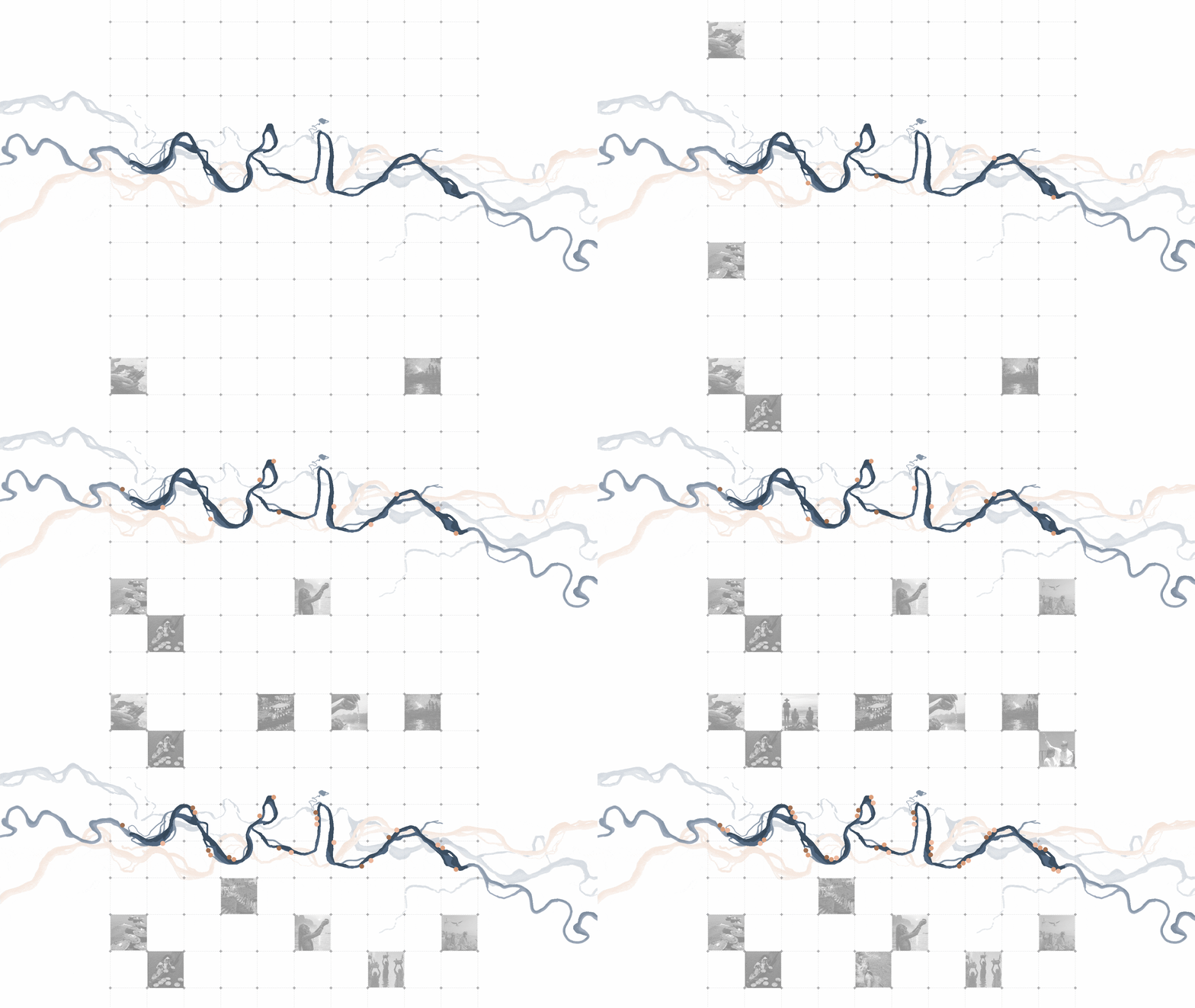
Ecological Renewal of Ghats Statement “While industrial and sewage pollution receive significant attention in river conservation efforts. Ritual pollution stemming from religious and cultural practices remains largely unaddressed due to its sensitive nature. But it contributes substantially to river degradation and requires culturally respectful solutions.” Sacred Sites Across every continent and culture, rivers have never … Read more

Woven Tiles

This workshop explored robotic trencadís through a pick and place system. Broken tiles were scanned and organized using a Grasshopper ruleset inspired by traditional weaving logics. Squares with 90 degree corners, straight edges, and alternating colors structured the design. A looping algorithm selected tiles from the dataset and placed them without repetition, allowing the robot … Read more

HiveNet: Pollinators as Environmental Monitors

This project explores how ecological monitoring can be integrated into rural economies through beekeeping in the Ebro Delta region, with a focus on the upstream village of Benifallet. Bees naturally collect pollen from surrounding vegetation, and the composition of this pollen reflects local plant diversity and environmental conditions. By equipping beehives with simple sensors and … Read more

FIREIGUANAS

INTROUCTION Building regulations are among the most critical and most cumbersome aspects of architectural practice. In Spain, the Documento Básico de Seguridad en Caso de Incendio (DBSI), part of the Technical Building Code (CTE), sets out detailed requirements for fire safety across every typology of building. Yet in most practices today, compliance validation remains a largely … Read more

IFCore Compliance Checker

During the AI in Architecture and Urbanism Seminar, our team built an automated compliance checking system that validates architectural projects directly from IFC models. Building regulation checks are traditionally manual, slow, and error-prone. Architects review 2D drawings, interpret regulations individually, and often wait weeks for compliance feedback. We asked a simple question: what if compliance … Read more

Large Scale 3D Printing with Bio-Based Materials

Our project for the Large-Scale 3D Printing with Biomaterials workshop focuses on the transition from conventional, high-emission construction to a circular, bio-based architectural model. Utilizing a 6-axis robotic arm, we have developed an acoustic envelope system composed of a cork-based bio-composite sourced from recycled stoppers. The research prioritizes a “File-to-Factory” workflow where computational geometry is … Read more