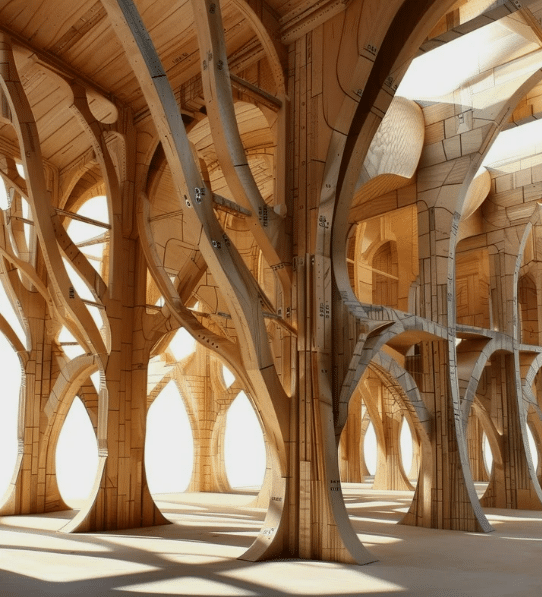
The MAA is a visionary master program with an innovative and open structure, mixing diverse disciplines, shaping professionals capable of producing theoretical & practical solutions towards responsive cities, architecture & technology.


Filters
Course

FormOpt-AI

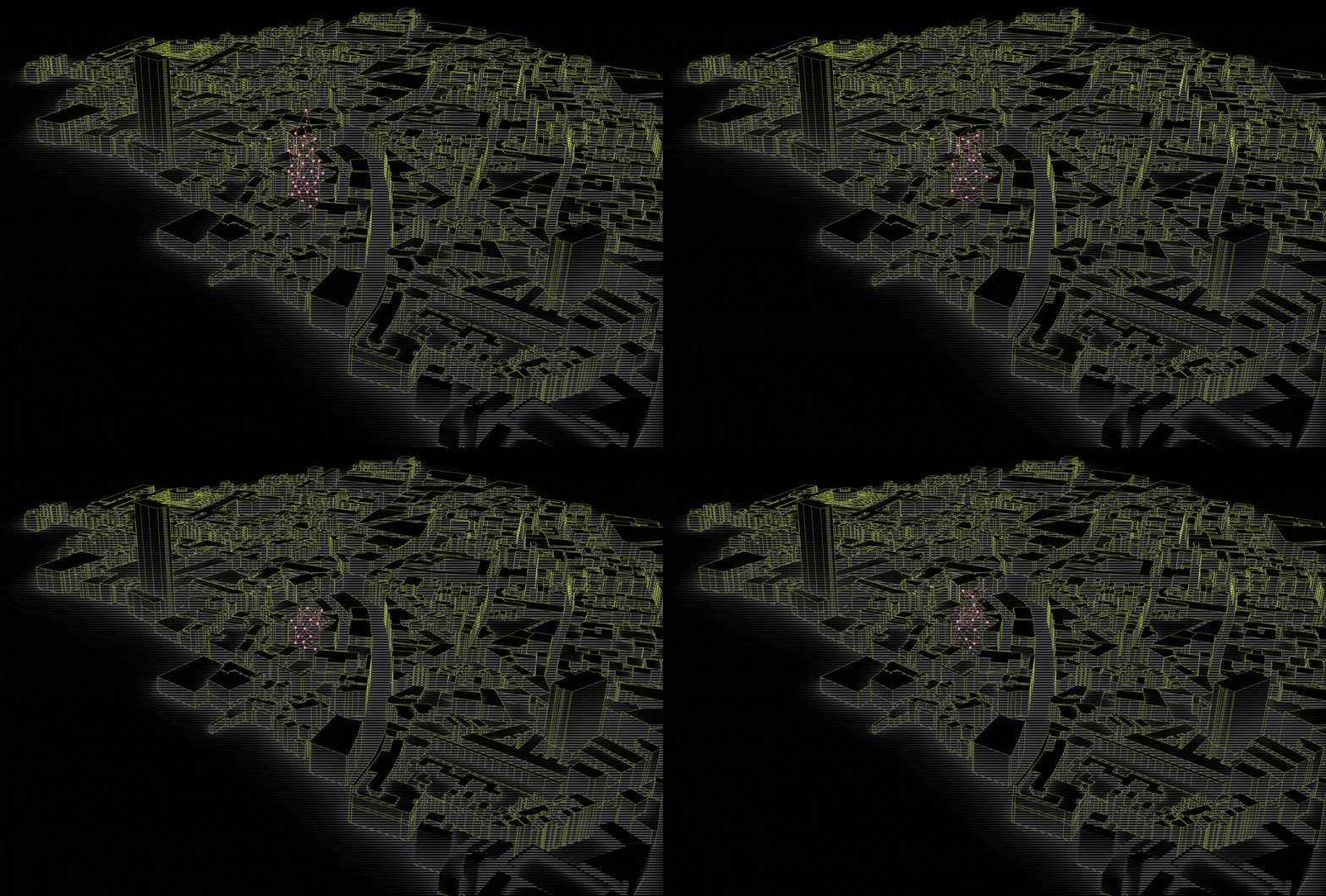
Abstract Formopt-AI is a graph neural network (GNN)-based workflow intended to fast-track the iteration process of design to adhere to environmental and context response considerations. The program system explored in this research generates residential buildings through parametric options to later optimize intended factors to a specific target. The explored workflow starts with a Grasshopper script … Read more
NEURO-ADAPTIVE INTERFACE

Neuro Daptive Interface

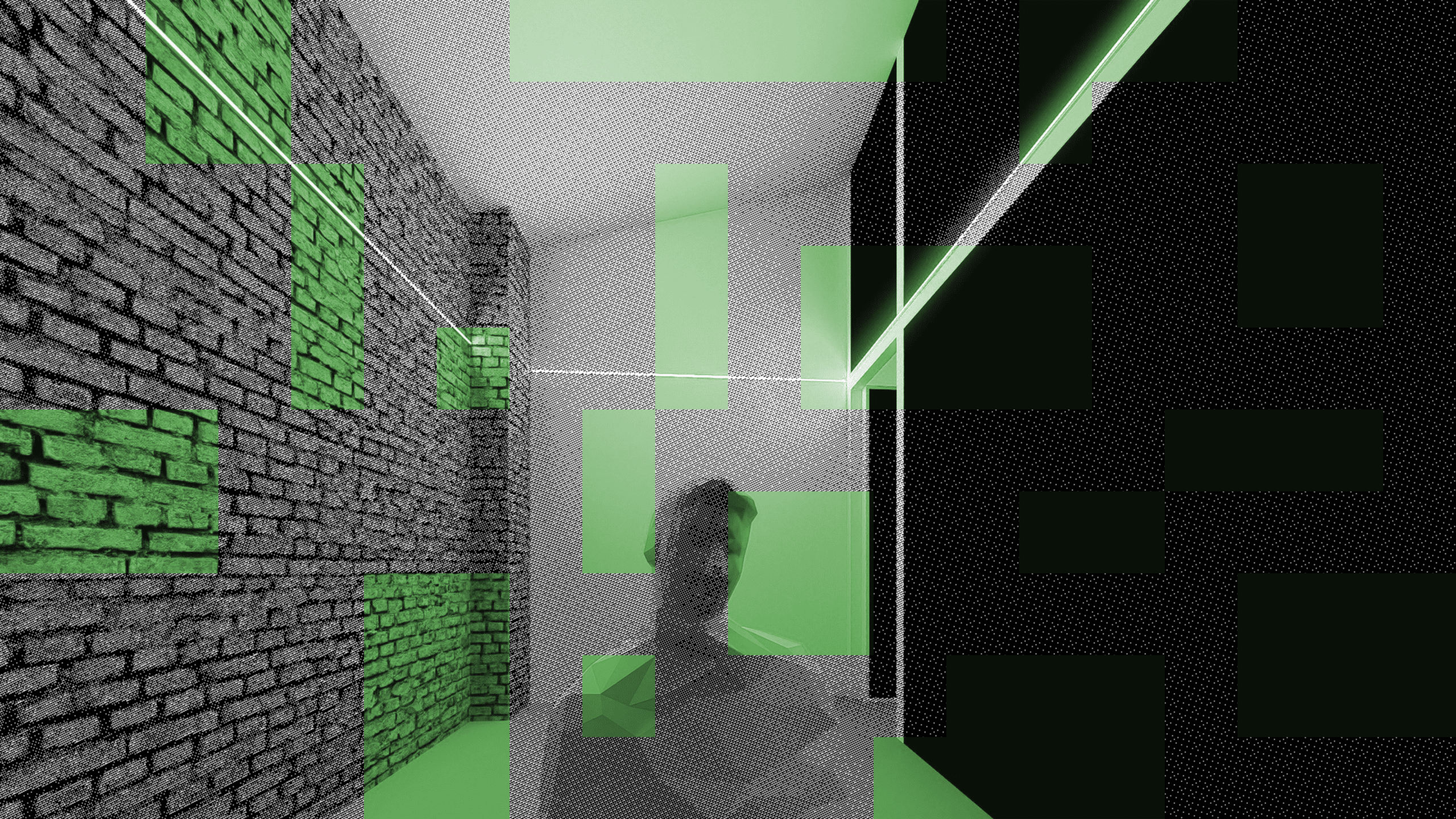
This thesis explores how biosignals can transform artificial light into an adaptive architectural interface. While light strongly affects human emotions, cognition, and well-being, most lighting systems still rely on manual control and cannot respond to users in real time. The research investigates how EEG, ECG, and GSR data can be used to create dynamic lighting … Read more

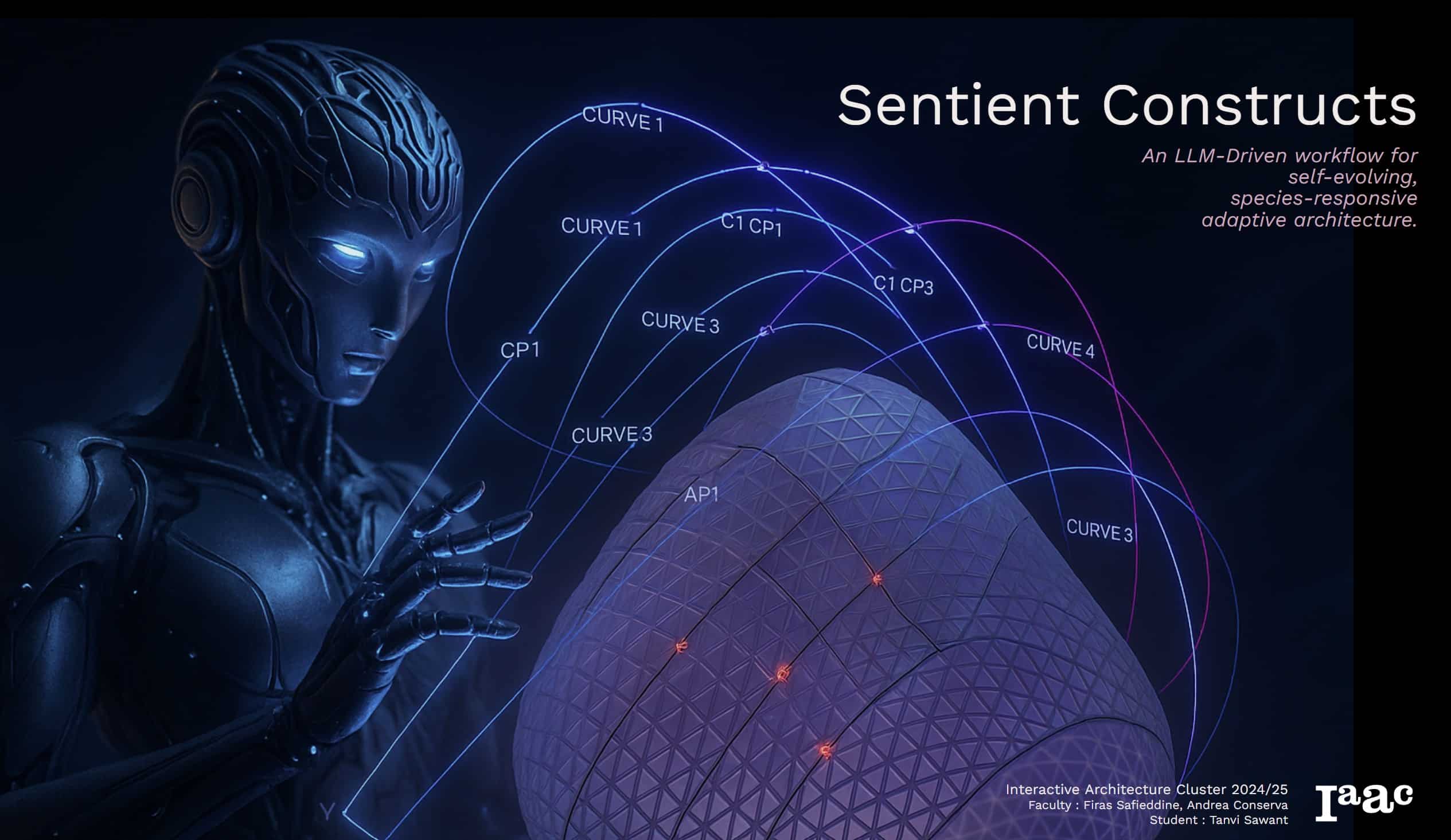
Sentient Constructs:

An LLM-Driven and GAN-Inspired Workflow for Self-Evolving, Species-Responsive Adaptive Architecture Abstract Contemporary architecture remains predominantly anthropocentric, prioritizing human needs while neglecting the urgent ecological imperative to design for multispecies coexistence. In response to biodiversity loss and environmental degradation, this research advances a new framework for cybernetic architecture – an adaptive, intelligent, and ecologically attuned design … Read more

BAMBOO

Exploring Low-Tech, Sustainable Construction Methods and Manual Strategies for Community Empowerment The use of bamboo in construction is emblematic of an ongoing tension between traditional knowledge and the global imperatives of sustainable development. Despite its traditional use in many regions, the potential as a resilient, self-sustaining construction material remains largely underexplored in the contemporary architectural … Read more

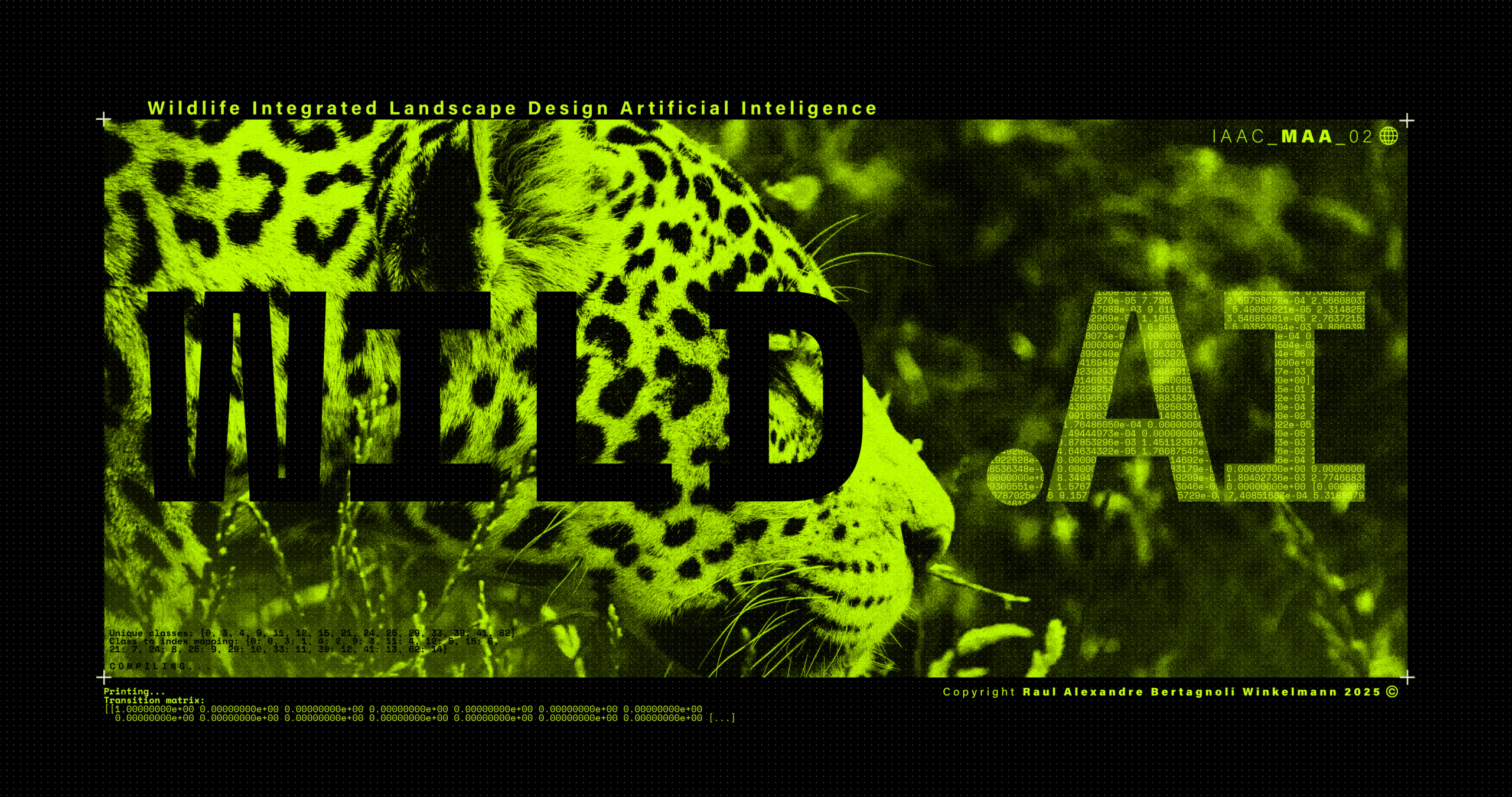
Wildlife Integrating Landscape Design Artificial Intelligence – WILD.AI — Term_III

CONTEXT DYNAMICS METHODOLOGY ANALYSIS By subtracting different scenarios from one another: The differences start to become clear as to what areas are consisently lost vs what areas are inconsistently lost. The latter being the one where planners and ecologists should focus their efforts the most if aiming to potentialize action. The figure becomes even clearer … Read more

INTERACTIVE LIGHTSCAPES

Creating Charismatic and Safer Public Spaces through Light RESEARCH QUESTION: How can experiential lighting features — ones that create interactive, changing, and flexible environments– be used in public spaces in order to create senses of community, safety, and improved mental and emotional health? HYPOTHESIS: If we integrate interactive lighting solutions as permanent fixtures in public … Read more

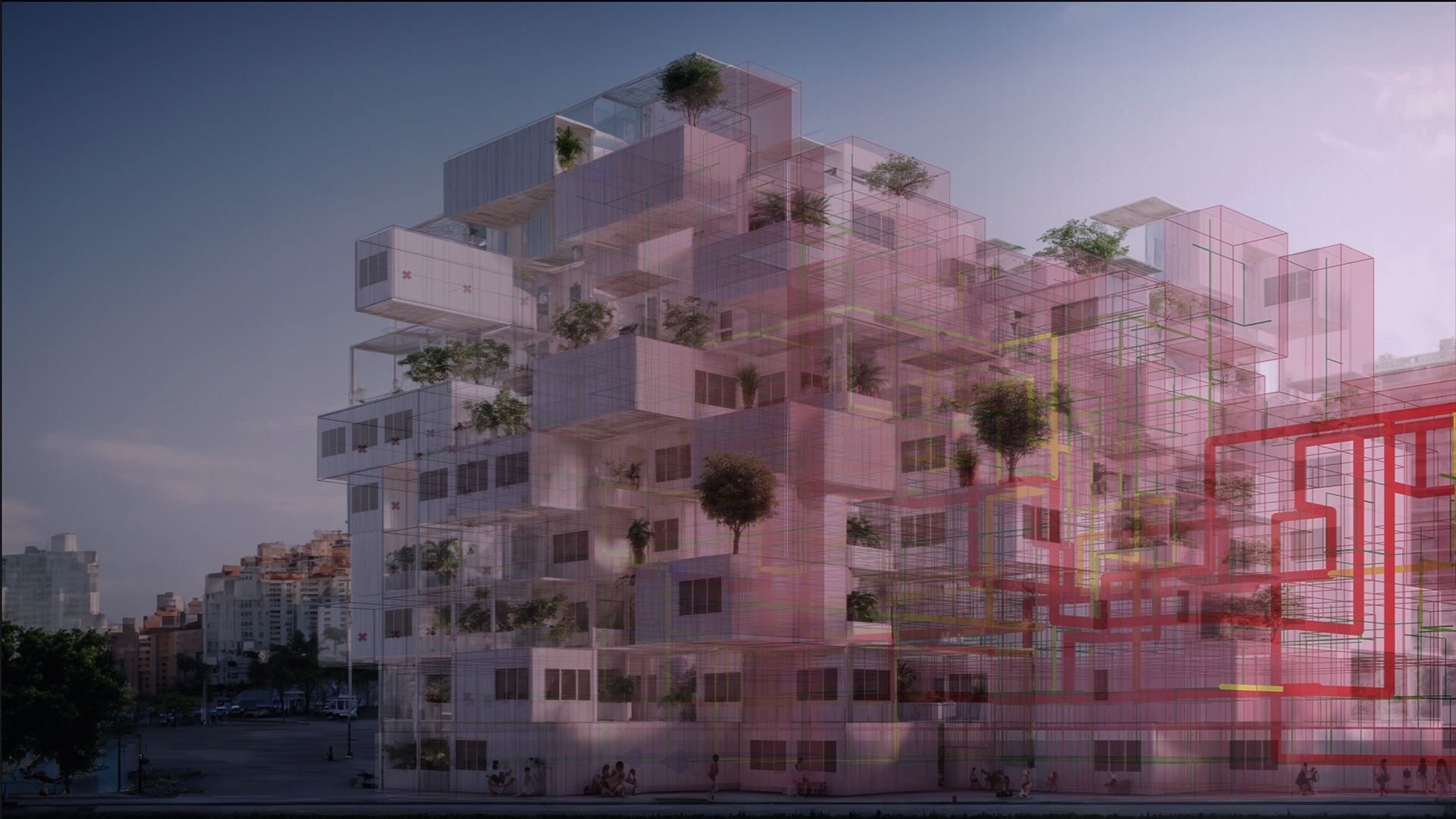
InFormed

Manual floorplan generation for high-rise residential buildings is labor-intensive and often overlooks key environmental parameters, limiting the ability to quickly assess performance-based design alternatives. Demo :

Reinformed Spaces

Abstract In response to the urgent need for rapid, climate-adaptive housing driven by the climate crisis and global migration, this research explores the architectural potential of combinatorial spatial assemblages. These systems, built through the aggregation of discrete components, offer emergent spatial qualities but are often driven by random or heuristic rules, making them difficult to … Read more

PlacePlate

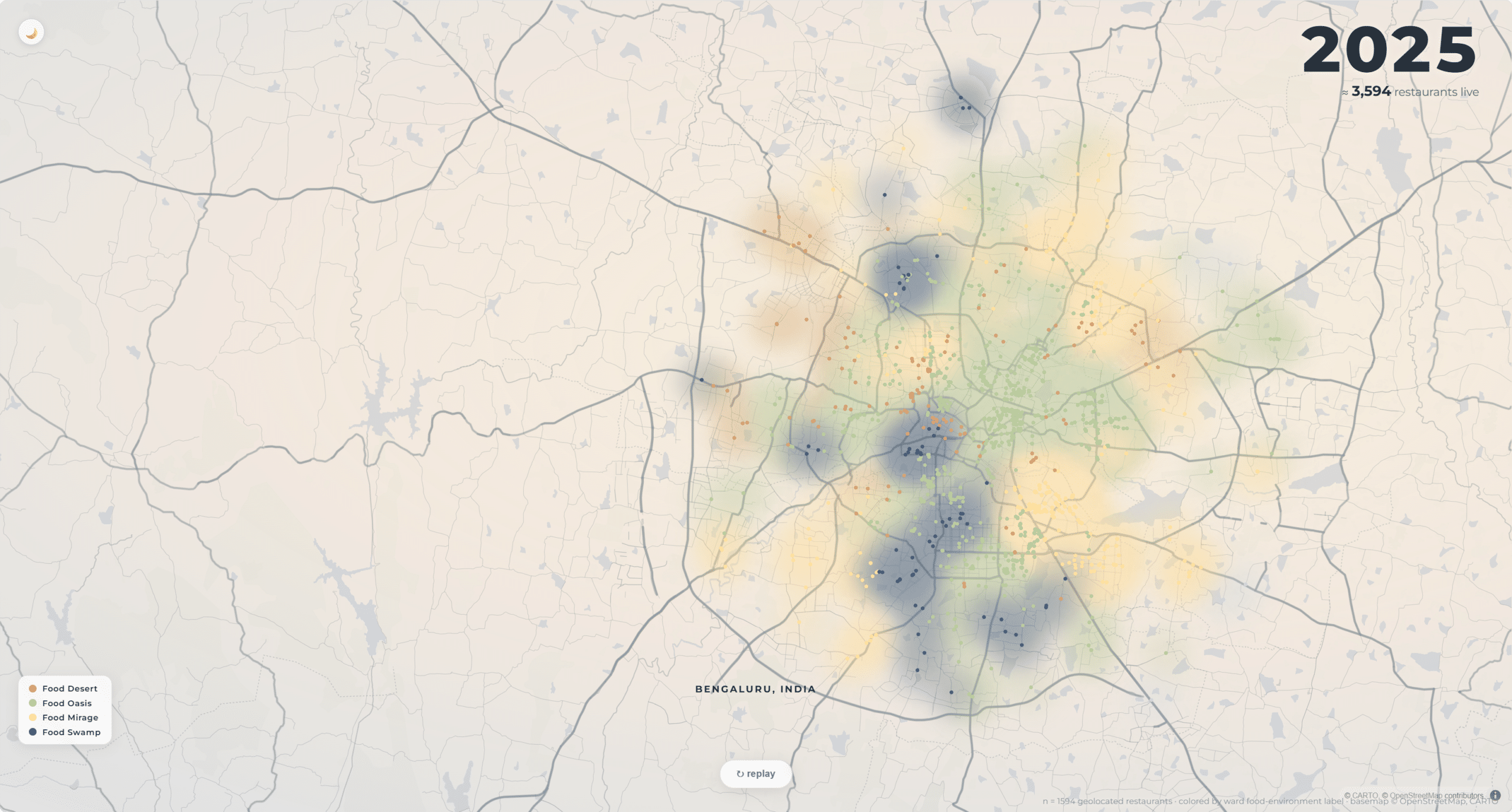
PlacePlate is an AI-driven platform that automates site selection for new restaurants using Barcelona as a case study. It integrates spatial, market, and property data, calculates cuisine-specific suitability and competition-adjusted scores, and suggests optimal neighborhoods. By matching business needs with demand and uncovering undervalued properties, it reduces risk, cuts selection time from months to days, … Read more

Rootscapes

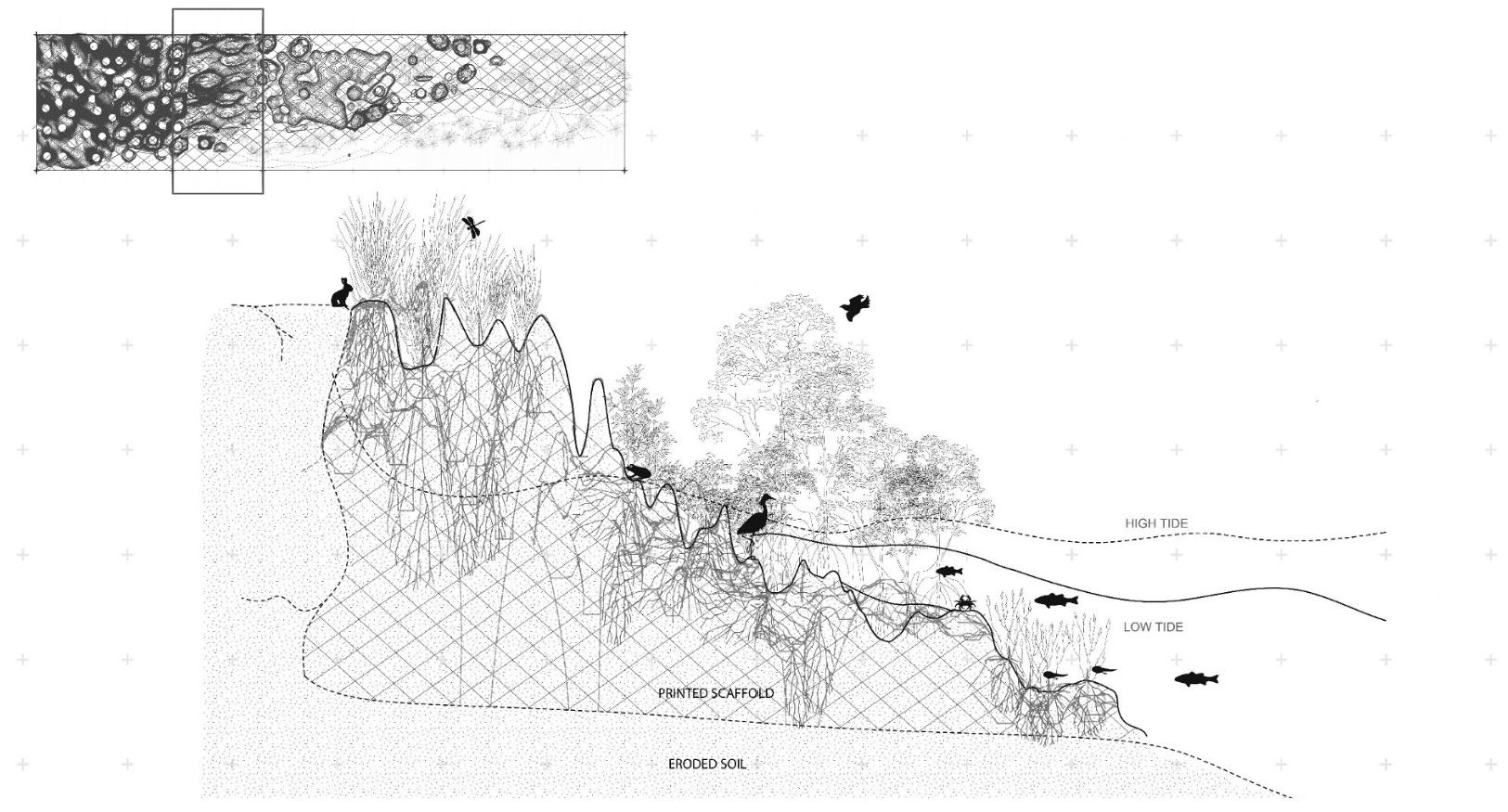
An exploration of root structures and material study 70% of the world’s population lives along coastlines and rivers, out of which, thousands of people get affected yearly due to erosion. However, our marine ecosystems such as mangroves and soils have the capability of storing large amounts of CO2 and provide a barrier amongst erosion.  CAUSES … Read more

EMI: Engine for Morphological Integration

An algorithmic roadmap that converts self-organized settlement morphology into clean-energy action: the Energy-Morphology Index mines open roof- and density data, ranks each building’s readiness, and matches “Ready / Promising / Not-Ready” clusters to modular solar toolkits—turning self-organized settlements into engines of energy justice

Transient Plastics 3.0

The plastic crisis has reached staggering proportions. If all the plastic waste on Earth were laid out, it would be enough to cover the entire surface of Argentina ankle-deep. Every year, we produce 300 million tons of plastic globally. Yet only 10% remains in use, while more than 80% is discarded. Of this discarded plastic, … Read more

Bio-Receptive | Interfaces

Bio-Receptive Interfaces is a bio-digital system that brings together hydrogel vascularity, multi-species biological communities, sensor networks and AI to form performative indoor ecosystems. The ceramic scaffold is produced through multi-material robotic 3D printing with non-uniform extrusion, tuning porosity and surface topology to invite colonization. Its morphology is grown rather than drawn: an agent-based phototropic model, … Read more