A Porous Fortress for Dignity Housing at -35°C in Ulaanbaatar, Mongolia
A Breath in the Frost presents a computational housing system designed for Ulaanbaatar, where winter conditions can reach −35°C and air quality becomes critical during the cold season.
Instead of proposing a single fixed building, the project develops an adaptive framework: a discrete aggregation engine that assembles housing units, winter gardens, courtyards, and circulation based on site-driven inputs (sun, wind, accessibility, and surrounding buildings).
The result is a porous fortress: a robust massing that shelters communal life while keeping environmental performance legible through measurable KPIs and spatial rules.
01. Recipe: Four ingredients, one system
The project frames housing as a recipe:
- form (porous fortress)
- function (dignity housing)
- climate (extreme resilience)
- algorithm (discrete aggregation)
These ingredients remain constant while the resulting configurations vary, allowing the system to respond to changing constraints instead of repeating a single “optimal” object.
Form & Algorithm
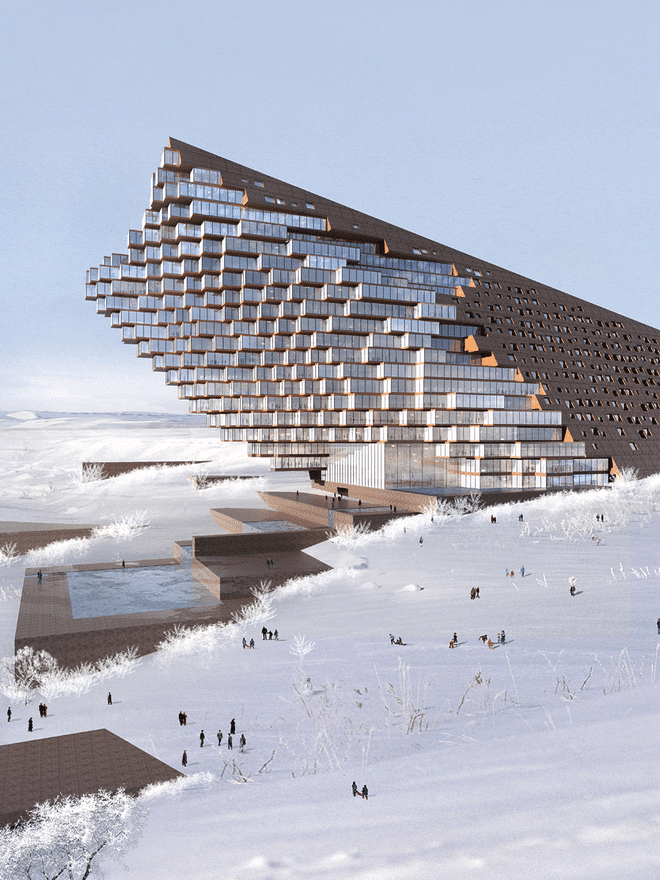
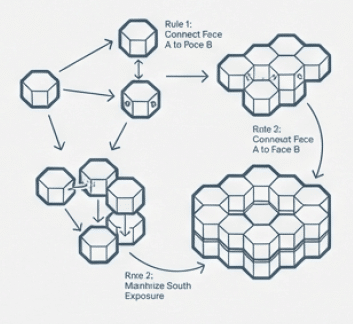
Funtion & Climate Resilience
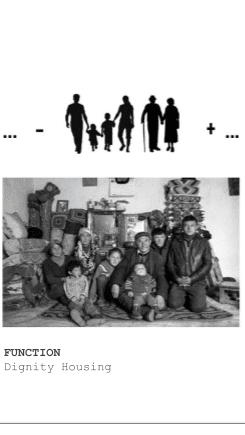
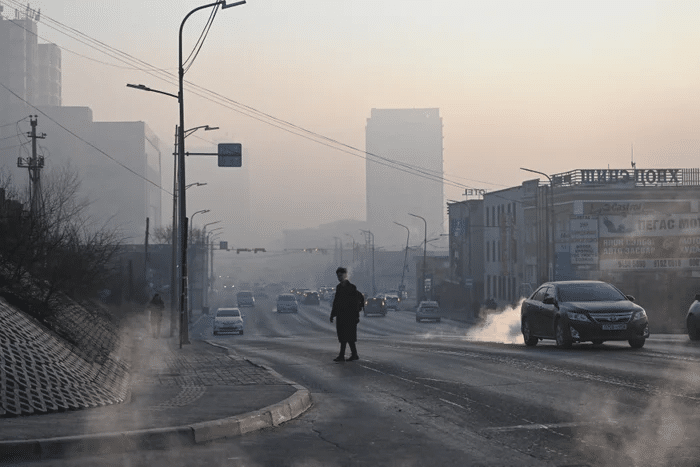
02. Context: Dignity at −35°C
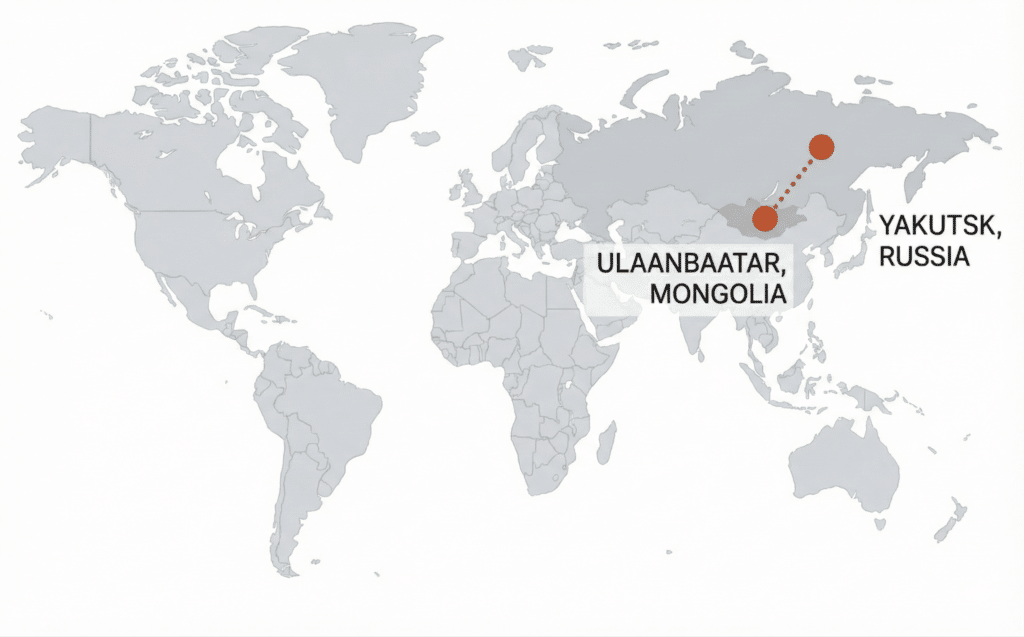
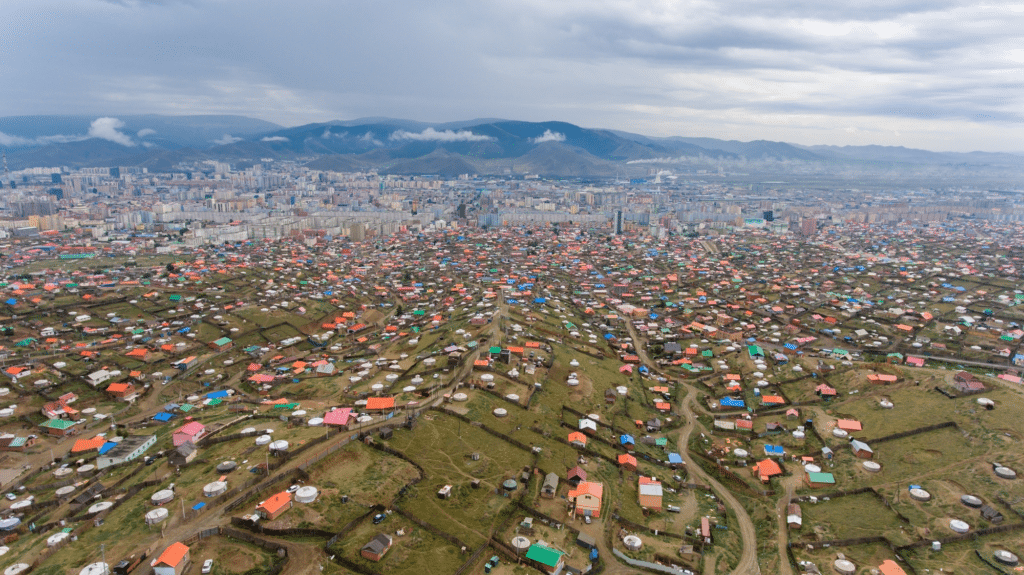
Ulaanbaatar is addressed as an extreme context where winter is not only cold, but socially and environmentally demanding.
The project’s ambition moves beyond survival: it aims to support respect, security, and belonging, using architecture as an environmental and social mediator rather than a sealed container.
03. Site parameters as inputs (not background)
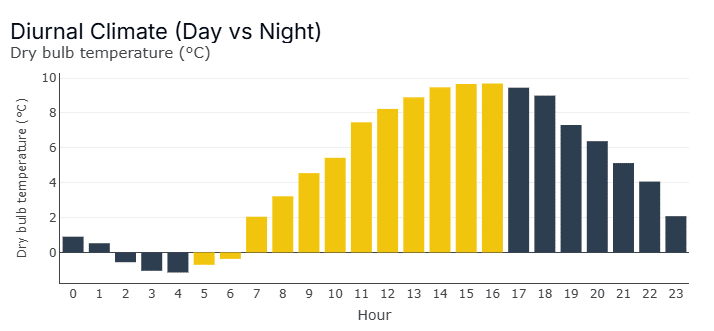
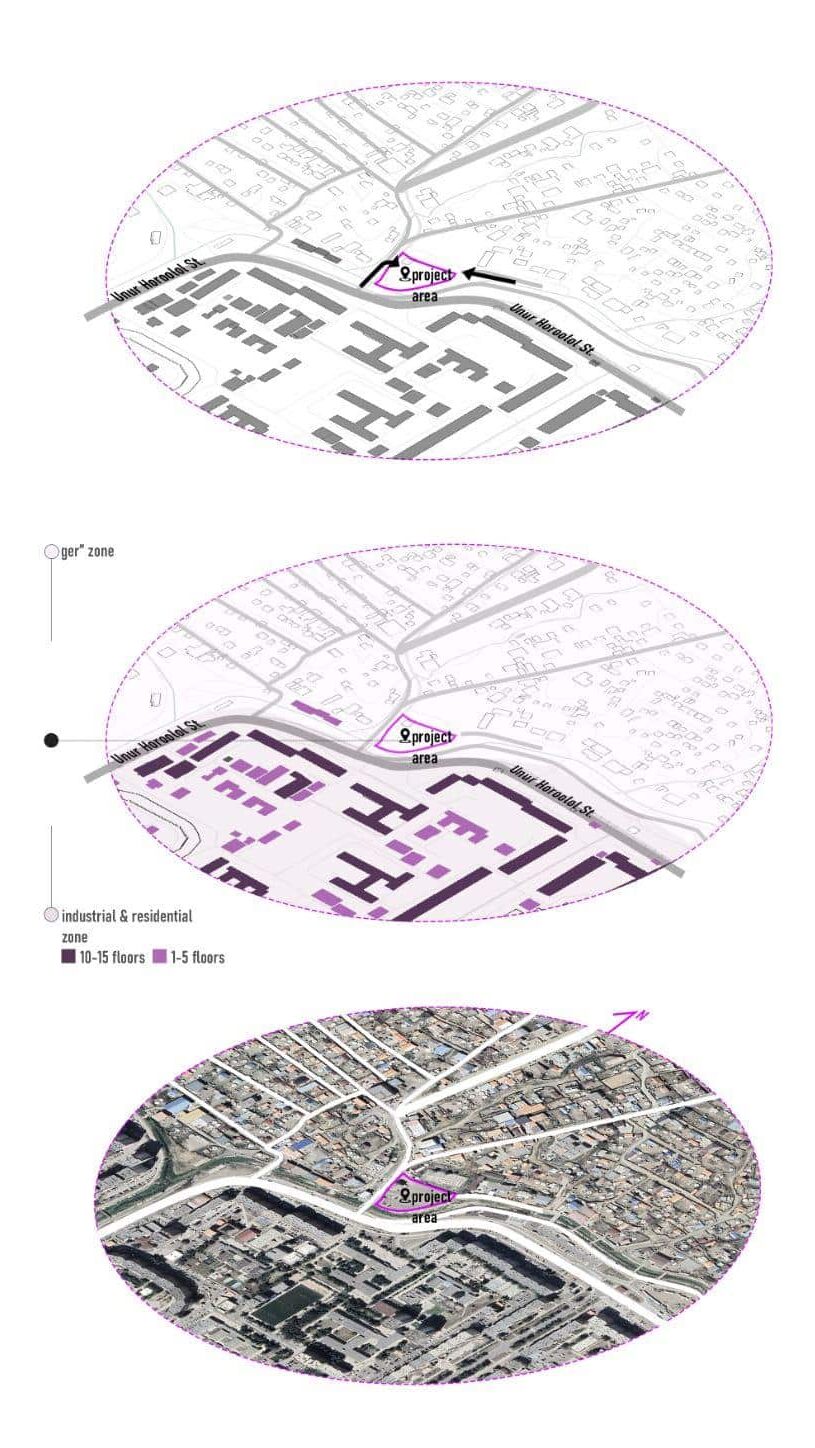
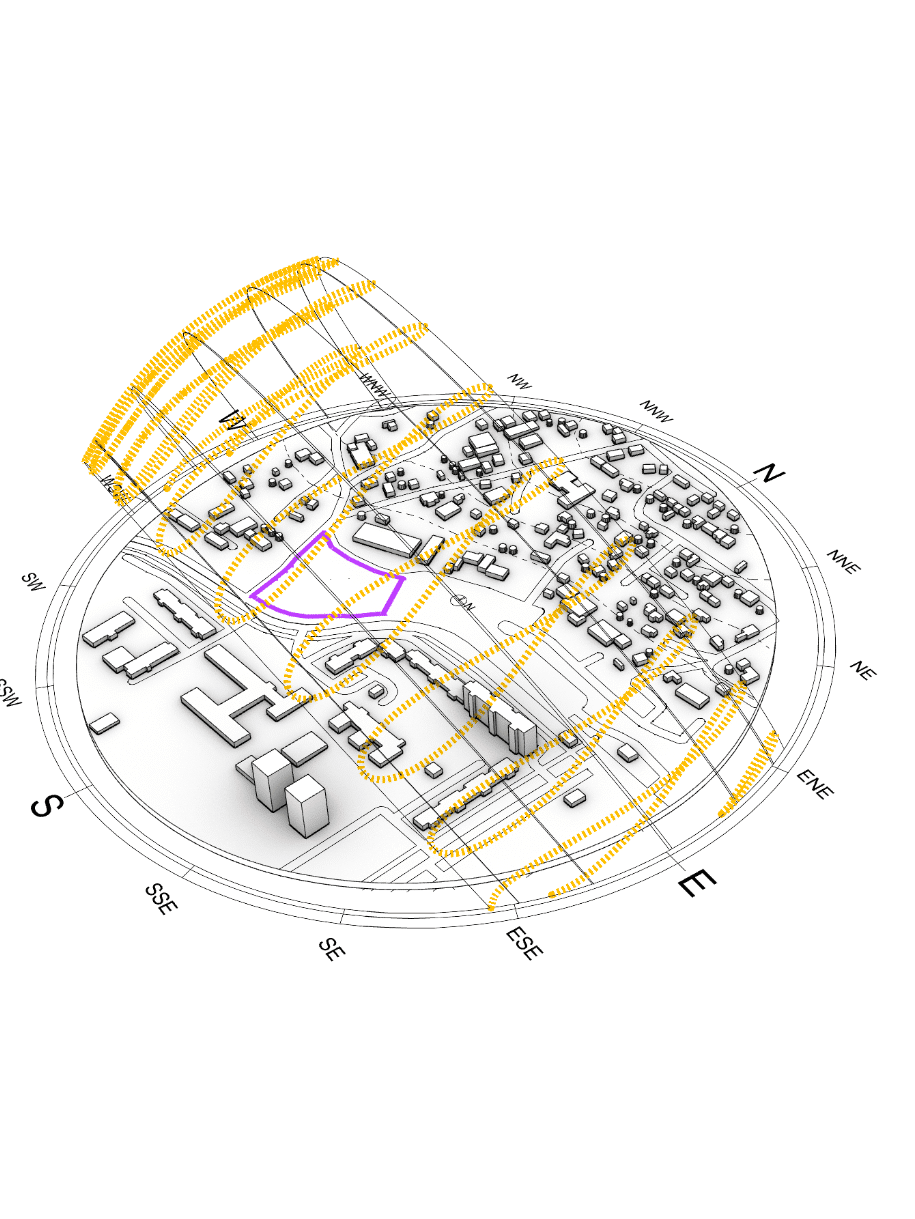
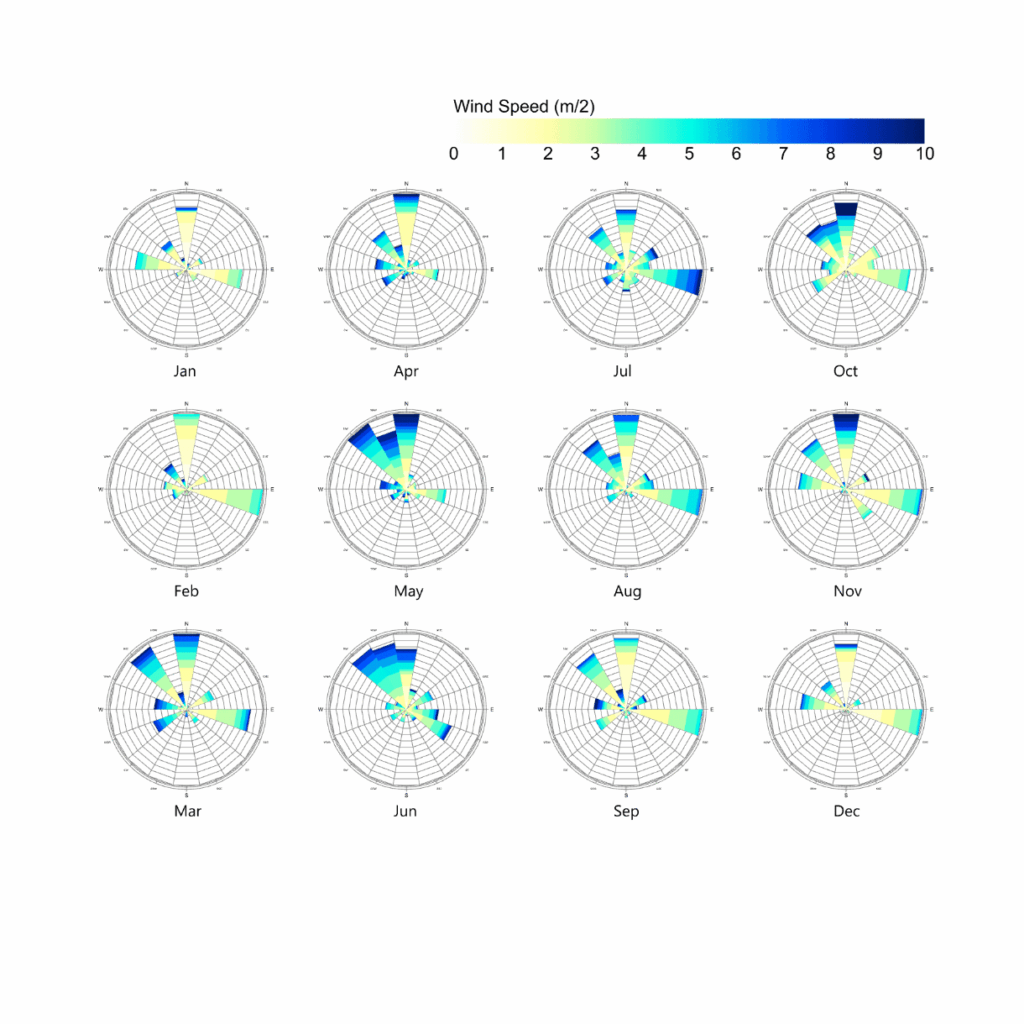
The system is driven by measurable inputs: sun bath, wind speed, temperatures, accessibility, and surrounding buildings.
These parameters are not shown as “analysis decoration”; they explicitly condition where cores sit, how corridors orient, and where buffers and openings become necessary.
04. Design Strategy: Topological map
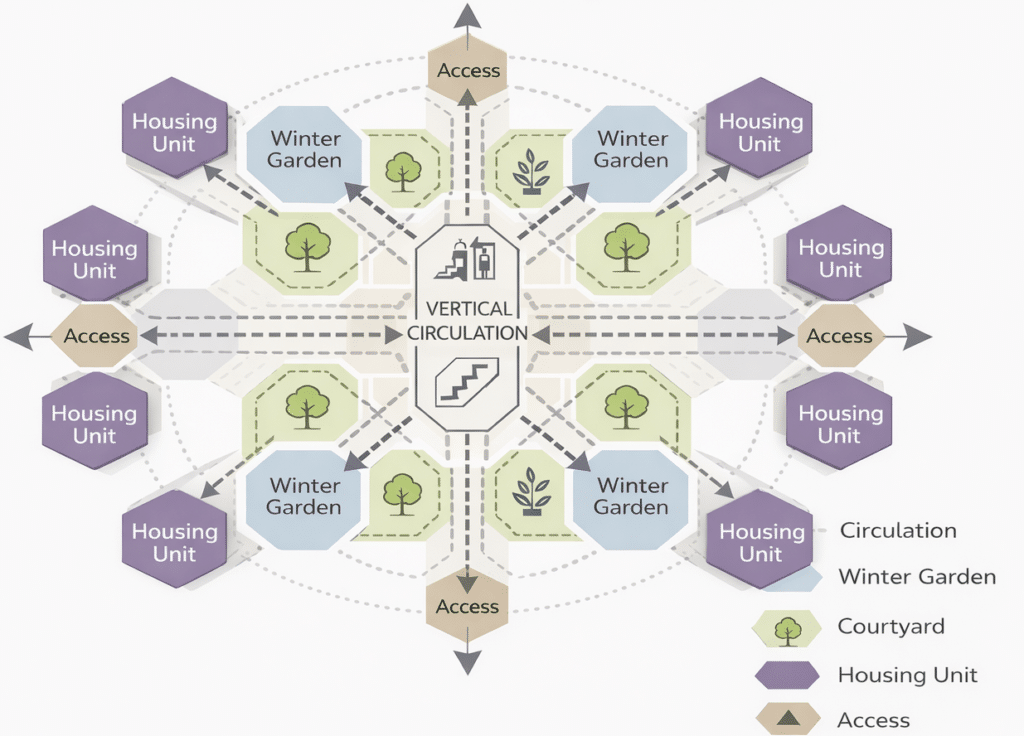
Instead of starting from geometry, the system starts from relationships:
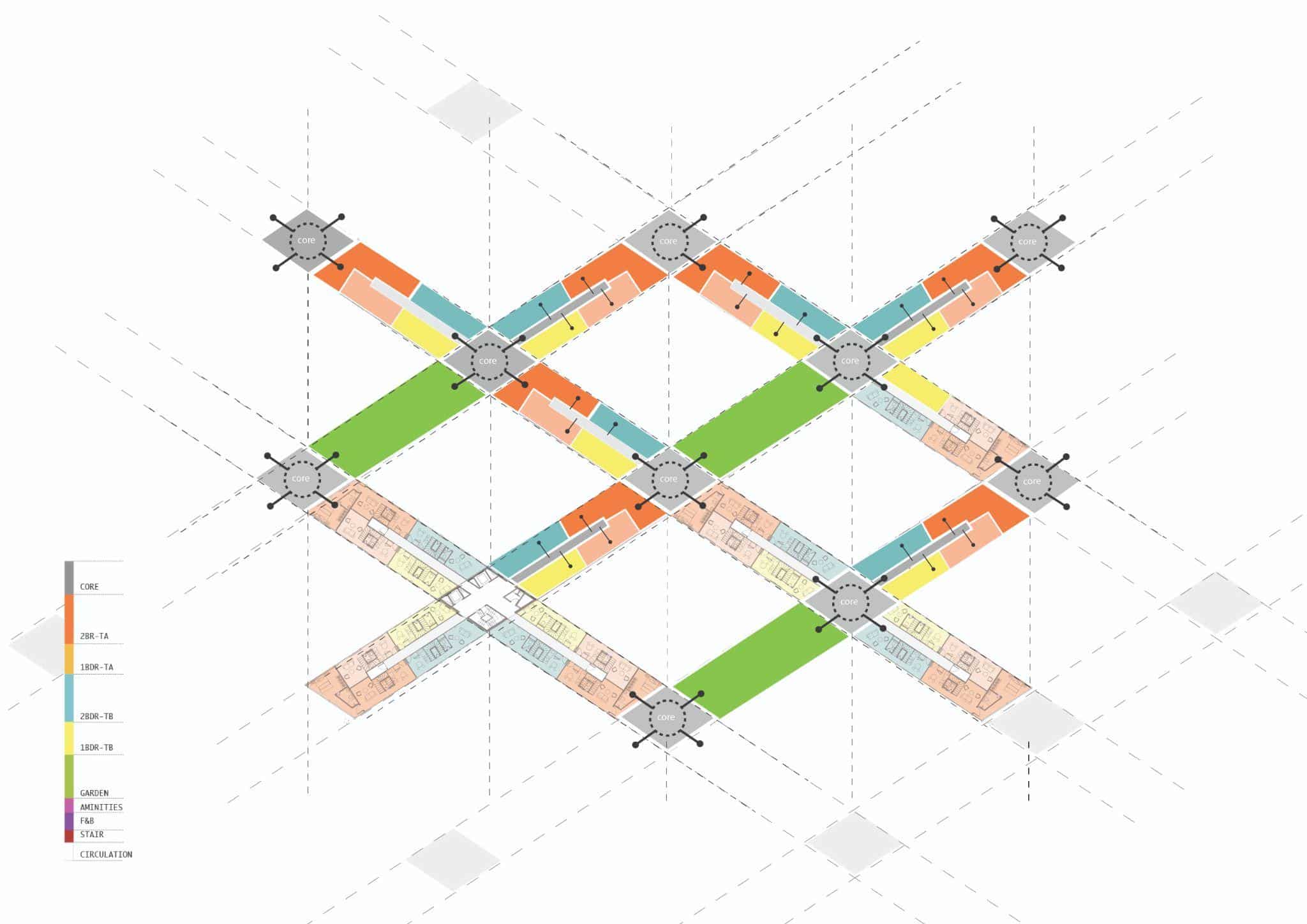
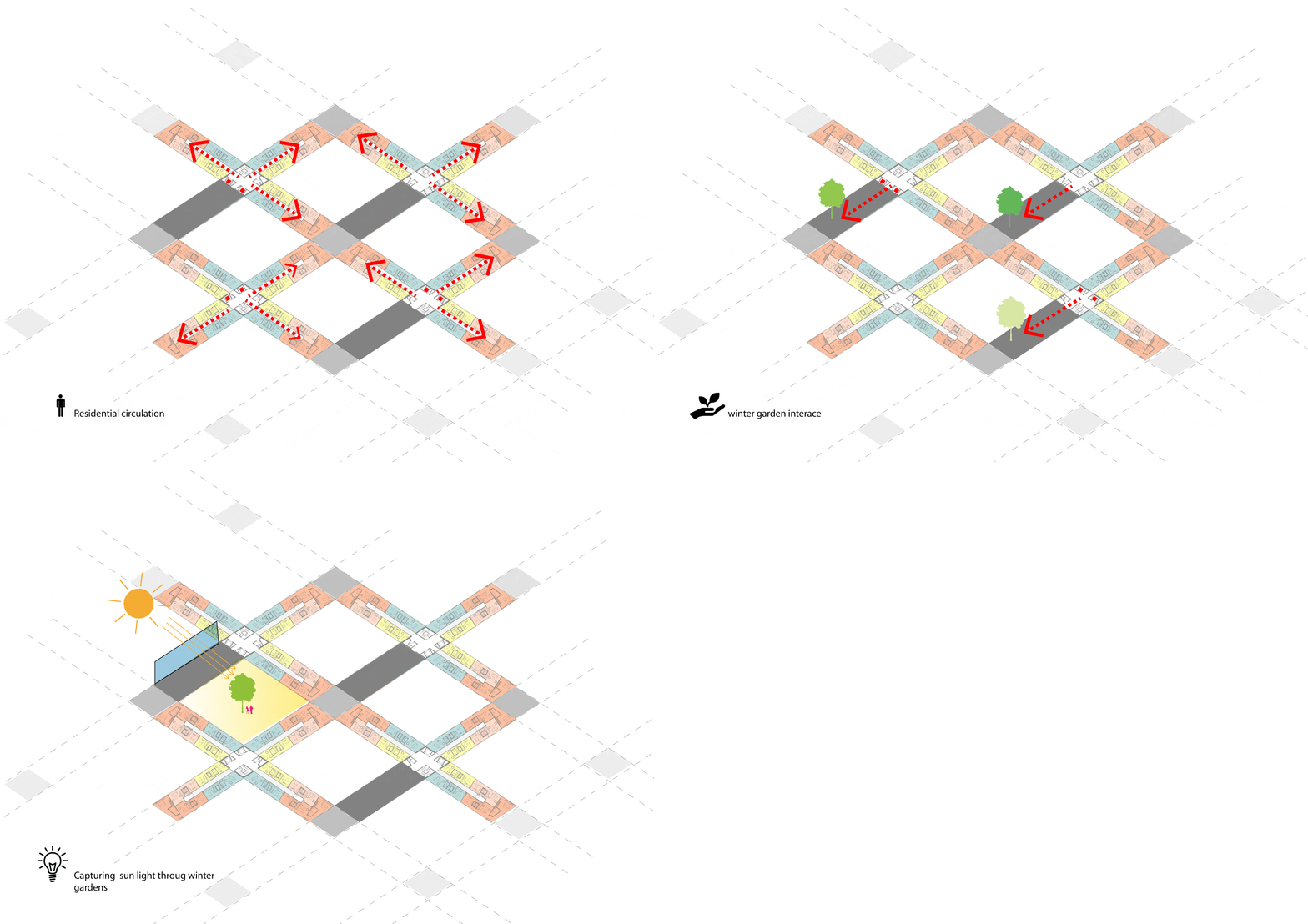
- Central vertical core organizes movement
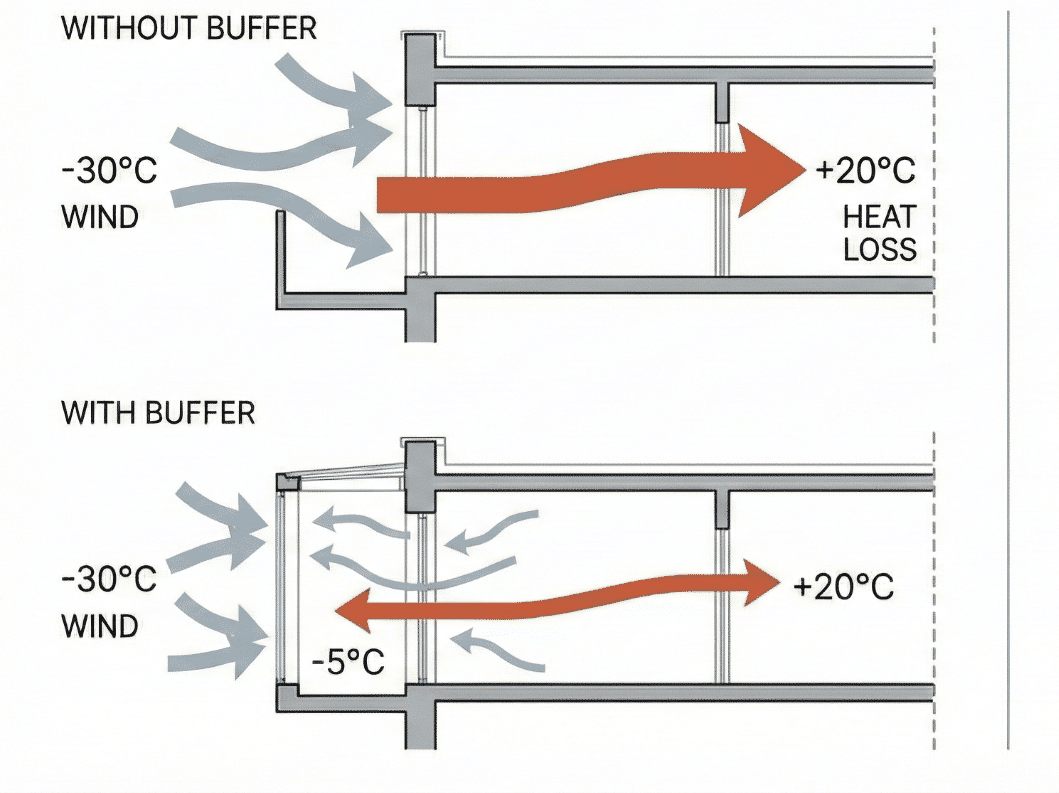
- Winter gardens operate as thermal buffers along key interfaces
- Courtyards support light, orientation, and social interaction
- Access points stitch the cluster to the ground and the city
05. Workflow: GH/WASP pipeline and evaluation
The workflow follows five steps: inputs → core placement → kit-of-parts aggregation → environmental analysis → selection of an output with the best overall performance.
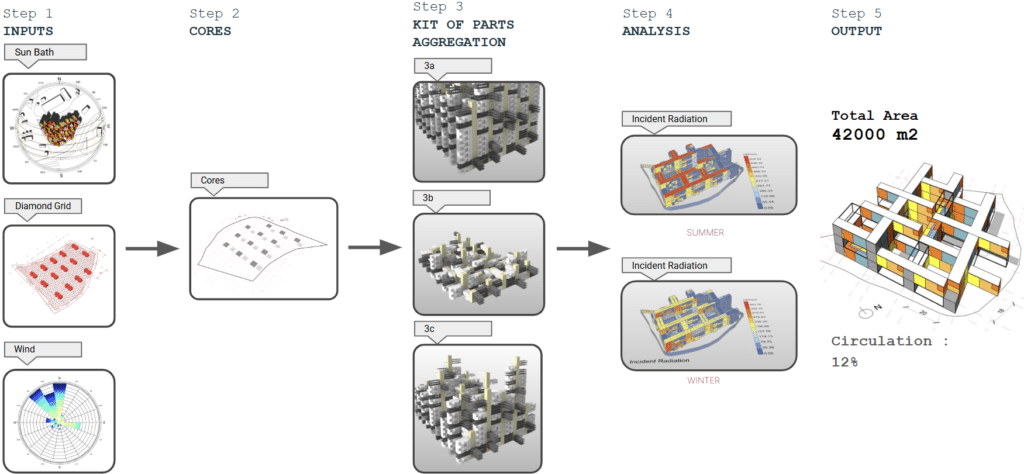
KPIs include direct sunlight hours, % circulation, and total area, producing a chosen configuration around 42,000 m² with 12% circulation.
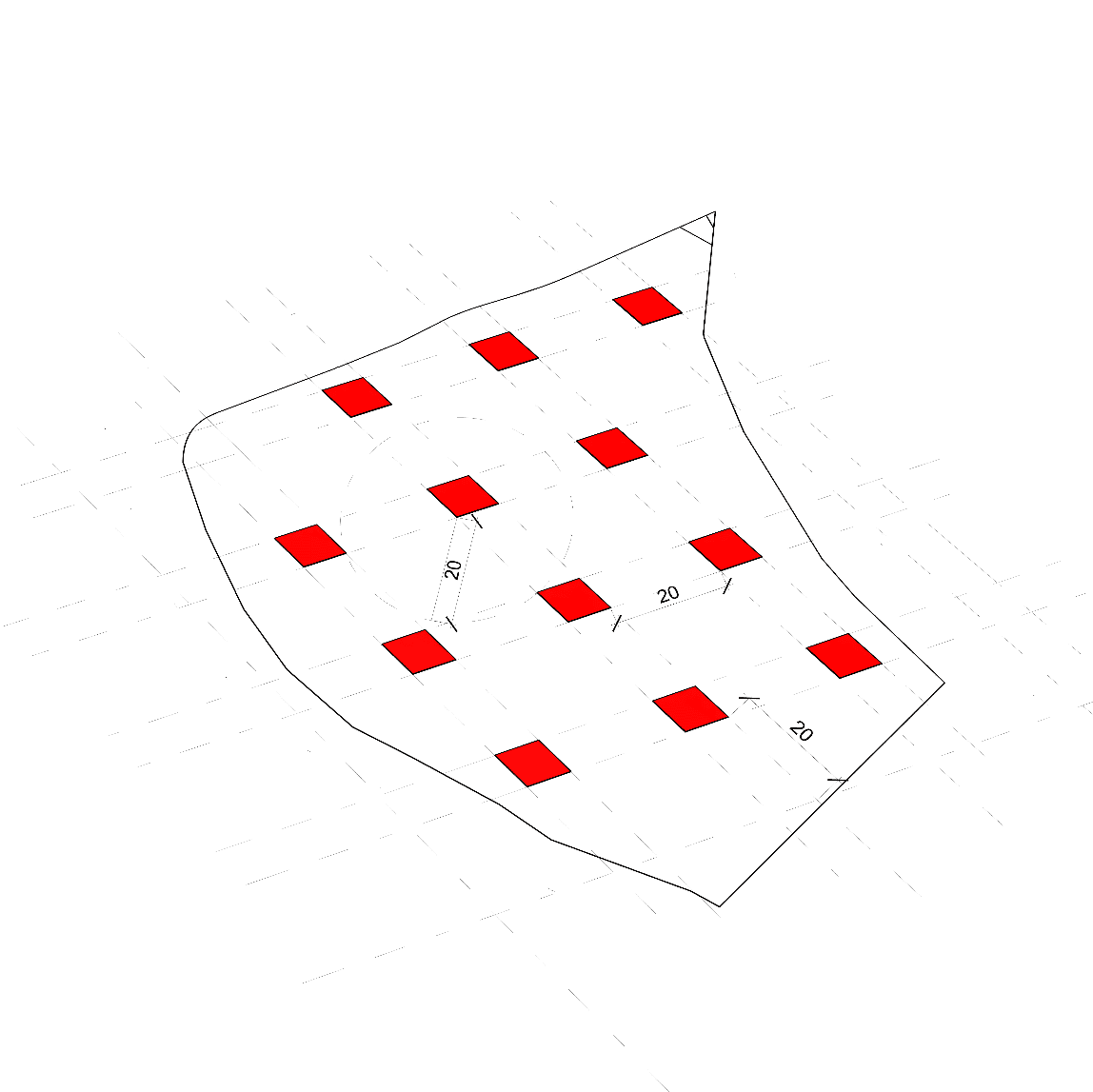
1. Core Generation: initial placement of the main structure.
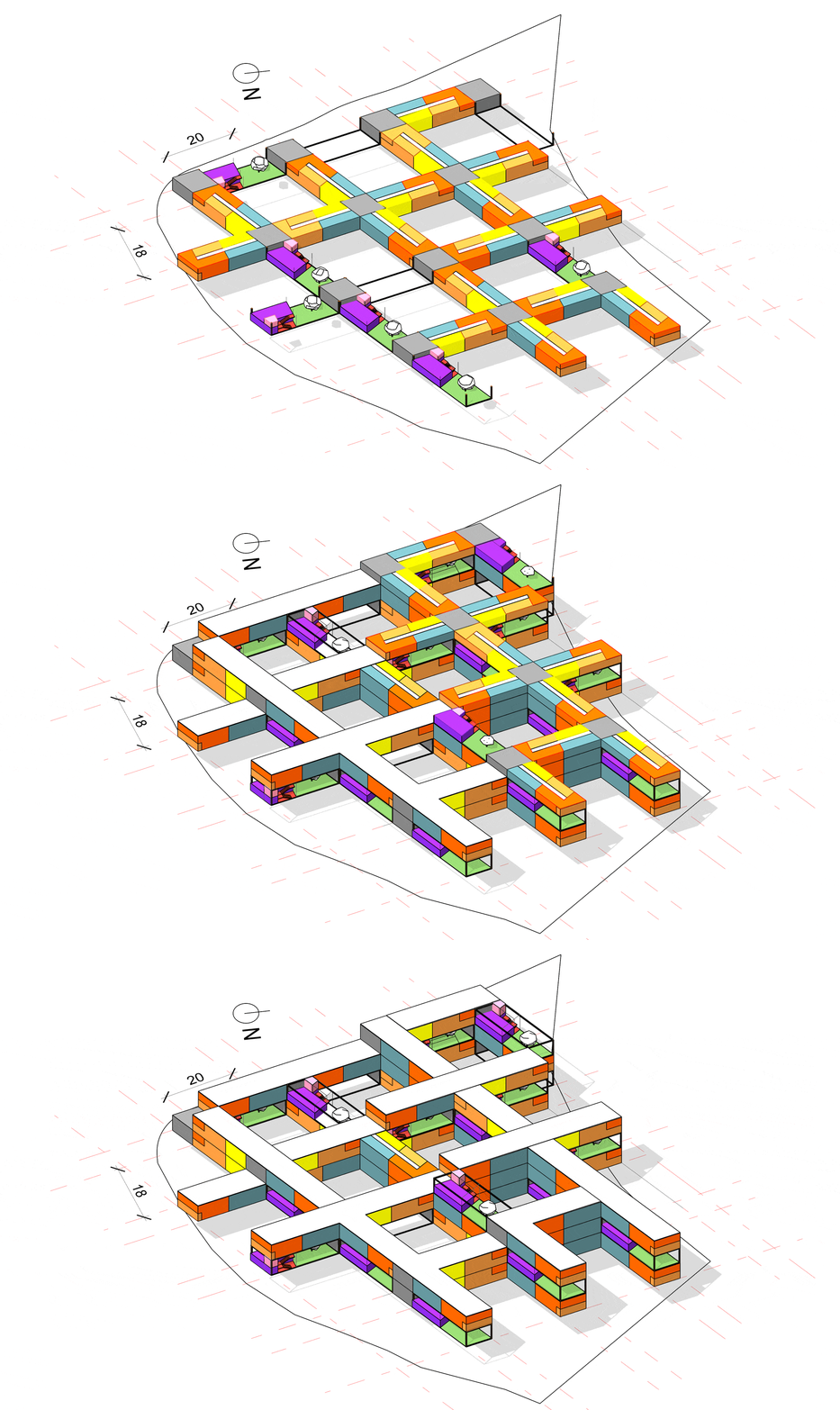
2. Aggregation with WASP: and growth of circulation and housing modules according to topological and adjacency rules
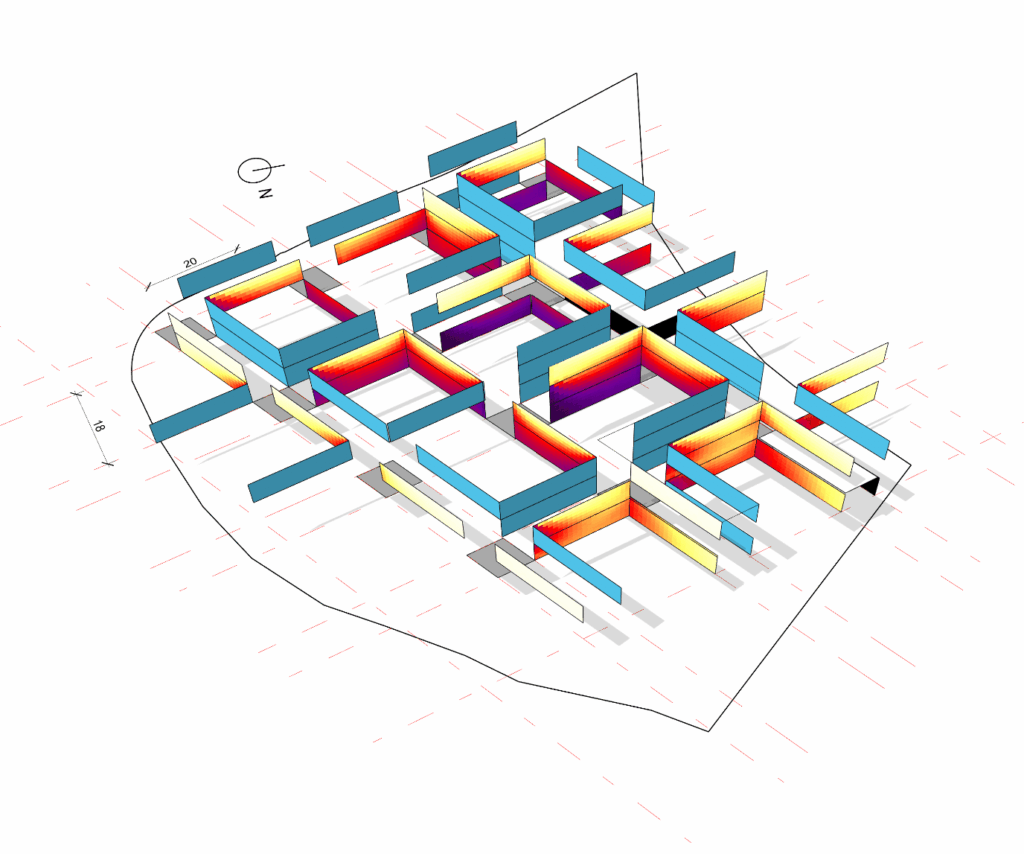
3. Analysis and filtering: Evaluation of each result according to KPIs (hours of direct sunlight, % of circulation, total area)
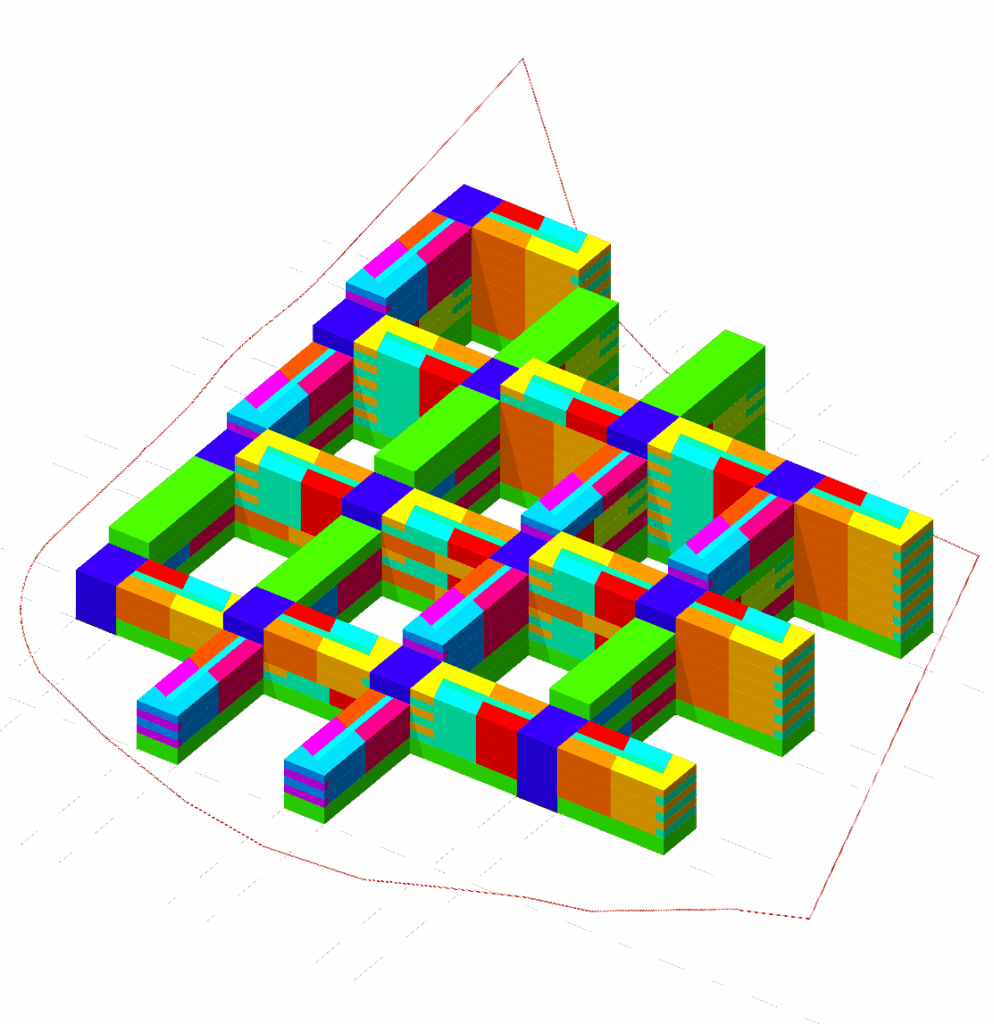
4. Optimization: Selection of the option with the best overall performance
06. First instantiation: massing, environment, structure
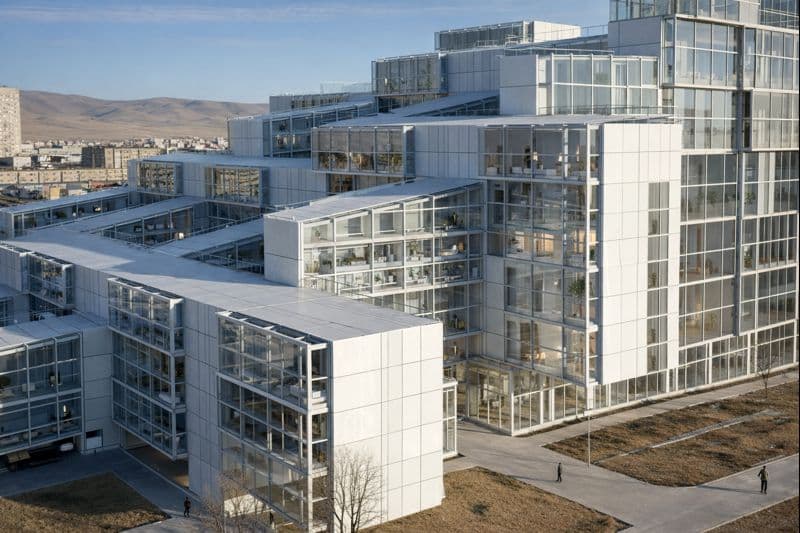
The first instantiation demonstrates how performance feedback shapes geometry: block-scale aggregation clarifies typological distribution; wind and solar studies guide corridor orientation and buffering; daylight results show variability across the envelope; and the stepped “staircase” massing supports load distribution and snow-readiness for Ulaanbaatar.
Massing vs Data
- Block-scale 3D aggregation of the modular system.
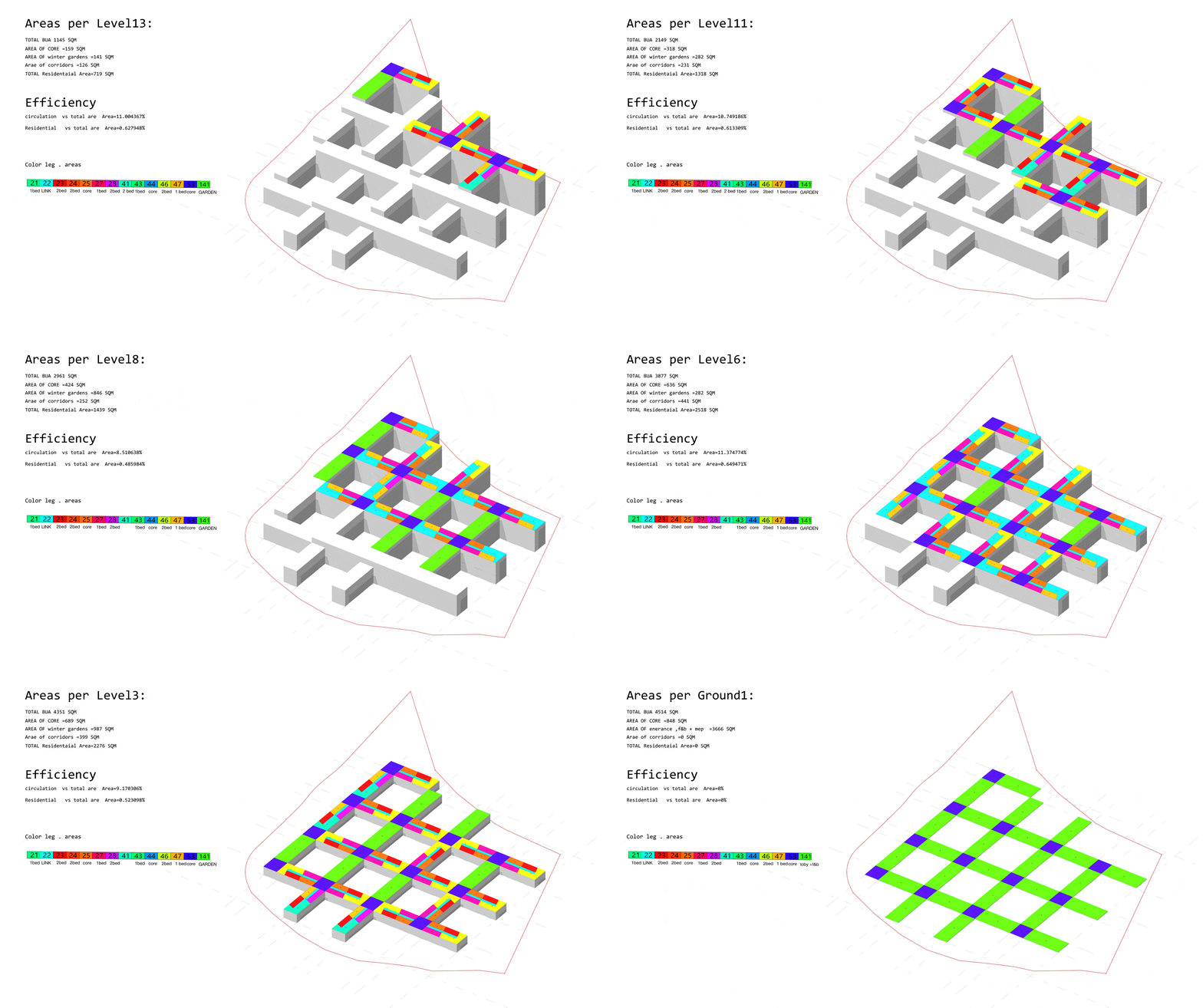
- Colour legend shows number of modules and area per typology.
- Continuous corridors and stacked winter gardens define the main courtyards.
Environmental Strategies 3D View + Data
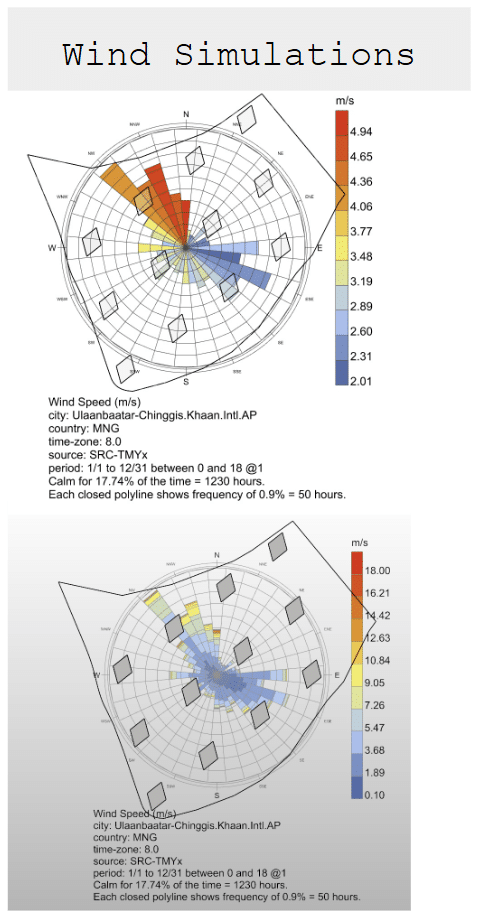
Prevailing NW winds (3–6 m/s) orient the corridor spine and balcony buffers.
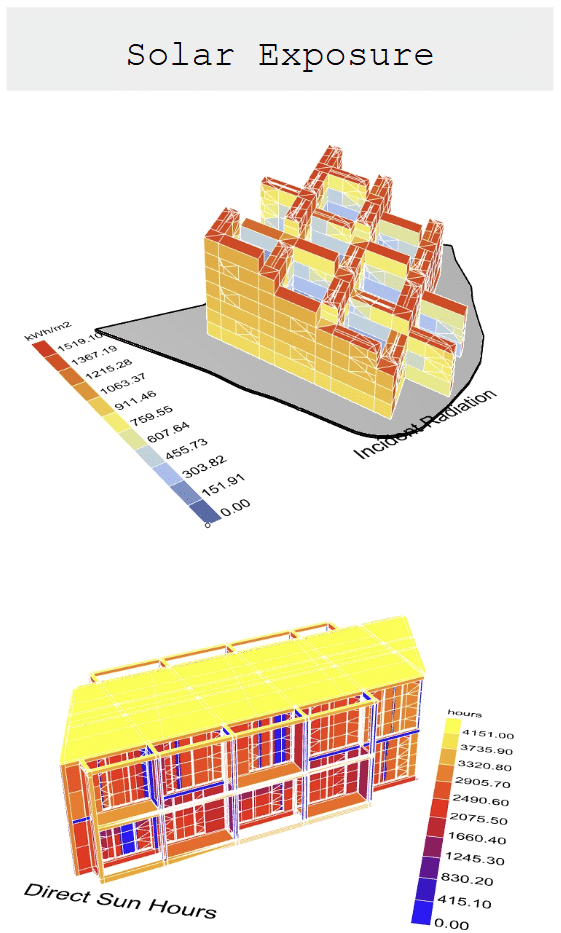
Annual incident radiation ranges from <200 to >1,600 kWh/m²·year on the façade.
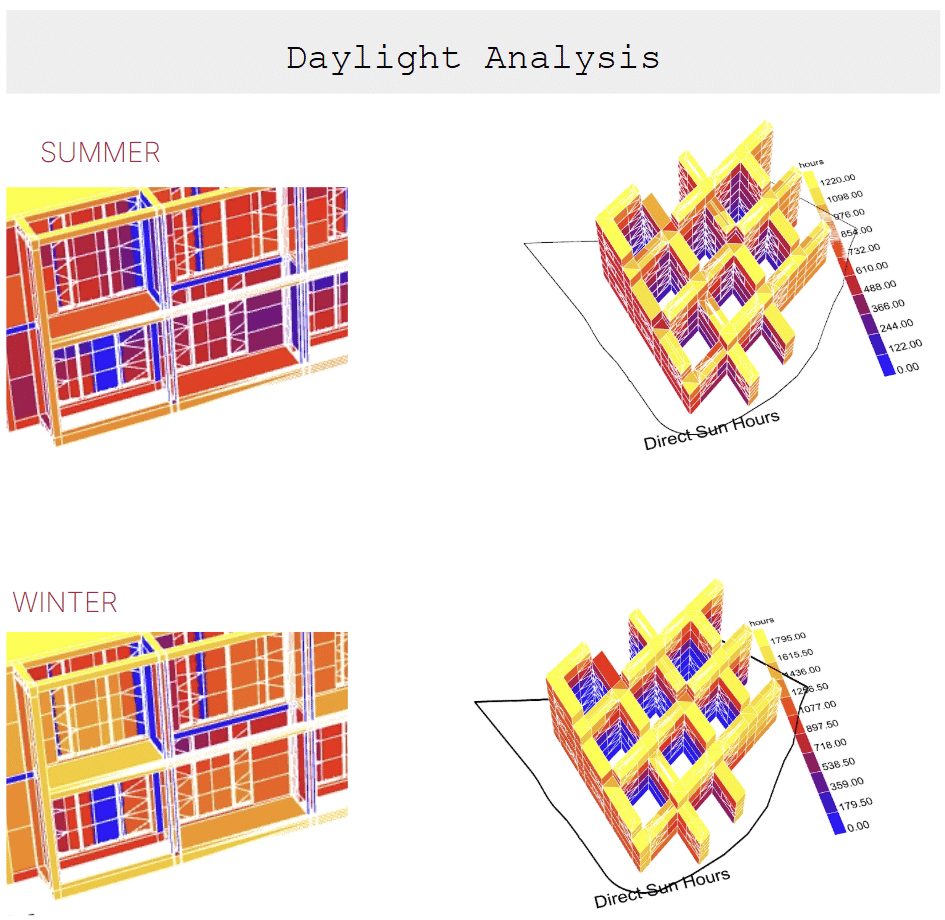
Direct sun hours vary from 0 to 12 h/day across the envelope.
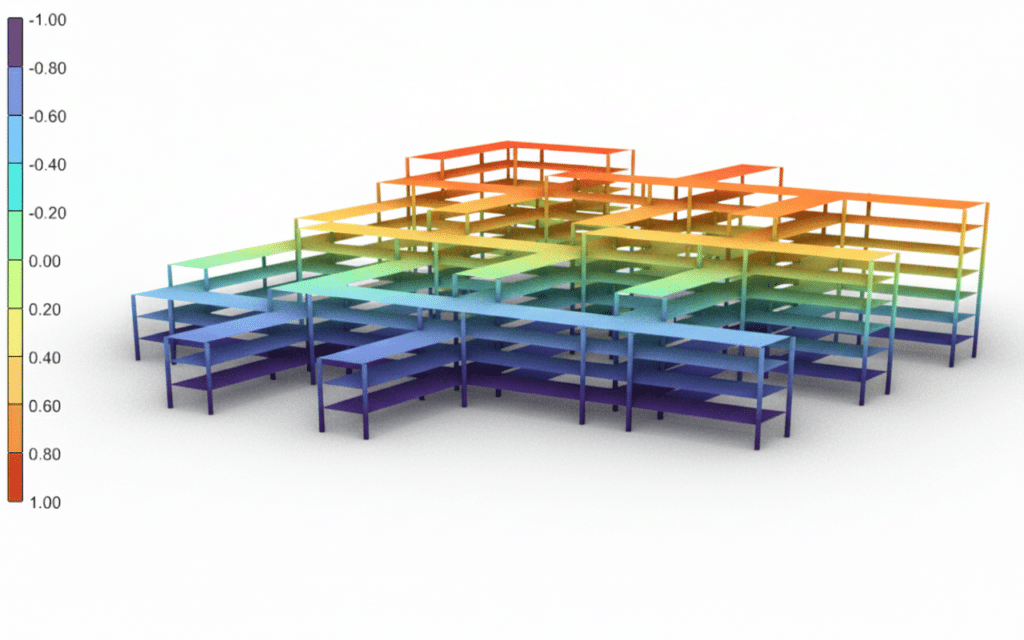
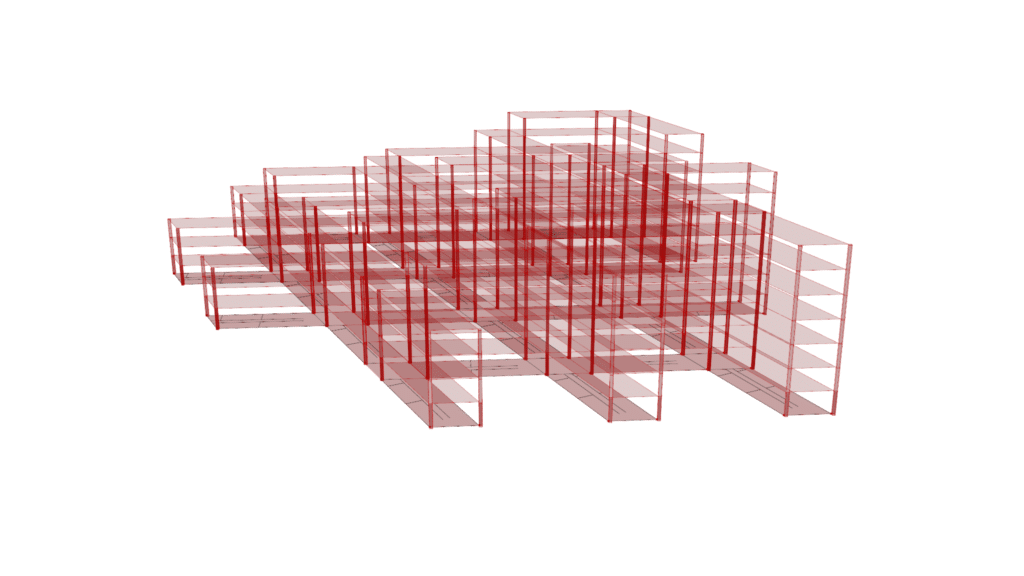
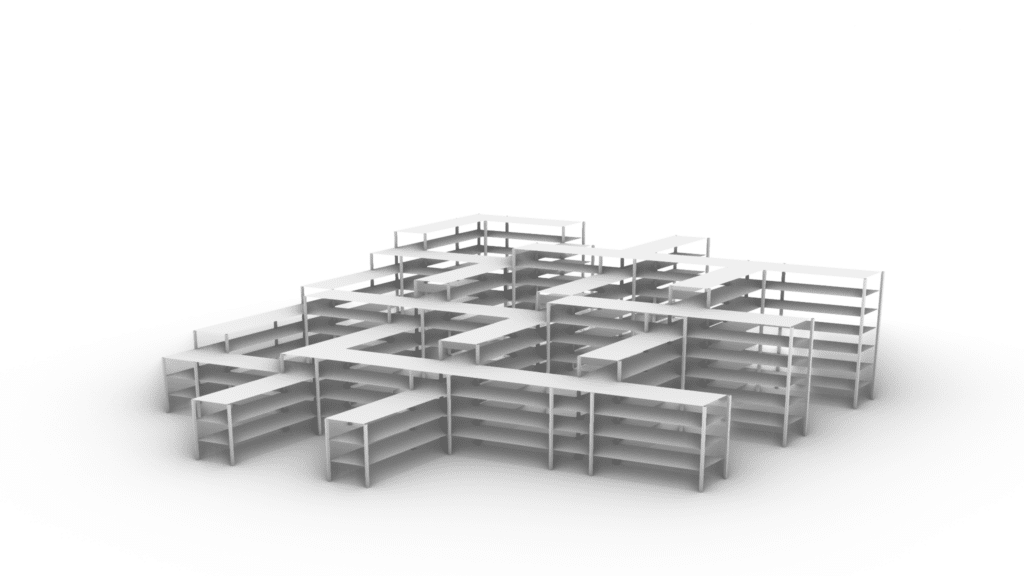
Structural 3D View + Data
Interlocking Strength: The “staircase” design helps spread weight across the whole frame rather than just one spot.
Cold Climate Ready: The layout is built to handle the heavy weight of snow, which is essential for Ulaanbaatar.
Environmental Strategies 3D View + Data
Solar Reflection
Courtyard floors receive up to 80–100 kWh/m² from reflected radiation.
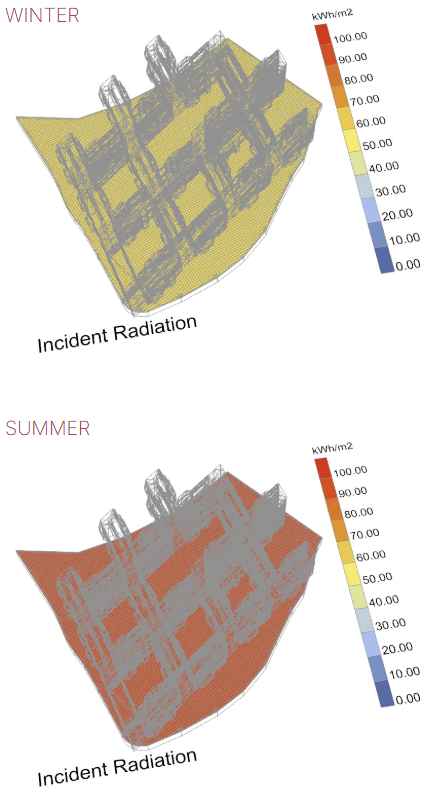
VSC- Vertical Sky
Courtyard floors receive up to 80–100 kWh/m² from reflected radiation.
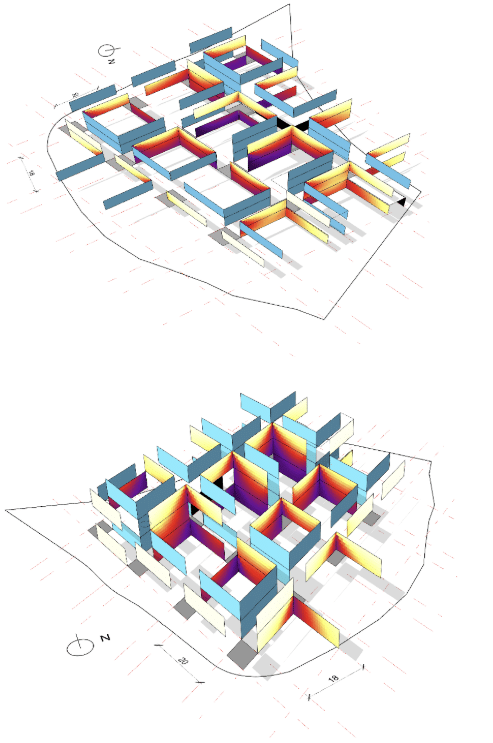
The system uses detailed environmental analysis to inform key decisions at each location: the orientation of the circulation spine, the depth and enclosure of the winter gardens, and the distribution of openings in the facade.
07. Overall Plans
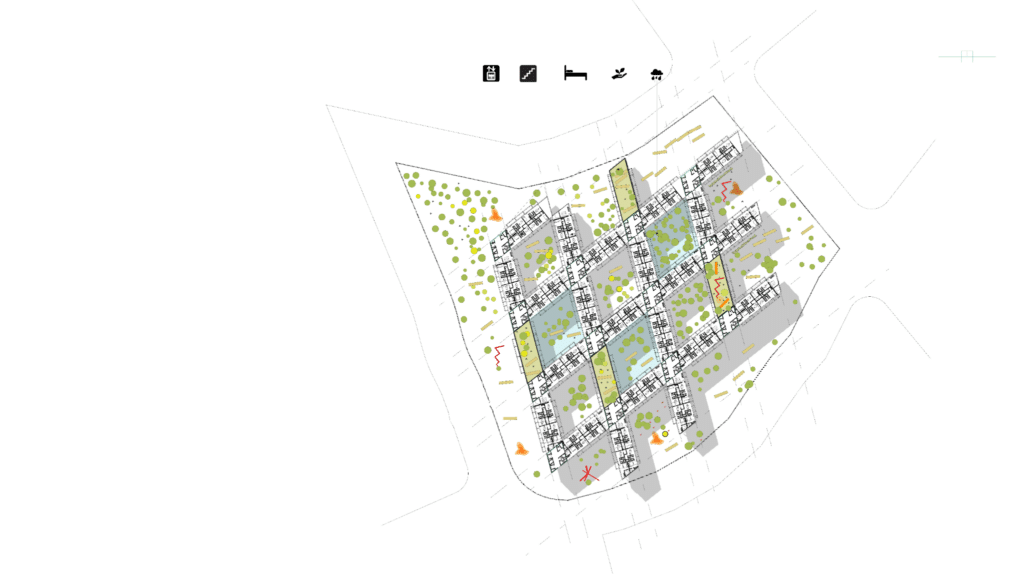
Spatial topological map
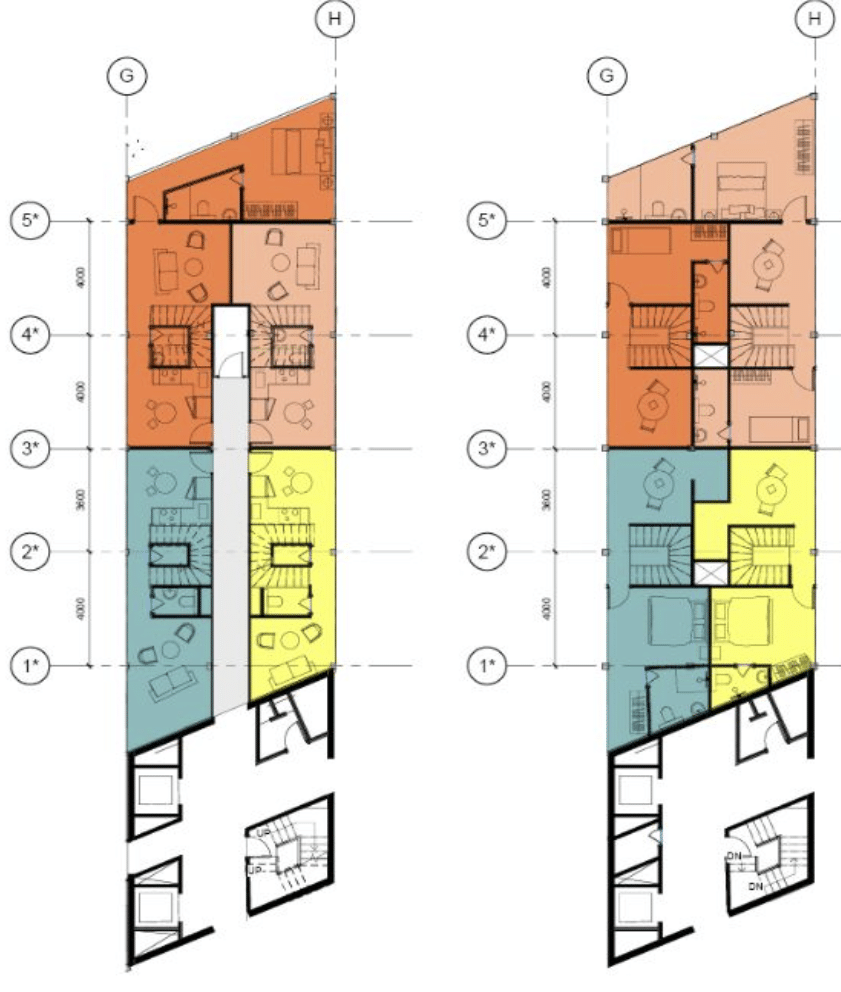
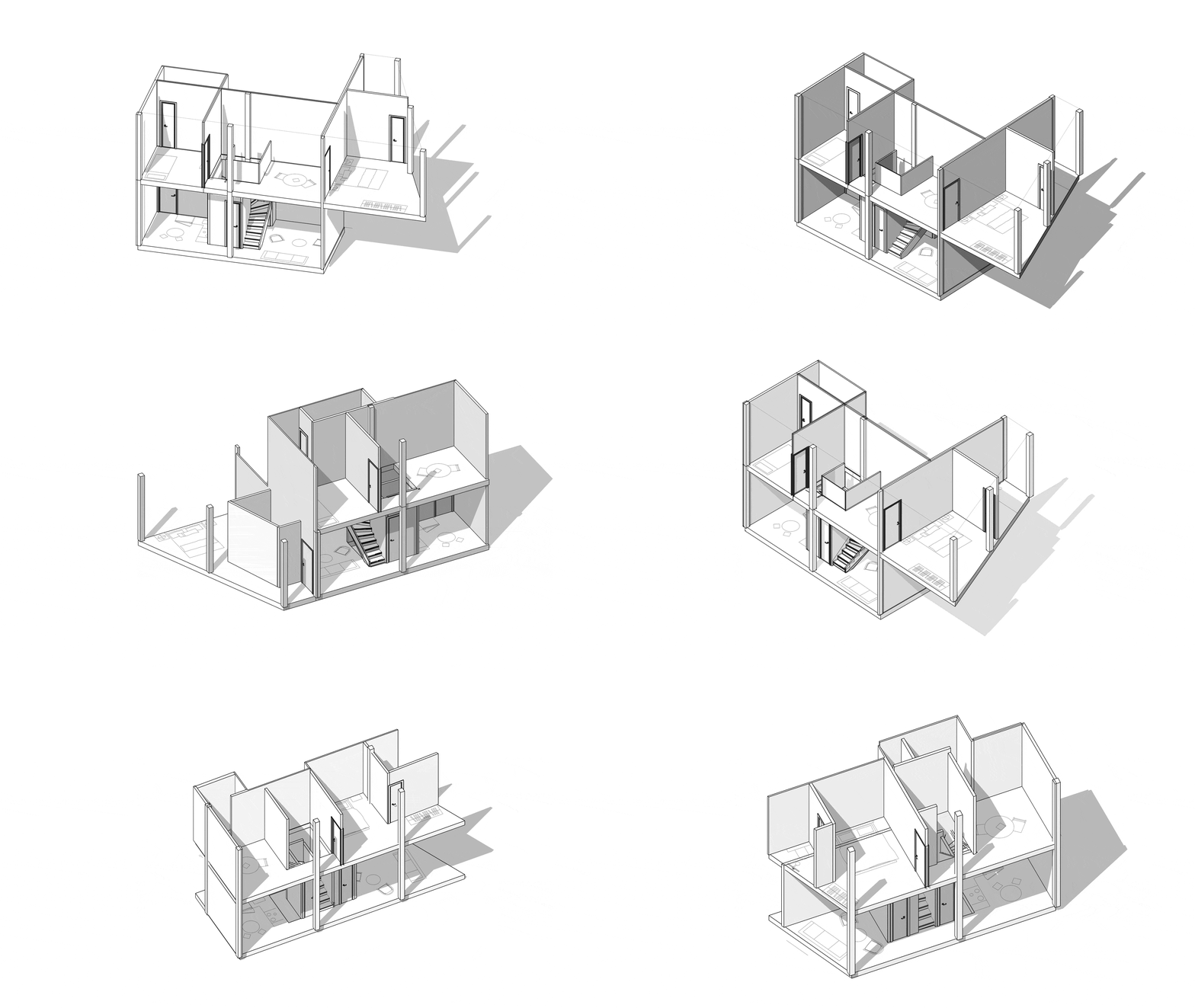
Definition of the Modules
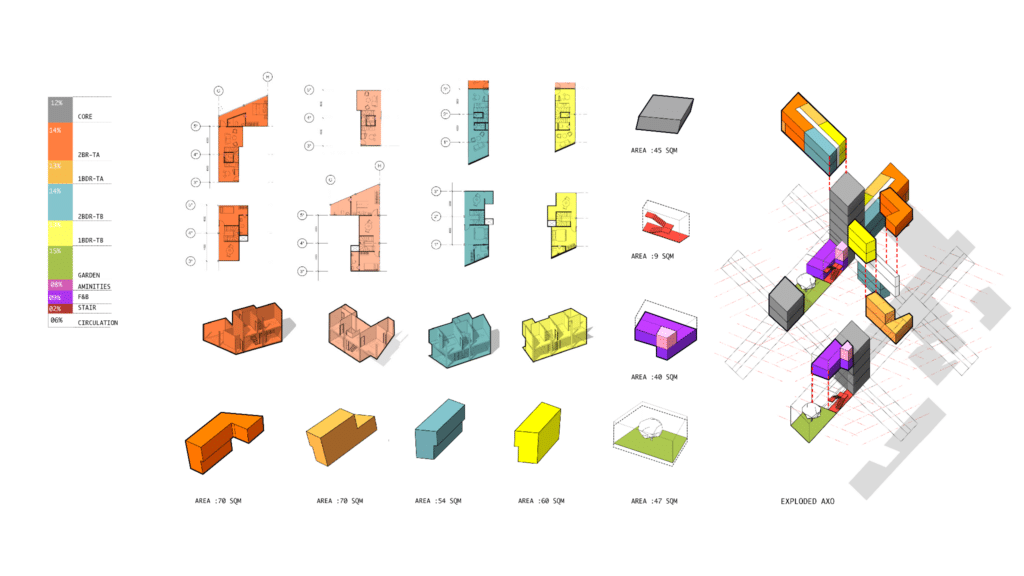
Module – Configuration
Overall Area Distribution
08. Elevations
09. Sections
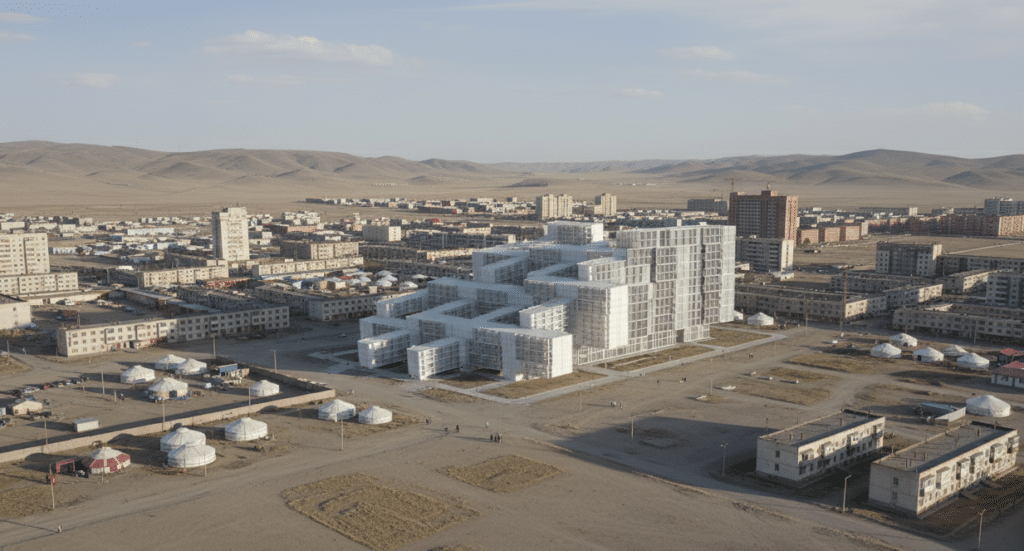
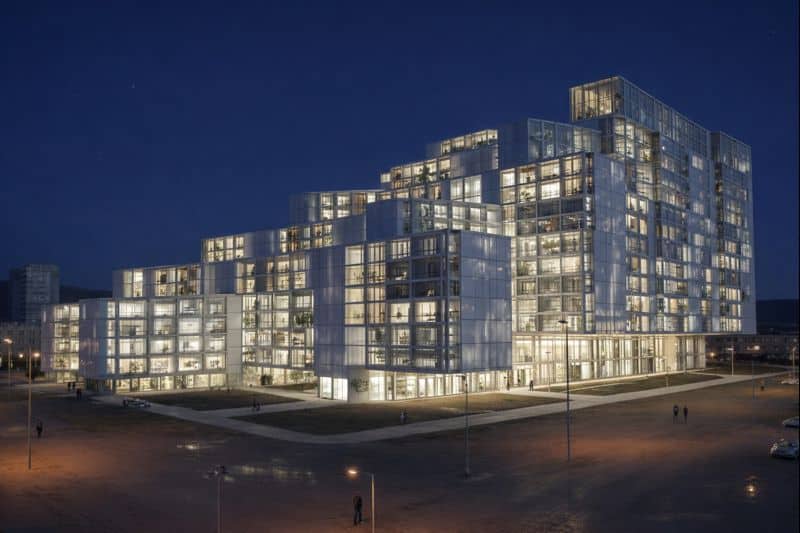
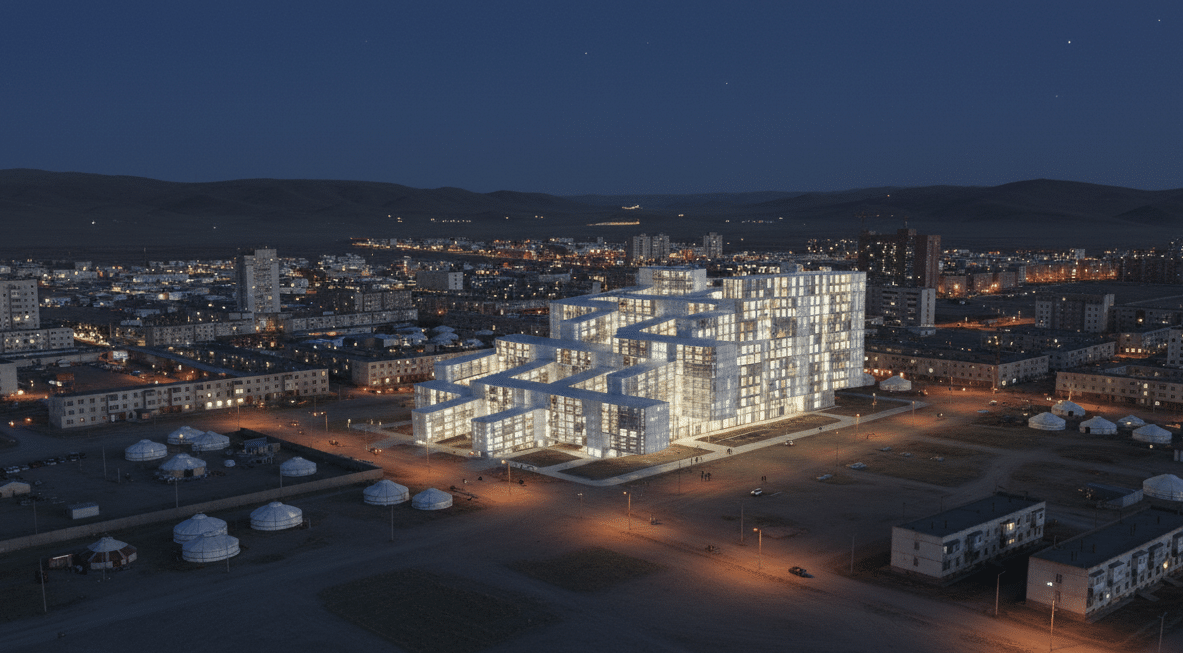
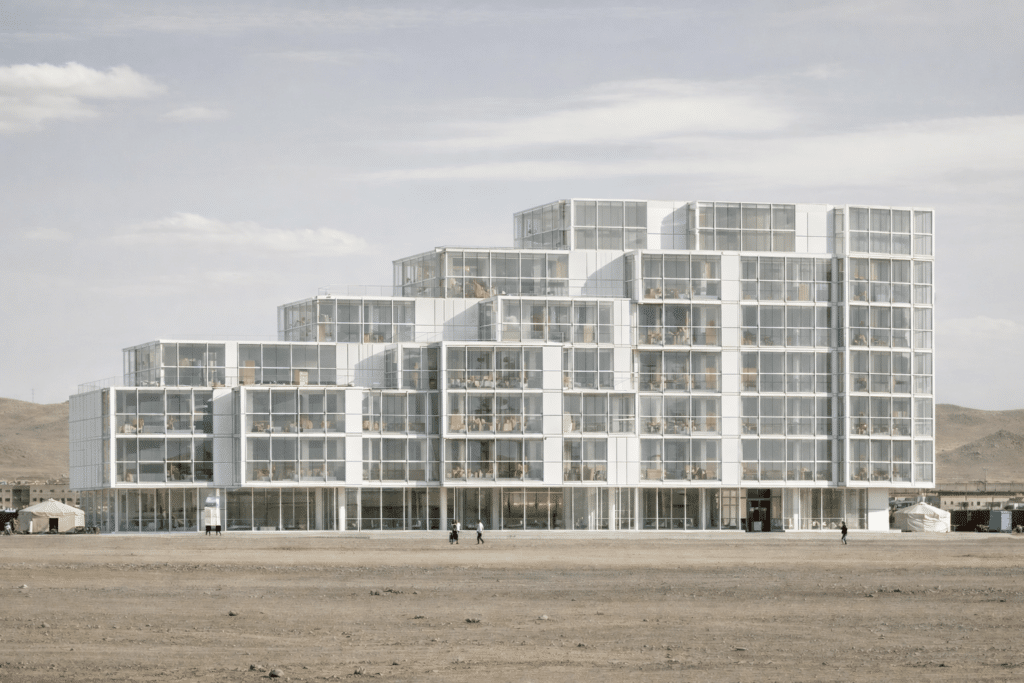
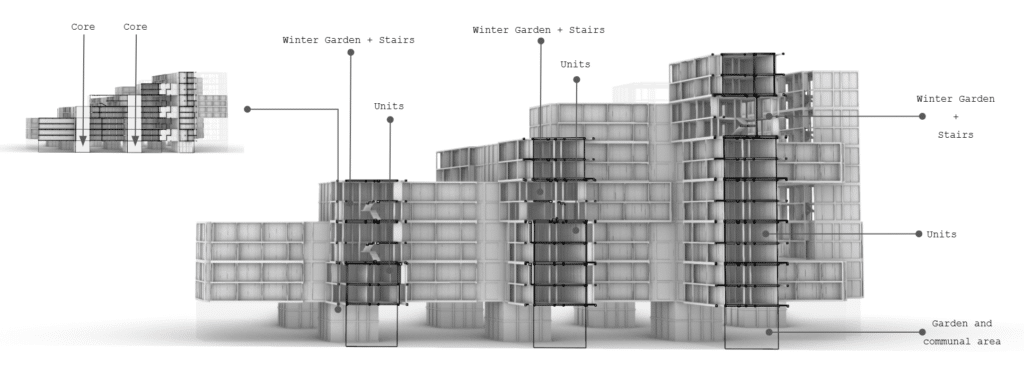
Plans and sections make the spatial logic explicit: continuous corridors, stacked winter gardens, and courtyards act as a coupled system. The stepped skyline expresses a deliberate balance between compacity (resilience) and porosity (light + communal life), allowing the project to remain readable at building and block scale.
10. Winter gardens as social infrastructure
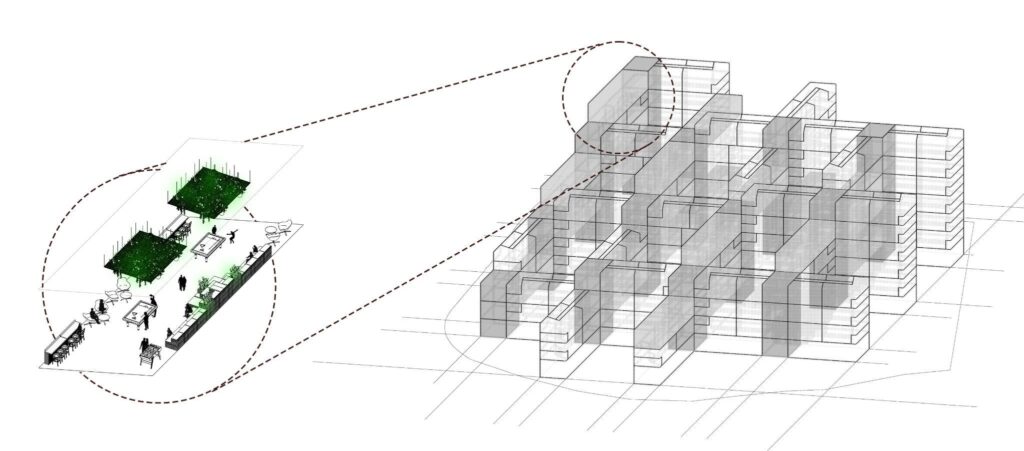
Winter gardens are presented as programmable shared space: lounge, co-working, exhibitions, and chill areas. In this logic, winter gardens are not “extra balconies”; they are a thermal + social interface that extends communal life into the cold season while protecting interior circulation.
Function 1: LOUNGE AREA
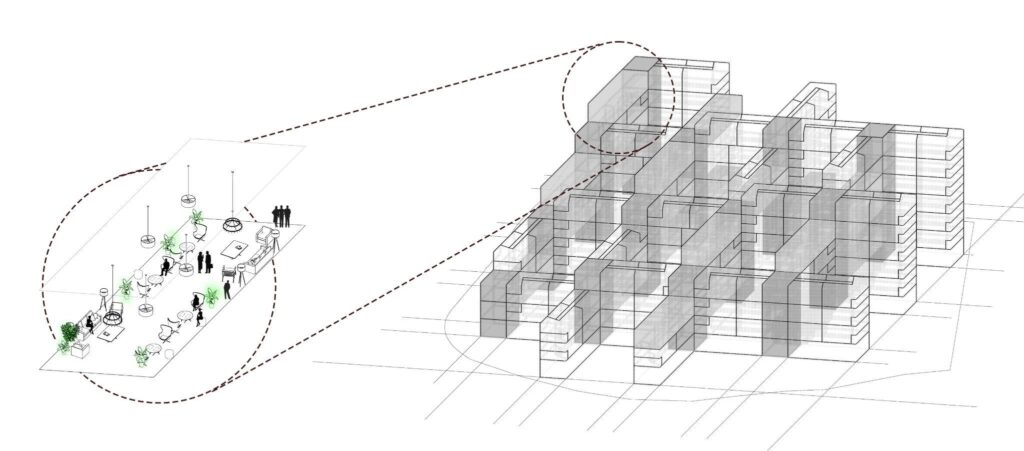
Function 2: CO-WORKING AREA
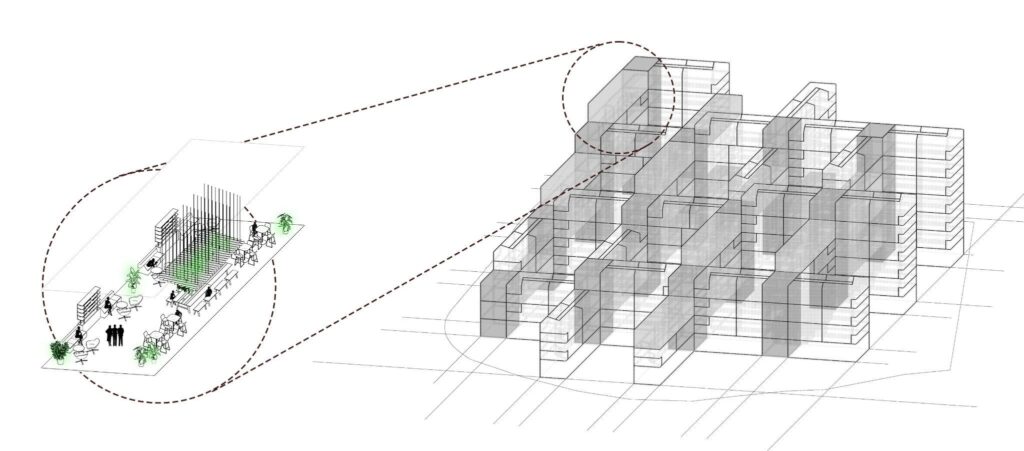
Function 3: TEMPORARY EXHIBITIONS AREA
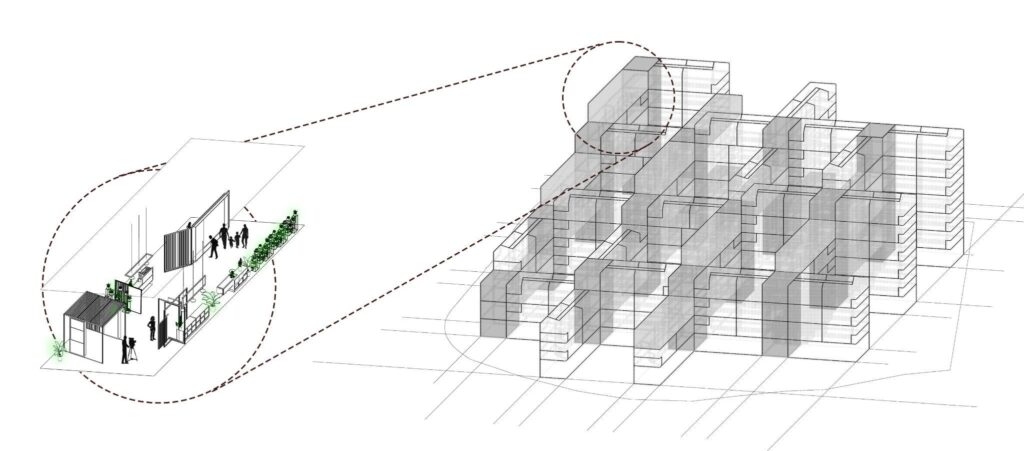
Function 4: CHILL AREA
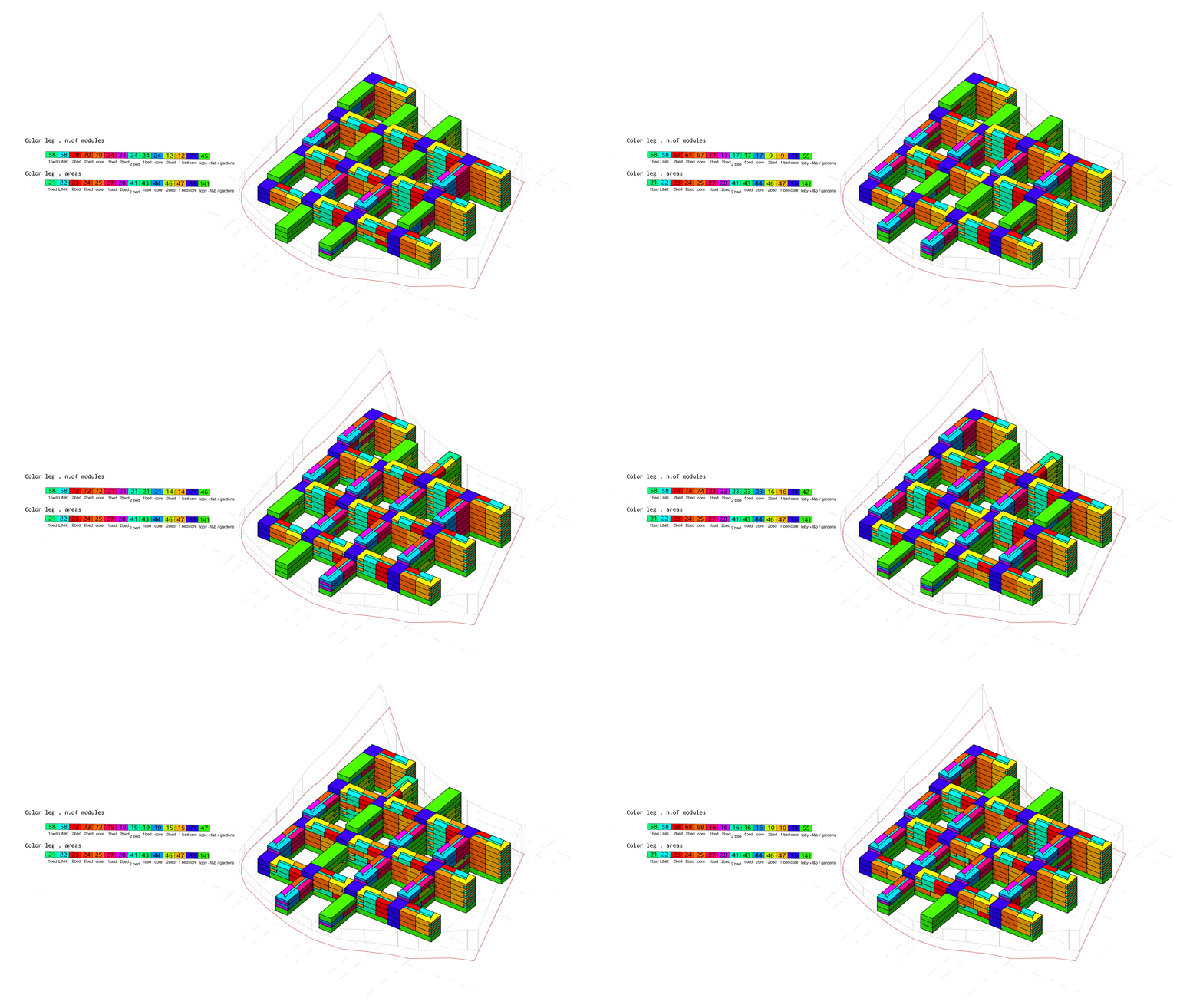
11. Design Iterations
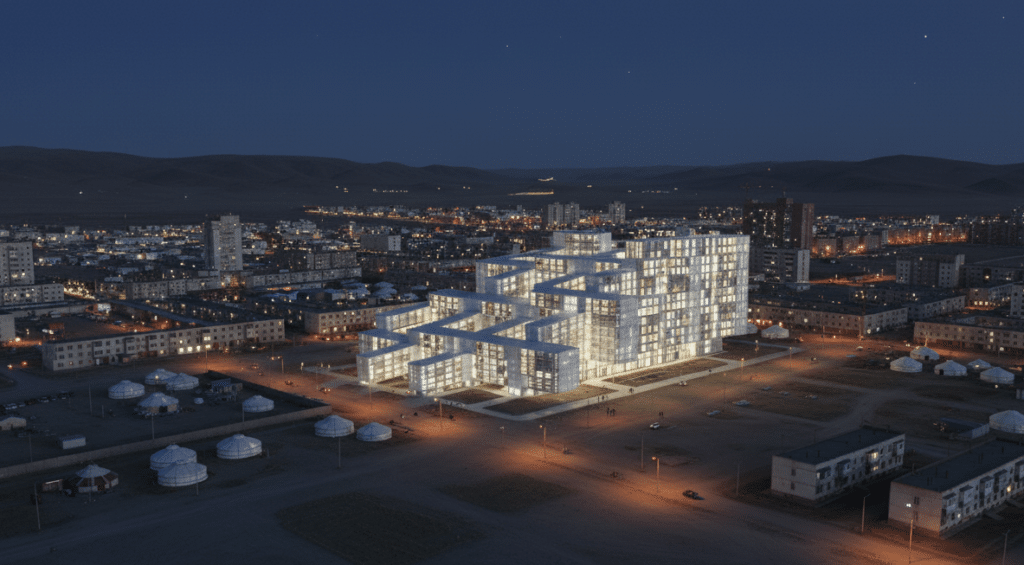
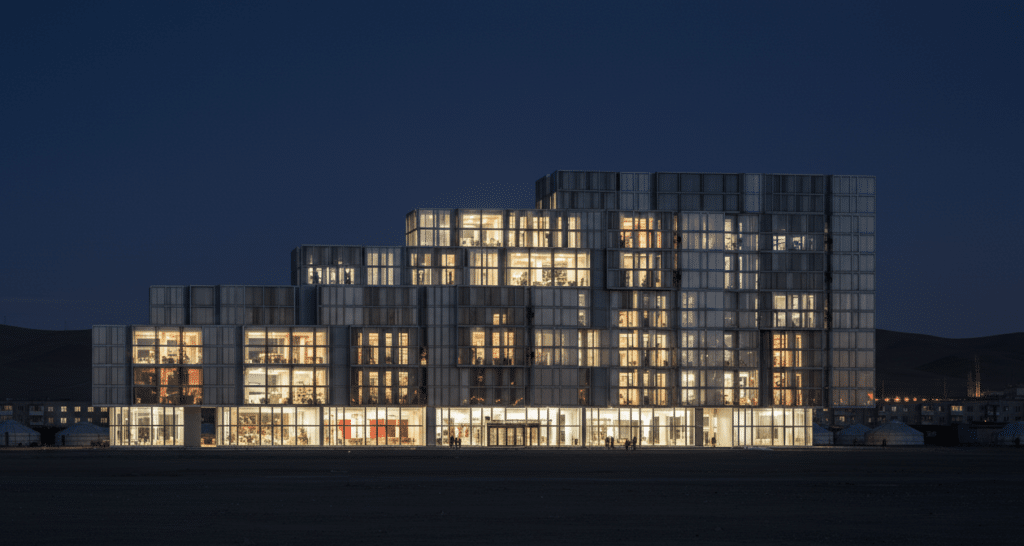
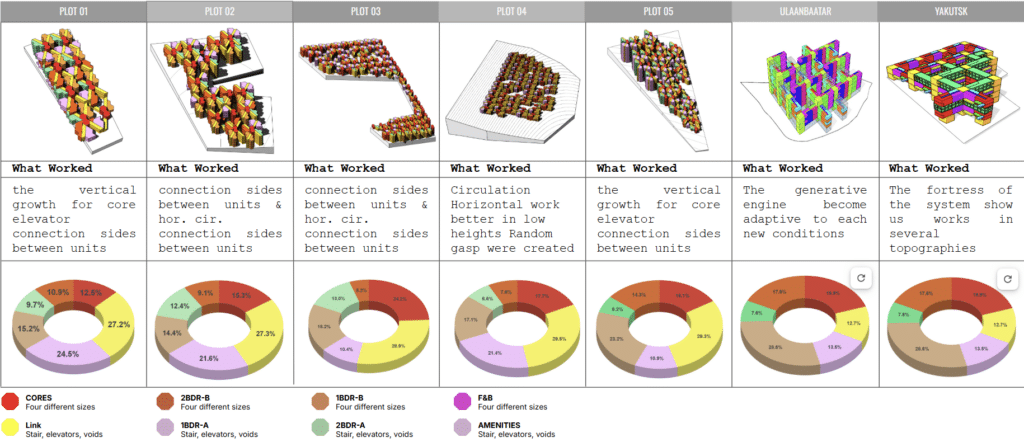
A set of permutations demonstrates how the generative engine adapts to different constraints (including comparisons across sites). The final visualizations consolidate the project’s intent: a housing system that remains adaptable while preserving identity and climatic resilience.
12. Photorealistic Visualizations