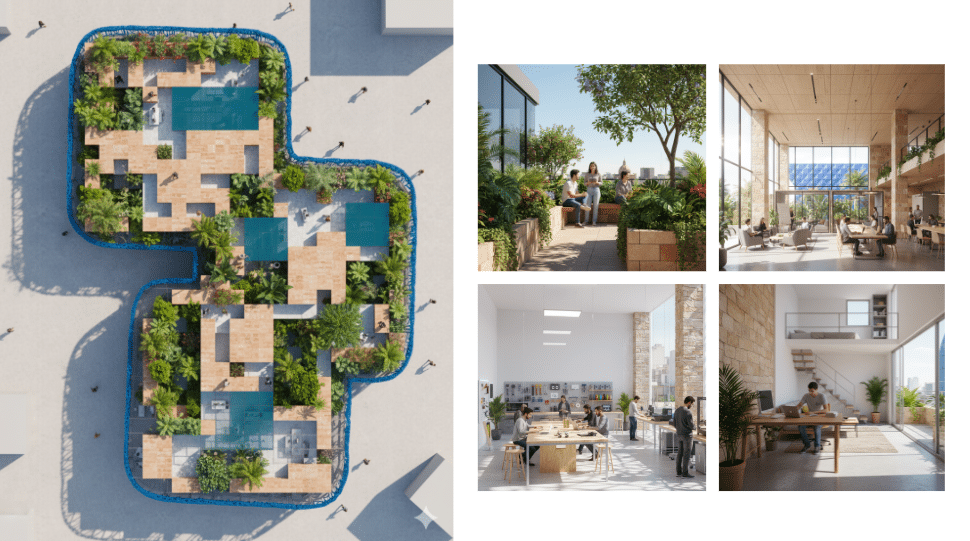
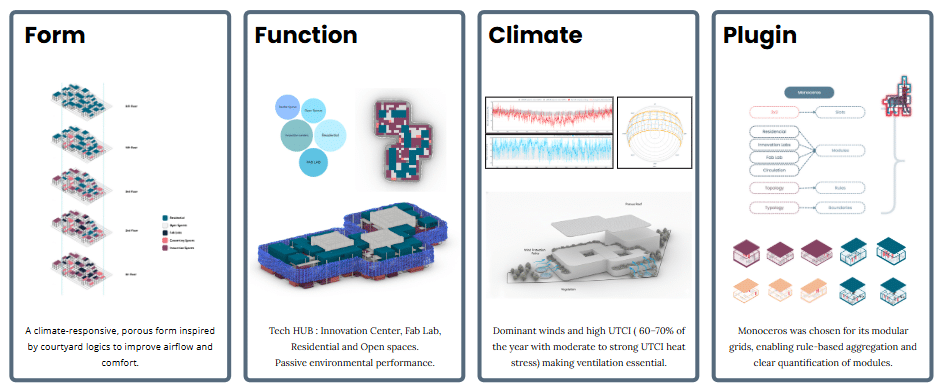
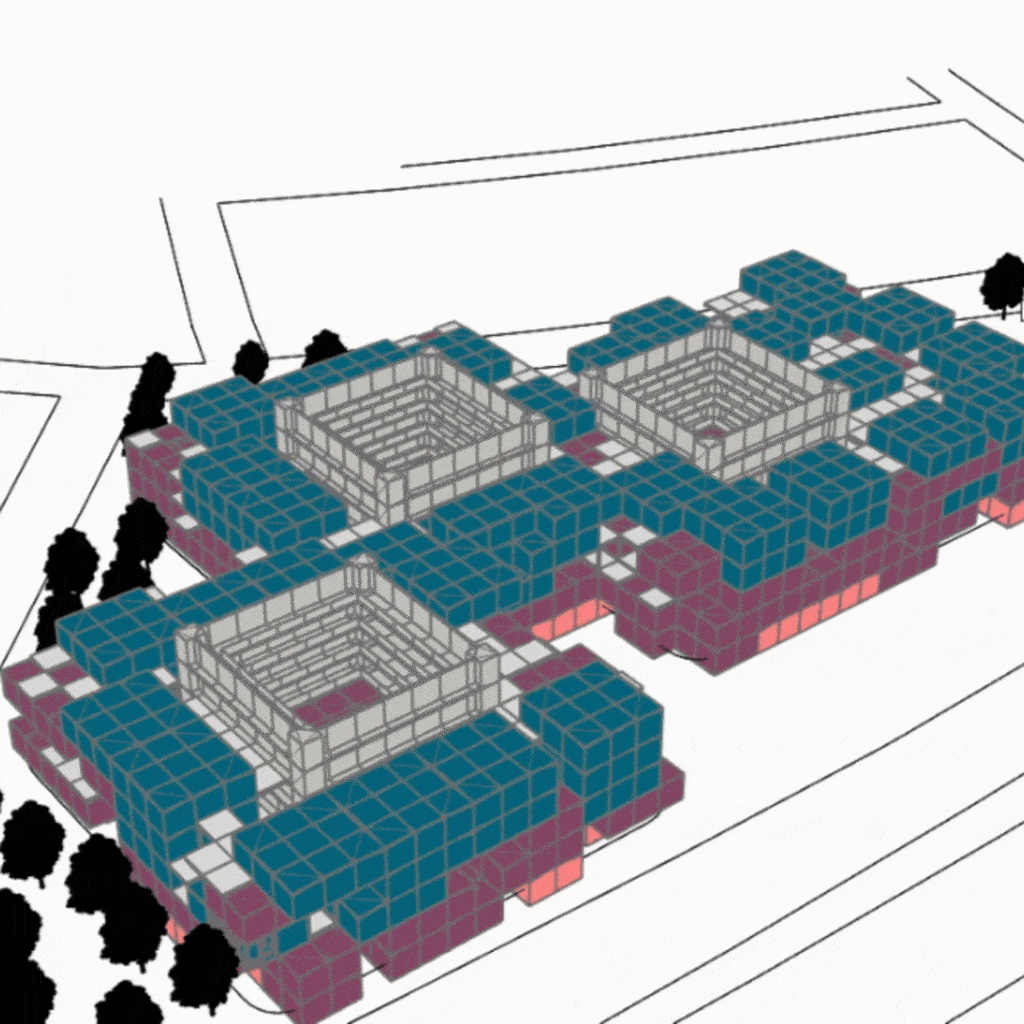
Aeralis is a climate-responsive Tech Hub composed of modular, porous blocks and patios, designed to enhance ventilation comfort. It is a project based on the winds of Cordoba, Argentina. The project aims to integrate the climatic challenges into architectural design. In doing so, designing a coherent structure with the climate and the site. For this, we used Monoceros as the main plugin in Grasshopper.
The Process
We began with a site analysis and determined our program. Later on, we started defining our modules based on the program. The analysis gave us the typology and the topology.
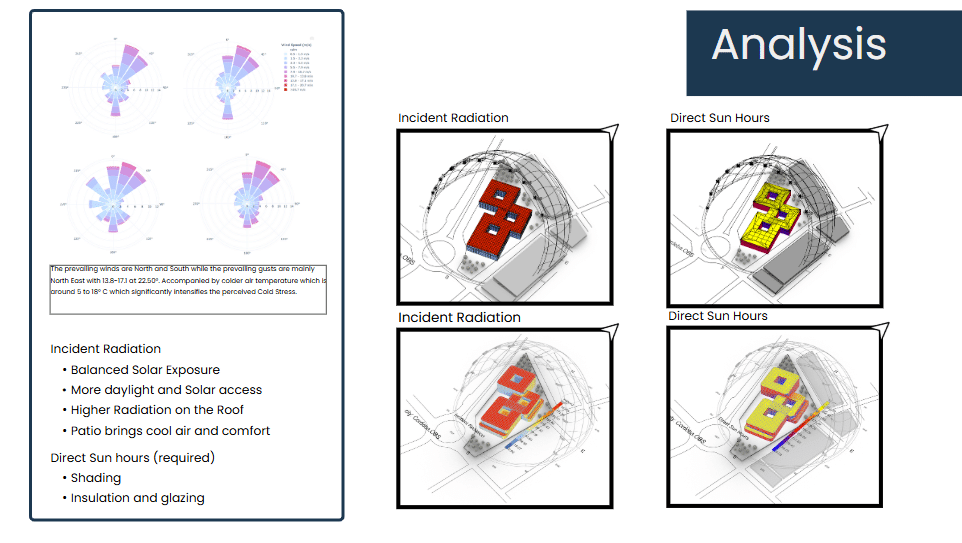
Enhanced Design :
- Rounded Edges and setbacks show better performance.
- Implemented Roof to ease the radiation on the roof.
- Wind pools : cool the incoming air, slow the wind, and create a fresh microclimate.
- Vegetation : breaks the wind, reduce turbulence, cool the air through evapotranspiration.
Typology

Topology

Workflow
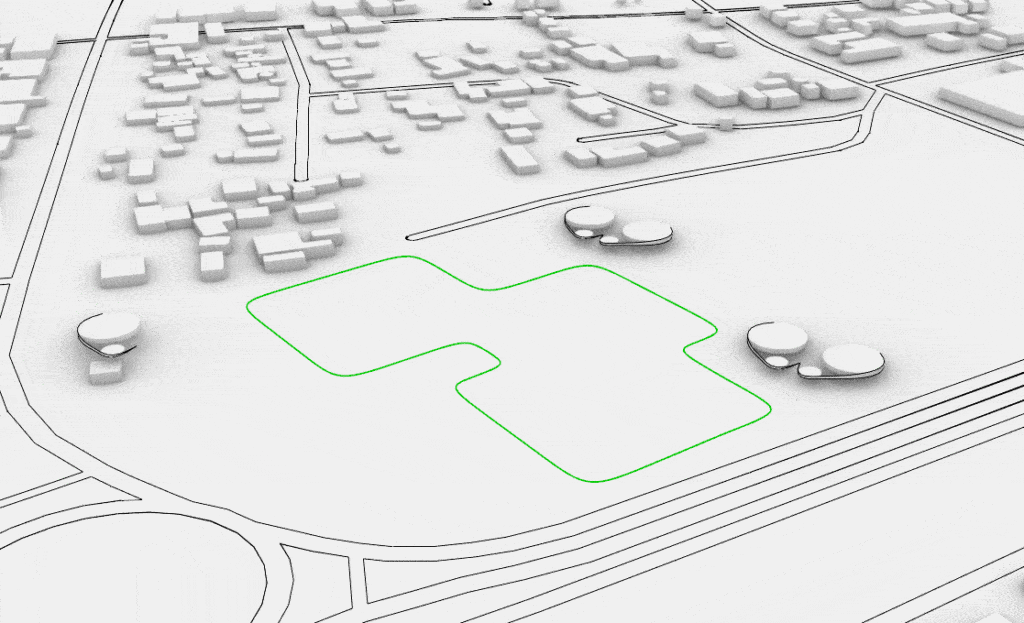
We started by setting our limits then applying the Monorceros plugin.
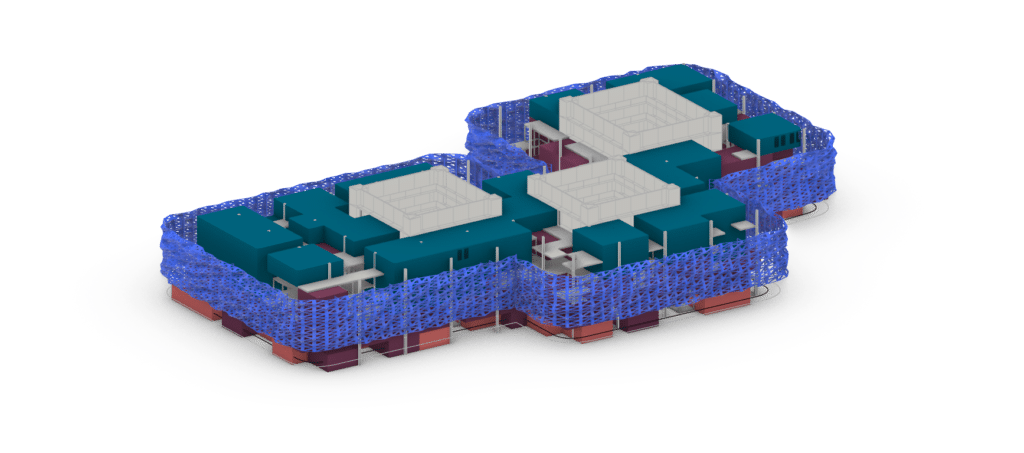
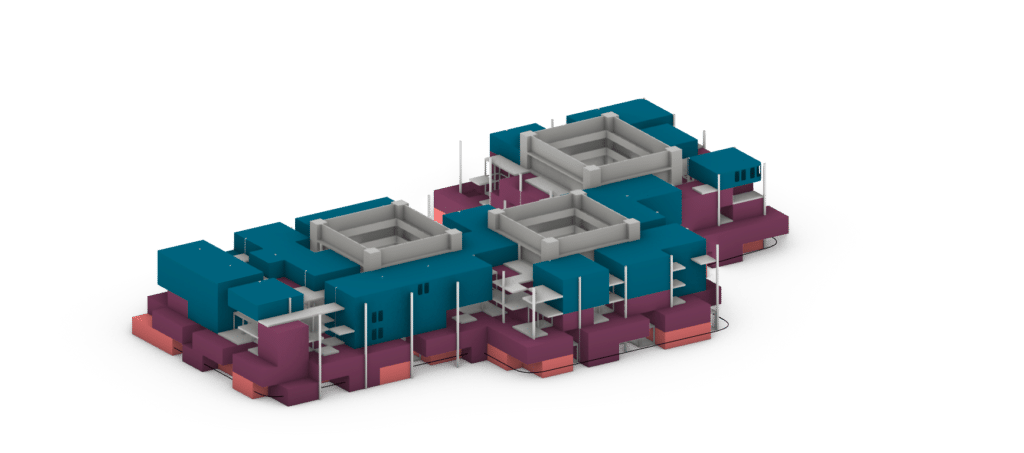
For the Monoceros to work, we defined the boundaty we will work in. Formed our 3x3x3 modules and used them to form bigger modules, which we will be mentoining in the Kit Of Parts heading in this blog. After the aggregation was complete, we worked on the facade and the openings. Unfortunately, we were not able to control the openings for the windows in the script. Yet, we tried to make up for it in our plans.

Facade
The façade was designed with cultural Argentine inspiration. The national colour is sky-blue, and the handicrafts are based on a triangular shape. Hence, we tried to keep the spirit when it came to the outer shell of the aggregation.
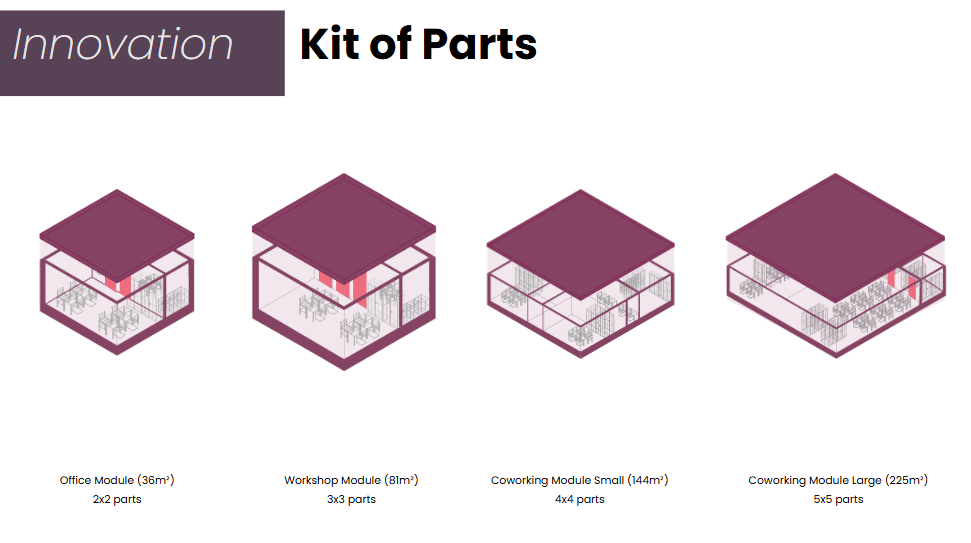
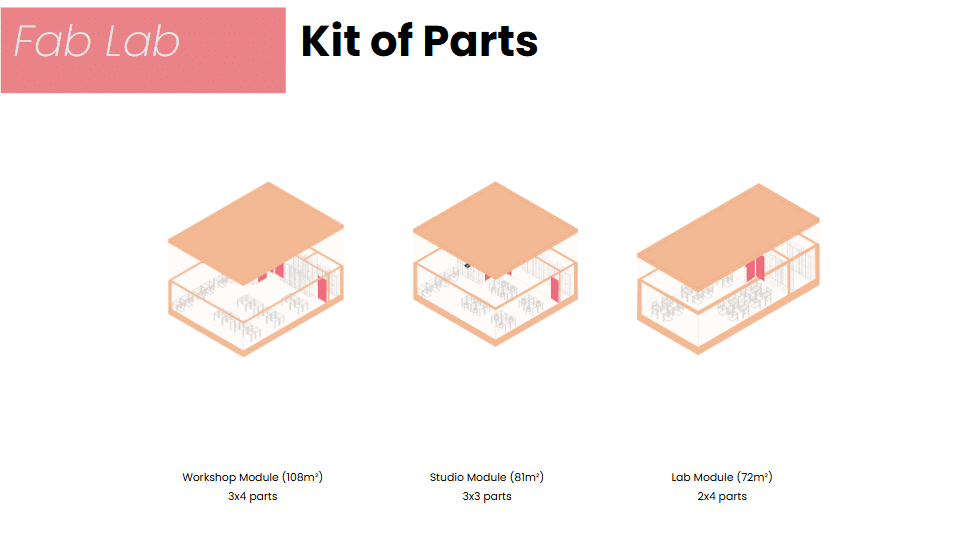
Kit Of Parts
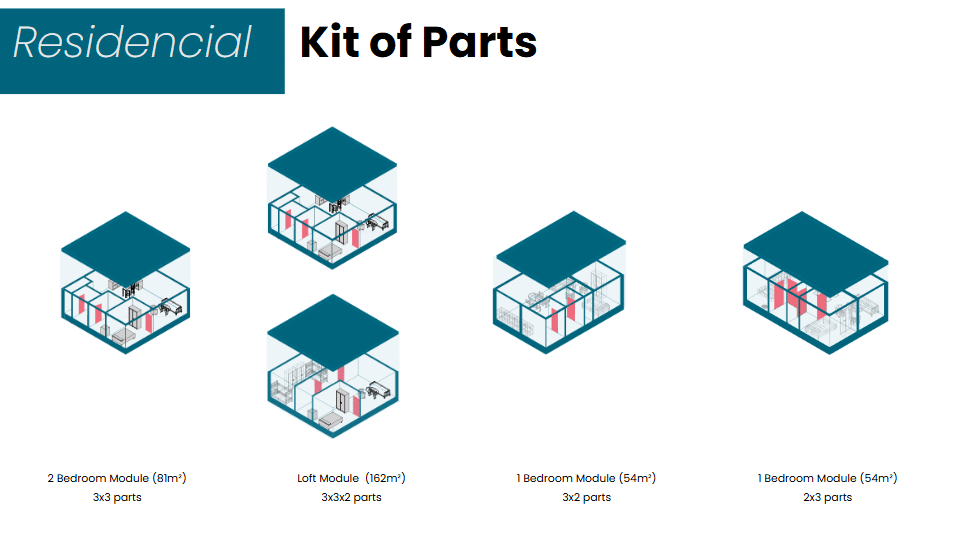
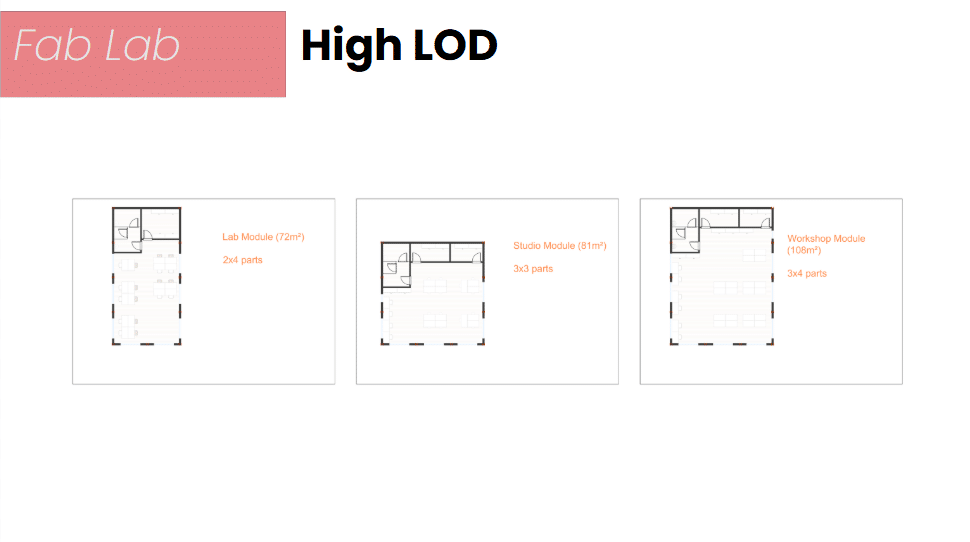
Here are the diagrams and the plans for the larger modules formed from 3x3x3 modules.



Permutations
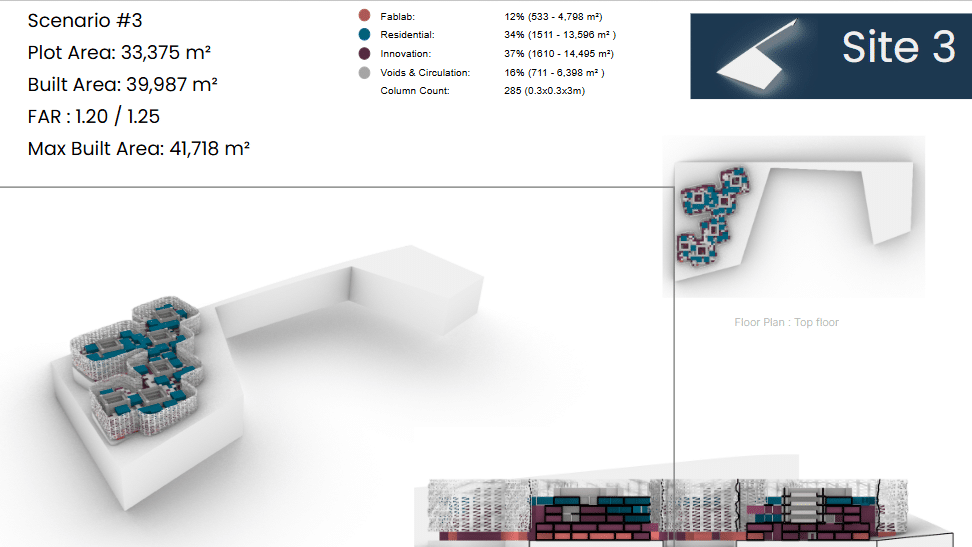
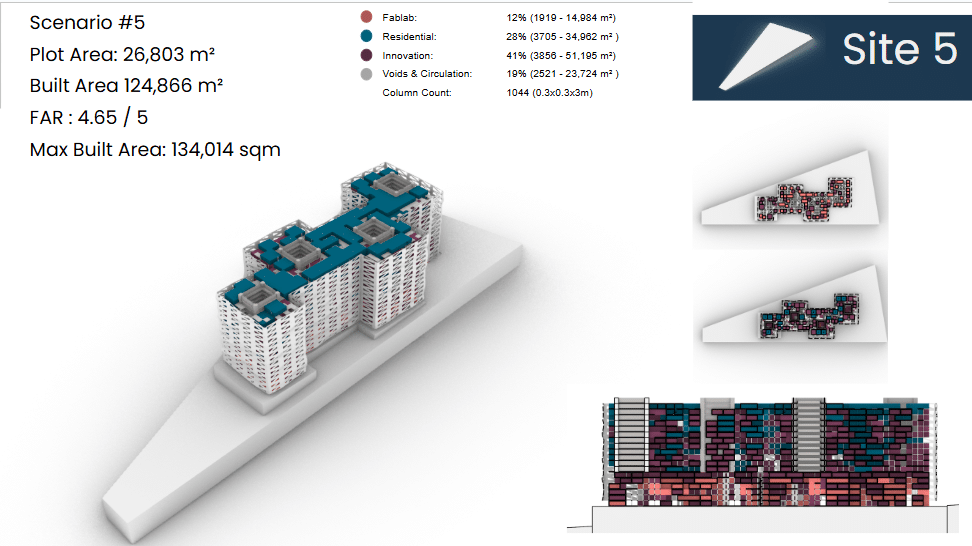
Then we did permutations with the sites given to us by our studio leaders.


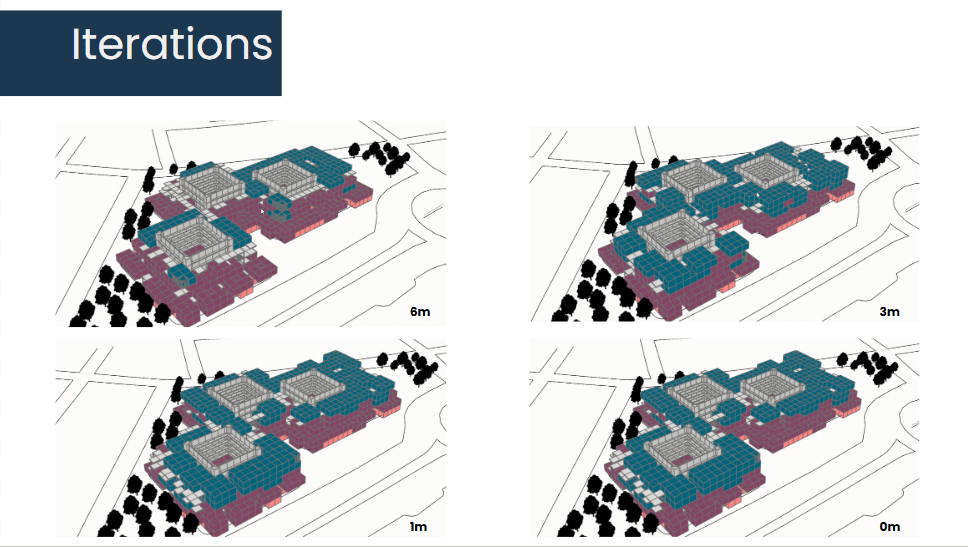
Iterations
Then we iterated with different setback rules
Renders